Dachshund Feet
Dachshund Feet
From cracked paw pads to weird walking patterns, dachshund feet can be tricky. This guide covers the signs I watch for daily.
James
Posted on November 2, 2025.
Updated on July 21, 2026.
Table of Contents
- 1.Key Takeaways
- 2.Dachshund Foot Health Across Life Stages
- •Puppyhood (0–12 months)
- •Adulthood (1–7 years)
- •Senior Years (8+ years)
- 3.Paw Licking & Chewing in Dachshunds
- •Causes
- •Signs to Watch For
- •Risks if Untreated
- •Treatments
- •Prevention & Lifestyle Care
- 4.Swollen Paws in Dachshunds
- •Why Dachshunds Are Prone to Paw Swelling
- •Common Causes of Swollen Paws
- •Signs Owners Should Watch For
- •Risks if Left Untreated
- •Treatment Options
- •Prevention & Daily Paw Care
- 5.Paw Pad Injuries in Dachshunds
- •Why Paw Pads Are So Vulnerable
- •Common Types of Paw Pad Injuries
- •Signs of Paw Pad Injuries
- •Risks if Left Untreated
- •Treatment Options
- •Prevention & Lifestyle Management
- 6.Nail Problems in Dachshunds
- •Common Nail Problems
- •Signs to Watch For
- •Risks if Untreated
- •Treatment Options
- •Prevention & Lifestyle Management
- 7.Orthopedic Strain and Dachshund Feet
- •Why Dachshunds Are at Risk
- •Signs of Orthopedic Strain in Paws
- •Risks if Untreated
- •Treatment Options
- •Prevention & Lifestyle Management
- •Owner Insight
- -More from This Series
- -Disclaimer
Share

I’ll never forget the first time Harvey started paw-licking after one of our long summer walks along Shelly Beach. At first, Caitlin and I thought it was just a quirky habit. But when he kept going ,chewing, licking, and looking uncomfortable, it turned out to be the early sign of irritation between his paw pads. For a breed that spends most of its life so close to the ground, dachshund feet take a real beating. Their paws are the first point of contact with hot footpaths, sandy beaches, muddy backyards, and even sharp sticks hidden in the grass.
According to the American Kennel Club (AKC), paw health is one of the most common and overlooked aspects of canine care, especially in breeds predisposed to orthopedic or skin issues. For dachshunds, this is even more critical — their short legs and long backs mean any small change in paw comfort can quickly affect gait, posture, and even spinal health.
Here in Australia, the RSPCA NSW highlights the importance of monitoring paws for cuts, burns, or swelling during the warmer months when pavement and sand can become dangerously hot. If a dachshund’s paws aren’t protected and cared for, a simple walk can lead to limping, licking, or worse, a long-term orthopedic issue.
Key Takeaways
Issue | What It Means | What Owners Should Watch For | At-Home Care / Next Steps |
|---|---|---|---|
What is a healthy weight for a dachshund? | Could signal allergies, skin irritation, or stress | Persistent licking, redness, odor | Rinse paws after walks, monitor diet, consult vet if ongoing |
Swollen Paws | Inflammation due to injury, infection, or foreign object | Limping, visible swelling | Rest, cool compress, prompt vet check |
Paw Pad Injuries | Cuts, abrasions, or burns (hot pavement, rough terrain) | Bleeding, limping, reluctance to walk | Clean gently, apply dog-safe balm, avoid hot surfaces |
Nail Problems | Overgrown or ingrown nails, cracked nails | Clicking sounds on floor, altered gait | Regular trims, use proper nail clippers or vet groom |
Orthopedic Strain | Dachshunds’ long backs place stress on feet and legs | Limping, dragging paws, weakness | Avoid jumping, maintain healthy weight, ask vet about braces |
Dachshund Foot Health Across Life Stages
Puppyhood (0–12 months)
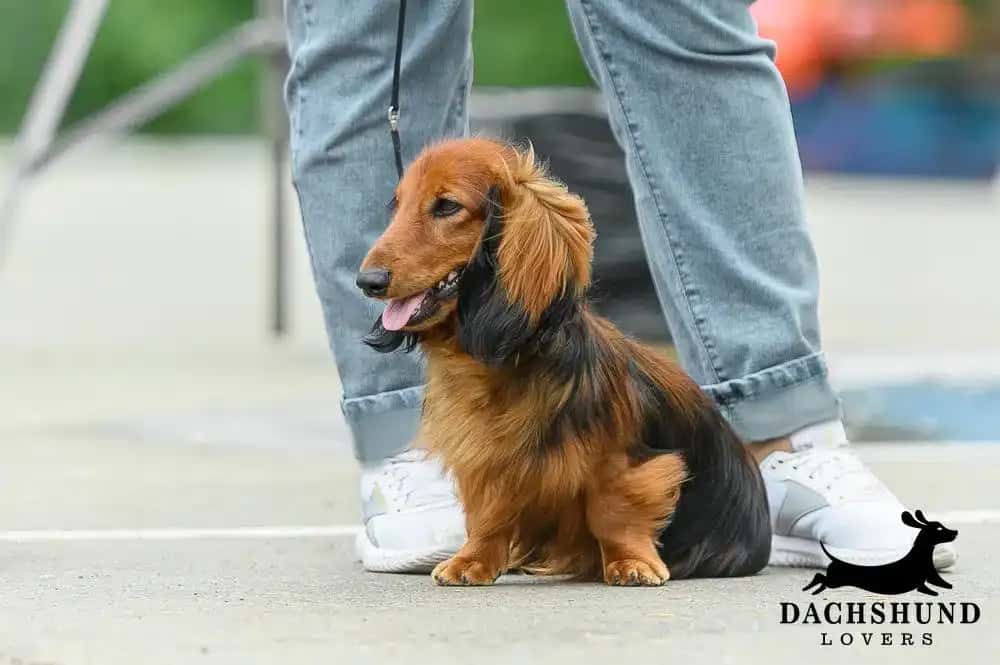
Dachshund puppies may look sturdy, but their paws and bones are still developing. Over-exercise or running on hard surfaces too soon can lead to micro-injuries that cause limping later in life. Puppy owners often notice little scratches or redness after backyard play nothing alarming, but still worth cleaning gently and monitoring. According to PetMD, early paw injuries left untreated can lead to chronic sensitivity. In this stage:
- Focus on soft-surface play (grass, carpet).
- Avoid prolonged walks on hot concrete.
- Start handling paws early so nail trims become stress-free.
Adulthood (1–7 years)
By adulthood, dachshunds are at peak activity, chasing balls, digging, and striding through daily walks. This is also when common issues such as paw licking, swollen pads, and cracked nails show up. Owners often mistake paw chewing as “just a habit,” when in fact it can be a sign of allergies or skin infection. In Harvey’s case, a simple rinse after the beach made a huge difference.
During adulthood:
- Routine checks after walks for burrs, thorns, or grass seeds.
- Maintain a regular nail-trim schedule to prevent joint strain.
- Consider paw balm in hot or dry weather.
Senior Years (8+ years)
As dachshunds age, their paws and legs begin to show the impact of years of supporting a long-backed body. Arthritis and spinal issues often present as dragging paws, worn nails, or changes in gait. The Royal Veterinary College notes that dogs with IVDD or arthritis may show early signs through paw placement — knuckling, stumbling, or hesitating to walk on hard floors.
For seniors:
- Add non-slip mats at home to protect weak paws.
- Schedule regular vet checks for arthritis and foot health.
- Keep walks shorter and on softer ground.
Monitor for pressure sores if your dachshund spends more time resting.
Paw Licking & Chewing in Dachshunds

It’s one of the most common questions dachshund owners ask: “Why does my doxie keep licking their paws?” When Harvey went through his paw-licking phase, Caitlin and I quickly realised it wasn’t just a quirk — it was his way of telling us something wasn’t right.
Causes
There are several reasons a dachshund might lick or chew their paws:
- Allergies – Environmental allergens like grass, pollen, and even household cleaning products can irritate sensitive dachshund skin.
- Skin Infections – Yeast or bacterial infections between the paw pads often cause an itchy, burning sensation.
- Parasites – Fleas, mites, and ticks can settle around the feet.
- Stress or Boredom – Repetitive licking can become a self-soothing behaviour.
According to VCA Animal Hospitals, excessive licking that breaks the skin often creates a cycle of infection, worsening the problem if left untreated.
Signs to Watch For
Owners should monitor for:
- Persistent licking or chewing (even waking at night to lick).
- Redness, dark staining, or hair loss between toes.
- Strong odor from yeast infection.
- Secondary sores or bleeding.
Risks if Untreated
If ignored, paw licking can spiral into:
- Chronic infections requiring ongoing antibiotics or antifungals.
- Thickened, scarred paw pads that remain sensitive.
- Behavioural reinforcement — the more they lick, the more it becomes a habit.
Treatments
Practical steps you can take at home (alongside vet care):
- Rinse paws after walks, especially during spring and summer pollen seasons.
- Apply a dog-safe paw balm to create a barrier against allergens.
- Keep nails trimmed to reduce secondary injuries while scratching.
- In stubborn cases, a vet may prescribe antifungal wipes, oral meds, or an Elizabethan collar to break the cycle.
Prevention & Lifestyle Care
- Use paw wipes or a damp cloth after walks (I keep a stack near our front door for Harvey).
- Try a hypoallergenic diet if food allergies are suspected.
- Provide mental stimulation (toys, training, puzzle feeders) to reduce boredom-related licking.
- During allergy season, limit outdoor play in peak pollen hours.
With Harvey, we noticed his paw licking was worst after beach days. Now we always rinse his paws with fresh water before heading home, which has reduced the habit dramatically. It’s a small change, but it saved us a lot of stress and vet bills.
Swollen Paws in Dachshunds
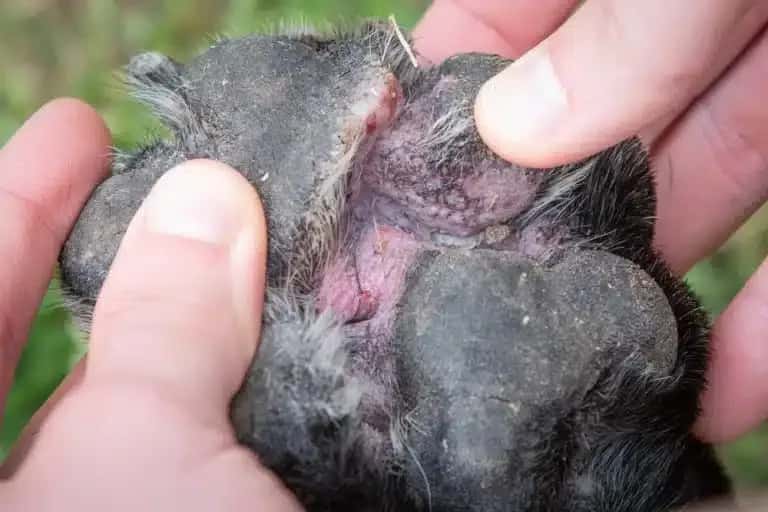
When your dachshund’s paws suddenly look puffy or sore, it can be worrying. Swelling might appear overnight or build slowly, but either way it deserves attention. I first noticed Harvey’s front paw swelling after he sprinted too hard on rough ground, what looked like a minor scrape turned into three days of limping from all the running around he was doing. For dachshunds, swollen paws aren’t just about discomfort; they can signal everything from allergies to infection, or even stress on the spine. Because their legs are so short, their paws are constantly exposed to rough surfaces, grass seeds, and irritants that taller breeds simply avoid.
Why Dachshunds Are Prone to Paw Swelling
Swollen paws aren’t unique to dachshunds, but this breed has several risk factors:
- Close-to-ground exposure – Their low profile means more contact with allergens like pollen, pesticides, or cleaning products on floors.
- Orthopedic vulnerability – Dachshunds are prone to back problems, and nerve issues can sometimes show up first in the paws.
- Active diggers – Many dachshunds love digging, which increases the chance of cuts, foreign objects, and strain.
- Delicate skin – Like their ears and bellies, their paw pads are sensitive and can react quickly to environmental triggers.
The American Kennel Club (AKC) notes that dogs who frequently lick or favor one paw are often dealing with a deeper issue than a simple scrape. For dachshunds, that could be anything from an embedded grass seed to an early sign of infection.
Common Causes of Swollen Paws
- Injury or Trauma
A twisted paw, stubbed toe, or even a minor fracture can lead to swelling. Dachshunds are prone to leaping off furniture despite our best efforts, which can jar the feet and legs. - Foreign Objects
Grass seeds, splinters, or tiny pebbles often wedge themselves between the paw pads. In Harvey’s case, a microscopic burr once caused two days of licking and limping until we found it. - Infections
Bacterial or fungal infections, including yeast, are frequent culprits. According to PetMD, yeast infections thrive in warm, moist areas like between toes, causing inflammation and itching. - Allergic Reactions
Contact allergies — from lawn treatments to floor cleaners — can inflame paws. Dachshunds prone to allergies often show the first signs on their feet. - Orthopedic Stress
Pressure from spinal conditions like IVDD may result in paw dragging or weakness, sometimes mistaken for simple swelling. If you notice paw knuckling or scraping, it can connect to dragging back legs.
Signs Owners Should Watch For
- Noticeable puffiness or swelling in one or more paws.
- Reluctance to walk, sudden limping, or favoring one paw.
- Warmth, redness, or tenderness to touch.
- Excessive licking or chewing at the swollen area.
- Visible wounds, sores, or discharge.
- Changes in gait — dragging paws, stumbling, or hesitant walking.
It’s important to distinguish between a paw that’s mildly irritated versus one that may be connected to a larger issue. If swelling is persistent, worsens quickly, or is paired with systemic signs like fever, lethargy, or loss of appetite, veterinary care should be immediate.
Risks if Left Untreated
Swollen paws might look minor, but ignoring them can lead to:
- Abscesses – Untreated cuts or embedded objects can cause infection pockets.
- Chronic pain – Ongoing inflammation puts strain on joints and ligaments.
- Mobility loss – Painful paws make dachshunds avoid walks, leading to muscle loss and weight gain.
- Hidden spinal issues – Sometimes paw problems mask early IVDD symptoms.
The Royal Veterinary College warns that subtle gait changes, like paw knuckling or toe dragging, are often overlooked until a spinal issue is advanced.
Treatment Options
At-home care is possible for mild swelling, but always balance caution with a vet’s expertise.
- Immediate Rest – Limit activity for 24–48 hours to prevent further strain.
- Cold Compress – Apply for 5–10 minutes at a time to reduce inflammation.
- Cleaning – If a cut or scrape is present, clean gently with saline solution.
- Protective Boots or Wraps – Useful for preventing further irritation during healing.
- Vet Intervention – For persistent swelling, your vet may recommend imaging (X-ray, ultrasound) or prescribe antibiotics/antifungals.
Prevention & Daily Paw Care
- Check paws daily after walks — especially during grass-seed season.
- Avoid hot pavement — dachshund paws burn quickly in Australian summers. If you can’t hold your hand on the pavement for 7 seconds, it’s too hot for them.
- Use paw balm to keep pads supple and resistant to cracking.
- Keep nails trimmed — overlong nails alter gait, putting strain on paw pads.
- Maintain healthy weight — excess weight increases pressure on small paws.
The RSPCA NSW recommends year-round monitoring for paw injuries in breeds that spend time outdoors, especially during warmer months.
Swollen paws can look scarier than they sometimes are, but that doesn’t mean you should ignore them. A quick rinse and rest worked for him after a mild strain, but another time a tiny burr caused days of discomfort until we checked between his pads. Now, we’ve built a routine: after every beach walk, he gets a rinse with fresh water, and during summer, I check the pavement temperature before we head out. Small habits like these save us trips to the vet and keep Harvey’s paws healthy for the long run.
Paw Pad Injuries in Dachshunds
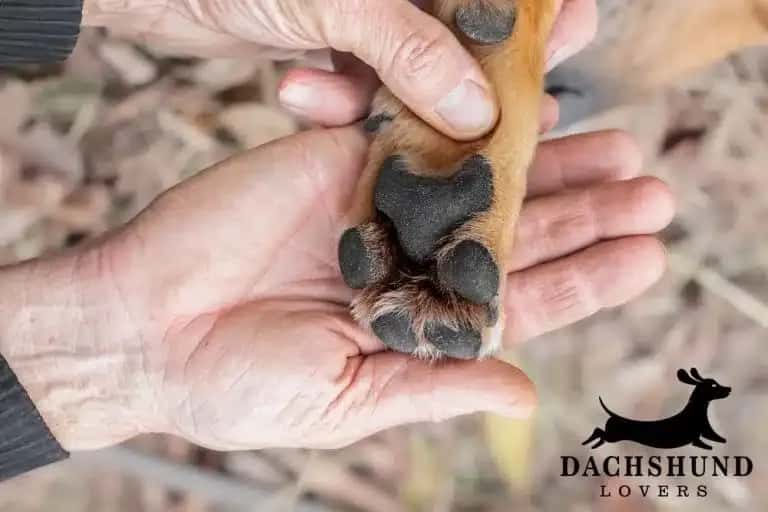
For most dachshunds, paws aren’t just tools for walking, they’re also digging instruments, balance stabilisers, and shock absorbers. That makes paw pad injuries one of the most common foot problems owners face. Harvey had his first pad injury after tearing across hot concrete in summer. At first, we thought he was just tired, but later that evening we noticed his paw pad was raw and peeling. Dachshund paw pads are surprisingly delicate, and injuries here can quickly escalate if not managed properly.
Why Paw Pads Are So Vulnerable
Paw pads are designed to provide traction, protect bones and joints, and cushion impact. In dachshunds, their constant proximity to the ground means:
- Increased wear – They experience more contact with abrasive surfaces like concrete and sand.
- Heat exposure – Hot pavement can easily burn their pads in Australian summers.
- Digging behavior – Many dachshunds dig instinctively, which can cause abrasions and cuts.
- Orthopedic strain – Even minor injuries can impact their gait, sometimes aggravating health issues or spinal stress.
According to PetMD, paw pad injuries are one of the most frequent reasons for lameness in dogs. Cuts, burns, and abrasions are especially common in active or outdoor-loving breeds like dachshunds.
Common Types of Paw Pad Injuries
- Cuts and Scrapes
Caused by sharp rocks, sticks, or glass. They may bleed lightly but can easily become infected if not cleaned. - Burns
Pavement and sand can reach scorching temperatures in summer. Dachshunds’ pads can blister within minutes. - Abrasions and Peeling Pads
Often caused by rough play on abrasive surfaces like concrete or asphalt. - Cracked Pads
Dry weather or excessive licking can lead to cracks that cause pain and bleeding. - Embedded Objects
Splinters, thorns, or burrs lodged in the pads can cause limping and swelling.
Signs of Paw Pad Injuries
- Limping or avoiding weight-bearing on one paw.
- Visible cuts, cracks, or blisters.
- Reluctance to walk on rough or hot surfaces.
- Constant licking or chewing at the affected paw.
- Bleeding or clear discharge.
It’s important to check paws after every walk. With Harvey, we once mistook his limp for a muscle strain, only to discover a small but painful split in his pad.
Risks if Left Untreated
- Infection – Small cuts quickly become infected if untreated.
- Chronic sensitivity – Repeated burns or cracks weaken the protective layer of the pad.
- Altered gait – Dogs compensate for sore paws by shifting weight, which can trigger back strain.
- Secondary issues – Excessive licking may cause skin problems or yeast infections.
Treatment Options
At-home care is possible for minor paw pad injuries, but professional care is often necessary for deeper wounds.
- Clean the Area – Use lukewarm water or saline to flush debris. Avoid harsh disinfectants like hydrogen peroxide, which can delay healing.
- Apply a Dog-Safe Balm or Antiseptic – Helps soothe abrasions and speed recovery.
- Bandage if Necessary – For deeper cuts, lightly wrap the paw to protect it, but change bandages daily.
- Protect with Boots or Socks – Especially useful during outdoor walks while healing.
- Veterinary Care – Severe burns, deep lacerations, or persistent bleeding require immediate attention. Stitches or antibiotics may be prescribed.
The VCA Animal Hospitals emphasise that even minor paw pad injuries should be treated promptly to avoid infection and longer healing times.
Prevention & Lifestyle Management
- Test Surfaces Before Walks – Place your hand on pavement; if it’s too hot for you, it’s too hot for them.
- Use Paw Balm – Regular application keeps pads moisturised and less prone to cracks.
- Choose Walk Routes Wisely – Grass or shaded trails are gentler than long stretches of asphalt.
- Keep Nails Trimmed – Overgrown nails change paw placement, increasing pad wear.
- Regular Checks – Build a habit of inspecting paws after walks, especially in summer or after digging sessions.
The RSPCA NSW advises dog owners to avoid walking pets during the hottest part of the day, particularly for breeds with sensitive feet.
For Harvey, paw pad injuries have taught us to be extra mindful about the surfaces he walks on. We now plan beach walks early in the morning or late in the afternoon, when the sand isn’t scorching. We also keep a paw balm by the door and apply it a few times a week, especially in dry weather. These small routines make a big difference — his pads stay healthy, and we avoid those heart-sinking moments of seeing him limp across the room.
Nail Problems in Dachshunds
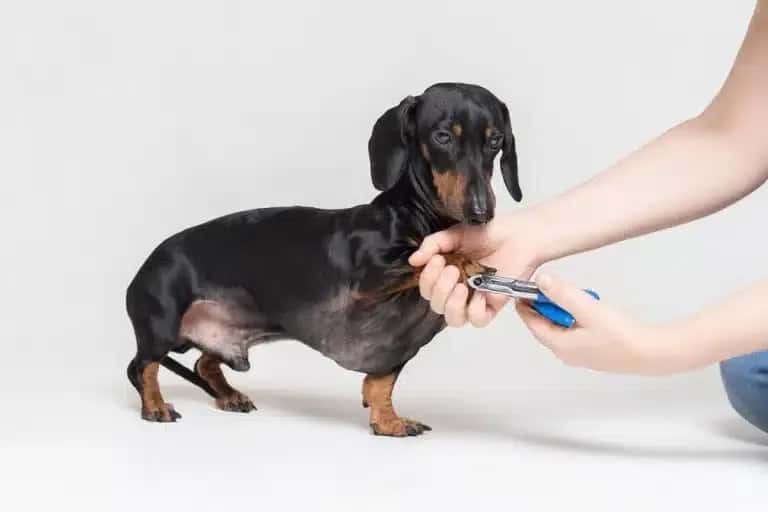
If there’s one sound that every dachshund owner knows, it’s the “click-click” of overgrown nails on the floorboards. With Harvey, I can tell when it’s time for a trim just by the way he shifts his weight while walking. Nail problems may seem cosmetic, but for dachshunds, they can quickly snowball into discomfort, altered gait, and even back strain.
Why Dachshunds Are Prone to Nail Problems
Nails are a small detail with a big impact on dachshund health. Because dachshunds carry their long-backed bodies close to the ground, even slightly overgrown or ingrown nails can change their posture. That shift puts unnecessary stress on their joints and spine.
Contributing factors include:
- Fast growth rate – Dachshunds’ nails grow quickly, particularly in dogs that spend most of their time on soft surfaces.
- Low natural wear – Unlike working breeds that wear nails down outdoors, many dachshunds live on grass, carpet, or indoors, which doesn’t grind nails naturally.
- Stubby build – A long back with short legs means posture is highly sensitive to nail length.
- Anxiety around grooming – Many dachshunds dislike nail trims, making owners delay or avoid the process.
According to the American Kennel Club (AKC), dog nails that click on the floor or cause the toes to splay are too long — and that constant pressure can alter gait and cause pain.
Common Nail Problems
- Overgrown Nails
- Nails that are too long change foot placement, causing strain on paws and legs.
- Over time, this can lead to joint issues and exacerbate back stress.
- Nails that are too long change foot placement, causing strain on paws and legs.
- Ingrown Nails
- Occur when nails curl into paw pads, especially in dewclaws.
- Cause intense pain, swelling, and sometimes infection.
- Occur when nails curl into paw pads, especially in dewclaws.
- Cracked or Split Nails
- Common in active dachshunds who dig or scratch.
- Splits can be painful and bleed if they extend into the quick.
- Common in active dachshunds who dig or scratch.
- Nail Infections
- Bacterial or fungal infections can develop from cracks or ingrown nails.
- Signs include swelling, redness, discharge, and odor.
- Bacterial or fungal infections can develop from cracks or ingrown nails.
- Stress-Related Issues
- Overgrown nails force dachshunds to adjust their gait, sometimes leading to back brace use or vet-prescribed mobility support.
- Overgrown nails force dachshunds to adjust their gait, sometimes leading to back brace use or vet-prescribed mobility support.
Signs to Watch For
- Clicking nails on hard floors.
- Limping or avoiding pressure on one paw.
- Paw licking focused around the nails.
- Redness or swelling near nail beds.
- Nails curling into paw pads.
- Sudden bleeding from a cracked or torn nail.
With Harvey, I’ve noticed subtle signs — if his nails are even slightly too long, he’s more hesitant to jump down from the couch, a reminder that nails influence far more than just appearance.
Risks if Untreated
- Pain and Lameness – Constant pressure or ingrown nails make walking painful.
- Joint and Back Stress – Dachshunds already face orthopedic risk; overgrown nails amplify it.
- Infections – Ingrown or cracked nails often lead to bacterial infections.
- Behavioral Issues – Dogs associate pain with grooming, making trims harder over time.
The VCA Animal Hospitals highlight that neglected nails can lead to permanent changes in foot structure, particularly splayed toes and chronic discomfort.
Treatment Options
- Regular Nail Trimming
- Use proper clippers or grinders designed for small breeds.
- Trim every 3–4 weeks, or more often if nails grow quickly.
- For owners unsure about technique, see our dachshund nail trimming guide.
- Use proper clippers or grinders designed for small breeds.
- Dewclaw Care
- These nails don’t touch the ground and often grow fastest.
- Check and trim them regularly to prevent ingrowth.
- These nails don’t touch the ground and often grow fastest.
- Managing Cracks and Splits
- Minor cracks can be smoothed with a grinder.
- Severe splits may need vet care to remove the nail or treat infection.
- Minor cracks can be smoothed with a grinder.
- Vet or Groomer Support
- If trimming at home feels unsafe, regular appointments with a vet nurse or groomer ensure proper care.
- If trimming at home feels unsafe, regular appointments with a vet nurse or groomer ensure proper care.
Prevention & Lifestyle Management
- Introduce Nail Care Early – Start handling paws in puppyhood so nail trims are routine.
- Use Positive Reinforcement – Treats, calm handling, and short sessions help build tolerance.
- Invest in Quality Tools – Clippers should be sharp and sized for small breeds. Grinders can help with precision.
- Incorporate Exercise on Rough Surfaces – Occasional walks on pavement or trails naturally file nails.
- Check Monthly – A quick look every month prevents painful surprises.
For broader grooming needs, see our guide to dachshund grooming tools.
With Harvey, we learned the hard way that letting nails slide “just a little too long” leads to limping and sore paws. Now, nail trims are part of our monthly rhythm. Caitlin holds him while I clip — three nails at a time, treat break, then repeat. It’s not glamorous, but it’s part of the quiet routines that keep him comfortable.
Orthopedic Strain and Dachshund Feet
Dachshunds are famously prone to back problems, but one thing that often gets overlooked is how much stress their feet take as a result. Every step transfers weight and balance through their short legs and small paws, making them key players in protecting the spine. When Harvey once started dragging his back paws after a jump from the couch, it was a chilling reminder of how quickly orthopedic strain can show itself in the feet.
Why Dachshunds Are at Risk
The dachshund’s unique build — long body, short legs — is what makes them endearing, but it also puts continuous pressure on their feet. A few key reasons they’re prone to orthopedic strain:
- Spinal Issues (IVDD) – Paw dragging or knuckling can be one of the first signs of back problems.
- Altered Gait – Even small injuries or nail problems shift posture, amplifying spinal stress.
- Muscle Weakness – Carrying extra weight makes each step harder on paws and legs.
- Repetitive Impact – Jumping on and off furniture jars their delicate joints.
The Royal Veterinary College notes that early signs of IVDD often present in paw placement — stumbling, dragging toes, or difficulty rising.
Signs of Orthopedic Strain in Paws
- Dragging paws or nails scraping on hard floors.
- Knuckling (paw folds under when stepping).
- Uneven wear on nails or pads.
- Limping after exercise or rest.
- Hesitation to jump or climb stairs.
In Harvey’s case, paw dragging was a wake-up call — thankfully, rest and a vet check showed it wasn’t IVDD, but it made us far more vigilant about monitoring his gait.
Risks if Untreated
- Progressive IVDD – Paw dragging can be an early sign of spinal disease.
- Joint Damage – Continuous strain leads to arthritis in ankles and knees.
- Loss of Mobility – Without intervention, paw weakness may lead to immobility.
- Secondary Paw Injuries – Dragging paws wear down pads and nails, creating a cycle of pain.
Treatment Options
- Veterinary Diagnosis – X-rays or neurological exams are essential to identify IVDD.
- Rest & Restricted Activity – For minor strain, crate rest or reduced exercise helps.
- Medication – Anti-inflammatories or pain relief may be prescribed.
- Physical Therapy – Hydrotherapy and gentle rehab strengthen muscles.
- Supportive Gear – Products like back braces or paw boots reduce strain.
- Surgery – In severe IVDD cases, surgical intervention may be the only option.
Prevention & Lifestyle Management
- Use Ramps – Prevent jumping on/off furniture to reduce spinal shock.
- Weight Control – Keep dachshunds lean; extra weight magnifies foot and back strain.
- Regular Exercise – Gentle walks on soft surfaces build strength without impact.
- Non-Slip Flooring – Helps seniors maintain grip and prevent slips.
- Routine Checks – Watch for subtle gait changes — early intervention saves long-term pain.
The VCA Animal Hospitals stress that catching orthopedic issues early, especially paw dragging, gives dachshunds the best chance at recovery and mobility.
Owner Insight
When Harvey started scuffing his nails after long walks, it made us rethink how much strain his paws were under. We introduced a ramp for the couch, cut down on high-impact play, and added more grass walks instead of pavement. Within weeks, the change in his gait was obvious — smoother steps, no dragging. It reinforced that dachshund foot health is inseparable from back health.
FAQs on Dachshund Feet
More from This Series
- Dachshund Eye Problems
- CDA in Dachshunds
- Dachshund Brain Size
- Dachshund Back Surgery
- Dachshund Dragging Back Legs
- Dachshund Neck Size
- Dachshund Back Brace
- Dachshund Back Problems
- Dachshund Skin Issues
- Dachshund Health Issues
- Dachshund Feet
- Dachshund Ribs
- Overweight Dachshund
- Dachshund Teeth
- Dachshund Allergies
- Dachshund Ears
- Dachshund Hip Dysplasia
- Dachshund Constipation
- Dachshund Bad Breath
Authored by
James
James is the founder of Dachshund Lovers and the proud human of Harvey, a mini dapple with a big personality. He writes to empower and connect the dachshund community, blending founder insights with honest, experience-based stories about life with this incredible and special breed. James brings candid, experience-backed opinions to the community and always focused on fewer, better products and ideas that genuinely improve life for dachshunds and their people.
Read moreJames is the founder of Dachshund Lovers and the proud human of Harvey, a mini dapple with a big personality. He writes to empower and connect the dachshund community, blending founder insights with honest, experience-based stories about life with this incredible and special breed. James brings candid, experience-backed opinions to the community and always focused on fewer, better products and ideas that genuinely improve life for dachshunds and their people.
Read moreDisclaimer
This content is for informational purposes only and should not be considered veterinary advice. Always consult with a licensed veterinarian regarding your dog’s health and wellbeing.
There are no comments yet
Leave a comment