Do Dachshunds Like To Cuddle
Do Dachshunds Like To Cuddle
They burrow, nuzzle, and snuggle deep under blankets, but do dachshunds actually enjoy cuddling? Here’s what years of living with one (Harvey) taught me.
James
Posted on October 23, 2025.
Updated on July 12, 2026.
Table of Contents
- 1.Key Takeaways on Dachshund Cuddling
- 2.Why Dachshunds Like to Cuddle
- 3.Signs Your Dachshund Is Showing Affection
- •1. Following You from Room to Room
- •2. Leaning or Pressing Against You
- •3. Burrowing Under Blankets
- •4. Gentle Nudges and Pawing
- •5. Soft Eye Contact
- 4.How to Nurture Your Dachshund’s Affection
- •1. Build Trust from Day One
- •2. Use Positive Reinforcement
- •3. Create Comfort Zones
- •4. Respect Their Mood and Boundaries
- •5. Match Their Energy Levels
- •6. Be Present and Unhurried
- 5.Standard vs Mini Dachshund Affection Levels
- •Standard Dachshunds
- •Miniature Dachshunds
- •Environment Matters as Much as Size
- •Harvey’s Perspective
- 6.Seasonal and Cultural Factors That Influence Cuddling
- •Australia — Sunshine and Sea Breezes
- •United Kingdom — The All-Day Snuggler
- •United States — Lifestyle Shapes Closeness
- •Apartment vs Suburban Living
- 7.Recognising and Respecting Boundaries
- •Reading Their Body Language
- •Let Them Initiate Sometimes
- •Avoid Overhandling
- •Create Safe Retreats
- •Consistency Builds Comfort
- 8.How to Encourage More Cuddling Over Time
- •1. Build It into Your Routine
- •2. Pair Affection with Calm Moments
- •3. Create a Warm, Inviting Space
- •4. Reward Gentle Behaviour
- •5. Be Patient with Independent Types
- •6. Watch Seasonal Shifts
- •7. Involve the Whole Family
- -More from This Series
- -Disclaimer
Share

I’ve lost count of the number of evenings I’ve had to shift Harvey just enough to see the TV because he’s pressed so firmly into my side. He’s not subtle about it ,if I’m sitting on the couch, he’ll nudge, circle once or twice, and then settle with a sigh that says, this is exactly where I’m meant to be. Harvey’s always been an affectionate dog, but his love for cuddling is most obvious with the people he knows and trusts.
For dachshund owners, that warmth isn’t just physical, it’s emotional. These little dogs have a way of making you feel like you’re their entire world, especially in quiet moments where they lean against you or tuck themselves under your arm. But while some dachshunds, like Harvey, see cuddling as their love language, others are more selective with their affection.
In this guide, we’ll explore the emotional bond between dachshunds and their owners, the reasons behind their cuddling behaviour, the signs that your dog is showing affection, and how you can nurture closeness in a way that feels safe and comfortable for both of you. We’ll also look at how living situations — from Sydney apartments to rural homes in the UK and USA — can shape a dachshund’s cuddling habits.
Key Takeaways on Dachshund Cuddling
Key Point | Details |
|---|---|
Most Dachshunds Love to Cuddle | Many dachshunds enjoy close physical contact as a way to bond, especially with trusted family members. Harvey, for example, will happily curl up for hours if given the chance. |
Emotional Bonding | Cuddling often reflects a dachshund’s loyalty and sense of security. They’re more affectionate with people they know and love. |
Not Every Dachshund Is the Same | While some are lap-dog loyalists, others may prefer to sit nearby without full physical contact. |
Influence of Environment | Living situations can shape cuddling habits — apartment dogs may seek more physical closeness, while those in larger homes might divide their time between rooms. |
Signs of Affection | Beyond curling up next to you, dachshunds may show love through following you around, leaning against you, or giving gentle nudges. |
Nurturing Closeness | Positive reinforcement, calm handling, and respecting boundaries help build a dachshund’s trust and desire for affection. |
Global Perspective | Seasonal and lifestyle factors — like cold UK winters or home-based work in the USA — can increase cuddle time. |
Why Dachshunds Like to Cuddle

If you’ve ever wondered do dachshunds like to cuddle, the answer is often a resounding yes — but there’s more to it than simply enjoying warmth. Dachshunds are a breed deeply connected to their humans, bred for teamwork and close cooperation during hunts. That need for companionship has carried through to modern life, showing up in behaviours like leaning into you on the couch, climbing under the covers at night, or curling up against your hip while you work from home.
For Harvey, cuddling isn’t just a habit — it’s part of how he communicates. If I’ve been out for a few hours, he greets me with tail wags and then settles close, as if making up for lost time. When friends or family he trusts visit, he’s quick to offer a spot beside him on the lounge, his way of saying, “You’re in my circle.”
So why do dachshunds like to cuddle? Part of the answer lies in their history. Originally bred in Germany to work closely with hunters, dachshunds relied on human guidance and companionship. Over generations, this created a strong predisposition to bond deeply with their people. Cuddling is one of the simplest ways for them to feel safe, loved, and connected.
There’s also a biological element. Dogs seek warmth and security, and for a small breed like the dachshund, snuggling against a trusted human helps regulate their temperature — especially in cooler months. This explains why dachshunds love to cuddle even more during winter in the UK, or on chilly Sydney evenings when the sea breeze rolls in through the Sutherland Shire.
Beyond warmth, cuddling reinforces the emotional bond between owner and dog. Physical closeness releases oxytocin — the “love hormone” — in both humans and dogs, deepening the sense of trust and affection. Over time, regular cuddle sessions can strengthen a dachshund’s loyalty and reinforce positive behaviour.
That said, not all dachshunds express affection the same way. Some will burrow under blankets with you every night, while others may simply sit near you without initiating physical contact. The key is recognising your dog’s individual comfort levels and respecting their boundaries, which we’ll explore in more detail later.
Signs Your Dachshund Is Showing Affection
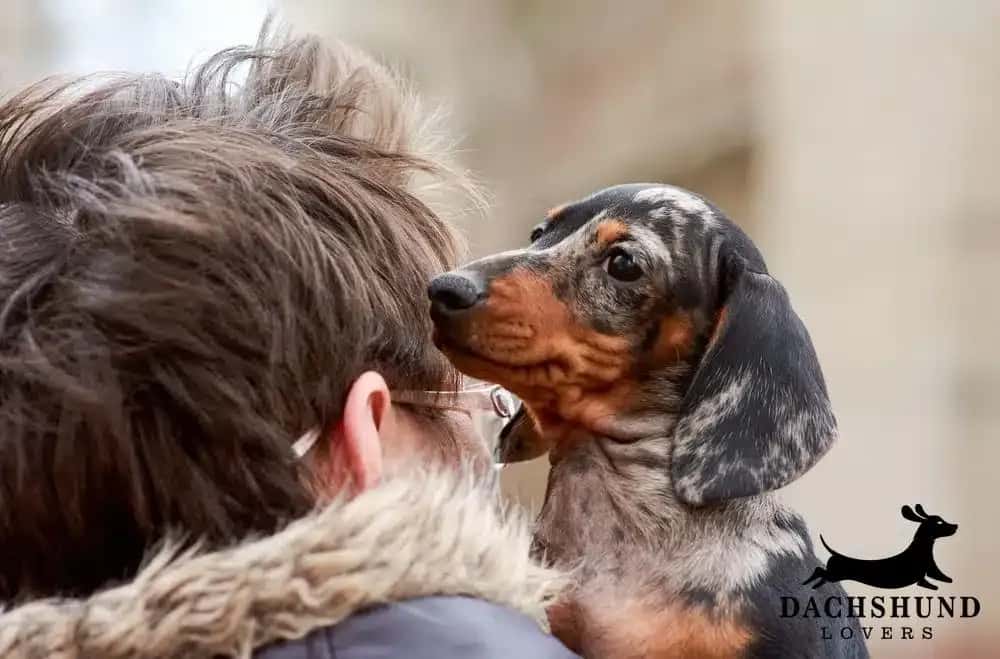
Cuddling is the obvious one, but dachshunds have plenty of other ways to show they care. Recognising these behaviours helps you better understand their personality and deepen your bond.
1. Following You from Room to Room
If your dachshund shadows you around the house, it’s not just curiosity — it’s loyalty. This behaviour ties into their strong attachment style, which we explored in detail in our article on Dachshund Personality. Even when they’re not physically touching you, their presence is a form of affection.
2. Leaning or Pressing Against You
A gentle lean against your leg or curling into your side on the couch is a dachshund’s way of saying, “You’re my person.” Harvey does this most often in the evening, just before he starts winding down for the night — a behaviour that often overlaps with patterns described in When Do Dachshunds Calm Down.
3. Burrowing Under Blankets
This instinctive behaviour isn’t just about warmth; it’s a way of seeking closeness. If your dachshund climbs under the covers to sleep beside you, it’s a high-level trust gesture. For more on their unique sleeping habits, see Dachshund Sleeping.
4. Gentle Nudges and Pawing
Some dachshunds will nudge your hand or rest a paw on you to initiate contact. Harvey uses this move when he’s trying to pull me away from my laptop — his polite reminder that a cuddle session is overdue.
5. Soft Eye Contact
When a dachshund locks eyes with you in a calm, relaxed way, it’s another sign of trust and affection. This quiet connection often happens during cuddle sessions, reinforcing the emotional bond.
How to Nurture Your Dachshund’s Affection
If you want your dachshund to be more cuddly, it’s less about “teaching” them to cuddle and more about creating the right conditions for trust and comfort. Every dachshund has their own affection style, but with the right approach, most can become more willing to share those quiet, close moments.
1. Build Trust from Day One
A dachshund’s desire to cuddle often mirrors their confidence in you. Consistency, calm handling, and predictable routines tell them you’re a safe place. For Harvey, that meant never forcing him into situations where he felt trapped — if he wanted space, he got it. Over time, his choice to come closer became entirely his own.
2. Use Positive Reinforcement
Rewarding your dachshund for choosing to sit with you or accept touch builds positive associations. This could be a treat, gentle praise, or a favourite scratch behind the ears. It’s particularly helpful for rescues or dachshunds who haven’t had much physical affection in the past.
3. Create Comfort Zones
Some dachshunds cuddle more when they feel physically comfortable. This might mean a blanket on the couch, a dog bed next to your chair, or allowing them to share your bed if that suits your lifestyle. Harvey has his “cuddle blanket” on the lounge — if I sit there, he’s there in seconds.
4. Respect Their Mood and Boundaries
Not every day will be a cuddle day, and pushing for affection when they’re not in the mood can have the opposite effect. Watch for body language cues like turning their head away, stiffening, or moving to a different spot — signs they need space.
5. Match Their Energy Levels
Some dachshunds are more affectionate after physical or mental activity. A long walk in the Sutherland Shire’s Como Pleasure Grounds followed by some downtime often results in Harvey seeking me out for a long stretch of couch time.
6. Be Present and Unhurried
Cuddling is as much about emotional presence as it is physical contact. Phones away, TV low, and a quiet, calm environment can turn a quick pat into a 20-minute snuggle.
Standard vs Mini Dachshund Affection Levels
When people ask me do dachshunds like to cuddle, they often follow it with, are miniature dachshunds more affectionate than standards? The truth is, there’s no absolute rule — both sizes can be loving, loyal, and wonderfully snuggly. But there are some patterns I’ve noticed over the years, both in Harvey and in the dachshunds we’ve met through friends and training.
Standard Dachshunds
Standard dachshunds tend to have a slightly more independent streak. This doesn’t mean they don’t love cuddles — far from it — but they might choose shorter cuddle sessions before stretching out in their own space. They often balance affection with a need to “patrol” their home, moving between rooms to check on things. In a larger suburban house, you might find them cuddling in the morning, then spending the afternoon lounging somewhere with a view of the backyard.
Miniature Dachshunds
Mini dachshunds, on the other hand, are often more physically clingy. Their smaller size makes it easier for them to curl up in your lap for long periods, and they seem more likely to seek warmth and closeness throughout the day. In apartment living — whether in Sydney, London, or New York — mini dachshunds often adapt to spending much of their time in close proximity to their humans.
Environment Matters as Much as Size
A dachshund’s affection level can be influenced just as much by lifestyle as by size. A standard dachshund in a compact apartment may cuddle more simply because there are fewer “zones” to patrol, while a mini with a large, busy family may split their time between multiple people and spaces.
Harvey’s Perspective
Harvey will happily stretch out across my lap for an entire movie, and when Caitlin’s home, he rotates between us like he’s making sure we both get equal time. His behaviour has been shaped not just by personality, but by the fact that he’s been included in our daily rhythm since before the COVID lockdowns.
Seasonal and Cultural Factors That Influence Cuddling
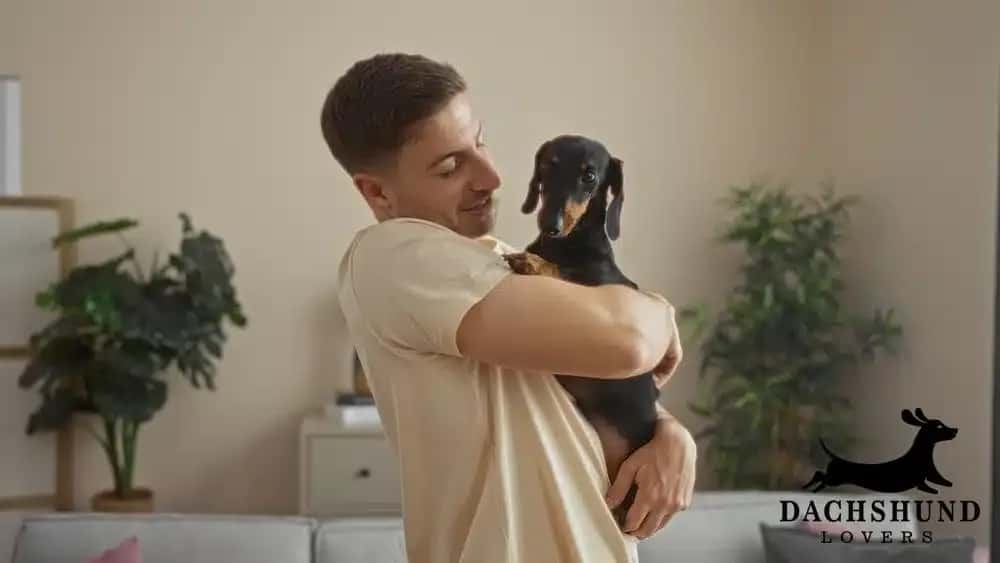
While dachshund affection comes down to personality, it’s impossible to ignore how environment, climate, and even cultural norms shape cuddle habits.
Australia — Sunshine and Sea Breezes
In Sydney, especially here in the Sutherland Shire, Harvey’s cuddling routine often shifts with the seasons. During summer, he prefers short cuddle sessions before retreating to a cool spot on the tiled floor. But come winter — when the sea breeze turns sharp and the evenings draw in early — he’s far more inclined to stay tucked under a blanket beside us. Owners in warmer Australian regions may notice their dachshunds become less physically clingy during the heat, seeking closeness in cooler mornings or evenings.
United Kingdom — The All-Day Snuggler
In the UK, with its long, chilly winters and overcast skies, dachshunds often spend more time indoors. Many owners report that their dogs become “all-day snugglers,” happily curling up for hours beside a fire or under a blanket on the sofa. Cold weather not only makes cuddling physically appealing but also extends the length of those cuddle sessions.
United States — Lifestyle Shapes Closeness
In the USA, the regional differences are striking. In colder states like Minnesota or Vermont, winter creates the same extended cuddle culture seen in the UK. Meanwhile, in warmer southern states, dachshunds might cuddle less in the middle of the day but make up for it in the mornings and evenings. The American work-from-home trend has also played a role — more owners being home means more opportunities for spontaneous cuddles.
Apartment vs Suburban Living
No matter the country, smaller living spaces tend to encourage more frequent contact. In an apartment, your dachshund is naturally closer to you most of the time. In larger suburban homes, cuddles may happen in concentrated “sessions” — morning coffee on the couch, evening TV time — with more independence in between.
Harvey’s habits prove this point. When we stayed in a smaller holiday apartment in Berry, he barely left my side. Back home, with a backyard and more space, he still seeks closeness but also enjoys stretching out on the deck for a bit of sun before returning for another round of affection.
Recognising and Respecting Boundaries
One of the most important lessons I’ve learned with Harvey — and something every dachshund owner should keep in mind — is that affection can’t be forced. Even the most loving, cuddle-obsessed dachshund needs moments of personal space. Respecting those boundaries is key to maintaining a strong, trusting bond.
Reading Their Body Language
Signs that your dachshund isn’t in the mood for cuddling include turning their head away, flattening their ears, shifting their weight to move away, or licking their lips in a nervous manner. Recognising these cues early prevents stress and keeps physical affection a positive experience.
Let Them Initiate Sometimes
While it’s natural to reach for your dachshund when they’re nearby, giving them the chance to approach you first can strengthen their confidence. When Harvey climbs onto the couch and leans in, I know he’s in the mood — and those are often the longest, most relaxed cuddle sessions.
Avoid Overhandling
Particularly with puppies or rescues, too much forced handling can make them wary of contact. This doesn’t mean you should never pick them up, but doing so only when necessary — and with a calm, gentle approach — helps maintain trust.
Create Safe Retreats
Giving your dachshund a designated bed or blanket they can retreat to ensures they have a safe, quiet place when they need a break. This is especially important in busy households with children. Teaching kids to respect “no cuddle zones” will help the dog feel more comfortable initiating affection on their own terms.
Consistency Builds Comfort
If your dachshund learns that affection with you is always safe, calm, and enjoyable, they’re more likely to seek it out regularly. It’s not about how often you try to cuddle them — it’s about how positive those moments are when they happen.
How to Encourage More Cuddling Over Time
Cuddling isn’t a fixed trait — even if your dachshund isn’t the most affectionate now, you can gently shape their habits to increase closeness over the months and years. With patience, understanding, and the right environment, you can create a cuddle culture in your home that suits both you and your dog.
1. Build It into Your Routine
Dachshunds thrive on routine, and weaving cuddle time into your daily schedule helps them anticipate and look forward to it. For example, Harvey knows that after our morning walk and breakfast, there’s a quiet 15 minutes on the couch before I start work. That consistent rhythm reinforces our bond.
2. Pair Affection with Calm Moments
If your dachshund is naturally excitable, try offering cuddles only when they’re in a calmer state. As we explored in When Do Dachshunds Calm Down, timing plays a huge role in how receptive they are to physical closeness.
3. Create a Warm, Inviting Space
Blankets, soft bedding, and a comfortable spot near you make it easy for your dachshund to settle in. On cooler nights, Harvey loves burrowing under my throw blanket while I’m watching TV — a behaviour that overlaps with what we’ve discussed in Dachshund Sleeping.
4. Reward Gentle Behaviour
If your dachshund approaches calmly and settles in beside you, offer gentle praise or a scratch in their favourite spot. Over time, they’ll associate cuddling with positive feedback and affection.
5. Be Patient with Independent Types
Some dachshunds are naturally more reserved, as we’ve covered in Dachshund Personality. In these cases, progress might be slow, but each small moment of closeness is a step forward.
6. Watch Seasonal Shifts
Use cooler weather as an opportunity to build more cuddle time into your routine. In winter, Harvey’s affection level skyrockets, and we take full advantage with longer blanket sessions on the lounge.
7. Involve the Whole Family
If everyone in the household offers safe, calm, and positive interactions, your dachshund will feel secure cuddling with multiple people — not just one “favourite.” This is especially important in homes with kids, so the dog associates them with warmth and trust.
FAQs — Do Dachshunds Like to Cuddle?
More from This Series
- Why Are Dachshunds So Stubborn
- When Do Dachshunds Calm Down
- Dachshund Separation Anxiety
- Dachshund Personality
- Dachshund Barking
- Are Dachshunds Aggressive
- Dachshund Dog Park Socialization
- Do Dachshunds Get Along with Other Dogs
- Are Dachshunds Good with Kids
- Do Dachshunds Like to Cuddle
- Dachshund Digging
- Dachshund Sleeping
- Are Dachshunds Good with Cats
- Why Do Dachshunds Shake
Authored by
James
James is the founder of Dachshund Lovers and the proud human of Harvey, a mini dapple with a big personality. He writes to empower and connect the dachshund community, blending founder insights with honest, experience-based stories about life with this incredible and special breed. James brings candid, experience-backed opinions to the community and always focused on fewer, better products and ideas that genuinely improve life for dachshunds and their people.
Read moreJames is the founder of Dachshund Lovers and the proud human of Harvey, a mini dapple with a big personality. He writes to empower and connect the dachshund community, blending founder insights with honest, experience-based stories about life with this incredible and special breed. James brings candid, experience-backed opinions to the community and always focused on fewer, better products and ideas that genuinely improve life for dachshunds and their people.
Read moreDisclaimer
This content is for informational purposes only and should not be considered veterinary advice. Always consult with a licensed veterinarian regarding your dog’s health and wellbeing.
There are no comments yet
Leave a comment