Dachshund Road Trip
Dachshund Road Trip
We’ve travelled hours together and lived to tell the tale. Here’s what worked, what didn’t, and what your dachshund needs on the road.
Posted on November 5, 2025.
Updated on July 12, 2026.
Table of Contents
- 1.Key Takeaways on Dachshund Road Trip Guide
- 2.Car Safety & Set-Up for Dachshunds
- •Why Dachshunds Need Restraints
- •Carrier vs Harness: Which Is Best?
- -Carriers
- -Harnesses
- 3.Carrier vs Harness Comparison Table
- •Car Set-Up Tips for Dachshunds
- •Owner Insight
- 4.Planning Stops & Comfort on the Road
- •What to Do at Each Stop
- 5.Stop Checklist Table
- •Creating a Comfortable Car Environment
- •Destination Planning
- •Owner Insight
- 6.Managing Dachshund Anxiety on Road Trips
- •Common Signs of Road Trip Anxiety in Dachshunds
- •Why Dachshunds Are Prone to Anxiety
- •Strategies to Reduce Road Trip Anxiety
- 7.Anxiety Management Table
- •When to Consider Vet Support
- •Owner Insight
- 8.Road Trip Packing Essentials for Dachshunds
- •Must-Have Road Trip Gear
- •Comfort Items
- 9.Road Trip Packing Checklist Table
- •Food & Feeding Tips on the Road
- •Health & Safety Additions
- 10.Road Trip Needs Across Life Stages
- •Owner Insight
- -More from This Series
- -Disclaimer
Share

If there’s one thing Harvey has taught me, it’s that dachshunds make brilliant, but quirky road trip companions. Whether it’s the winding drive up to the Southern Highlands, a coastal escape to Newcastle, or wine-country weekends in Mudgee, Harvey has been in the backseat for them all. And while he loves the adventure, I’ve learned that dachshunds don’t just “hop in the car and go.”
Their long backs, small bladders, and stubborn personalities mean they need a bit of extra planning. According to the American Kennel Club, all dogs should be restrained during car travel for their safety but with dachshunds, using the right setup isn’t just about crash protection; it’s also about preventing back injuries and anxiety.
This guide will walk you through everything from car safety and comfort to planning stops and keeping your dachshund calm on the road, so your road trips are memorable for the right reasons.
Key Takeaways on Dachshund Road Trip Guide
Question | Quick Answer | Why It Matters for Dachshunds |
|---|---|---|
Are dachshunds good road trip dogs? | Yes, with preparation | Small size makes them portable, but they tire and stress easily |
How should dachshunds ride in cars? | In a secure carrier or crash-tested harness | Protects their spine and prevents injury |
How often should I stop on a road trip? | Every 2–3 hours | Dachshunds have small bladders and need back-friendly breaks |
What should I pack for road trips? | Carrier, leash, bedding, water, snacks, first-aid kit | Keeps your dachshund safe, hydrated, and comfortable |
How do I reduce anxiety on the road? | Carrier training, familiar bedding, planned breaks | Helps dachshunds settle and enjoy the ride |
Can dachshunds handle long drives? | Yes, if paced properly | Frequent stops and comfort breaks are essential |
Car Safety & Set-Up for Dachshunds
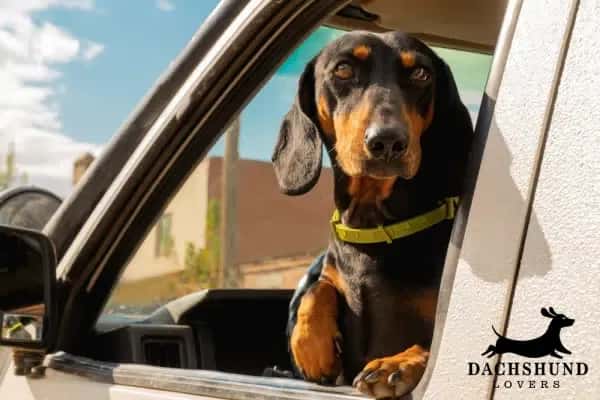
Road trips with dachshunds are wonderful, but they come with one golden rule: safety first. A dachshund’s unique body shape means they’re not built for jolts, sharp turns, or sudden stops. Their long spine is vulnerable to injury if they’re not properly secured, and their small size means they can easily slip under seats or into unsafe spots in the car.
When Harvey was a puppy, I made the mistake of letting him ride on my lap during a short drive. It felt cute at the time but one quick brake reminded me just how dangerous it was. Since then, every road trip we’ve taken to Newcastle, Mudgee, and the Southern Highlands has involved a proper safety setup, whether that’s a secure carrier or a crash-tested harness clipped into the seatbelt.
Why Dachshunds Need Restraints
According to the American Kennel Club, unrestrained dogs in cars aren’t just at risk themselves they also distract the driver, increasing the risk of accidents. In Australia, the RSPCA NSW also advises that all dogs should be properly restrained during car travel for their safety and the safety of passengers. For dachshunds, it’s even more important:
- Spinal safety – A sudden stop or sharp corner can strain their backs.
- Escape prevention – Dachshunds are curious and may wriggle into dangerous spots.
- Stress reduction – A secure setup helps them feel calmer and more grounded.
- Legal requirements – In many places, it’s illegal to have an unrestrained dog in the car.
Carrier vs Harness: Which Is Best?
Both carriers and crash-tested harnesses can work for dachshunds, but each has pros and cons. In my experience, Harvey does best in a hard-shell carrier for long road trips it gives him a den-like space to settle, while keeping him completely secure. For shorter drives, we sometimes use a harness clipped into the seatbelt.
Carriers
Carriers are often the safest option for dachshunds. A hard-shell crate or reinforced soft carrier gives them a secure space to curl up, while preventing sudden movements.
- Best for: Long trips, nervous dachshunds, back protection.
- Things to look for: Seatbelt loops, reinforced base, ventilation.
- Harvey’s experience: His hard-shell crate became a familiar “den” for trips to Mudgee, helping him settle quickly.
Harnesses
Crash-tested harnesses clip directly into the seatbelt. They give dachshunds more freedom to sit upright or lie down, but they don’t offer the same den-like comfort as carriers.
- Best for: Confident travellers, short to medium drives.
- Things to look for: Crash-test certification, padded chest plates, adjustable straps.
- Harvey’s experience: On a trip to Newcastle, we trialled a harness setup. He was fine for the first hour, but became restless without the enclosed security of a carrier.
Carrier vs Harness Comparison Table
Option | Pros | Cons | Dachshund Notes |
|---|---|---|---|
Carrier | Maximum safety, reduces movement, den-like comfort | Bulkier, less interaction | Best for long trips and anxious dachshunds |
Harness | Easier to set up, more freedom, cheaper | Less back support, risk if not crash-tested | Fine for short drives if properly fitted |
Car Set-Up Tips for Dachshunds
- Back seat only: Always secure dachshunds in the back, never the front. Airbags can be fatal to small dogs in accidents.
- Seatbelt loops: Whether using a carrier or harness, secure it tightly to prevent sliding.
- Non-slip mats: Place under carriers to stop them shifting.
- Window safety: Dachshunds love to sniff the breeze, but never allow them to travel with their head fully out the window — it risks eye injuries and spine strain.
- Temperature control: Dachshunds overheat easily. Keep airflow steady and never leave them in a parked car.
Owner Insight
What I’ve learned with Harvey is that safety set-up isn’t just about protection it’s about peace of mind. When he’s secured in his hard-shell carrier, I can focus on the drive knowing he’s safe. And when we arrive at places like Mudgee or the Southern Highlands, he hops out calm and ready to explore instead of stressed from bouncing around the car.
Planning Stops & Comfort on the Road
The real art of dachshund road trips isn’t in the route itself, but in the rhythm you create along the way. Unlike larger dogs that can go hours without a break, dachshunds need more frequent stops partly because of their small bladders, but also because their spines and joints benefit from movement. A dachshund that sits in one position too long can stiffen up quickly.
When we drove to Mudgee, we learned this the hard way. Harvey seemed fine in the carrier for the first three hours, but by the time we arrived, he was restless and reluctant to jump out. On our next trip to the Southern Highlands, we planned toilet and stretch breaks every two hours, and the difference was night and day. He arrived calm, wagging, and ready to explore.
How Often to Stop
For most dachshunds:
- Every 2–3 hours is the sweet spot.
- Puppies may need a break every 1–2 hours.
- Seniors benefit from more frequent, gentle stretches.
Stops don’t need to be long — 10–15 minutes is usually enough for a toilet break, some sniffing, and a gentle walk.
What to Do at Each Stop
- Toilet Breaks – Always carry waste bags and wipes. Dachshunds are stubborn; they may refuse to go in noisy or unfamiliar areas, so patience helps.
- Stretching – A short walk on grass lets them loosen up their back and legs. Avoid high-impact games like fetch mid-journey.
- Hydration – Offer water in a portable bowl. Dachshunds are prone to overheating, especially in warmer months.
- Reassurance – A calm word or quick cuddle helps them reset before hopping back in.
Harvey has a habit of sniffing endlessly before choosing a spot. On a Newcastle trip, one “quick stop” turned into 20 minutes of sniffing every blade of grass at a service station. Building in extra buffer time is key.
Stop Checklist Table
Break Activity | Why It Matters | Dachshund-Specific Note |
|---|---|---|
Toilet break | Prevents accidents in the car | Dachshunds can be stubborn — allow time to sniff |
Gentle walk | Loosens muscles, reduces stiffness | Protects long backs from strain |
Hydration | Prevents overheating | Offer small amounts often rather than a full bowl |
Calm reassurance | Keeps anxiety low | Sensitive to owner stress |
Creating a Comfortable Car Environment
Stops are important, but so is the comfort your dachshund feels while the car is moving. A secure carrier or harness is just the starting point.
- Familiar Bedding – Line the carrier with a blanket from home to ease anxiety.
- Temperature Control – Dachshunds overheat quickly. Keep the car well ventilated and never leave them unattended.
- Snacks in Moderation – Bring small treats for reassurance, but avoid heavy meals on the road (see Packing List for smart snack options).
- Noise Sensitivity – Dachshunds bark at strange sounds. Keeping windows closed reduces external triggers.
On one trip to the Southern Highlands, Harvey barked at every truck that passed. We eventually learned to keep the windows up and play soft music, which settled him quickly.
Destination Planning
Stops aren’t just for the road, they matter at your destination too. When booking accommodation, look for:
- Nearby parks or walking paths for easy morning and evening walks.
- Ground-floor rooms to avoid stairs that strain their backs.
- Fenced outdoor spaces for safe, off-leash breaks.
When we stayed in Newcastle, the pet-friendly cottage had a secure garden, Harvey loved exploring it after the long drive, and it became his comfort zone during the trip.
Owner Insight
I’ve found that planning stops isn’t just about meeting Harvey’s physical needs it’s about shaping the whole experience. Road trips with dachshunds succeed when you travel at their pace, not yours. A little extra time for sniffing, stretching, and reassurance can transform a potentially stressful journey into a calm and enjoyable adventure.
Managing Dachshund Anxiety on Road Trips
Even with the best set-up and planned stops, many dachshunds struggle with anxiety in the car. Their small size, alert nature, and deep attachment to their families make them prone to stress when routines change. For some, this shows as restlessness or whining; for others, it’s panting, drooling, or even trembling.
Harvey was no exception. On our first longer drive to the Southern Highlands, he spent the first 45 minutes whining softly before finally settling. Over time, we learned that his anxiety wasn’t about the car itself but about the unfamiliar sensations: the motion, the noise, and the confinement. Once we made adjustments adding familiar bedding, planning calm breaks, and building his tolerance with shorter drives, his anxiety dropped dramatically.
Common Signs of Road Trip Anxiety in Dachshunds
- Whining or barking continuously
- Panting or drooling more than usual
- Restlessness (pacing, scratching at carrier)
- Trembling or shaking
- Refusing food or water during the trip
- Vomiting or nausea in severe cases
Recognising these signs early helps prevent them from escalating into full-blown panic.
Why Dachshunds Are Prone to Anxiety
- Separation Sensitivity – Dachshunds are famously attached to their owners. Being confined in a carrier, even with you nearby, can trigger stress.
- High Alertness – Their hunting instincts make them sensitive to noise and motion outside the car.
- Routine Disruption – Travel interrupts their daily rhythm of meals, walks, and naps, which can unsettle them.
- Past Experiences – A single bad car trip (e.g., motion sickness or a stressful vet visit) can create negative associations.
Strategies to Reduce Road Trip Anxiety
The key is combining physical comfort with emotional reassurance.
- Carrier Training at Home – Familiarise them with the carrier weeks before the trip (see Carrier Guide).
- Short Drive Conditioning – Start with local drives before tackling long journeys.
- Familiar Items – Blankets, toys, or even a worn t-shirt carry scents from home.
- Calm Atmosphere – Keep music soft and avoid letting them bark at passing traffic.
- Exercise Before Travel – A good walk before departure helps burn off nervous energy.
- Stay Calm Yourself – Dachshunds mirror their owners’ emotions. If you’re tense, they’ll sense it.
Anxiety Management Table
Strategy | Why It Works | Dachshund-Specific Benefit |
|---|---|---|
Carrier Training | Builds positive association | Carrier feels like a safe den, not confinement |
Short Drives First | Gradual exposure reduces fear | Prevents overwhelming them with long trips |
Familiar Scents | Comfort from home smells | Reduces separation anxiety |
Exercise Before Trip | Burns excess energy | Calmer start to the journey |
Soft Music/Calm Voice | Masks traffic noise | Dachshunds are highly alert to sound |
Owner Calmness | Dogs mirror emotions | Helps them settle faster |
When to Consider Vet Support
Some dachshunds experience severe travel anxiety that training alone can’t fix. In these cases, your vet may recommend:
- Calming supplements (natural chews or sprays).
- Pheromone diffusers or wipes for carriers.
- Prescription medications for extreme cases (only if anxiety severely impacts quality of life).
These should always be last resorts, but they can make the difference for dachshunds who otherwise find travel impossible.
Owner Insight
With Harvey, anxiety was something we had to work through gradually. By pairing shorter drives with positive experiences like walks at the beach in Newcastle or sniff sessions in Mudgee vineyards he learned that car rides meant something enjoyable at the other end. Now, while he still has moments of restlessness, he settles far more quickly. The biggest lesson? For dachshunds, road trips are as much about emotional reassurance as physical comfort.
Road Trip Packing Essentials for Dachshunds

If there’s one lesson I’ve learned from travelling with Harvey, it’s that dachshunds need almost as much luggage as we do. Forgetting a lead or blanket can turn a smooth journey into a stressful one. Unlike humans, they can’t adapt on the fly; they need their familiar comforts and practical gear to stay safe and happy.
When we drove to Newcastle, I once forgot to pack Harvey’s water bowl. A simple oversight, but it meant stopping at a local store mid-trip. Since then, we’ve created a dedicated dachshund packing checklist that ensures nothing gets left behind, whether we’re heading to the vineyards of Mudgee or the cottages of the Southern Highlands.
Must-Have Road Trip Gear
Carrier or Harness
The non-negotiable. Every dachshund needs either a secure travel carrier or a crash-tested harness for car safety.
Food & Water
Bring measured portions of your dachshund’s regular food in sealed containers. Sudden diet changes on the road can cause stomach upsets. A portable, non-spill water bowl is essential.
Leash & Harness
Always pack an extra leash in case one breaks or gets misplaced. A well-fitted harness reduces strain on the neck during roadside walks.
Waste Bags & Wipes
Accidents happen. Having plenty of bags and wipes makes toilet breaks easier and keeps car stops hygienic.
Bedding & Blankets
Dachshunds are comfort seekers. Familiar bedding helps them settle in carriers or at your destination.
First Aid Kit
Include basic supplies like bandages, antiseptic wipes, and vet-recommended medication. Add any prescription meds your dachshund takes.
Comfort Items
Beyond the basics, dachshunds thrive when they have familiar, comforting items:
- A favourite chew toy to reduce anxiety.
- A worn t-shirt with your scent for reassurance.
- A fleece or blanket that smells like home to line their carrier.
These small touches make a big difference, especially for anxious travellers.
Road Trip Packing Checklist Table
Item | Why It Matters | Dachshund-Specific Note |
|---|---|---|
Carrier or Harness | Keeps them secure in the car | Essential for back and crash safety |
Food & Treats | Prevents stomach upset from diet change | Pack in pre-measured portions |
Water & Bowl | Hydration on the go | Collapsible bowls are easiest for stops |
Leash & Harness | Control during breaks | Harness avoids strain on neck |
Waste Bags & Wipes | Clean up accidents | Dachshunds can be stubborn toileters |
Bedding & Blankets | Comfort & familiarity | Helps reduce anxiety in carriers |
Toys/Chews | Occupies them & reduces stress | Avoid squeakers for quiet travel |
First Aid Kit | Emergency readiness | Include joint support or back meds if prescribed |
Extra Towel | Useful for wet paws or muddy stops | Particularly handy in rural destinations |
Food & Feeding Tips on the Road
- Stick to the same food you feed at home.
- Avoid overfeeding before travel; give smaller, lighter meals.
- Bring a few high-value treats for encouragement during rest stops.
- Keep feeding times consistent to reduce anxiety.
When we drove to Mudgee, Harvey refused to eat at a noisy roadside stop, but once we waited until we reached a quiet picnic area, he ate calmly. Lesson learned: sometimes location matters as much as timing.
Health & Safety Additions
- Cooling mat or jacket for summer drives.
- Portable ramp to avoid jumping out of the car.
- Tick and flea prevention if travelling to bushy areas.
- Vet contact info at your destination, just in case.
Road Trip Needs Across Life Stages
Life Stage | What to Expect | Risks | Road Trip Tips |
|---|---|---|---|
Puppy (0–12 months) | Restless, curious, more bathroom breaks | Motion sickness, chewing, fear of confinement | Keep trips short, stop every 1–2 hours, use crate training early |
Adult (1–7 years) | Prime travel years, more adaptable | Overexcitement, stubborn toileting | Stop every 2–3 hours, use carriers for long drives, keep routine feeding |
Senior (8+ years) | Slower pace, comfort is priority | Arthritis, back pain, reduced stamina | Add orthopedic bedding, plan frequent gentle breaks, avoid long stretches without movement |
Owner Insight
On our first road trip to the Southern Highlands, Harvey was still a puppy and struggled to settle — we stopped constantly and packed half the house. Now, as an adult, he knows the rhythm: two hours in the car, then a walk, a drink, and back in the carrier. It’s smoother, calmer, and more enjoyable. I know when he’s older, our trips will shift again, slower, shorter, and more comfort-focused.
FAQs on Dachshund Road Trips
More from This Series
Explore more guides in our Dachshund Travel Series:
- Traveling with a Dachshund
- Dachshund Travel Carrier Guide
- Flying with a Dachshund
- Dachshund Road Trip Guide
- Dachshund Travel Packing List
Authored by
James
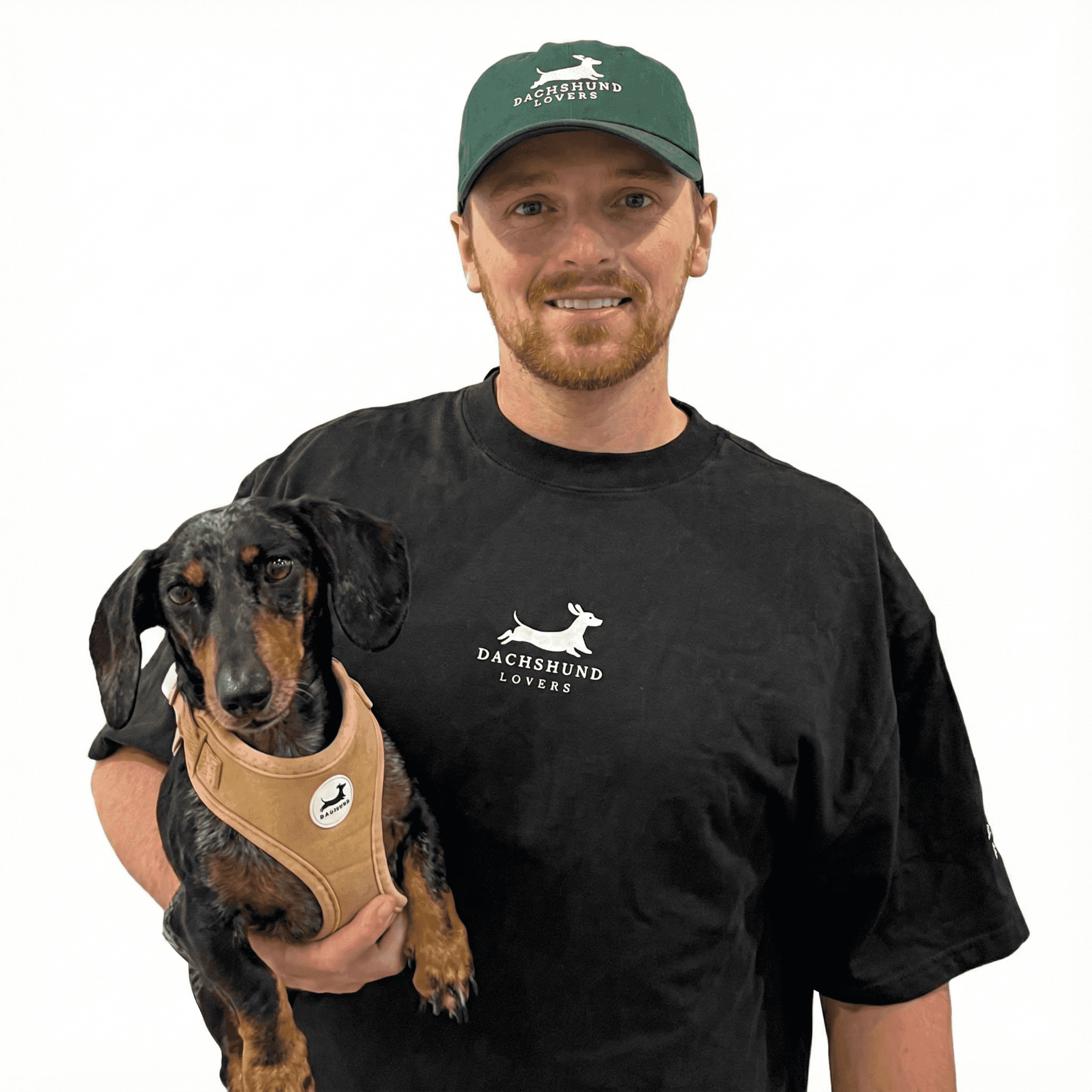
James is the founder of Dachshund Lovers and the proud human of Harvey, a mini dapple with a big personality. He writes to empower and connect the dachshund community, blending founder insights with honest, experience-based stories about life with this incredible and special breed. James brings candid, experience-backed opinions to the community and always focused on fewer, better products and ideas that genuinely improve life for dachshunds and their people.
Read moreJames is the founder of Dachshund Lovers and the proud human of Harvey, a mini dapple with a big personality. He writes to empower and connect the dachshund community, blending founder insights with honest, experience-based stories about life with this incredible and special breed. James brings candid, experience-backed opinions to the community and always focused on fewer, better products and ideas that genuinely improve life for dachshunds and their people.
Read moreDisclaimer
This content is for informational purposes only and should not be considered veterinary advice. Always consult with a licensed veterinarian regarding your dog’s health and wellbeing.
There are no comments yet
Leave a comment