Traveling with a Dachshund
Traveling with a Dachshund
From city stays to country getaways—here’s what actually works when traveling with a dachshund (and what I’ll never do again).
James
Posted on November 5, 2025.
Updated on July 12, 2026.
Table of Contents
- 1.Key Takeaways on Traveling With A Dachshund
- 2.Why Traveling with a Dachshund Is Different
- •1. Their Body Structure
- •2. Strong Personalities
- •3. Anxiety and Sensitivity
- •4. Small Size — Big Needs
- •5. Breed-Specific Health Risks
- 3.Practical Travel Tips & Planning for Dachshunds
- •Road Trips with Dachshunds
- •Flying with a Dachshund
- •Choosing the Right Carrier
- •Accommodation: Hotels, Airbnbs & Pet-Friendly Stays
- •Travel Checklist & Packing Essentials
- •Owner Insight
- 4.Dachshund Travel Needs Across Life Stages
- •Puppyhood (0–12 months)
- •Adulthood (1–7 years)
- •Senior Years (8+ years)
- 5.Life Stage Comparison Table
- •Owner Insight
- -More from This Series
- -Disclaimer
Share

Some of my favourite weekends with Harvey have been spent outside Sydney, whether wandering the vineyards of Mudgee, taking coastal walks in Newcastle, or enjoying crisp mornings in the Southern Highlands. Each trip reminded me that traveling with a dachshund isn’t quite the same as packing up with a lab or a spaniel. With their long backs, stubborn streaks, and endless curiosity, dachshunds come with their own travel quirks.
The truth is, dachshunds make wonderful travel companions, but they need a little extra thought when it comes to safety, comfort, and routine. According to the American Kennel Club, small breeds like dachshunds often experience more stress during travel than larger dogs, especially when confined to carriers or new environments. That means careful planning, the right gear, and understanding their temperament are non-negotiables.
From car rides and road trips to flights and weekend getaways, this guide will walk you through everything you need to know about traveling with a dachshund, blending practical advice with the lessons I’ve learned traveling with Harvey.
Key Takeaways on Traveling With A Dachshund
Question | Quick Answer | Why It Matters for Dachshunds |
|---|---|---|
Can dachshunds travel easily? | Yes, with preparation and patience | Dachshunds can stress easily and need comfort + structure |
What’s the safest way for dachshunds to travel? | In a secure carrier or harness, depending on transport | Prevents injury, especially with long backs |
Do dachshunds need breaks on road trips? | Every 2–3 hours | Helps prevent back strain, anxiety, and accidents |
Can dachshunds fly on planes? | Yes, in-cabin with approved carriers (policies vary by airline) | Their size makes them eligible for in-cabin travel |
What should I pack? | Carrier, harness, water, snacks, familiar bedding, first-aid | Keeps them safe and settled |
How to manage dachshund travel anxiety? | Training, comfort items, gradual exposure | Reduces stress and makes travel enjoyable for all |
Why Traveling with a Dachshund Is Different
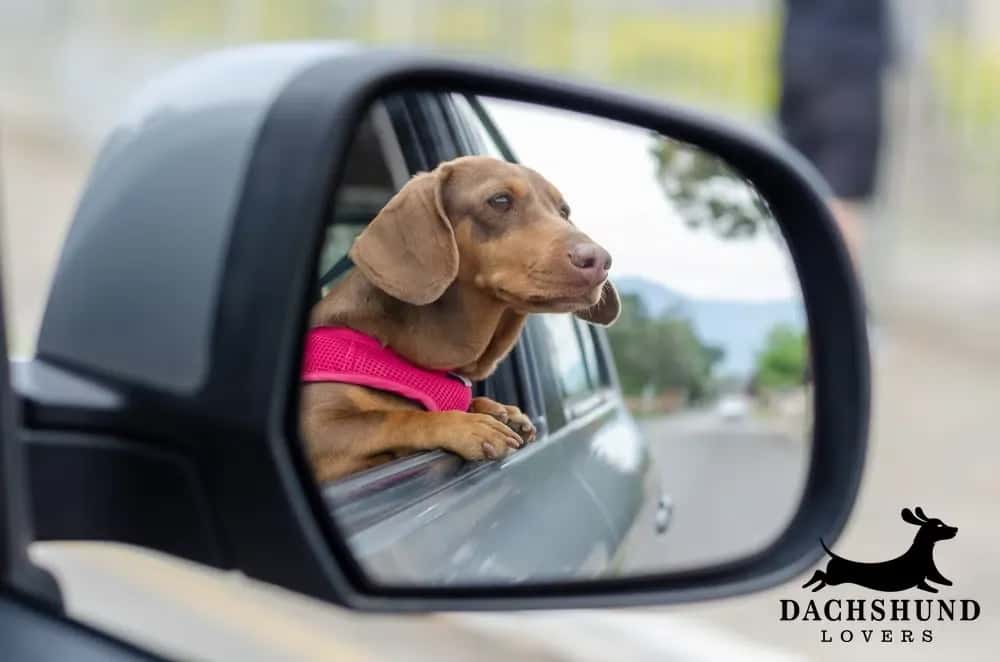
Every dog breed comes with its quirks, and dachshunds bring a very specific set of travel challenges. They’re small enough to fit into airline-approved carriers and compact enough to curl up on the backseat of the car, yet their unique body shape, spirited personality, and sensitive nature mean that what works for a golden retriever on the road doesn’t always work for a doxie.
When Harvey joined us on trips to Mudgee, Newcastle, and the Southern Highlands, I learned quickly that traveling with a dachshund means planning for both their physical needs and their emotional ones. A long back means protecting against injury in the car. A stubborn streak means they’ll decide when and where to toilet, no matter your schedule. And their deep devotion to routine means that skipping a familiar bedtime ritual can spell trouble.
Here are the biggest reasons dachshunds require tailored planning when it comes to travel.
1. Their Body Structure
The dachshund’s iconic long back and short legs are what make them so charming — but they also increase risks while traveling.
- Car rides: Without a proper carrier or harness, a sudden stop can throw too much pressure on their spine.
- Flights: Being confined for hours in a carrier can put strain on their joints if they’re not properly supported.
- Luggage and steps: Hotels or Airbnbs with lots of stairs are risky; dachshunds should always use ramps where possible.
This is why one of the golden rules of dachshund travel is to protect the back first.
2. Strong Personalities
Anyone who lives with a dachshund knows that they are fiercely independent. This independence often surfaces during travel:
- Routine disruption: Dachshunds thrive on routine. A missed morning walk or a late dinner can throw them off emotionally.
- Stubborn streaks: Harvey once refused to toilet during a stop on our road trip to Newcastle because he didn’t like the noise of the service station. Ten minutes later, he had an accident in the car. Lesson learned: dachshunds travel on their terms.
- Alert nature: Their hunting instincts mean they’re hyperaware in new environments. Every noise in a hotel hallway can set off barking.
It makes trips entertaining — but also unpredictable.
3. Anxiety and Sensitivity
Dachshunds are known for separation anxiety, and travel only magnifies this. They are deeply bonded to their families and can panic when routines change.
- Car rides: Some dachshunds settle immediately, others pant or whine for the first hour.
- Flights: Confined spaces and unfamiliar smells can make them nervous.
- New locations: Whether it’s a pet-friendly winery in Mudgee or a cottage in the Southern Highlands, Harvey always takes a day to settle in before fully relaxing.
This is why road trip planning with frequent breaks and familiar bedding is essential.
4. Small Size — Big Needs
While their compact size makes dachshunds convenient travel companions, it also means they have specific vulnerabilities:
- Temperature sensitivity: They can overheat quickly in cars or get cold in drafty cabins.
- Bathroom breaks: Their smaller bladders mean more frequent stops.
- Food portioning: Overfeeding during travel, often because of treats, can upset their stomach and contribute to motion sickness.
Small doesn’t always mean simple — traveling with a dachshund is proof of that.
5. Breed-Specific Health Risks
Travel stress can trigger underlying dachshund health concerns.
- Back problems: Jumps on and off hotel beds can risk IVDD flare-ups.
- Digestive issues: Stress or dietary changes on the road can cause constipation or diarrhea.
- Dental concerns: Chewing less on trips may worsen bad breath or tartar buildup.
Planning around these risks keeps them comfortable and safe.
Every trip with Harvey has reinforced the same truth: dachshunds can be great travel dogs, but they’re not effortless ones. The key is anticipating their quirks ,the stubbornness, the anxiety, the long backs, the small bladders and planning accordingly. When we learned to build trips around Harvey’s needs, from winery stops with grassy breaks to choosing pet-friendly stays without stairs, our journeys became smoother and far more enjoyable.
Practical Travel Tips & Planning for Dachshunds
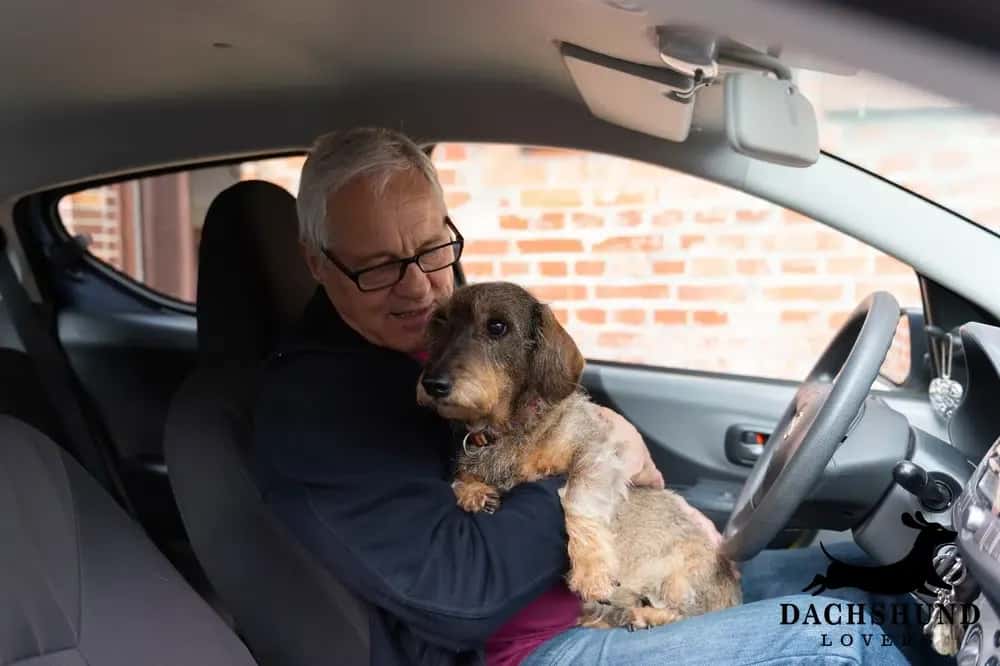
Once you understand why dachshunds are unique travellers, the next step is planning trips in a way that keeps them safe, comfortable, and calm. Whether it’s a road trip to the Southern Highlands, a flight to visit family, or a weekend in Mudgee, travel with a dachshund runs smoother when you think through each stage: the journey, the gear, and the destination.
Road Trips with Dachshunds
Most dachshunds will spend more time in the car than on planes, so road safety is the foundation of travel planning.
- Carriers vs harnesses: Dachshunds should never ride unrestrained. A secure carrier prevents back injuries and keeps them safe during sudden stops. Crash-tested harnesses clipped into a seatbelt are also an option.
- Breaks every 2–3 hours: Dachshunds have smaller bladders and need more frequent toilet breaks than larger breeds. Harvey thrives when we stop for short walks during long drives.
- Comfort setup: A blanket from home helps reduce anxiety. In summer, cooling mats prevent overheating; in winter, a small fleece makes the carrier cosy.
- No laps: As tempting as it is to let them sit on your lap, it’s unsafe and increases the risk of injury.
You’ll find more detailed road trip advice in our Dachshund Road Trip Guide.
Flying with a Dachshund
Flying is a bigger adjustment, but many dachshunds adapt well with preparation.
- Cabin vs cargo: Dachshunds are usually small enough to fly in-cabin in approved carriers on many airlines. Always check policies first — some allow dogs under 8kg in the cabin, while others don’t. See our Flying with a Dachshund guide for airline-specific details.
- Carrier training: Introduce the travel carrier weeks before the flight. Let your dachshund nap inside at home so it feels safe on travel day.
- Timing: Book direct flights when possible. Fewer transfers mean less stress for your dachshund.
- Hydration: Offer water at intervals, but avoid overfilling before boarding. Ice cubes in the carrier can provide slow hydration without spills.
Harvey hasn’t flown yet, but on our vet’s advice we’ve already carrier-trained him so when that day comes, he won’t be overwhelmed.
Choosing the Right Carrier
A dachshund’s unique build makes the choice of carrier especially important. Too small, and their spine bends unnaturally; too large, and they’ll feel insecure.
Carrier Type | Best For | Pros | Cons | Dachshund Notes |
|---|---|---|---|---|
Soft-sided carrier | In-cabin flights, short trips | Airline-approved, flexible fit | Less structure, can sag | Ensure base is reinforced for back support |
Hard-shell crate | Car travel, longer trips | Durable, more protective | Heavier, bulkier | Better for nervous dachshunds needing extra security |
Sling or backpack | Walking through airports/cities | Hands-free, cosy for small dogs | Limited back support | Good only for short durations |
For a full guide, see Dachshund Travel Carrier Guide.
Accommodation: Hotels, Airbnbs & Pet-Friendly Stays
Not every “pet-friendly” stay is dachshund-friendly. Their size makes them welcome in most places, but their quirks require extra thought.
- Stairs: Avoid accommodations with multiple flights of stairs. Ramps or single-level stays are safest for their backs.
- Outdoor space: Properties with fenced yards or nearby parks make bathroom breaks easier.
- Noise sensitivity: Dachshunds are alert and may bark at hallway noises. Cabins, cottages, or ground-floor rooms often reduce stress.
- Rules & fees: Always confirm pet policies. Some Airbnbs allow pets free of charge, while hotels may add nightly fees.
On a trip to Newcastle, Harvey loved our pet-friendly cottage because it had a secure garden. It was a reminder that space to sniff and explore matters as much as comfort inside.
Travel Checklist & Packing Essentials
Packing for a dachshund is like packing for a toddler: the basics plus all the little extras that make life smoother.
Essentials to pack:
- Travel carrier or crash-tested harness
- Leash, harness, and ID tags
- Water and portable bowl
- Familiar blanket or bedding
- Food + treats (in measured portions)
- Waste bags and wipes
- First-aid kit (with vet-recommended meds)
We’ve put together a full Dachshund Travel Packing List to keep everything in one place.
Owner Insight
Traveling with Harvey taught me that success is all about anticipation. I now assume he’ll need more stops than I do, more bedding than seems necessary, and more reassurance in new environments. Whether it’s planning the right carrier for a road trip or booking a pet-friendly cottage with a yard, those little considerations transform travel from stressful to enjoyable.
Dachshund Travel Needs Across Life Stages
Just as people travel differently at different ages, dachshunds also have changing needs depending on whether they’re puppies, adults, or seniors. A puppy’s first car trip is about gentle introductions; an adult dachshund might thrive on weekend getaways; and a senior may need softer bedding, shorter walks, and more frequent breaks.
When Harvey was a puppy, his first long trip with us was to the Southern Highlands. He was restless, curious, and needed multiple toilet breaks — more than we expected. By the time he was three, our trips to Mudgee and Newcastle felt easier; he was crate-trained, calmer, and had his routine. Looking ahead, as he enters his senior years, I know our focus will shift toward comfort, support, and health checks before any long trip.
Puppyhood (0–12 months)
Traveling with a dachshund puppy is all about gentle exposure and routine-building.
- Frequent breaks: Puppies have smaller bladders and need bathroom stops every 1–2 hours.
- Crate training: Early carrier training sets them up for smoother flights and road trips later.
- Short journeys first: Begin with local trips (e.g., vet visits or short drives) before tackling longer drives.
- Puppy-proofing stays: Puppies are curious chewers; bring travel-safe toys to prevent chewing furniture.
- Feeding: Stick to the same food during travel to avoid digestive upset.
Adulthood (1–7 years)
This is the prime travel stage for most dachshunds. They’ve settled into routines, bladder control is stronger, and they’re generally easier to manage on the road.
- Balanced activity: Adults thrive with structured walks during travel, which helps reduce anxiety and restlessness.
- Stamina for longer trips: Adults can handle road trips with breaks every 2–3 hours.
- Adventure ready: Hiking trails, wineries, and pet-friendly stays become realistic options.
- Consistency: Keeping feeding and bedtime consistent helps avoid stress.
- Carrier or harness travel: Even in adulthood, protecting their backs with safe travel setups is non-negotiable.
Harvey is in this stage now, and it’s the sweet spot, he loves exploring new destinations but also knows his routines well enough to settle in after the first night.
Senior Years (8+ years)
Seniors can still enjoy travel, but their needs change significantly.
- Comfort first: Soft orthopedic bedding in carriers helps support aging joints and spines.
- Frequent vet checks: Always check with your vet before longer trips, especially flights.
- Slower pace: Seniors tire more easily and may not manage long hikes or overly active itineraries.
- Medication: Some seniors may need travel adjustments for arthritis, digestion, or anxiety medication.
- Accessible accommodation: Single-level stays with yards are best to avoid stairs and reduce risks.
For Harvey, when the time comes, our focus will be less on covering distance and more on enjoying slower, sensory-rich environments, sniff walks in parks, sunbathing in courtyards, and short drives rather than long hauls.
Life Stage Comparison Table
Life Stage | Key Needs | Risks | Travel Tips |
|---|---|---|---|
Puppy (0–12m) | Frequent bathroom breaks, gentle exposure, crate training | Car sickness, stress, chewing hazards | Short trips first, pack toys, bring familiar food |
Adult (1–7y) | Balanced exercise, structured routines, safe carriers | Overexcitement, stubborn toileting | Breaks every 2–3 hrs, keep feeding routine, choose pet-friendly stays |
Senior (8+ years) | Comfort, slower pace, vet checks, orthopedic bedding | Arthritis, reduced stamina, medical needs | Book single-level accommodation, keep walks short, pack meds |
Owner Insight
What I’ve learned with Harvey is that travel evolves with the dachshund. Puppies need gentle training, adults bring energy and adventure, and seniors remind us to slow down and savour. The common thread? Consistency. A dachshund thrives when they know their routine is still intact, food, comfort, and reassurance, no matter the destination.
FAQs on Traveling with a Dachshund
More from This Series
Explore more guides in our Dachshund Travel Series:
- Traveling with a Dachshund
- Dachshund Travel Carrier Guide
- Flying with a Dachshund
- Dachshund Road Trip Guide
- Dachshund Travel Packing List
Authored by
James
James is the founder of Dachshund Lovers and the proud human of Harvey, a mini dapple with a big personality. He writes to empower and connect the dachshund community, blending founder insights with honest, experience-based stories about life with this incredible and special breed. James brings candid, experience-backed opinions to the community and always focused on fewer, better products and ideas that genuinely improve life for dachshunds and their people.
Read moreJames is the founder of Dachshund Lovers and the proud human of Harvey, a mini dapple with a big personality. He writes to empower and connect the dachshund community, blending founder insights with honest, experience-based stories about life with this incredible and special breed. James brings candid, experience-backed opinions to the community and always focused on fewer, better products and ideas that genuinely improve life for dachshunds and their people.
Read moreDisclaimer
This content is for informational purposes only and should not be considered veterinary advice. Always consult with a licensed veterinarian regarding your dog’s health and wellbeing.
There are no comments yet
Leave a comment