Dachshund Personality
Dachshund Personality
Behind the cuteness? Sass, smarts, and big feelings in tiny bodies. Here’s the honest truth about dachshund personality, straight from an owner.
James
Posted on October 22, 2025.
Updated on July 12, 2026.
Table of Contents
- 1.Key Takeaways on About Dachshund Personality
- 2.The Core Dachshund Personality Characteristics
- •Benefits of Proper Socialisation
- •Core Traits at a Glance
- 3.Intelligence and Trainability — Are Dachshunds Smart Dogs?
- •Dachshund Intelligence Snapshot
- 4.Are Dachshunds Good Pets?
- 5.Adaptability — Clingy or Independent?
- 6.Personality and Lifestyle Fit — Matching the Right Home to the Breed
- -More from This Series
- -Disclaimer
Share

If you’ve ever met a dachshund, you know there’s no mistaking them. The long body, the proud stance, the eyes that somehow manage to be both cheeky and knowing — it all adds up to a personality that’s bigger than their size.
When Caitlin and I brought Harvey home, we expected the usual “puppy energy” and some stubborn streaks. What we didn’t expect was how layered his personality would be. One day he’s fiercely independent, patrolling the fence line like a security guard in a sausage suit. The next, he’s pressed against my leg on the couch, sighing like the weight of the world just lifted because I came home from a quick trip to Cronulla.
That’s the thing about dachshund personality — it’s not one note. It’s a mix of loyalty, intelligence, independence, and a touch of mischief, shaped by their history and amplified by their bond with their people. And those traits don’t just influence how they behave — they affect everything from how they train, to how they adapt to city or suburban life here in NSW.
Whether you’re considering adding one to your family or already living with a long-bodied shadow, understanding their personality is key to living harmoniously with them for the next 12 to 16 years.
Key Takeaways on About Dachshund Personality
Question | Quick Answer |
|---|---|
Start Small | Bold, curious, independent yet affectionate, intelligent, and sometimes stubborn. |
Are dachshunds loyal to one person? | Often, yes. They tend to form an especially strong bond with a primary caregiver. |
Are dachshunds good pets? | For the right household, absolutely — especially those prepared for their quirks. |
Are dachshunds smart dogs? | Yes — but they use their intelligence on their own terms, not always to please you. |
Are dachshunds good for seniors? | In many cases, yes. Their size, loyalty, and alert nature can be a good match, though training is essential. |
Are dachshunds clingy or independent? | Both — they can be velcro dogs one moment and fiercely self-reliant the next. |
How does personality affect city vs suburban living? | They can adapt to apartments with enough mental and physical stimulation, but many thrive with secure backyard space. |
The Core Dachshund Personality Characteristics
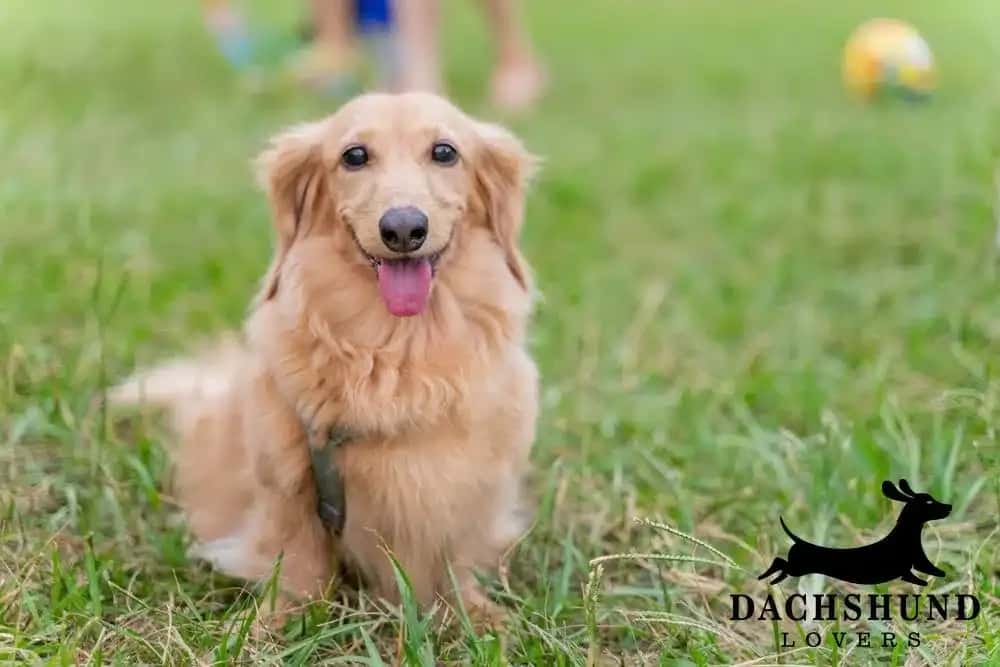
Dachshunds might be small, but their personalities are anything but. They were bred to hunt in packs, tracking and flushing out badgers, so socialisation — learning how to interact appropriately with other dogs and people — is in their DNA. Without it, a dachshund can become wary, territorial, or even defensive in public spaces.
A well-socialised dachshund tends to be more adaptable, whether they’re strolling through Centennial Parklands, visiting a café in the Sutherland Shire, or navigating the off-leash areas of London’s Hampstead Heath. This adaptability reduces the risk of fear-based reactivity, which is one of the most common issues in poorly socialised dachshunds.
If you’ve read our Are Dachshunds Aggressive article, you’ll know that aggression is often a symptom of insecurity. Regular, positive exposure to different dogs, people, sounds, and environments helps build that all-important confidence.
- Improved confidence — less startle or fear in new situations.
- Better communication — learns canine body language, reducing misunderstandings.
- Lower stress levels — adapts more easily to new people, pets, and places.
- Safer play — understands acceptable play styles and boundaries.
- Public comfort — easier vet visits, café stops, and holiday travel.
Socialisation isn’t just for puppies, either. While early exposure between 8–16 weeks is ideal, adult dachshunds can still learn new social skills with patience and consistency. In fact, older rescues often blossom once they’re given structured opportunities to interact at their own pace.
In the USA, small dog meetups in local parks are a safe way to build these skills without the intensity of a large, mixed-size dog park. In the UK, many community-run fields offer “small dog hours” — something NSW could borrow from to give breeds like dachshunds the perfect starter environment.
Dachshunds aren’t the type of dog you can sum up in one word. They’re a blend of traits — some expected, some surprising — that have been shaped by centuries of selective breeding and decades of living alongside people in all kinds of environments.
At their core, dachshunds are bold. That courage was bred into them when their ancestors went nose-to-nose with badgers underground. Even today, you’ll see it in the way they approach new situations — head up, tail out, completely unaware of their size compared to the rest of the world.
They’re also incredibly curious. If there’s a sound in another room, a rustle in the garden, or a smell drifting in from the street, a dachshund wants to know what it is, where it came from, and whether it’s worth barking at. Harvey’s patrols around the house aren’t about exercise — they’re about staying informed.
Affectionate is another word that belongs in the list, but with nuance. Many dachshunds are loyal to one person above all others. That doesn’t mean they ignore everyone else, but their chosen human often gets the deepest eye contact, the most insistent cuddles, and the longest greetings when they come home. In our house, that’s me. Caitlin gets plenty of love, but if I’m out for the day, Harvey will sit at the window until I get back.
They’re also independent thinkers. Ask a retriever to fetch a ball and they’ll often bring it back just to please you. Ask a dachshund, and you might get a long look that says, I heard you. I’m weighing my options. This isn’t defiance — it’s the same self-reliance that once helped them make decisions underground without human guidance.
And then there’s the playful mischief. Dachshunds have a knack for turning the ordinary into entertainment — whether that’s stealing a sock, rearranging couch cushions, or digging a perfectly shaped hole in the backyard. It’s part of their charm, but also a reminder that they need daily outlets for their energy and intelligence.
Core Traits at a Glance
Trait | What It Looks Like in Daily Life |
|---|---|
Bold | Standing up to bigger dogs, exploring new environments without hesitation |
Curious | Inspecting bags, following scents, investigating every sound |
Loyal | Strong attachment to one person, shadowing them around the house |
Independent | Choosing their own pace during walks, weighing commands before acting |
Playful | Inventing games, stealing household items for attention |
Stubborn | Sticking to their own agenda during training or walks |
Intelligence and Trainability — Are Dachshunds Smart Dogs?
Dachshunds are smart — but it’s not the “will do anything to please you” kind of smart you see in breeds like border collies or labradors. It’s a self-directed, problem-solving intelligence, shaped by their history as independent hunters.
When they were bred to go underground after badgers, they didn’t have a person in the tunnel telling them what to do. They had to assess situations, make quick decisions, and rely on their instincts. That survival-driven intelligence is still there today — it’s just more likely to be applied to figuring out how to get into the pantry than to perfecting their heel work.
Harvey’s problem-solving style
If a toy rolls under the couch, Harvey doesn’t give up. He’ll try pawing at it from different angles, lying on his side to reach further, or even using his nose to push the couch skirt up for a better view. If all else fails, he’ll bark at me — not because he can’t think of another way, but because he’s decided I’m now part of the solution.
Trainable, but on their terms
This is where “smart” can be misleading. A dachshund can learn a command quickly, but whether they choose to follow it depends on what’s in it for them. Training works best when it’s built around short, varied sessions with high-value rewards. Repetition without purpose is a fast track to them losing interest.
Why stubbornness is part of their smarts
Some owners mistake their reluctance to obey as a lack of intelligence. In reality, it’s the opposite. Dachshunds weigh up whether a command is worth their time. That independent streak can be frustrating if you expect robotic compliance, but it’s part of what makes them such interesting companions.
Best mental outlets for dachshunds
Because they’re thinkers, mental enrichment is just as important as physical exercise. Scent work, puzzle feeders, and hide-and-seek games keep them engaged and help prevent boredom-driven behaviours like digging or excessive barking.
Dachshund Intelligence Snapshot
Trait | What It Looks Like | Training Tip |
|---|---|---|
Problem-solving | Finding new ways to reach toys or treats | Offer puzzle feeders and scent games |
Decision-making | Choosing whether to follow a command | Use high-value rewards and vary sessions |
Memory | Remembering where treats or toys were hidden | Rotate games to keep them guessing |
Adaptability | Adjusting to changes in environment | Introduce new experiences gradually |
Are Dachshunds Good Pets?

The short answer? Yes — for the right person or family. Dachshunds can be incredible companions, but they’re not a one-size-fits-all breed. Whether they’re a “good pet” depends less on the dog and more on how well their personality matches your lifestyle and expectations.
Matching personality to household
A dachshund thrives in a home where their need for companionship, mental stimulation, and purposeful activity is met. They’re not the type to sit quietly in the background, content with minimal interaction. They want to be involved — in your routine, your downtime, and, in their minds, your decision-making.
In families, they often bond most strongly with one person but can still form meaningful relationships with others. This can work well in multi-person households, but everyone needs to be consistent with boundaries and training.
Are dachshunds good for seniors?
For many older owners, the dachshund’s small size, moderate exercise needs, and strong loyalty are a great fit. They’re manageable to handle on lead, easy to lift if necessary, and don’t require the same intense physical activity as a working collie or pointer.
However, their independence means they still need daily mental stimulation. A senior owner who enjoys regular short walks, light play, and gentle training will likely find a dachshund to be a rewarding companion. Those with mobility limitations should be aware that stubbornness on walks and the occasional digging spree are still part of the package.
City vs suburban living in NSW, Australia
One of the most common questions I hear is whether dachshunds are suited to apartment living in Sydney or if they need the space of a suburban backyard in places like the Sutherland Shire. The answer is that they can adapt to both, provided their exercise and stimulation needs are met.
- City/apartment living: Works well if the owner is committed to daily walks, mental enrichment, and socialisation. Apartment dachshunds often become more accustomed to different noises, people, and dogs, which can make them adaptable in public settings. The main challenge? Managing barking in close quarters — especially if they’re left alone for stretches of time.
- Suburban/backyard living: Gives them the freedom to explore and patrol their own space, which satisfies their curiosity and guarding instincts. But a backyard isn’t a replacement for walks — they still need variety and social interaction.
In Harvey’s case, we’ve lived in both scenarios. In an apartment, he adapted quickly but needed more structured outings to burn off energy. In a house with a yard, he spends hours “surveying his kingdom” — but we still hit the parks and beaches to keep life interesting.
Why they’re “good pets” for the right owner
If you appreciate a dog with personality, independence, and an unshakable bond once they trust you, a dachshund can be the best pet you’ll ever have. But if you want a breed that always aims to please without question, or one that can be left alone for long stretches without stress, they might not be the match you’re looking for.
Adaptability — Clingy or Independent?
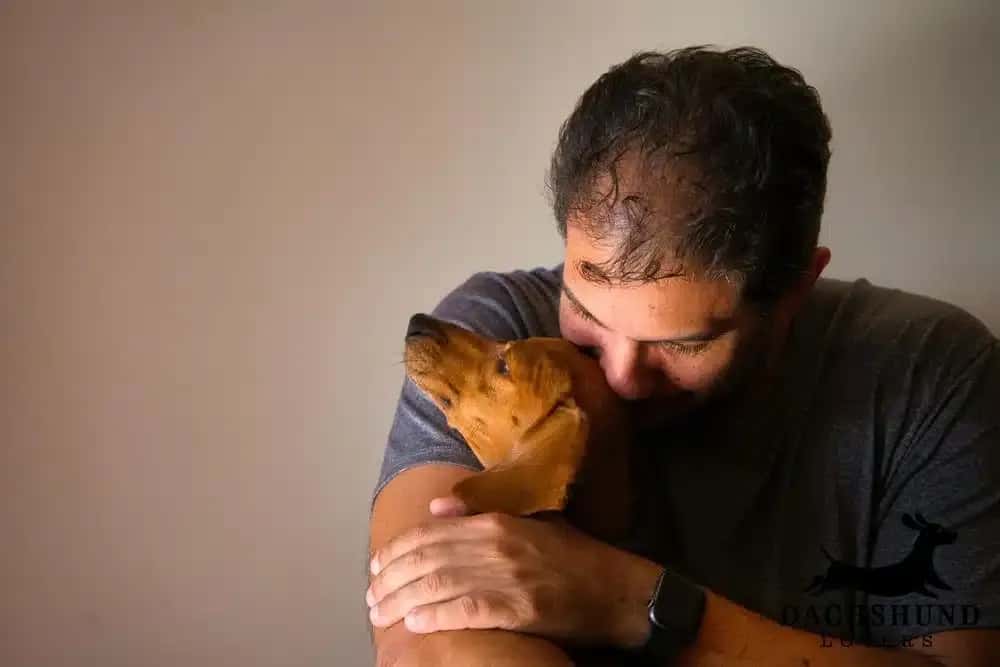
Ask a dachshund owner whether their dog is clingy or independent and you’ll often get the same answer: both. This breed has a knack for flipping between velcro mode and total self-reliance — sometimes in the same afternoon. It’s part of what makes living with them so engaging… and occasionally confusing.
When they’re clingy
Many dachshunds form deep, almost magnetic attachments to their chosen person. It’s not just about being in the same room — it’s about being close enough to keep tabs on you. That can mean following you to the bathroom, hopping up beside you the moment you sit down, or insisting on curling up against your legs at night.
In Harvey’s case, clingy mode is especially strong when I’m working from home. He’ll curl up under my desk, tucking himself in so tightly I sometimes forget he’s there until I feel him shift. If I stand up, he’s instantly alert and ready to follow — even if I’m just heading to the kitchen for a glass of water.
Clinginess is part of their loyalty, but it’s also something to keep in check. Without training, it can slide into separation anxiety, making time apart stressful for everyone. Early work on short, calm departures can help teach them that you always come back (we go deeper into this in Dachshund Separation Anxiety).
When they’re independent
The same dog who shadowed you all morning might disappear into the backyard for an hour in the afternoon, completely absorbed in their own projects. Dachshunds were bred to make decisions without human direction, whether they were underground hunting badgers or tracking scent trails above ground. That self-reliance still shows today.
Harvey’s independence peaks when we’re somewhere with new smells. At Greenhills Beach, he can spend 20 minutes moving methodically through a patch of dunes, nose down, ignoring every call. It’s not defiance — it’s focus. He’s doing the job his instincts tell him to do.
This independence also means they’re generally fine entertaining themselves for short periods, provided they have safe outlets for their curiosity — whether that’s patrolling a yard, dismantling a puzzle toy, or rearranging the blankets in their bed.
Why both sides matter
The clingy side ensures they bond deeply and thrive on companionship, making them loving pets for people who want a dog that feels like part of the family. The independent side means they’re not completely helpless without you in the room — a huge benefit for owners who need a little breathing space or have other commitments.
The challenge is finding the balance. Too much indulgence in clingy behaviours and you risk dependency; too much push for independence and you risk weakening the connection that makes them special.
City vs suburban adaptability
Where you live can influence which side you see more often.
- City/apartment living tends to magnify clingy tendencies because you’re always in close quarters. Dachshunds in this environment often develop a “constant companion” mindset — which is wonderful for bonding but means you need to actively build in independent activities.
- Suburban/backyard living gives them the physical space to explore without you, which naturally brings out their independence. But even here, they’ll often pop back inside just to check you’re still around.
In Harvey’s time living in both settings, I’ve noticed he was more clingy in our apartment days, shadowing me constantly. Once we moved to a house with a yard, he split his time more evenly — half the day on independent patrol, half glued to my side.
Adaptability Summary
Situation | Clingy Mode | Independent Mode |
|---|---|---|
Working from home | Curled under your desk, tracking your every move | Napping in another room until lunchtime |
Walks in busy areas | Staying close for reassurance | Leading confidently into side streets or parks |
At home with a yard | Sitting on the patio to watch you work | Patrolling, digging, or lounging in a sunny corner |
New environments | Watching you for cues before exploring | Charging ahead to investigate scents and sounds |
Personality and Lifestyle Fit — Matching the Right Home to the Breed
A dachshund’s personality isn’t a blank slate you can completely reshape — it’s a set of traits you work with, nurture, and manage. That means finding the right match between their temperament and your lifestyle is key to a good long-term fit.
For seniors
Dachshunds can be an excellent choice for active seniors. Their smaller size makes them manageable on a lead, and they don’t require marathon walks. Short, regular outings and mental stimulation through training or puzzle toys can keep them content. Their loyalty also makes them great companions for someone who wants a dog that’s genuinely present in their daily life.
That said, seniors should be prepared for a bit of stubbornness, especially on walks. A dachshund deciding they don’t want to move is a surprisingly effective negotiation tactic — one that works best if you’ve got patience and a sense of humour.
For families
Dachshunds can thrive in family settings, but they do best when children are taught how to interact respectfully. Their loyalty to one person doesn’t mean they won’t bond with everyone — but it does mean kids might get different levels of enthusiasm depending on their place in the pack.
Supervision is important, especially with younger kids. Dachshunds are small, but they’re sturdy and confident, and they’ll stand their ground if pushed too far.
For active singles or couples
If you’re after a dog that will join you for café mornings in Newtown, beach walks in Cronulla, or weekend hikes in the Royal National Park, a dachshund can adapt — as long as they’re introduced gradually to new environments and kept physically safe from overexertion or steep climbs. Their curiosity means they’ll want to be involved in most activities, so expect them to be more “companion” than “accessory.”
City vs suburban living in NSW
- City/apartment living: A dachshund can be very happy here if you commit to daily walks, mental enrichment, and managing their alert barking in close quarters. They’ll adapt quickly to the variety of sounds and sights, but may become more clingy due to constant proximity.
- Suburban/backyard living: This gives them space to patrol and explore, which satisfies their guarding instincts and independence. However, the bigger environment can also mean more triggers for barking — passing dogs, delivery vans, or the neighbour’s cat.
Harvey adapted to both settings. In the apartment, he became a shadow — always nearby, watching everything. In the suburbs, he splits his time between patrolling the fence line and lounging in the sun, but still checks in on us every half hour.
The key takeaway
Dachshunds aren’t “easy” dogs in the sense of being universally adaptable to any home. They’re specific — loyal, intelligent, curious, and a little bit stubborn. When those traits meet the right owner, they create a bond that’s hard to beat.
FAQs
More from This Series
- Why Are Dachshunds So Stubborn
- When Do Dachshunds Calm Down
- Dachshund Separation Anxiety
- Dachshund Barking
- Are Dachshunds Aggressive
- Dachshund Dog Park Socialization
- Do Dachshunds Get Along with Other Dogs
- Are Dachshunds Good with Kids
- Do Dachshunds Like to Cuddle
- Dachshund Digging
- Dachshund Sleeping
- Are Dachshunds Good with Cats
- Why Do Dachshunds Shake
Authored by
James
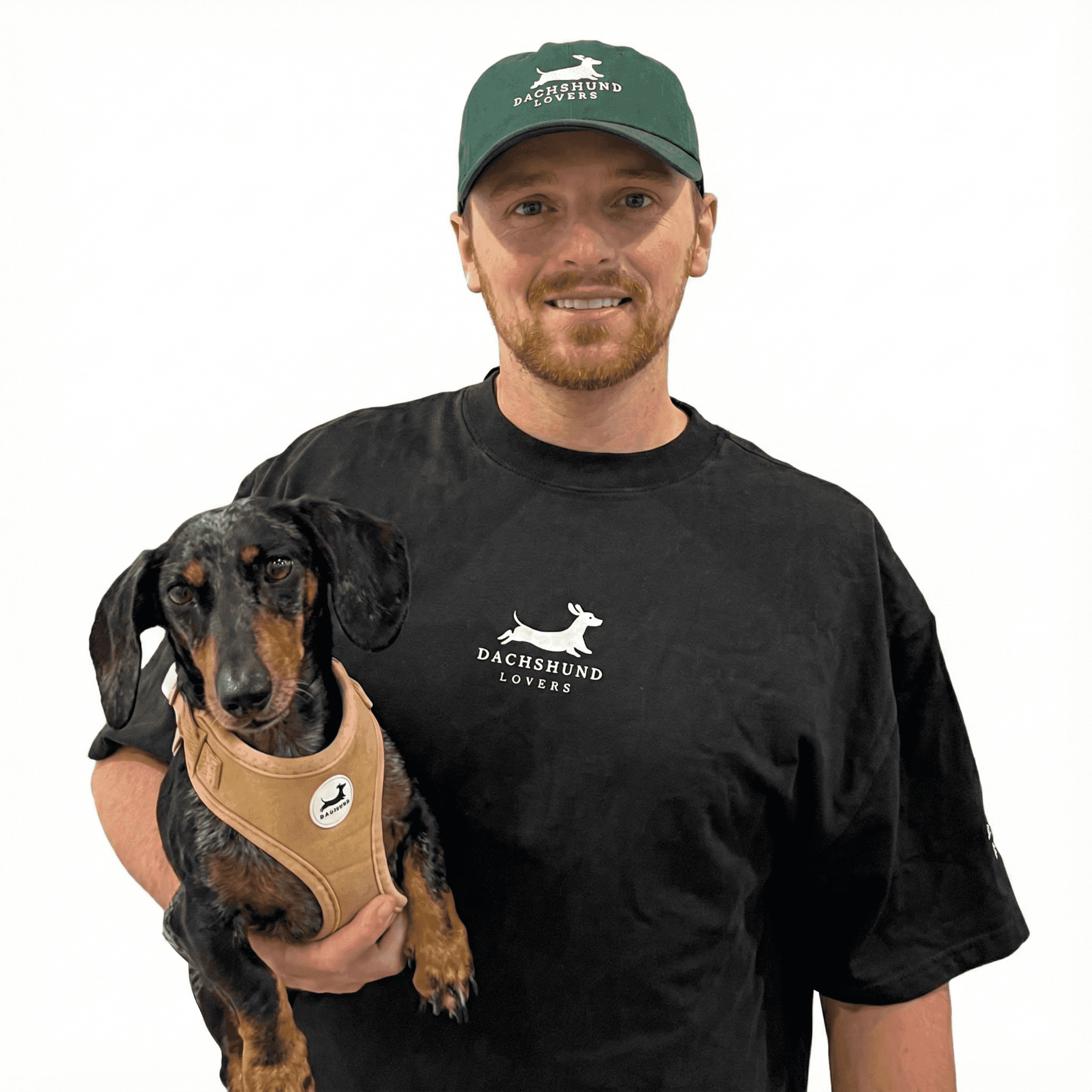
James is the founder of Dachshund Lovers and the proud human of Harvey, a mini dapple with a big personality. He writes to empower and connect the dachshund community, blending founder insights with honest, experience-based stories about life with this incredible and special breed. James brings candid, experience-backed opinions to the community and always focused on fewer, better products and ideas that genuinely improve life for dachshunds and their people.
Read moreJames is the founder of Dachshund Lovers and the proud human of Harvey, a mini dapple with a big personality. He writes to empower and connect the dachshund community, blending founder insights with honest, experience-based stories about life with this incredible and special breed. James brings candid, experience-backed opinions to the community and always focused on fewer, better products and ideas that genuinely improve life for dachshunds and their people.
Read moreDisclaimer
This content is for informational purposes only and should not be considered veterinary advice. Always consult with a licensed veterinarian regarding your dog’s health and wellbeing.
There are no comments yet
Leave a comment