Dachshund Health Issues
Dachshund Health Issues
Before the first sneeze, limp, or rash, know the risks. This honest guide breaks down dachshund health issues based on real experience with Harvey.
James
Posted on November 2, 2025.
Updated on July 21, 2026.
Table of Contents
- 1.Key Takeaways
- 2.Do Dachshunds Have a Lot of Health Issues?
- •Why Dachshunds Are Considered High-Risk
- •Dachshund Medical Issues Owners Should Expect
- •Do Miniature Dachshunds Have Health Issues?
- •Do Piebald Dachshunds Have Health Issues?
- •Dachshund Common Health Problems in Old Age
- •Harvey’s Perspective
- 3.Table: Dachshund Health Issues at a Glance
- 4.Common Diseases in Dachshunds & Ailments to Watch For
- •Back Problems (IVDD)
- •Skin Problems
- •Dental Disease
- •Obesity
- •Ear Infections
- •Eye Conditions
- •Heart Disease
- •Diabetes & Cushing’s Disease
- •Do Miniature Dachshunds Have More Health Issues?
- •Do Piebald Dachshunds Have Health Issues?
- 5.Table: Common Diseases in Dachshunds
- •Harvey’s Perspective
- 6.Prevention & Dachshund Health Care Tips
- •Weight Management
- •Exercise
- •Dental Care
- •Grooming and Skin Care
- •Ear Care
- •Vet Visits and Screenings
- •Home Environment
- 7.Table: Dachshund Health Care Tips
- •Harvey’s Routine
- 8.Dachshund Health Across Life Stages
- •Puppyhood: Building a Healthy Foundation
- •Adulthood: Managing Weight, Exercise, and Dental Health
- •Senior Years: Dachshund Old Age Health Issues
- 9.Table: Dachshund Health Priorities by Life Stage
- •Harvey’s Perspective
- -More from This Series
- -Disclaimer
Share

When people think of dachshund health, their minds often jump straight to back problems, like us when we first looking at purchasing a dachshund. And while that’s the biggest hereditary risk for the breed, it’s far from the only one. Living with Harvey has taught me that dachshund health isn’t about one looming condition, it’s about staying on top of the small health issues that creep up, from itchy skin and bad teeth to weight gain and ear infections. No different to looking after yourself.
According to PetMD, dachshunds are prone to a handful of common health concerns because of their genetics and body structure. By knowing what to look for, owners can prevent most issues from turning into bigger problems.
Key Takeaways
Health Issue | Why Dachshunds Are at Risk | Key Notes |
|---|---|---|
Back problems (IVDD) | Long spine, chondrodystrophy | #1 dachshund health concern; see Back Problems. |
Skin issues | Sensitive skin, allergies | Itchy skin, rashes, infections; see Skin Issues. |
Dental disease | Small jaws, crowded teeth | Early tartar, gum disease; see Dachshund Teeth. |
Obesity | Food-driven, small frame | Weight worsens all other health problems; see Overweight Dachshund. |
Allergies | Genetic predisposition | Food, fleas, pollen; see Dachshund Allergies. |
Ear infections | Floppy ears trap moisture | Common in long-haired dachshunds. |
Do Dachshunds Have a Lot of Health Issues?

One of the most common questions new owners ask is: “Do dachshunds have a lot of health issues?” The honest answer is yes, dachshunds are prone to more hereditary health problems than many other small breeds. Their unique body shape, combined with genetics, makes them vulnerable to certain medical issues that can follow them throughout life.
That doesn’t mean dachshunds can’t live long, healthy lives in fact, many thrive well into their teens. But owners must be proactive. With dachshunds, prevention and early detection are everything.
Why Dachshunds Are Considered High-Risk
Dachshunds are beloved for their long backs and short legs, but this same structure predisposes them to spinal disease. Research from the Royal Veterinary College found that dachshunds are up to 12 times more likely to suffer from Intervertebral Disc Disease (IVDD) compared to other breeds.
Other health concerns include skin allergies, dental problems, obesity, and ear infections. The AKC notes that while dachshunds are generally hardy, their hereditary risks make health management more demanding.
Dachshund Medical Issues Owners Should Expect
- Back Problems (IVDD)
The most well-known of all dachshund dog health problems, IVDD is a degenerative condition of the spinal discs. Signs include stiffness, reluctance to jump, or even paralysis. See Dachshund Back Problems. - Skin Problems
Allergies, rashes, and dachshund skin infections are common, especially in long-haired and piebald dachshunds. See Dachshund Skin Issues. - Dental Disease
Small jaws = crowded teeth. Without care, tartar builds early, leading to gum disease. See Dachshund Teeth. - Obesity-Related Illnesses
Dachshunds love food, but excess weight worsens back and joint issues. See Overweight Dachshund. - Ear Infections
Their floppy ears trap moisture and debris, creating the perfect environment for yeast and bacteria. - Other Dachshund Ailments
They may also develop diabetes, heart disease, and Cushing’s disease as they age — less common but part of the wider spectrum of dachshund medical issues.
Do Miniature Dachshunds Have Health Issues?
Do miniature dachshunds have health issues different from standards?
For the most part, miniature dachshunds face the same health concerns as their standard counterparts: IVDD, dental disease, skin problems, and obesity.
Some studies suggest that minis may have a slightly higher rate of IVDD because of their smaller frames, but lifestyle and genetics matter more than size. Responsible breeding reduces risks, while poor breeding practices increase them in both varieties.
So yes, mini dachshunds have health issues, but not dramatically more than standards.
Do Piebald Dachshunds Have Health Issues?
Piebald dachshunds , those with distinctive white patches are generally healthy, but their genetics come with unique risks.
- Deafness: Dogs with extensive white on the head or ears may have higher rates of congenital deafness (AKC).
- Skin sensitivity: Piebalds often have thinner, lighter skin in white areas, making them more prone to sunburn, rashes, and dachshund skin conditions.
This doesn’t mean all piebalds will develop problems, but owners should use sun protection and monitor for skin bumps, rashes, or scabs more carefully.
So yes, piebald dachshunds can have health issues, especially with skin, but most live long, healthy lives with good preventative care.
Dachshund Common Health Problems in Old Age
As dachshunds age, certain health concerns become more frequent:
- Arthritis & joint pain (often linked with earlier back issues).
- Chronic dental disease.
- Heart conditions such as mitral valve disease.
- Metabolic disorders like diabetes and Cushing’s disease.
- Cancer (like many older breeds).
PetMD notes that senior dachshunds require regular vet visits to catch these issues early.
Harvey’s Perspective
With Harvey, I’ve realised that dachshund health isn’t about one single dramatic illness — it’s about juggling the smaller ailments before they spiral. His itchy skin flare-ups, occasional ear irritation, and dental care needs may seem minor on their own, but neglecting them would quickly create bigger problems. For me, the key has been routine: regular grooming, flea prevention, dental chews, and keeping him lean.
It’s the rhythm of everyday care that makes the difference.
Table: Dachshund Health Issues at a Glance
Health Issue | Frequency in Dachshunds | Why It Matters | Related Resource |
|---|---|---|---|
IVDD (Back Problems) | Very Common | Can cause paralysis | |
Skin Issues | Common | Allergies, rashes, infections | |
Dental Disease | Very Common | Gum disease, tooth loss | |
Obesity | Very Common | Worsens back & joint issues | |
Ear Infections | Common | Moisture & debris in floppy ears | |
Piebald Sensitivity | Less Common | Deafness, sunburn risk |
Dachshunds do have more health issues than some other breeds — but knowledge is power. Owners who understand the risks of dachshund ailments like IVDD, skin conditions, and dental disease, and who stay proactive with dachshund health care tips, can give their dogs long, comfortable, and happy lives.
Common Diseases in Dachshunds & Ailments to Watch For

When people ask about dachshund medical issues, one word usually dominates the conversation: back problems. And it’s true Intervertebral Disc Disease (IVDD) is the most common and serious hereditary issue in the breed. But dachshunds face more than just spinal challenges. From skin allergies and dental disease to obesity and ear infections, there’s a cluster of common dachshund health problems every owner should know about.
Back Problems (IVDD)
If you ask a vet about the number one dachshund ailment, they’ll almost always say IVDD. This degenerative condition affects the discs between vertebrae, making them brittle and prone to rupture.
Why it matters:
- IVDD affects up to 25% of dachshunds (RVC).
- Symptoms range from reluctance to jump to full paralysis.
- Lifestyle (ramps, weight management) plays a huge role in prevention.
For an in-depth look at back care, see Dachshund Back Problems.
Skin Problems
Skin issues are among the most frustrating dachshund dog health problems, because they often flare repeatedly.
Common skin conditions include:
- Allergies (food, fleas, pollen).
- Rashes and scabs from scratching.
- Yeast and bacterial infections.
- Hair loss and CDA in dilute coat colours.
Harvey has had multiple flare-ups of itchy skin, especially during pollen-heavy Sydney springs. With a combination of Omega-3s, medicated shampoo, and parasite control, we’ve learned to manage it.
See Dachshund Skin Issues and Dachshund Allergies.
Dental Disease
Dental problems are one of the most underestimated common diseases in dachshunds. Their small jaws and crowded teeth make tartar buildup almost inevitable.
Risks include:
- Gingivitis and periodontal disease.
- Painful abscesses.
- Tooth loss.
- Bacteria entering the bloodstream and affecting heart health.
Harvey’s vet once said: “With dachshunds, dental care isn’t optional — it’s essential.” Regular brushing and dental chews have saved us from more serious procedures.
See Dachshund Teeth.
Obesity
If there’s one dachshund health concern nearly every owner faces, it’s weight gain. Dachshunds are notoriously food-driven, and their small frames can’t carry much extra.
Why obesity matters:
- Worsens IVDD and joint problems.
- Triggers inflammation that worsens skin conditions.
- Increases risk of diabetes and heart disease.
See Overweight Dachshund.
Ear Infections
Floppy ears may look cute, but they trap warmth and moisture — the perfect breeding ground for yeast and bacteria.
Warning signs:
- Scratching at ears.
- Strong odour.
- Dark waxy buildup.
- Head shaking.
Regular ear checks are crucial. Harvey gets his ears wiped weekly with a vet-approved cleaner to prevent flare-ups.
Eye Conditions
Some dachshunds develop progressive retinal atrophy (PRA), a hereditary condition that leads to vision loss. Cataracts may also appear in senior dachshunds.
Early eye checks can help catch these conditions. PRA isn’t curable, but supportive care can maintain quality of life.
Heart Disease
Dachshunds, like many small breeds, are prone to mitral valve disease, a condition where the heart valve weakens and blood flows backward.
- Common in older dachshunds.
- Early signs include coughing and exercise intolerance.
- Regular vet checks help catch it early.
Diabetes & Cushing’s Disease
Though not as common as IVDD or skin issues, these metabolic conditions appear in older dachshunds.
- Diabetes: Often linked to obesity, symptoms include excessive thirst, urination, and weight loss.
- Cushing’s disease: Caused by excess cortisol; signs include hair thinning, pot-belly, and increased hunger.
Both require lifelong management but can be stabilised with treatment.
Do Miniature Dachshunds Have More Health Issues?
Do mini dachshunds have health issues different from standards?
Not really — both face the same risks of IVDD, obesity, skin problems, and dental disease. Minis may appear more delicate, but their main risks are identical.
Do miniature dachshunds have health issues at higher rates?
Some studies suggest slightly higher IVDD rates in minis due to smaller frames, but lifestyle and genetics are far more significant factors.
Do Piebald Dachshunds Have Health Issues?
Do piebald dachshunds have health issues that are unique?
Yes, though most are healthy, they face:
- Deafness risk — common in piebalds with extensive white, especially on the head.
- Skin sensitivity — white patches are prone to sunburn and irritation.
Owners of piebald dachshunds should be especially vigilant about sun protection and routine skin checks.
Table: Common Diseases in Dachshunds
Health Issue | Why It Matters | Prevention Strategy | Related Resource |
|---|---|---|---|
IVDD (Back Problems) | Most serious dachshund ailment; risk of paralysis | Weight control, ramps, vet checks | |
Skin Conditions | Frequent flare-ups, chronic itching | Grooming, parasite prevention, diet | |
Dental Disease | Pain, tooth loss, systemic illness | Daily brushing, dental chews | |
Obesity | Portion control, exercise | Worsens back & joint issues | |
Ear Infections | Painful, recurrent, smelly | Regular ear cleaning | |
Piebald Sensitivity | Deafness, sunburn sensitivity | Sun protection, early vet screening |
Harvey’s Perspective
Harvey has faced his share of dachshund ailments — itchy skin, early tartar buildup, and one scary IVDD scare. What I’ve learned is that you don’t wait for issues to become dramatic. Regular care, observation, and quick vet visits make the difference between a minor inconvenience and a life-changing diagnosis.
Dachshunds don’t just have one or two risks, they have a whole cluster of common health problems that range from hereditary diseases to lifestyle-related ailments. The good news is that with proactive care, owners can manage most of these and ensure a long, comfortable life..
Prevention & Dachshund Health Care Tips
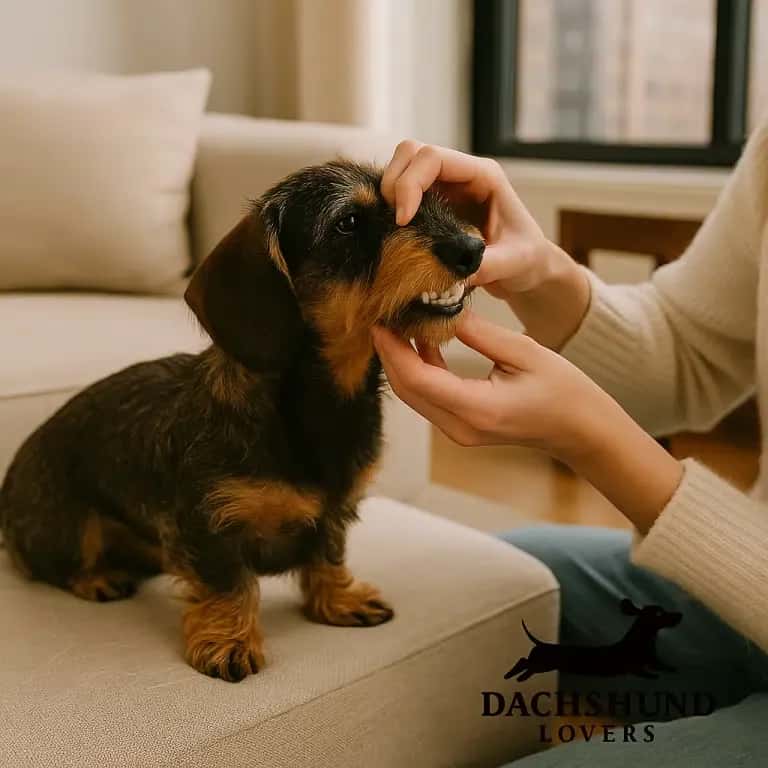
The best way to handle dachshund medical issues is not to wait until they appear, but to prevent them from developing in the first place. Dachshunds are naturally predisposed to a variety of health concerns from IVDD to skin allergies and dental disease and their long lifespan means you’ll be managing their wellbeing for well over a decade. Prevention is about consistency, not dramatic interventions, just like your own personal health. In my experience with Harvey, it’s the rhythm of small, everyday habits that makes the biggest difference. Brushing his coat before bed, wiping down his paws after walks, measuring his meals instead of guessing, these don’t feel like medical care in the moment, but over the years, they’ve kept him lean, comfortable, and thriving.
Weight Management
Maintaining a healthy weight is perhaps the single most important dachshund health care tip, because excess weight doesn’t just shorten their lifespan, it magnifies almost every other problem. An overweight dachshund puts extra strain on already fragile discs, raising the risk of IVDD flare-ups. Extra weight also increases inflammation, which can worsen skin conditions and make arthritis more painful in older age. Prevention starts with food, but it isn’t about being restrictive; it’s about being precise. Use a kitchen scale or measuring cup for every meal rather than estimating. Choose lean proteins and vegetables as treats rather than processed snacks. And avoid feeding table scraps altogether, what feels like a harmless morsel of toast or cheese can quickly tip the scales for a dog as small as a dachshund. Keeping dachshunds trim not only protects their back but also supports their heart and metabolic health, reducing the risk of diabetes. For more detail, see Overweight Dachshund.
Exercise
Exercise for dachshunds isn’t about wearing them out; it’s about keeping them strong, limber, and at a healthy weight without putting unnecessary strain on their backs. Dachshunds were bred as hunting dogs, so they thrive on activity but the wrong type of activity can create problems. Short, daily walks of 20–30 minutes are ideal, spread across morning and evening if possible. Sniffing games, puzzle feeders, and low-impact play on flat ground also help keep their bodies and minds engaged. What should be avoided are activities that involve repetitive jumping or twisting: leaping for balls, running up and down stairs, or rough play with larger dogs. These create shock and torque on the spine that increase the likelihood of IVDD. Building muscle is critical because strong core and back muscles provide natural support for the spine. Even Harvey, who had a Grade 2 IVDD scare, benefits from regular controlled exercise to maintain his resilience. For safe activity guidelines, see Dachshund Back Problems.
Dental Care
Dental disease is one of the most overlooked dachshund dog health problems, yet it’s one of the most preventable. Their small jaws and crowded teeth make them especially prone to tartar buildup, gingivitis, and ultimately periodontal disease, which can shorten lifespan and cause chronic pain. Prevention is simple but requires discipline. Daily toothbrushing with a dog-specific toothbrush and toothpaste is the gold standard, and dachshunds benefit enormously when this is started young. Dental chews and toys can support oral hygiene, but they should be viewed as complements, not replacements. Regular vet checks are important because many dental issues develop beneath the gum line, where owners can’t see them. Harvey’s vet once reminded me that untreated dental disease doesn’t just affect the mouth , bacteria from the gums can enter the bloodstream and damage the heart, kidneys, and liver. This is why routine dental care is one of the cornerstones of dachshund health. For more, see Dachshund Teeth.
Grooming and Skin Care
Routine grooming isn’t cosmetic,it’s essential healthcare for a breed prone to skin ailments. Regular brushing removes loose hair, distributes oils across the skin, and allows you to spot issues early. Smooth-haired dachshunds may only need a weekly brush, but long-haired dachshunds require daily maintenance to prevent mats that trap moisture and bacteria. Wire-haired dachshunds should be hand-stripped or professionally groomed to avoid coarse hair irritating the skin. Bathing also requires balance: too frequent and you risk stripping oils, too rare and dirt or allergens can build up. Every three to four weeks is ideal for most, but medicated baths may be needed more often during flare-ups. Parasite prevention is a non-negotiable part of skin care, as fleas and mites are a leading cause of rashes, bumps, and scabs. Over the years, Harvey has had multiple skin flare-ups, pollen allergies in spring, a flea bite dermatitis episode and grooming has always been the first line of defence. For detailed management strategies, see Dachshund Skin Issues and Dachshund Allergies.
Ear Care
Dachshunds’ floppy ears, while charming, create a humid environment where yeast and bacteria thrive. Ear infections are one of the most common dachshund ailments, especially in long-haired varieties where fur further restricts airflow. Prevention is straightforward but requires diligence. Weekly cleaning with a vet-approved solution removes wax, debris, and moisture. After swimming or bathing, ears should always be dried thoroughly. Warning signs include scratching at the ears, head shaking, foul odour, or dark discharge. These should never be ignored, as untreated ear infections can cause lasting damage and significant pain. Harvey’s ears are part of his weekly care routine; I clean them gently every Sunday to prevent buildup. This small step has saved him from recurring infections, which are notoriously difficult to manage once they become chronic.
Vet Visits and Screenings
No matter how attentive you are at home, professional care is vital. Annual vet visits allow for physical exams, dental checks, vaccinations, and parasite control. For dachshunds over seven years old, twice-yearly exams are recommended to monitor for emerging conditions like heart disease, arthritis, or diabetes. Genetic screenings may also be valuable, particularly for breeders, to check for conditions like IVDD predisposition or PRA (progressive retinal atrophy). Routine bloodwork and urinalysis can catch hidden health problems before symptoms appear. The VCA Hospitals emphasises that early detection is one of the most powerful tools in improving quality of life and extending lifespan in dachshunds. Harvey has a standing annual vet appointment every May, and those checkups have caught minor issues before they escalated.
Home Environment
A dachshund-friendly home is the final piece of prevention. The risks of spinal injury are greatly reduced when stairs are blocked with baby gates, ramps are provided for couches and beds, and non-slip mats cover hardwood or tile floors. Supportive bedding cushions joints and relieves pressure points, particularly important for senior dachshunds. Harvey’s home setup includes ramps for both the couch and bed, and rugs on every slippery surface. These changes weren’t costly or complicated, but they’ve given him the freedom to move around safely, even after his IVDD scare. The AKC recommends ramps as one of the simplest but most effective adjustments every dachshund home should include.
Table: Dachshund Health Care Tips
Health Area | Daily Care | Why It Matters | Related Resource |
|---|---|---|---|
Weight | Precise portioning, lean treats | Prevents obesity-related health problems | |
Exercise | Two short walks daily, safe play | Builds muscle to protect spine | |
Dental Care | Daily brushing, vet checks | Daily brushing, dental chews | |
Skin Care | Regular grooming, parasite prevention | Reduces risk of infections & allergies | |
Ear Care | Weekly cleaning, drying after baths | Prevents chronic infections | |
Vet Care | Annual or biannual check-ups | Early detection of dachshund ailments |
Harvey’s Routine
For Harvey, prevention is now woven into our lives. Each morning, his meals are weighed out, never guessed. After his walks, I wipe down his paws to remove pollen, a habit that has reduced his seasonal itching dramatically. Once a week, he gets a full brush, ear cleaning, and dental check. His parasite control is marked on the calendar so it’s never missed. These routines don’t feel burdensome anymore; they’re simply part of how we live together. And the payoff is clear: Harvey has avoided major flare-ups, stayed at a healthy weight, and bounced back quickly from minor ailments.
Dachshund health issues may be common, but they don’t have to define your dog’s life. Prevention isn’t about perfection, it’s about small, steady habits that stack up over time. Whether it’s brushing teeth, measuring meals, adding ramps, or scheduling vet visits, these steps build a safety net around your dachshund’s health. Owners who commit to this rhythm of care often discover that their dachshunds not only avoid major ailments but also thrive into old age with energy and comfort. Prevention is the difference between reacting to health problems and truly protecting against them.
Dachshund Health Across Life Stages
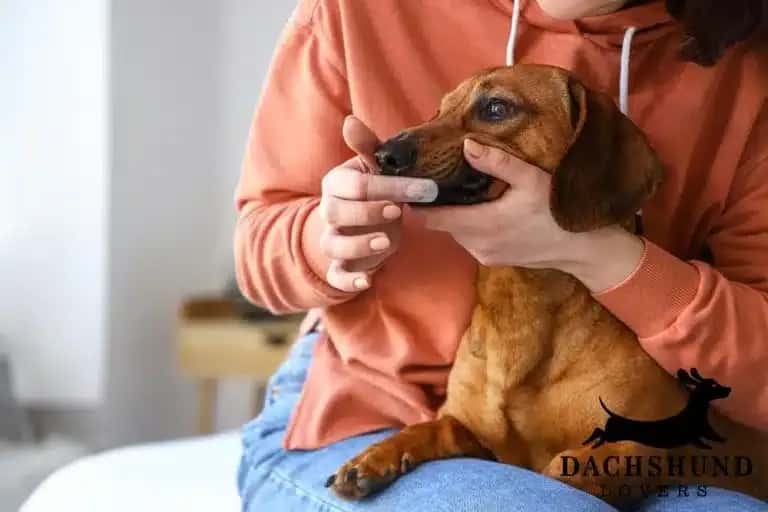
Every dachshund’s health journey looks a little different, but most owners will face a similar pattern of concerns depending on age. Some conditions, like IVDD, can appear at any stage of life. Others, like arthritis or heart disease, become more common with age. By understanding the health priorities for each stage, owners can give their dachshunds the best chance of living long, comfortable lives.
Puppyhood: Building a Healthy Foundation
The early months of a dachshund’s life set the stage for everything that follows. Puppies are bundles of energy, but their developing bodies need careful support.
Key health priorities:
- Vaccinations: Core vaccinations protect against parvovirus, distemper, and hepatitis. These are especially critical in Australia, where parvovirus remains a serious threat.
- Parasite prevention: Flea, tick, and worm prevention should begin early and continue monthly. Ticks are especially dangerous in warmer parts of NSW and Queensland.
- Nutrition: Puppies require a balanced diet formulated for growth. Overfeeding at this stage can set the stage for obesity later.
- Safe activity: Puppies should be discouraged from jumping off furniture or climbing stairs. Their bones and joints are still developing, and repeated impact can increase the risk of IVDD later.
From Harvey’s puppy days, I learned that routine vet visits every 3–4 weeks until 16 weeks old weren’t just about vaccines — they were also about building confidence in the vet environment. That early familiarity made adult checkups far less stressful.
Adulthood: Managing Weight, Exercise, and Dental Health
Most dachshunds reach adulthood by 12–18 months, and this stage is often the longest and healthiest part of their lives. But it’s also when the first dachshund dog health problems tend to appear if owners aren’t proactive.
Key health priorities:
- Weight management: Dachshunds are highly food-driven. Keeping them lean reduces the risk of IVDD, arthritis, and diabetes. See Overweight Dachshund.
- Exercise: Daily walks and safe play build strong muscles that protect the spine. Avoid high-impact activities like jumping for balls or running up stairs. See Dachshund Back Problems.
- Dental care: Dental disease often begins in early adulthood. Daily brushing and regular vet cleanings prevent painful periodontal disease. See Dachshund Teeth.
- Skin care: Allergies often surface at this stage, showing as rashes, itchiness, or scabs. Parasite prevention and hypoallergenic diets may be required. See Dachshund Skin Issues.
For Harvey, adulthood meant learning balance. He needed exercise every day, but overdoing it led to stiffness. The sweet spot has always been two 20-minute walks paired with mental enrichment at home. That routine keeps him lean without overloading his back.
Senior Years: Dachshund Old Age Health Issues
As dachshunds move into their senior years (usually around 7–8 years old), the focus shifts from prevention to monitoring and managing age-related changes. Dachshund old age health issues can range from mild arthritis to more serious conditions like heart disease or cancer.
Key health priorities:
- Arthritis and joint pain: Senior dachshunds often show stiffness, reluctance to climb stairs, or difficulty rising. Joint supplements, weight control, and supportive bedding all help.
- Heart disease: Mitral valve disease is common in dachshunds, particularly in older age. Early signs include coughing, reduced stamina, and laboured breathing.
- Diabetes: Linked to obesity, diabetes presents as increased thirst, urination, and weight loss despite eating well.
- Cancer screening: Dachshunds are prone to mammary tumours (in females not spayed) and soft tissue sarcomas. Regular vet exams are critical.
- Cognitive decline: Some seniors develop canine dementia, showing confusion or changes in sleep patterns.
According to PetMD, dachshunds often live 12–16 years, but quality of life in later years depends heavily on preventative care earlier in life. Harvey isn’t a senior yet, but I’ve already started adding joint-support supplements and ensuring his home is as back-friendly as possible. The goal is to reduce the likelihood of painful late-life conditions.
Table: Dachshund Health Priorities by Life Stage
Life Stage | Main Health Concerns | Owner Priorities | Related Resource |
|---|---|---|---|
Puppyhood | Infectious diseases, parasites, bone/joint development | Vaccinations, parasite prevention, safe activity | |
Adulthood | Obesity, IVDD, dental disease, skin issues | Weight control, exercise, brushing teeth, grooming | |
Senior Years | Arthritis, heart disease, diabetes, cancer | Vet checkups, joint support, heart monitoring, early detection |
Harvey’s Perspective
Though Harvey is still in his prime, I’m conscious that his needs will evolve. What I’ve learned from other dachshund owners in Sydney is that the most successful senior years come from planning early. Dogs who are lean, exercised safely, and given consistent dental care often enter old age with far fewer complications. For Harvey, that means maintaining his weight, sticking to his exercise routine, and getting ahead of problems now — so that when he does slow down, we’re managing from a position of strength.
Dachshund health care isn’t static, it evolves as they grow. Puppies need vaccinations and protection from injury, adults need weight management and dental care, and seniors require monitoring for arthritis, heart disease, and other age-related conditions. By tailoring your approach across each stage, you not only extend your dachshund’s lifespan but also ensure those years are comfortable and full of vitality.
FAQs About Dachshund Health Issues
More from This Series
- Dachshund Eye Problems
- CDA in Dachshunds
- Dachshund Brain Size
- Dachshund Back Surgery
- Dachshund Dragging Back Legs
- Dachshund Neck Size
- Dachshund Back Brace
- Dachshund Back Problems
- Dachshund Skin Issues
- Dachshund Health Issues
- Dachshund Feet
- Dachshund Ribs
- Overweight Dachshund
- Dachshund Teeth
- Dachshund Allergies
- Dachshund Ears
- Dachshund Hip Dysplasia
- Dachshund Constipation
- Dachshund Bad Breath
Authored by
James
James is the founder of Dachshund Lovers and the proud human of Harvey, a mini dapple with a big personality. He writes to empower and connect the dachshund community, blending founder insights with honest, experience-based stories about life with this incredible and special breed. James brings candid, experience-backed opinions to the community and always focused on fewer, better products and ideas that genuinely improve life for dachshunds and their people.
Read moreJames is the founder of Dachshund Lovers and the proud human of Harvey, a mini dapple with a big personality. He writes to empower and connect the dachshund community, blending founder insights with honest, experience-based stories about life with this incredible and special breed. James brings candid, experience-backed opinions to the community and always focused on fewer, better products and ideas that genuinely improve life for dachshunds and their people.
Read moreDisclaimer
This content is for informational purposes only and should not be considered veterinary advice. Always consult with a licensed veterinarian regarding your dog’s health and wellbeing.
There are no comments yet
Leave a comment