Dachshund Back Surgery
Dachshund Back Surgery
If you’re navigating a possible spinal surgery, here’s what I’ve learned from vets, forums, and real owners—pain signs, costs, and recovery help.
James
Posted on November 2, 2025.
Updated on July 21, 2026.
Table of Contents
- 1.Key Takeaways
- 2.Harvey’s Story: Grade 2 IVDD
- 3.Causes of Dachshund Back Problems & When Surgery Becomes Necessary
- •Why Dachshunds Are Prone to Back Issues
- •Understanding IVDD Grading
- •Harvey’s Story: Grade 2 IVDD
- •When Surgery Becomes Necessary
- •Types of Back Surgery for Dachshunds
- •Recovery Outlook
- •Owner’s Perspective
- 4.Treatment & Recovery Options for Dachshund Back Problems
- •1. Conservative (Non-Surgical) Treatment
- •2. Surgical Treatment
- •3. Prognosis by IVDD Grade
- •4. Supportive & Alternative Therapies
- •5. The Owner Experience
- •6. Local Context: Why VSOS Matters
- •7. The Balance Between Surgery & Conservative Care
- 5.Prevention & Home Adjustments for Dachshund Back Health
- •1. Manage Weight Strictly
- •2. Use Ramps & Limit Jumping
- •3. Exercise the Smart Way
- •4. Provide Supportive Bedding
- •5. Regular Veterinary Check-Ups
- •6. Dental & Neurological Connections
- •7. Early Warning Signs to Watch For
- •8. Table: Everyday Prevention Checklist
- •9. Harvey’s Long-Term Adjustments
- -More from This Series
- -Disclaimer
Share

I’ll never forget the moment Harvey’s back legs gave way one morning on the way to our front garden for toilet time. One week he was bounding around the garden, the next he could barely lift himself without wobbling. Our vet diagnosed him with IVDD (Intervertebral Disc Disease) the condition dachshunds are most notorious for. Within days, his mobility deteriorated so quickly that looked like surgery was on the table. We were heartbroken and emotions were all over the place.
Harvey was graded as IVDD Grade 2: serious enough to cause significant weakness, but not yet severe enough to mandate surgery. With the guidance of our surgeon, and strict crate rest for 4–6 weeks, he was able to recover without an operation. Still, those weeks were some of the hardest watching an otherwise spirited dachshund confined, restless, and confused.
That experience made me dig deeply into dachshund back surgery — when it’s necessary, what recovery looks like, and how local specialists like VSOS in Sydney handle these cases. For any owner, knowing the signs, options, and outcomes can make the difference between a dachshund walking again or facing lifelong paralysis.
Key Takeaways
Problem | Summary | Key Notes |
|---|---|---|
Why dachshunds need back surgery | Most cases are due to IVDD, where spinal discs press on the spinal cord. | Dachshunds are one of the most at-risk breeds. |
When surgery is required | Usually for Grade 3–5 IVDD (severe pain, paralysis, no deep pain response). | Grade 1–2 may be treated with rest and medication. |
Types of surgery | Hemilaminectomy and other decompression surgeries relieve spinal cord pressure. | Specialist surgeons (e.g. VSOS) perform these procedures. |
Recovery outlook | 4–12 weeks crate rest, physiotherapy, gradual return to movement. | Outcomes depend on severity before surgery. |
Harvey’s story | Grade 2 IVDD, recovered with strict rest instead of surgery. | Shows surgery isn’t always inevitable if caught early. |
Harvey’s Story: Grade 2 IVDD
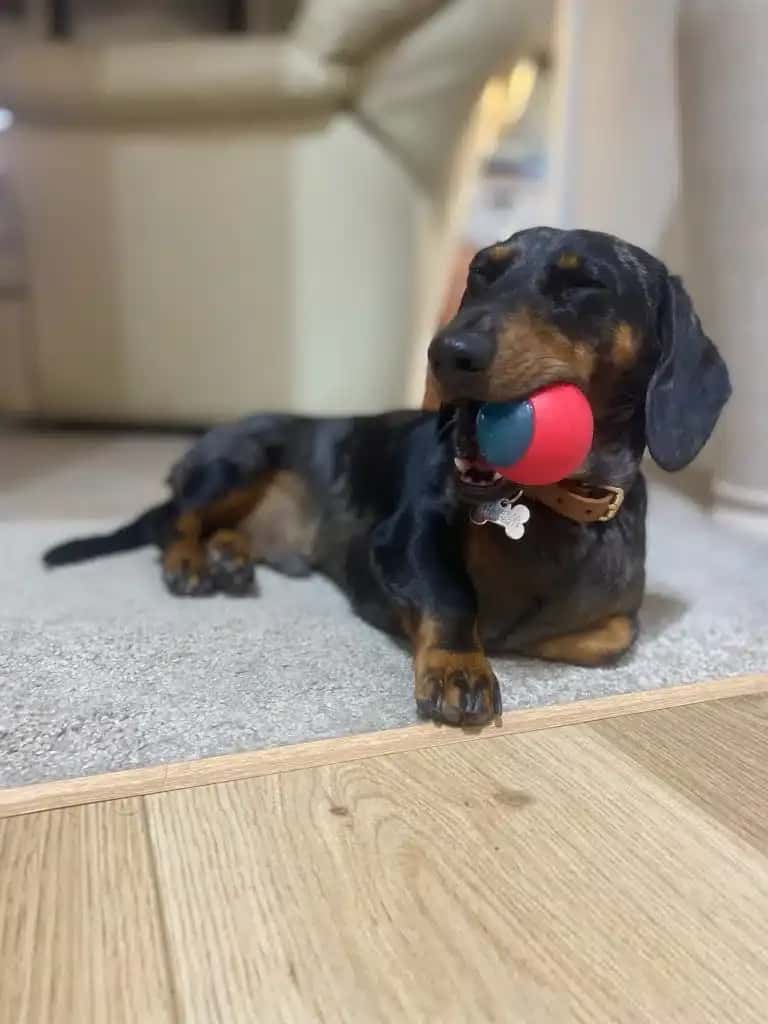
Harvey’s deterioration happened almost overnight. One day he was sprinting across the lawn, the next he struggled to stand after a nap. Our vet quickly graded him as IVDD Grade 2. He was wobbly, weak in the back legs, and clearly in pain.
At that point, back surgery was a serious consideration. We were referred to VSOS (Veterinary Specialists of Sydney), where advanced imaging and surgical expertise are available for cases just like his. The specialist explained that Harvey’s condition was borderline:
- If he worsened to Grade 3, surgery would be strongly advised.
- Because he was still mobile, we had the option of strict crate rest, anti-inflammatories, and no movement for 4–6 weeks.
We chose rest, and it was brutal. Harvey didn’t understand why he couldn’t follow us around the house or jump onto his favourite lounge. But sticking to the plan worked — after six weeks of minimal movement, he was stronger, walking steadily, and surgery was no longer required.
That experience taught me how thin the line is between conservative treatment and urgent surgery.
Causes of Dachshund Back Problems & When Surgery Becomes Necessary
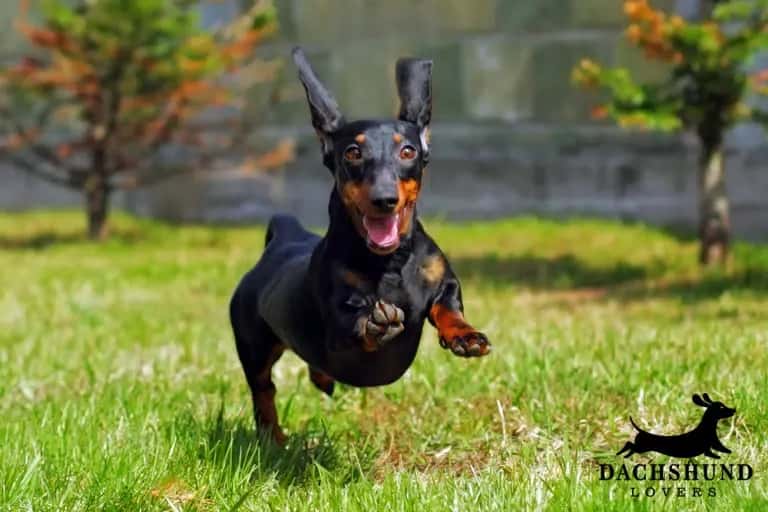
When people think of dachshund health, the word “back” comes up almost immediately. The breed’s iconic long body and short legs make them adorable, but that same design also makes them especially vulnerable to spinal problems. The most common culprit is Intervertebral Disc Disease (IVDD) — a degenerative condition where the cushioning discs between vertebrae harden, bulge, or rupture, pressing against the spinal cord.
For many owners, the thought of back surgery feels overwhelming, but knowing when it’s necessary and why dachshunds are at risk can help you act quickly and confidently if your dog ever faces this challenge.
Why Dachshunds Are Prone to Back Issues
- Breed Structure
- Dachshunds are chondrodystrophic dogs, meaning they were bred to have shortened, curved legs and elongated spines.
- This conformation puts constant stress on the spine, particularly in the thoracolumbar (mid-to-lower back) region.
- Dachshunds are chondrodystrophic dogs, meaning they were bred to have shortened, curved legs and elongated spines.
- IVDD as a Genetic Condition
- IVDD isn’t just wear and tear — it’s a genetic predisposition. Discs in dachshunds often degenerate earlier than in other breeds, sometimes as young as 3–5 years old.
- Once discs lose elasticity, they are more prone to rupture or herniation.
- IVDD isn’t just wear and tear — it’s a genetic predisposition. Discs in dachshunds often degenerate earlier than in other breeds, sometimes as young as 3–5 years old.
- Lifestyle Risks
- Repetitive jumping (on and off furniture).
- Lack of core muscle support from limited or irregular exercise.
- Carrying excess weight, which increases spinal load.
- Repetitive jumping (on and off furniture).
- Other Factors
- Trauma (falls, accidents).
- Ageing — risk increases as discs naturally wear down.
- Secondary conditions like arthritis may exacerbate spinal stress.
- Trauma (falls, accidents).
Understanding IVDD Grading
Veterinarians classify IVDD on a scale from Grade 1 to Grade 5. This grading system is crucial because it often determines whether surgery is required or if conservative treatment (rest, medication) may be effective.
IVDD Grade | Symptoms | Surgery Needed? | Notes |
|---|---|---|---|
Grade 1 | Pain only (no neurological deficits). Dog may cry when lifted, resist movement, or shiver. | Not usually. Managed with strict rest and anti-inflammatories. | Early detection is key. |
Grade 2 | Pain + mild neurological deficits (wobbly walk, weakness). Dog can still walk but shows unsteadiness. | Sometimes. Conservative management can work if caught early. | This was Harvey’s case. |
Grade 3 | Partial paralysis (can’t walk unaided but can move legs). Pain may still be present. | Likely. Surgery often recommended for best chance of recovery. | Prognosis better if surgery is done quickly. |
Grade 4 | Severe paralysis (no ability to walk, minimal motor function). | Yes. Surgery usually required. | Recovery depends on timing — earlier surgery = better outcomes. |
Grade 5 | Complete paralysis with no deep pain response. | Yes, urgently. Surgery is last chance for recovery. | Prognosis guarded, even with surgery. |
Harvey’s Story: Grade 2 IVDD
Harvey’s deterioration happened almost overnight. One day he was sprinting across the lawn, the next he struggled to stand after a nap. Our veterinary surgeon quickly graded him as IVDD Grade 2. He was wobbly, weak in the back legs, and clearly in pain.
At that point, back surgery was a serious consideration. We were referred to VSOS (Veterinary Specialists of Sydney), where advanced imaging and surgical expertise are available for cases just like his. The specialist explained that Harvey’s condition was borderline:
- If he worsened to Grade 3, surgery would be strongly advised.
- Because he was still mobile, we had the option of strict crate rest, anti-inflammatories, and no movement for 4–6 weeks.
We chose rest, and it was brutal. Harvey didn’t understand why he couldn’t follow us around the house or jump onto his favourite lounge. But sticking to the plan worked after six weeks of minimal movement, he was stronger, walking steadily, and surgery was no longer required.
That experience taught me how thin the line is between conservative treatment and urgent surgery.
When Surgery Becomes Necessary
Not every dachshund can recover the way Harvey did. For many, surgery is the only option.
- Rapid Deterioration
- If mobility declines quickly (from walking to struggling within days), surgery is often required.
- Time is critical — the longer the spinal cord is compressed, the lower the chances of recovery.
- If mobility declines quickly (from walking to struggling within days), surgery is often required.
- Paralysis
- Dogs that cannot walk (Grades 3–5) almost always need surgery.
- Without it, permanent paralysis is highly likely.
- Dogs that cannot walk (Grades 3–5) almost always need surgery.
- Loss of Deep Pain Sensation
- This is the biggest red flag. If a vet pinches the paw and the dog doesn’t react, it means nerve communication is severely compromised.
- Surgery within 24–48 hours is usually the only hope for recovery.
- This is the biggest red flag. If a vet pinches the paw and the dog doesn’t react, it means nerve communication is severely compromised.
- Recurrent Episodes
- Some dachshunds suffer repeated IVDD flare-ups. If conservative treatment fails multiple times, surgery may be recommended to stabilise the spine.
- Some dachshunds suffer repeated IVDD flare-ups. If conservative treatment fails multiple times, surgery may be recommended to stabilise the spine.
Types of Back Surgery for Dachshunds
Specialist surgeons (like those at VSOS) typically perform decompression procedures to relieve spinal cord pressure.
- Hemilaminectomy: The most common surgery, removing part of the vertebra to access and relieve the compressed spinal cord.
- Fenestration: Sometimes performed alongside hemilaminectomy, removing damaged disc material to reduce the risk of recurrence.
- Other Techniques: Depending on the case, surgeons may use stabilisation implants or newer minimally invasive approaches.
These procedures require specialist facilities, advanced imaging (MRI/CT), and highly skilled veterinary surgeons.
Recovery Outlook
Recovery depends heavily on the dog’s IVDD grade at the time of surgery:
- Grades 1–2: Excellent prognosis (with or without surgery).
- Grade 3: Good prognosis if surgery is prompt.
- Grade 4: Guarded prognosis, requires immediate surgery.
- Grade 5: Poor prognosis, though some dogs do regain mobility.
Post-surgery, dachshunds typically require:
- 4–12 weeks of crate rest.
- Physiotherapy or hydrotherapy to rebuild muscle tone.
- Home adjustments (ramps, non-slip flooring, supportive bedding).
Owner’s Perspective
Harvey’s case shows that not every IVDD diagnosis equals back surgery but it also highlights how quickly things can escalate. The decision is never simple, and timing matters more than anything else. Having a trusted specialist like VSOS in Sydney in your corner makes that decision less overwhelming.
The takeaway for owners: know the signs, act fast, and don’t assume stubbornness or limping is just “getting older.” In dachshunds, a few hours can make the difference between recovery and permanent damage.
Treatment & Recovery Options for Dachshund Back Problems
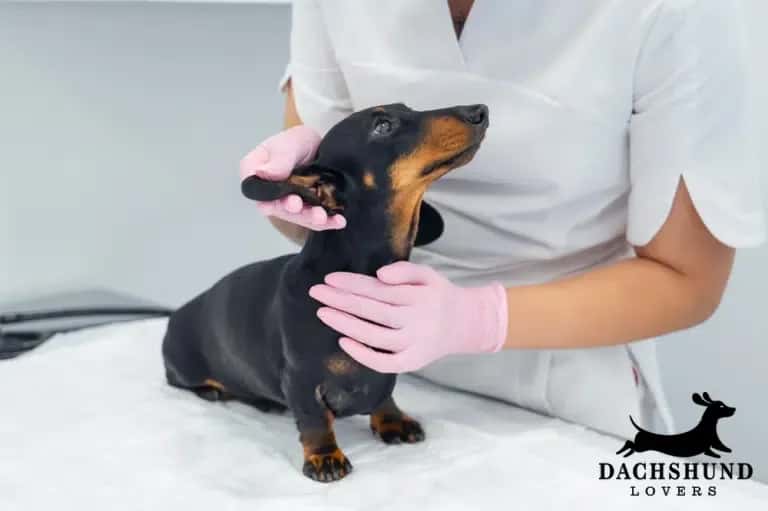
When faced with an IVDD diagnosis, every dachshund owner asks the same question: “Does my dog need surgery?” The answer depends on the grade of IVDD, the speed of deterioration, and the resources available. Treatment for dachshund back problems generally falls into two categories: conservative management and surgical intervention.
1. Conservative (Non-Surgical) Treatment
For dachshunds graded 1 or 2, vets often recommend conservative care. This approach aims to give the spinal disc time to heal and inflammation time to settle.
Key Elements of Conservative Care:
- Strict Crate Rest: Usually 4–6 weeks, sometimes longer. This means no stairs, no playing, no furniture — just rest in a confined space.
- Medication: Anti-inflammatories and pain relief are prescribed to reduce swelling around the spinal cord.
- Controlled Toilet Breaks: Carried to and from the yard to avoid unnecessary strain.
- Gradual Return to Movement: After rest, slow, supervised reintroduction of walking on lead.
Pros:
- Avoids surgery and its risks.
- Lower cost compared to surgical intervention.
- Can be highly effective for mild-to-moderate cases.
Cons:
- Demands strict discipline from owners (it’s emotionally tough).
- Higher risk of relapse if discs remain weak.
- Doesn’t “fix” the underlying IVDD — only manages symptoms.
Harvey’s Case:
Harvey’s Grade 2 IVDD was managed conservatively. With six weeks of rest and medication, he regained strength and mobility. But it wasn’t easy — crate rest was frustrating for him and confronting for us as owners. It worked, but it required absolute commitment.
2. Surgical Treatment
For dachshunds with Grade 3–5 IVDD, surgery is often the only viable option. The goal is to remove pressure on the spinal cord, prevent further damage, and give the dog the best chance of walking again.
Common Surgeries:
- Hemilaminectomy: Removes part of the vertebral bone to access and decompress the spinal cord.
- Fenestration: Removes damaged disc material to reduce recurrence.
- Other stabilisation techniques: In rare, severe cases, implants or bone grafts may be used to support the spine.
Recovery Requirements After Surgery:
- 4–12 weeks crate rest. The stricter the rest, the better the outcome.
- Physiotherapy & Hydrotherapy: Essential for rebuilding muscle tone. Underwater treadmills are particularly effective for low-impact recovery.
- Pain Management: Post-op meds and anti-inflammatories.
- Home Adjustments: Ramps, non-slip mats, low beds, and no stairs.
Cost Considerations:
Back surgery is highly specialised. At VSOS in Sydney, costs vary depending on severity and care required but can run into the thousands. While confronting, many owners see it as the difference between mobility and paralysis for their dachshund.
3. Prognosis by IVDD Grade
IVDD Grade | Conservative Recovery | Surgical Recovery | Notes |
|---|---|---|---|
Grade 1 | Excellent with rest | Rarely Needed | Pain only; good long-term outlook. |
Grade 2 | Good, but relapse risk | Excellent if surgery performed | Harvey recovered without surgery. |
Grade 3 | Poor; often relapse. | Good if surgery is prompt. | Time is critical. |
Grade 4 | Very poor without surgery. | Guarded; surgery required. | Early intervention improves chances. |
Grade 5 | Not effective. | Guarded to poor, even with surgery. | Surgery within 24–48 hrs is vital. |
4. Supportive & Alternative Therapies
Owners often ask what else they can do alongside vet-prescribed care. While these should never replace medical treatment, they can support recovery:
- Acupuncture: Some studies suggest reduced pain and improved mobility.
- Laser Therapy: Promotes healing in tissues post-surgery.
- Massage Therapy: Helps maintain circulation and reduce stiffness.
- Supplements: Omega-3 fatty acids and joint-supporting compounds (glucosamine, chondroitin).
Always consult a vet before trying these, especially with IVDD, where incorrect movement can worsen the injury.
5. The Owner Experience
The hardest part of treatment isn’t always the medical side — it’s the emotional strain. Watching an active dachshund like Harvey restricted to a crate was heartbreaking. He didn’t understand why his freedom was gone, and managing his frustration took constant patience.
Tips for owners:
- Rotate Toys: Safe chew toys or puzzle feeders for mental stimulation in the crate.
- Stay Present: Sitting beside the crate, even while working, helps them feel less isolated.
- Stick to Routines: Toilet breaks, medication times, and feeding schedules provide comfort.
- Ask for Help: Family or friends can share supervision duties during recovery.
6. Local Context: Why VSOS Matters
For Australian dachshund owners, having access to a specialist hospital like VSOS in Sydney is invaluable.
- They offer advanced imaging (MRI/CT) essential for diagnosing IVDD.
- Surgical teams are highly experienced in dachshund-specific cases.
- Emergency care is available, which is critical because IVDD can escalate within hours.
When Harvey was first referred, simply knowing we had local specialists ready to act gave us peace of mind — even though we ultimately managed without surgery.
7. The Balance Between Surgery & Conservative Care
The truth is, there’s no universal answer. Some dachshunds recover beautifully with rest. Others decline so fast that surgery is the only hope. What matters most is:
- Spotting the signs early.
- Getting a clear diagnosis (often with advanced imaging).
- Making decisions quickly.
As Harvey’s case showed, acting fast can mean the difference between crate rest and the operating table.
Key takeaway for owners: Back surgery isn’t always inevitable, but it’s sometimes unavoidable. Understanding the options, costs, and realities of recovery helps you prepare for either path — and gives your dachshund the best possible chance at walking, playing, and living comfortably again.
Prevention & Home Adjustments for Dachshund Back Health
Back problems in dachshunds can’t always be avoided — their genetics and body shape make them inherently vulnerable. But owners can make smart, proactive adjustments that reduce the risk of IVDD flare-ups, improve recovery outcomes, and extend their dog’s mobility and quality of life. Prevention is less about eliminating risk entirely and more about minimising strain on the spine and monitoring changes early.
1. Manage Weight Strictly
Carrying excess weight is one of the most preventable risk factors for IVDD. Every additional kilo puts increased pressure on the spine and discs, which are already under stress due to the breed’s long body.
- Keep body condition lean: You should be able to feel (but not see) your dachshund’s ribs.
- Portion control: Measure meals rather than free-feeding.
- Smart treat choices: Replace calorie-heavy snacks with healthy alternatives like carrot sticks or apple slices (no seeds).
- Regular weigh-ins: Vets can help track progress — weight gain often creeps up unnoticed.
Overweight Dachshund covers this in depth, including feeding strategies and safe exercise routines.
According to RSPCA NSW, obesity in dogs is one of the leading causes of preventable illness, including arthritis and spinal stress.
2. Use Ramps & Limit Jumping
Jumping is one of the biggest everyday risks for dachshunds. Whether it’s hopping off the couch or bounding up stairs, each impact compresses the spine and can contribute to disc damage.
Owner adjustments:
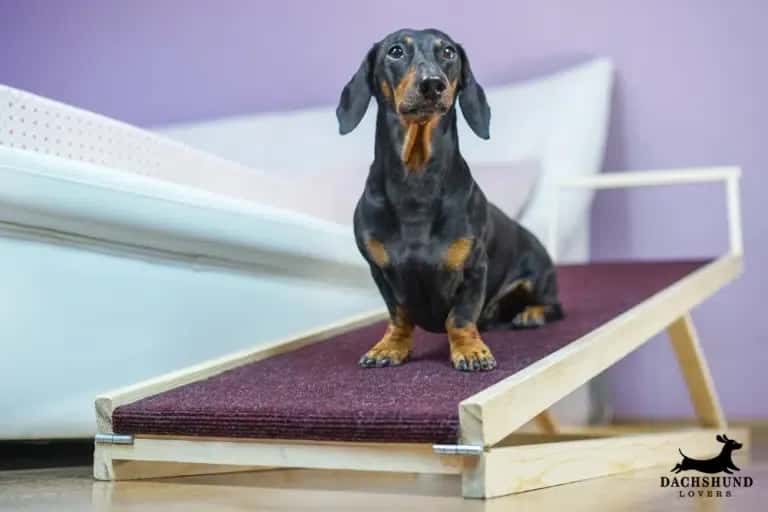
- Install ramps or pet steps for couches, beds, and cars.
- Block access to stairs with gates.
- Train your dachshund early to use ramps, so it becomes second nature.
For dogs recovering from IVDD episodes or back surgery, ramps aren’t optional — they’re essential.
3. Exercise the Smart Way
Exercise is crucial for keeping muscles strong, which helps stabilise the spine. But the wrong type of exercise can accelerate disc degeneration.
Safe forms of exercise:
- Short, frequent walks on flat surfaces.
- Gentle indoor play sessions.
- Swimming or hydrotherapy (if your dachshund enjoys water).
Exercises to avoid:
- Repetitive ball chasing.
- Rough play with larger dogs.
- Jumping to catch toys mid-air.
A dachshund with IVDD history or mild hip dysplasia benefits especially from low-impact routines.
4. Provide Supportive Bedding
Because dachshunds sleep long hours, their resting surfaces matter. Orthopedic beds or memory-foam designs cushion the spine and reduce pressure points.
- Choose low beds that are easy to step in and out of without jumping.
- Place beds away from cold draughts, as cold can increase stiffness.
- Wash covers frequently — hygiene is part of long-term skin and joint health.
Many owners combine bedding with dachshund back braces during recovery phases for added support, though braces should always be used under veterinary guidance.
5. Regular Veterinary Check-Ups
Routine vet visits are one of the simplest, most overlooked forms of prevention. Dachshunds should have at least annual check-ups — and twice a year once they become seniors.
- Vets can check reflexes, gait, and posture for subtle neurological changes.
- Early interventions (pain relief, supplements, physiotherapy) slow progression.
- Local centres like VSOS in Sydney provide advanced imaging (MRI/CT) and surgical consultations when needed.
Skipping check-ups risks missing those small, early signs that separate a Grade 1 IVDD diagnosis from a full-blown surgical emergency.
6. Dental & Neurological Connections
It might surprise some owners, but dental health is indirectly linked to neurological wellbeing. Dachshunds have narrow jaws that make them prone to crowding and periodontal disease. If untreated, oral infections can travel through the bloodstream, potentially affecting organs — including the brain.
See Dachshund Teeth for details on how oral care connects with systemic health.
7. Early Warning Signs to Watch For
Recognising IVDD early can save your dachshund from surgery. Common red flags include:
- Reluctance to jump or climb.
- Crying when lifted.
- Wobbly gait or back leg dragging (see Dachshund Dragging Back Legs).
- Sudden loss of coordination.
If any of these appear, restrict movement immediately and call your vet. VCA Hospitals stress that time is critical: deterioration can move from Grade 2 to Grade 4 within hours.
8. Table: Everyday Prevention Checklist
Risk Factor | What to Avoid | Safer Alternative | Related Resources |
|---|---|---|---|
Jumping | Couch, bed, car jumps | Use ramps or steps | |
Excess weight | Free-feeding, high-calorie treats | Measured meals, lean snacks | |
Slippery floors | Tiles, polished wood | Non-slip rugs or mats | |
High-impact play | Ball chasing, roughhousing | Short walks, scent games | |
Poor lifting | Grabbing by front legs | Support chest & rear | |
9. Harvey’s Long-Term Adjustments
Even though Harvey avoided surgery, we made permanent lifestyle changes after his Grade 2 episode:
- Ramps in the living room and bedroom.
- Strict “no stairs” rule.
- He stays lean year-round — no winter weight gain.
- Daily, short walks instead of occasional long ones.
- His crate remains part of our toolkit — not punishment, but a safe, supportive space when he needs enforced rest.
Those small adjustments have kept him stable and confident. They also remind us that dachshund care is less about dramatic fixes and more about quiet, consistent prevention.
Final Perspective: Dachshunds may never be free from the risk of back issues, but they don’t have to live defined by them. Prevention and home adjustments give them the best chance at a long, mobile, and pain-free life. Owners who take the time to adapt their homes and routines will almost always see the reward in fewer flare-ups and a happier, more active dachshund.
FAQs About Dachshund Back Surgery
More from This Series
Explore the full Dachshund Health Content Cluster for in-depth guides:
- Dachshund Eye Problems
- CDA in Dachshunds
- Dachshund Brain Size
- Dachshund Back Surgery
- Dachshund Dragging Back Legs
- Dachshund Neck Size
- Dachshund Back Brace
- Dachshund Back Problems
- Dachshund Skin Issues
- Dachshund Health Issues
- Dachshund Feet
- Dachshund Ribs
- Overweight Dachshund
- Dachshund Teeth
- Dachshund Allergies
- Dachshund Ears
- Dachshund Hip Dysplasia
- Dachshund Constipation
- Dachshund Bad Breath
Authored by
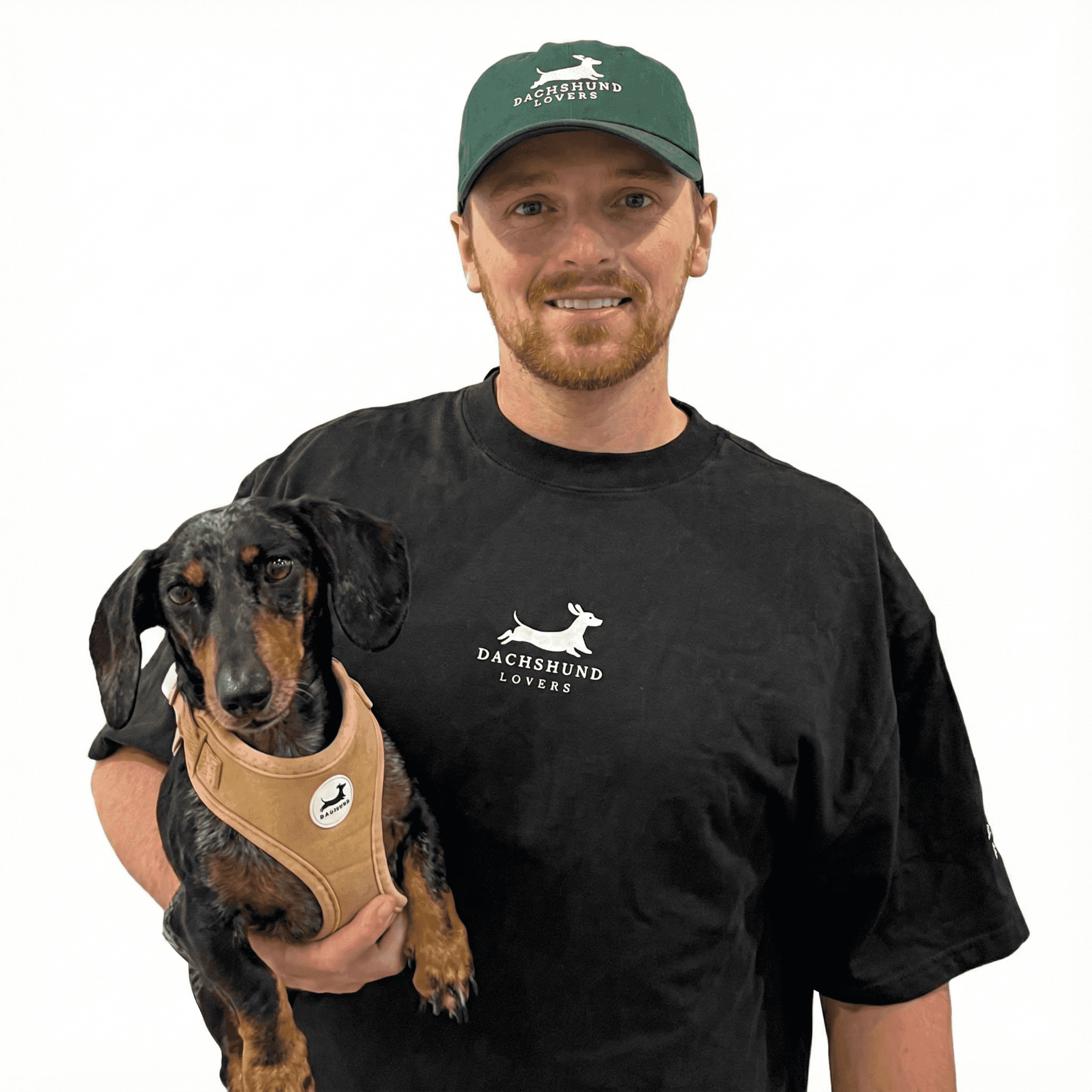
James
James is the founder of Dachshund Lovers and the proud human of Harvey, a mini dapple with a big personality. He writes to empower and connect the dachshund community, blending founder insights with honest, experience-based stories about life with this incredible and special breed. James brings candid, experience-backed opinions to the community and always focused on fewer, better products and ideas that genuinely improve life for dachshunds and their people.
Read moreJames is the founder of Dachshund Lovers and the proud human of Harvey, a mini dapple with a big personality. He writes to empower and connect the dachshund community, blending founder insights with honest, experience-based stories about life with this incredible and special breed. James brings candid, experience-backed opinions to the community and always focused on fewer, better products and ideas that genuinely improve life for dachshunds and their people.
Read moreDisclaimer
This content is for informational purposes only and should not be considered veterinary advice. Always consult with a licensed veterinarian regarding your dog’s health and wellbeing.
There are no comments yet
Leave a comment