Isabella Dachshund – The Ultimate Guide to This Rare Gem
Isabella Dachshund – The Ultimate Guide to This Rare Gem
Curious about Isabella dachshunds and why they capture the hearts of dog lovers everywhere? Isabella Dachshunds are a rare color variant, characterized by a shimmering silver-grey coat color. Learn about their tan markings, health, care tips, pricing, and why this dilute coat doxie is so rare and beloved.

Ellie
Posted on July 26, 2025.
Updated on July 21, 2026.
Table of Contents
- 1.A Glimpse of Lavender Grey in the Afternoon Sun
- 2.Key Takeaways
- 3.What Is an Isabella Dachshund?
- 4.Isabella Tan Dachshund Explained
- 5.Are Isabella Dachshunds Rare?
- 6.Are Isabella Dachshunds Healthy?
- 7.Grooming Tips for Dilute Coats
- 8.Isabella Dachshund Price Guide
- 9.Other Isabella Varieties
- 10.Are Isabella Dachshunds Healthy?
- •1. Color Dilution Alopecia (CDA)
- •2. Sensitive Skin
- •3. Sun Sensitivity
- •4. Breeding Ethics Matter Most
- 11.Grooming Tips for Dilute Coats
- •1. Brush Gently, and Often
- •2. Choose a Hydrating Shampoo
- •3. Post-Walk Wipe-Downs
- •4. Sun Protection Is Essential
- •5. Keep an Eye on Trouble Spots
- 12.Nutrition and Diet for Isabella Dachshunds
- 13.Training and Socialization Tips
- 14.Average Lifespan of Isabella Dachshunds
- •More From This Series:
- •Disclaimer
Share

A Glimpse of Lavender Grey in the Afternoon Sun
I first spotted an Isabella and tan dachshund at Clovelly Beach. It was late afternoon, the light was honeyed, and Maple was nose-deep in seaweed when a small, silvery dachshund trotted past us. Her coat shimmered like sun-bleached lavender, with soft tan points on her paws and muzzle, and the delicate color was beautifully distributed across her body. She looked like she’d walked out of a sepia-toned dream.
Her name was Rue. Her human described her as calm but dramatic, sensitive but sassy. “She cries when I leave the room,” they said, “but sleeps like royalty on clean linen.” If you ever see a dapple pattern on a Dachshund, you'll notice their unique coat features lighter patches on a darker base color, creating a striking look across the body.
That was the moment I started researching Isabella dachshunds in earnest — not just the coat, but the genetics, health, and what it really means to live with this unusually colored doxie.
Key Takeaways
Topic | Summary |
|---|---|
Breed Type | A dilute coat dachshund, with a soft fawn or lilac hue and tan points. |
Common Varieties | Isabella tan dachshund, Isabella and tan, Isabella dapple, and blue blends. |
Temperament | Affectionate, emotionally tuned in, sometimes clingy. |
Rarity | Yes — considered one of the rarest dachshund colors. |
Grooming | Low to moderate, depending on coat length and skin sensitivity. |
Health Considerations | Dilute coat gene may increase risk of alopecia or sensitive skin. |
Price Range | $3,500–$6,500 AUD depending on breeder, coat, and genetics. |
What Is an Isabella Dachshund?
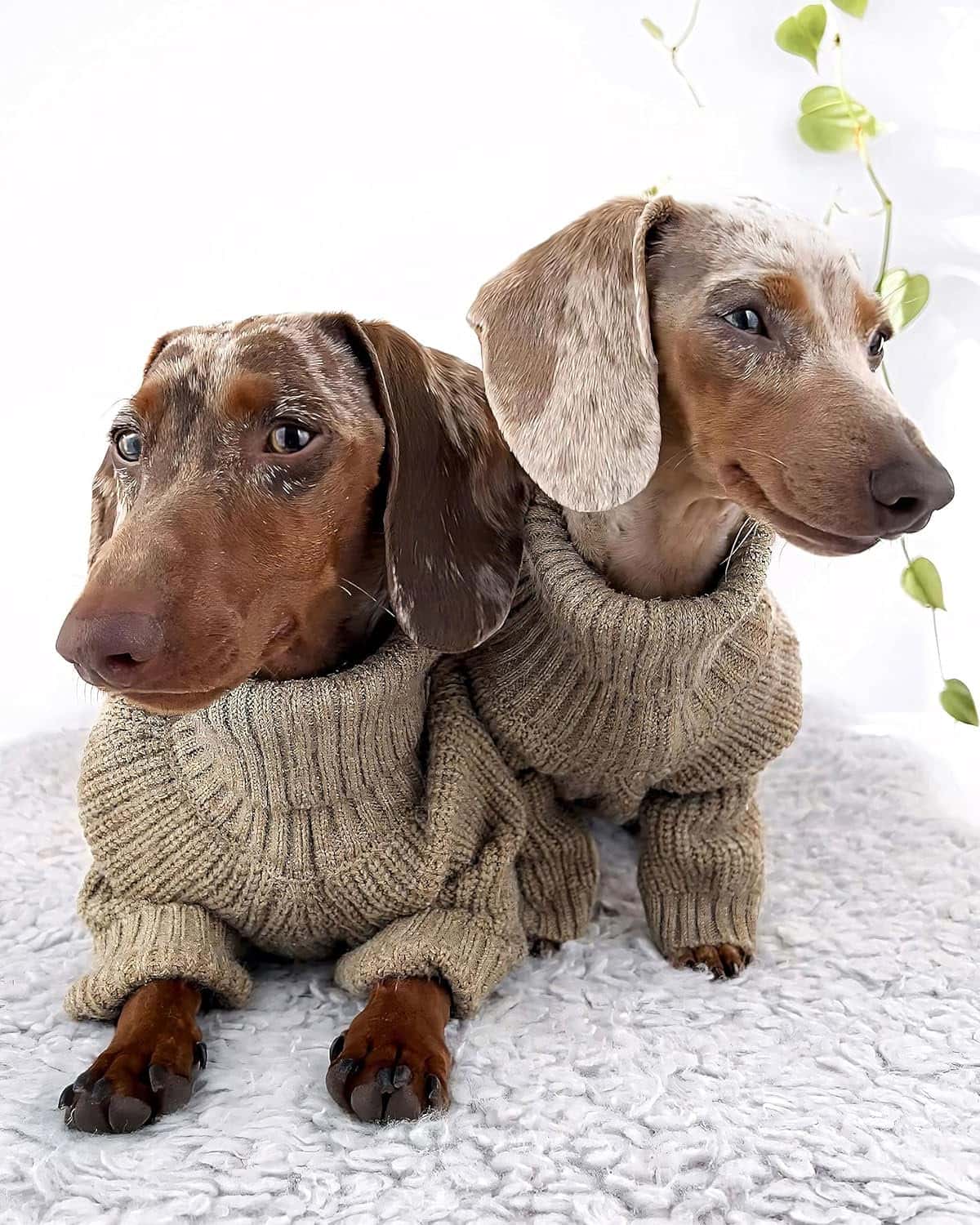
The Isabella dachshund is a dachshund with a dilute chocolate gene, resulting in a soft fawn, lilac, or silvery beige coat. Isabella Dachshunds are characterized by a pale silver-grey coat color that is rare among the breed. This is not a coat you forget — it’s gentle, powdery, and looks slightly different depending on lighting and texture.
Technically, Isabella is the dilution of chocolate, meaning both parents must carry the gene for a puppy to inherit the color. The reason this color is so rare is due to the underlying genetic factors—both parents must carry the recessive gene, so it’s not something that appears by chance. Careful, intentional breeding is required to produce this muted, velvety tone.
Isabella is not a pattern — it’s a color. But it often pairs with patterns like dapple or piebald, adding even more visual complexity to an already striking appearance. Whether smooth, long, or wire-haired, the Isabella tone gives dachshunds a softened, elegant presence — almost ethereal in certain lighting.
Some owners describe the color as “fawn,” others say “lilac,” but it always stops people in their tracks. You’ll often find admirers asking, “What color is that?” — and once you’ve lived with an Isabella, you’ll start spotting subtle color variations you never noticed before.

Isabella Tan Dachshund Explained
The most common variation is the Isabella and tan dachshund, sometimes referred to as dachshund isabella tan in breeder listings. These dogs have:
- A soft silvery-brown base
- Distinct tan points on the face, chest, and legs
- Pinkish or liver noses (not black)
It’s this particular pairing — lilac base + tan accents — that gives the Isabella its elegant, almost antique look. The contrast isn’t harsh. Instead, it’s subtle, like an old sepia photograph brought to life. You’ll often notice the tan points developing more clearly with age, especially around the eyebrows and paws.
This coloring looks especially unique in natural light — morning sun gives it a warm, creamy cast, while overcast skies bring out the cool undertones. In certain coats (particularly smooth and long-haired types), the reflection can appear almost pearlescent.
Ellie’s Tip: In the right lighting, their coat looks like velvet. You’ll want to photograph them daily. Trust me — I’ve got an entire camera roll of my neighbor’s Isabella boy, Otto, lounging in every sunbeam he can find.
Shall I continue with “Are Isabella Dachshunds Rare?” next?
Are Isabella Dachshunds Rare?
Yes — genuinely rare. Isabella dachshunds aren’t just uncommon; they’re one of the most elusive coat colors in the dachshund world. If you’ve ever seen one trotting confidently through a dog park, you likely did a double take. Their pale, fawn-toned coats stand out in a sea of reds and blacks.
Here’s why they’re so hard to come by:
- Both parents must carry the recessive dilute gene
This gene combination doesn’t happen often — and even when both parents are carriers, not every puppy in the litter will be Isabella. It’s a genetic roll of the dice. - Breeding for dilute colors requires caution
Dilute coat colors like Isabella and blue are linked with potential health issues (more on that soon), so responsible breeders tread carefully. Many prefer not to breed dilute to dilute, reducing the overall availability. - Ethical breeders focus on health, not just color
The best breeders prioritize temperament, structure, and genetic testing over coat trends. That means fewer litters chasing the “rare color” market and more emphasis on producing well-rounded, healthy dachshunds.
Because of their rarity and the ethical concerns around dilution, Isabella dachshunds often:
- Come with higher price tags
- Appear on breeder waitlists months (or years) in advance
- Require more detailed contracts and agreements
Their scarcity only adds to their charm. Meeting one in real life feels a little like stumbling across a vintage treasure — unexpected, quietly stunning, and definitely memorable.
Are Isabella Dachshunds Healthy?
This is one of the most important questions — and one every prospective owner should ask upfront.
The honest answer?
They can be healthy, happy, and live long lives. But they need careful, ethical breeding and a little extra attention from you, especially when it comes to skin and coat care. Owners should be proactive and know how to deal with potential health issues by monitoring their dachshund closely and seeking veterinary advice when needed.
Because Isabella is a dilute color (a softening of chocolate), it comes with a few potential vulnerabilities. These aren’t guaranteed issues — but they’re worth understanding:
- Color Dilution Alopecia (CDA)
This is the big one. CDA is a genetic condition sometimes linked to dilute coats like Isabella and blue. It can cause patchy hair loss or thinning over time — particularly along the back and flanks. It’s not life-threatening, but it can be uncomfortable and may require vet-monitored care. However, some breeders of dilute-colored Dachshunds refute the existence of CDA, claiming it is an outdated concept.
- Sensitive Skin
Isabella dachshunds often have more delicate skin than darker-coated dachshunds. You might notice they’re more prone to flaking, redness, or small irritation spots — especially after being outside, exposed to dust or allergens.
- Sun Sensitivity
Their lighter coat offers less natural protection from UV rays. Prolonged sun exposure can cause skin damage, so shaded play or dog-safe sunscreen (especially on bellies, noses, and ears) is a must.
- Intervertebral Disc Disease (IVDD)
Isabella Dachshunds, like all dachshunds, are prone to Intervertebral Disc Disease (IVDD), a common spinal issue in the breed. Regular exercise, weight management, and careful handling can help reduce the risk.
How to protect your Isabella’s health:
- Only consider breeders who test both parents for genetic health conditions — including those related to CDA.
- Avoid litters from double-dilute pairings (like Isabella x Blue or Isabella x Isabella) — this dramatically increases risk.
- Build a grooming routine around skin health, not just coat shine.
- Stay in touch with a vet who understands dachshund-specific care.
Ellie’s Note: With proper care, many Isabella dachshunds thrive — their health, like their coats, just needs a gentler, more observant approach.

Grooming Tips for Dilute Coats
Caring for an Isabella dachshund isn’t about high-maintenance routines — it’s about being attentive. Their coat may look like brushed velvet, but it’s more sensitive than the average dachshund’s, and their skin needs some extra TLC. Isabella Dachshunds benefit from gentle grooming to avoid breaking brittle hair associated with the dilution gene.
Whether they’re smooth, long-haired, or wire-haired (though wire Isabella coats are rare), a gentle approach is key.
Brush with care
If your Isabella is long-haired, aim to brush every few days with a soft slicker or pin brush. It prevents mats and keeps the coat airy. For smooth coats, once or twice a week is enough — just to remove dust and promote circulation. Always be gentle — their hair and skin are more delicate than they seem.
Don’t forget floppy ears: Isabella dachshunds have floppy ears that need weekly inspection and cleaning to prevent infections. Regular ear care is an important part of their grooming routine.
Choose products wisely
Avoid generic or heavily scented shampoos. Look for a hydrating dog shampoo made with natural ingredients like oatmeal, aloe, or chamomile. These soothe irritation and maintain moisture without stripping the skin barrier. A conditioning spray or leave-in can also help if their coat gets dry in cooler months.
Post-walk wipe-downs
After time outside — especially in warmer months or dusty areas — use a damp cloth or dog wipe to gently clean their undercarriage, paws, and face. This removes potential irritants and can help prevent dry patches or flare-ups.
Sun care matters
For pups who love sunbathing (and many doxies do), keep a close eye on exposed areas. Dog-safe sunscreen on the belly, ears, and nose is essential if you’ll be out during peak UV hours. You can also try lightweight sun shirts designed for dogs.
Watch for dry patches
Isabella dachshunds may develop flaky or thinning spots, especially behind the ears, around the belly, and under the arms. If you notice these, talk to your vet. Sometimes, it’s a minor reaction to weather or shampoo — but occasionally it’s a sign of CDA or another condition needing attention.
Ellie’s Tip: I keep a soft-bristled face brush near the door. Maple loves it as a little end-of-walk ritual, and it keeps her coat clean and calm — no harsh scrubbing needed.
Isabella Dachshund Price Guide
you’ve fallen for the Isabella coat (and who could blame you), you’ve probably noticed the price tag that often comes with it. Isabella dachshunds are among the most expensive dachshund varieties — not just because of their beauty, but because of the genetics and care required to breed them responsibly. Puppies with official papers (registration and pedigree documentation) are typically valued higher, as these papers confirm breed authenticity and lineage.
Here’s a rough breakdown of what you can expect to pay depending on where you’re located, whether you’re looking for a puppy for sale from a reputable breeder or considering adoption:
Location | Price Range |
|---|---|
USA | $3,000–$5,500 USD |
Australia | $3,500–$6,500 AUD |
UK | £2,500–£4,000 GBP |
Prices may vary, of course, but these ranges reflect well-bred Isabella dachshunds from ethical breeders who prioritize health, testing, and care over mass production. Puppies for sale with full papers and health guarantees will often be at the higher end of the range.
What Affects the Price?
Several important factors influence the cost of an Isabella dachshund:
- Rarity of the colorIsabella is a recessive gene — both parents must carry it for puppies to inherit the dilute shade. That alone makes it uncommon. Add in quality pattern pairings or specific coat types (like long-haired), and you’ll see prices climb.
- Health testing and breeder ethicsA reputable breeder invests in genetic testing, avoids double-dilutes, and raises puppies in safe, enriched environments. This adds cost — but ensures a healthier, happier pup long term.
- Papers (registration and pedigree documentation)Having official papers increases the value of a puppy, as it proves the dog’s pedigree and breed authenticity. Dachshunds without papers may be less expensive, but buyers should be cautious about health and lineage.
- Coat typeLong-haired Isabellas often cost more due to their distinctive look and the extra grooming care breeders must provide.
Pattern combinations
Patterns like dapple, piebald, or blue mixed into Isabella lines increase visual appeal — and often price. Just be cautious of breeders prioritizing rare colors over health.
Ellie’s Advice: Take your time
It’s tempting to rush when you see a stunning Isabella puppy online, but always ask:
- Are both parents health tested?
- Has the breeder raised dilute coats before?
- Can I meet the parents or see how the pups are raised?
- Are papers provided with the sale of the puppy?
A good breeder won’t just sell you a dog — they’ll guide you, support you, and want to know their pup is going to a thoughtful home.
And remember: price doesn’t always equal quality. Some breeders charge high prices for trendy colors but don’t offer proper care or testing. Look for heart, not just hashtags.
Isabella Dachshunds are highly intelligent and can experience separation anxiety, so early training and socialization are important for new owners to ensure a well-adjusted companion.
See a beautiful blend example in our Isabella Dapple Dachshund article.
Curious about silver-toned siblings? Visit the Isabella Blue Dachshund feature.
Other Isabella Varieties
While the Isabella and tan is the most commonly seen, there’s a small constellation of equally rare — and often breathtaking — Isabella combinations. Each one carries the same dilute chocolate gene but blends it with unique patterns or coat lengths that give the color new dimension. Because of the genetic complexity, breeders often have to guess at the outcomes of certain pairings, especially when it comes to predicting coat patterns or potential health risks associated with dilute or dapple genetics.
Let’s take a closer look at some standout variations:
Isabella Dapple Dachshund
These dachshunds have swirling dapples in varying shades of lilac and fawn — almost like someone softly brushed watercolor across their coat. No two are ever alike. Some dapples are subtle, others high-contrast, and many shift beautifully in the light.
Ellie’s Note: A well-bred Isabella dapple can look almost celestial — they truly shimmer at golden hour.
Health tip: Avoid double dapple combinations at all costs. Dapple (merle) patterns can lead to severe eye or ear defects if a dog is a 'Double Dapple.' These combinations can also result in serious neurological defects. Always ask for genetic proof that no double dapple pairing was involved, as there is no reliable DNA test for some conditions and breeders may have to make an educated guess about the risks.
See more in our dedicated Isabella Dapple Dachshund article.
Isabella Blue Dachshund
This is a rare fusion of blue (a dilute of black) and Isabella (a dilute of chocolate). The result is often a cooler-toned fawn or lilac that carries soft slate-gray or lavender undertones. In certain lighting, they can even appear silver.
These pups are exceptionally rare — and can be visually mistaken for silver dapple or Weimaraner-inspired mixes. But make no mistake, they are pure dachshund — just with a remarkably unique genetic twist.
Learn more about them in our Isabella Blue Dachshund feature.
Isabella Piebald Dachshund
Add the piebald pattern to the Isabella base, and you get a soft cream or white backdrop with irregular lilac spotting. Unlike dapple, piebald markings are crisp and typically more symmetrical.
They often resemble hand-painted porcelain — elegant, quiet, and distinctive. Piebalds are striking, but their coats are particularly sun-sensitive due to the white base.
Tip: These dachshunds can have pink skin that burns easily. A wide-brimmed shade hat wouldn’t go astray — or at least a shady backyard nap spot.
Isabella Long-Haired Dachshund
Arguably the most luxurious version of the Isabella — long, flowing fur turns the lilac tone into something almost cinematic. Their coats pick up shadows and light like a fine silk scarf, and grooming becomes part of the daily ritual.
These dachshunds are especially rare because long-haired genetics and Isabella coloring must combine — meaning more recessive genes and greater care in breeding.
Each Isabella variation is rare. Each requires care, attention, and a breeder who genuinely prioritizes the breed’s long-term health. But if you’re lucky enough to live with one? You’ll find yourself falling for them all over again, every time the light changes.
Are Isabella Dachshunds Healthy?
This is one of the most important questions to ask — especially if you’re drawn to rare colors like Isabella.
The short answer:
They can be healthy. But they require intentional, ethical breeding and ongoing care. It’s important to correct misconceptions and breeding errors related to colour dilution alopecia (CDA) to improve health outcomes and maintain breed standards.
Because Isabella is a dilute coat color, these dachshunds may carry certain sensitivities that owners should be aware of. The genes that make their coats so unique can also come with added responsibility. Keep in mind that proactive care, including regular health checks and mindful management of their daily activities, is essential for your dog’s well-being.
Obesity is a primary driver of back injuries in Isabella Dachshunds, as excess weight puts extreme pressure on their long, fragile spines. Strict weight and diet management are crucial to prevent these issues. Additionally, Isabella Dachshunds require a strict no-jumping policy to protect their backs and reduce the risk of injury.
Here’s what to consider:
1. Color Dilution Alopecia (CDA)
This is a genetic condition linked to dilute-colored dogs. It can cause:
- Hair thinning or complete hair loss, typically starting on the back or ears
- Dry, flaky skin or increased itchiness
- Increased vulnerability to sunburn or irritation
Because there is currently no reliable DNA test for Colour Dilution Alopecia, breeders and owners often have to make an educated guess about the risk or presence of this condition in Isabella and tan dapple dachshunds.
Not all Isabella dachshunds will experience CDA, but it’s a risk worth discussing with your breeder. Ask whether the puppy’s lineage shows any history of hair loss or skin concerns — and ideally, look for lines that have been bred carefully to avoid these issues.
2. Sensitive Skin
Even without CDA, many dilute-colored dachshunds have more delicate skin barriers, meaning:
- They may be more prone to dry patches, flaking, or redness
- You'll want to avoid harsh shampoos and chemicals
- Daily wipe-downs or rinses after time outdoors can help keep their skin clear and calm
Think of it like skincare for sensitive skin — gentle, consistent, and preventative.
3. Sun Sensitivity
Their pale coats offer less natural protection from UV rays. This can lead to:
- Sunburn, especially on ears, noses, and bellies
- Discoloration or further irritation over time
Using dog-safe sunscreen on high-exposure areas — especially in summer or on beach days — can make a big difference. Lightweight sun shirts or shade breaks are also helpful for protection.
4. Breeding Ethics Matter Most
This is where things get serious. Isabella dachshunds should never be the result of careless or purely color-driven breeding.
Make sure your breeder:
- Performs full genetic testing (including dilute gene screening)
- Avoids breeding two dilute-coated parents (e.g., Isabella × Blue), which can drastically increase health risks
- Prioritizes temperament, structure, and health over color trends
When bred responsibly, Isabella dachshunds can live long, joyful, healthy lives. It all comes down to asking the right questions and choosing a breeder who values wellness over aesthetics.
Grooming Tips for Dilute Coats
Caring for an Isabella dachshund’s coat is a gentle art. These aren’t low-maintenance dogs when it comes to grooming — but they reward the effort with velvety texture, soft shine, and skin that stays calm and happy.
When brushing, be sure to cover the entire body, including less obvious areas like under the legs, chest, and tail, to keep the coat healthy and evenly maintained. Whether you have a short-haired Isabella or the more dramatic long-haired version, their coat deserves a little extra thought.
Don’t forget dental hygiene: brush your Isabella and tan dapple dachshund’s teeth at least three times a week to help prevent dental issues and support overall health.
1. Brush Gently, and Often
Especially for long-haired varieties, regular brushing is essential:
- Use a soft-bristle slicker brush or pin brush to detangle and lift dirt
- Brushing 2–3 times a week prevents matting and stimulates healthy skin
- For short-haired coats, a rubber grooming mitt works well to remove loose hairs and keep the coat smooth
Ellie's Tip: Turn grooming into bonding time — it's calming for both of you, and your doxie will quickly learn to love the routine.
2. Choose a Hydrating Shampoo
Dilute coats are prone to dryness and irritation, so stay away from generic or heavily fragranced shampoos.
Look for:
- Oatmeal- or aloe-based formulas for hydration
- Hypoallergenic and sulfate-free ingredients
- pH-balanced for dogs — human shampoos aren't suitable, even if they're gentle
A hydrating conditioner or leave-in spray can also help maintain softness, especially on long-haired Isabellas.
3. Post-Walk Wipe-Downs
After outdoor time — particularly in dusty, sandy, or grassy areas — use a damp microfiber cloth or dog-safe grooming wipe to:
- Clean their underbelly and paws
- Remove allergens or irritants that can lead to flare-ups
- Keep their coat fresh without over-bathing
Too many baths can strip natural oils, so this quick wipe-down keeps things clean between washes.
4. Sun Protection Is Essential
Because their coats are lighter and thinner in some areas, Isabella dachshunds are more vulnerable to sun damage.
Consider:
- Applying a dog-safe sunscreen to the nose, ears, and belly before outdoor time
- Avoiding midday sun
- Using lightweight UV-protective shirts for longer walks or beach visits
Sun protection isn't just cosmetic — it helps prevent redness, flaking, and long-term skin stress.
5. Keep an Eye on Trouble Spots
Pay special attention to:
- Ears (prone to dryness, especially in long-haired dachshunds)
- Tummy and groin area (where hair is finer and skin is more exposed)
- Tail base and underarms (where friction can cause small flare-ups)
A once-a-week skin check can help you catch issues early.
Their coats may be delicate — but with the right care, an Isabella dachshund's fur stays beautifully soft, calm, and healthy. Think of it as silk, not denim: it thrives with a light, loving touch.
Nutrition and Diet for Isabella Dachshunds
A healthy diet is the foundation of a vibrant coat and overall well-being for your Isabella Dachshund. Because dilute dogs like Isabellas are more prone to coat issues and skin problems due to the dilution gene, what you feed them truly matters. The right nutrition can help minimize the risk of color dilution alopecia and keep their unique coat color looking its best.
Start with a high-quality dog food that’s rich in essential nutrients, especially omega-3 fatty acids. These healthy fats are known to improve skin health and coat shine, making them a smart addition for any dilute dachshund. Look for foods with real meat as the first ingredient, and avoid fillers or artificial additives that can trigger sensitivities.
Proper care also means being mindful of grooming routines. Avoid harsh grooming products that can strip natural oils from their thin, delicate coat. Instead, opt for gentle, hydrating shampoos and conditioners, and keep bathing to a moderate schedule to prevent dryness. After outdoor adventures, a quick wipe-down can help keep their skin clean and reduce the risk of irritation or sunburn—a common concern for dilute coats.
Every Isabella Dachshund is unique, so it’s wise for owners and breeders to consult with a veterinarian to tailor a diet plan based on age, size, and individual needs. Puppies, adults, and seniors all have different nutritional requirements, and a vet can help you adjust their diet as they grow.
By focusing on balanced nutrition, gentle grooming, and regular vet check-ups, you’ll help your Isabella Dachshund thrive—inside and out. A little extra attention to their diet and care goes a long way in supporting their health, happiness, and that stunning dilute coat.
Isabella Dachshunds are as clever and curious as they are charming, but their independent streak can sometimes make training a bit of a challenge. Early socialization and consistent, positive reinforcement are key to helping your dog grow into a confident and well-mannered companion.
Start socializing your Isabella Dachshund as soon as possible. Introduce them to a variety of people, places, and other dogs in a safe, controlled way. This helps reduce the risk of anxiety or fear-based behaviors and encourages their naturally inquisitive, friendly side. Remember, a well-socialized dachshund is more likely to be relaxed and adaptable in new situations.
When it comes to training, patience and consistency are your best tools. Isabella Dachshunds can be stubborn, but they respond beautifully to positive reinforcement—think treats, praise, and playtime for a job well done. Avoid harsh corrections, as these can damage trust and make your dog less willing to learn.
Regular exercise is also important for this breed. Short walks, interactive play, and puzzle toys help keep their minds sharp and their bodies healthy. Not only does this burn off energy, but it also strengthens the bond between you and your dog.
With the right approach, your Isabella Dachshund will become a loving, loyal member of the family—great with kids, curious about the world, and eager to please. Invest the time in training and socialization early on, and you’ll enjoy a well-adjusted companion for years to come.
Average Lifespan of Isabella Dachshunds
Isabella Dachshunds are known for their longevity, with an average lifespan of 12 to 16 years when given proper care. Like all dachshunds, they benefit from attentive owners who understand the unique needs of the breed—especially those related to the dilute gene.
While the breed is generally long-lived, Isabella Dachshunds can be prone to certain health issues, including color dilution alopecia, back problems, and obesity. The risk of alopecia is higher in dilute dogs, so regular monitoring of their coat and skin is essential. Genetics also play a role, so choosing a puppy from a responsible breeder who prioritizes health can make a significant difference.
To help your Isabella Dachshund enjoy a long, healthy life, focus on a balanced diet, regular exercise, and routine veterinary check-ups. Early detection and management of potential issues—like skin problems or weight gain—can prevent more serious complications down the line.
With the right care, these beautiful dogs can remain active, loving members of the family well into their senior years. By understanding the specific needs of the Isabella coat and the breed as a whole, owners can ensure their dachshund enjoys a happy, healthy, and long life by their side.
FAQs
More From This Series:
Authored by
Ellie
Ellie is a lifelong dachshund lover and the proud human of Maple, a long-haired brown doxie with a regal side-eye. While not a vet, Ellie brings honest, researched, and experience-based insights into every article she writes for the Dachshund Lovers community.
Read moreEllie is a lifelong dachshund lover and the proud human of Maple, a long-haired brown doxie with a regal side-eye. While not a vet, Ellie brings honest, researched, and experience-based insights into every article she writes for the Dachshund Lovers community.
Read moreDisclaimer
This article was written by Ellie, a dachshund owner and enthusiast — not a veterinarian. Please consult your vet for personalized guidance.
There are no comments yet
Leave a comment