Isabella Blue Dachshund – Rare Coat, Loyal Heart, Full Guide
Isabella Blue Dachshund – Rare Coat, Loyal Heart, Full Guide
Discover the Isabella blue dachshund — a rare silver-lilac doxie with cool undertones. Learn about coat care, health tips, and what makes them special.

Ellie
Posted on July 25, 2025.
Updated on July 20, 2026.
Table of Contents
Share

A Cool Blend of Sky and Smoke
There’s a quiet reserve to some dachshunds — not shy, just observant. That’s exactly how I’d describe the Isabella blue dachshund I met at the cafebones in the centre of Leichhardt . He was sitting proudly on a pale wooden bench, front paws crossed, ears slightly back, surveying the world.
His name was Bodhi, and his coat was a swirl of lilac and steel — the Isabella blue combination. I hadn’t seen anything quite like it before. His human said he was often mistaken for a Weimaraner puppy, but with half the size and ten times the personality.
And so began my deep dive into this exceptionally rare color blend. Here’s what you should know if you’ve fallen in love with one too.
Key Takeaways
Topic | Summary |
|---|---|
Breed Type | A dachshund with combined dilute chocolate (Isabella) and blue genes. |
Coat Apperance | Soft silver-lilac with cool blue undertones — often shimmering in sunlight. |
Rarity | Extremely rare, due to the double dilution requirement. |
Temperament | Gentle, intelligent, quietly confident. |
Health Notes | May be prone to alopecia or skin sensitivities. |
Ideal For | Owners who appreciate calm companionship and unique beauty. |
What Is an Isabella Blue Dachshund?
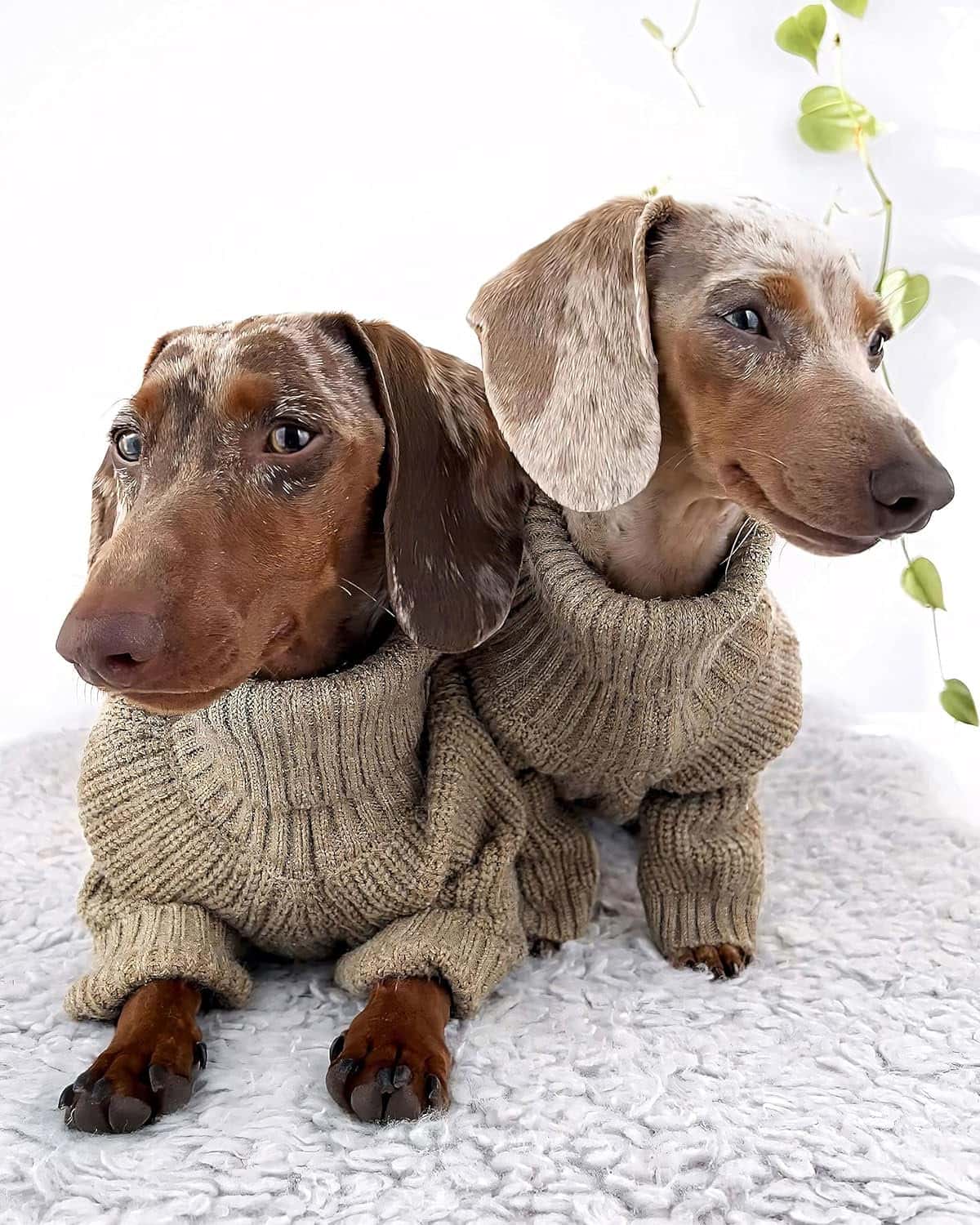
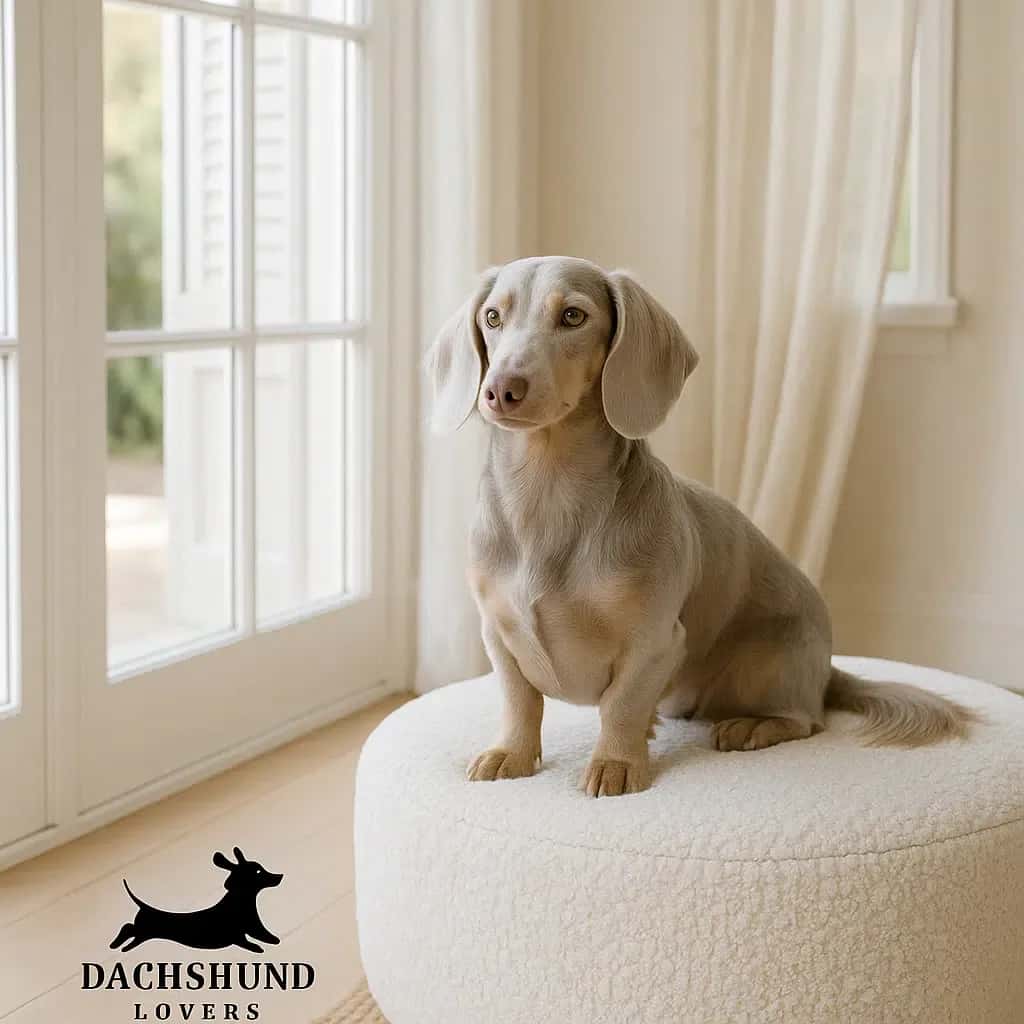
An Isabella blue dachshund is the rare result of two dilution genes coming together — one that softens chocolate pigment (Isabella), and another that mutes black pigment (blue). When inherited together, these genes create a truly unique coat: a blend of silvery lilac, cool fawn, and dusty blue, depending on lighting, fur length, and even time of day.
You might notice their eyes shimmer in lighter shades of grey or green, and their noses and paw pads take on a gentle pinkish or liver tone. It’s not just rare — it’s refined.
This isn’t a coat you see often, even in well-connected dachshund circles. It’s subtle, powdery, and softly luxurious — a colorway more reminiscent of hand-dyed linen than fur.
The Genetics Behind the Color
Let’s simplify the science. At the heart of the Isabella blue dachshund’s unique look are two distinct dilution genes:
- Isabella is a dilution of chocolate pigment — turning deep browns into soft lilacs and cool fawns.
- Blue is a dilution of black pigment — transforming strong black coats into soft greys, steels, and slates.
When a dachshund inherits both, their coat becomes a muted fusion of these tones — somewhere between silvery beige and cool lavender. It’s not quite one or the other. It’s both, at once — and it’s breathtaking.
Depending on their coat type, this combination appears differently:
- Smooth-coated Isabella blues often look sleek and slightly lavender-tinted under natural light.
- Long-haired versions have a dreamlike quality — almost smoky, with soft feathering and a pastel sheen.
- Wire-haired types, though less common, bring a touch of ruggedness to an otherwise refined palette.
You’ll also notice their features follow the dilute gene pattern:
- Eyes may appear light grey, green, or amber
- Noses are never black — they’ll be pinkish or liver-colored
- Paw pads tend to be pale
Ellie’s Tip: Genetics may sound dry, but they explain so much of what makes this color so rare — and so beautiful. Always ask your breeder about parent pairings and genetic testing.
Temperament and Personality
Underneath their rare, silvery coat, Isabella blue dachshunds are — at their core — very much doxies. That means bold hearts, loyal eyes, and an uncanny ability to sense what you’re feeling before you’ve even said a word.
Here’s what to expect:
- Deeply loyal: They bond closely with their humans, often forming one strong attachment. It’s not uncommon for them to follow you from room to room like a soft little shadow.
- Emotionally tuned-in: These dogs are feelers. If you’re having a hard day, they’ll soften beside you. If you’re celebrating, they’re right there in the joy.
- Gentle but spirited: They’re playful without being over-the-top — especially the long-haired variety, who often carry themselves with a quieter, more observant energy.
- Comfort-seekers: They love their creature comforts. A soft blanket, a warm lap, a consistent routine — these are their happy places.
- Confident but not yappy: Many Isabella blues tend to be a little calmer and more self-contained than other coat types. That doesn’t mean shy — just grounded.
They do best in households that respect their sensitivity. Loud environments or constant change may leave them feeling unsettled. But give them a quiet home, a window to watch the world from, and a soft place to sleep — and they’ll give you their whole heart.
Coat Types and Appearance
The Isabella blue dachshund isn’t just rare in color — the way that color interacts with their coat type makes each dog feel entirely unique. From silken waves to sleek minimalism, the texture of their fur transforms the way their lilac-grey hues come to life.
Smooth-Coated Isabella Blue
These coats lie flat and glossy against the skin, showing off the subtleties of the Isabella blue tone. In natural light, their fur often appears cooler — almost silver — but in shadow or artificial lighting, it leans into a soft, dusky lavender. You’ll often notice gentle shading along the shoulders or spine, adding natural depth to their appearance.
This coat type is lower maintenance in terms of brushing, but it leaves their skin more exposed — so sun sensitivity and dryness can be more noticeable. A smooth-coated Isabella blue feels like running your hand across silk laid over fine bone.
Long-Haired Isabella Blue
Long-haired Isabella blues are, in a word, cinematic. Their coats flow in feathery, fluid strands, catching every breeze and beam of sunlight. The dilute color shifts beautifully across the length of their fur — lighter at the tips, richer closer to the skin. When brushed and well cared for, they look like they belong in a European storybook.
Grooming requires a gentle hand and regular upkeep (especially around the chest, ears, and tail), but the payoff is unmatched elegance. These dogs often draw attention wherever they go — not because they ask for it, but because their presence is just that quietly beautiful.
Wire-Haired Isabella Blue
The rarest variation of all — and perhaps the most intriguing. The texture of wire-haired coats gives the Isabella blue a muted, almost brushed-steel quality. It’s less about shimmer and more about character — the color appears layered, with subtle grain and depth.
These dachshunds tend to have a charming, scruffy look that plays in contrast with the refinement of their color. If smooth and long-haired Isabella blues are minimalist and romantic, wire-haireds are your quietly cool artist friends — understated, interesting, and one of a kind.
Are Isabella Blue Dachshunds Rare?
Yes — exceptionally so. The Isabella blue dachshund is not just rare in appearance, but also in genetic makeup. To produce this delicate silver-lilac shade, a puppy must inherit two separate dilute genes: one for chocolate (Isabella) and one for black (blue). This dual dilution makes the pairing incredibly specific — and not something that can happen by chance.
Why They’re So Uncommon:
- Complex Genetics: Both parents must carry different recessive genes — and the odds of finding two healthy, compatible dogs with the correct dilutions is low.
- Ethical Breeding Limits: Reputable breeders prioritize health and temperament over coat color. Because both dilution genes are associated with increased sensitivity or alopecia, many breeders will only produce Isabella blues when they’re confident the line is strong and stable.
- Low Volume, High Care: Responsible breeders rarely produce these dachshunds in large numbers. When they do, there’s often a long waitlist and a thorough screening process for potential homes.
- Niche Appeal: Their appearance is stunning, but not every home is ready for the extra skin and coat care required of a dilute dachshund.
This all contributes to their exclusivity — but also to their charm. Owning an Isabella blue is a commitment, not a trend. It’s about appreciating their uniqueness and being ready to care for them with extra thoughtfulness.
And when that’s in place? You get a dachshund that turns heads without trying — a soft-spoken beauty that’s as rare as it is unforgettable.
Grooming and Care Tips
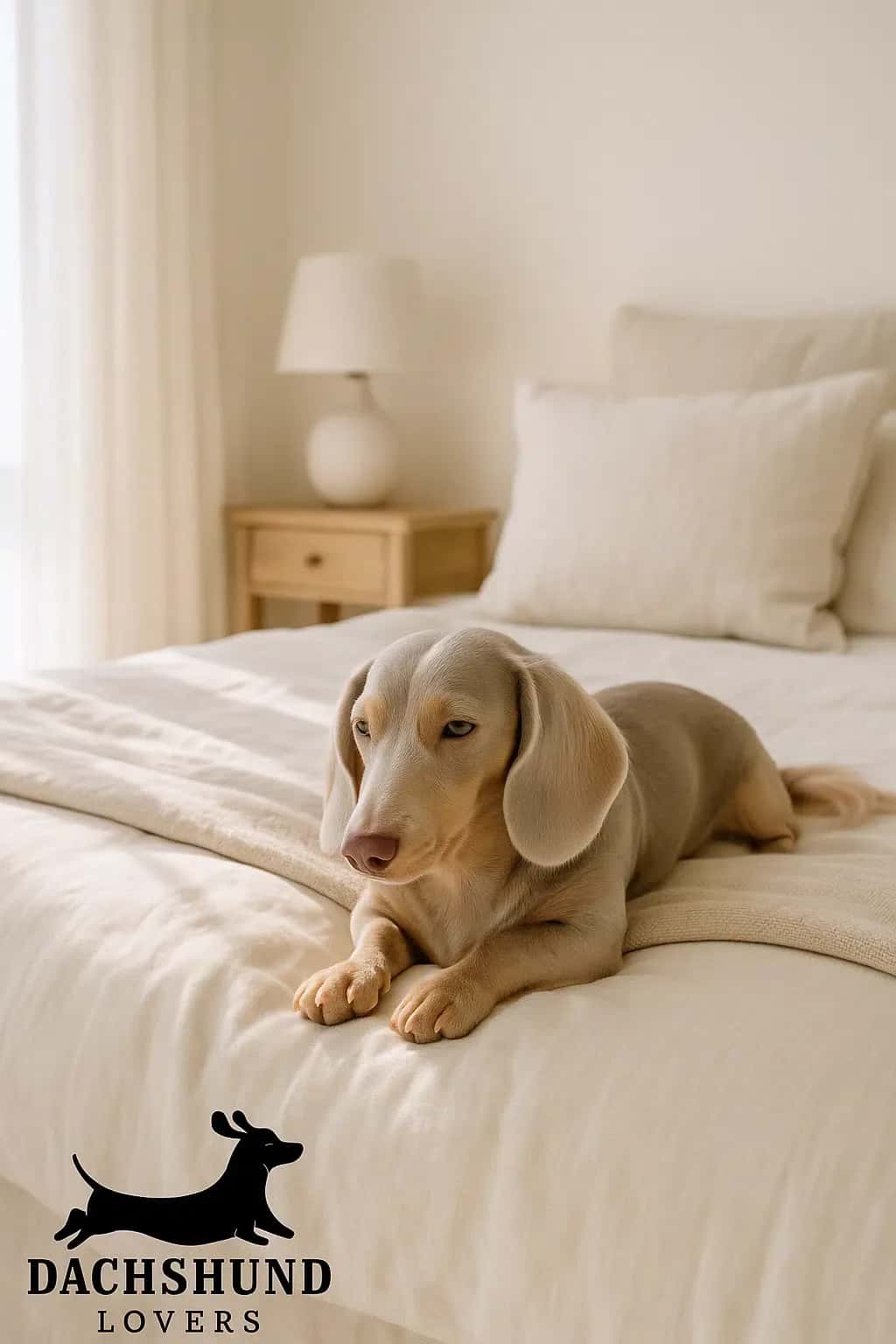
Caring for an Isabella blue dachshund is about more than routine baths and brushes — it’s about understanding the nature of dilute coats and approaching them with gentle, consistent care. Their muted tones may look effortless, but they require thoughtful upkeep to keep their skin healthy and coats soft.
Grooming Basics for Dilute Coats:
- Brush Gently, Often: For long-haired types, aim for 2–3 times a week to prevent matting and promote circulation. Smooth coats need less frequent brushing but still benefit from a soft-bristle glove or brush to remove debris.
- Choose the Right Shampoo: Dilute dachshunds are prone to sensitive skin. Avoid harsh detergents or scented formulas. Look for a hypoallergenic, moisturizing shampoo designed for delicate or light-colored coats.
- Wipe After Walks: Especially if they’ve been in sand, dirt, or grass. A simple damp cloth can help reduce itchiness or irritants that sit on the skin.
- Protect from the Sun: Their skin is lighter, which means it can burn more easily. On high-UV days, use a dog-safe sunscreen on exposed areas like the nose, ears, and belly — or keep outdoor play brief and shaded.
- Feed the Coat: A diet rich in omega-3 and omega-6 fatty acids supports skin elasticity and coat health. You’ll often notice a natural glow returning once you fine-tune their food.
- Watch for Changes: Check regularly for any signs of irritation — flaking, redness, or thinning patches. The ears, chest, and underarms are common hotspots for dryness or allergic reactions.
Ellie’s Tip: Treat their coat like you’d treat a silk blouse — soft hands, cool water, and a little extra care go a long way.
Grooming is also a bonding ritual. These are dogs that thrive on connection, and the few extra minutes you spend brushing or massaging in conditioner? It all adds to their sense of safety and trust — and yours too.
Isabella Blue vs Isabella Dapple
At first glance, both coats can look dreamy and muted — but once you know what to look for, the differences are surprisingly distinct. While both involve the Isabella gene, they diverge in how patterns and pigments play out on the coat. Here’s a closer look.
Feature | Isabella Blue | Isabella Dapple |
|---|---|---|
Base Color | A blend of blue and fawn — giving a muted, cool-toned silver or smoky lilac appearance | Soft lilac (Isabella) base overlaid with a lighter dapple pattern |
Coat Apperance | Solid or softly shaded, often matte or pearly | Swirled, marbled, and patchy — a true painter’s coat |
Eye Color | Grey, green, or light amber — sometimes with a metallic sheen | Blue, brown, or one of each (heterochromia is possible) |
Pattern | No formal pattern — color blends naturally | Defined dapple markings, sometimes with spotting or patches |
Rarity | Extremely rare, due to needing both blue and Isabella genes | Also rare, but more commonly bred due to demand for dapple |
First Impression | Understated, elegant, ethereal | Artistic, eye-catching, more high-contrast |
Ellie’s Take:
If Isabella Dapples are your gallery wall — expressive and full of movement — then Isabella Blues are your hand-thrown ceramic vase: quiet, beautiful, and full of depth under the surface.
Some people are drawn to the painterly effect of dapples. Others fall in love with the softness of a solid coat that changes subtly in the light. There’s no right answer — it’s about what feels right for your home, lifestyle, and heart.
FAQs
More From This Series:
Authored by
Ellie
Ellie is a lifelong dachshund lover and the proud human of Maple, a long-haired brown doxie with a regal side-eye. While not a vet, Ellie brings honest, researched, and experience-based insights into every article she writes for the Dachshund Lovers community.
Read moreEllie is a lifelong dachshund lover and the proud human of Maple, a long-haired brown doxie with a regal side-eye. While not a vet, Ellie brings honest, researched, and experience-based insights into every article she writes for the Dachshund Lovers community.
Read moreDisclaimer
This article was written by Ellie, a dachshund owner and enthusiast — not a veterinarian. Please consult your vet for personalized guidance.
There are no comments yet
Leave a comment