Why Do Dachshunds Shake
Why Do Dachshunds Shake
Dachshunds are known for their quirks, but shaking can be confusing. Here’s why it happens, and when to take it seriously.

James
Posted on October 28, 2025.
Updated on July 21, 2026.
Table of Contents
- 1.Key Takeaways on Why Dachshunds Shake
- 2.Normal Reasons Dachshunds Shake
- •1. Cold or Wet Weather
- •2. Drying Off After a Bath
- •3. Release of Tension After Exercise or Play
- •4. Excitement or Anticipation
- •5. Mild Anxiety in Predictable Situations
- •6. Natural Personality Traits
- •7. Posture and Comfort Adjustments
- •8. Startle Reflexes
- 3.Concerning Reasons Dachshunds Shake
- •1. Pain or Injury
- •2. Illness and Disease
- •3. Low Blood Sugar (Hypoglycaemia)
- •4. Severe Anxiety and Stress
- •5. Toxin Exposure
- •6. Age-Related Causes
- •When to Call the Vet
- 4.Practical Prevention and Management Tips
- •1. Keep Them Warm and Dry
- •2. Manage Emotional Triggers
- •3. Balance Exercise and Rest
- •4. Support Overall Health
- •5. Consider Professional Support
- •6. Medication as a Lasting Aid
- -More from This Series
- -Disclaimer
Share

I still remember the first time I noticed Harvey trembling, and not just from a chilly morning breeze. Caitlin and I were packing boxes for a short weekend away, and Harvey’s eyes followed us from the hallway to the bedroom, his little paws fidgeting on the tiles. It wasn’t the usual “I’m excited to go for a walk” kind of shake, it was the deep, anxious kind that comes when he suspects change is coming.
Like many dachshunds, Harvey is deeply attuned to his people and their routines. Shaking can mean a lot of things for the breed, sometimes it’s harmless, like after a swim at Bundeena, but other times it’s a clear sign of emotional distress. In Harvey’s case, packing bags often triggers the same feelings we explored in our guide to Dachshund Separation Anxiety — an emotional reaction rooted in attachment and fear of being left behind.
Understanding the “why” behind a dachshund’s shake means looking at their personality, environment, and even their health. This article unpacks the most common causes, from perfectly normal quirks to situations where a vet visit is the safest move.
Key Takeaways on Why Dachshunds Shake
Cause of Shaking | Common or Concerning? | What You Can Do |
|---|---|---|
Cold or Wet Weather | Common | Provide warm bedding, sweaters, and limit exposure to cold. |
Excitement or Anticipation | Common | Offer calm greetings and structured play to manage energy. |
Fear or Anxiety | Common but should be managed | Identify triggers (e.g., packing bags) and use desensitisation, as discussed in Dachshund Separation Anxiety. |
Pain or Injury | Concerning | Seek veterinary assessment immediately if shaking is paired with whimpering, stiffness, or limping. |
Concerning | Illness or Medical Conditions | Contact your vet — shaking may be linked to conditions like distemper or generalised tremor syndrome. |
Low Blood Sugar | Sometimes concerning | Small, frequent meals can help; consult your vet for ongoing episodes. |
Personality Traits | Common | Some dachshunds are naturally more expressive, as explored in Dachshund Personality. |
Normal Reasons Dachshunds Shake

Not every tremble from a dachshund should send you rushing to the vet. In fact, shaking is often part of their natural behaviour — a physical outlet for their emotions, environmental responses, and even basic comfort adjustments. By learning the common, harmless reasons for shaking, you can relax a little while still staying alert to anything unusual.
1. Cold or Wet Weather
Dachshunds have relatively low body fat, short legs, and (for smooth coats) minimal insulation, which means they’re more prone to feeling cold than larger or longer-haired breeds. The American Kennel Club notes that cold-induced shaking is a normal physiological reaction to help generate heat.
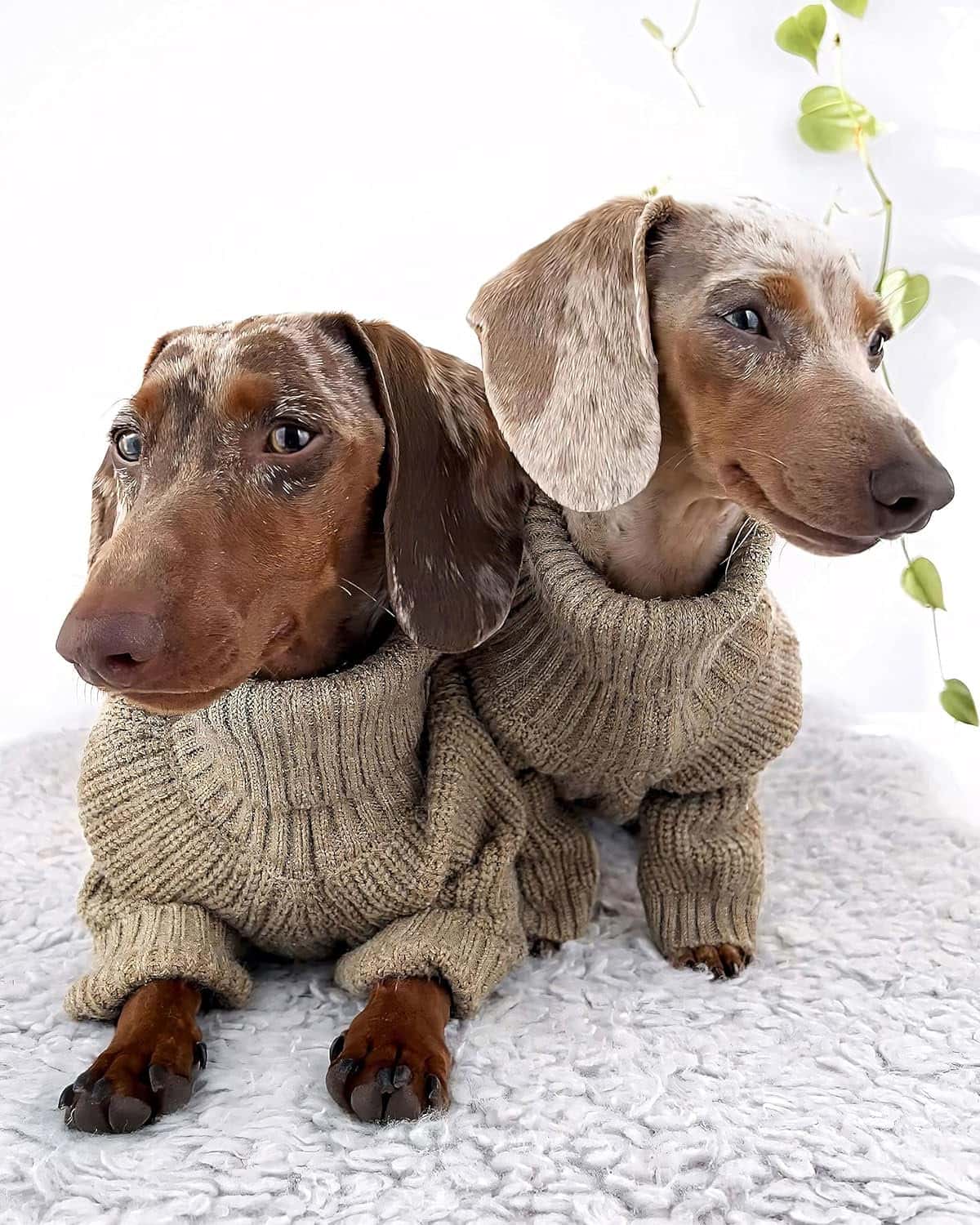
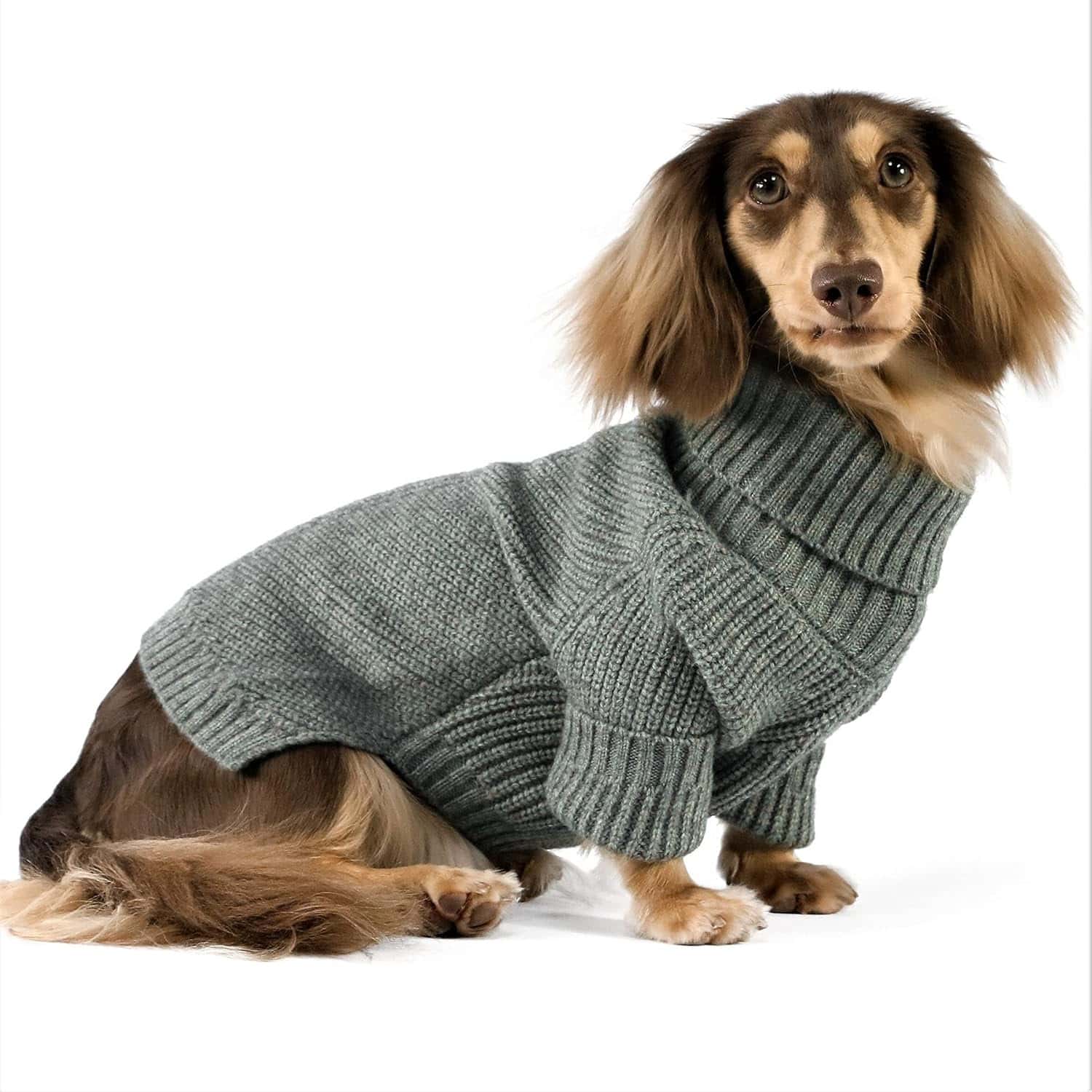
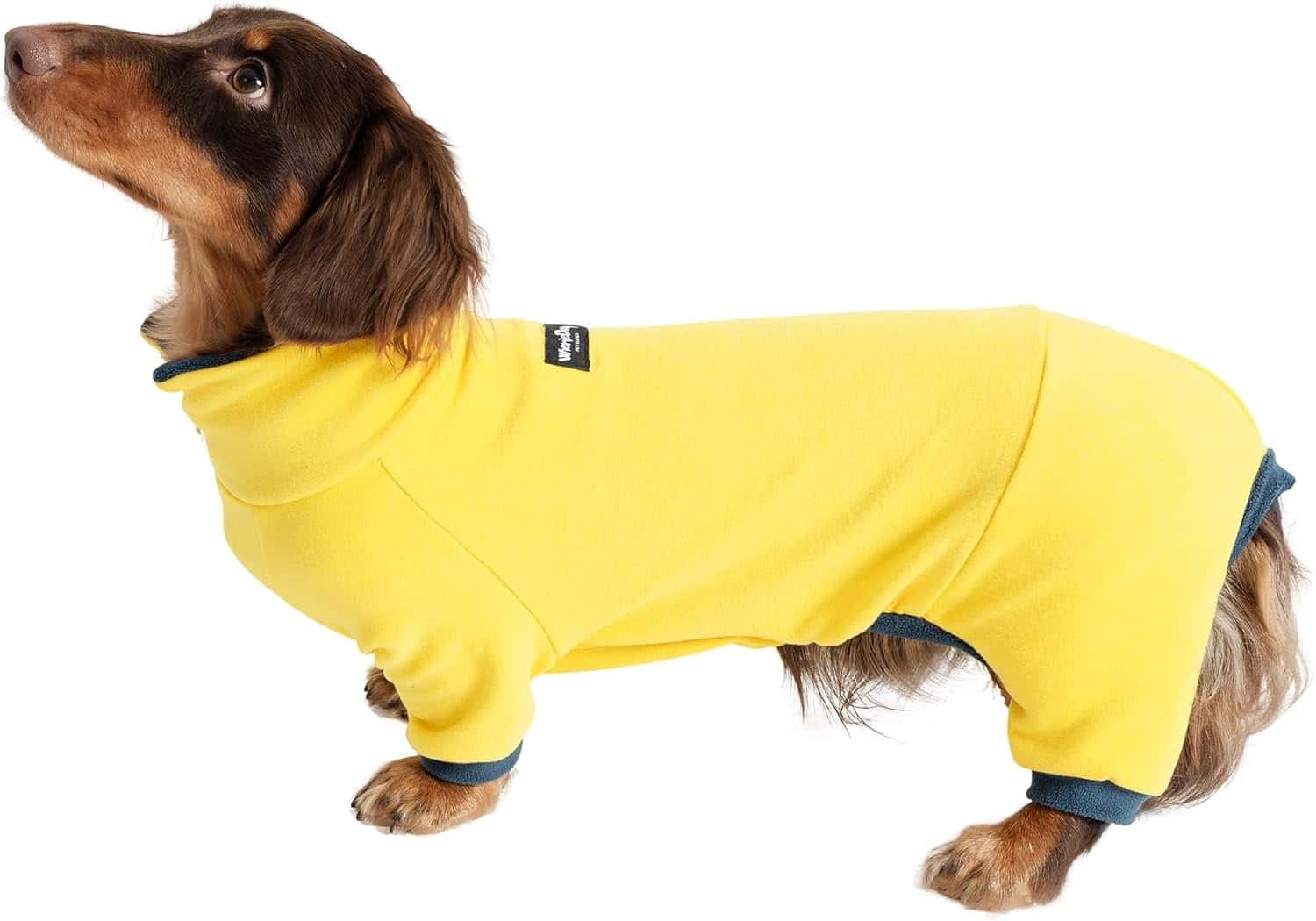
When Harvey steps onto damp morning grass in winter, I see a rhythmic tremble run down his back. A simple solution — like a fleece-lined sweater, warm bedding, or a quick towel dry — typically stops it within minutes. Puppies and seniors are particularly susceptible because their ability to regulate body temperature is less efficient.
2. Drying Off After a Bath
The shake-off reflex is almost universal in dogs. In fact, research published in Journal of the Royal Society Interface found that dogs can remove up to 70% of water from their fur in seconds through a rapid shaking motion, which helps prevent hypothermia and discomfort.
Harvey’s post-bath routine is a textbook example — a full-body shake that sends water everywhere, followed by a burst of zoomies. This kind of shake is purely functional and not a sign of distress.
3. Release of Tension After Exercise or Play
Some shakes are the canine equivalent of a human deep breath after a stressful or exciting event. Animal behaviourists, including those at VCA Animal Hospitals, note that dogs may shake to release pent-up adrenaline or tension after play, training, or mild stress.
Harvey does this after a vigorous game of fetch in the lounge — a quick body shake, then he flops down for a nap. This is actually a sign of a well-regulated nervous system.
4. Excitement or Anticipation
For dachshunds, excitement and shaking often go hand-in-hand. The AKC lists “emotional triggers” like greeting owners or anticipating a walk as common causes of trembling in otherwise healthy dogs. Harvey’s leash is the trigger — the moment he sees it, his hind legs bounce and a light tremor runs through him.
While harmless, excessive excitement can spill over into unwanted behaviours like barking or pulling on the lead. Trainers often recommend calm greetings and waiting for your dog to settle before starting an activity.
5. Mild Anxiety in Predictable Situations
Mild anxiety can cause temporary shaking that stops when the trigger is removed. The RSPCA notes that dogs often show subtle signs of stress — including trembling — when routines change or they anticipate separation.
For Harvey, the trigger is packing bags or moving boxes. He recognises the signs that we might be leaving and shakes lightly until reassured. This doesn’t require medical intervention, but if it happens frequently or escalates, it can overlap with genuine separation anxiety (covered in our Dachshund Separation Anxiety guide).
6. Natural Personality Traits
Some dachshunds are simply more expressive. As covered in our Dachshund Personality article, certain individuals communicate through body language more than others.
The ASPCA notes that temperament varies widely even within a breed, and behaviours like light trembling can be tied to individual personality rather than health. Harvey, for example, “quivers” in anticipation of dinner, but it’s not fear or illness — just eagerness.
7. Posture and Comfort Adjustments
Shaking can also be a simple muscle reset. According to the AKC, dogs often shake after standing up from rest to increase circulation and loosen stiff muscles.
If Harvey has been curled tightly in his bed, he’ll often stretch, shake, and then wander off to the kitchen. This type of shake is quick, followed by normal movement, and isn’t linked to discomfort.
8. Startle Reflexes
A dropped pot or sudden noise can trigger a brief shake in any dog. This is a natural startle reflex — part of their survival instincts — and is not harmful if it resolves quickly.
The Humane Society explains that a healthy startle response is short-lived, with the dog returning to normal behaviour immediately after. If your dachshund shakes for an extended period after a noise, it may indicate deeper anxiety that could benefit from desensitisation training.
Concerning Reasons Dachshunds Shake
While many shakes are harmless quirks, there are times when trembling signals a deeper issue. The difference lies in context — when the shaking is prolonged, paired with other symptoms, or happening without an obvious, harmless trigger.
Understanding the potentially serious causes helps you act quickly when your dachshund might need more than just reassurance.
1. Pain or Injury
Shaking is a common physiological response to pain in dogs. The American Kennel Club notes that discomfort, even if mild, can cause involuntary tremors.
In dachshunds, back problems like intervertebral disc disease (IVDD) are unfortunately common. If shaking appears alongside signs such as reluctance to move, yelping when touched, or difficulty standing, it’s important to contact your vet immediately. Early intervention can make a huge difference in IVDD outcomes.
Harvey hasn’t had a back injury, but we’ve known dachshund friends who have, and their initial signs were subtle — just a light tremor and hesitation on the stairs.
2. Illness and Disease
Some medical conditions directly affect a dog’s nervous system or muscles, leading to shaking. Examples include:
- Generalised Tremor Syndrome (GTS) — sometimes called “white shaker dog syndrome,” which affects various breeds and can appear suddenly.
- Distemper — now rare in vaccinated dogs, but still a cause of tremors in unvaccinated populations (RSPCA).
- Neurological disorders — which can be degenerative or linked to injury.
If shaking is accompanied by symptoms like vomiting, lethargy, or unsteadiness, it should always be checked by a vet.
3. Low Blood Sugar (Hypoglycaemia)
The VCA Animal Hospitals highlight that hypoglycaemia can cause tremors, especially in puppies, very small dachshunds, or those with underlying metabolic issues.
Signs may include:
- Weakness or wobbling
- Confusion
- Loss of coordination
- Trembling or shivering
Small, frequent meals and balanced nutrition can help prevent dips in blood sugar, but any suspected episode warrants a veterinary check.
4. Severe Anxiety and Stress
While mild anxiety shaking stops when the trigger is removed, chronic or severe anxiety can keep a dachshund in a prolonged state of tension. This is often seen in cases of separation anxiety, where the shaking may begin before you leave and continue for hours afterward.
The American Veterinary Medical Association stresses that chronic stress can impact both mental and physical health. This is where working with a veterinary behaviourist, like Emily from The Whole Hound, has been invaluable for Harvey.
Before we had Emily’s guidance and the right management tools, Harvey’s shaking during times of change — like moving house or extended absences — was far more intense. Now, it’s rare and short-lived.
5. Toxin Exposure
Some toxins — including certain plants, foods, and household chemicals — can cause tremors. The ASPCA Animal Poison Control Center lists chocolate, xylitol, and some prescription medications as common culprits.
If your dachshund starts shaking suddenly after being outdoors unsupervised or rummaging through the bin, and especially if other symptoms like drooling or vomiting appear, treat it as an emergency.
Older dachshunds may experience tremors due to age-related muscle weakness or joint discomfort. Senior dogs are also more prone to arthritis, which can cause shivering as muscles tighten around sore joints.
If your dachshund is ageing and shaking has become more frequent, a vet check can help determine if pain management or joint supplements could help.
When to Call the Vet
The RSPCA advises seeking veterinary attention if shaking is:
- Persistent or worsening
- Paired with symptoms like lethargy, vomiting, loss of balance, or stiffness
- Sudden in onset with no obvious cause
- Accompanied by signs of pain or distress
I’ve learned to trust my instincts here. With Harvey, if something feels “off” — if the shake doesn’t match his usual patterns or personality — I err on the side of caution and get it checked.
Practical Prevention and Management Tips

While some shaking is inevitable — it’s part of being a dachshund owner — there’s a lot you can do to reduce the frequency and intensity. It’s about understanding your dog’s triggers, meeting their physical and emotional needs, and knowing when to get professional help.
1. Keep Them Warm and Dry
Given dachshunds’ small size and low body fat, temperature plays a huge role in their comfort. As the AKC explains, warmth reduces muscle tension and keeps the shiver reflex at bay.
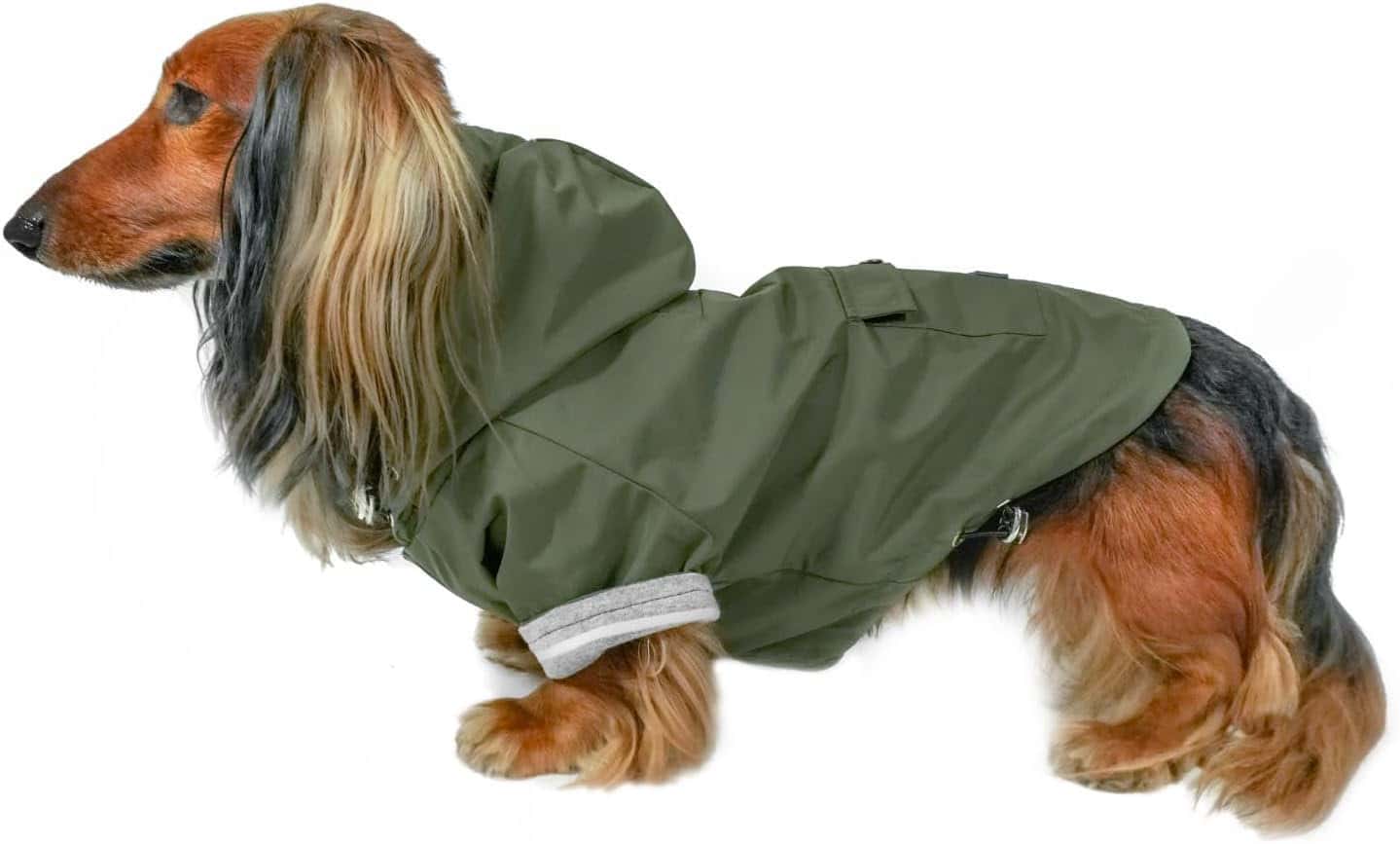
- Invest in weather-appropriate coats — lightweight fleece for indoors on cold mornings, waterproof jackets for wet walks.
- Ensure bedding is elevated off cold floors and positioned away from drafts.
- Towel dry thoroughly after baths or beach swims.
For Harvey, even short exposure to damp grass can start a cold shake, so we’re quick with the towel and keep his bed cosy in winter.
2. Manage Emotional Triggers
If shaking is linked to predictable events — like packing bags, vet visits, or unfamiliar visitors — you can work on desensitisation. The RSPCA recommends gradual exposure paired with rewards, so your dog learns to associate the trigger with positive outcomes.
For Harvey, this has meant:
- Letting him sniff the suitcase without us leaving.
- Practising short “fake departures” before a real trip.
- Pairing these with treats and calm praise.
This has been a huge help alongside the strategies from Emily at The Whole Hound.
3. Balance Exercise and Rest
Under-exercised dachshunds can become anxious and over-stimulated, while over-exercising can lead to muscle fatigue and trembling. Aim for a mix of physical walks and mental enrichment games, tailored to their age and health.
The PetMD guide to exercise needs highlights that small breeds still need regular activity to keep anxiety down and physical health up.
Harvey does best with two moderate walks a day and a few short play sessions. If he’s too hyped up, the shaking often comes back in the evening.
4. Support Overall Health
A balanced diet, regular vet check-ups, and prompt treatment of medical issues all help reduce unnecessary trembling. Low blood sugar episodes, for example, can be prevented with consistent feeding schedules.
Joint supplements, as recommended by your vet, can also make a difference for older dachshunds whose shaking stems from arthritis or stiffness.
5. Consider Professional Support
If anxiety is a major factor, working with a certified trainer or veterinary behaviourist can transform daily life. Harvey’s journey with Emily showed us that expert help is worth every cent — not just for reducing shaking, but for improving his overall independence and confidence.
The AVSAB (American Veterinary Society of Animal Behavior) has a directory of certified professionals in the USA, and the Association of Pet Dog Trainers UK offers similar resources in the UK.
6. Medication as a Lasting Aid
For some dachshunds, especially those with severe anxiety or neurological tremors, medication may be part of a long-term solution. The key is not to view this negatively — as we learned with Harvey, the right medication alongside training made him a far more relaxed, happy dog.
As the American College of Veterinary Behaviorists notes, behavioural medication can help a dog reach a calm enough state to learn and adapt, rather than living in constant stress.
FAQs
More from This Series
- Why Are Dachshunds So Stubborn
- When Do Dachshunds Calm Down
- Dachshund Separation Anxiety
- Dachshund Barking
- Dachshund Dog Park Socialization
- Do Dachshunds Get Along with Other Dogs
- Are Dachshunds Good with Kids
- Do Dachshunds Like to Cuddle
- Dachshund Digging
- Dachshund Sleeping
Authored by
James
James is the founder of Dachshund Lovers and the proud human of Harvey, a mini dapple with a big personality. He writes to empower and connect the dachshund community, blending founder insights with honest, experience-based stories about life with this incredible and special breed. James brings candid, experience-backed opinions to the community and always focused on fewer, better products and ideas that genuinely improve life for dachshunds and their people.
Read moreJames is the founder of Dachshund Lovers and the proud human of Harvey, a mini dapple with a big personality. He writes to empower and connect the dachshund community, blending founder insights with honest, experience-based stories about life with this incredible and special breed. James brings candid, experience-backed opinions to the community and always focused on fewer, better products and ideas that genuinely improve life for dachshunds and their people.
Read moreDisclaimer
This content is for informational purposes only and should not be considered veterinary advice. Always consult with a licensed veterinarian regarding your dog’s health and wellbeing.
There are no comments yet
Leave a comment