Dachshund Dalmatian Mix Health & Lifespan
Dachshund Dalmatian Mix Health & Lifespan
Wondering about Dachshund Dalmatian mix health risks? Here's what I’ve uncovered. Common conditions, preventative care, and what to watch out for early on.
James
Posted on October 18, 2025.
Updated on July 19, 2026.
Table of Contents
- 1.Key Takeaways on Dachshund Dalmatian Mix Health
- 2.Common Health Issues in Dachshund Dalmatian Mixes
- -1. Intervertebral Disc Disease (IVDD)
- -2. Congenital Deafness
- -3. Urinary Stones and Bladder Issues
- -4. Hip Dysplasia
- -5. Skin and Coat Issues
- -6. Obesity
- -7. Eye Problems
- •How to Monitor Their Health
- •Lifespan and Factors Affecting Longevity
- -Average Lifespan by Region
- 3.Factors That Affect Lifespan
- -1. Genetics
- -2. Diet and Nutrition
- -3. Exercise and Weight Control
- -4. Preventive Veterinary Care
- -5. Mental Stimulation
- -6. Weight and Spine Health
- -7. Environment and Lifestyle
- •Signs of Healthy Aging
- -James’ Note
- 4.Nutrition & Diet Tips for Longevity
- -1. What to Look for in Dog Food
- -2. Feeding Schedule and Portion Control
- -3. Best Food Types for This Hybrid
- -4. Special Considerations for Dalmatian Mixes
- -5. Supplements for Longevity
- -6. Treats and Snacks
- -7. Feeding Tips by Life Stage
- -8. Hydration Matters
- -9. Sample Daily Feeding Plan (Adult, 10–12 kg Hybrid)
- 5.Preventive Care & Vet Checkups
- •Annual Veterinary Care Schedule
- -1. Puppy Stage (0–12 months)
- -2. Adult Stage (1–8 years)
- -3. Senior Stage (8+ years)
- •Key Preventive Health Measures
- -1. Weight and Spine Protection
- -2. Hearing Tests
- -3. Dental Health
- -4. Joint Care
- -5. Skin and Coat Care
- •Insurance and Budgeting for Vet Care
- •At-Home Health Checks
- -James’ Note
- 6.Signs of Illness & When to See a Vet
- -General Signs of Illness
- •Specific Health Concerns for Dachshund Dalmatian Mixes
- -1. Back and Spinal Issues (IVDD)
- -2. Hearing Loss
- -3. Urinary Health
- -4. Skin and Allergies
- -5. Obesity and Mobility Issues
- •When to See a Vet Immediately
- •Routine vs. Emergency Vet Visits
- •Monitoring Changes at Home
- -More From This Series:
- -Disclaimer
- •Related Posts
Share

The dachshund Dalmatian mix is a rare hybrid with a striking appearance and a personality that’s both playful and loyal. However, as with any crossbreed, understanding their health profile and lifespan is essential if you want them to live a long, happy life. This hybrid can inherit traits — both positive and challenging — from its parent breeds: the dachshund’s long, low build and the Dalmatian’s athletic frame and energetic nature.
Both parent breeds come with distinct health considerations. Dachshunds are prone to intervertebral disc disease (IVDD) and weight-related spinal issues, while Dalmatians may inherit conditions such as congenital deafness and urinary stone formation. By being proactive with preventive care, a balanced diet, and regular checkups, you can mitigate many risks and extend their lifespan.
According to PetMD, early vet intervention and ongoing preventive care can significantly improve the quality of life for mixed-breed dogs, who may inherit a blend of strengths and vulnerabilities from each parent (PetMD Preventive Dog Health Care).
In this guide, we’ll explore:
- The most common health conditions affecting dachshund Dalmatian mixes.
- How to spot early warning signs and prevent complications.
- Lifespan expectations and what influences their longevity.
- Vet care, diet, and exercise strategies to keep them thriving.
If you’re raising a puppy, I’d recommend pairing this article with our Puppies Guide for early health routines and tips.
Key Takeaways on Dachshund Dalmatian Mix Health
Topic | Details |
|---|---|
Average Lifespan | 11–14 years with proper care. Miniature mixes may live closer to 15 years due to lower strain on joints and spines. |
Common Health Risks | IVDD, congenital deafness, hip dysplasia, urinary stones, and obesity. |
Preventive Care | Annual vet checkups, joint supplements, weight management, and early hearing tests (BAER testing). |
Diet & Nutrition | High-quality, protein-rich diets with balanced fats and limited purines (especially important for urinary health in Dalmatian lines). |
Exercise Guidelines | Moderate, low-impact exercise (45–60 minutes daily) to protect spinal health while keeping weight under control. |
Signs to Watch For | Difficulty jumping or climbing, reluctance to exercise, excessive scratching (linked to skin issues), and sudden changes in urination. |
Veterinary Costs | Annual costs vary by country — roughly $400–$600 USD, £300–£500 GBP, or $500–$800 AUD for preventive care |
Insurance Considerations | Pet insurance can save on costs for hereditary conditions; premiums average $40–$60 USD/month or equivalent. |
Health and temperament are closely connected. A dachshund Dalmatian mix that’s physically comfortable and mentally enriched is far more likely to show off its playful, loyal personality. Investing in regular vet visits, good nutrition, and daily activity isn’t just about extending their life, it’s about making every day feel joyful and effortless for them.
Common Health Issues in Dachshund Dalmatian Mixes
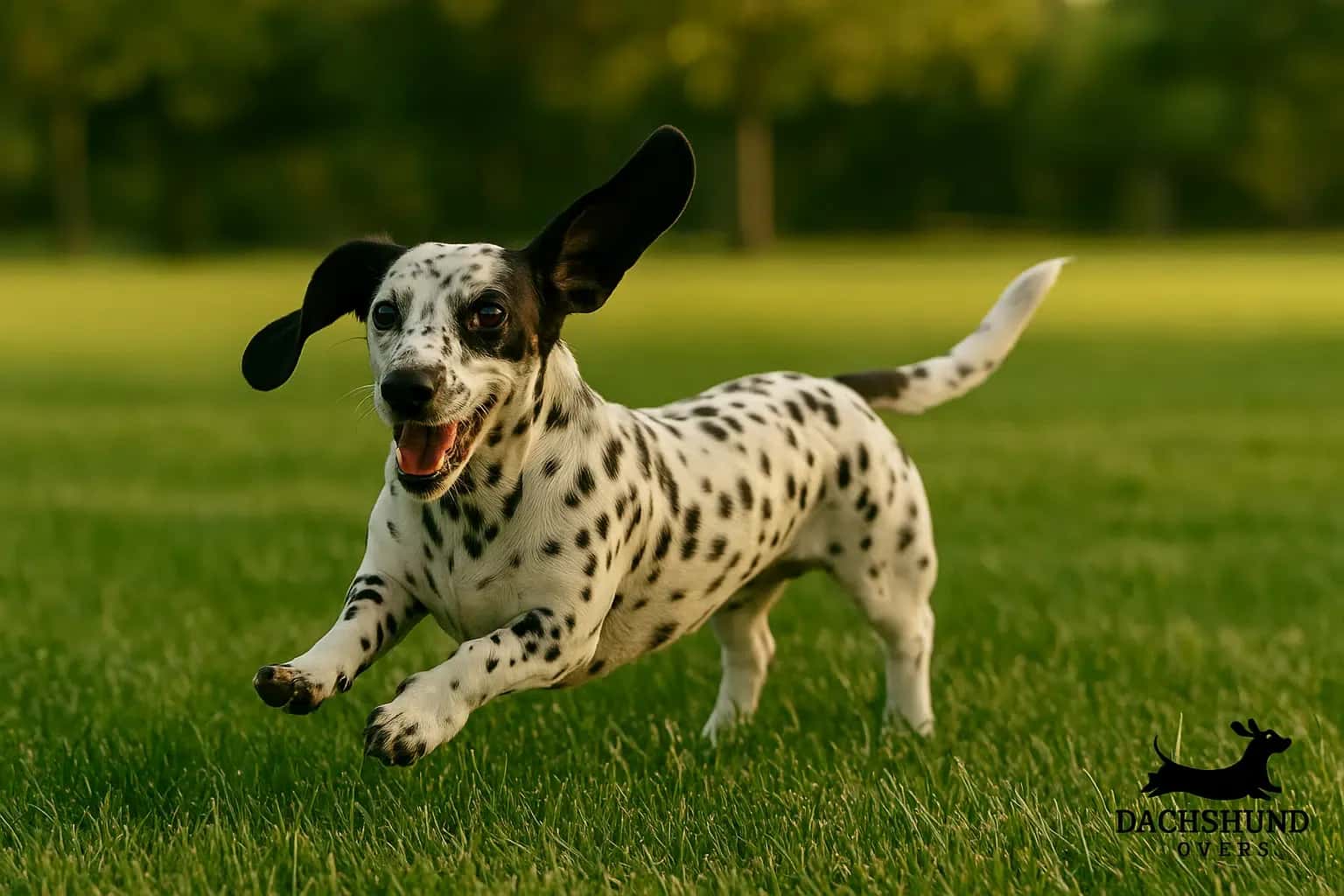
The dachshund Dalmatian mix combines two breeds with distinct health considerations. While hybrid vigor — the genetic advantage of crossbreeding — can reduce the risk of some inherited conditions, this mix can still be prone to certain breed-specific issues. Understanding these risks and learning how to spot early warning signs is key to keeping your dog healthy and comfortable throughout their life.
1. Intervertebral Disc Disease (IVDD)
What It Is:
Dachshunds are famously susceptible to IVDD due to their long backs and short legs, which place stress on the spine. This condition occurs when the cushioning discs between the vertebrae become damaged, leading to pain, mobility issues, or even paralysis.
Symptoms to Watch For:
- Reluctance to jump or climb stairs.
- Whining or yelping when picked up.
- Stiffness or trembling.
- Sudden loss of coordination in the hind legs.
Prevention & Management:
- Avoid activities that involve jumping from high surfaces (like couches or beds).
- Use dog ramps for furniture or car access.
- Maintain a healthy weight to minimize spinal stress.
- Regular vet checks for early diagnosis.
According to the American Kennel Club (AKC), “Dachshunds have a 19–24% lifetime risk of IVDD” (AKC Dachshund Health). This risk may be lower in hybrids but should still be a serious consideration for owners.
2. Congenital Deafness
What It Is:
Dalmatians are genetically predisposed to deafness due to a lack of pigment cells in the inner ear. This condition can occur in one or both ears. The risk may carry over to the hybrid, especially in dogs with more Dalmatian-like spotting.
Symptoms to Watch For:
- Lack of response to name calls or commands.
- Startling when approached from behind.
- Unusually loud barking (common in deaf dogs).
Prevention & Management:
- BAER (Brainstem Auditory Evoked Response) testing is recommended for puppies around 6–8 weeks to assess hearing.
- Train using hand signals and visual cues if hearing loss is detected.
According to PetMD, “Dalmatians have one of the highest incidences of congenital deafness among all breeds, affecting up to 30% of the population” (PetMD on Deafness).
3. Urinary Stones and Bladder Issues
What It Is:
Dalmatians are prone to urinary stones due to a genetic inability to break down purines effectively. While the risk might be reduced in a hybrid, it’s wise to monitor urinary health.
Symptoms to Watch For:
- Frequent urination or straining.
- Blood in the urine.
- Signs of discomfort when urinating.
Prevention & Management:
- Feed a low-purine diet (avoid foods like liver and anchovies).
- Encourage water intake — consider a pet fountain to keep them hydrated.
- Regular vet checkups and urinalysis if there’s any sign of issues.
4. Hip Dysplasia
What It Is:
Hip dysplasia is a common joint issue in medium-to-large breeds like Dalmatians. It occurs when the hip joint doesn’t develop properly, causing pain and mobility problems.
Symptoms to Watch For:
- Limping or stiffness after exercise.
- Difficulty rising from lying down.
- Reluctance to run or jump.
Prevention & Management:
- Provide a balanced diet to maintain healthy weight and joint health.
- Use supplements like glucosamine and chondroitin (with vet approval).
- Avoid over-exercising puppies while their joints are developing.
The Orthopedic Foundation for Animals (OFA) notes that Dalmatians have a 4.6% prevalence rate of hip dysplasia (OFA Breed Statistics).
5. Skin and Coat Issues
What It Is:
The Dalmatian’s coat is short and fine, making them prone to skin allergies or irritation. The dachshund side can also bring dry skin issues or sensitivities to grooming products.
Symptoms to Watch For:
- Excessive scratching or licking.
- Red patches or hair thinning.
- Flaky or dry skin.
Prevention & Management:
- Use hypoallergenic shampoos.
- Provide omega-3 fatty acid supplements for coat health.
- Keep fleas and ticks under control with preventive treatments.
6. Obesity
What It Is:
The dachshund side of this hybrid can be prone to weight gain, which increases the risk of spinal and joint problems.
Prevention & Management:
- Stick to a measured feeding schedule with high-quality food.
- Avoid giving too many table scraps or calorie-dense treats.
- Ensure daily exercise (low-impact walks and play).
7. Eye Problems
Some hybrids may inherit progressive retinal atrophy (PRA) or cataracts, conditions that lead to gradual vision loss.
- Prevention: Regular eye exams, especially as the dog ages.
- Management: Early detection and supportive care can slow progression.
How to Monitor Their Health
- Schedule annual vet exams (bi-annual for seniors).
- Keep a health journal to track changes in appetite, energy, or mobility.
Invest in pet insurance to offset potential costs of hereditary conditions.
Lifespan and Factors Affecting Longevity
The dachshund Dalmatian mix generally enjoys a lifespan of 11–14 years, though some smaller hybrids (from miniature dachshund lines) may live closer to 15 years. This is slightly above the average lifespan of many medium-sized breeds, thanks to the genetic diversity of crossbreeding — a concept known as hybrid vigor.
According to PetMD, mixed breeds often benefit from a reduced risk of certain inherited conditions, but “lifespan is still significantly influenced by environmental factors such as diet, exercise, and preventive healthcare” (PetMD Dog Longevity).
Average Lifespan by Region
- United States:
Most Dalmatian Doxies live 12–14 years when cared for with regular vet visits, balanced nutrition, and exercise. Pet insurance adoption rates in the US have increased, which has helped many families afford preventive care. - United Kingdom:
Life expectancy is typically 11–13 years, with longevity influenced by quality of diet and weight management. The Kennel Club UK notes that dachshunds and Dalmatians, when crossbred responsibly, often retain the health resilience of both parents (The Kennel Club Breed Health Information). - Australia:
Due to the warmer climate and prevalence of outdoor activity, hybrids here often live 12–15 years, but care must be taken to protect them from overheating due to their short coats and higher energy levels.
Factors That Affect Lifespan
1. Genetics
The genes your dog inherits from each parent breed play a big role in lifespan.
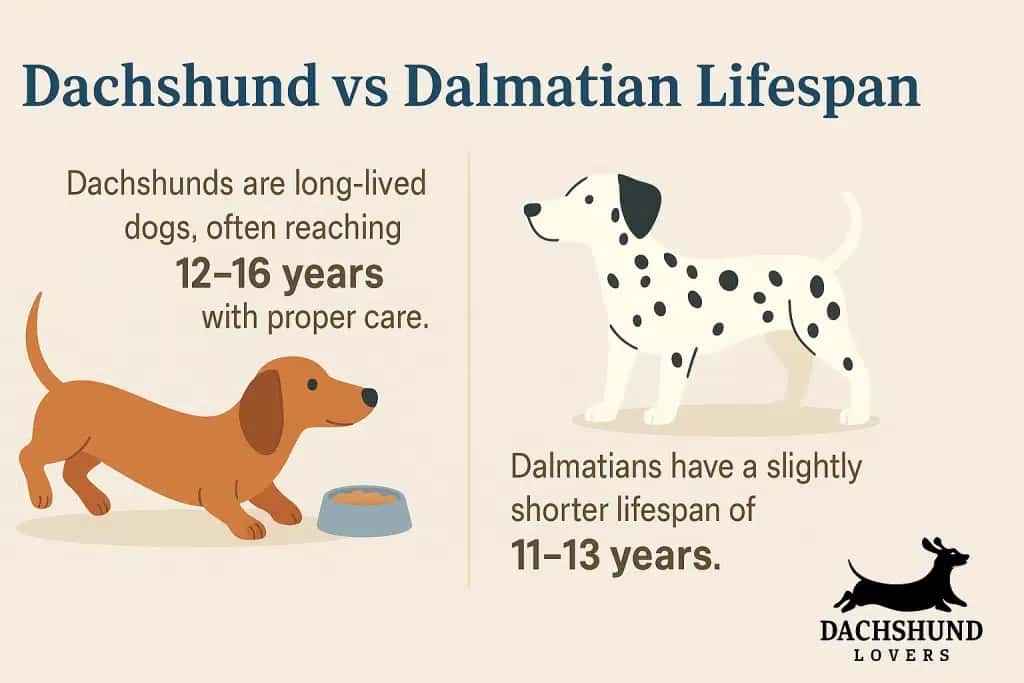
- Dachshunds are long-lived dogs, often reaching 12–16 years with proper care.
- Dalmatians have a slightly shorter lifespan of 11–13 years.
If your hybrid inherits the dachshund’s smaller frame and lower weight, this can contribute to greater longevity.
2. Diet and Nutrition
A high-quality diet tailored to this hybrid’s needs can add years to their life.
- Choose foods with high-quality proteins (chicken, turkey, fish) and healthy fats.
- Avoid foods high in purines (like liver or anchovies), especially if they inherit Dalmatian urinary sensitivities.
- Portion control is vital. Obesity not only shortens lifespan but also puts pressure on the spine and joints.
Tip: For weight management, follow feeding recommendations on the dog food label based on target weight (not current weight)
3. Exercise and Weight Control
The AKC emphasizes that exercise not only improves physical health but also supports mental well-being, which contributes to a longer life (AKC Exercise Tips).
- Daily 45–60 minutes of low-impact exercise (walks, light fetch) keeps muscles strong and prevents weight gain.
- Avoid high jumps or rough play to protect the spine — a critical concern for hybrids with dachshund builds.
4. Preventive Veterinary Care
Routine veterinary care is one of the most important factors in longevity:
- Annual checkups: Detect early signs of illness, joint issues, or dental problems.
- Vaccinations and parasite control: Protect against common diseases.
- Dental care: Oral health is linked to heart and kidney health — regular brushing or dental chews can extend lifespan.
Veterinary costs for preventive care average:
- US: $400–$600 USD/year.
- UK: £300–£500 GBP/year.
- AUS: $500–$800 AUD/year.
5. Mental Stimulation
Boredom can lead to stress and destructive habits, which indirectly shorten a dog’s life. Enrichment activities such as puzzle toys, training games, and scent-based play keep the mind sharp. As we outlined in our Behavioral Enrichment Guide, just 15 minutes of mental stimulation can calm a dog as effectively as a 30-minute walk.
6. Weight and Spine Health
Excess weight is a silent threat for dachshund mixes. According to the British Veterinary Association (BVA), “dogs that are overweight are more likely to suffer from chronic conditions and have shorter lifespans” (BVA Healthy Weight Guidelines).
- Use ramps or steps to reduce jumping.
- Keep your dog slim — you should be able to feel their ribs but not see them.
- Support spinal health with core-strengthening exercises (e.g., controlled tug games, swimming).
7. Environment and Lifestyle
A stable, safe home environment has a surprisingly strong impact on longevity.
- Avoid exposure to toxins (e.g., household chemicals, unsafe plants).
- Provide comfortable bedding and quiet spaces for rest.
- Maintain a regular daily routine, as dogs thrive on predictability and structure.
Signs of Healthy Aging
With good care, a dachshund Dalmatian mix can remain active and playful well into their senior years. Signs of healthy aging include:
- Steady energy levels.
- A shiny, well-maintained coat.
- Good appetite and digestion.
- Regular mobility with minimal stiffness.
As they age, your vet may recommend:
- Joint supplements (glucosamine and chondroitin).
- More frequent checkups (every 6 months for dogs over 10 years).
- Adjusted diets with fewer calories and more omega-3 fatty acids.
James’ Note
Longevity isn’t about luck — it’s about care, attention, and small daily habits that add up. Keeping your dog active, mentally stimulated, and on a healthy diet is the secret to making every year count.
Nutrition & Diet Tips for Longevity
A balanced diet is one of the most important ways to support your dachshund Dalmatian mix’s health and lifespan. Nutrition affects everything from energy levels and coat condition to spinal health and disease prevention. With this hybrid’s unique build and predispositions, choosing the right food and feeding schedule can add years to their life.
1. What to Look for in Dog Food
According to PetMD, “the foundation of a healthy dog diet should include high-quality protein, moderate fats, and essential vitamins and minerals” (PetMD Nutrition Guide). For this hybrid, choose foods with:
- Real animal protein (chicken, turkey, fish, or beef) as the first ingredient.
- Healthy fats (omega-3 and omega-6) for coat and skin health.
- Glucosamine and chondroitin to support joint and spinal health, particularly for dachshund-influenced backs.
- Low-to-moderate purine content to reduce the risk of urinary stones common in Dalmatian lines.
Avoid dog foods that use:
- Fillers like corn, soy, or wheat.
- Artificial colors, flavors, or preservatives.
- Excessive salt or by-products.
2. Feeding Schedule and Portion Control
Both parent breeds are prone to weight gain, which can shorten lifespan and lead to spinal issues (IVDD).
- Adults: 2 measured meals per day, rather than free feeding.
- Puppies (under 6 months): 3–4 smaller meals to maintain steady energy and growth.
- Seniors: Adjust portions to match decreased activity levels.
Portion Tip: Always follow the feeding guide on the food packaging, adjusting based on your dog’s weight, activity level, and body condition score. You should be able to feel your dog’s ribs but not see them.
3. Best Food Types for This Hybrid
- Dry kibble (high quality): Supports dental health by reducing plaque buildup.
- Wet food: Can be added in small amounts for picky eaters, but balance the calories.
- Fresh or raw diets: These can be excellent when guided by a veterinarian or canine nutritionist, as they allow precise control over ingredients and purine content.
AKC notes that “dogs with breed-specific health risks (like urinary stones in Dalmatians) benefit from tailored diets designed to reduce those risks” (AKC Nutrition Overview).
4. Special Considerations for Dalmatian Mixes
Dalmatians are prone to uric acid stone formation, a risk that can carry over to this hybrid.
- Avoid high-purine foods such as organ meats (liver, kidney), anchovies, sardines, and mussels.
- Feed lean meats and egg-based protein sources instead.
- Encourage hydration by offering fresh water at all times or using wet food for added moisture.
5. Supplements for Longevity
While a complete diet covers most needs, some supplements can provide additional support:
- Joint supplements: Glucosamine and MSM for spinal and hip health.
- Omega-3 fatty acids: Support skin, coat, and heart health.
- Probiotics: Aid digestion and improve immune system function.
- Vitamin E or multivitamins: Helpful for seniors or dogs with specific dietary gaps.
Always consult a vet before adding supplements — over-supplementation can cause imbalances.
6. Treats and Snacks
Treats should make up no more than 10% of daily calories to avoid weight gain.
- Healthy options: small pieces of carrot, apple slices (no seeds), or freeze-dried meats.
- Avoid: high-fat treats, table scraps, or processed human snacks.
Use treats strategically for training and rewards, pairing them with commands to reinforce good behavior.
7. Feeding Tips by Life Stage
Puppy Stage (0–12 months):
- Use puppy-specific formulas rich in DHA for brain development and calcium for strong bones.
- Feed 3–4 times daily to support their rapid growth and energy needs.
Adult Stage (1–8 years):
- Transition to adult dog food with a balanced mix of protein and fat (ideally 18–25% protein, 8–12% fat).
- Keep an eye on weight — dachshund lines gain easily, which increases IVDD risks.
Senior Stage (8+ years):
- Switch to a senior dog formula with fewer calories, more fiber, and joint-support ingredients.
- Increase omega-3 intake for joint flexibility and anti-inflammatory benefits.
8. Hydration Matters
Hydration is critical, especially for Dalmatian-influenced urinary health.
- Ensure water bowls are always filled with fresh, clean water.
- Consider pet water fountains to encourage frequent drinking.
- Wet food or broth (low sodium) can be added to meals for additional hydration.
9. Sample Daily Feeding Plan (Adult, 10–12 kg Hybrid)
- Morning: 1 cup of high-quality dry kibble (grain-free or low-purine formula).
- Evening: 1 cup dry kibble mixed with 2 tbsp wet food or fresh lean meat.
- Treats: 2–3 small training treats (approx. 50 calories total).
- Hydration: At least 1 liter of water available throughout the day.
Preventive Care & Vet Checkups

Proactive veterinary care is one of the most effective ways to extend the life and quality of your dachshund Dalmatian mix. Regular checkups help catch potential health issues — from joint problems to hearing loss — before they become serious. Both dachshunds and Dalmatians have breed-specific risks, making preventive care even more important for their hybrid offspring.
According to PetMD, “routine wellness exams and early detection are key factors in increasing a dog’s life expectancy” (PetMD Preventive Care).
Annual Veterinary Care Schedule
1. Puppy Stage (0–12 months)
Puppies require more frequent vet visits during their first year.
- 8–16 weeks: Core vaccinations (distemper, parvovirus, hepatitis, rabies).
- 3–6 months: Booster shots, microchipping, and deworming.
- 6–9 months: Spaying or neutering (unless otherwise advised).
- Hearing Test (BAER): Especially important if your hybrid has strong Dalmatian traits, as congenital deafness can affect 15–30% of Dalmatian-line puppies.
Cost Estimate (Puppy Year):
- US: $400–$700 USD.
- UK: £300–£600 GBP.
- Australia: $500–$900 AUD.
2. Adult Stage (1–8 years)
- Annual Wellness Exam: A full physical checkup, including weight assessment, heart and lung checks, and joint evaluations.
- Vaccinations: Rabies boosters (every 1–3 years), plus kennel cough and leptospirosis if needed.
- Parasite Prevention: Monthly flea, tick, and heartworm prevention.
- Dental Care: Annual dental cleanings are recommended, as poor oral health can lead to heart and kidney problems.
3. Senior Stage (8+ years)
As they age, bi-annual vet visits are ideal. Older dogs benefit from early screenings for:
- Arthritis or joint issues.
- Kidney or liver function (via blood tests).
- Urinary health: Dalmatians have a genetic predisposition to urinary stones.
- Vision and hearing checks.
Senior dogs may also require dietary changes, which should be discussed with your vet.
Cost Estimate (Adult to Senior Care):
- US: $400–$600 USD annually (general wellness).
- UK: £300–£500 GBP annually.
- Australia: $500–$800 AUD annually.
Key Preventive Health Measures
1. Weight and Spine Protection
Maintaining a healthy weight is crucial for preventing IVDD and joint issues.
- Use a measuring cup to portion meals accurately.
- Provide dog ramps to minimize jumping from furniture.
- Consider core-strengthening exercises (e.g., short tug games or gentle swimming).
2. Hearing Tests
Due to Dalmatian genetics, early hearing checks are vital. The BAER test (Brainstem Auditory Evoked Response) can identify partial or full hearing loss in puppies as young as 6 weeks. Even for adults, testing is useful if you notice:
- A lack of response to verbal cues.
- Excessive barking.
- Startling when approached from behind.
3. Dental Health
Dental disease is one of the most common preventable health issues in dogs.
- Brush teeth 2–3 times per week with dog-specific toothpaste.
- Offer dental chews or toys designed to reduce plaque.
- Professional dental cleanings every 1–2 years.
4. Joint Care
To protect hips and spines:
- Use orthopedic beds to cushion joints.
- Add supplements like glucosamine, chondroitin, and omega-3s (vet-approved).
- Avoid long sessions of running on hard surfaces.
5. Skin and Coat Care
The Dalmatian’s short coat can be prone to irritation.
- Use hypoallergenic shampoos and brush weekly to remove loose hair.
- Check for flea bites or hotspots, especially during summer months.
Insurance and Budgeting for Vet Care
Pet insurance is highly recommended for this hybrid due to its mix of breed-specific health risks.
- Average Premiums:
- US: $40–$60 USD/month.
- UK: £25–£40 GBP/month.
- AUS: $50–$70 AUD/month.
- US: $40–$60 USD/month.
Insurance often covers accidents, illnesses, and some diagnostic tests (e.g., BAER or blood panels). Preventive treatments like flea/tick control or routine vaccinations may require add-on coverage or out-of-pocket expenses.
At-Home Health Checks
In addition to vet visits, owners can perform simple weekly checks:
- Spinal sensitivity: Run your hand gently along their back to check for pain.
- Ear health: Look for redness, odor, or debris.
- Teeth and gums: Check for bad breath or tartar buildup.
- Weight monitoring: Feel for ribs and check waistline.
James’ Note
Preventive care isn’t just about avoiding illness — it’s about catching small issues before they affect quality of life. A 10-minute at-home check combined with regular vet visits can add years to your dog’s life and ensure those years are active and happy.
Signs of Illness & When to See a Vet
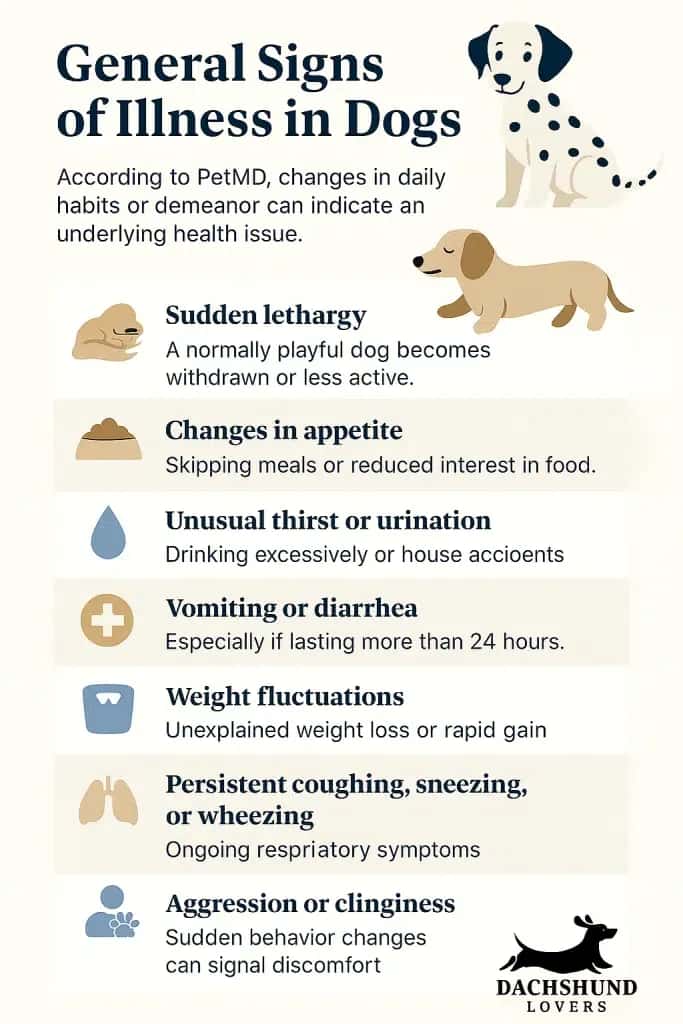
Even the healthiest dachshund Dalmatian mix can face occasional health concerns. Recognizing the early signs of illness is key to ensuring prompt treatment and preventing minor issues from becoming serious. Both dachshunds and Dalmatians have specific health risks that may appear subtly at first — so paying close attention to changes in behavior, energy, or appetite can make all the difference.
General Signs of Illness
According to PetMD, any noticeable shift in a dog’s daily habits or demeanor can indicate an underlying problem (PetMD Dog Illness Guide). Common signs include:
- Sudden lethargy: A normally playful dog becomes withdrawn or less active.
- Changes in appetite: Skipping meals or showing reduced interest in food.
- Unusual thirst or urination: Drinking excessively or having accidents in the house.
- Vomiting or diarrhea: Especially if it persists for more than 24 hours.
- Weight fluctuations: Unexplained weight loss or rapid weight gain.
- Persistent coughing, sneezing, or wheezing.
- Uncharacteristic aggression or clinginess: Dogs often communicate discomfort through behavior changes.
Specific Health Concerns for Dachshund Dalmatian Mixes
1. Back and Spinal Issues (IVDD)
Early signs of intervertebral disc disease (IVDD) can be subtle:
- Hesitation to jump on furniture or climb stairs.
- Stiff or wobbly walking.
- Whining or yelping when picked up.
If you suspect spinal discomfort, limit activity immediately and seek veterinary attention. In severe cases, IVDD can lead to paralysis if not treated promptly.
2. Hearing Loss
Dalmatians are prone to congenital deafness, which can carry over to this hybrid. Symptoms of hearing problems include:
- Not responding to familiar sounds or commands.
- Overly loud barking.
- Sleeping through loud noises.
A BAER test can confirm hearing health, and training with hand signals can help manage partial hearing loss
3. Urinary Health
Dalmatian genetics can increase the risk of uric acid stones, which can become life-threatening if left untreated.
Warning signs include:
- Straining or difficulty urinating.
- Frequent attempts to urinate with little output.
- Blood in the urine.
Immediate vet care is crucial if these symptoms appear.
4. Skin and Allergies
- Persistent scratching or licking.
- Red patches, bumps, or hair thinning.
- Sensitivity to grooming products or fleas.
Allergies are often managed with special shampoos, omega-3 supplements, and flea prevention.
5. Obesity and Mobility Issues
Sudden reluctance to play, difficulty getting up, or stiffness may indicate joint pain or weight-related strain. Dachshund-influenced dogs must remain lean to protect their spines.
When to See a Vet Immediately
While some mild issues can wait for a regular appointment, certain symptoms require urgent veterinary attention:
- Difficulty breathing or persistent coughing.
- Seizures or sudden loss of coordination.
- Severe or prolonged vomiting/diarrhea (24+ hours).
- Inability to urinate or defecate.
- Extreme lethargy or collapse.
- Signs of pain (crying out, trembling, or hiding).
The AKC advises that “unexplained or acute changes in a dog’s behavior or mobility should always be treated as potential emergencies” (AKC Emergency Guide).
Routine vs. Emergency Vet Visits
Routine Visits:
- Annual wellness checks.
- Booster vaccinations.
- Dental cleanings and parasite control.
Emergency Visits:
- Trauma (e.g., falls, accidents).
- Sudden paralysis or severe spinal pain (suspected IVDD episode).
- Bloat-like symptoms — while rare in this mix, abdominal swelling with distress is always urgent.
Monitoring Changes at Home
A simple weekly health check can help catch early warning signs:
- Eyes: Look for redness, cloudiness, or discharge.
- Ears: Check for unusual odor, redness, or wax buildup.
- Mouth: Inspect gums (healthy gums should be pink, not pale or red).
- Coat: Feel for lumps, bald patches, or excessive shedding.
- Weight: Monitor body condition — sudden gain or loss is a red flag.
FAQs About Dachshund Dalmatian Mix Health & Lifespan
More From This Series:
Want to learn more about caring for your dachshund Dalmatian mix? Our series of in-depth guides covers everything you need — from personality and training to finding reputable breeders and adoption tips.
- About Dachshund Dalmatian Mix
Read Here →
A detailed look at this hybrid’s history, appearance, and personality traits.
- Dachshund Dalmatian Mix Puppies
Read Here →
Everything you need to know about choosing, raising, and training a healthy puppy.
- Full Grown Dachshund Dalmatian Mix: Size & Growth
Read Here →
A complete guide to adult size, growth stages, and exercise needs.
- Dachshund Dalmatian Mix for Sale & Adoption Guide
Read Here →
Where to find this hybrid, ethical breeder tips, price breakdowns, and rescue resources.
- Dachshund Dalmatian Mix Temperament & Personality
Read Here →
An in-depth look at their behavioral traits, training tips, and family suitability.
Authored by
James
James is the founder of Dachshund Lovers and the proud human of Harvey, a mini dapple with a big personality. He writes to empower and connect the dachshund community, blending founder insights with honest, experience-based stories about life with this incredible and special breed. James brings candid, experience-backed opinions to the community and always focused on fewer, better products and ideas that genuinely improve life for dachshunds and their people.
Read moreJames is the founder of Dachshund Lovers and the proud human of Harvey, a mini dapple with a big personality. He writes to empower and connect the dachshund community, blending founder insights with honest, experience-based stories about life with this incredible and special breed. James brings candid, experience-backed opinions to the community and always focused on fewer, better products and ideas that genuinely improve life for dachshunds and their people.
Read moreDisclaimer
This content is for informational purposes only and should not be considered veterinary advice. Always consult with a licensed veterinarian regarding your dog’s health and wellbeing.
There are no comments yet
Leave a comment