Why Dachshunds Are the Worst Breed — A Love Letter in Disguise
Why Dachshunds Are the Worst Breed — A Love Letter in Disguise
Why dachshunds are the worst breed? If you hate oversized personalities, epic side-eyes, and total emotional devotion — they might not be for you.
James
Posted on August 24, 2025.
Updated on July 21, 2026.
Table of Contents
- 1.Why Dachshunds Are (Lovably) Challenging
- •They’re Small, But Their Confidence is Huge
- •Their Barking Skills Are Legendary
- •Why “Worst” Actually Means “Best”
- 2.Key Takeaways: Why Dachshunds Are the Worst (Best)
- 3.They’re Too Smart for Their Own Good
- •Everyday Mischief
- •Training Challenges
- •Why It’s Part of Their Charm
- 4.The Attitude Problem (aka Napoleonic Complex)
- •Where Does This Big Attitude Come From?
- •The Everyday Napoleonic Complex
- •The Flip Side of Confidence
- •How to Live with the Attitude
- •Why We Secretly Love It
- 5.They’ll Rule Your Home (and Your Sofa)
- •The Burrowing Instinct
- •Furniture Is Not Negotiable
- •Why Your Home Becomes Their Kingdom
- •Why We Let Them Win
- 6.The Drama (Especially When They Don’t Get Their Way)
- •Their Stubborn Theater
- •Why Their Drama Is Hilarious
- •The Emotional Manipulators
- 7.Why We Secretly Love Their “Worst” Traits
- •Their Flaws Are Their Superpowers
- •A Bond Unlike Any Other
- •Why “Worst” Means “Best”
- -More from This Series
- -Disclaimer
- •Relat
Share

Before dachshund owners start sharpening their pitchforks, let me clarify: I love dachshunds. My own doxie, Harvey, a silver dapple with the confidence of a celebrity and the stubbornness of a toddler refusing bedtime, is living proof that dachshunds are both delightful and infuriating.
When I say they’re the “worst,” I mean it with a huge dose of love and humor. Dachshunds are famously stubborn, mischievous, and vocal. They have no idea how small they are, and they’ll challenge a Great Dane if they feel like it (spoiler: they always feel like it). They’re the dogs that keep you on your toes — literally — because if you step on one of their toys, you’ll hear about it for days.
Interestingly, many of the traits we find “annoying” about dachshunds are the very traits they were bred for. As The American Kennel Club notes:
“Dachshunds are clever, curious, and determined — qualities that made them expert badger hunters and now make them both charming and stubborn companions.”
In other words, the “worst” parts of their personality — their boldness, independence, and relentless barking — are exactly what once made them excellent working dogs. We just happen to now live in apartments rather than forests, which means that their hunting instincts often get channeled into barking at the mailman or chasing the neighbor’s cat.
Why Dachshunds Are (Lovably) Challenging
They’re Small, But Their Confidence is Huge
Dachshunds have what experts call a Napoleonic complex — they truly believe they are the biggest dog in the room. This overconfidence can be charming, but it can also lead to moments of chaos. A 2019 study published in Applied Animal Behaviour Science found that small breeds, including dachshunds, show higher levels of aggression toward strangers and other dogs compared to larger breeds. It’s not that they’re mean — they’re just fearless, which sometimes translates into “the worst” behavior at the park.
Their Barking Skills Are Legendary
A dachshund will alert you to anything — a squirrel, a falling leaf, or a shadow on the wall. It’s part of their watchdog instinct, but it’s also why they’re sometimes called “the loudest small dog breed.” According to PetMD, their strong hunting background means they’re wired to bark as a way of alerting their owners. It’s endearing for about five minutes, but when they’re barking at a leaf for the 37th time, you start to wonder if silence was ever a thing.
Why “Worst” Actually Means “Best”
Dachshunds are often described as clever but stubborn, which is basically the same as saying they’re too smart for their own good. A Vetstreet breed profile sums it up perfectly:
“They’re intelligent, but their independent nature means they like to do things their own way — especially if treats aren’t involved.”
And that’s the magic of dachshunds. They’re a little bossy, a little dramatic, but endlessly charming. When they’re burrowed under a blanket, snoring softly, you forget about the chaos they caused earlier (like that time they shredded the mail because it smelled ‘suspicious’).
Key Takeaways: Why Dachshunds Are the Worst (Best)
“Worst” Trait | What It Really Means | Why We Forgive Them |
|---|---|---|
Too Smart | Outsmarts your commands and every puzzle toy | Keeps you laughing |
Napoleonic Complex | Thinks it’s bigger than every other dog | Courage in a tiny package |
Barking | Alerts you to everything, real or imagined | Built-in security system |
Drama | Turns nail trims into a tragedy | Too funny to stay mad |
Furniture Thieves | Claim every sofa and bed as their own | They’re warm little heaters |
Separation Anxiety | They love you too much | It’s nice to feel so adored |
Here’s the first main section, “They’re Too Smart for Their Own Good,” expanded with a tongue-in-cheek tone, playful storytelling, and references to behavioral research.
They’re Too Smart for Their Own Good
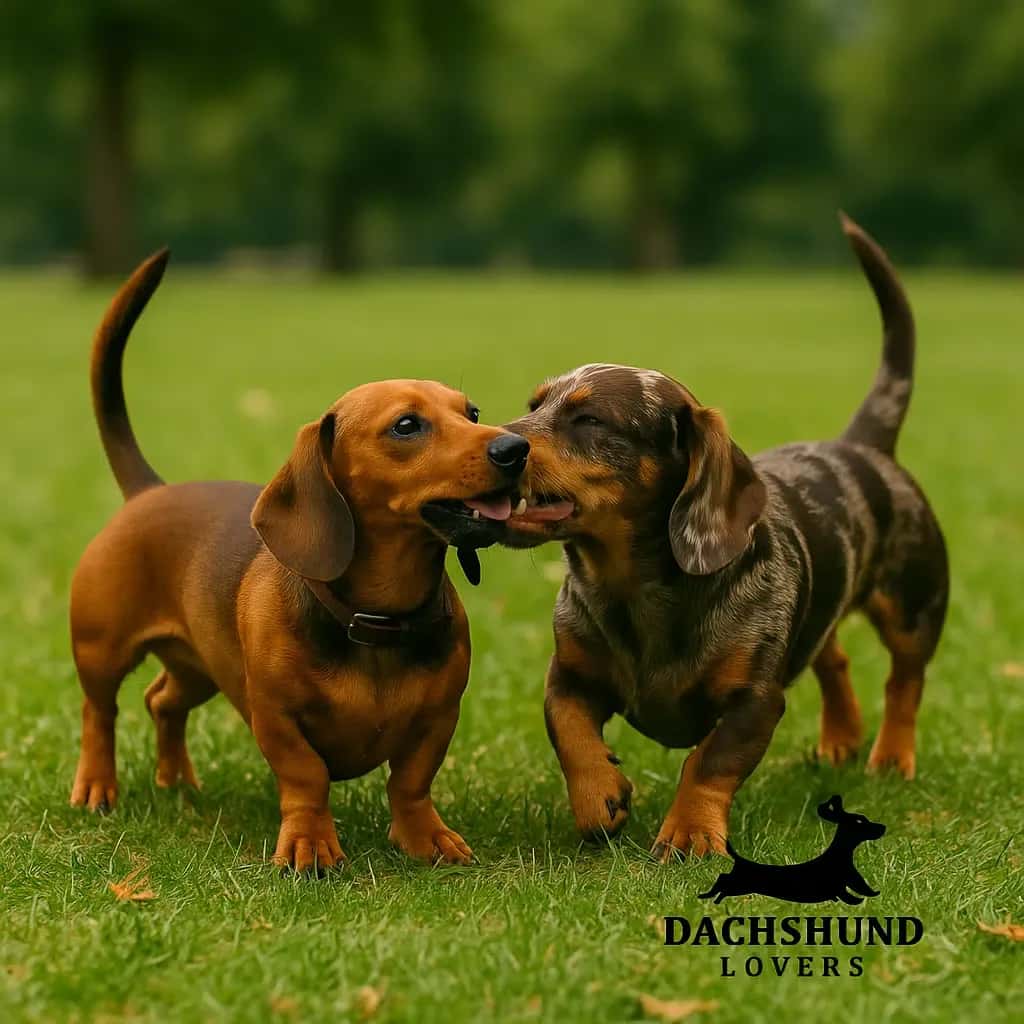
Dachshunds are problem-solvers, and not in the way you want them to be. They’re the dogs who figure out how to open the treat jar, rearrange the couch cushions to create a better nap spot, and outwit your attempts at training — all before breakfast.
According to canine intelligence expert Stanley Coren, dachshunds are considered “independent thinkers” rather than obedient workers. In his well-known book The Intelligence of Dogs, Coren notes that dachshunds rank lower in “obedience intelligence,” not because they’re slow learners but because they’re too clever to follow orders without good reason. In other words, they’re not going to “sit” just because you asked — they’ll do it if they see a treat or a personal benefit.
“Dachshunds are bright but stubborn, which means they respond best to reward-based training and plenty of patience.”
— Vetstreet Breed Profile
Everyday Mischief
If you live with a dachshund, you know their intelligence can lead to some… creative problem-solving. Harvey once figured out how to drag a dining chair across the room to climb onto the table and steal half a sandwich. (He left the crusts — because apparently, he’s above that.) And if you think baby gates will stop them? Think again. Dachshunds have been known to outthink baby gates, treat puzzles, and even locked bins.
Training Challenges
Unlike breeds that aim to please, dachshunds tend to ask, “What’s in it for me?” This is why trainers often joke that dachshunds are not hard to train — humans are just slow to learn the art of negotiation. Positive reinforcement, high-value treats, and a sense of humor are non-negotiable if you want to teach a dachshund anything.
According to The American Kennel Club:
“Because of their intelligence and independent nature, dachshunds require patient, consistent training. They’re quick to learn — but also quick to test boundaries.”
Why It’s Part of Their Charm
Yes, their smarts can be exhausting. But it’s also part of why we love them. There’s something deeply entertaining about a dog who can outwit its owner, almost like living with a four-legged comedian. Sure, they might drive you mad when they refuse to “come” because they’ve decided they’re not done sniffing, but they’ll also make you laugh more than any obedient breed ever could.
The Attitude Problem (aka Napoleonic Complex)
If dachshunds were people, they’d be that small but fearless friend who argues with security guards, refuses to back down from a challenge, and somehow walks out with everyone’s respect. Dachshunds are tiny dogs with giant personalities — they have what many owners call a Napoleonic complex. It’s not just confidence; it’s the unwavering belief that they are the largest, bravest creature in the park, no matter who’s standing next to them.
Where Does This Big Attitude Come From?
This “bossy” streak is no accident. Dachshunds were originally bred in Germany to hunt badgers, animals that are much larger and far more aggressive than most creatures a small dog would dare confront. To do this, dachshunds had to be independent, fearless, and unrelentingly stubborn — qualities they still carry today, even though their “hunting grounds” have mostly been replaced with backyards and couches.
According to the American Kennel Club:
“Dachshunds are bold and confident, traits that served them well when confronting burrowed prey. These same traits can make them charming but headstrong companions.”
Their hunting lineage explains a lot of their quirks:
- That loud, insistent barking? It’s not misbehavior — it’s centuries of instinct saying, “Something’s moving! Alert everyone!”
- Their refusal to back away from dogs 10 times their size? It’s a leftover from their days taking on animals that no small dog should reasonably consider taking on.
The Everyday Napoleonic Complex
This big attitude translates to everyday life in hilarious ways. Take Harvey, for example. He’s a 9-kilo dachshund who has absolutely no fear of our neighbor’s Labrador (a dog that could swallow his tennis ball in one bite). Every time we pass them on our morning walk, Harvey puffs out his chest and struts like he owns the entire Sutherland Shire. And if the Labrador dares to bark first? Harvey doubles down, as if to say, “Do you know who I am?”
This level of confidence is admirable but also… exhausting. Dachshunds don’t just walk into a room — they own it. And heaven forbid another dog tries to steal their spotlight.
The Flip Side of Confidence
While their boldness is charming, it can sometimes manifest as bossiness or even minor aggression. A 2019 study in Scientific Reports found that small dog breeds, including dachshunds, often show more reactive behaviors compared to larger breeds, possibly because their size makes them feel the need to overcompensate.
This doesn’t mean dachshunds are inherently aggressive — far from it. But they’re vocal and fearless, and they’ll make their opinions known whether you like it or not. It’s part of their personality, and it’s also what makes them excellent watchdogs.
How to Live with the Attitude
- Socialization is Key: Early and consistent exposure to other dogs and people helps channel that big confidence into positive behavior.
- Training with Respect: Dachshunds don’t respond well to harsh corrections; their ego won’t allow it. Positive reinforcement (and lots of treats) works far better.
- Let Them Be Proud: They thrive on being noticed. A little praise goes a long way in turning that “Napoleon” attitude into endearing confidence.
Why We Secretly Love It
The truth is, we wouldn’t want them any other way. Their confidence is part of what makes dachshunds so entertaining to live with. Every strut, bark, or cheeky glance is a reminder that they’re not just pets — they’re tiny canine celebrities who think they’re doing you a favor by living in your home.
“Dachshunds are fearless, even when they shouldn’t be. They believe they’re much bigger than they are — and their owners love them all the more for it.”
— Vetstree
They’ll Rule Your Home (and Your Sofa)
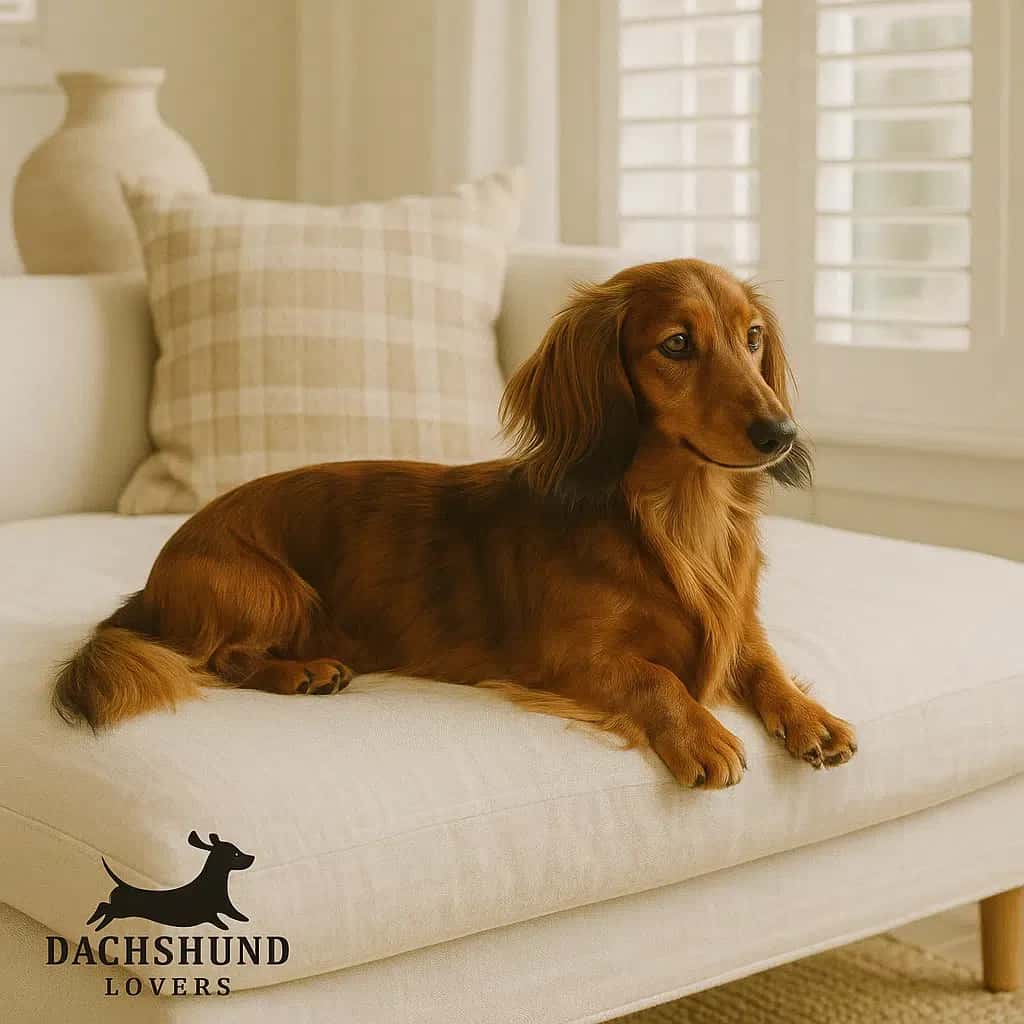
If you’ve ever lived with a dachshund, you know the truth: your home isn’t really yours anymore. It’s theirs. The sofa? Theirs. The bed? Theirs. Your favorite blanket? Absolutely theirs, and don’t even think about moving them when they’ve claimed it. Dachshunds are masters of home takeover, and they do it with such confidence and charm that you’ll actually thank them for leaving you a corner of your own bed.
The Burrowing Instinct
Dachshunds were bred to dig and burrow into tunnels, which is why they love diving under blankets, pillows, or laundry piles. This natural behavior is adorable… until you realize your once-tidy sofa now looks like a burrow-themed art installation. Harvey, for instance, can turn a neatly made bed into something resembling a war zone in less than 30 seconds — and then he’ll curl up and look at me like, “What? This is perfect.”
The American Kennel Club explains this habit:
“Dachshunds are instinctively drawn to burrow because of their hunting history. They seek warmth and comfort, often under blankets, cushions, or even in your lap.”
Furniture Is Not Negotiable
Once a dachshund has claimed a spot, good luck moving them. They’re small, but they have a stubbornness that makes you feel like you’re attempting to shift a boulder. And if you try to reclaim your space, you’ll be met with the infamous “side-eye of betrayal.”
This isn’t just anecdotal. A 2020 pet behavior study in Frontiers in Veterinary Science found that dogs with strong territorial instincts (like dachshunds) often treat beds, sofas, and even their owner’s laps as “primary resting territories” — which is a fancy way of saying, “It’s mine now.”
Why Your Home Becomes Their Kingdom
- Burrow Zones: Blankets, couch cushions, or even freshly folded laundry will be transformed into personal dens.
- The Sofa Takeover: Don’t be surprised if your dachshund claims the “best” spot — usually the center cushion with the perfect sunlight beam.
- The Bed Conundrum: At night, they’ll insist on sleeping under the covers, usually plastered against your legs, effectively trapping you in place.
You can set all the boundaries you want — buy them fancy dog beds, designate “no sofa” zones — but within days, those rules will crumble. Dachshunds operate on the principle of “what’s yours is mine.”
Why We Let Them Win
It’s impossible not to. When they curl up under a blanket with just their nose poking out, or when they give you that “Are you really going to move me?” look, your heart melts. Plus, let’s be honest: dachshunds are basically portable heaters. In winter, having one snoozing under the covers is better than any electric blanket.
“Dachshunds thrive on being close to their people — often burrowing under blankets or cuddling up on the sofa as if they own it.”
— Vetstreet
The Drama (Especially When They Don’t Get Their Way)
If dachshunds were actors, they’d win an Oscar every year for “Most Dramatic Performance.” These little dogs have a knack for turning everyday situations — like being told no, waiting for dinner, or hearing the word “bath” — into scenes worthy of Shakespearean tragedy.
Everyday Dachshund Drama
- The Nail Trim Meltdown: You’d think trimming their nails was a betrayal of the highest order. One look at those eyes, and you’d swear they were composing a sonnet about their suffering.
- The Hunger Pains: If you’re five minutes late for dinner, expect dramatic sighs, pacing, and a performance that makes it seem like they haven’t eaten in days.
- The “Abandoned” Howl: Leave them alone for 10 minutes, and you’ll hear the kind of wailing usually reserved for sad movie soundtracks.
This flair for drama isn’t just anecdotal. Dachshunds are highly expressive dogs, and according to PetMD, small breeds like dachshunds are more prone to vocalizing when they’re frustrated or seeking attention.
Their Stubborn Theater
Part of this dramatic nature stems from their stubborn streak. Dachshunds are intelligent and independent — traits that made them exceptional hunters — but these same qualities mean they’ll argue with you about things they don’t want to do. Whether it’s going out in the rain or giving up a stolen sock, they’re not afraid to throw a tantrum.
Harvey, for example, has a “flop move” he performs whenever he doesn’t want to go home from the park. He’ll throw himself onto the grass like he’s fainting in protest. People passing by think it’s adorable; I think it’s a public display of sass.
Why Their Drama Is Hilarious
Despite the frustration, you can’t help but laugh. Dachshunds know how to work their audience. That soulful look? The little huff when you say no? It’s all part of their act. As The American Kennel Club puts it:
“Dachshunds are charming and expressive dogs with a bold personality that shines through in everything they do.”
The Emotional Manipulators
These little actors are also masters of guilt-tripping. You leave them alone for too long, and when you return, you’ll get the cold shoulder — as if to say, “You left me. I hope you’re happy.” It’s like living with a tiny, furry diva who knows exactly how to make you feel guilty enough to give extra treats.
Why We Secretly Love Their “Worst” Traits
For all the chaos, stubbornness, and drama that dachshunds bring into our lives, we wouldn’t trade them for the world. The very things that make them “the worst” — the barking at imaginary intruders, the refusal to move from your favorite seat, the cleverness that borders on mischief — are the traits that make them utterly unforgettable.
Their Flaws Are Their Superpowers
- The Barking: Sure, it’s loud and sometimes unnecessary (especially when they’re “protecting” the house from a plastic bag blowing across the street), but it means you’ll always know when someone’s at the door.
- The Stubbornness: It can be infuriating when they ignore commands, but their independence is also what makes them unique, self-assured little companions.
- The Drama: Every over-the-top sigh or flop onto the floor just makes them more endearing. They’re living proof that personality doesn’t depend on size.
A Bond Unlike Any Other
A dachshund isn’t just a pet — they’re a full-fledged family member with a personality as big as any human’s. Their loyalty is unmatched, their love is fierce, and their quirks keep you laughing even on tough days. Once you’ve lived with a dachshund, no other dog will feel quite the same.
As Vetstreet puts it:
“Dachshunds have a big heart and a big attitude packed into a small body, which is why they remain one of the most beloved breeds in the world.”
Why “Worst” Means “Best”
When you think about it, every so-called “worst” trait is just a sign of how smart, determined, and emotionally connected dachshunds are. They’re the dogs who make you laugh, test your patience, and remind you every single day that life is better with a little personality.
So yes, dachshunds may be “the worst” breed if you want a quiet, obedient, low-maintenance pet. But for those of us who love their sass, stubbornness, and endless charm, they’re simply the best kind of worst.
FAQs About Why Dachshunds Are “The Worst”
More from This Series
- Continue exploring the genetics, colors, and unique traits that shape the dachshunds we love:
- Mini vs Standard Dachshund
Understand how size influences health, personality, and care needs. - Dachshund Coat Types
Compare smooth, long, and wire coats — and what to expect with each. - Dachshund Coat Colors
From red and black to the rarer shades — a visual guide with genetic insights. - Dapple vs Piebald Dachshund
Learn how to tell them apart, and why it matters for breeding and health. - Dachshund Eye Problems by Color
Discover how eye and coat color can affect your dachshund’s vision. - Tweenie Dachshund
Not quite mini, not quite standard — what it means to have a “tweenie.” - Rare Dachshund Colors
Lilac, isabella, tricolor and more — including risks behind the rare. - Dachshund Coat Change with Age
Why your pup’s color or texture may shift over time. - Wire-Haired Dachshund Temperament
A closer look at the feisty, fun, and sometimes stubborn wire-haired variety. - Dilution Alopecia Dachshund
What to know about this genetic cause of hair loss and how to manage it. - Inbred Dachshund Health Risks
A calm, factual look at what inbreeding means for health and longevity. - Color Dilution Dachshund
What happens when pigment genes are suppressed — and what to watch for. - Hidden Dapple Dachshund
When dapple genes aren’t visible — but still pose risks in breeding. - Dachshund DNA Test
What a DNA test can (and can’t) tell you — and when it’s worth doing. - Dachshund Wire Coat
Everything you need to know about wire-haired grooming, genetics, and quirks. - Isabella Color Dachshund
A closer look at this rare lilac-grey coat — and its potential health concerns. - Wild Boar Color Dachshund
One of the most unique and naturally blended coat types. - Tri Color Long-Haired Dachshund
Is tricolor real in dachshunds? And how does it show up in long coats? - Why Dachshunds Are the Worst Breed
A tongue-in-cheek but honest reflection on dachshund challenges (and why we still love them). - Dachshund Breed Mixes
Doxie + what? Explore popular crossbreeds — from Doxiepoos to Chiweenies. - Dachshund Genetics
Your friendly, vet-backed intro to dachshund DNA, inheritance, and health
Authored by
James
James is the founder of Dachshund Lovers and the proud human of Harvey, a mini dapple with a big personality. He writes to empower and connect the dachshund community, blending founder insights with honest, experience-based stories about life with this incredible and special breed. James brings candid, experience-backed opinions to the community and always focused on fewer, better products and ideas that genuinely improve life for dachshunds and their people.
Read moreJames is the founder of Dachshund Lovers and the proud human of Harvey, a mini dapple with a big personality. He writes to empower and connect the dachshund community, blending founder insights with honest, experience-based stories about life with this incredible and special breed. James brings candid, experience-backed opinions to the community and always focused on fewer, better products and ideas that genuinely improve life for dachshunds and their people.
Read moreDisclaimer
This content is for informational purposes only and should not be considered veterinary advice. Always consult with a licensed veterinarian regarding your dog’s health and wellbeing.
Relat
There are no comments yet
Leave a comment