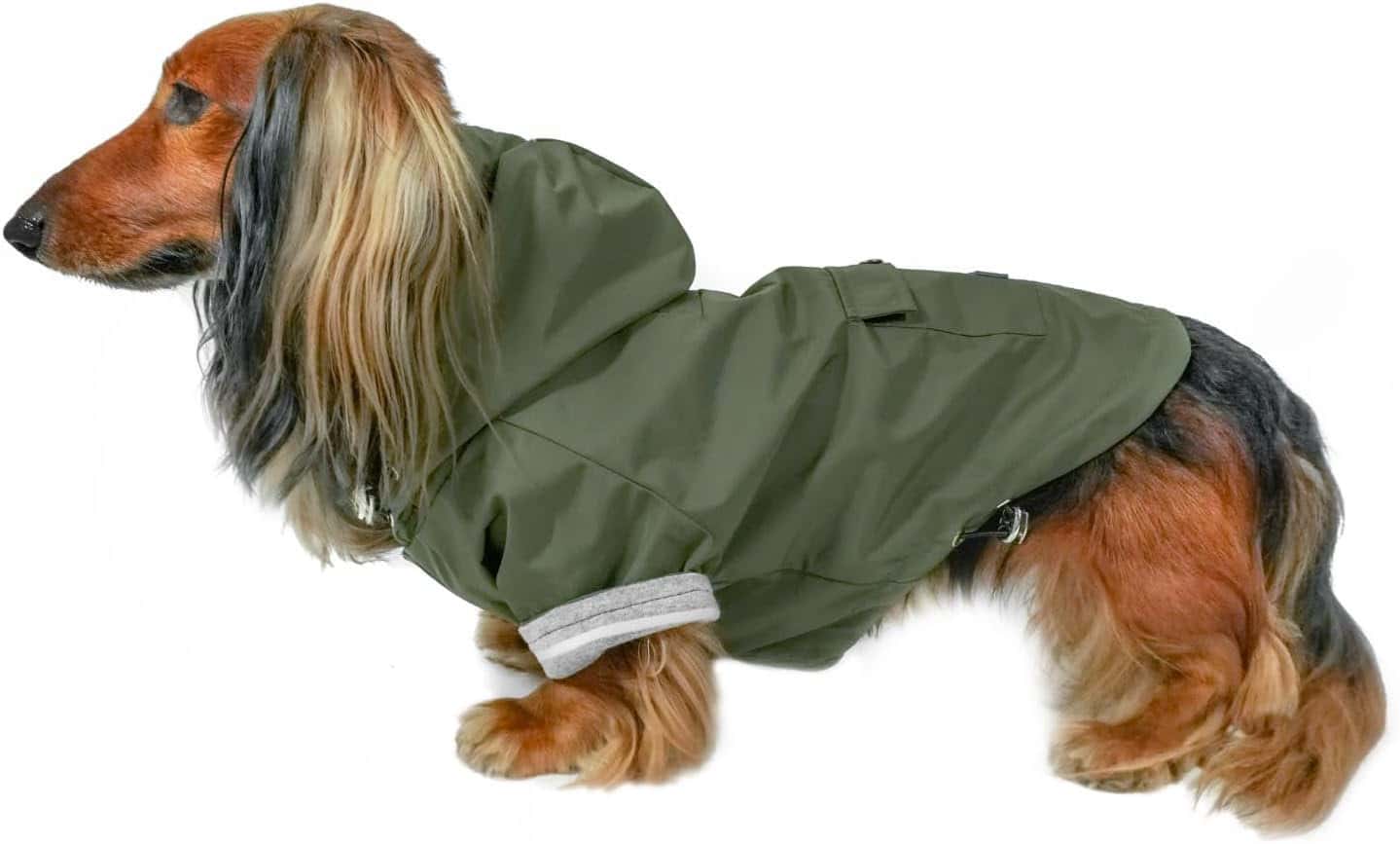
German Shepherd Dachshund Mix Puppies: Buying, Raising & Care Tips
German Shepherd Dachshund Mix Puppies: Buying, Raising & Care Tips
I didn’t believe it either until I met one. This guide breaks down everything you need to know about raising a Dachshund German Shepherd mix puppy.

James
Posted on October 15, 2025.
Updated on July 21, 2026.
Table of Contents
- 1.Key Takeaways on German Shepherd Dachshund Mix Puppies
- 2.What Are German Shepherd Dachshund Mix Puppies?
- •Unique Traits of Shepherd-Dox Puppies
- •Why This Hybrid Is Rare
- •Tips for Choosing the Right Puppy
- 3.Finding German Shepherd Mix with Dachshund Puppies (US, AUS, UK)
- •United States
- •Australia
- •United Kingdom
- •How to Spot a Responsible Breeder
- •Why Adoption Is a Great Option
- 4.Cost of Dachshund German Shepherd Mix Puppies
- 5.Raising a Shepherd-Dox Puppy (Feeding, Socialization, Training)
- •Feeding a Shepherd-Dox Puppy
- •Socialization
- •Training Basics
- •Exercise and Play
- •More From This Series:
- •Disclaimer
Share

The first time Iaid eyes on dachshund German Shepherd mix puppies, it was like seeing two breeds fused into one curious, wide-eyed bundle of energy. Picture the intelligence and alert gaze of a German Shepherd puppy, but with the shorter legs and playful nature of a dachshund. These unique hybrids — often called Shepherd-Dox puppies — are as charming as they are distinctive.
The German Shepherd mix with dachshund is a cross that combines two very different breeds:
- The German Shepherd, renowned for its loyalty, protective instinct, and exceptional trainability (AKC German Shepherd profile).
- The dachshund, a compact scent hound with a long body, fearless attitude, and playful energy (AKC Dachshund profile).
What makes the puppies so special?
Shepherd-Dox puppies inherit a fascinating blend of traits — a natural curiosity, strong intelligence, and an affectionate streak that makes them excellent family companions when raised properly. However, because they’re a hybrid, each puppy can look and behave differently, even within the same litter. Some may resemble miniature German Shepherds, while others inherit the signature dachshund shape.
This guide covers everything you need to know about dachshund German Shepherd mix puppies — from how to find reputable breeders or adoption options to feeding, training, and early socialization. We’ll also explore pricing trends in the US, Australia, and UK, and answer common questions about caring for this rare and lovable crossbreed.
Key Takeaways on German Shepherd Dachshund Mix Puppies
Topic | Summary |
|---|---|
Breed Name | German Shepherd Dachshund Mix (Shepherd-Dox). |
Puppy Size (8 Weeks) | 5–12 lbs (2.2–5.4 kg) — depends on parent size. |
Temperament | Playful, intelligent, protective, with a hint of dachshund independence. |
Exercise Needs | Short walks and structured play (10–15 minutes, 2–3 times daily). |
Training Focus | Positive reinforcement, early crate training, and socialization. |
Cost | $500–$1,200 USD (US), $700–$1,500 AUD (AUS), £500–£1,000 GBP (UK). |
Additional Tips | Usually $150–$350 USD or equivalent, often including vet care. |
Health Checks | Ensure screening for hip dysplasia (German Shepherd) and spinal issues (dachshund). |
Lifespan | 10–14 years (with proper early care and training). |
What Are German Shepherd Dachshund Mix Puppies?

German Shepherd Dachshund mix puppies (often called Shepherd-Dox puppies) are the offspring of two very different parent breeds: the intelligent and large German Shepherd and the bold, compact dachshund. This combination results in a unique hybrid that is medium-sized, highly alert, and full of energy.
Unique Traits of Shepherd-Dox Puppies
- Appearance:
No two puppies look alike. Some may resemble a small German Shepherd with upright ears and a shorter body, while others inherit the long, low-slung shape of the dachshund. Common coat colors include black, tan, sable, and chocolate, sometimes with classic Shepherd-style saddle markings. - Temperament:
Shepherd-Dox puppies are playful, affectionate, and protective. They love to explore, learn quickly, and enjoy bonding with their families. However, they may also inherit the dachshund’s independent streak, requiring patience during training. - Energy Levels:
Expect short bursts of puppy energy! Even though they are small in early months, these puppies benefit from 10–15 minutes of structured play or short walks 2–3 times a day. Over-exercising (especially climbing or jumping) should be avoided during early growth to prevent back or joint issues. - Early Socialization:
Shepherd-Dox puppies need early socialization to grow into well-mannered adults. Introduce them to different sounds, people, and other pets by 12–16 weeks to build confidence and reduce over-protective behaviors.
Why This Hybrid Is Rare
The German Shepherd mix with dachshund is not as common as other hybrids like the Labradoodle or Chiweenie. The significant size difference between the two parent breeds makes planned breeding less common, which means most Shepherd-Dox puppies are limited in availability and often found in mixed-breed rescues rather than large-scale breeders.
Tips for Choosing the Right Puppy
- Observe Temperament:
Spend time with the litter and look for puppies that are curious but not overly shy or aggressive. - Ask for Health Records:
Reputable breeders will provide health screenings for both parents (e.g., hip and elbow evaluations for the Shepherd parent and IVDD screening for the dachshund parent). - Meet the Mother:
The mother’s temperament often predicts how the puppies will behave as adults.
For more early-care advice, see our Full Grown German Shepherd Dachshund Mix Guide, which includes growth timelines and weight milestones.
Finding German Shepherd Mix with Dachshund Puppies (US, AUS, UK)
Because Shepherd-Dox puppies are not as widespread as mainstream hybrids, finding a healthy puppy requires patience and research. Below are regional tips and trusted resources to help you locate a puppy or rescue.
United States
In the US, there are a few options for finding dachshund German Shepherd mix puppies:
- Adoption Platforms:
Websites like Petfinder and Adopt-A-Pet allow you to search for German Shepherd and dachshund mixes in your area. Many mixed-breed puppies listed here are rescued from shelters. - Breeders:
Ethical breeders of this mix are rare, but you can check verified breeder networks such as Good Dog, which vets breeders for responsible practices. - Rescue Organizations:
Consider breed-specific rescues, such as German Shepherd rescues or dachshund rescue groups, which sometimes take in mixed-breed litters.
US Price Range:
$500–$1,200 USD from a breeder or $150–$350 USD through adoption.
Australia
In Australia, the Shepherd-Dox mix is even less common, but adoption networks are often the best option:
- PetRescue: Australia’s largest pet adoption platform.
- RSPCA Adopt A Pet: RSPCA Adopt a Pet frequently lists German Shepherd or dachshund mixes.
- Local Breeders: Some family breeders, particularly in rural NSW or Queensland, occasionally offer hybrid litters. Always request parent health records and references.
Australian Price Range:
$700–$1,500 AUD from small-scale breeders or $300–$500 AUD through rescue programs.
United Kingdom
In the UK, Shepherd-Dox puppies are a niche hybrid, but there are reliable platforms to explore:
- Pets4Homes: A widely used classifieds platform where you can find German Shepherd mixes. Always verify breeder credentials before purchasing.
- Blue Cross & Dogs Trust: Blue Cross and Dogs Trust regularly feature mixed-breed dogs, including Shepherd crosses.
UK Price Range:
£500–£1,000 GBP from breeders or £150–£350 GBP through adoption.
How to Spot a Responsible Breeder
- They provide health certificates for both parents.
- Puppies are raised indoors, not in large kennels.
- They encourage home visits or video calls.
- They offer a written contract and health guarantee.
Why Adoption Is a Great Option
Adoption often comes with lower costs, and many rescued puppies have already received initial vetting, vaccines, and desexing. Plus, giving a puppy a second chance at life is both rewarding and ethical.
For cost comparisons and adoption details, refer to our German Shepherd Dachshund Mix for Sale & Adoption Guide.
Cost of Dachshund German Shepherd Mix Puppies

The price of dachshund German Shepherd mix puppies varies significantly, mainly due to the rarity of this hybrid and the difference in breeding practices across regions. Unlike more common designer dogs such as Labradoodles or Goldendoodles, the Shepherd-Dox mix is still considered niche. Many breeders produce them only occasionally, often as part of small family-run operations rather than large-scale programs. As a result, prices can range widely, and prospective owners should be prepared to pay more for puppies that come from health-tested parents and ethical breeders.
In the United States, you can expect to pay between $500–$1,200 USD for a Shepherd-Dox puppy from a reputable breeder. Prices on the lower end of this range may be found in rural areas or through private sellers, but buyers should approach these listings with caution to ensure the puppies receive proper vet care. In major cities like Los Angeles or New York, demand for unique hybrid breeds can drive prices toward the upper end, particularly for puppies that have striking coat patterns or look like “miniature German Shepherds.”
In Australia, the price is often higher due to the limited availability of this crossbreed. Shepherd-Dox puppies typically range between $700–$1,500 AUD, with some breeders charging closer to $2,000 AUD if the puppies are in high demand or come from parents with exceptional health certifications. Australian families often turn to PetRescue or RSPCA adoption programs to find more affordable options, as adoption fees are generally $300–$500 AUD and include microchipping, vaccinations, and desexing.
In the UK, prices for dachshund German Shepherd mix puppies range from £500–£1,000 GBP, depending on the breeder and location. As with the US and Australia, coat color, parent pedigree, and early training efforts can increase costs. Adoption fees are significantly lower, typically between £150–£350 GBP, and many rescues, such as Blue Cross and Dogs Trust, provide a full vet check and vaccinations as part of the fee.
The overall lifetime cost of ownership for a Shepherd-Dox is also worth considering. Beyond the initial price or adoption fee, owners should budget between $1,000–$1,500 USD annually for food, pet insurance, routine veterinary visits, and grooming supplies. Over the course of a 10–14 year lifespan, total costs can easily exceed $10,000–$20,000 USD. Investing upfront in a healthy puppy or rescue dog often results in fewer long-term health issues and overall lower vet bills, which makes choosing an ethical breeder or reputable rescue organization essential.

Raising a dachshund German Shepherd mix puppy requires dedication, structure, and patience. These puppies inherit intelligence from both parent breeds but may also display the dachshund’s stubborn, independent nature. From the very first day, establishing a consistent schedule for feeding, training, and rest helps build healthy habits and sets the stage for a well-adjusted adult dog.
Feeding a Shepherd-Dox Puppy
Proper nutrition is the foundation of a healthy life for a Shepherd-Dox puppy. During the first six months, puppies experience rapid growth, so a high-quality puppy formula rich in protein and healthy fats is essential. Choosing a diet designed for medium-sized breeds is often best unless the puppy has a particularly small frame inherited from a miniature dachshund parent. Owners should avoid low-grade foods with fillers like corn or artificial preservatives, as these can lead to digestive issues or poor coat condition.
A feeding schedule of three to four small meals per day between 8–12 weeks old helps maintain stable energy levels and prevents overeating. From three to six months, this can be reduced to three meals a day, and by six months or older, most puppies transition comfortably to two meals per day. Following the portion guidelines on the dog food packaging or consulting with a veterinarian ensures your puppy maintains a healthy weight. Both German Shepherds and dachshunds are prone to obesity, so owners must resist the temptation to overfeed, even when faced with those irresistible puppy eyes.
Incorporating occasional training treats can be beneficial, but these should be counted toward the daily calorie intake. Healthy options like freeze-dried meats, carrot sticks, or small cubes of apple are good alternatives to processed snacks. For detailed guidance on puppy feeding, the AKC Puppy Feeding Guide is an excellent resource.
Socialization is crucial for all puppies, but it is especially important for Shepherd-Dox puppies due to their protective and sometimes wary nature. The goal of early socialization is to expose them to a variety of sights, sounds, and experiences so they become confident, well-rounded adults. Starting at eight weeks, puppies should meet new people, children, and other dogs in controlled and positive environments.
Gradually introducing your puppy to everyday noises — like vacuum cleaners, dishwashers, or traffic — helps prevent fear-based behaviors later. Organized puppy socialization classes can also be valuable, providing a safe space to learn basic obedience commands while interacting with other dogs. Reward-based methods, such as treats and praise, are key to building positive associations with new experiences. According to PetMD’s Puppy Socialization Guide, early exposure between 8–16 weeks is critical to preventing behavioral problems down the road.
Training Basics
The intelligence of German Shepherds combined with the tenacity of dachshunds means Shepherd-Dox puppies are quick learners but also capable of testing boundaries. Training should begin the moment you bring your puppy home. Focus on simple commands like sit, stay, and come, using short, engaging sessions of 5–10 minutes to keep their attention. Positive reinforcement — treats, toys, and verbal praise — works far better than harsh corrections, which can lead to anxiety or stubborn resistance.
Crate training is an effective way to speed up housebreaking while giving your puppy a safe space to relax. Introduce the crate slowly, with soft bedding and a treat placed inside, to create positive associations. Consistency is crucial: feed meals on a regular schedule, take your puppy out for bathroom breaks every 2–3 hours, and reward them immediately when they succeed.
Exercise and Play
While Shepherd-Dox puppies need regular activity, over-exercising should be avoided during their first year to prevent joint and back strain. A good rule of thumb is five minutes of exercise per month of age, split into several short sessions each day. For example, a three-month-old puppy should have no more than 15 minutes of structured play at a time. Activities like gentle fetch, tug-of-war, and indoor scent games are perfect for young puppies. Avoid allowing them to jump off furniture or climb stairs frequently — their dachshund-like spine is vulnerable to injury.
Interactive toys like puzzle feeders or snuffle mats not only provide mental stimulation but also slow down eating and engage their natural problem-solving instincts. For more detailed exercise guidelines, see our Full Grown German Shepherd Dachshund Mix Guide, which outlines safe activities for all stages of life.
FAQs About German Shepherd Dachshund Mix Puppies
More From This Series:
If you’re learning about German Shepherd Dachshund mix puppies, our full series of guides offers detailed advice on every stage of life, from early training to long-term care:
- German Shepherd Dachshund Mix: The Ultimate Breed Guide – A complete overview of the Shepherd-Dox hybrid, covering history, personality, and care.
- Full Grown German Shepherd Dachshund Mix: Size & Growth – A detailed look at adult size, weight charts, and healthy growth milestones.
- German Shepherd Dachshund Mix for Sale & Adoption Guide – Tips on finding a healthy puppy or rescue dog, with price comparisons across the US, Australia, and UK.
- German Shepherd Dachshund Mix Temperament & Personality – Insights into behavior, energy levels, and compatibility with families.
- German Shepherd Dachshund Mix Health & Lifespan – Covers common health concerns, lifespan expectations, and preventative care tips
Authored by
James
James is the founder of Dachshund Lovers and the proud human of Harvey, a mini dapple with a big personality. He writes to empower and connect the dachshund community, blending founder insights with honest, experience-based stories about life with this incredible and special breed. James brings candid, experience-backed opinions to the community and always focused on fewer, better products and ideas that genuinely improve life for dachshunds and their people.
Read moreJames is the founder of Dachshund Lovers and the proud human of Harvey, a mini dapple with a big personality. He writes to empower and connect the dachshund community, blending founder insights with honest, experience-based stories about life with this incredible and special breed. James brings candid, experience-backed opinions to the community and always focused on fewer, better products and ideas that genuinely improve life for dachshunds and their people.
Read moreDisclaimer
This content is for informational purposes only and should not be considered veterinary advice. Always consult with a licensed veterinarian regarding your dog’s health and wellbeing.
There are no comments yet
Leave a comment