German Shepherd Dachshund Mix: The Ultimate Breed Guide
German Shepherd Dachshund Mix: The Ultimate Breed Guide
Ever heard of a German Shepherd Dachshund mix? It's a rare combo. Part watchdog, part lapdog and full of personality. Here’s what I’ve found out.
James
Posted on October 10, 2025.
Updated on July 21, 2026.
Table of Contents
- 1.Key Takeaways on About German Shepherd Dachshund Mix
- 2.Overview
- 3.History of the German Shepherd Dachshund Mix
- •Appearance
- -Size and Build
- -Coat Type and Colors
- -Facial Features
- -Tail and Paws
- -Why Appearance Matters
- 4.Temperament & Personality
- -Family Compatibility
- -Energy Levels
- •Training & Care
- -Training Tips
- -Exercise Needs
- -Diet & Nutrition
- -Living Environment
- •James’ Note
- 5.Health & Lifespan
- -Common Health Issues
- -Lifespan
- -Tips for a Long, Healthy Life
- -Disclaimer
Share

The first time I saw a German Shepherd Dachshund mix, I had to do a double-take. It was at a weekend market in Shire Farmers Market, and there was this dog — long-bodied like a dachshund, with the sharp, intelligent face of a German Shepherd. The owner laughed and said, “Everyone asks if he’s a new breed. He’s half German Shepherd, half dachshund — we call him a Shepherd-Dox.”
This mix isn’t officially recognized by major organizations like the American Kennel Club (AKC) because it’s a hybrid rather than a purebred. However, interest in crossbreeds like the German Shepherd and dachshund mix has grown over the past decade, especially among owners who want a dog that blends the protective loyalty of a German Shepherd with the bold, playful character of a dachshund.
German Shepherds are among the world’s most intelligent and trainable dogs, frequently used in police and service work (AKC German Shepherd profile). Dachshunds, on the other hand, were bred for hunting and are known for their spirited independence and keen sense of smell (AKC Dachshund profile). When combined, these breeds produce a highly alert, medium-sized companion that thrives with consistent training and mental stimulation.
This guide will explore:
- The history and unique characteristics of the dachshund German Shepherd mix.
- What to expect in terms of size, appearance, and coat colors.
- Their temperament, family suitability, and training requirements.
- Health considerations, lifespan, and care needs, with advice supported by trusted veterinary resources like PetMD (PetMD health tips).
Whether you’re considering adopting a German Shepherd and dachshund mix or just want to understand their unique personality and care needs, this article will provide all the insights you need.
Key Takeaways on About German Shepherd Dachshund Mix
Topic | Summary |
|---|---|
Breed Name | German Shepherd Dachshund Mix (often called “Shepherd-Dox”). |
Size (Full Grown) | Typically 20–60 lbs (9–27 kg) and 12–20 inches (30–50 cm) tall. Size varies depending on parent genetics. |
Appearance | Combines German Shepherd traits (erect ears, sharp features) with the dachshund’s elongated body and short legs. |
Temperament | Intelligent, protective, loyal, and playful; can be stubborn without consistent training. |
Exercise Needs | 45–60 minutes daily, including mental stimulation and structured play. |
Coat & Grooming | Medium to double coat, moderate shedding; brush 2–3 times weekly |
Health Concerns | Risks include hip dysplasia (German Shepherd) and intervertebral disc disease (dachshund). |
Lifespan | 10–14 years, depending on genetics, size, and lifestyle. |
Cost | $500–$1,200 USD, or $300–$500 USD for adoption, varying by region. |
Best For | Active families or singles seeking a loyal, unique dog with a protective streak. |
Overview
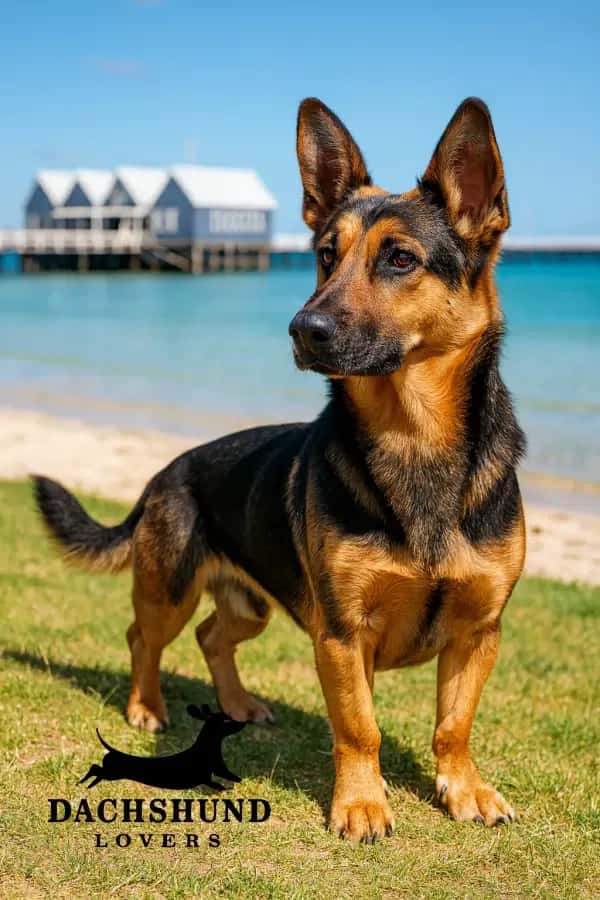
The German Shepherd Dachshund mix often called the Shepherd-Dox is a fascinating hybrid that blends two highly distinct breeds. On one side, you have the German Shepherd, a large working dog renowned for its intelligence, loyalty, and versatility. On the other, the dachshund, a small yet bold scent hound bred for hunting badgers, known for its long body and lively personality.
This crossbreed is relatively rare and doesn’t follow the standardization seen in recognized breeds. As a result, each German Shepherd Dachshund mix can look and behave quite differently, even within the same litter. Some inherit more of the German Shepherd’s traits — tall, alert, and muscular — while others may lean toward the dachshund’s compact, elongated build.
Key Highlights of the Breed:
- Unique size range: Anywhere from 20–60 lbs (9–27 kg), depending on the size of the parents.
- Temperament: Loyal, watchful, and playful — an interesting balance between a watchdog and a family companion.
- Energy level: High, requiring at least 45–60 minutes of daily exercise.
- Intelligence: Both parent breeds are known for their cleverness, making this mix responsive to training (when approached consistently and positively).
If you’re looking for a dog that stands out — both in looks and personality — the dachshund German Shepherd mix is a strong contender. However, they are not “easy” dogs; their stubbornness, protective nature, and energy levels require an owner who is patient and committed to regular training
History of the German Shepherd Dachshund Mix
The German Shepherd and dachshund mix doesn’t have a well-documented history as a hybrid breed. Like many crossbreeds, its rise in popularity is a result of modern interest in designer dogs — intentional crosses that combine desirable traits from two purebreds.
German Shepherd Origins:
The German Shepherd breed was developed in the late 19th century by Captain Max von Stephanitz in Germany, who wanted to create the perfect herding and working dog. Today, the German Shepherd is among the most popular dogs worldwide, ranked consistently in the AKC’s top five breeds (AKC German Shepherd profile). Known for its intelligence and versatility, the breed excels as a police, military, and service dog, as well as a loyal family protector.
Dachshund Origins:
The dachshund’s history dates back several hundred years in Germany, where it was bred as a badger-hunting hound. Their long body, short legs, and bold personality made them perfect for flushing out game. Today, dachshunds are beloved family pets, known for their loyalty and cheeky charm (AKC Dachshund profile).
The Hybrid Concept:
Crossing these two breeds is not common, given the size difference, but it’s not unheard of. The resulting mix often appeals to owners who want a smaller, more compact version of a German Shepherd while maintaining its alert and protective nature. Some mixes happen by accident, while others are part of intentional breeding programs focused on blending the Shepherd’s brains and loyalty with the dachshund’s unique personality.
Appearance
The appearance of a German Shepherd Dachshund mix can vary widely, even within a single litter. This is because the parents are so different in size and build. However, certain common traits are often seen in this hybrid.
Size and Build
- Weight: Most Shepherd-Dox dogs weigh between 20–60 lbs (9–27 kg).
- Height: Typically 12–20 inches (30–50 cm) at the shoulder.
- Body Shape: Many have the dachshund’s elongated torso and shorter legs, but with the German Shepherd’s muscular frame and upright posture.
Some Shepherd-Dox dogs resemble a “mini German Shepherd,” while others look like a larger, more athletic dachshund. The exact size depends largely on the size of the dachshund parent (standard or miniature).
Coat Type and Colors
- Coat Type: Most inherit a double coat from the German Shepherd side, which may be medium-length and slightly coarse.
- Colors: Common colors include black, tan, brown, sable, and cream, often with the classic German Shepherd markings (black saddle or mask).
- Shedding: Moderate shedding is common, especially during seasonal coat changes. Regular brushing (2–3 times a week) is recommended to keep their coat healthy and reduce loose fur.
Facial Features
- Ears: Ears can range from the upright, pointed ears of the German Shepherd to the floppy, rounded ears of the dachshund. Some dogs have a unique combination — semi-erect ears that “tip” at the top.
- Eyes: Expressive and almond-shaped, usually brown or hazel, with a keen and alert gaze.
- Muzzle: Most have a slightly longer muzzle than a dachshund but shorter and more compact than a purebred German Shepherd.
Tail and Paws
- Tail: Typically medium-length, slightly curved, and carried low — similar to the German Shepherd.
- Paws: Sturdy, often slightly larger than a dachshund’s, with strong nails and pads suitable for active play.
Why Appearance Matters
Knowing what to expect in terms of size and build helps with choosing the right gear (harnesses, beds, ramps) and understanding potential health risks, particularly if they inherit the dachshund’s longer spine. For growth charts and size expectations, see our Full Grown German Shepherd Dachshund Mix Guide.
Temperament & Personality
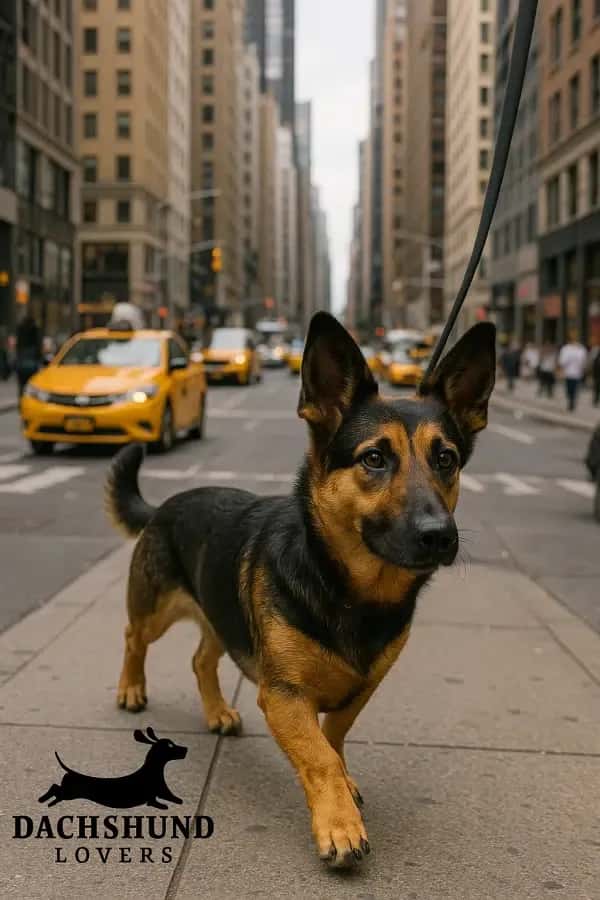
The German Shepherd Dachshund mix has one of the most intriguing personalities among hybrid breeds. Both parents bring strong, distinct traits to the table:
- The German Shepherd is famously loyal, intelligent, and protective. According to the AKC German Shepherd profile, they are natural guardians and thrive on purposeful tasks.
- The dachshund is equally bold but in a different way — it’s independent, curious, and loves to explore. As the AKC Dachshund profile notes, they’re playful yet stubborn.
When blended, the dachshund and German Shepherd mix often results in a dog that is:
- Alert and Watchful: They tend to bark when strangers approach, making them excellent watchdogs.
- Loyal and Affectionate: They bond deeply with their families and often choose one “favorite person.”
- Playful Yet Independent: They enjoy play sessions but may also have moments of dachshund-style stubbornness.
- Intelligent and Quick Learners: With proper training, they can master commands faster than many breeds, but they require consistency.
Family Compatibility
A well-trained Shepherd-Dox can be a wonderful family dog. They are typically good with children, but early socialization is critical to ensure they’re comfortable with the unpredictable behavior of kids. Their German Shepherd side makes them protective, which can sometimes lead to over-guarding tendencies if not managed with training.
- With Children: They do best with older children who understand how to respect boundaries.
- With Other Pets: They can live harmoniously with other dogs and even cats if introduced from an early age.
- Separation Anxiety: Because both parent breeds are people-oriented, this mix may struggle with being left alone for long periods.
Energy Levels
Shepherd-Dox dogs are moderately to highly energetic. Expect 45–60 minutes of exercise per day, split between walks, backyard play, and mental enrichment. They enjoy activities like:
- Fetch and tug-of-war.
- Puzzle toys or snuffle mats.
- Short hikes or nature walks (with proper leash training).
Training & Care
Training a German Shepherd Dachshund mix is both rewarding and challenging. While they’re highly intelligent, they can also inherit the dachshund’s independent streak. The key is patience, positive reinforcement, and consistency.
Training Tips
- Start Early: Begin training from 8 weeks old. Early exposure to commands like sit, stay, and leave it will set a strong foundation.
- Positive Reinforcement: Reward with treats, toys, or praise. This mix responds poorly to harsh corrections. AKC training advice emphasizes keeping sessions fun and short.
- Socialization: Introduce them to new people, sounds, and places during puppyhood. This reduces fear-based behavior and excessive guarding.
- Mental Stimulation: Engage them with puzzle feeders, scent games, and obedience drills. A bored Shepherd-Dox will find its own “projects,” which often involve digging or chewing.
Exercise Needs
The German Shepherd side thrives on physical activity, while the dachshund side requires caution with overexertion due to its long spine. A balanced routine works best:
- Daily Walks: 30–40 minutes, plus 1–2 play sessions.
- Avoid Repetitive Jumping: Use ramps instead of stairs to reduce back strain.
- Interactive Play: Use ball launchers, flirt poles, or tug ropes to channel their energy safely.
For exercise ideas suited to dachshund mixes, see our Full Grown German Shepherd Dachshund Mix Guide.
Care and Grooming
The Shepherd-Dox’s grooming needs depend on coat type, but most have a medium-length, double-layered coat.
- Brushing: 2–3 times per week to remove loose fur and prevent matting.
- Bathing: Every 6–8 weeks or as needed, using a gentle dog shampoo.
- Ears and Nails: Check ears weekly for wax build-up or infection; trim nails every 3–4 weeks.
- Teeth: Brush 2–3 times per week with a dog-safe toothpaste to prevent tartar buildup.
Diet & Nutrition
A high-quality diet is essential to maintain healthy weight and muscle tone. Adult Shepherd-Dox dogs thrive on 1.5–2 cups of dry kibble daily, divided into two meals.
- Avoid overfeeding: Both parent breeds are prone to obesity, which can strain joints and the spine.
- Supplements: Omega-3 fatty acids and joint supplements (like glucosamine) may help protect joints, especially if they lean toward the German Shepherd’s larger size.
Living Environment
The German Shepherd Dachshund mix adapts well to both apartments and houses — provided they get enough exercise.
- Apartments: Daily outdoor walks are a must.
- Houses with Yards: A fenced backyard is ideal for playtime but shouldn’t replace structured exercise.
James’ Note
Training a Shepherd-Dox requires consistency, but once you earn their trust, they are incredibly loyal. With Harvey (our dachshund), I learned that mental stimulation is just as important as exercise. A Shepherd-Dox, with its intelligence, benefits hugely from training games, scent work, and interactive toys. This is a dog that thrives when challenged, both physically and mentally.
Health & Lifespan
The German Shepherd Dachshund mix can inherit health issues from both parent breeds. While crossbreeds sometimes enjoy better overall health through hybrid vigor, this mix is prone to joint, spinal, and weight-related problems due to its unique structure.
Common Health Issues
- Intervertebral Disc Disease (IVDD):
- A common issue for dachshunds due to their elongated spine.
- Shepherd-Dox dogs with a long back are at risk of slipped or herniated discs.
- Preventative Care: Use ramps for furniture access, avoid excessive jumping, and keep them at a healthy weight (PetMD on IVDD).
- Hip Dysplasia:
- Inherited from the German Shepherd side, this condition causes improper hip joint formation.
- Regular vet checks and supplements (like glucosamine) can help maintain joint health (AKC hip dysplasia guide).
- Obesity:
- Both parent breeds love food, making weight control crucial.
- Overweight dogs have higher risks of back and joint injuries.
- Progressive Retinal Atrophy (PRA):
- A genetic eye disease found in both German Shepherds and dachshunds.
- Regular eye exams can catch early signs.
- Allergies and Skin Issues:
- Seasonal allergies or food sensitivities are common.
- Regular grooming and a balanced diet can minimize skin problems.
Lifespan
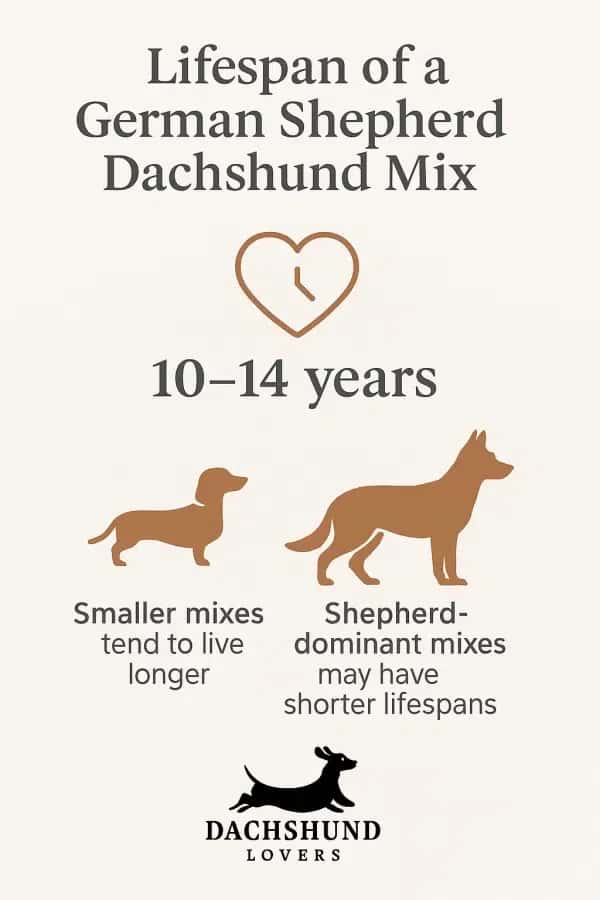
The average lifespan of a German Shepherd Dachshund mix is 10–14 years, depending on size and overall health. Smaller mixes (closer to dachshund size) often live longer, while larger, Shepherd-dominant mixes may have shorter lifespans due to joint stress.
Tips for a Long, Healthy Life
- Balanced Diet: Use high-quality kibble or fresh food tailored to their activity level.
- Routine Vet Visits: Twice-yearly checkups help catch health issues early.
- Weight Control: Monitor food intake, limit treats, and ensure regular exercise.
- Low-Impact Activities: Focus on walks and interactive play rather than high jumps or rough agility.
FAQs About the German Shepherd Dachshund Mix
Authored by
James
James is the founder of Dachshund Lovers and the proud human of Harvey, a mini dapple with a big personality. He writes to empower and connect the dachshund community, blending founder insights with honest, experience-based stories about life with this incredible and special breed. James brings candid, experience-backed opinions to the community and always focused on fewer, better products and ideas that genuinely improve life for dachshunds and their people.
Read moreJames is the founder of Dachshund Lovers and the proud human of Harvey, a mini dapple with a big personality. He writes to empower and connect the dachshund community, blending founder insights with honest, experience-based stories about life with this incredible and special breed. James brings candid, experience-backed opinions to the community and always focused on fewer, better products and ideas that genuinely improve life for dachshunds and their people.
Read moreDisclaimer
This content is for informational purposes only and should not be considered veterinary advice. Always consult with a licensed veterinarian regarding your dog’s health and wellbeing.
There are no comments yet
Leave a comment