Dapple Dachshund: The Marbled Showstopper with a Big Personality
Dapple Dachshund: The Marbled Showstopper with a Big Personality
Learn everything about dapple dachshunds—from color variants to how they compare to piebalds—in this expert guide.

Ellie
Posted on July 22, 2025.
Updated on July 21, 2026.
Table of Contents
- 1.Key Takeaways on About Dapple Dachshund
- 2.What Is a Dapple Dachshund?
- 3.How the Merle Gene Creates the Dapple Pattern
- 4.Long-Haired Dapple Dachshunds
- 5.Blue, Brown & Other Color Variants
- 6.Mini Dapple Dachshund (Full Grown)
- 7.Dapple vs Piebald Dachshunds
- 8.Grooming and Care Tips
- 9.Health Risks and Responsible Breeding
- 10.Where to Find One
- •More From This Series:
Share

It was a crisp Saturday morning at Tramsheds in Glebe—the kind of place where you see dogs in prams and oat lattes on every table—when I met a dapple dachshund named Finn. He had a coat like fog rolling over a hill: swirls of soft silver and charcoal with one striking blue eye. Maple gave him a sideways glance, and I stood there utterly transfixed. I’d never seen a dachshund quite like him.
Dapples have that effect. Their coats turn heads, but it’s what’s under the speckled surface—personality, health, and care needs—that every potential owner should know before falling head over paws.
In this guide, we’ll explore the dapple dachshund in detail—especially how they compare to other patterns like piebald, what to expect when raising a mini dapple dachshund full grown, and why ethical breeding is non-negotiable with this unique coat.
Key Takeaways on About Dapple Dachshund
Topic | Summary |
|---|---|
What Is a Dapple Dachshund? | A dachshund with a merle gene that creates marbled or speckled coat patterns. Often has unique eye color or nose pigment. |
Coat Types | Dapples can be smooth, long-haired, or wire-haired. Coat affects grooming needs and pattern appearance. |
Mini Dapple Dachshunds | Same personality, just in a smaller package. Full-grown minis weigh under 11 lbs and are popular in city homes. |
Dapple vs Piebald | Dapple = merle pattern; piebald = white base with solid patches. Genetics and appearance are very different. |
Health Considerations | Double dapples (two dapple parents) have higher risks for deafness and eye defects. Always choose ethical breeders. |
What Is a Dapple Dachshund?
A dapple dachshund carries the merle gene, which creates a coat full of contrast—light and dark patches swirling together in unpredictable, almost painterly ways. The result is a dachshund that looks like no other.
You’ll often notice:
- Swirls of silver, grey, black, chocolate, or tan
- Irregular marbling, especially along the back, shoulders, and ears
- One or two blue (or partially blue) eyes—a striking result of the gene’s influence
Every dapple coat is entirely unique. Some are heavily patterned; others have just a soft dusting of lighter color on one side. The pattern may also change slightly as the puppy matures.
Learn about early development in our dapple dachshund puppies guide.
Learn more about the dapple gene and its effects in our Dapple Dachshund article.
How the Merle Gene Creates the Dapple Pattern
The signature dapple coat comes from a dominant merle gene (M) that disrupts the even distribution of pigment in a dachshund’s coat, eyes, and sometimes even nose.
Here’s what to know:
- Only one parent needs to carry the merle gene to pass on the dapple pattern.
- Two dapple parents can create a double dapple, which significantly increases the risk of serious health issues—especially congenital deafness and blindness.
- The gene can also cause blue or partially blue eyes and pink mottling on the nose or paw pads.
Ethical breeders never pair two dapples. It’s one of the first questions you should ask when looking for a puppy: “Do both parents carry the merle gene?” If the answer is yes—walk away.
The merle gene isn’t just about looks. It carries weight, responsibility, and ethical implications in breeding decisions.
Long-Haired Dapple Dachshunds
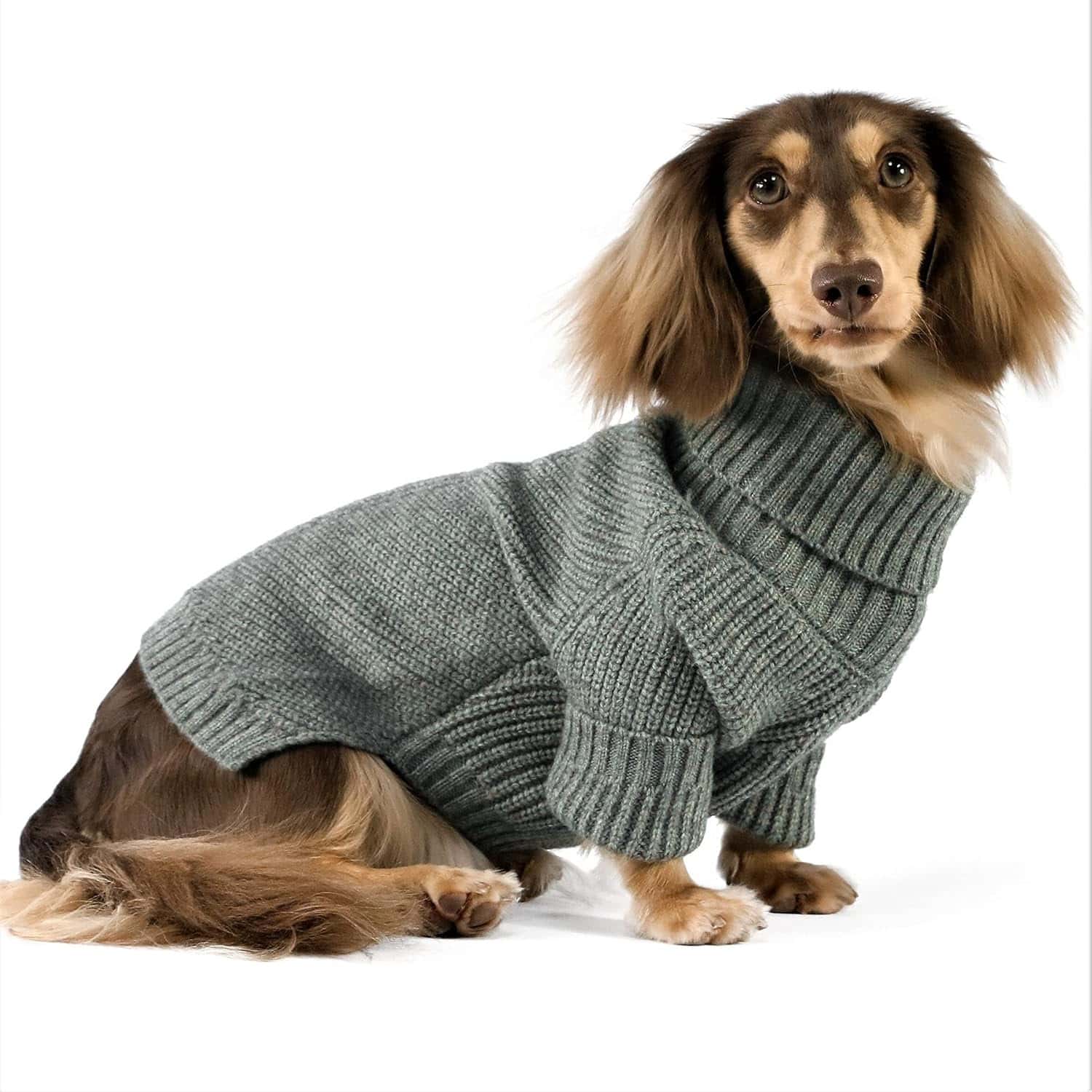
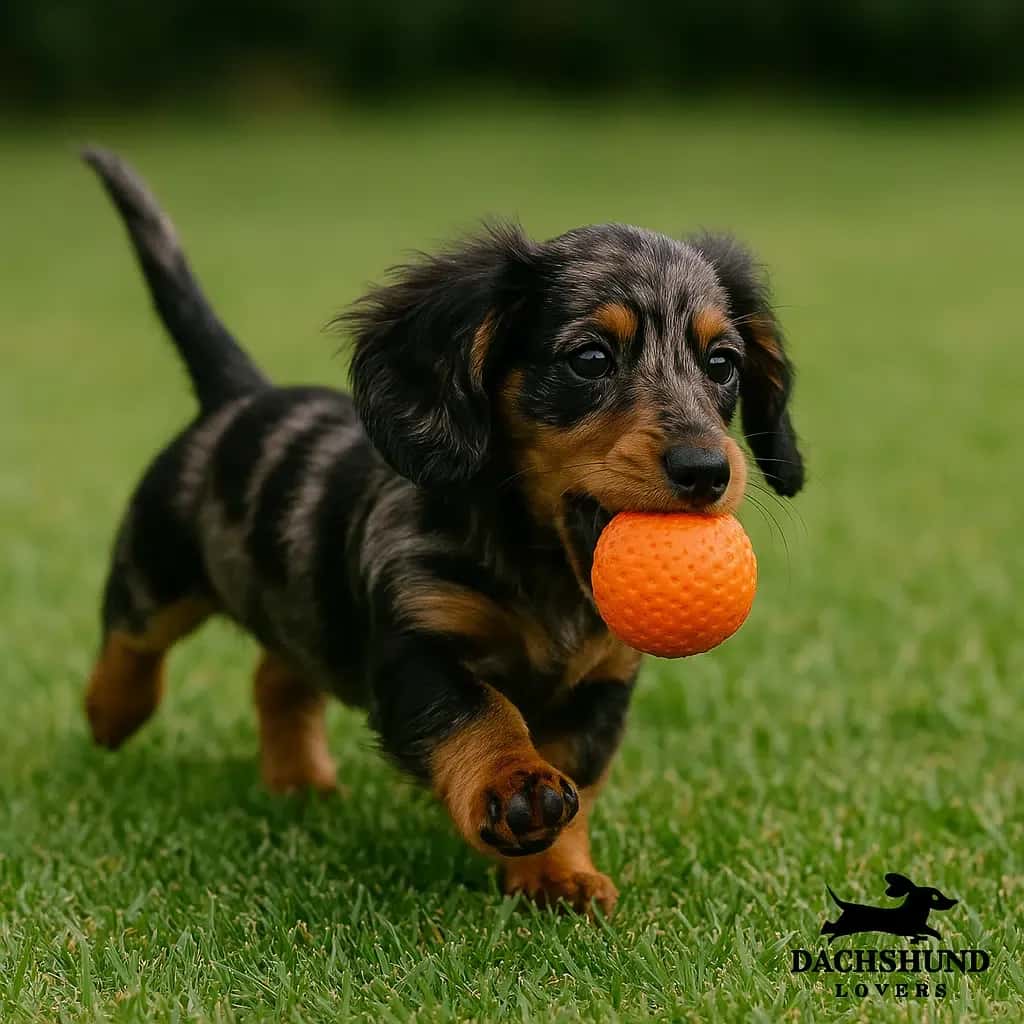
Long-haired dapple dachshunds look like they’ve been painted with a watercolor brush. The dapple pattern softens across their silky coat, creating a gentle blend of light and dark swirls—especially along their ears, tail, and back.
You’ll often see:
- Feathering around the chest, legs, and tail
- Subtle gradients of silver, chocolate, cream, or black
- A slightly more elegant, relaxed look compared to smooth coats
Temperament-wise, long-haired dachshunds tend to be a little calmer. While every doxie has its own personality, many long-haired owners describe them as a touch more easygoing and affectionate. Still stubborn, still sassy—just with a slower blink and softer bark.
Learn more in our long-haired dapple dachshund guide.
Blue, Brown & Other Color Variants
Dapple dachshunds come in a spectrum of unique and beautiful color combinations. Each variant not only affects their appearance but may also influence their grooming needs and sun sensitivity.
Here are some of the most common dapple color types:
- Blue Dapple: A cool-toned mix of silver, grey, and black. Their lighter pigmentation can make them more prone to sunburn, so they may benefit from extra sun protection (like shade time or dog-safe sunscreen).
- Brown Dapple: Sometimes called chocolate dapple, these dogs have a warm, milk-chocolate base with lighter cream or tan patches. The contrast is gentler than black-based dapples and often gives a velvety look.
- Black and Tan Dapple: A dramatic and high-contrast coat with inky black patches softened by silver or gray marbling. This is one of the most visually striking dapple combinations.
- Red Dapple: These coats feature a rusty red base with pale or light red mottling. Red dapples may fade more noticeably with age, especially with sun exposure.
Each of these color combinations is genetically linked to the merle gene—but the base coat color and intensity of the dapple pattern vary widely from dog to dog.
Explore more:
Mini Dapple Dachshund (Full Grown)
A fully grown miniature dapple dachshund typically weighs under 11 pounds and stands no taller than 5 to 6 inches at the shoulder. But don’t be fooled by their size—these little dogs pack a big personality.
Mini dapples are:
- Watchful and alert: Their compact size doesn’t dull their protective instincts. Many owners say their mini is more of a guard dog than a greeter.
- Bursting with energy: They often have higher energy levels than standard dachshunds, which makes daily walks and mentally enriching toys essential.
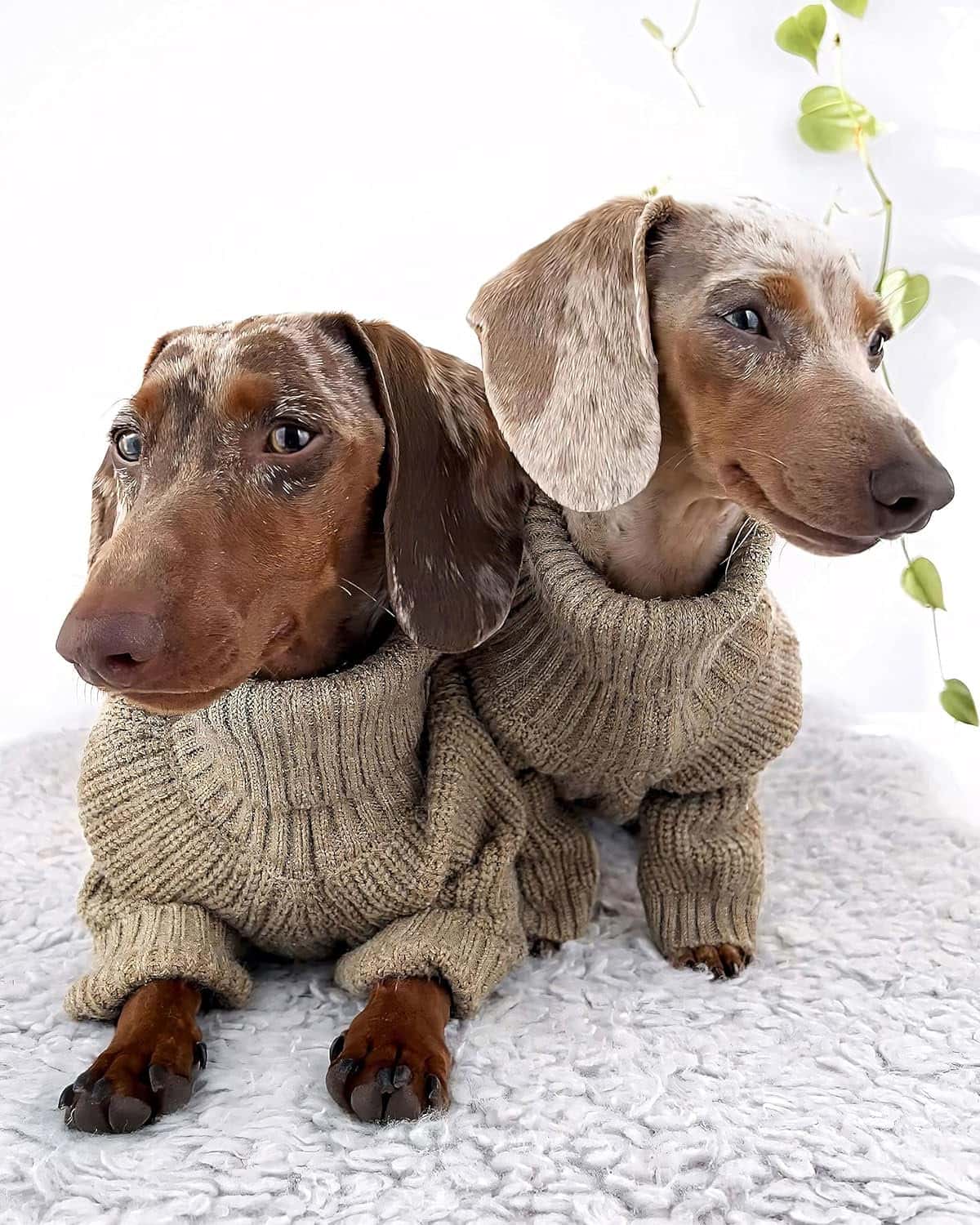
- Cold-sensitive: Their smaller bodies and fine coats can leave them shivering in cooler weather. Many mini owners find themselves reaching for soft jumpers or cozy blankets, especially in winter.
Despite their dainty stature, mini dapples need the same amount of love, boundaries, and routine as their larger cousins
Dapple vs Piebald Dachshunds
This is one of the most common coat pattern mix-ups I’ve come across—and it’s easy to see why. Both are striking, both are spotted in their own way, and both are genetically unique.
Trait | Dapple | Piebald |
|---|---|---|
Gene | Merle (dominant) | “sp” or piebald gene (recessive) |
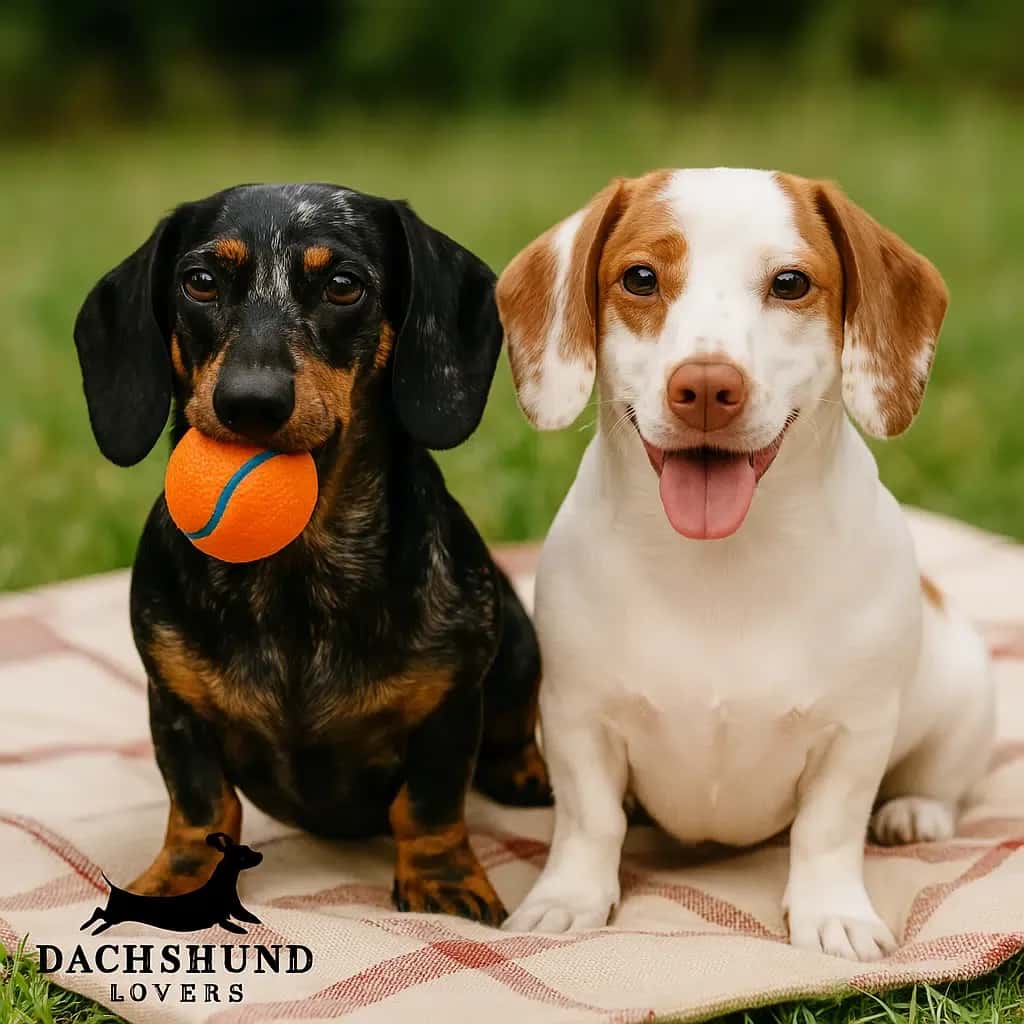
Pattern | Marbled or swirled patches | White base coat with solid color spots |
Eye Color | May have blue or partially blue | Usually dark brown |
Health Risks | Double dapples may have issues | Extreme piebalds can risk deafness |
With dapples, the coat looks as if an artist swirled a brush through melted chocolate or silver. With piebalds, it’s more like bold, clean patches on a white canvas.
One key visual tip: if the dog has a lot of white and no merle marbling, you’re likely looking at a piebald, not a dapple.
For more, explore our dapple piebald comparison or dive into piebald dachshunds.
Grooming and Care Tips
Dapple dachshunds may come in different coat types, but each one benefits from a bit of routine and a gentle touch. Here’s how to keep them looking and feeling their best:
By coat type:
- Smooth Coat: A quick brush weekly (a rubber curry brush works well) and occasional wipes after walks keep things tidy.
- Long-Haired: Daily brushing is ideal, especially around the ears, legs, and tail where tangles love to hide. A slicker brush or comb works best.
- Wire-Haired: These little scruffballs need hand-stripping or professional grooming every few months to keep their wiry coat in shape.
Other essentials:
- Use a dog-safe sunscreen on pale or thin areas—especially for dapples with light-colored fur who love sunbaking.
- Check ears and eyes weekly. Their long ears can trap dirt and moisture.
- Keep white or pale patches clean, especially if your doxie enjoys digging or grassy walks. Dirt tends to show more.
Grooming isn’t just about looks—it’s bonding time. A few calm minutes each day with a brush or wipe builds trust and keeps your dachshund comfortable, especially as they age.
Health Risks and Responsible Breeding
Dapple dachshunds are generally healthy, but the real concern lies in irresponsible breeding—specifically, pairing two dapple parents. This can result in what’s known as a double dapple, which carries serious risks.
Potential health issues in double dapples include:
- Congenital deafness
- Blindness or microphthalmia (abnormally small eyes)
- Missing or malformed eyes
These outcomes aren’t just rare—they’re avoidable.
Responsible breeders will always:
- DNA test both parents
- Avoid mating two dapples together
- Provide BAER hearing tests (especially for pups with a lot of white)
- Be transparent with lineage, health checks, and vet records
It’s worth asking tough questions and walking away if a breeder won’t provide answers. The right start in life makes all the difference.
More on this in our double dapple dachshund article
Where to Find One
Finding a dapple dachshund, especially from an ethical source, takes patience—but it’s worth every moment.
Start with trusted places:
- Dachshund breed clubs: Many have breeder directories and rescue partnerships.
- Reputable breeders: Look for those who share:
- DNA test results
- Health history of parents
- Weekly pup development updates (photos, weights, milestones)
- DNA test results
Avoid:
- Sellers advertising “rare colors” without medical records
- Breeders unwilling to show parent dogs
- Online-only operations with no in-person visits or waitlists
A good breeder will have more questions for you than you have for them. They’re not just selling a puppy—they’re placing it.
FAQs
More From This Series:
- Dapple Dachshund Puppies
- Long-Haired Dapple Dachshund
- Blue Dapple Dachshund
- Brown Dapple Dachshund
- Double Dapple Dachshund
Authored by
Ellie
Ellie is a lifelong dachshund lover and the proud human of Maple, a long-haired brown doxie with a regal side-eye. While not a vet, Ellie brings honest, researched, and experience-based insights into every article she writes for the Dachshund Lovers community.
Read moreEllie is a lifelong dachshund lover and the proud human of Maple, a long-haired brown doxie with a regal side-eye. While not a vet, Ellie brings honest, researched, and experience-based insights into every article she writes for the Dachshund Lovers community.
Read moreThere are no comments yet
Leave a comment