Brown Dapple Dachshund: The Sweetest Swirl in the Breed
Brown Dapple Dachshund: The Sweetest Swirl in the Breed
Discover the unique traits, grooming needs, and ethical considerations of brown dapple dachshunds.

Ellie
Posted on July 28, 2025.
Updated on July 21, 2026.
Table of Contents
- 1.Key Takeaways on Brown Dapple Dachshund
- 2.What Is a Brown Dapple Dachshund?
- 3.The Genetics Behind Their Color
- 4.Brown Dapple Mini Dachshund
- 5.Coat Types and Grooming Needs
- 6.Personality & Temperament
- 7.Training and Socialization
- 8.Health Considerations
- 9.Ethical Breeding: Avoiding Double Dapples
- 10.How to Choose a Breeder
- •More From This Series:
- •Disclaimer
Share

I met my first brown dapple dachshund at Harry’s Bondi, a café that’s as much about coffee as it is about community. Maple and I were there on a late summer morning—me with my oat flat white, her with the hopes of a croissant crumb. That’s when a couple walked in with a pup whose coat looked like swirled cocoa. His name was Bruno. He was a miniature long-haired brown dapple, lounging under the table like he’d done brunch in Bondi his whole life.
He was polite, fluffy, and entirely magnetic. That moment is what prompted this guide. Brown dapple dachshunds are equal parts unique and adorable—and they deserve thoughtful attention from potential owners. Here’s everything I’ve learned from research, conversations, and real-life experience.
Key Takeaways on Brown Dapple Dachshund
Topic | Summary |
|---|---|
What Is a Brown Dapple Dachshund? | A dachshund with a chocolate base coat marbled by lighter dappling caused by the merle gene. |
Size Varieties | Found in both standard and miniature forms; the brown dapple mini dachshund is especially popular. |
Temperament | Loyal, spirited, and playful with a stubborn streak—classic dachshund. |
Coat Types | Can be smooth, long-haired, or wire-haired—each requiring different grooming. |
Risks to Know | Avoid double dapples; they can lead to health issues. Ethical breeding matters. |
What Is a Brown Dapple Dachshund?
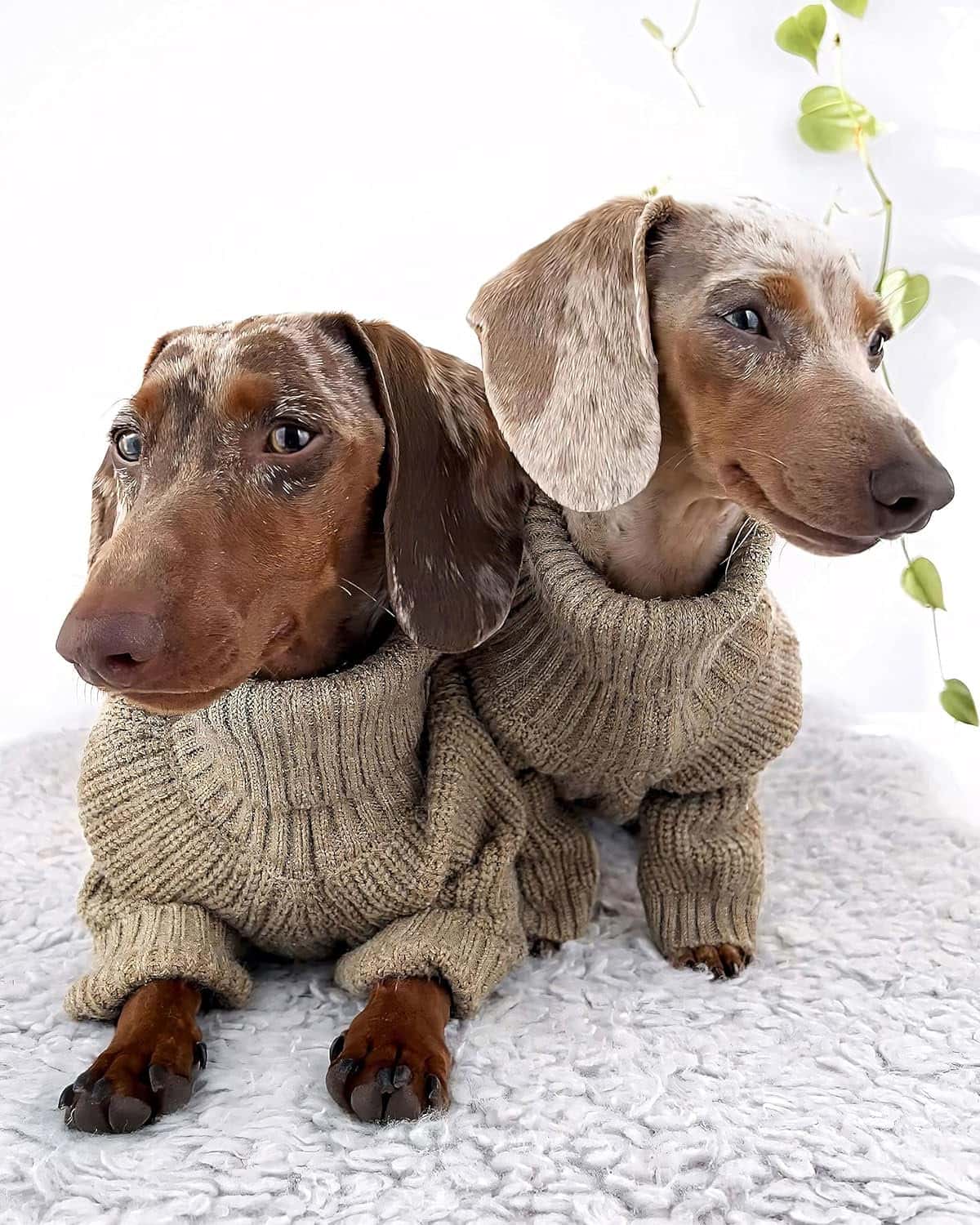
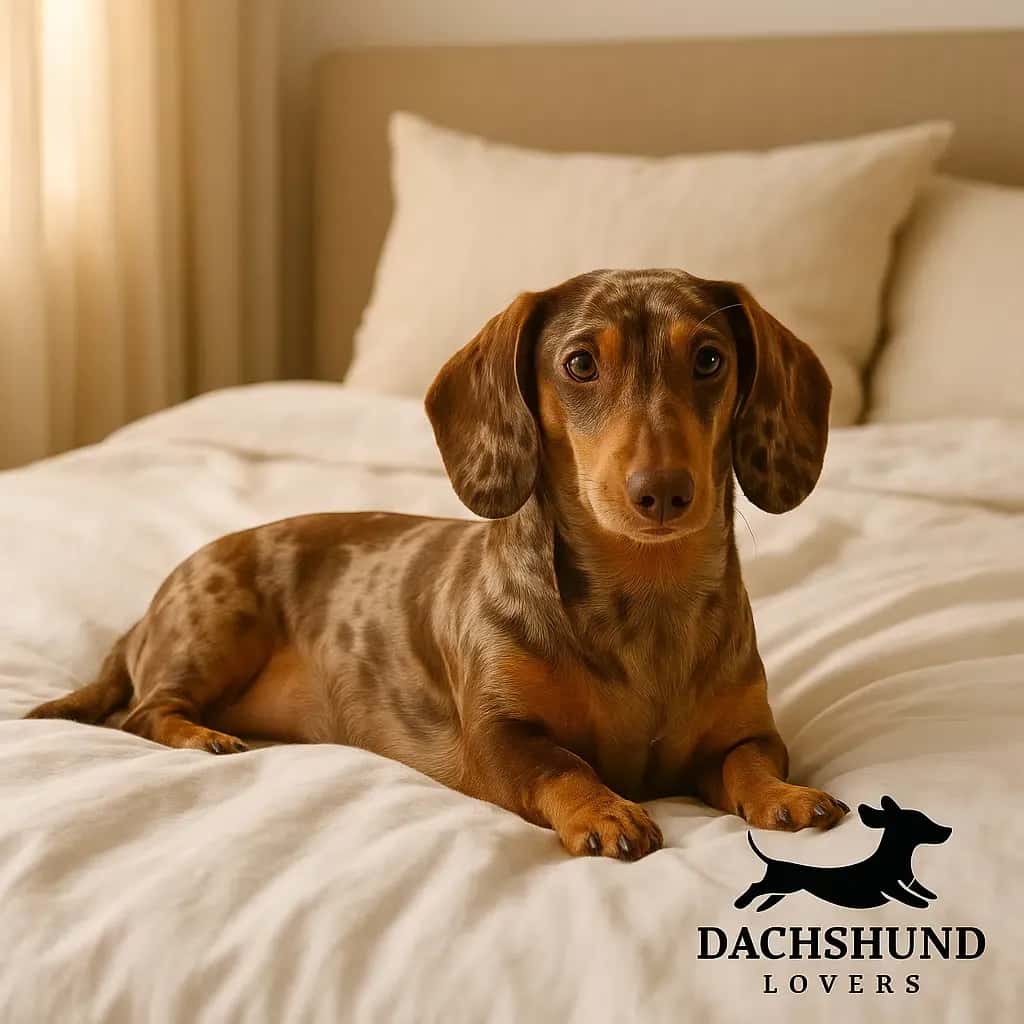
A brown dapple dachshund is a dachshund with a chocolate base coat overlaid with a lighter merle (dapple) pattern. The dappling appears as light tan, cream, or beige patches that create a swirled, almost painted look.
The pattern is caused by the merle gene, which affects coat pigmentation. Each dapple dachshund is genetically unique—even within the same litter.
The look can range from bold contrasts to soft, watercolor-like markings, particularly striking on long-haired coats where the swirls blend into feathered fur. No two brown dapples are exactly alike, which is part of their lasting appeal.
Learn more about the dapple gene and its effects in our Dapple Dachshund article.
The Genetics Behind Their Color
The dapple gene modifies the base color of a dachshund’s coat. In brown dapple dachshunds, the base is chocolate (also called liver), and the gene causes random dilution in patches—resulting in those soft beige or cream swirls that give them their marbled appearance.
A dachshund only needs one copy of the dapple (merle) gene to show this pattern. However, if both parents pass on the gene (creating a double dapple), the risks increase dramatically. Puppies from double dapple pairings can be born with serious health issues, including hearing loss and vision defects.
Reputable breeders avoid this by ensuring that only one parent carries the dapple gene. It’s a subtle but crucial distinction when choosing a healthy pup.
For an in-depth guide, see Double Dapple Dachshund.
Brown Dapple Mini Dachshund
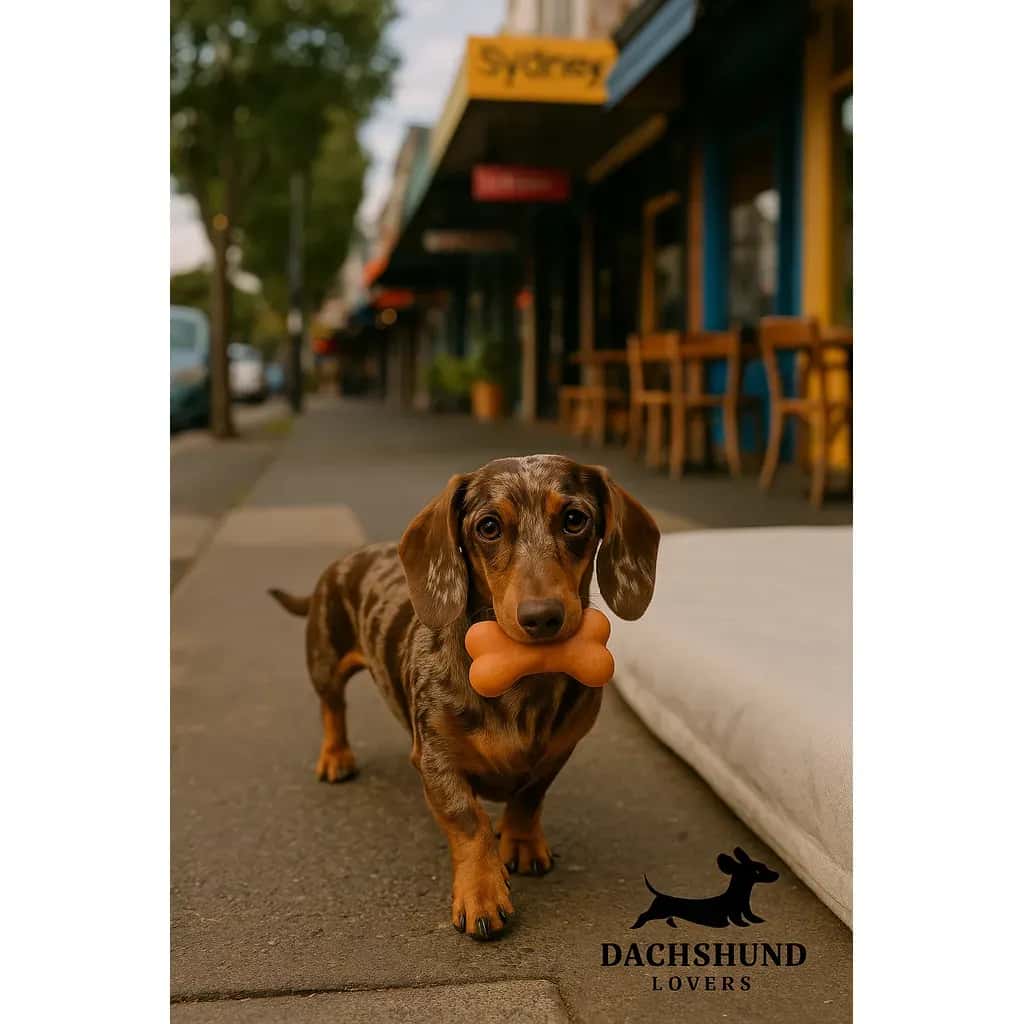
The brown dapple mini dachshund weighs under 11 pounds and stands about 5–6 inches tall at the shoulder. Despite their tiny size, they’re packed with personality, often described as both confident and a little bit cheeky.
Miniatures tend to have a slightly higher energy level than their standard counterparts. They’re lively, alert, and often form intense bonds with their favorite human. This makes them perfect for urban living, as long as their curiosity and energy are given an outlet.
Ellie’s Tip: Mini dachshunds are especially popular in apartments and city homes. I see more of them around Darlinghurst and Surry Hills than anywhere else in Sydney. But don’t let the small frame fool you—they’re not just lap warmers. Minis thrive on interaction, enrichment, and a bit of mischief.
Traits of the mini variety:
- Easier to travel with (they’ll fit in most pet carriers)
- Slightly more energetic than standards
- Often more vocal or alert, especially with new sounds or visitors
Coat Types and Grooming Needs
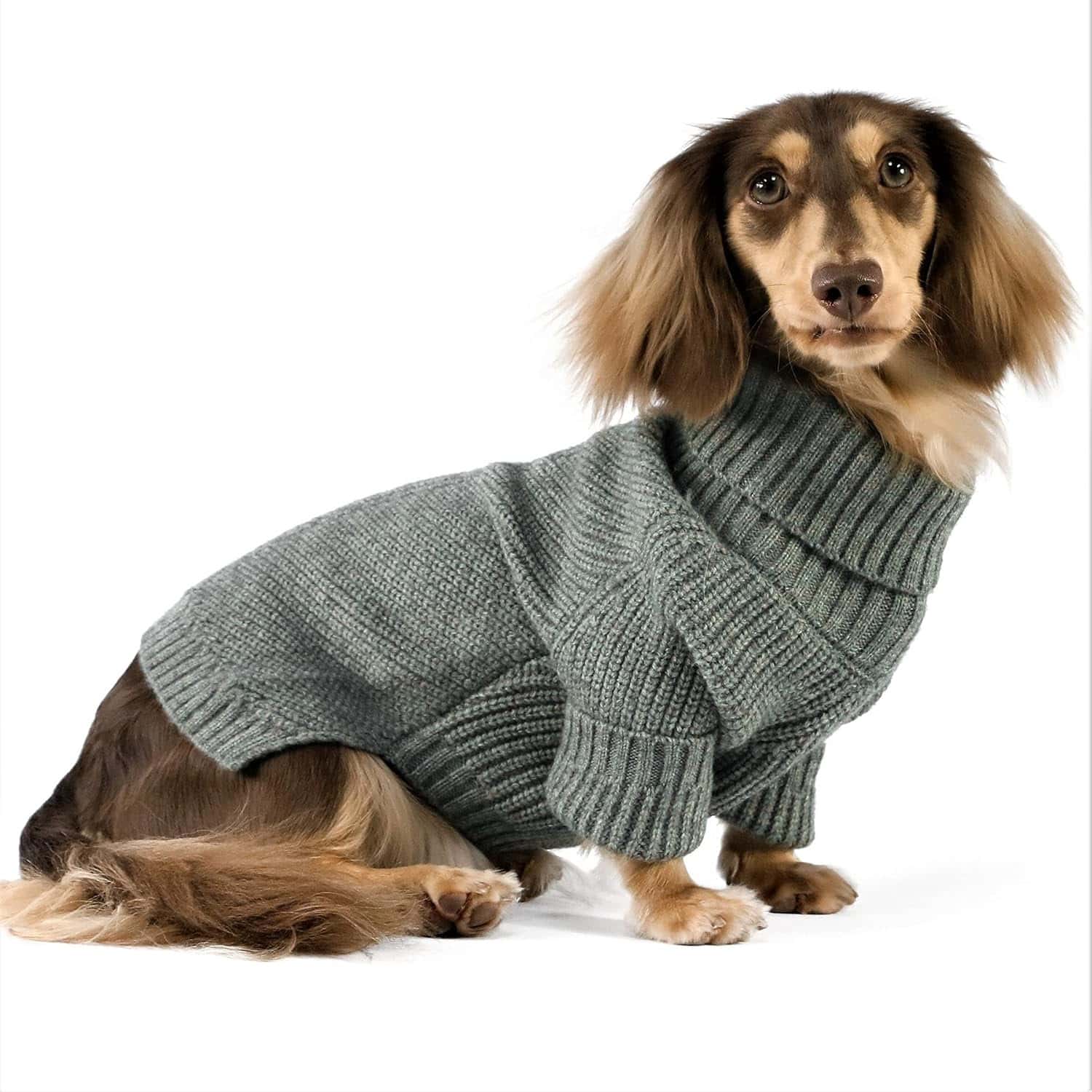
Brown dapple dachshunds come in all three classic coat types: smooth, long-haired, and wire-haired. Each has its own texture, charm, and maintenance routine, but they all share that unmistakable swirled dapple pattern that looks like it was brushed on by hand.
Coat Type | Grooming Needs |
|---|---|
Smooth | Weekly brushing with a soft bristle brush |
Long-haired | Daily brushing—especially behind the ears and legs |
Wire-haired | Hand-stripping or regular trimming every few months |
No matter the coat, all brown dapple dachshunds benefit from a basic care routine:
- Regular nail trims to prevent discomfort or posture issues
- Weekly ear checks and cleaning, especially in floppy-eared varieties
- Dental care like brushing or dental chews—yes, even puppies
Curious about coat care? Visit Long-Haired Dapple Dachshund.
Personality & Temperament
Like all dachshunds, brown dapples have a spirited personality wrapped in a small, elongated frame. They’re known for being loyal to their humans—sometimes choosing a “favorite person” and following them from room to room like a shadow.
These dogs are:
- Playful — They love toys, especially ones that squeak or dispense treats.
- Clever but stubborn — Training takes consistency and a bit of creativity.
- Alert — Their watchdog instinct is strong. You’ll likely get a heads-up if the mail arrives.
- Comfort seekers — Whether it’s curling under the covers or sunbathing by a window, they know how to relax.
Dachshunds thrive on routine, affection, and boundaries. They can be vocal, especially if under-stimulated, so it helps to keep them mentally and physically engaged.
If you work from home or enjoy quiet companionship with the occasional burst of zoomies, a brown dapple dachshund might just be your ideal match.
Dachshunds are smart—but they like to do things their own way. That means training a brown dapple dachshund is less about domination and more about gentle negotiation.
Start early with:
- Crate training — Helps with housetraining and gives them a safe retreat.
- Positive socialization — Introduce them to a mix of people, dogs, sounds, and situations.
- Short, fun training sessions — Dachshunds have short attention spans. Keep things light and reward-based.
Harsh corrections tend to backfire with this breed. Instead, use praise, treats, and patience to reinforce good behavior. If your dapple pup hesitates, it’s not defiance—it’s calculation. They’re deciding if it’s worth their time.
Ellie’s Tip: Maple’s best trick is “Find it”—she’ll sniff out a single kibble hidden behind a cushion. Dapple dachshunds are scent-driven, so scent-based games and puzzles work wonders for training and bonding.
Health Considerations
Most brown dapple dachshunds live happy, healthy lives. But like all dachshunds, they’re predisposed to a few specific health concerns—some more serious than others.
Condition | Notes |
|---|---|
IVDD (Intervertebral Disc Disease) | Most common in dachshunds. Avoid stairs, jumping, and excess weight. |
Obesity | Can worsen back issues and limit mobility. Watch portions and stick to daily walks. |
Deafness / Vision Issues | Typically only a concern in double dapples (when both parents carry the gene). |
Skin Sensitivities | Occasionally seen in lighter coat areas. Keep an eye on any irritation. |
The takeaway? Be proactive, not panicked. A well-cared-for dapple can live a long, content life.
- Keep their weight in check
- Use ramps and soft bedding
- Prioritize vet checkups and dental care
Consider pet insurance—especially if your pup is especially adventurous (or stubborn)
Ethical Breeding: Avoiding Double Dapples
The dapple gene is visually stunning, but it comes with responsibility. When two dapple dachshunds are bred together, there’s a 1 in 4 chance the puppy will inherit two copies of the gene—resulting in a double dapple.
While double dapples can have striking coats (with large white patches or even blue eyes), the risks are steep:
- Partial or full deafness
- Blindness or eye malformations
- Higher chance of internal congenital defects
This isn’t just theoretical. These health problems are widely documented, which is why responsible breeders never pair two dapples.
If you see phrases like:
- “Rare white dapple”
- “Unicorn coloring”
- “Double merle special edition”
… it’s a red flag. No reputable breeder would use these terms.
Dapple Dachshund Puppies for a deeper look at meeting litters ethically.
How to Choose a Breeder
Finding a brown dapple dachshund should feel like an exciting, respectful process—not a rushed transaction. Here are the key questions to ask when speaking with a breeder:
- Can I meet the parents?
Ideally, only one should carry the dapple gene. This helps ensure the puppies aren’t double dapples. - What genetic testing is done?
Look for DNA screening for IVDD, PRA (eye issues), and confirmation of merle status. - Are health certificates available?
You should receive up-to-date vet records and vaccination proof. - Is this a registered breeder?
Ethical breeders are often affiliated with kennel clubs or dachshund breed associations.
Avoid breeders who:
- Use vague or gimmicky terms like “exotic dapple” or “designer dachshund”
- Refuse to show you where the puppies are raised
- Have multiple litters available at once (a sign of overbreeding)
- Price puppies higher based solely on coat color without health documentation
Also consider adoption—dapple dachshunds occasionally appear in breed-specific rescues across Australia and the U.S. They may be older, but just as loving.
FAQs
More From This Series:
- Dapple Dachshund
- Dapple Dachshund Puppies
- Long-Haired Dapple Dachshund
- Blue Dapple Dachshund
- Double Dapple Dachshund
Authored by
Ellie
Ellie is a lifelong dachshund lover and the proud human of Maple, a long-haired brown doxie with a regal side-eye. While not a vet, Ellie brings honest, researched, and experience-based insights into every article she writes for the Dachshund Lovers community.
Read moreEllie is a lifelong dachshund lover and the proud human of Maple, a long-haired brown doxie with a regal side-eye. While not a vet, Ellie brings honest, researched, and experience-based insights into every article she writes for the Dachshund Lovers community.
Read moreDisclaimer
This article is for informational purposes only. It does not replace veterinary or breeder advice. Always consult professionals when making health or purchasing decisions for your pet.
There are no comments yet
Leave a comment