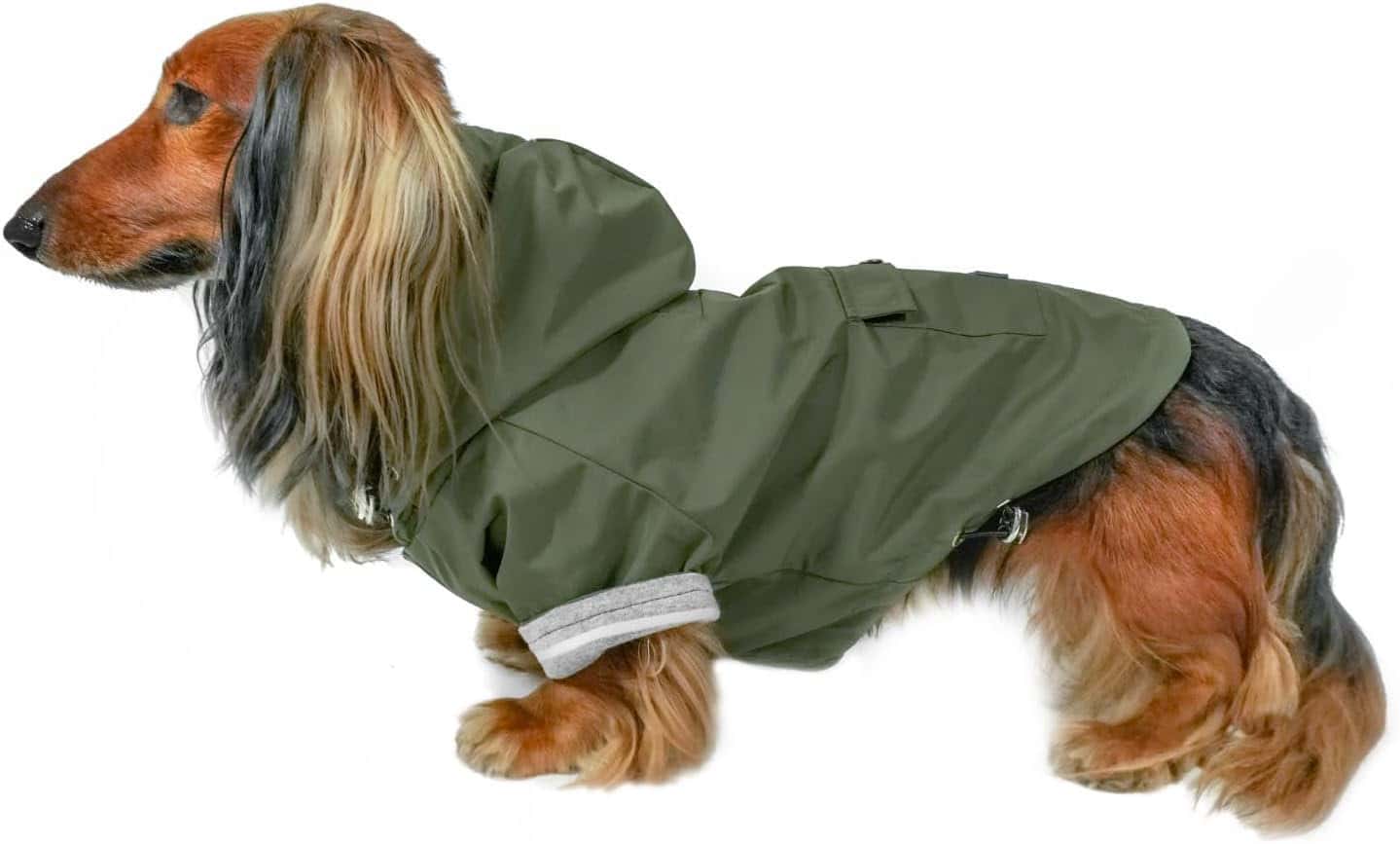
Sable Long-Haired Dachshund – Rare Beauty With a Flowing Coat
Sable Long-Haired Dachshund – Rare Beauty With a Flowing Coat
Explore the red sable dachshund — from its feathered black-tipped coat to how sable patterns work in dachshund color genetics. Grooming tips included.

Ellie
Posted on July 31, 2025.
Updated on July 17, 2026.
Table of Contents
Share

A Shadowed Silhouette on the Shore
It was an early morning on the Cronulla coastal walk when I spotted her — a long-haired dachshund with a coat like burning embers, right next to Sea Level. She wasn’t red, not exactly. Her fur had depth: a glowing base layered with a smoke-like overlay that shimmered in motion.
Her name was Olive. And yes, she was a sable long haired dachshund.
The way her coat caught the light — darker at the tips, lighter at the roots — it looked almost like it was painted with a sable brush. This is a rare and striking variety of dachshund that isn’t just about looks. It’s a coat that demands care, appreciation, and understanding.
Key Takeaways
Topic | Summary |
|---|---|
Breed Type | Long-haired dachshund with a base color (typically red or cream) and black tips |
Visual Effect | Smoky, shaded coat with dynamic movement and layered depth |
Care Needs | Regular brushing, gentle grooming, sun protection |
Best For | Owners who love rare coats and enjoy regular grooming routines |
What Is a Sable Long Haired Dachshund?
A sable long haired dachshund is a unique variation of the dachshund breed, known for its luxurious, feathered coat and its layered color pattern. What sets the sable apart is the presence of black tips on individual strands of hair — usually over a red or cream base. This creates a soft, smoky effect that shifts depending on light and movement.
Unlike dapple or brindle patterns, which appear as patches or stripes, sable is far more subtle. It doesn’t create bold contrast from a distance. Instead, it adds nuance. Each hair is tipped in black, giving the coat a shaded, almost iridescent quality.
This pattern only appears in long-haired dachshunds, making it one of the rarer coat combinations in the breed. It’s a coat you notice not because it shouts, but because it lingers in your memory — like the afterglow of sunset.
For a broader look at sable varieties, start here on our main article: Sable Dachshund

What Makes Sable Coats So Unique?
Sable coats have a visual rhythm that’s hard to capture until you see one in person. The magic lies in how the coat interacts with light — thanks to the black tips on each strand, the effect isn’t static. It changes. One moment it’s soft and velvety, the next it’s dark and dimensional.
Unlike shaded red or tan dachshunds, where color gradation often appears like a wash or fade, sable coats feel layered — almost like looking through tinted glass. Here’s how to tell the difference:
- Black tips are visible on individual strands, not in blotches
- The base color remains clean and defined — typically red or cream
- There’s no patchiness — the overlay is consistent, not spotted or striped
- The overall look is dimensional, not dyed — it’s less like paint, more like silk
It’s a pattern that rewards attention. From the soft brush of their ears to the plume of their tail, sable dachshunds carry a kind of quiet drama. You won’t just notice them — you’ll remember them.
Common Color Variants
While all sable long haired dachshunds share the signature black-tipped strands, the base color beneath that sable overlay can vary — giving rise to a few distinct and beautiful subtypes. Each one offers its own mood and expression, shaped by light, season, and age.
Red Sable
A red sable dachshund has a rich, reddish base (often chestnut or deep mahogany) with a veil of black-tipped hair. This is the most common sable variant and often what people picture when they imagine the sable look. The contrast between the red undercoat and black tips can give a burnished or shaded bronze effect. In certain lighting — especially golden hour — the coat seems to glow from within. More on the Red Sable Dachshund
Cream Sable
Cream sable dachshunds are softer in appearance, with a pale ivory or vanilla base and delicate black or silver-tipped strands. The effect is subtle — sometimes only noticeable around the ears and tail — but incredibly elegant. This variant tends to look more ethereal, especially in overcast or diffused light. Cream sables are rarer and often mistaken for shaded creams at first glance.
Chocolate Sable (Very Rare)
This is one of the rarest sable combinations. A true chocolate sable has a warm brown or milk-chocolate base with darker tips that may appear deep brown or even espresso. The sable effect can be more muted here, and these dogs are often misidentified as shaded chocolates or dilute reds. When seen up close, though, the detailing in their coat is stunning — almost like a vintage velvet fabric.
Ellie’s Tip:
If you’re a photographer (or just someone who lives with your phone camera open), sable coats come alive in warm light. Autumn leaves, candlelight, and late afternoon sun are your best friends — these coats were made for that kind of glow.
Grooming Long Haired Sable Dachshunds
Long haired sable dachshunds don’t just look like velvet in motion — they need to be cared for with that same level of gentleness and attention. The goal with grooming isn’t only to maintain beauty, but to protect the integrity of the sable effect. Because the magic of this coat lies in the black-tipped overlay, improper grooming can dull or even erase it over time.
Weekly Grooming Routine
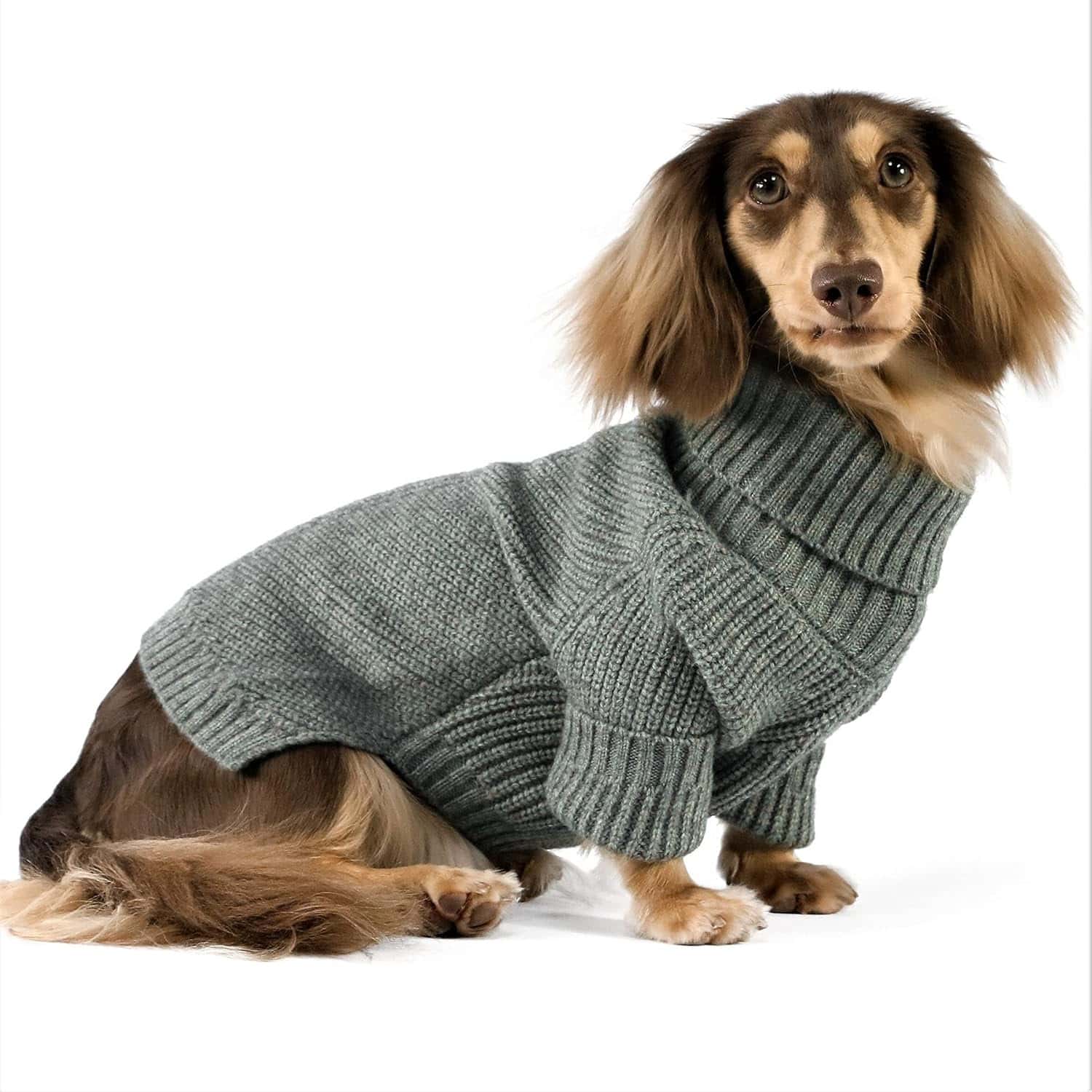
- Brush 2–3 times per week with a pin brush or slicker brush to keep the coat free of tangles and to distribute natural oils that give the coat its signature sheen.
- Detangle areas prone to matting, such as behind the ears, the “feathered” areas on the legs, and the tail plume. A stainless-steel comb can be helpful for this.
- Avoid over-bathing. Frequent washing can strip the coat’s natural oils and fade the black tips that make sable coats so striking. Once every 4–6 weeks is usually enough, unless your dog gets particularly dirty.
- Use a sulfate-free, color-safe dog shampoo, ideally one designed for long coats or sensitive skin. A gentle leave-in conditioner can help with softness and shine.
- Never clip or shave the coat. The black tips of a sable coat are genetically placed. Once removed, they may not grow back the same way — if at all. This means a clipped sable might grow in solid red or cream, without the overlay.
Ellie’s Care Tip
If you have a household with carpet or fabric furniture, brushing your dachshund regularly won’t just help their coat — it will save your upholstery. Their fine undercoat tends to cling.
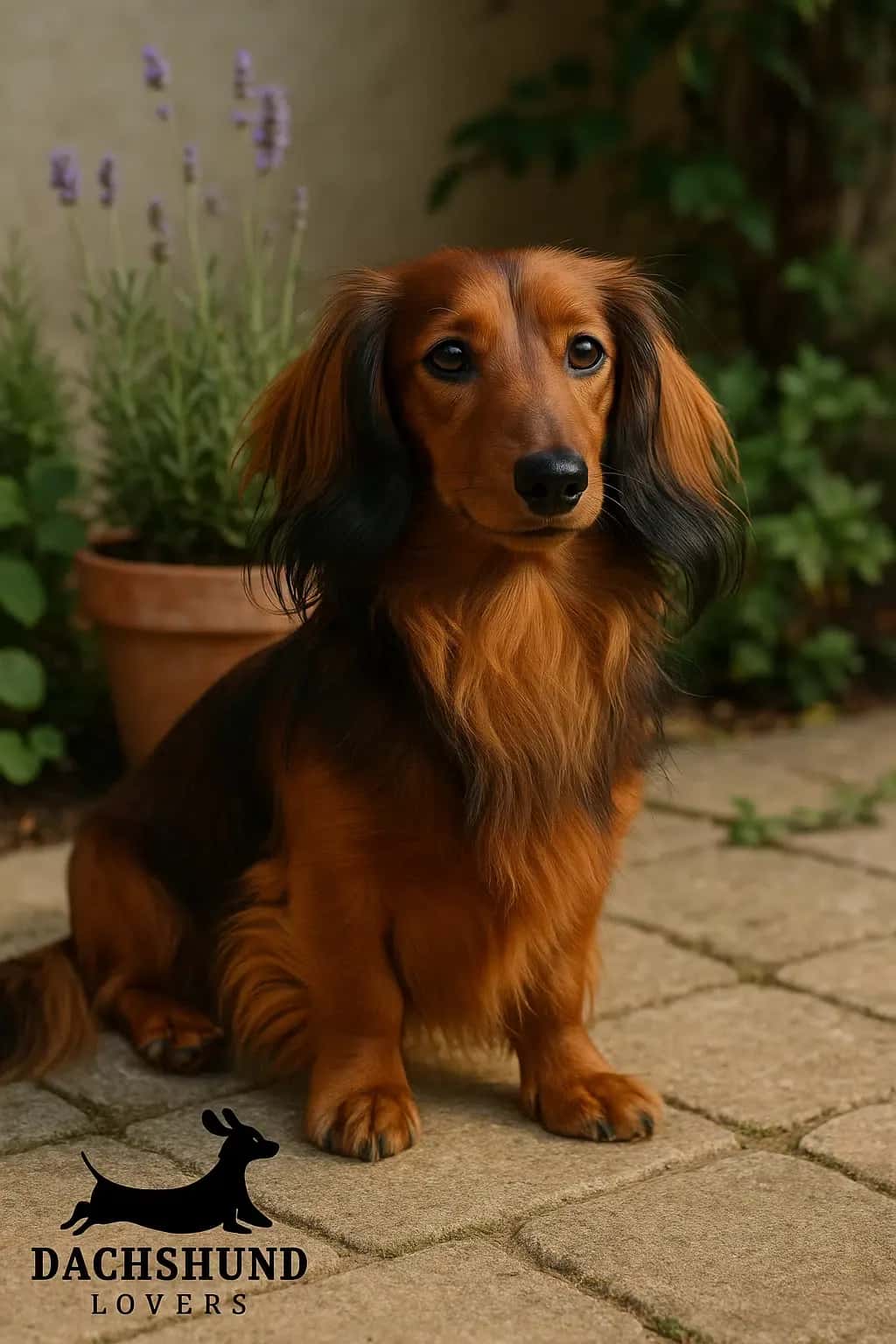
Long Coat Dachshund Care Essential
Grooming is just one part of supporting a sable long haired dachshund. These dogs wear their coats like couture — beautiful, but high-maintenance. Beyond brushing, they need thoughtful, consistent care woven into everyday life. Their long, feathery fur is more than just a visual feature; it interacts with the world around them — catching leaves, collecting moisture, and soaking up sunlight.
Daily & Seasonal Care Tips
- Dry thoroughly after wet walks. Use a microfiber towel and focus on the chest, underbelly, and behind the ears — these areas trap moisture and are prone to matting.
- Check for knots, burrs, and debris after outdoor adventures. Long coats can attract nature’s hitchhikers, especially around the legs and tail.
- Use a spray detangler every few days to help manage coat softness and prevent tangles before they begin.
- Limit intense sun exposure. While a bit of sun is healthy, hours outdoors on hot days can lighten the black tips and dull the sable effect over time.
- Protect the coat indoors too. Consider a soft fleece blanket or dog bed to reduce friction while they rest — constant rubbing can cause breakage in longer coats.
- Add omega-rich foods or supplements (like salmon oil or flaxseed) to their diet to boost skin hydration and coat shine. It helps the sable look even more luxurious.
This isn’t a coat you simply “maintain.” It’s a part of your dachshund’s presence, personality, and daily experience. Brushing, towel-drying, and coat care become rituals — small ways to connect and show love. Many sable owners say it’s these quiet moments that deepen the bond most.
Are Sable Long Haired Dachshunds Rare?
Yes — sable long haired dachshunds are one of the rarest coat types in the dachshund world. The sable gene is recessive and only expresses in long-haired coats, making it a genetic outlier in most litters. This rarity means they’re not commonly seen at local parks or among everyday breeders. In fact, many people go years without spotting a true sable in person.
What Makes Them So Rare?
- Sable only expresses on long hair. You won’t find a sable in smooth or wire-haired dachshunds — the pattern simply doesn’t show the same way on shorter coats.
- The gene is often masked. Many sable puppies are misidentified as shaded reds or black and tans, especially if their coat hasn’t fully grown in.
- They change with age. A sable pup may appear darker or even solid-colored early on. The true sable effect can take months to fully emerge, especially on the tail and ears.
- Few breeders specialize in them. Producing a sable requires genetic knowledge, careful pairing, and experience identifying the pattern correctly in puppies.
How to Identify a True Sable
A genuine sable long-haired dachshund will have:
- A clean red or cream base with black-tipped individual hairs — not patches or stripes.
- A layered, shadowed appearance, particularly on the ears, back, and tail.
- No distinct markings like those seen in brindles or dapples — the coat looks blended and organic.
Because they’re often confused with shaded red dachshunds, it’s essential to work with a breeder who truly understands dachshund coat genetics. Don’t be afraid to ask for lineage information, photos of the parents, and detailed coat descriptions.
And if you find one? Expect to wait. Many sable litters are spoken for before birth, with interested owners joining breeder waitlists that can stretch months — or more.
FAQs
More From This Series:
Authored by
Ellie
Ellie is a lifelong dachshund lover and the proud human of Maple, a long-haired brown doxie with a regal side-eye. While not a vet, Ellie brings honest, researched, and experience-based insights into every article she writes for the Dachshund Lovers community.
Read moreEllie is a lifelong dachshund lover and the proud human of Maple, a long-haired brown doxie with a regal side-eye. While not a vet, Ellie brings honest, researched, and experience-based insights into every article she writes for the Dachshund Lovers community.
Read moreDisclaimer
This article was written by Ellie, a dachshund owner and enthusiast — not a veterinarian. Please consult your vet for personalized guidance.
There are no comments yet
Leave a comment