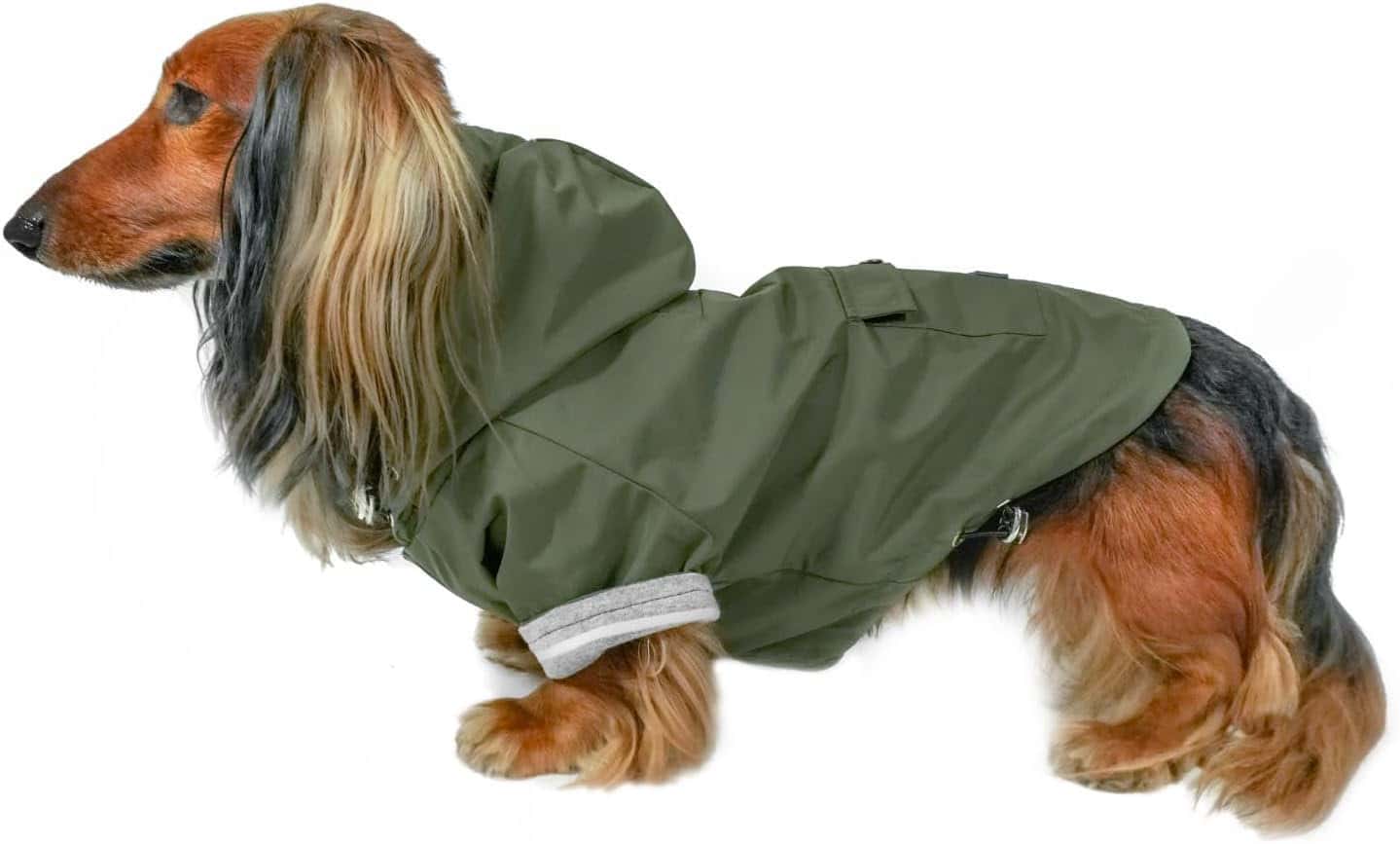
Sable Dachshund: A Shifting Shade of Doxie Elegance
Sable Dachshund: A Shifting Shade of Doxie Elegance
Discover the sable dachshund — including red, cream, and long-haired variations. Learn how sable colors work and why this shaded coat is so rare and admired.

Ellie
Posted on July 29, 2025.
Updated on July 19, 2026.
Table of Contents
- 1.When Maple Met a Sable
- 2.Dachshund Coat Types, Colors, and Patterns: A Quick Overview
- 3.What Is a Sable Dachshund?
- 4.Quick Facts About Sable Dachshunds
- 5.How to Identify a True Sable Dachshund
- 6.Sable Dachshund Colors and Variations
- 7.Red Sable Dachshund
- 8.Cream Sable Dachshund
- •What Sets Cream Sables Apart:
- 9.Sable Long-Haired Dachshund
- 10.Is the Sable Dachshund Rare?
- 11.Family Dynamics: Sable Dachshunds at Home
- 12.Grooming Tips for Sable Coats
- •Brushing Routine
- •Bathing & Products
- •Sun Exposure
- •Clipping and Trimming
- •Consistency Over Intensity
- -More From This Series:
- -Disclaimer
Share

When Maple Met a Sable
A few weeks ago, we were walking through Berrima’s antique district when Maple froze mid-step. Not in fear — in fascination. Across the cobbled footpath was a dachshund whose coat glinted like embers: deep red with black-tipped highlights, shifting as she moved.
Her name was Juniper, and she was a sable dachshund—a dachshund with a unique coat pattern where each hair is banded with two colors, the self color (usually red or cream) at the base and black at the tips. Up close, her coat had depth, dimension, and a kind of old-world richness that stopped passersby in their tracks. From a distance, the sable pattern appears almost like a uniform dark overlay, but as you get closer, the individual black-tipped hairs and the underlying red become more apparent. Her human called it “autumn in motion.”
This guide is for dachshund lovers, prospective owners, and anyone curious about rare coat patterns. Understanding the sable pattern helps owners appreciate their dog's unique beauty and avoid common misidentification. That moment inspired this article. Because the sable dachshund isn’t a common coat — and it’s often misunderstood. Here’s everything you need to know, from coloring and care to temperament and variants like cream and long-haired sables.
Dachshund Coat Types, Colors, and Patterns: A Quick Overview
Dachshunds come in three coat varieties: smooth, longhaired, and wirehaired. Their base colors include red, black & tan, cream, and chocolate & tan. Dachshund patterns include dapple, double dapple, brindle, sable, and piebald. This variety of coats and patterns is part of what makes the breed so visually diverse and beloved.
What Is a Sable Dachshund?
There’s something quietly captivating about a sable dachshund. At first glance, they might seem like a classic red or cream — until the light hits them just right. Then, you notice it: that whisper of black overlay, like soot brushed gently across their coat.
A true sable dachshund has body hairs that are banded with two colors, with the self color (red or cream) closest to the body and the darker color (black) at the tips. Sable is a pattern, not just a color, and consists of individual hairs that are red or cream with black tips. This banded hair structure is what sets the sable pattern apart from other dachshund coats. Sable can appear over red or cream bases, and sables can vary from very heavy, almost black, to lighter shades and may be classified as red sables or orange sables. From a distance, a true red sable is so dark that it almost looks like a black and tan, but up close, the multi-toned banding and strand-level tipping become clear.
Sable dachshunds are frequently confused with other patterns, such as shaded red or wild boar, due to their similar appearance. However, the coat pattern of true sable is distinct because of its multi-toned banding and the fact that each hair is individually tipped in black. It’s not a patchy pattern like dapple or piebald — it’s more of a smoky veil that adds softness and dimension. When they move, the shading shifts subtly, creating a kind of natural ombré that’s only visible up close or in good lighting.
The sable pattern is determined by specific DNA markers, which control the distribution of black pigment on each hair. If you’re curious how genetics might play out in future litters, a dachshund coat color calculator can help visualize potential coat combinations. This color pattern is nearly exclusive to long-haired dachshunds, where the longer strands allow the black tips to show more clearly. On a short coat, you’d barely see the effect. But on a flowing, silky coat? It’s magic.
Quick Facts About Sable Dachshunds
Topic | Summary |
|---|---|
Pattern | A dachshund with a base color (usually red or cream) and black-tipped, banded hairs. |
Visual Look | Dark overlay or shadowing effect, especially on long-haired coats. |
Variants | Red sable, cream sable, sable long-haired; sable is one of several recognized dachshund coat patterns. |
Rarity | Relatively rare; requires specific genetics to express. |
Grooming Needs | Moderate; black tips can fade or fray with improper grooming. |
Ideal For | Owners who appreciate rich, layered coat tones and subtle individuality. |
How to Identify a True Sable Dachshund
Identifying a true sable dachshund can be tricky, especially since the pattern is often confused with shaded red and wild boar coats. Here’s how to tell if your dachshund is a genuine sable:
- Check the Hair at the Skin: To determine if a dachshund has the sable pattern, separate the hair and look at the color at skin level. A true sable will have red (or cream) at the base of the hair, with black tips.
- Banded Hair Structure: Each body hair is banded with two colors—the self color (red or cream) closest to the body and the darker color (black) at the tips. This banding is visible when you examine the hair closely.
- Pattern, Not Just Color: Sable is a pattern, not just a color. It can appear over red or cream bases and is defined by the unique banding of each hair.
- Common Confusions: The sable pattern is often confused with shaded red (a red dog with a heavy black overlay) and wild boar coats, but these are distinct. True sable has multi-toned banding and strand-level black tipping, while shaded red and wild boar do not.
- Shade Variations: Sables can range from very dark (almost black, sometimes mistaken for black and tan from a distance) to lighter shades, such as red sables or orange sables.
- No Health Issues: The sable coat pattern is not associated with any specific genetic diseases or health issues.
- Genetics: One parent must be a sable to produce a sable puppy. The pattern does not occur by chance; it must be inherited.
- Genetic Testing: Genetic testing can confirm the presence of the sable gene in dachshunds, providing certainty in identification.
- Coat Type Prevalence: The sable pattern is seldom seen in smooth and longhaired dachshunds but is predominant in wirehaired dachshunds, where it is known as wild boar.
- Distinctive Features: Sable dachshunds may display a distinctive 'widow's peak' on the forehead and a dark mask on the face.
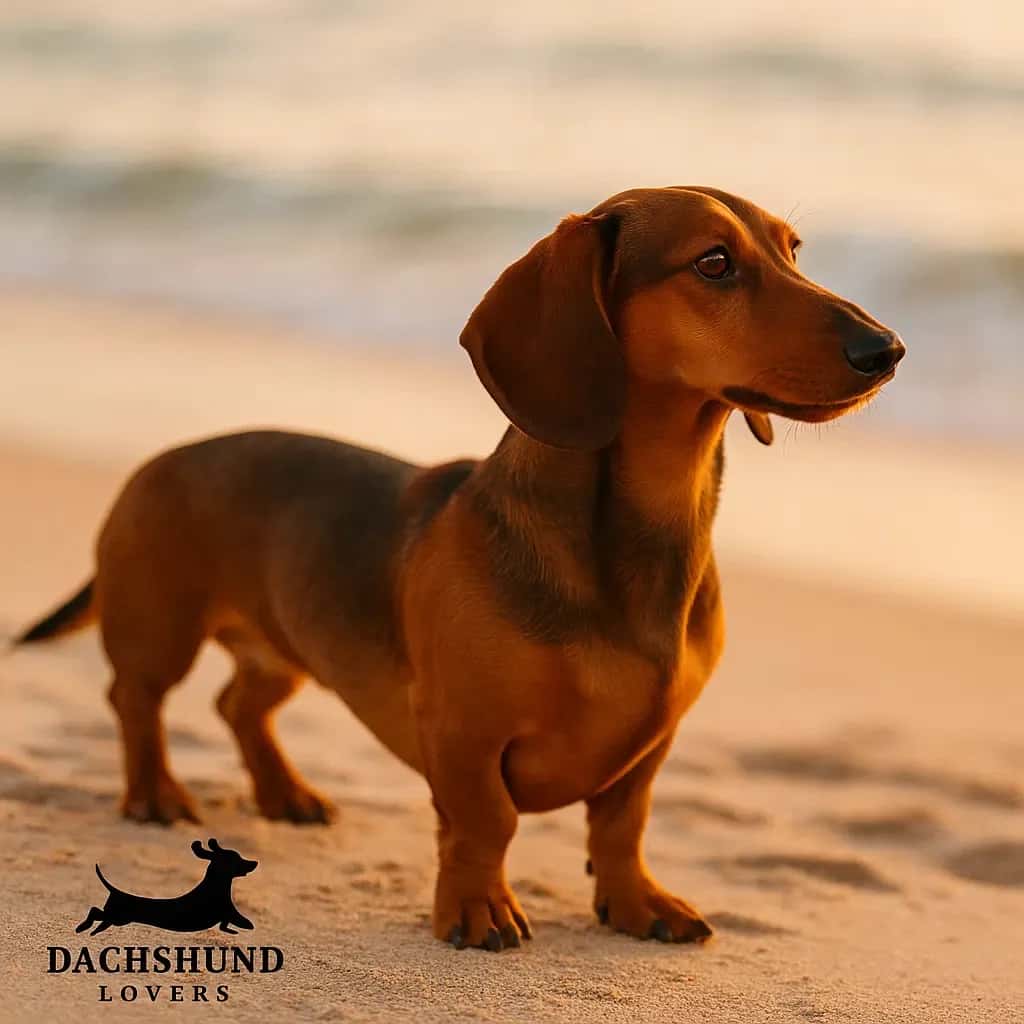
Sable Dachshund Colors and Variations
While all sable dachshunds share the telltale black-tipped, banded fur, the base color underneath can vary — and that changes everything. From rich reds to soft creams, the sable effect plays differently depending on the background, much like ink spreading through water. Here are some examples of sable color variations you might encounter in dachshunds.
Common sable color types include:
Red Sable
This is the most recognized variation — a bold red base with black-tipped strands. The overall look is warm, earthy, and dramatic. In motion or under sunlight, it can resemble a flickering flame or burnt copper. It’s especially common among long-haired dachshunds and looks particularly lush when the coat is well-groomed. Some red sable dachshunds may have a light red base, giving a paler, softer appearance compared to deeper reds.
Cream Sable
A cream sable dachshund has a pale, buttery base with gentle smoky tips. It’s more delicate than red sable — think of a vintage photograph with soft contrast. Some even have a silvery cast, depending on lighting and age. These pups almost shimmer in natural light, especially in early morning or twilight. Cream sable should not be confused with shaded cream, which has a cream base with subtle darker shading but lacks the distinct black-tipped fur of sable.
Chocolate Sable (Rare)
This version layers a milk-chocolate base with darker chocolate or black tipping. It’s incredibly rare, and often mistaken for standard chocolate. Up close, though, you’ll see the sable effect softening the overall tone. It’s rich and velvety — like a chocolate truffle with a dusting of cocoa.
Sable Brindle (Very Rare)
Now we’re in unicorn territory. A sable brindle dachshund combines the striping of brindle with the smoke-like shading of sable. These coats are deeply textured and often misunderstood. Depending on the dog’s age and coat length, the striping and tipping can either blend together or remain distinct. For anyone fascinated by brindle in its own right, a deeper dive into the brindle dachshund’s rare striped pattern helps highlight how unique this combination really is. They’re showstoppers — and hard to come by.
Ellie’s tip: “Lighting is everything with sable coats. Indoors they look soft and even. Outside, they bloom into full complexity — like seeing brushstrokes in a painting up close.”
Next, let's look at the most iconic of these: the red sable dachshund.
Red Sable Dachshund
The red sable dachshund is perhaps the most striking of all sable varieties. With a rich, auburn base overlaid by black-tipped hairs, this coat looks like it was painted with embers. The black overlay typically concentrates along the back, ears, and tail — areas where fur is longer and the sable effect becomes more pronounced. While a red dachshund has a solid red coat with no black-tipped hairs, a red sable is defined by this unique layered appearance.
Red sable puppies are born with a lighter or sometimes greyish-red base and visible black-tipped hairs, which help distinguish them from other colors right from birth. The sable effect is most noticeable in puppyhood, but in some dogs, it fades or becomes less prominent as they mature, though the black-tipped hairs never disappear completely.
What makes red sable so captivating is the depth. Unlike solid red dachshunds, a red sable pup will have a layered, almost smoky appearance. From afar, the coat may look uniformly dark. But step closer — especially in sunlight — and you’ll see the fiery warmth underneath. It’s not a flat color; it shifts and flickers, like autumn leaves caught in a breeze.
Red Sable Characteristics
Feature | Red Sable Description |
|---|---|
Base Color | Rich red, mahogany, or auburn |
Overlay | Black-tipped fur (not patches or swirls) |
Coat Type | Almost always long-haired |
While smooth-coated sable dachshunds do exist, the pattern expresses best in long hair — where the darker tips catch more light and movement.
Why it’s special:
- The color deepens with age, often becoming more defined after the puppy coat transitions.
- Red sable puppies are sometimes misidentified as shaded reds — but true sable dogs have that distinct strand-level tipping.
- They look like no other dachshund in the park.
Explore more: Red Sable Dachshund
Ellie’s memory: “I also once met a red sable at an autumn dachshund meetup in Sydney’s Royal Botanic Garden. His name was Fig, and he practically glowed in the afternoon light. People couldn’t stop asking if his coat had been dyed — it hadn’t. That’s the magic of sable.”
Next, let’s explore the softer side of the spectrum: the cream sable dachshund.
Cream Sable Dachshund
Cream sable dachshunds carry the same genetic pattern as red sables — but over a much lighter canvas. Their base color is typically a pale buttery cream, sometimes with hints of ivory or fawn. As cream sable dachshunds mature, their coat may gradually lighten, revealing more of the cream base over time. When overlaid with black-tipped hairs, the result is subtle and elegant. Think more mist than smoke — like soft shadows painted over moonlight.
At first glance, some cream sables can be mistaken for shaded creams. But when you look closer — especially in natural light — you’ll notice the delicate dark tips dancing on the surface of longer fur, particularly around the ears, neck, and spine. Cream sable dachshunds typically have dark eyes, which complement their pale coat and help distinguish them from other patterns.
This coat can appear dramatically different depending on the season, lighting, or even the camera used. On cloudy days, the sable effect might seem faint, while in golden light, it glows with a silvery sheen.
What Sets Cream Sables Apart:
- Softness: Visually and texturally — they look like they belong in a vintage portrait.
- Rarity: Fewer breeders specialize in this exact combination, especially in long-haired lines.
- Photogenic Quality: The contrast is subtle, but striking in quiet ways.
The intensity of the sable effect is variable among cream sables, with some dogs showing more pronounced dark shading than others. This sable shading can appear across different parts of the body, often most noticeable along the back, ears, and tail, while blending softly into the lighter cream areas.
Many owners describe their cream sables as having a more “ethereal” presence — they don’t demand attention, they invite it. You’ll often see admirers doing a double take, wondering if it’s a trick of the light or an especially rare coat.
Ellie’s note: “There’s a cream sable in my building named Lulu. When she walks through the lobby, she looks like a puff of champagne mist — elegant, composed, and just a little mysterious. You wouldn’t expect her to chase leaves with such commitment, but she does.”
Learn more about sable genetics and coat types

Sable Long-Haired Dachshund
The sable pattern reaches its full artistic expression on long-haired dachshunds. Why? Because sable isn’t just a color — it’s an effect. And it needs space to move.
Long, feathered fur allows each black-tipped strand to catch the light in different ways. As the dachshund trots, turns, or stretches, the sable shading shifts and ripples. It creates a sense of depth and fluidity you just don’t get with shorter coats.
Sable long-haired dachshunds are known for their striking appearance, but there’s a softness to them, too — like an oil painting come to life. The dark tips typically concentrate around the ears, chest, back, and especially the head, where the sable effect can create dramatic shading or a distinctive 'widow's peak.' The effect is usually absent on the feet, which often remain the base color without black-tipped hairs, helping to distinguish true sable from other patterns. The sable effect can vary depending on age, grooming, shedding patterns in dachshunds, and even seasonal coat changes.
Why People Love the Long-Haired Sable:
- Visual Movement: The coat seems to shimmer when they walk or run.
- Dimensional Color: In sunlight, it glows; in shade, it deepens.
- Textural Appeal: It’s a dream to brush, if you don’t mind daily upkeep.
Their long coats also mean more grooming — but for many owners, that ritual becomes a bonding moment. A quiet brush-through in the evening can reveal tiny color shifts you didn’t notice before. It’s like watching the seasons change, strand by strand.
See more tips and photos of the sable coat here
Next, let’s discuss just how rare the sable dachshund really is.

Is the Sable Dachshund Rare?
Yes, sable dachshunds are considered quite rare — especially when compared to more familiar coat types like red, cream, black and tan, or dapple. Their rarity comes down to genetics, breeder preference, and a tendency for sable coats to be mistaken for more common variants like shaded red.
Here’s why sable is so uncommon:
- It’s genetically recessive, meaning both parents must carry and pass on the sable gene for the pattern to appear. Even then, a litter might only produce one sable pup — if any. Sable dachshunds must be specifically bred for this pattern, as it does not occur by chance.
- It’s mostly limited to long-haired dachshunds, so you won’t see it across all coat types. If you’re hoping for a short-haired sable, the odds are even slimmer.
- It’s frequently misidentified. Many sable dachshunds are labeled as shaded reds or even chocolate overlays, especially in puppies where the black tipping hasn’t fully come in.
- This misidentification is a common error, so it’s important to use the correct terminology.
- DNA testing can confirm the presence of the sable gene, helping to avoid mistakes in identification and ensuring accuracy in breeding records.
- Having your sable dachshund registered with a recognized kennel club is important for official documentation, pedigree validation, and proper pattern classification.
That means sable dachshunds aren’t just rare — they’re often overlooked or mislabeled entirely. Reputable breeders who specialize in this pattern usually have long waitlists and will be transparent about genetic testing and lineage.
Explore the full guide to dachshund coat types and rarity
Here’s the expanded version of the next section — Grooming Tips for Sable Coats — in Ellie’s voice, with added detail and visual cues
Family Dynamics: Sable Dachshunds at Home
Sable dachshunds aren’t just a visual delight—they’re also heart-stealing companions who quickly become the soul of any household. As a cherished member of the dachshund breed, the sable doxie brings a unique blend of beauty and personality to family life.
Their signature coat, with its banded black hairs over a lighter base color—be it red, cream, or chocolate—creates a shifting, multi-tonal effect that’s as difficult to describe as it is to ignore. Whether you’re drawn to the fiery warmth of a red sable or the deep richness of a chocolate sable, each dog’s coat is a living work of art.
But it’s not just about looks. Sable dachshunds are known for their affectionate, outgoing nature. They thrive on interaction and are often referred to as “velcro dogs” for their tendency to stick close to their favorite humans.
In a family setting, these dogs are playful and loyal, making them a wonderful choice for households with children or anyone seeking a devoted companion. Their social personalities mean they love being part of the action—whether that’s a cozy movie night or a backyard game of fetch.
The sable pattern can appear across the dachshund’s three classic coat types: smooth, longhaired, and wirehaired. Among sable enthusiasts, the longhaired variety is especially prized, as the flowing hair best showcases the banded, black-tipped strands and the full range of color from lighter cream to deep red.
If you’re drawn to patterned coats in general, a guide to the brindle dachshund’s rare stripes and big personality offers another perspective on how markings and temperament can interplay. No matter the coat type, though, sable dachshunds bring a touch of elegance and individuality to the family dynamic.
Thanks to their compact size, sable dachshunds are well-suited to apartment living or homes with limited space. They don’t require hours of exercise—a few playful sessions indoors or a stroll around the block is usually enough to keep them happy.
Their adaptability makes them a great fit for families of all shapes and sizes, from busy city dwellers to those with sprawling backyards.
Of course, like all dachshunds, sables benefit from attentive care. Regular play, a balanced diet, and routine vet visits help keep them healthy and happy. It’s important to watch for breed-specific concerns, such as back health and weight management, to ensure your sable companion enjoys a long, joyful life by your side.
In the end, sable dachshunds offer more than just a stunning coat—they bring warmth, loyalty, and a spark of personality to every home they join. With their distinctive banded hair, range of colors, and loving temperament, it’s no wonder they’re a favorite among dog lovers who want a companion as unique as their family itself.
Next, let’s cover how to keep that beautiful sable coat looking its best.
Grooming Tips for Sable Coats
Sable dachshunds wear their coats like artwork — every strand tipped in black, creating depth and softness that shifts in the light. But that beauty needs care. A sable coat can lose its contrast or fade unevenly without gentle, consistent grooming.
When grooming your dachshund sable, be sure to check and trim their nails regularly, as nail color is an important part of their appearance and health. Don't forget to gently clean and inspect the nose, since nose color is a key feature in identifying your dachshund's pattern. It's also important to brush and check the belly area for any tangles, dirt, or unique markings that may need attention.
Brushing Routine
Aim to brush your sable doxie at least 2–3 times per week, using a soft pin brush or slicker designed for long-haired breeds. The best grooming tools for dachshunds are usually lightweight, gentle on the skin, and sized for their compact frames. Focus on:
- Gently detangling the feathered areas behind the ears, chest, and legs
- Preserving the black tips — aggressive brushing can break or fray the ends
- Following the direction of growth to avoid pulling on delicate strands
Tip: A detangling spray made for dogs can make the process smoother and reduce breakage.
Bathing & Products
Use a color-safe, sulfate-free dog shampoo no more than once every 3–4 weeks. Overwashing can strip the natural oils that keep the sable pattern rich and dimensional. Look for formulas that enhance shine without leaving residue.
Occasionally, a deep-conditioning treatment or leave-in mist can help maintain coat softness — just make sure it's dog-formulated.
Sun Exposure
The sable coat is especially prone to sun bleaching, which can dull the black tips or turn them brassy. In warmer months:
- Limit direct midday sun where possible
- Offer shaded play areas when outdoors
- Consider a lightweight dog shirt for protection on long walks or hikes
Bonus: A cream sable is even more delicate — their pale base can become discolored if not protected.
Clipping and Trimming
Never fully shave or clip a sable dachshund's coat. Doing so can interfere with regrowth and permanently change the way the sable pattern returns — often flatter, patchier, or missing the iconic black tipping.
Light trimming of paw pads, feathering, or hygiene areas is fine — just keep scissors away from the flowing topcoat.
“I've found that brushing Maple right after a walk — when she's mellow and slightly tired — makes the whole process peaceful. A warm towel rub and some quiet brushing is our version of spa time.”
Consistency Over Intensity
You don't need hours of grooming each week — but you do need regular touch points. A sable coat maintained consistently will always look softer and more dimensional than one groomed only before special events.
FAQs
More From This Series:
Authored by
Ellie
Ellie is a lifelong dachshund lover and the proud human of Maple, a long-haired brown doxie with a regal side-eye. While not a vet, Ellie brings honest, researched, and experience-based insights into every article she writes for the Dachshund Lovers community.
Read moreEllie is a lifelong dachshund lover and the proud human of Maple, a long-haired brown doxie with a regal side-eye. While not a vet, Ellie brings honest, researched, and experience-based insights into every article she writes for the Dachshund Lovers community.
Read more
Disclaimer
This article was written by Ellie, a dachshund owner and enthusiast — not a veterinarian. Please consult your vet for personalized guidance.
There are no comments yet
Leave a comment