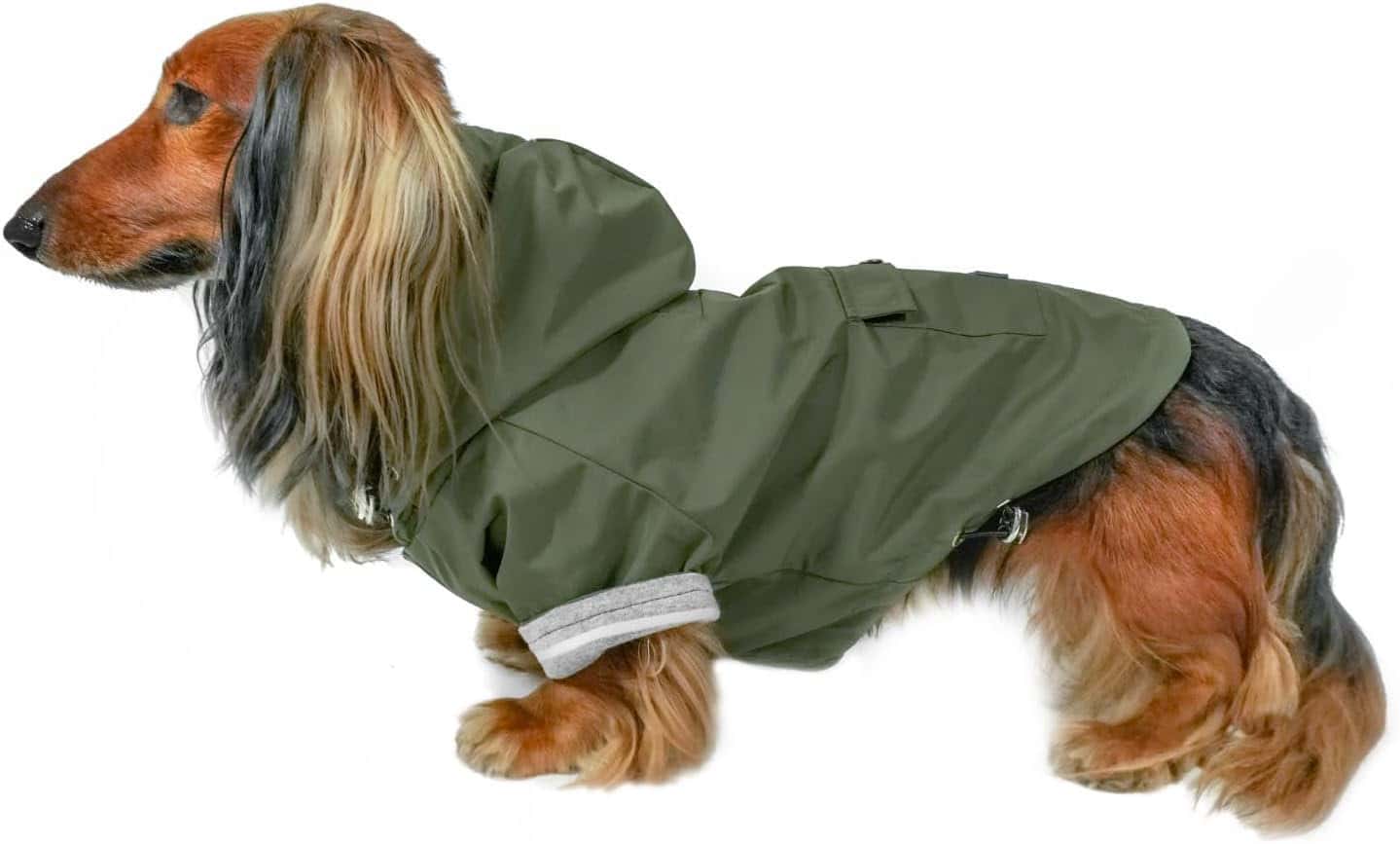
Dapple Dachshund Puppies: What to Expect from These Marbled Marvels
Dapple Dachshund Puppies: What to Expect from These Marbled Marvels
How much are dapple dachshund puppies? Find out what to expect—from cost to care—in this detailed guide.

Ellie
Posted on July 22, 2025.
Updated on July 21, 2026.
Table of Contents
- 1.Key Takeaways on Dapple Dachshund Puppies
- 2.What Is a Dapple Dachshund Puppy?
- 3.The Merle Gene & Why It Matters
- 4.Long-Haired Dapple Dachshund Puppies
- 5.Blue, Brown & Rare Color Variants
- •Blue Dapple Dachshund
- •Brown (Chocolate) Dapple Dachshund
- •Red Dapple Dachshund
- •Black and Tan Dapple Dachshund
- 6.Personality & Behavior
- •Loyal to Their Core
- •Brave, Curious, and Just a Bit Dramatic
- •Vocal Communicators
- •Smart… and Selectively Stubborn
- 7.How Much Are Dapple Dachshund Puppies?
- 8.Ethical Breeding and Red Flags
- 9.Grooming Needs
- •Smooth-Coated Dapples
- •Long-Haired Dapples
- •Wire-Haired Dapples
- 10.Where to Find One
- •In Australia
- •In the United States
- •In the United Kingdom
- •Questions to Ask
- -More From This Series:
- -Disclaimer
Share

I first met a litter of dapple dachshund puppies on a rainy afternoon outside the The Village Inn in Paddington, Sydney. I spotted this beautiful 14 week old dapple dachshund puppy. I instantly dropped my drink and feel in love. A fresh dapple dachshund puppy is a moment to savour.
If you’re reading this, you’ve probably already seen a dapple puppy and felt that spark. Let’s explore everything you need to know before bringing one home—from their coloring and care to answering one of the most common questions I get: how much are dapple dachshund puppies, really?
Key Takeaways on Dapple Dachshund Puppies
Topic | Summary |
|---|---|
What Are Dapple Dachshund Puppies? | Puppies with a merle gene that creates marbled, patchy coat patterns. Each one is unique. |
Coat Types | Found in smooth, long-haired, and wire-haired varieties. Each affects appearance and grooming. |
Color Variants | Blue, brown, red, black/tan, or chocolate—sometimes with blue eyes or a pink-speckled nose. |
Temperaments | Bold, affectionate, clever—and stubborn. Start early with training. |
Price | $2,500–$5,000+ AUD depending on coat, color, breeder reputation, and genetic testing. |
Risks | Never buy from breeders who pair two dapple parents. “Double dapple” puppies are at higher risk of blindness and deafness. |
What Is a Dapple Dachshund Puppy?
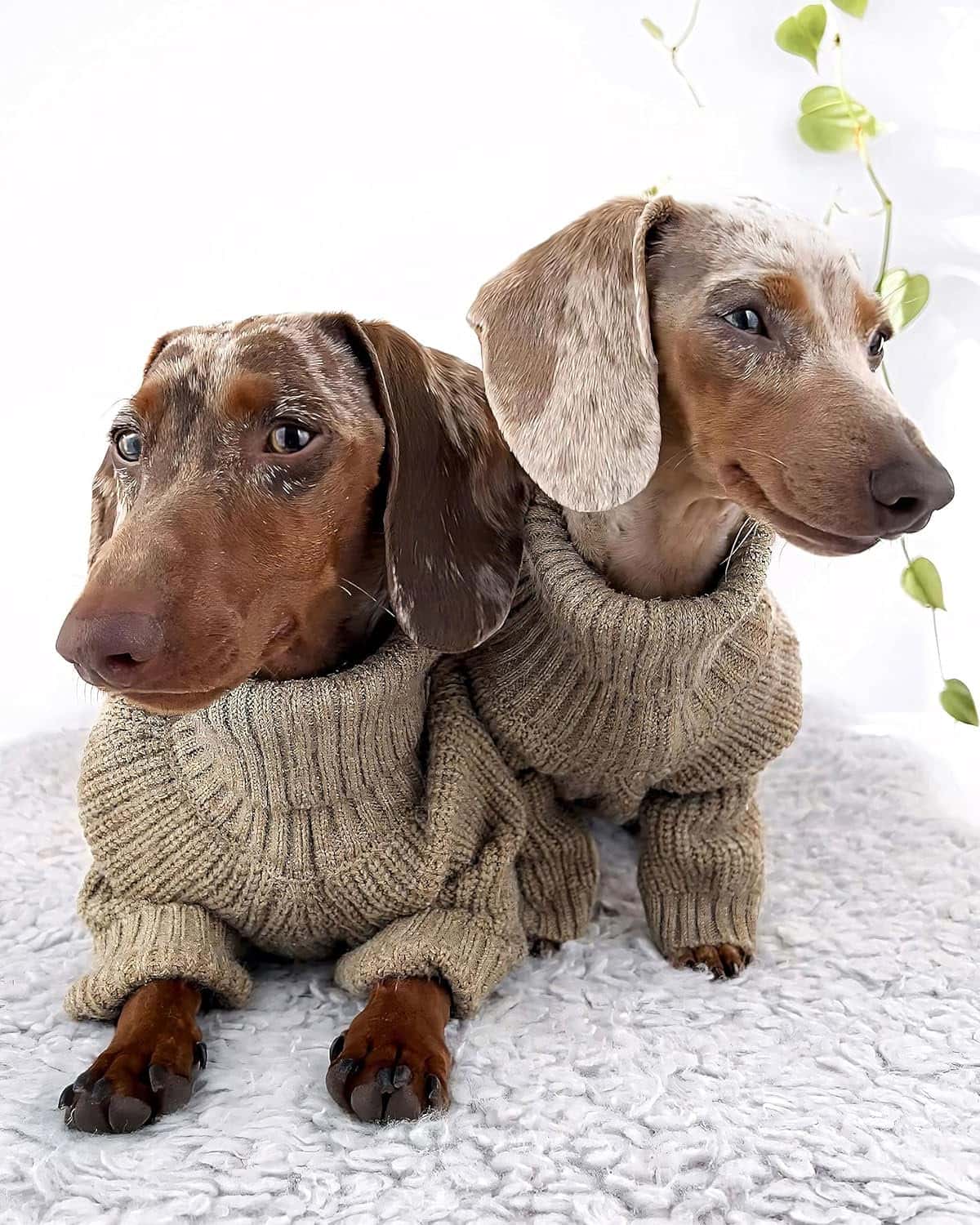
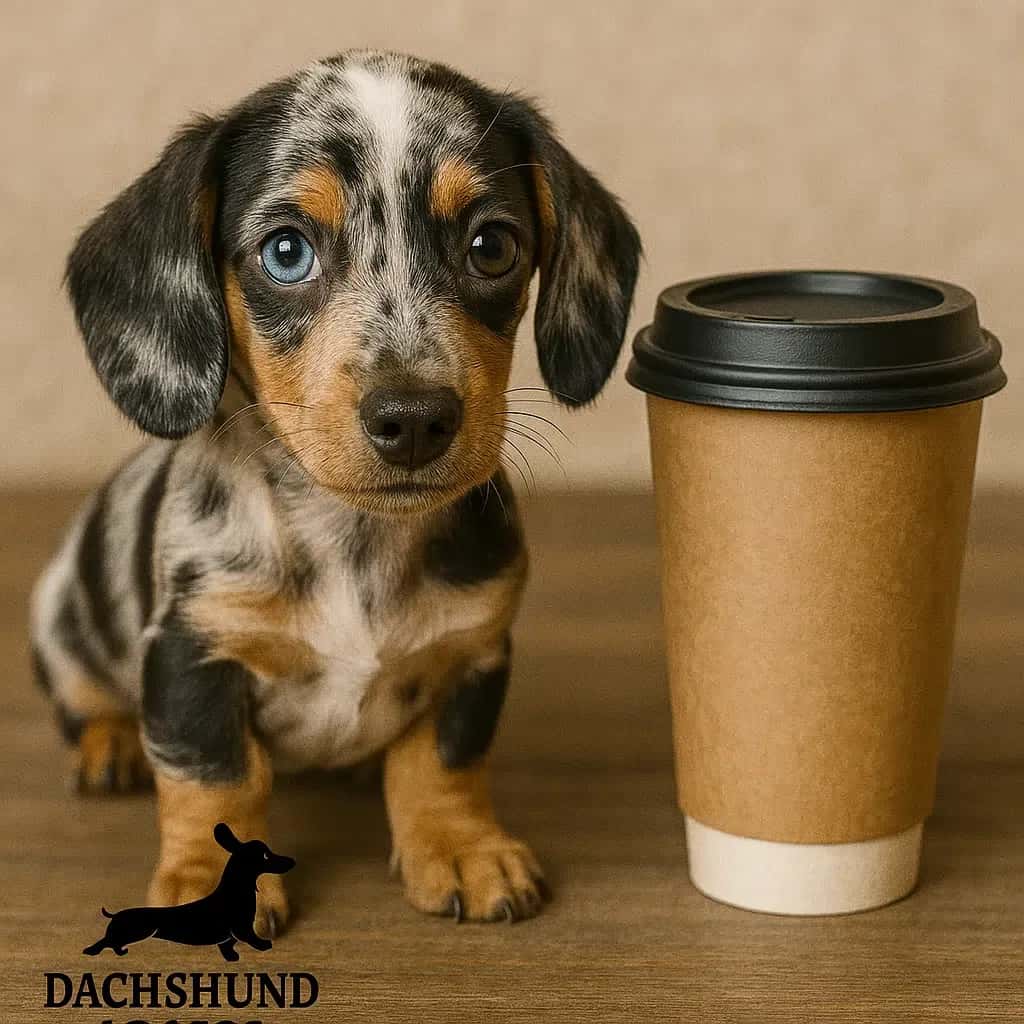
A dapple dachshund puppy is a miniature masterpiece wrapped in fur. These pups are born with unique, irregular patterns caused by the merle gene, which lightens random sections of their coat. The result? Swirls, flecks, and spots that can look like a watercolor painting in motion.
No two dapple dachshunds are exactly alike, but common color combinations include:
- Light silver or cream patches layered under darker colors
- Deep chocolate or jet black streaks for dramatic contrast
- Rosettes or marbled patterns across the back or ears
- Blue eyes or heterochromia, where each eye is a different color (more common in dapples than other dachshunds)
- Pink speckles on the nose or paw pads, adding to their distinctive look
This patterning typically appears at birth and can become more pronounced as they grow. Some dapples may fade slightly over time, especially on longer coats, but the general pattern remains.
While their appearance is undeniably beautiful, it’s important to know that their genetics carry real responsibilities. Dapple isn’t just a look—it’s a trait that needs to be understood to ensure ethical breeding and lifelong health.
The Merle Gene & Why It Matters
The iconic dapple pattern in dachshunds comes from a dominant merle gene. This gene modifies pigment in the dog’s coat, creating that signature marbled or spotted appearance. Unlike recessive traits, the merle gene only needs to be inherited from one parent to show up in a puppy’s coat — and that’s where things get serious.
When two dapple (merle) dachshunds are bred together, there’s a risk of producing a double dapple. While it may sound like a prettier version, double dapples are far more vulnerable to serious health issues, including:
- Partial or complete blindness
- Congenital deafness (especially in pups with white ears or blue eyes)
- Missing eyes or microphthalmia (very small, underdeveloped eyes)
- Other neurological or organ complications
This is why responsible breeders never pair two dapples—no matter how stunning the coat combinations might look on paper. Ethical breeding means prioritizing the health and quality of life of the puppies, not just aesthetics.
If you’re considering a dapple dachshund puppy, always ask the breeder whether only one parent carries the merle gene. A good breeder will be transparent and happy to explain their pairings—and if they seem evasive, that’s a red flag.
If you’re unsure what this means, read our Double Dapple Dachshund article—it could save a future pup from serious health issues.
Long-Haired Dapple Dachshund Puppies
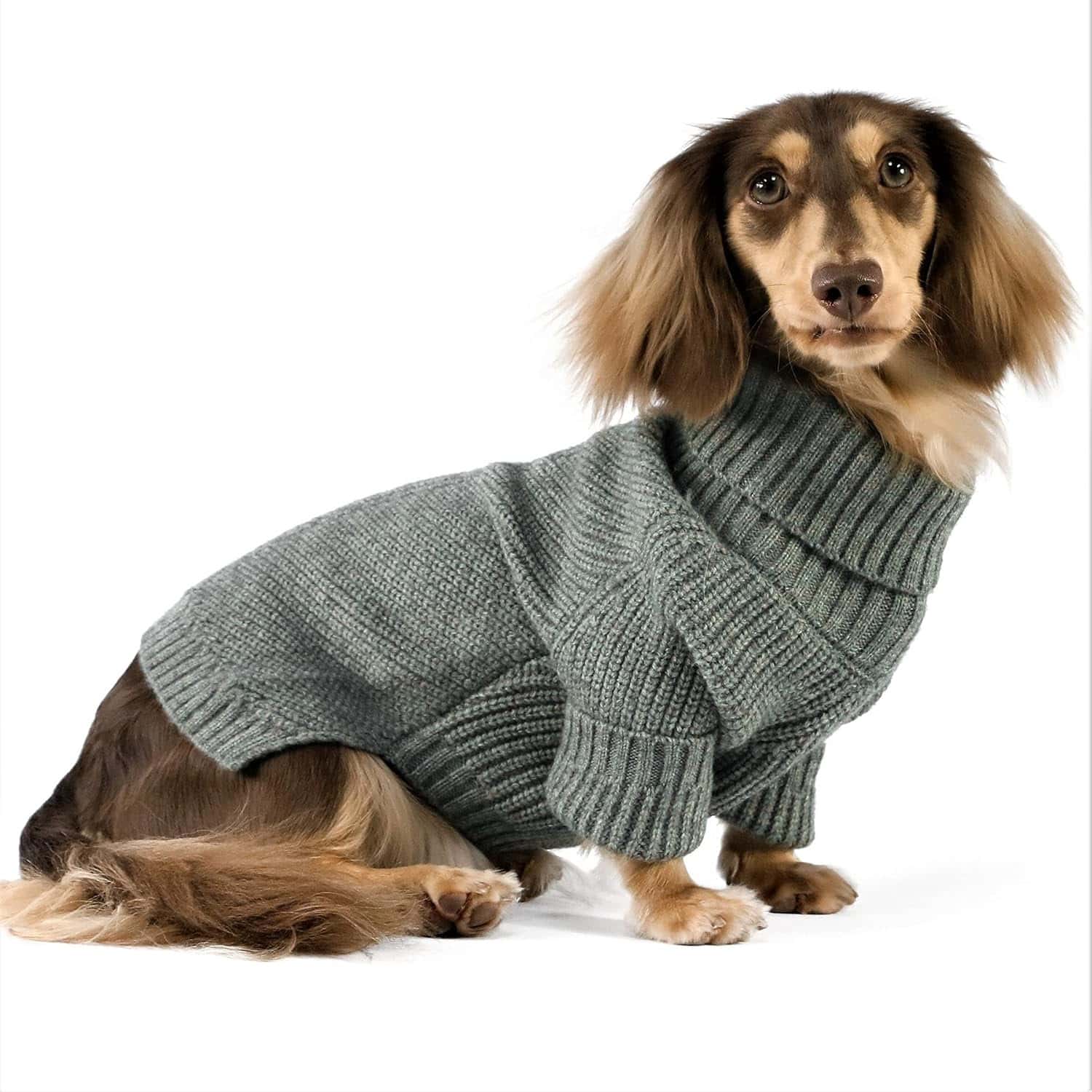
In long-haired dapple dachshund puppies, the merle pattern tends to soften and swirl more fluidly across the coat. Unlike the sharper contrasts you might see in smooth or wire-haired dapples, long-haired varieties look almost painted by hand—with strokes of silver, caramel, or cream blended like watercolor on silk.
This softness isn’t just aesthetic. Many long-haired dachshunds are known for having a gentler temperament, and the dapple variety is no different. These pups often lean toward being affectionate, calm, and a little dreamy—perfect for families or individuals who want a companion that loves to snuggle as much as it plays.
Keep in mind that their flowing coats do require more upkeep. Regular brushing is a must to prevent tangles and keep that feathered finish looking its best. But for many dachshund lovers, the extra grooming time becomes a cherished bonding ritual.
Ellie’s Tip: Maple is a long-haired dapple, and she’s never far from the couch or the blanket basket. If you’re someone who works from home or enjoys slow mornings with a coffee and a companion, this coat type might just be your perfect match.
Explore more in our Long-Haired Dapple Dachshund guide.
Blue, Brown & Rare Color Variants
One of the most captivating things about dapple dachshund puppies is the range of colors their coats can take on. The dapple pattern acts like a creative brushstroke, layering unique hues and highlights that make every pup feel one-of-a-kind. While no two look alike, some color combinations are especially sought-after—both for their rarity and aesthetic charm.
Blue Dapple Dachshund
A blue dapple dachshund isn’t truly blue—it’s a silvery gray, often with darker charcoal flecks or patches. Their coats can shimmer in natural light, and some puppies are born with striking blue or mismatched eyes, which only adds to their ethereal look.
That beauty can come with sensitivity. Blue dapples may have more delicate skin, so gentle grooming products and regular vet checks are a must. It’s also worth asking breeders if the puppy has undergone BAER testing to rule out any hearing issues, which can occasionally occur in dogs with the merle gene.
Curious about the blue variant? Read our full breakdown in the Blue Dapple Dachshund Guide.
Brown (Chocolate) Dapple Dachshund
Chocolate dapples look as sweet as they sound—deep, warm brown patches over lighter tan or cream fur. These puppies often have a velvety richness to their coat, especially in long-haired varieties, and their eyes tend to be soft, expressive, and almond-toned.
Chocolate dapples are a favorite among families who want a dachshund with a slightly more classic look—just with a twist. They’re also one of the most commonly photographed dapple varieties because of how well their colors translate on camera (and Instagram, let’s be honest).
See our full feature on Brown Dapple Dachshunds for grooming tips, temperament insights, and more.
Red Dapple Dachshund
These pups glow with autumn tones—think rust, copper, and golden undertones with delicate dapple markings. They’re less common than chocolates or blacks, and their patterning may appear more subtle, like soft highlights brushed through a red coat.
Red dapples are often noted for their confident, outgoing nature, and their coloring really pops in natural light. If you’re looking for a dachshund that stands out without being flashy, this might be your shade.
Black and Tan Dapple Dachshund
A classic meets the unexpected. These pups start with the traditional black and tan base coat but are layered with pale grey or silver dapples. The result? A high-contrast, almost galaxy-like effect. They’re known to be bold, sharp-eyed, and full of personality—true little explorers in low-slung bodies.
Some may have lighter markings around the eyes or chest, giving them a distinguished, almost tuxedo-like look.
Each color comes with its own charm—and quirks. Make sure you chat with breeders about coat maintenance and any color-related sensitivities (especially in blues and double dapples).
See more:
Personality & Behavior
Dapple dachshund puppies may come in show-stopping colors, but beneath the marbled coats, they’re unmistakably dachshunds—loyal, clever, and occasionally a little too brave for their own good.
If you’ve ever shared a room with one, you’ll know: these pups are packed with personality. They bond deeply with their humans and can be fiercely protective, even at just a few months old. Don’t be surprised if your dapple pup claims a particular person, blanket, or sunspot as theirs—they love routine, warmth, and belonging.
Here’s what to expect as your puppy grows:
Loyal to Their Core
Dapple dachshunds form strong attachments early. They’re happiest when they can follow you from room to room (even to the bathroom) and love being part of the action. This devotion makes them wonderful companions—but also prone to separation anxiety if left alone too long. It helps to build up their independence with gentle training early on.
Brave, Curious, and Just a Bit Dramatic
Their bold streak can make them fearless explorers, especially outdoors. Whether it’s sniffing out a new trail or chasing after a leaf that dared to move, they dive head-first into the world. That curiosity, while endearing, also means they’ll need some boundaries—particularly around stairs, furniture, or anything that might tempt them to jump.
Vocal Communicators
Dapples (like all dachshunds) love to express themselves. You might notice them barking at new sounds, alerting you when someone’s at the door, or even “talking back” during playtime. With proper socialization, they learn quickly when it’s time to speak—and when it’s time to settle.
Smart… and Selectively Stubborn
Training a dapple dachshund requires patience, humor, and high-value treats (Maple’s top pick at 12 weeks? Triple-cream brie). They’re intelligent and capable—but will absolutely pretend not to hear you if they’re not in the mood. Keep sessions short, rewarding, and consistent.
Here are the basics to start with:
- Crate training: Creates a safe space and supports toilet training.
- Sound and people exposure: Helps build confidence in different environments.
- Obedience foundations: Focus on “sit,” “stay,” and “leave it” before recall.
Ellie’s Tip: I started recall with Maple in our inner-city garden using a long lead and pieces of strong-smelling cheese. It worked wonders—and turned every practice session into a tiny adventure.
How Much Are Dapple Dachshund Puppies?
In Australia, dapple dachshund puppies typically cost between $2,500 and $5,000 AUD, though it’s not uncommon to see prices slightly outside that range—especially for rarer coat types or highly sought-after lineages. While it might seem steep at first glance, the cost often reflects a combination of health testing, responsible breeding practices, and lineage transparency.
Here’s a breakdown of what influences price:
Factor | Influence on Price |
|---|---|
Coat Type | Long-haired dachshunds are less common and often more expensive to breed and groom. |
Coat Variant | Color Variant Blue and chocolate dapples may carry premium pricing due to rarity and demand. |
Breeder Reputation | Ethical, registered breeders invest in proper health care, genetic testing, and vetting. |
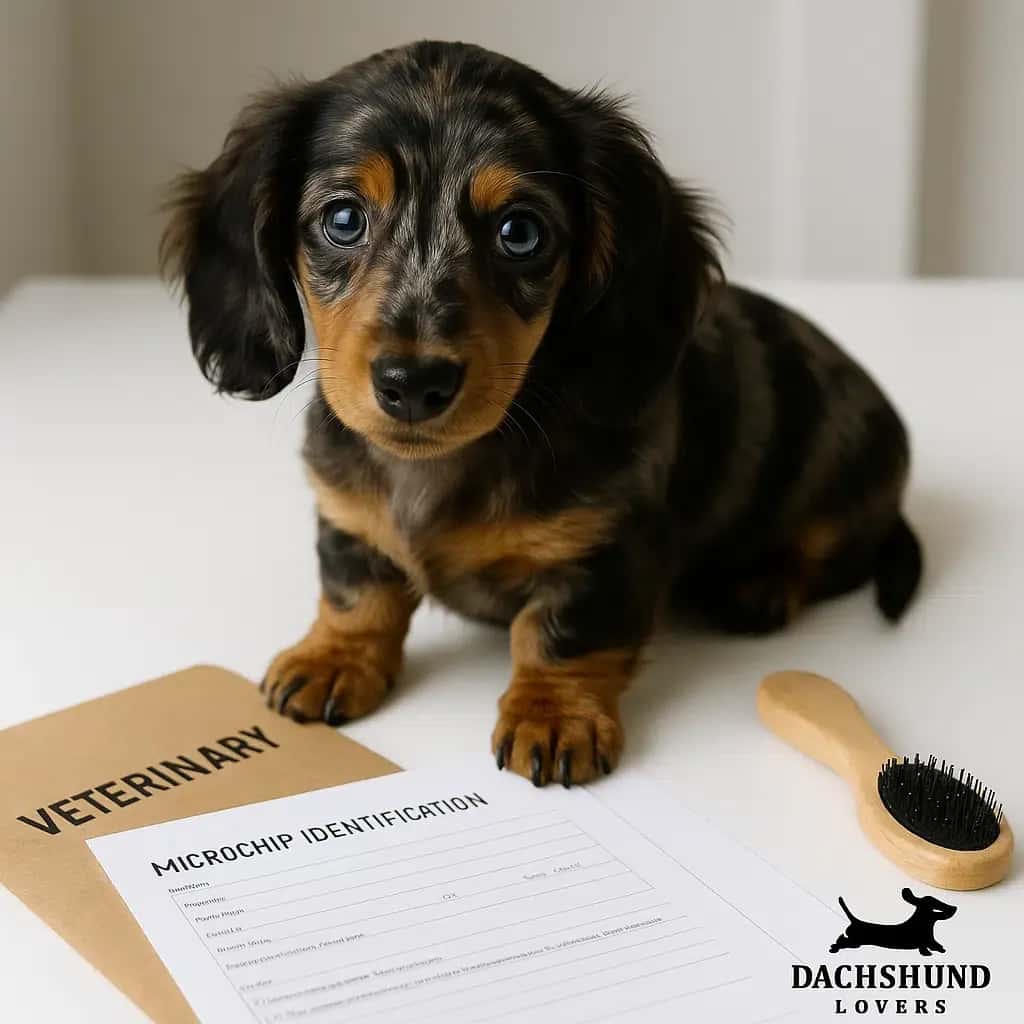
Testing & Microchipping | BAER tests, DNA screening, desexing, microchipping, and up-to-date vaccinations all add value. |
But price alone doesn’t equal quality. A higher fee doesn’t guarantee a healthy pup—and a lower fee isn’t always a bargain.
Be cautious of:
- “Rare” color claims that come with no health testing or documentation.
- Puppies priced under $2,000 AUD—especially when breeder details are vague.
- No clearances for common dachshund health issues like IVDD, PRA, or dapple-related risks.
Ellie’s Note: When I was searching for Maple, I saw listings that looked too good to be true—and they were. One breeder ghosted after I asked for hearing test results. That was my sign to walk away. Trust your gut and don’t rush the process.
Ethical Breeding and Red Flags
Not all breeders are created equal—and when it comes to dapple dachshunds, ethical breeding is non-negotiable. The merle gene that gives dapples their beautiful coats can also lead to serious health problems when mishandled. A responsible breeder knows this and plans each litter with care, not just for looks.
Look for breeders who:
- Never pair two dapple parents – this is the most important rule. Double dapples have a significantly higher risk of vision and hearing impairments.
- Provide BAER hearing test results, especially if the puppy has blue eyes or comes from a dapple parent.
- Offer full pedigree documentation, including information about both parents and health clearances.
- Welcome questions—and answer them in detail. A good breeder wants you to be confident and informed.
Avoid breeders who:
- Won’t let you meet the puppy’s parents (or at least the dam). Seeing the environment and temperament of the parents can tell you a lot.
- Use “rare color” as the main selling point, without backing it up with health screening or ethical breeding practices.
- Offer discounts for immediate pickup or pressure you into buying quickly. Responsible breeders care about where their pups are going, not how fast they’re sold.
Ellie’s Tip: A trustworthy breeder will feel more like a mentor than a salesperson. When I was vetting breeders for Maple, I had one send me weekly updates, answer every nervous question, and even tell me when it wasn’t the right time to adopt. That honesty? Worth everything.
Grooming Needs
Dapple dachshund puppies may be eye-catching, but those stunning coats do come with a few practical responsibilities. The grooming needs will depend mostly on coat type—smooth, long-haired, or wire-haired—but all dachshunds benefit from regular, gentle care from a young age.
Smooth-Coated Dapples
Low-maintenance and easy to care for. A weekly brushing with a soft glove or rubber mitt helps remove loose hair and keep their coat shiny. Add a gentle wipe-down after muddy walks.
Long-Haired Dapples
Their feathery coats are beautiful but prone to tangling, especially behind the ears and under the legs. Daily brushing with a slicker brush keeps mats at bay and reduces shedding. They’ll also need regular ear checks and the occasional trim around the feet and rear.
Ellie’s Tip: I use a leave-in spray conditioner and a comb on Maple’s tail every other day—it keeps her looking neat without fuss.
Wire-Haired Dapples
This coat type needs a bit more attention. Regular brushing is essential, along with professional hand-stripping or clipping every few months to maintain coat texture. It’s not just about looks—it keeps their skin healthy too.
Regardless of coat type, all dapple puppies benefit from:
- Nail trimming every 2–3 weeks (especially if they’re not walking on pavement daily)
- Tooth brushing or vet-approved dental chews
- Ear checks, particularly important for floppy-eared breeds prone to wax buildup or infection
Start grooming early so your pup sees it as part of everyday life. A soft brush, a treat, and a few calming words go a long way.
Where to Find One
Finding a dapple dachshund puppy isn’t something to rush. Whether you’re in Australia, the US, or the UK, the goal is the same: a healthy, ethically bred puppy from someone who genuinely cares about the breed—not just the price tag.
In Australia
Start with state-registered breeders through Dogs Australia (formerly ANKC) or local dachshund clubs. NSW, VIC, and QLD tend to have the most active breeders. Look for transparency, health testing, and ideally—someone who wants to keep in touch after you bring your pup home.
A few starting points:
Ellie’s Tip: Ask breeders what their puppies are eating, how they’re being socialised, and if you can meet the parents. The best ones will light up when you do.
In the United States
In the US, the American Kennel Club (AKC) is the most widely trusted directory. It lists registered breeders with litters and includes health testing info. Also check regional dachshund clubs and rescues.
Good places to begin:
Rescue groups in the US often have mixed or older dapples needing rehoming too—especially in states with higher breeder density like Texas or California.
In the United Kingdom
In the UK, start with the Kennel Club Assured Breeder Scheme, which holds breeders to higher standards. You can also browse rescue listings or check with clubs like the Southern Dachshund Association.
Begin with:
Questions to Ask
No matter your country, your questions matter. A responsible breeder or rescue will gladly answer:
- “Can I meet or video-call both parents?”
- “Do you test for merle-related health conditions?”
- “What’s the puppy’s socialisation routine like?”
- “Can I review vet records, including hearing/eye tests?”
If any of those are brushed off or met with vague answers, it’s worth stepping away. You deserve full transparency—so does your future pup.
FAQs
More From This Series:
- Dapple Dachshund Puppies
- Long-Haired Dapple Dachshund
- Blue Dapple Dachshund
- Brown Dapple Dachshund
- Double Dapple Dachshund
Authored by
Ellie
Ellie is a lifelong dachshund lover and the proud human of Maple, a long-haired brown doxie with a regal side-eye. While not a vet, Ellie brings honest, researched, and experience-based insights into every article she writes for the Dachshund Lovers community.
Read moreEllie is a lifelong dachshund lover and the proud human of Maple, a long-haired brown doxie with a regal side-eye. While not a vet, Ellie brings honest, researched, and experience-based insights into every article she writes for the Dachshund Lovers community.
Read moreDisclaimer
This article is for informational purposes only and should not replace professional veterinary advice. Always consult with a licensed vet or breeder regarding dachshund health and care decisions.
There are no comments yet
Leave a comment