Chiweenie Temperament
Chiweenie Temperament
As a dachshund owner, I’ve met my share of Chiweenies. Here's my take on their temperament, the loyal bits, the wild bits, and everything in between.

Ellie
Posted on October 2, 2025.
Updated on July 21, 2026.
Table of Contents
- 1.Key Takeaways: Chiweenie Temperament Overview
- 2.Understanding Chiweenie Temperament
- •Core Temperament Traits
- 3.Chiweenie Characteristics: The Good and the Challenging
- •The Good
- •The Challenging
- 4.Chiweenie Personality in Family Life
- •Around Children
- •With Other Pets
- •Household Fit
- •Housebreaking Tips
- •Socialization
- •Obedience and Commands
- •Managing Barking and Anxiety
- 5.Are Chiweenies the Right Fit for You?
- •When a Chiweenie is a Great Match
- •When a Chiweenie Might Not Be Ideal
- •More From This Series:
- •Disclaimer
Share

The Chiweenie, a dachshund-Chihuahua mix — is known for its big personality packed into a small frame. If you’ve ever met one, you know they’re confident, loyal, and endlessly entertaining. One Chiweenie I saw near the Metro Theatre had all the attitude of a much larger dog, boldly watching every passerby, yet melted into her owner’s lap the moment she was picked up.
This unique mix blends the fearless, playful nature of the dachshund with the alert, sometimes sassy temperament of the Chihuahua. The result? A dog that’s equal parts affectionate companion and spirited watchdog. Understanding their personality and quirks is key to knowing whether this hybrid fits your lifestyle.
Our Chiweenie: The Complete Guide gives a broad overview of the breed, but here we focus on their temperament, characteristics, and personality traits both the traits that make them lovable and those that may require a little patience.
Key Takeaways: Chiweenie Temperament Overview
Topic | Summary |
|---|---|
Personality Traits | Chiweenies are loyal, playful, and alert, but they can be stubborn and independent. |
Energy Levels | Moderate — they enjoy 20–30 minutes of activity per day combined with mental stimulation. |
Affection Level | Very affectionate, often forming strong bonds with one or two family members. |
Guarding Instinct | Excellent watchdogs due to their Chihuahua heritage — they’ll bark to alert you of visitors. |
Socialization | Early socialization is essential to prevent nervousness around strangers or other pets. |
Family Fit | Best with adults, singles, or families with older children who understand small breeds. |
Trainability | Responds well to positive reinforcement, though patience is needed due to their stubborn streak. |
Compatibility with Other Pets | Generally good with other small dogs if properly socialized. |
Adaptability | Perfect for apartments or small homes but need daily interaction and engagement. |
Temperament Balance | Combines dachshund confidence with Chihuahua alertness, resulting in a bold yet loving companion. |
Understanding Chiweenie Temperament

The Chiweenie temperament is a fascinating mix of dachshund determination and Chihuahua sass. These dogs are small but fearless, often acting as though they’re much larger than they are. They’re incredibly loyal and form strong attachments to their owners — often favoring one or two family members. While this makes them excellent companions, it also means they can be prone to separation anxiety if left alone for too long.
The dachshund’s curiosity and playfulness often shine through in the Chiweenie, giving them a spirited nature that thrives on mental stimulation and interactive games. On the other hand, the Chihuahua side contributes to their alert, watchful behavior, which makes them great little watchdogs but also means early training is crucial to avoid excessive barking.
Our Chiweenie: The Complete Guide outlines how the breed’s background influences its personality. The American Kennel Club (AKC) also highlights that Chihuahuas are known for their boldness and loyalty, traits that Chiweenies inherit and amplify.
Core Temperament Traits
- Loyal and Affectionate: They bond deeply with their humans and love being lap dogs.
- Playful and Energetic: While they don’t require hours of exercise, they enjoy short walks, games, and puzzle toys.
- Alert and Vocal: They’ll quickly let you know when someone’s at the door — or even when a leaf blows past the window.
- Independent Streak: Like dachshunds, they can be stubborn, so patience during training is key.
Protective: They may be wary of strangers until properly socialized.
Chiweenie Characteristics: The Good and the Challenging
The Chiweenie is adored for its big personality and loyal nature, but like all breeds, they have quirks that can be both endearing and challenging. Knowing these characteristics helps you decide whether this dachshund-Chihuahua mix is right for your lifestyle.
Our Chiweenie Training Guide explains how to channel their intelligence and independence into positive behaviors. Meanwhile, the ASPCA emphasizes that early training and consistent routines are crucial for small dogs like Chiweenies, who can quickly develop bad habits without guidance.
The Good
- Deep Loyalty: Chiweenies often form a close bond with their owners and thrive on companionship.
- Compact and Adaptable: Their small size makes them ideal for apartment living or smaller homes.
- Playful Nature: They enjoy interactive toys, short walks, and engaging games.
- Low Exercise Needs: A couple of 20–30 minute walks combined with indoor play is often enough.
- Strong Watchdog Instincts: They are naturally alert and quick to detect changes in their environment.
The Challenging
- Stubborn Streak: Inherited from both parent breeds, they can be independent thinkers, making training a test of patience.
- Barking Tendencies: Their Chihuahua side means they may bark at strangers, noises, or even passing cars. Early socialization and commands like “quiet” help manage this.
- Separation Anxiety: Chiweenies dislike being left alone for extended periods and may develop anxious behaviors such as chewing or whining.
- Wary of Strangers: Without proper exposure to people and pets early on, they may become overly protective or shy.
Training Consistency: Because of their intelligence, they can “outsmart” owners who aren’t consistent with boundaries.
Chiweenie Personality in Family Life
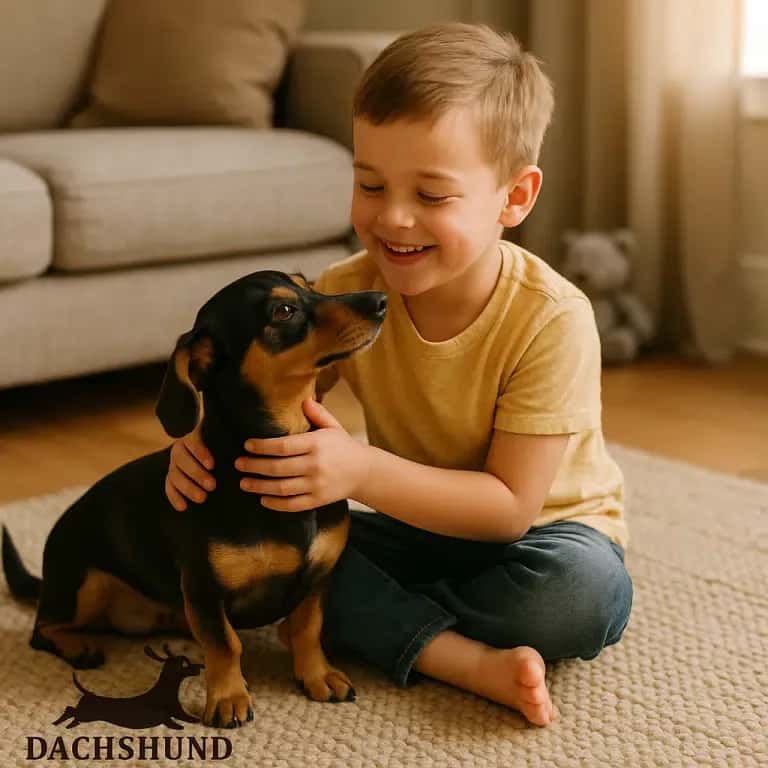
The Chiweenie personality makes them a great companion for the right home environment, but they thrive best in families that understand their small size, loyal nature, and need for attention. They are playful, affectionate, and love to be included in daily activities. However, they may not always be the best match for very young children who don’t know how to handle small dogs gently.
Our Chiweenie Puppies Guide emphasizes how early training and socialization shape a Chiweenie’s behavior around family members and other pets. The AKC Family Dog Advice also highlights that consistent exposure to positive interactions is key for small, alert breeds like the Chiweenie.
Around Children
Chiweenies are loyal and loving but can be sensitive to rough play. They are better suited to homes with older children who understand how to interact calmly with small breeds.
Tips:
- Teach kids how to pick up and play with the Chiweenie safely.
- Supervise all interactions with toddlers to prevent accidental injuries.
- Encourage gentle games like fetch or training tricks.
With Other Pets
Chiweenies can coexist peacefully with other small dogs and even cats if introduced correctly. Their Chihuahua heritage can make them a little territorial, so early introductions and positive reinforcement help.
Tips:
- Arrange slow introductions to new pets.
- Reward calm behavior when interacting with other animals.
- Avoid pairing them with overly large or boisterous dogs.
Household Fit
Chiweenies thrive in apartments or small homes, as long as they get daily exercise and mental stimulation. They love being a “lap dog” but also enjoy short bursts of play. Families who spend time at home or take their dogs along on outings are a perfect match.
Training a Chiweenie requires patience, consistency, and a focus on positive reinforcement. This mix inherits the stubborn streak of the dachshund and the bold, independent personality of the Chihuahua, which means they can sometimes test boundaries. However, they’re also intelligent, quick learners who respond well to reward-based methods like treats, praise, or play.
Our Chiweenie Training Guide outlines step-by-step strategies for housebreaking and teaching core commands, while the ASPCA recommends short, frequent training sessions to keep small breeds engaged.
Housebreaking Tips
Chiweenies can be a little slow to house-train, but with structure and routine, success comes quickly.
- Use crate training or designated potty areas to create consistent habits.
- Take them outside immediately after waking, eating, or playing.
- Reward success with treats or enthusiastic praise to reinforce good behavior.
Proper socialization is essential to prevent fear or overprotectiveness.
- Introduce them early to different people, dogs, and environments.
- Arrange positive encounters (like quiet walks with friendly dogs).
- Reward calm, non-reactive behavior during new experiences.
Obedience and Commands
Teaching core commands like sit, stay, and quiet helps curb barking and keeps them mentally stimulated.
- Keep sessions 5–10 minutes long to prevent boredom.
- Use high-value treats and upbeat encouragement.
- End sessions on a success to build their confidence.
Managing Barking and Anxiety
Chiweenies are naturally alert and may bark frequently. Teaching a “quiet” command or redirecting their attention with toys or tasks can help. For separation anxiety, create a consistent routine and use interactive toys or puzzle feeders when leaving the house.
Are Chiweenies the Right Fit for You?
The Chiweenie is a spirited, loyal companion that suits owners who appreciate small dogs with big personalities. They are perfect for singles, couples, or families with older children, especially those who can dedicate time to training, daily interaction, and light exercise. While they’re adaptable and apartment-friendly, Chiweenies don’t do well in homes where they’re left alone for long periods — they thrive on company and routine.
Our Chiweenie Cost & Adoption Guide explains what to consider when deciding if this mix is the right fit, from temperament to ongoing costs. The AKC Small Dog Breed Advice also notes that small dogs like the Chiweenie need structured training and socialization to avoid developing anxiety or overly territorial behavior.
When a Chiweenie is a Great Match
- You want a loyal, affectionate dog that thrives in close contact with its family.
- You live in an apartment or smaller home but can commit to 20–30 minutes of daily activity.
- You’re comfortable investing time in training and socialization to manage barking and independence.
- You don’t mind some vocal watchdog behavior and can redirect it positively.
- You want a playful yet low-maintenance exercise companion.
When a Chiweenie Might Not Be Ideal
- You’re often away from home for long hours, as they dislike being alone.
- You have very young children who may not understand how to handle a small dog safely.
- You prefer a completely quiet breed, as Chiweenies are naturally alert and vocal.
- You want a fully “easy-going” dog — this mix is affectionate but also confident and bold.
Frequently Asked Questions About Chiweenie Temperament
More From This Series:
Explore our complete Chiweenie collection for in-depth guides on temperament, care, and breed-specific tips:
- Chiweenie: The Complete Guide
Your all-in-one introduction to Chiweenies — from history to personality traits. - Chiweenie Temperament: Is the Doxie Mix Right for You?
Learn about their personality, quirks, and how they fit into family life. - How Long Do Chiweenies Live?
Discover their lifespan and how to keep them healthy well into their senior years. - Chiweenie Puppies: What New Owners Should Know
Practical tips on raising a Chiweenie puppy, from feeding schedules to early training. - Chiweenie Size & Growth Chart
Track your puppy’s growth and learn what to expect as they mature. - Chiweenie Cost & Adoption Guide
A breakdown of price ranges, adoption resources, and trusted breeders. - Chiweenie Health Guide
Everything you need to know about common health issues and preventative care. - Chiweenie Training Guide
Proven techniques for housebreaking and teaching core commands. - Chiweenie Shedding & Coat Care
Grooming routines for every coat type, plus tips for managing seasonal shedding. - Long-Haired Chiweenie
Coat care tips and insights into this beautiful Chiweenie variety. - Blue Merle Chiweenie
A closer look at this rare and stunning coat pattern. - Chiweenie vs. Other Designer Dogs
Compare Chiweenies to other popular small-breed mixes to find your best fit.
Authored by
Ellie
Ellie is a lifelong dachshund lover and the proud human of Maple, a long-haired brown doxie with a regal side-eye. While not a vet, Ellie brings honest, researched, and experience-based insights into every article she writes for the Dachshund Lovers community.
Read moreEllie is a lifelong dachshund lover and the proud human of Maple, a long-haired brown doxie with a regal side-eye. While not a vet, Ellie brings honest, researched, and experience-based insights into every article she writes for the Dachshund Lovers community.
Read moreDisclaimer
This article was written by Ellie, a dachshund owner and enthusiast — not a veterinarian. Please consult your vet for personalized guidance.
There are no comments yet
Leave a comment