Blue Merle Chiweenie
Blue Merle Chiweenie
Beautiful but controversial, the Blue Merle Chiweenie brings up more than just compliments. Here’s what I’ve learned about health, color, and ethics.

Ellie
Posted on October 8, 2025.
Updated on July 20, 2026.
Table of Contents
- 1.Key Takeaways: Blue Merle Chiweenie Overview
- 2.What Is a Blue Merle Chiweenie?
- •The Merle Pattern Explained
- •Coat Types in Blue Merle Chiweenies
- •Why Are Blue Merle Chiweenies Rare?
- •Temperament Remains the Same
- •Why Ethical Breeding Matters
- •Key Takeaways About Blue Merle Chiweenies
- 3.The Genetics of the Merle Coat
- •Single Merle vs. Double Merle
- •Health Risks Associated with Merle Genetics
- •Why Blue Merle Chiweenies Are Rare
- •Eye Color and Merle Genetics
- •The Role of Ethical Breeding
- 4.How Rare Are Blue Merle Chiweenies?
- •Why Are They Rare?
- •Cost Implications
- •Adoption Possibilities
- •Rarity Beyond the Coat
- 5.Appearance and Personality
- •Coat Patterns and Variations
- •Eye Color
- •Personality Traits
- •Energy Levels and Behavior
- 6.Grooming and Coat Care
- •Brushing Routine
- •Bathing Tips
- •Nail and Ear Care
- •Coat Maintenance Between Baths
- 7.Health Considerations in Merle Chiweenies
- •The Merle Gene and Health Risks
- •Single Merle Chiweenies Are Safer
- •Ethical Breeding Practices
- •Common Chiweenie Health Issues
- •The Importance of Preventive Care
- •Pet Insurance for Merle Chiweenies
- •Signs of Genetic Issues
- •More From This Series:
- •Disclaimer
Share

The first time I saw a blue merle Chiweenie was at Greenhills Beach in Cronulla on a January friday summer morning. Among a mix of playful dachshunds and tiny Chihuahuas, one dog stood out — a Chiweenie with a marbled coat of gray, black, and soft cream, speckled like a watercolor painting. It’s not just their striking appearance that makes merle Chiweenies special; their rarity and unique genetics have made them one of the most sought-after variations of this already charming hybrid breed.
The merle coat pattern is a genetic trait seen in several breeds, most famously in dachshunds and Australian shepherds. According to the American Kennel Club (AKC), merle is not just a color but a pattern of diluted pigments that creates mottled patches across the fur, often accompanied by distinctive blue or heterochromatic eyes. When this pattern appears in a Chiweenie — a mix between a dachshund and Chihuahua — the result is a truly captivating dog.
However, with beauty comes responsibility. Merle genetics are complex, and unethical breeding practices (such as merle-to-merle breeding) can increase the risk of health issues like vision or hearing problems. This makes it crucial for potential owners to work with reputable breeders who understand merle genetics and prioritize health testing.
In this guide, we’ll explore everything you need to know about the blue merle Chiweenie, from their unique coat genetics to grooming tips, personality traits, and health considerations. We’ll also discuss why these dogs are considered rare and the importance of understanding the ethical side of breeding merle patterns.
Key Takeaways: Blue Merle Chiweenie Overview
Aspect | Details |
|---|---|
Coat Pattern | Marbled mix of gray, black, and cream, often with unique patches and spots. |
Rarity | Considered rare due to the specific merle gene inheritance. |
Eye Color | Blue, brown, or heterochromia (one blue, one brown) is common in merle-coated dogs. |
Grooming Needs | Smooth coats require weekly brushing; long-haired merles need 2–3 sessions weekly. |
Personality | Loyal, alert, and playful, inheriting traits from both dachshunds and Chihuahuas. |
Health Considerations | Merle genetics can increase risks of hearing or vision issues if improperly bred. |
Training Needs | Positive reinforcement is key; early socialization helps curb stubbornness. |
Lifespan | Typically 12–16 years, similar to standard Chiweenies. |
What Is a Blue Merle Chiweenie?
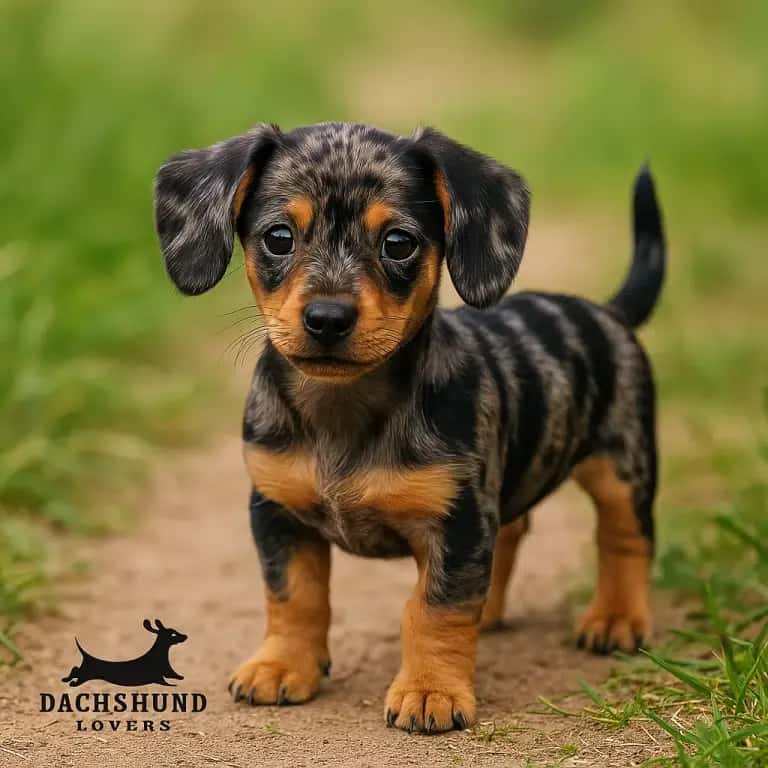
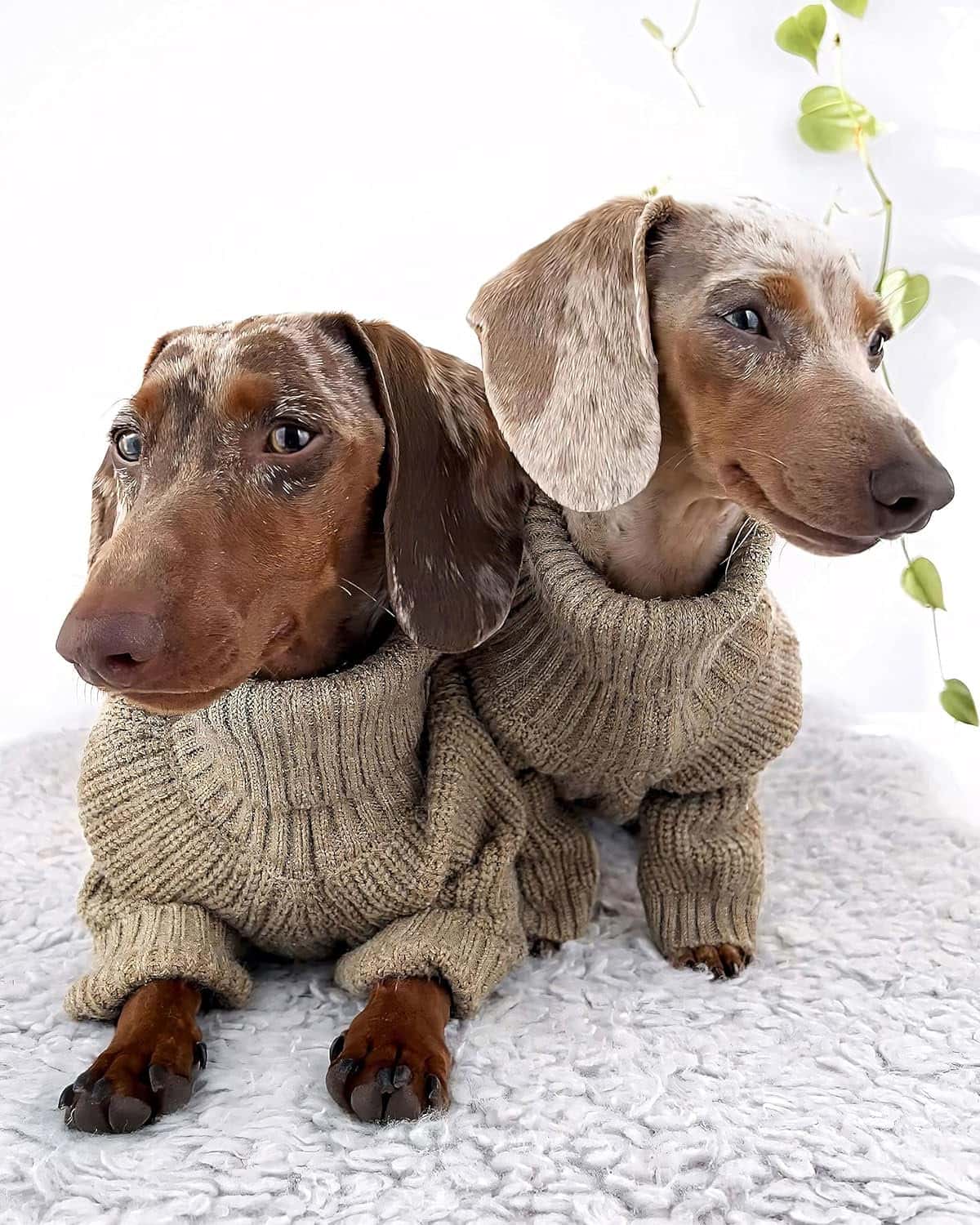
A blue merle Chiweenie is a rare and visually striking variation of the Chiweenie — a hybrid dog that combines the playful energy of the Chihuahua with the loyalty and adventurous spirit of the dachshund. What sets this variation apart is its distinct marbled coat pattern, which often appears as a mix of silvery gray, black, cream, and tan patches. Each merle Chiweenie’s coat is unique, almost like a fingerprint, due to the genetic process that creates this marbled effect.
The Merle Pattern Explained
The merle pattern is the result of a specific gene (the M locus) that dilutes pigment in certain areas of the coat, leaving lighter and darker patches. According to the American Kennel Club (AKC), merle is not just a color but a pattern of diluted pigmentation that can appear in breeds such as dachshunds, Australian shepherds, and Chihuahuas. When a merle parent (usually the dachshund side) passes this gene to a Chiweenie puppy, it creates the blue merle coat variation.
One of the most striking features of merle-coated dogs is their eye color. Blue merle Chiweenies may have bright blue eyes, partially blue eyes, or even heterochromia (two different-colored eyes). These unique eye colors, combined with their marbled coat, make them highly sought after by dog lovers and collectors of rare breeds.
Coat Types in Blue Merle Chiweenies
A blue merle Chiweenie can inherit either a smooth coat or a long-haired coat, depending on the genetics of its dachshund and Chihuahua parents.
- Smooth-Coated Blue Merles: Have a short, glossy coat that’s easy to maintain and highlights the crisp marbling of the merle pattern.
- Long-Haired Blue Merles: Feature a soft, feathered coat that can make the merle pattern appear softer and more blended, almost like a watercolor painting. These coats require regular grooming to prevent tangles and matting.
Why Are Blue Merle Chiweenies Rare?
The merle gene is not common in all Chiweenie litters. At least one parent — usually the dachshund — must carry the merle gene for the puppies to inherit this distinctive coat. Even then, not all puppies in a litter will have the merle pattern. This rarity, combined with the eye-catching look, makes blue merle Chiweenies more expensive than other coat colors. Ethical breeders often carefully plan merle pairings to maintain health and reduce genetic risks, which also limits the availability of these dogs.
Temperament Remains the Same
While the blue merle coat is unique, it does not influence temperament. Blue merle Chiweenies are just as loyal, playful, and alert as any other Chiweenie. They often form strong bonds with their owners and can be both affectionate lap dogs and curious, energetic companions.
Why Ethical Breeding Matters
Merle genetics can be complex. Breeding two merle-coated dogs (known as “double merle” breeding) can increase the risk of puppies being born with hearing or vision problems due to overlapping pigment dilution in the inner ear and eyes. This is why working with a responsible breeder who understands merle genetics is essential. The Kennel Club UK and the AKC both emphasize that merle-to-merle breeding should be avoided to prevent health complications
Key Takeaways About Blue Merle Chiweenies
- They are visually unique and often have striking eye colors.
- The merle gene requires careful breeding to ensure health and safety.
- They are rare and can be more expensive due to demand and selective breeding.
Their personality and temperament remain consistent with standard Chiweenies.
The Genetics of the Merle Coat
The stunning appearance of a blue merle Chiweenie is all thanks to the merle gene, which dilutes the base coat color and creates marbled patches of lighter and darker fur. While visually striking, the merle pattern is the result of a complex genetic mechanism that requires careful, ethical breeding to avoid health risks.
How the Merle Gene Works
The merle gene, located on the M locus, is responsible for producing the marbled or speckled coat seen in merle-patterned dogs. According to research published by the American Kennel Club (AKC), the gene alters how pigment (eumelanin) is distributed in the fur, resulting in a patchwork of colors like gray, blue, cream, and black.
In Chiweenies, the merle gene is most often inherited from the dachshund parent, as merle is a recognized pattern in certain dachshund coat varieties. Chihuahuas can also carry the merle gene, but it is much less common.
Single Merle vs. Double Merle
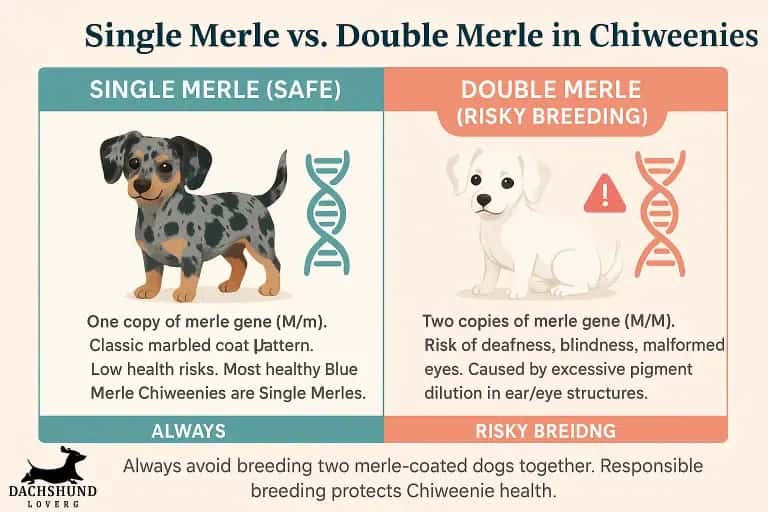
- Single Merle:
A dog that inherits one copy of the merle gene (M/m) will display the classic marbled coat pattern without severe health risks. Most healthy blue merle Chiweenies fall into this category.
- Double Merle (Risky Breeding):
If a dog inherits two copies of the merle gene (M/M) — for example, if two merle-coated dogs are bred together — the risk of health complications significantly increases. Double merle puppies are more likely to be born deaf, blind, or with malformed eyes, a result of excessive pigment dilution in the inner ear and eye structures.
The British Veterinary Association (BVA) strongly advises breeders to avoid merle-to-merle breeding due to these well-documented genetic risks.
Health Risks Associated with Merle Genetics
While single merle Chiweenies are generally as healthy as any other Chiweenie, double merle dogs may face the following health challenges:
- Congenital deafness due to abnormal development of the inner ear.
- Ocular issues, including microphthalmia (abnormally small eyes), colobomas, or partial blindness.
- Increased sensitivity to sunlight due to lack of pigmentation in certain areas of the coat and skin.
For this reason, reputable breeders perform genetic testing before pairing merle dogs, ensuring that only one parent carries the gene.
Why Blue Merle Chiweenies Are Rare
The rarity of the merle pattern stems from its genetic unpredictability. Even when one parent is merle, not all puppies in a litter will inherit the gene. Ethical breeders will carefully limit merle pairings, prioritizing the health of the puppies over producing a visually unique coat.
Eye Color and Merle Genetics
One fascinating feature of merle dogs is their eye color. Many blue merle Chiweenies have blue or partially blue eyes, while some have heterochromia (two different-colored eyes). This is a direct result of how the merle gene alters pigment in the iris.
The Role of Ethical Breeding
To ensure a healthy merle Chiweenie, always work with breeders who can provide genetic test results and health records for both parent dogs. The Kennel Club UK and AKC stress that responsible breeding is the best safeguard against genetic health complications.
How Rare Are Blue Merle Chiweenies?
The blue merle Chiweenie is one of the rarest coat variations of the dachshund-Chihuahua mix, primarily due to the complex inheritance of the merle gene and the selective breeding required to achieve it. Unlike solid-colored or standard-coated Chiweenies, which are more common in litters, merle-patterned puppies are produced far less frequently — even when one parent carries the gene.
Why Are They Rare?
The merle pattern is not guaranteed to appear in every puppy, even if one parent is merle. Genetic unpredictability means that some puppies will inherit standard colors (such as tan, black, or cream), while others may display partial or full merle patterns.
- Limited Breeders: Only a handful of breeders focus on merle dachshunds or Chihuahuas, which narrows the chances of producing merle Chiweenies.
- Ethical Constraints: Reputable breeders avoid merle-to-merle pairings due to the associated health risks, which further reduces the number of blue merle puppies available.
According to the AKC’s guide on merle coat genetics, responsible breeding for merle coats is a balancing act between aesthetics and health, making these dogs rarer than other color patterns.
Cost Implications
Because of their rarity and visual appeal, blue merle Chiweenies typically cost more than standard-colored Chiweenies.
- USA: Expect to pay $1,200–$2,500 USD from reputable breeders.
- Australia: Prices range between AUD $1,800–$3,000, reflecting limited availability.
- UK: Blue merle Chiweenies often cost £1,200–£2,000 GBP.
However, cost should never be the sole factor in choosing a puppy. It’s crucial to ensure that any breeder offering a merle Chiweenie conducts health screening and genetic testing to avoid double merle complications.
Adoption Possibilities
Finding a blue merle Chiweenie through adoption or rescue groups is exceedingly rare, but not impossible. Shelters and breed-specific rescues occasionally list merle Chiweenies that were surrendered. Websites like Petfinder and PetRescue are good places to start, though patience is required.
Rarity Beyond the Coat
While the blue merle coat draws attention, it’s the combination of this rare pattern with the Chiweenie’s playful personality that makes these dogs so sought after. Owners often describe merle Chiweenies as conversation starters wherever they go.
Appearance and Personality

The blue merle Chiweenie is a show-stopping variation of the popular dachshund-Chihuahua mix, with a coat pattern that immediately sets them apart. Their marbled fur, featuring swirls of gray, black, cream, and sometimes tan, makes them look like a living work of art. Each merle Chiweenie’s markings are unique, with no two dogs sharing the same pattern.
Coat Patterns and Variations
Blue merle Chiweenies can come in both smooth-coated and long-haired varieties:
- Smooth coats tend to highlight the crisp, defined edges of the merle pattern.
- Long-haired coats soften the pattern into a “watercolor” effect, creating a gentle blending of colors.
Some blue merle Chiweenies may also feature white patches on the chest or paws, inherited from their Chihuahua lineage, adding even more individuality to their appearance.
Eye Color
One of the most striking features of merle Chiweenies is their eye color. The dilution of pigment caused by the merle gene often results in blue or partially blue eyes, or even heterochromia, where one eye is blue and the other is brown. This striking contrast, paired with their marbled coat, makes them particularly memorable.
Personality Traits
While their appearance is rare and captivating, a blue merle Chiweenie’s personality is what truly wins hearts. They inherit a blend of traits from both parent breeds:
- From the dachshund: A sense of determination, curiosity, and loyalty. Dachshunds were bred as hunters, and this gives Chiweenies a playful, adventurous spirit.
- From the Chihuahua: An affectionate and alert nature. Chihuahuas are known for forming deep bonds with their owners, which makes merle Chiweenies wonderfully devoted companion.
Energy Levels and Behavior
Blue merle Chiweenies are playful but not overly hyperactive, making them great pets for both apartment living and small homes with yards. They enjoy daily walks (20–30 minutes) and interactive play sessions but are equally content curling up in your lap after a busy day.
These dogs are also known for being vocal and protective, especially if not socialized early. Positive reinforcement training and early exposure to new people and environments help ensure they grow into well-mannered, confident dogs.
Grooming and Coat Care
The blue merle Chiweenie may have a rare and eye-catching coat, but grooming requirements are straightforward when done consistently. Whether your merle Chiweenie has a smooth coat or long-haired coat, regular grooming not only keeps their fur healthy and shiny but also helps minimize shedding and tangles.
Brushing Routine
- Smooth-Coated Blue Merles:
Brush once per week using a rubber grooming mitt or soft bristle brush. This removes loose hair, distributes natural oils, and maintains the sheen of their marbled coat. - Long-Haired Blue Merles:
Brush 2–3 times a week with a slicker brush or metal comb. Pay attention to high-friction areas (behind the ears, under the legs, and tail), as these spots are prone to tangling or matting. - Seasonal Care:
During seasonal shedding (spring and autumn), increase brushing frequency to every other day for long-haired Chiweenies.
For a more in-depth grooming schedule, see our Chiweenie Shedding & Coat Care Guide.
Bathing Tips
- Frequency: Every 4–6 weeks is sufficient for most Chiweenies. Overbathing can strip their skin of essential oils, causing dryness and irritation.
- Products: Use a hypoallergenic dog shampoo with natural ingredients like oatmeal or aloe vera. Avoid human shampoos, as they can disrupt the skin’s pH balance.
- Conditioner for Long Hair: A light, dog-safe conditioner helps keep long-haired merles smooth and tangle-free.
After bathing, thoroughly towel-dry your Chiweenie. For long-haired coats, use a blow dryer on a low, cool setting to prevent matting.
Nail and Ear Care
- Nails: Trim every 3–4 weeks using small-breed nail clippers or a grinder.
- Ears: Check for wax buildup or signs of infection (especially for dogs with floppy ears) and clean weekly with a vet-approved ear cleaner.
Coat Maintenance Between Baths
Wipe your Chiweenie’s coat with a damp microfiber cloth or dog-safe grooming wipe once a week to remove surface dust or dirt. This is especially helpful for keeping their merle pattern looking vibrant.
Health Considerations in Merle Chiweenies
While the blue merle Chiweenie is admired for its striking coat and rare appearance, the genetics behind this pattern require extra caution. The merle gene, responsible for creating the marbled coat and often blue or partially blue eyes, can also be linked to certain health concerns if not properly managed through ethical breeding practices.
The Merle Gene and Health Risks
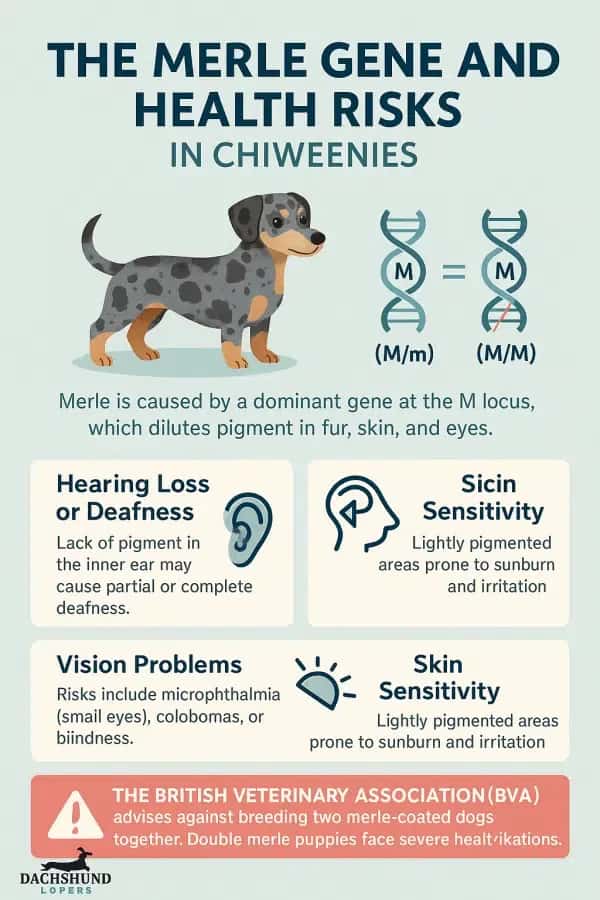
The merle pattern is caused by a dominant gene at the M locus, which partially dilutes pigment in the fur, skin, and sometimes the eyes. According to the American Kennel Club (AKC), a dog carrying one copy of the merle gene (M/m) typically shows the desired marbled coat with minimal risk of genetic complications. However, problems arise when a dog inherits two copies of the gene (M/M), also known as a “double merle.”
Double merle dogs have a significantly higher risk of congenital issues, such as:
- Hearing Loss or Deafness: Pigment cells play a role in the proper development of the inner ear. A lack of pigmentation, common in double merles, can result in partial or complete deafness.
- Vision Problems: Double merle dogs are prone to microphthalmia (abnormally small eyes), colobomas (structural eye defects), or blindness.
- Skin Sensitivity: Lightly pigmented areas of the skin are more prone to sunburn and irritation.
The British Veterinary Association (BVA) strongly advises against merle-to-merle pairings, warning that breeding two merle-coated dogs together is irresponsible and greatly increases the likelihood of severe health complications in puppies.
Single Merle Chiweenies Are Safer
A single merle Chiweenie (M/m) — one that inherits just one copy of the merle gene — generally has no additional health risks linked to the pattern itself. These dogs are as healthy as other Chiweenies, provided they come from carefully planned, ethical pairings. This is why it’s essential to work only with breeders who understand merle genetics and avoid “stacking” merle genes.
Ethical Breeding Practices
Reputable breeders follow strict guidelines to ensure the health of merle puppies:
- Genetic Testing: Responsible breeders test both parent dogs for the merle gene before mating.
- Pairing a Merle with a Non-Merle: This practice ensures puppies inherit just one copy of the gene, avoiding the double merle risks.
- Transparency: Good breeders are open about their dogs’ lineage, health screenings, and the steps taken to ensure genetic diversity.
If a breeder is unwilling to share genetic test results or health certificates, this is a red flag. Prospective owners should also be wary of breeders who prioritize “rare colors” over the well-being of the dogs.
Common Chiweenie Health Issues
Aside from merle-related risks, blue merle Chiweenies are prone to health conditions common in dachshund-Chihuahua mixes:
- Intervertebral Disc Disease (IVDD): Inherited from their dachshund lineage, IVDD can cause spinal problems if dogs jump off furniture or carry excess weight.
- Dental Problems: Their small mouths often lead to overcrowded teeth, which can increase the risk of tartar buildup and gum disease.
- Patellar Luxation: This knee condition, where the kneecap slips out of place, is common among small breeds.
For a comprehensive look at these conditions and prevention tips, see our Chiweenie Health Guide.
The Importance of Preventive Care
- Regular Vet Checkups: Annual health screenings, eye exams, and dental cleanings are crucial for early detection of problems.
- Weight Management: Maintaining an ideal weight (5–12 lbs) helps prevent joint and back issues.
- Protective Gear: For outdoor walks, consider using a harness rather than a collar to reduce strain on the spine and throat.
Pet Insurance for Merle Chiweenies
Because of the potential for costly health treatments, pet insurance is often recommended for merle Chiweenies. Policies can cover emergencies, IVDD treatments, and even eye or hearing diagnostics. Companies such as Healthy Paws (USA), Bow Wow Meow (Australia), and Petplan (UK) are popular options.
Signs of Genetic Issues
If your Chiweenie shows signs of hearing loss (not responding to sounds), vision problems (bumping into objects), or skin sensitivity, consult your vet promptly. These symptoms don’t always indicate merle-related conditions, but early intervention is key to quality of life.
Frequently Asked Questions About Blue Merle Chiweenies
More From This Series:
Explore the full Chiweenie series for expert guides on care, health, and breed insights:
- Chiweenie: The Complete Guide
Everything you need to know about Chiweenies — history, traits, and lifestyle tips. - Chiweenie Temperament: Is the Doxie Mix Right for You?
Dive into their personality, quirks, and family compatibility. - How Long Do Chiweenies Live?
Discover their lifespan and ways to keep them healthy longer. - Chiweenie Puppies: What New Owners Should Know
Raising a Chiweenie puppy — training, feeding, and early care. - Chiweenie Size & Growth Chart
Track your Chiweenie’s growth and weight milestones. - Chiweenie Cost & Adoption Guide
Understand adoption fees, breeder pricing, and lifetime costs. - Chiweenie Health Guide
A full breakdown of health issues and preventive care tips. - Chiweenie Training Guide
Step-by-step methods for housebreaking, obedience, and commands. - Chiweenie Shedding & Coat Care
Grooming schedules and coat maintenance tips. - Long-Haired Chiweenie
Special care and grooming for long-haired Chiweenies. - Blue Merle Chiweenie
Everything about this rare and beautiful coat pattern. - Chiweenie vs. Other Designer Dogs
How Chiweenies compare with other popular mixed breeds.
Authored by
Ellie
Ellie is a lifelong dachshund lover and the proud human of Maple, a long-haired brown doxie with a regal side-eye. While not a vet, Ellie brings honest, researched, and experience-based insights into every article she writes for the Dachshund Lovers community.
Read moreEllie is a lifelong dachshund lover and the proud human of Maple, a long-haired brown doxie with a regal side-eye. While not a vet, Ellie brings honest, researched, and experience-based insights into every article she writes for the Dachshund Lovers community.
Read moreDisclaimer
This article was written by Ellie, a dachshund owner and enthusiast — not a veterinarian. Please consult your vet for personalized guidance.