Blue Dapple Dachshund: Striking Coats, Big Hearts, and What You Should Know
Blue Dapple Dachshund: Striking Coats, Big Hearts, and What You Should Know
Wondering what a long-haired blue dapple dachshund is really like? Let Ellie share what she’s learned.

Ellie
Posted on August 1, 2025.
Updated on July 17, 2026.
Table of Contents
- 1.A Quiet Walk, a Soft Surprise (About Blue Dapple Dachshund)
- 2.Key Takeaways
- 3.What Is a Blue Dapple Dachshund?
- 4.Coat Genetics: What Creates “Blue”?
- 5.Long-Haired Blue Dapple Dachshunds
- 6.Personality & Temperament
- 7.Grooming & Coat Care
- 8.Are Blue Dapple Dachshunds Rare?
- 9.Health Considerations & Breeding Ethics
- 10.Blue Dapple Puppies: What to Know
- •More From This Series:
Share

A Quiet Walk, a Soft Surprise (About Blue Dapple Dachshund)
It was at Stone & Wood Brewery in Byron Bay that I met Bowie—a blue dapple dachshund with one crystal-blue eye and a coat that looked like storm clouds caught in velvet. I was sitting on a bench with a tasting paddle and Maple curled at my feet when Bowie strutted past with his human. Heads turned. A couple literally stopped mid-sip to ask, “What kind of dog is that?”
I’ve met many dachshunds in cafés, dog parks, and even bookstores, but Bowie was unforgettable. If you’ve recently seen a dachshund with silver-gray patches and mesmerizing eyes, chances are it was a blue dapple dachshund.
Let’s unpack what makes these dogs so unique—from their coat genetics to grooming needs, health considerations, and how they differ from other dapple varieties.
Key Takeaways
Topic | Summary |
|---|---|
What Is a Blue Dapple Dachshund? | A dachshund with a diluted black base coat and dapple (merle) pattern, giving a blue-gray marbled appearance. |
Long-Haired Blue Dapples | These dogs have a soft, feathered coat that adds a gentle blur to their marbling. Gorgeous, but grooming-intensive. |
Temperament | Like all dachshunds—bold, loving, and curious. The coat doesn’t change the personality. |
Health Concerns | Avoid “double dapples.” Eye and hearing issues can arise when two dapple parents are bred. |
Best For | Owners who want a unique-looking companion and are willing to prioritize ethical breeding and coat care. |
What Is a Blue Dapple Dachshund?
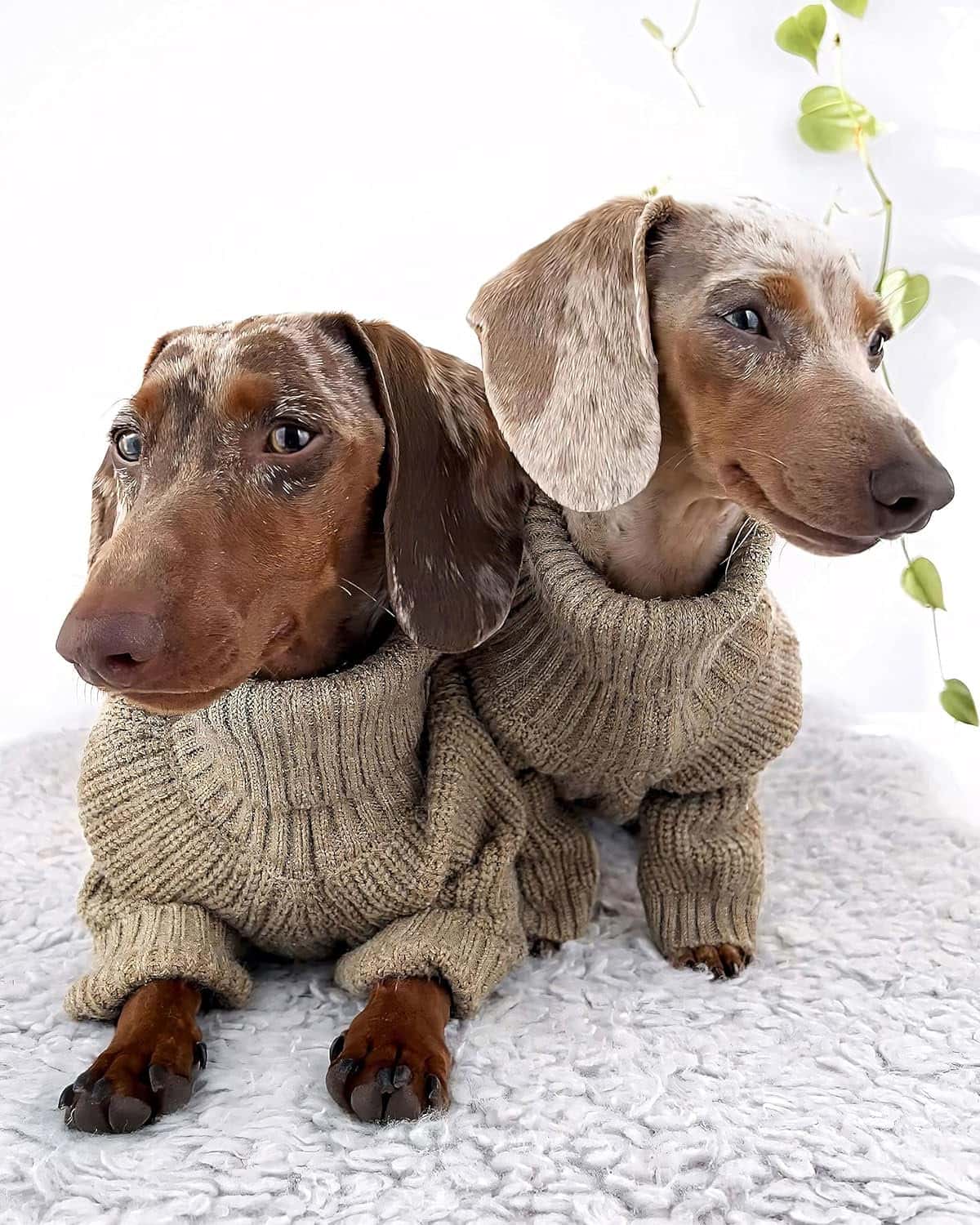
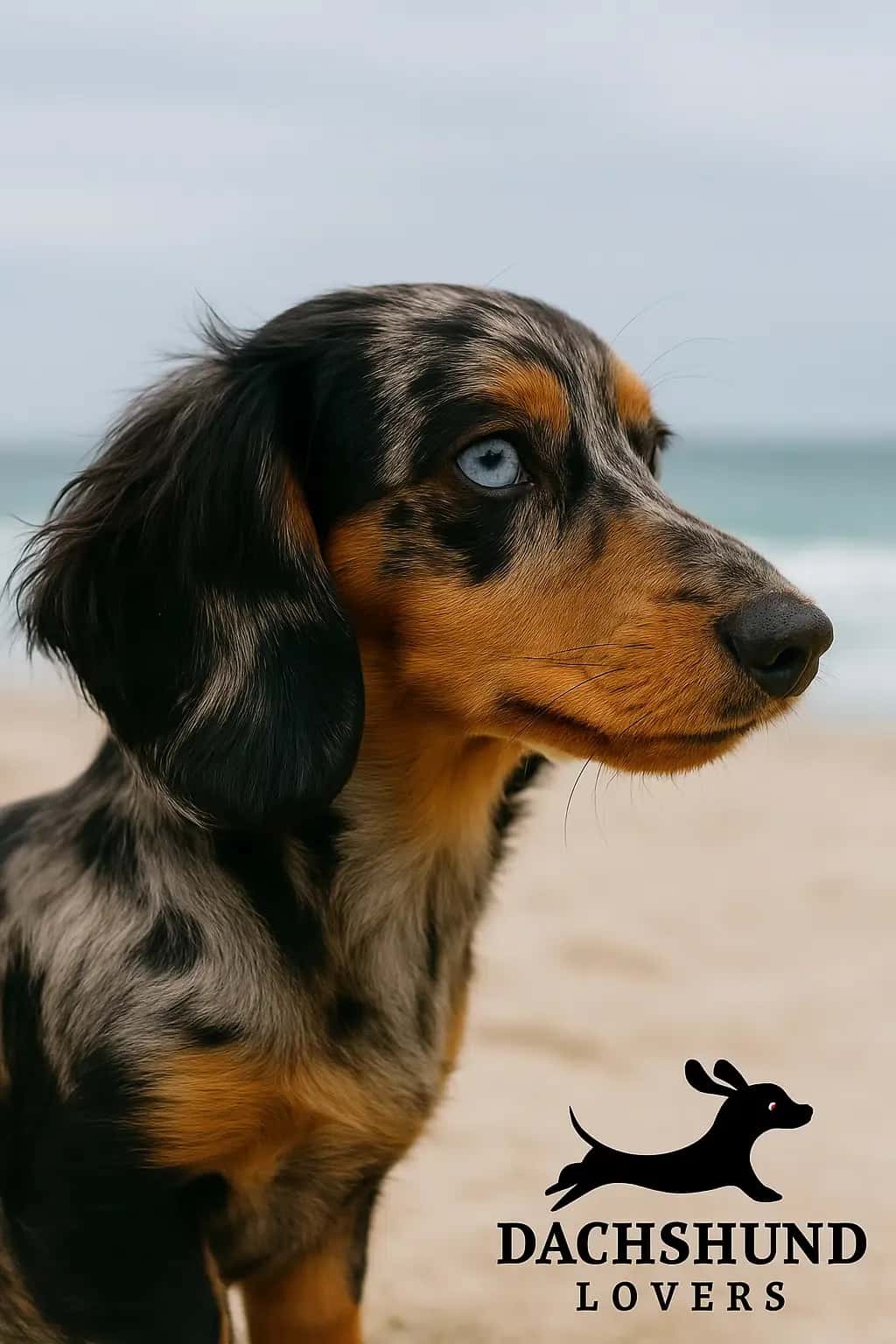
A blue dapple dachshund is a dachshund with a black base coat that has been lightened (diluted) by genetics into a silvery gray, combined with dappling—patches of lighter or darker color.
They are born with:
- A soft blue-gray base coat
- Swirls of silver, charcoal, or black
- Often, blue or heterochromatic eyes (one blue, one brown)
- Sometimes, pink-splashed noses or paws
These puppies tend to draw a crowd, not just for their rare look, but for the way the light catches on their patterned coats. Many owners describe them as “living artwork”—and it’s easy to see why.
Learn about early traits in our Dapple Dachshund Puppies guide.
Coat Genetics: What Creates “Blue”?
The word blue might sound fanciful, but in dachshund genetics, it’s a precise term. What you’re actually seeing is a diluted version of black—softened by the presence of the dilution gene (denoted “dd”). This gene mutes the coat to a powdery steel-gray that breeders refer to as “blue.”
When this dilution is combined with the merle gene (which causes dappling), you get the marbled, dreamlike effect that defines the blue dapple coat.
This combo can only happen when both parents pass along specific genetic codes. And while it’s beautiful, it’s not a paint-by-numbers situation—each puppy’s pattern is completely unique, from heavy swirling to subtle speckling.
Important reminders:
- Blue is not created by mixing breeds.
- It’s a natural variation within the dachshund lineage.
- It’s recognized by some breed standards—but may not always be show-ring approved.
In short, this isn’t fashion for fashion’s sake. It’s genetic artistry—with all the responsibility that entails.
Explore more about dapples broadly in our Dapple Dachshund article
Long-Haired Blue Dapple Dachshunds
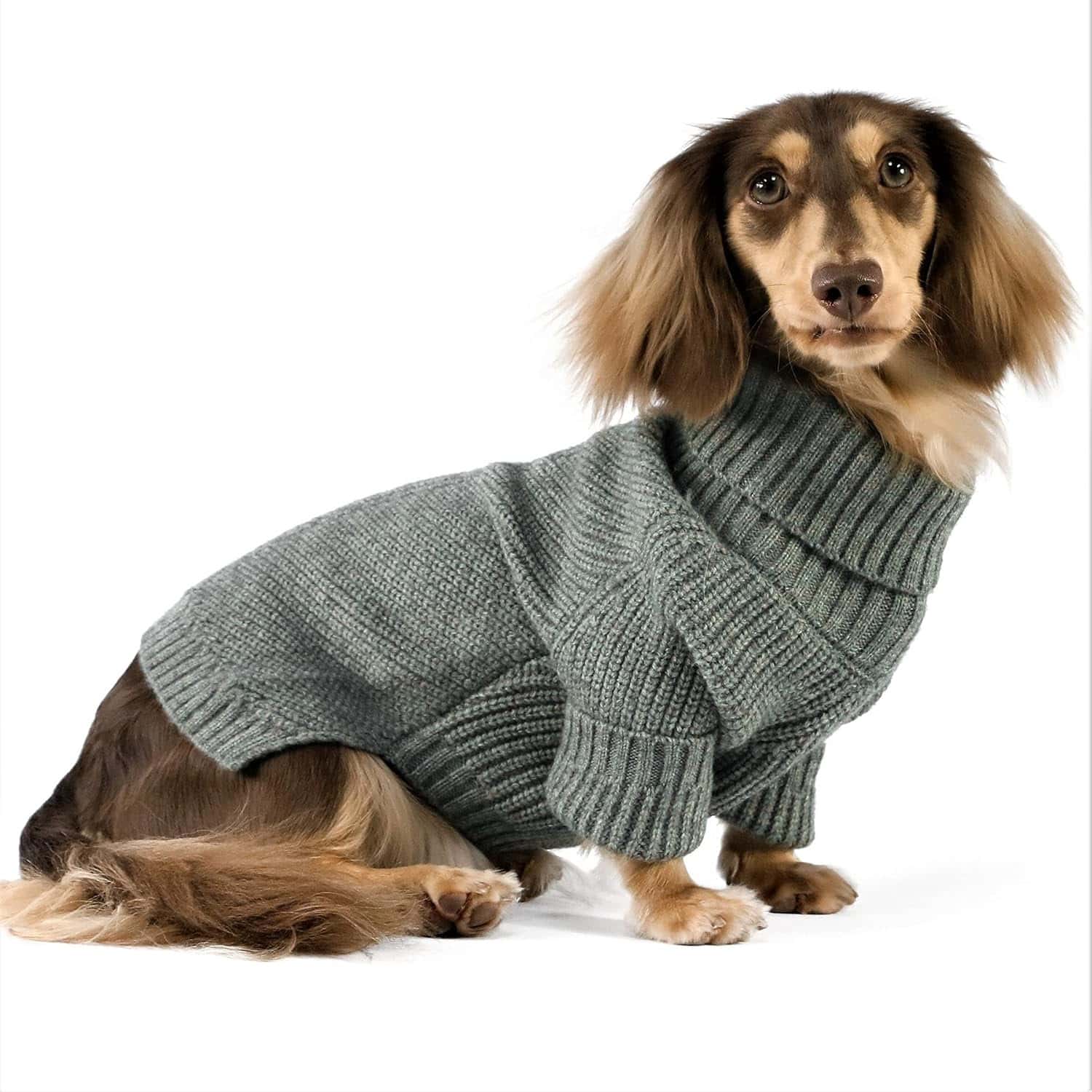
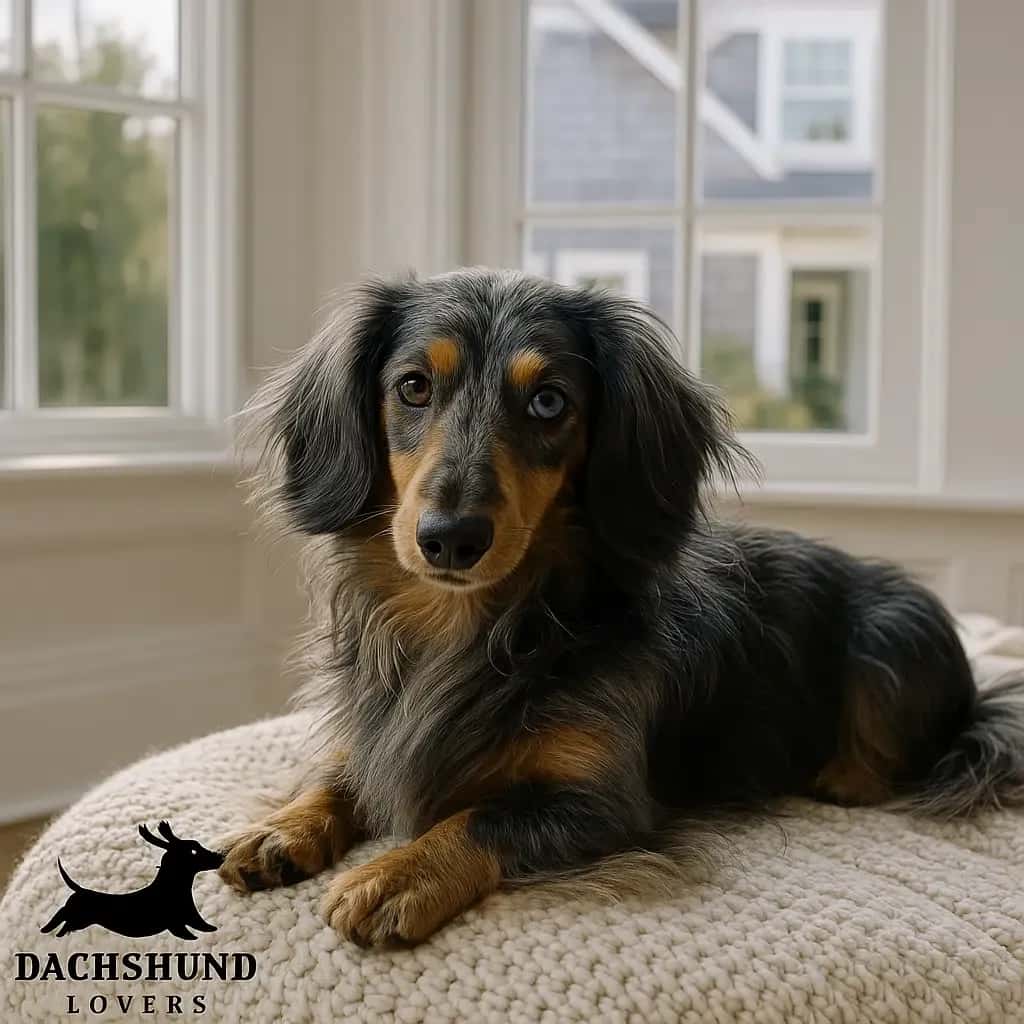
There’s a softness to long-haired blue dapple dachshunds that’s hard to put into words. I remember seeing one at the Orange Grove Markets in Lilyfield—it moved like a ripple of brushed steel, with a feathery tail that swayed gently behind. Its coat caught the light in a way that made every strand feel alive.
What makes the long-haired version so captivating is how the dapple pattern blurs slightly through the length and texture of the coat. Unlike the crisp, graphic dapples you might see on a smooth-haired doxie, the long-haired variety looks almost misted over—as if someone gently smudged the color with a brush.
You’ll notice:
- Feathered ears that frame the face softly
- Plush fur on the tail, chest, and belly
- A slightly calmer energy, especially in adults
Long-haired dachshunds tend to carry themselves with a certain quiet elegance. And when that coat is blue and dappled? It’s like walking a miniature cloud that occasionally barks at skateboarders.
Dive deeper into grooming and temperament in our Long-Haired Dapple Dachshund guide.
Personality & Temperament
Blue dapple dachshunds might look like magical creatures pulled from a dream, but don’t let the coat fool you—they’re 100% dachshund underneath. That means bold, charming, and occasionally just a little bit extra.
They’re:
- Deeply loyal to their people, sometimes forming a strong bond with one particular human
- Inquisitive, always poking their nose into bags, blankets, and the slightly cracked bathroom door
- Protective, especially in unfamiliar environments
- Quick to bark at anything from doorbells to birds daring to land in their yard
The first time I met a blue dapple with a serious case of “guard dog energy,” it was on a walk near Sirius Cove Reserve in Mosman. He was tiny, but you’d have thought he was policing the entire foreshore path. His name was Leo, and his owner said he once barked at a floating leaf for five straight minutes.
Consistency is everything with these dogs. With the right training, they’re confident, affectionate companions who just want to know what you’re doing—and ideally, be involved.
Grooming & Coat Care
A blue dapple dachshund’s coat may be part of what draws you in, but it’s also what requires the most ongoing care. The silvery, diluted tones of the “blue” coat can show dirt and dryness more readily than darker colors—especially in long-haired varieties.
Coat Type | Grooming Frequency | Notes |
|---|---|---|
Smooth | Weekly brushing | Wipe paws and underbelly regularly to keep the pale coat fresh |
Long-haired | Daily brushing | Focus behind ears, chest, and tail to prevent tangles and matting |
Wire-haired | Hand-stripping every few months | Less common in blue dapple, but can occur |
Special considerations for blue dapples:
- Pale coats may be sun-sensitive. If your dachshund loves sunbaking (as many do), apply dog-safe sunscreen to the ears and nose—especially on beach days or long walks.
- Check for skin sensitivities. Blue-coated dogs can be slightly more prone to dryness or irritation. A gentle, fragrance-free dog shampoo is your best friend.
- Keep their ears clean—especially in long-haired versions where moisture and fluff can lead to infections if not managed.
- Trim nails weekly or fortnightly, depending on how much time they spend on hard surfaces.
Ellie’s Tip: I once had a groomer in Paddington tell me, “The prettier the coat, the more upkeep it takes.” She was brushing out a long-haired blue dapple at the time, and she wasn’t wrong.
Are Blue Dapple Dachshunds Rare?
Yes—and no. It depends on how you define “rare.”
Blue dapples are less common than standard coat colors like red or black and tan, especially in long-haired form. Their shimmering silver-gray coat and unique eye colors (often one or both blue) give them a striking appearance that turns heads. But while they may feel rare in your local dog park, they aren’t technically rare from a genetic standpoint.
That said, the combination of “blue,” “dapple,” and “long-haired” does narrow the pool considerably. Reputable breeders who focus on health and ethical practices only produce a handful of these puppies each year, which naturally makes them less widely available.
Here’s where it gets tricky:
- Some breeders overcharge for blue dapple puppies under the guise of rarity.
- Others may advertise them as “rare teacup blues” or “designer dachshunds,” which is often just marketing spin.
- Unethical breeding for specific traits (like eye color or coat pattern) can lead to serious health risks.
Ellie’s Note: If someone’s charging a premium without clear health testing—including hearing and vision—you’re not just overpaying. You’re supporting irresponsible breeding. A reputable breeder should always be transparent about genetic history and the health of both parents.
Pro tip: Instead of focusing on coat rarity, focus on breeder reputation, puppy health, and fit with your lifestyle. A “rare” coat means very little if the dog isn’t thriving.
Health Considerations & Breeding Ethics
The blue dapple coat might be mesmerizing—but underneath that silvery swirl, there are some serious genetic concerns to be aware of. Like all dapple dachshunds, blue dapples carry the merle gene, which causes the unique marbled pattern. When only one parent carries the dapple gene, the result can be a healthy, visually stunning dog. But when two dapples are bred together, it significantly increases the risk of health complications in their puppies.
This is known as a double dapple.
Double Dapple Risks
Double dapple puppies may be born with:
- Microphthalmia (very small or missing eyes)
- Blindness or partial vision
- Deafness
- Internal organ abnormalities
- Deformed tails or limbs
These aren’t just cosmetic concerns—they’re lifelong medical issues that can deeply affect the dog’s quality of life.
What Responsible Breeding Looks Like
Good breeders know this and avoid breeding two dapples together. When considering a blue dapple puppy, always ask the following:
- Are both parents dapple?
The answer should be no. One dapple parent is fine; two is a red flag.
- Has the puppy had a BAER test for hearing?
This is a non-invasive test that checks for congenital deafness—a common issue in dapple and piebald patterns.
- Is coat color being prioritized over health?
Ethical breeders put temperament, health testing, and structure ahead of aesthetics.
A blue dapple dachshund can absolutely be a healthy, happy companion—but only if bred thoughtfully. Beware of breeders who lean too hard on the “rare color” angle or rush you through the process. A good breeder will ask you as many questions as you ask them.
Want to learn more about these risks? Learn more about the risks in our Double Dapple Dachshund article.
Blue Dapple Puppies: What to Know
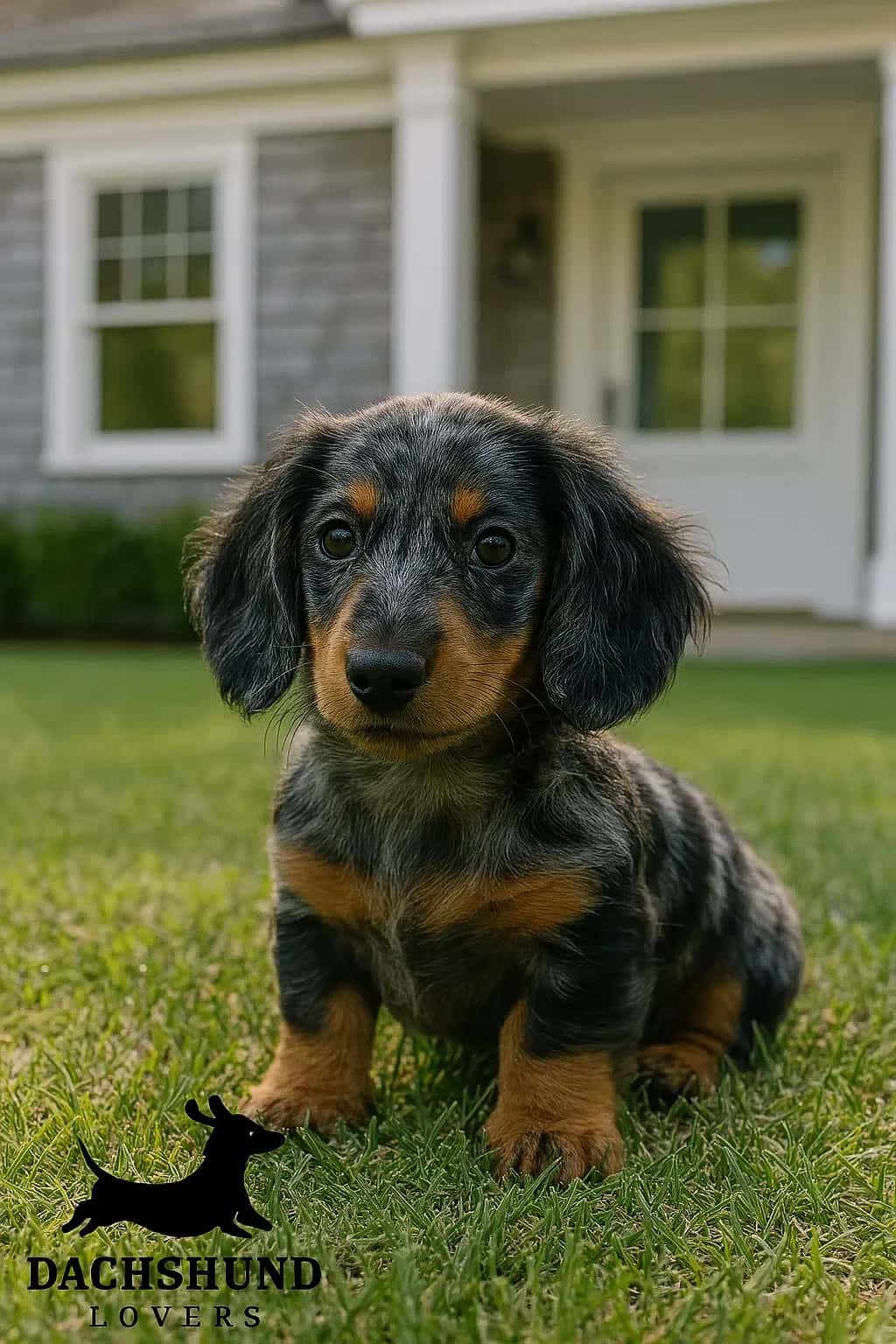
From the moment they open their eyes, blue dapple dachshund puppies attract attention—and not just because of their coloring. These pups carry the signature curiosity and boldness of the breed, but with an extra dose of visual drama. Their swirling coats, possible blue or mismatched eyes, and silvery markings mean they often become conversation starters the moment they leave the house.
But before you get swept up in the aesthetic, here’s what to know.
1. Their Markings Are Present at Birth
The dapple pattern is genetic—it’s not something that develops over time. Blue dapple puppies are born with their trademark swirls and spots, though their coat contrast and eye color may shift slightly as they grow. Some lighten with age, others darken or blur, particularly in long-haired coats where feathering softens the pattern.
2. They’re In High Demand
Due to their uncommon color and photogenic appeal, blue dapples often come with long breeder waitlists. Reputable breeders limit their litters, prioritize health testing, and avoid unethical practices like double-dapple breeding. That means you might wait several months (or more) for a pup—but it’s worth the wait.
3. They Need Socialization from Day One
Because blue dapples tend to turn heads, they’re often the center of attention on walks, at markets, or in cafés. This can be a lot for a young dog. Early and gentle socialization—with people, dogs, sounds, and new environments—is essential to help them grow into confident adults. Otherwise, you risk the classic dachshund stubbornness turning into anxiety or reactivity.
4. Cost Reflects More Than Color
Expect to pay anywhere from $3,000 to $5,000 AUD+, depending on:
- Coat length (long-haired often costs more)
- Eye color (blue or heterochromatic eyes may drive up prices)
- Health testing (BAER, PRA, patella checks)
- Breeder reputation and location
But beware of inflated pricing from breeders who use “rare” as a marketing tactic without providing proper documentation or testing.
Ellie’s Tip: “Ask for proof of parentage, health test results, and a breeder contract. A quality dachshund is never rushed.”
FAQs
More From This Series:
- Dapple Dachshund
- Dapple Dachshund Puppies
- Long-Haired Dapple Dachshund
- Double Dapple Dachshund
- Brown Dapple Dachshund
Authored by
Ellie
Ellie is a lifelong dachshund lover and the proud human of Maple, a long-haired brown doxie with a regal side-eye. While not a vet, Ellie brings honest, researched, and experience-based insights into every article she writes for the Dachshund Lovers community.
Read moreEllie is a lifelong dachshund lover and the proud human of Maple, a long-haired brown doxie with a regal side-eye. While not a vet, Ellie brings honest, researched, and experience-based insights into every article she writes for the Dachshund Lovers community.
Read moreThere are no comments yet
Leave a comment