Dachshund Coat Color Calculator
Dachshund Coat Color Calculator
Curious what color your dachshund puppies might be? Our coat color calculator uses parent genetics and AKC-recognized traits to help you predict possible dachshund coat colors — from classic reds to rare dapples, brindles, and creams.
The calculator is based on dog genetics and applies Mendelian inheritance principles across 21 loci to calculate potential coat color outcomes.
See Possible Colour Combinations Instantly
Dachshund Coat Color Calculator
Curious what color your dachshund puppies might be? Our coat color calculator uses parent genetics and AKC-recognized traits to help you predict possible dachshund coat colors — from classic reds to rare dapples, brindles, and creams.
The calculator is based on dog genetics and applies Mendelian inheritance principles across 21 loci to calculate potential coat color outcomes.
See Possible Colour Combinations Instantly
Parent 1 Coat Color *
How Our Dachshund Coat Color Calculator Works
Just select the coat colors and patterns of each parent — the calculator will show you the most likely puppy color combinations based on real dachshund genetics. The calculator predicts all possible combinations in offspring by inputting genotypes for both the sire and dam at each locus, and it can display common combinations as well.
- Built for breeders, new puppy parents, and curious minds
- Includes solid, dapple, piebald, brindle, and cream variants
- Informed by genetic probability, not random guessing
The calculator is suitable for planning litters, including for mixed breeds as long as the parent genotypes are known, and can be paired with a dedicated dachshund pregnancy calculator to help you plan from breeding through whelping..
Whether you’re planning a litter or just daydreaming, it’s a fun way to explore your doxie’s colorful potential, and if breeding is in your plans, a week-by-week dachshund pregnancy guide can help you manage the journey responsibly..
Dachshunds don’t follow simple rules when it comes to coat colors. From double dapples to hidden recessives, their genetics are both beautiful and complex. Our calculator works by analyzing multiple genes at different loci, and these genes interact in various combinations to determine coat color outcomes. It is tailored to dachshund-specific possibilities, so you don’t end up with misleading or inaccurate results.
Plus, we’ve made it easy to understand, even if you’re not a breeder or geneticist. DNA testing is recommended for accuracy when using the Dog Color Genetics Calculator, but it is not required.
Using the calculator can help breeders make informed decisions to prevent unwanted genetic complications.
Dachshund Coat Colors: What You Might See
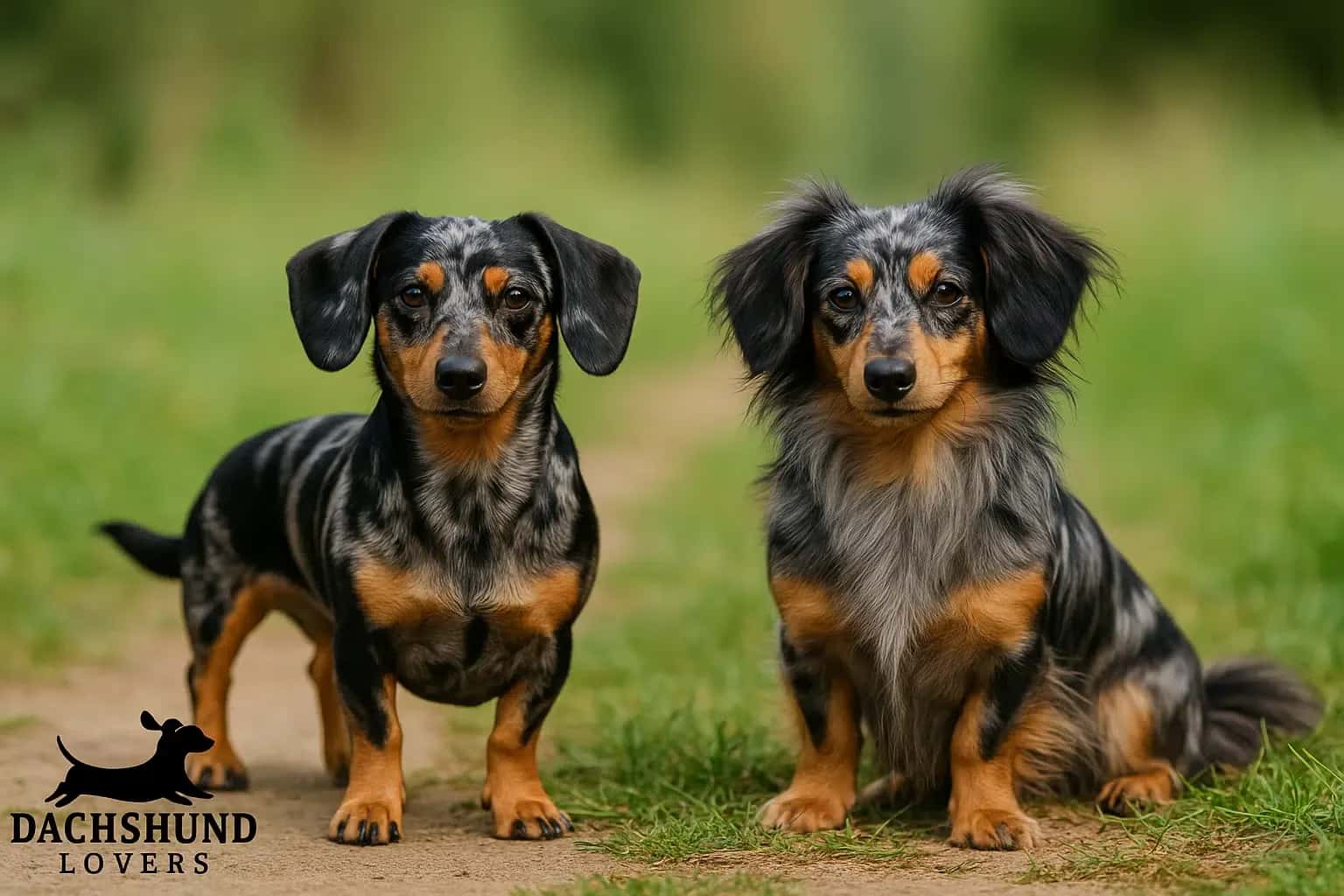
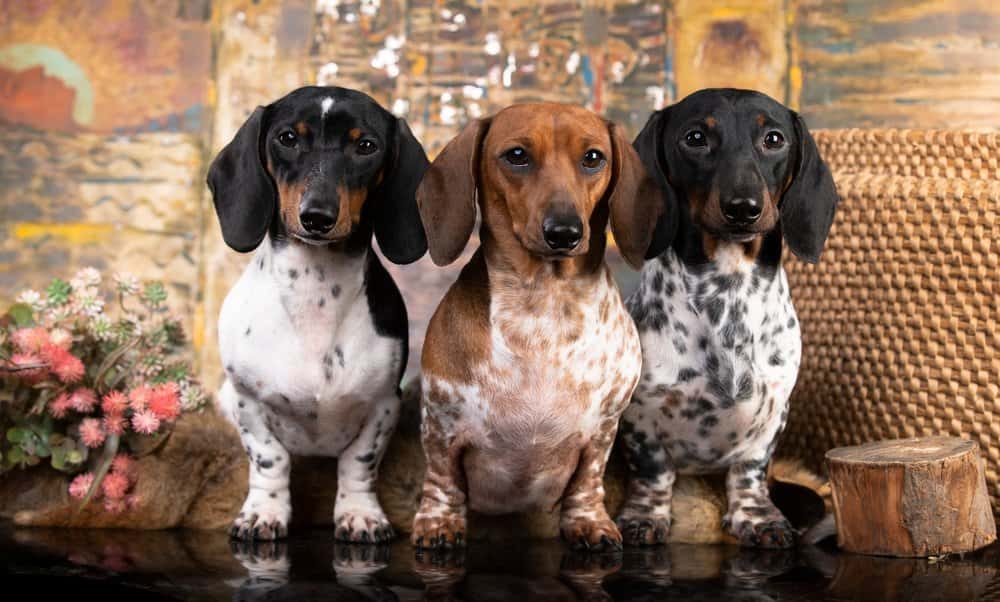
- Solid Colors: Red, black, chocolate, cream, fawn (Isabella), blue, gray (a diluted form of black), lilac (a rare diluted color produced by the combination of the d locus and b locus)
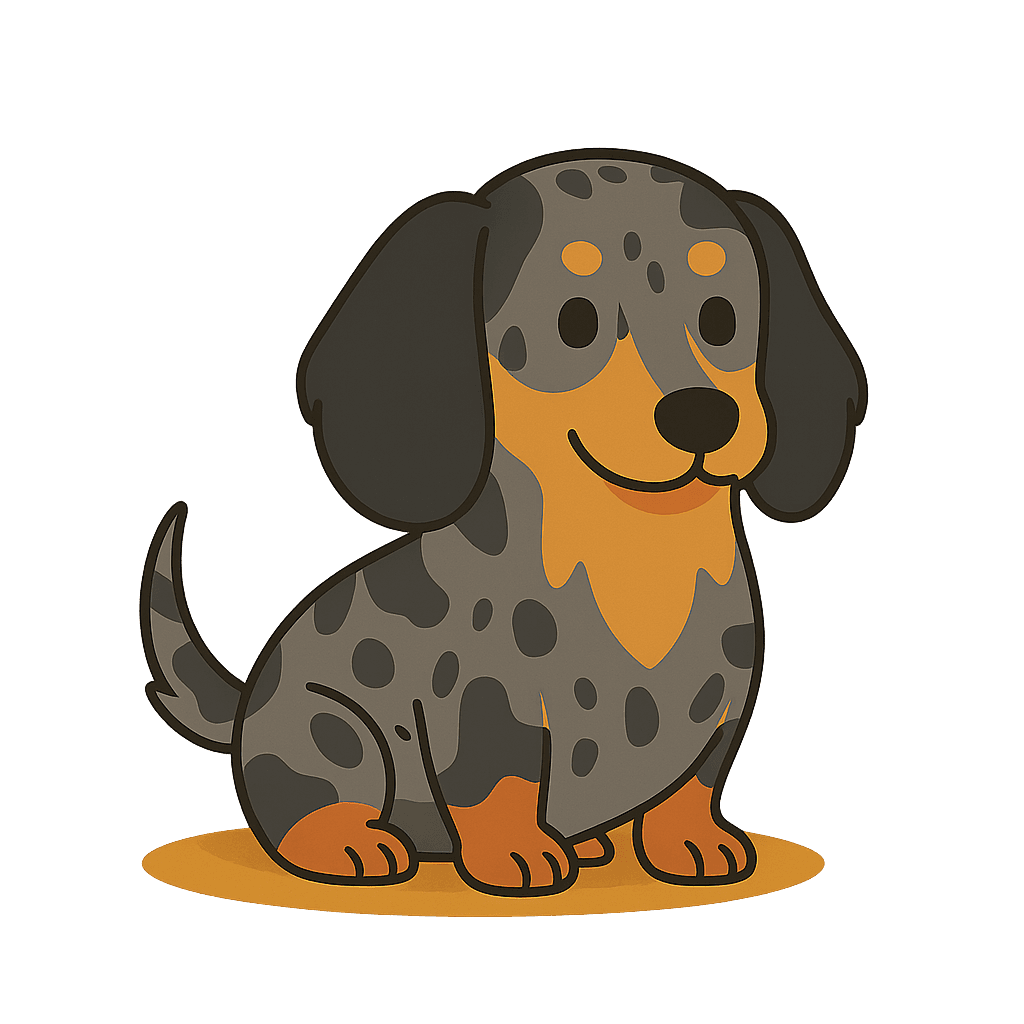
- Patterns: Dapple, brindle, tiger-brindle, piebald, double dapple, wolf sable (a specific pattern at the A locus with black-tipped hairs), including striking varieties like the blue merle dachshund that combine merle patterning with dilute pigment)
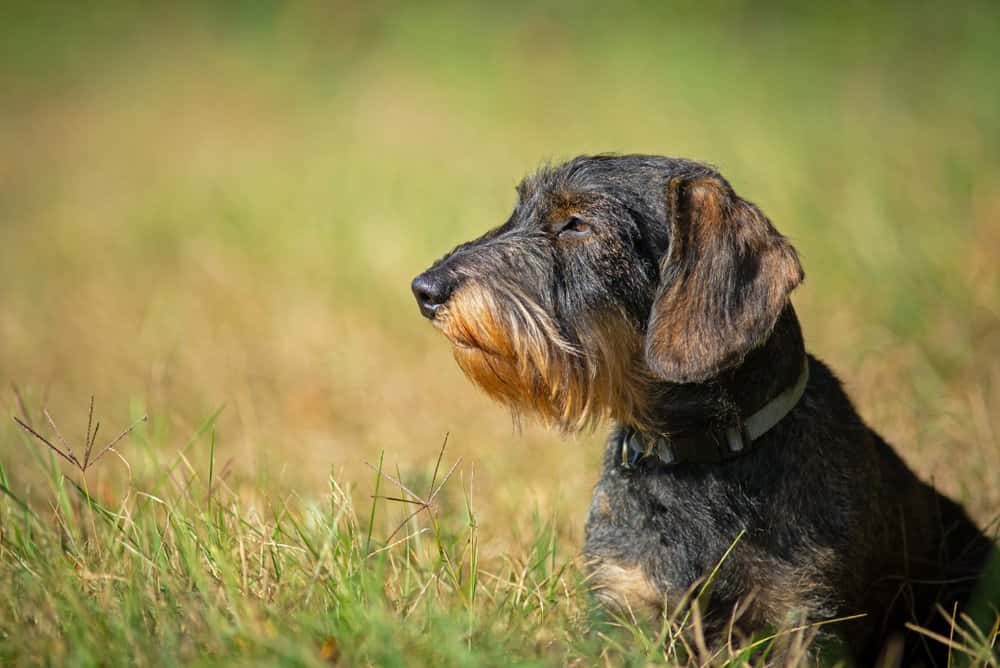
- Coat Types: Smooth, long-haired, wire-haired
Dachshunds have 15 recognized colors and six recognized patterns according to the American Kennel Club (AKC) breed standard.
The genetic basis for dachshund coat colors and patterns involves several key loci and genes. The base coat color is determined by pigment type and color intensity, with the B locus controlling black pigment versus brown pigment, and the D locus diluting pigment intensity (changing black to blue or brown to lilac). The E locus controls pigment production and affects the dog's ability to express dark pigments, while the K locus is responsible for dominant black and brindle patterns. The S locus controls white markings and white spotting, which can appear as patches or overlays on the dog coat. Coat patterns such as dapple, brindle, and wolf sable are genetically controlled and play a significant role in the dog's appearance.
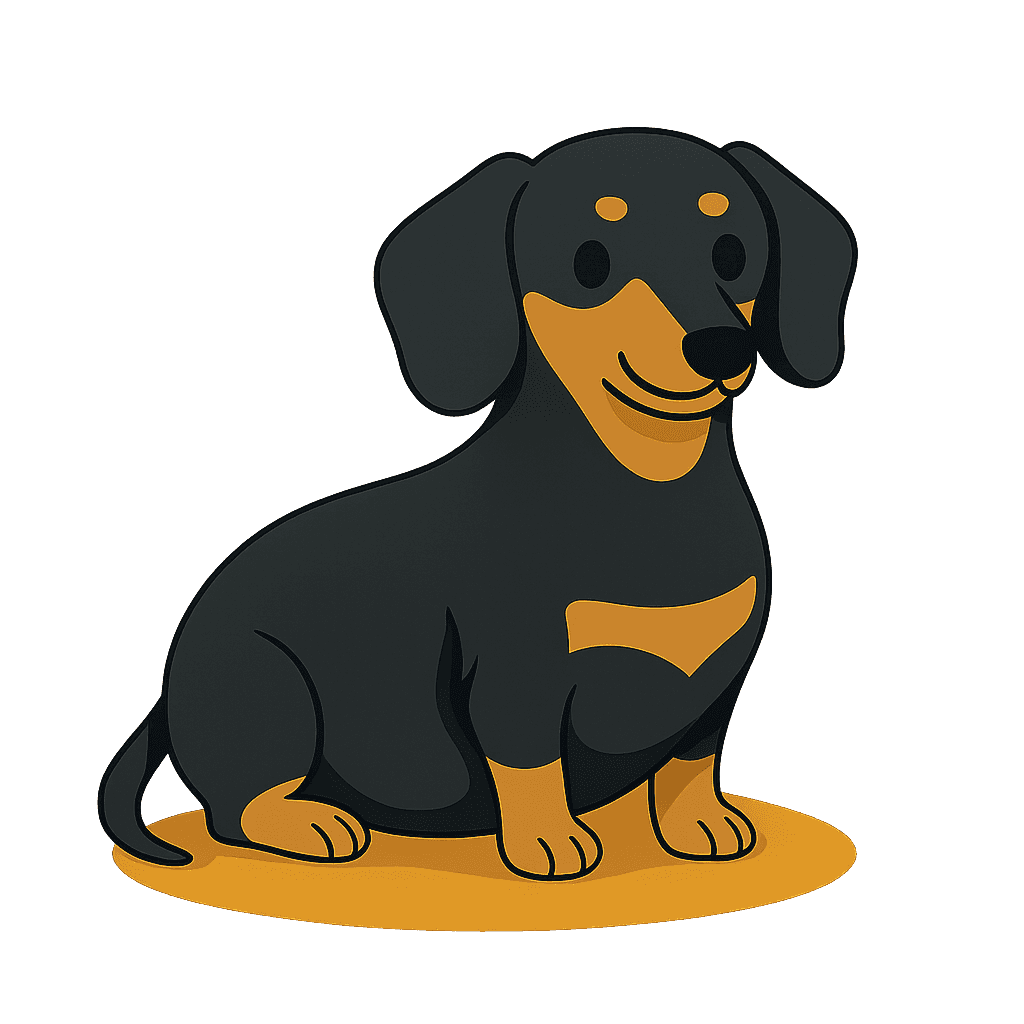
The expression of coat color depends on the combination of alleles inherited from both parents, and multiple genes interact to produce the final dog coat appearance. Dominant black is produced by the K locus, while recessive black is determined by the a allele at the A locus; these loci interact to create a variety of patterns, including tan-point and wolf sable. The black and tan Dachshund, a common variety, has tan points over their eyes, muzzle, tail, legs, feet, and chest. Wild boar coloration, especially seen in wire haired dachshunds, appears as a mix of gray, black, and brown, and wire-haired Dachshunds typically have a coat that is a blend of wild boar colors.. Brindle patterns, including tiger-brindle, are controlled by the K locus, while white spotting and white markings are determined by the S locus. Black-tipped hairs are characteristic of certain patterns like sable dachshunds and wolf sable..
Long hair and wire haired dachshunds are important coat types; long-haired Dachshunds require regular brushing to prevent matting, while wire-haired Dachshunds have a distinctive texture and often display wild boar coloring.. Rare colors like Isabella (lilac) dachshunds result from the interaction of the d locus and b locus, producing a pale silver-beige or lilac shade.. The Pair Predictor tool provides predicted coat color percentages for planned litters, helping breeders and owners anticipate outcomes. Dachshunds have 39 pairs of chromosomes that determine their coat color and type.
Each parent brings dominant and recessive traits to the mix. Our tool uses those traits to reveal likely outcomes and rare surprises.
Because Understanding Color Is Part of Caring Responsibly
- Helps breeders plan for healthy litters (and avoid double dapple risks)
- Helps new owners appreciate the genetics behind their pup’s appearance
- Encourages thoughtful choices around breeding, adoption, and care
- Celebrates the diversity of one of the most iconic breeds on earth
This isn’t just about color, it’s about curiosity, connection, and doing right by your dachshund.
Know the Risk Before It Becomes the Problem
Wisdom Panel Premium Dog DNA Test
With dachshunds, genetics matter more than most people realise. Long backs. Short legs. Higher risk profiles. What you do not know can quietly work against you for years. This DNA test screens for over 265 genetic health conditions, including IVDD risk markers, weight related traits, and other breed specific issues that affect dachshunds more than average. It also confirms breed makeup, physical traits, and inherited tendencies so you can make smarter decisions around diet, exercise, and care.

Color Genetics and Health: What Dachshund Owners Should Know
When it comes to dachshunds, coat color is more than just a matter of style—it’s a window into your dog’s genetic makeup and overall health.
Using a dog color genetics calculator can help you predict the possible coat colors and patterns your puppies might inherit, but it’s equally important to understand the health implications that come with certain genetic combinations.
For example, the merle pattern is striking and popular, but breeding two merle dachshunds together can result in double merle puppies. Double merle dogs are at a much higher risk for serious health issues, including vision and hearing problems. This is why responsible breeders use color genetics knowledge—and tools like our calculator—to avoid risky pairings and make informed decisions that prioritize the well-being of their dogs.
Another important consideration is color dilution. Some dachshunds have diluted coat colors, such as blue or isabella (fawn), which are the result of specific genetic variations. While these shades are beautiful, they can be linked to color dilution alopecia—a condition that causes hair thinning and skin problems. Understanding the genetics behind your dog’s coat can help you anticipate and manage these potential health concerns.
Whether you’re planning a litter or simply want to know more about your dachshund’s unique look, learning about color genetics empowers you to make choices that support your dog’s health and happiness, and pairing that knowledge with a dedicated dachshund age calculator helps you tailor care at every life stage..
Always use reliable resources, like a dog color genetics calculator, and consider consulting with veterinary geneticists or using a DNA test for the most accurate insights. In the end, a little knowledge goes a long way in ensuring your dachshund—and their puppies—live their healthiest, happiest lives.
Prevention Starts Here
DoggoRamps Couch Ramp
Based on your IVDD risk score, reducing impact matters. This ramp removes one of the biggest daily stressors on your dachshund’s spine, getting on and off the couch. Designed for long bodies and short legs, it supports safer movement without sacrificing couch time. Easy to use. Easy to store. A simple upgrade that protects your doxies future mobility.

Dachshund Calculators


.png&w=3840&q=60)
Dachshund Essentials