Wirehaired Dachshund: The Spirited Pup with a Scruffy Twist
Wirehaired Dachshund: The Spirited Pup with a Scruffy Twist
Learn all about the wirehaired dachshund —their coat, temperament, grooming needs, and price range. Learn more

Ellie
Posted on July 31, 2025.
Updated on July 19, 2026.
Table of Contents
- 1.Key Takeaways on About Wirehaired Dachshund
- 2.What Is a Wirehaired Dachshund?
- 3.Wire Haired Dachshund Temperament
- 4.Dachshund Wire Coat Explained
- 5.Grooming: Do Wirehaired Dachshunds Need Haircuts?
- •Here’s what a typical routine looks like:
- 6.How to Trim a Wirehaired Dachshund’s Face
- •Focus on three areas:
- •How to trim:
- 7.Do Wirehaired Dachshunds Shed?
- •Shedding by coat type:
- 8.Are Wirehaired Dachshunds Hypoallergenic?
- •Helpful habits for allergy-sensitive households:
- 9.Brownie Points: Training & Socialization
- •Key training tips for wirehaired dachshunds:
- 10.Grooming Tips for Dilute Coats
- -1. Brush Gently, and Often
- -2. Choose a Hydrating Shampoo
- -3. Post-Walk Wipe-Downs
- -4. Sun Protection Is Essential
- -5. Keep an Eye on Trouble Spots
- 11.Health and Common Issues
- •Common Health Concerns
- •Preventative Care Tips
- 12.How Much Are Wirehaired Dachshunds?
- •What affects the cost:
- 13.Wirehaired Dachshund Puppies
- •Puppy Coat Development
- •Choosing a Breeder
- -More From This Series:
- -Disclaimer
Share

The first wirehaired dachshund I ever met wasn’t in Sydney, but on a rainy afternoon in Brixton, London, while I was living abroad for a short while. I was having a pint at The Duke of Edinburgh — a pub with a massive beer garden and more dogs than chairs on a Sunday. That’s where I spotted him: a wiry little dachshund with eyebrows that gave him a kind of aristocratic mischief. His name was Claude, and he had just stolen a sausage from someone’s plate. Unapologetically.
Wire Haired Dachshunds originated in Germany, where they were bred as courageous hunting dogs for small game like badgers. Their unique look, with a distinctive wire-haired coat, reflects their history as rugged, bold, and independent hunting dogs—a courageous dog with a personality to match.
Since then, I’ve met dozens of wirehaired dachshunds, including a few Maple has befriended at our local park back home. They’re often the boldest in the bunch, with coats that are equal parts shaggy charm and terrier-like toughness. Let’s dig into what makes this coat type different — from temperament to grooming and beyond.
Key Takeaways on About Wirehaired Dachshund
Topic | Summary |
|---|---|
Coat Type | Harsh, wiry outer coat with a soft undercoat — requires specific grooming like stripping or trimming. |
Temperament | Bold, clever, and spirited. Wire haired dachshunds often have the liveliest personalities of the breed. |
Sizes | Standard (16–32 lbs) and Miniature (11 lbs or less), as recognized by the breed standard. |
Coat Varieties | The breed standard recognizes three coat varieties: Smooth, Wire-Haired, and Long-Haired, each with unique grooming and care needs. |
Grooming Needs | Regular brushing, hand-stripping or trimming, and occasional facial trims. |
What Is a Wirehaired Dachshund?
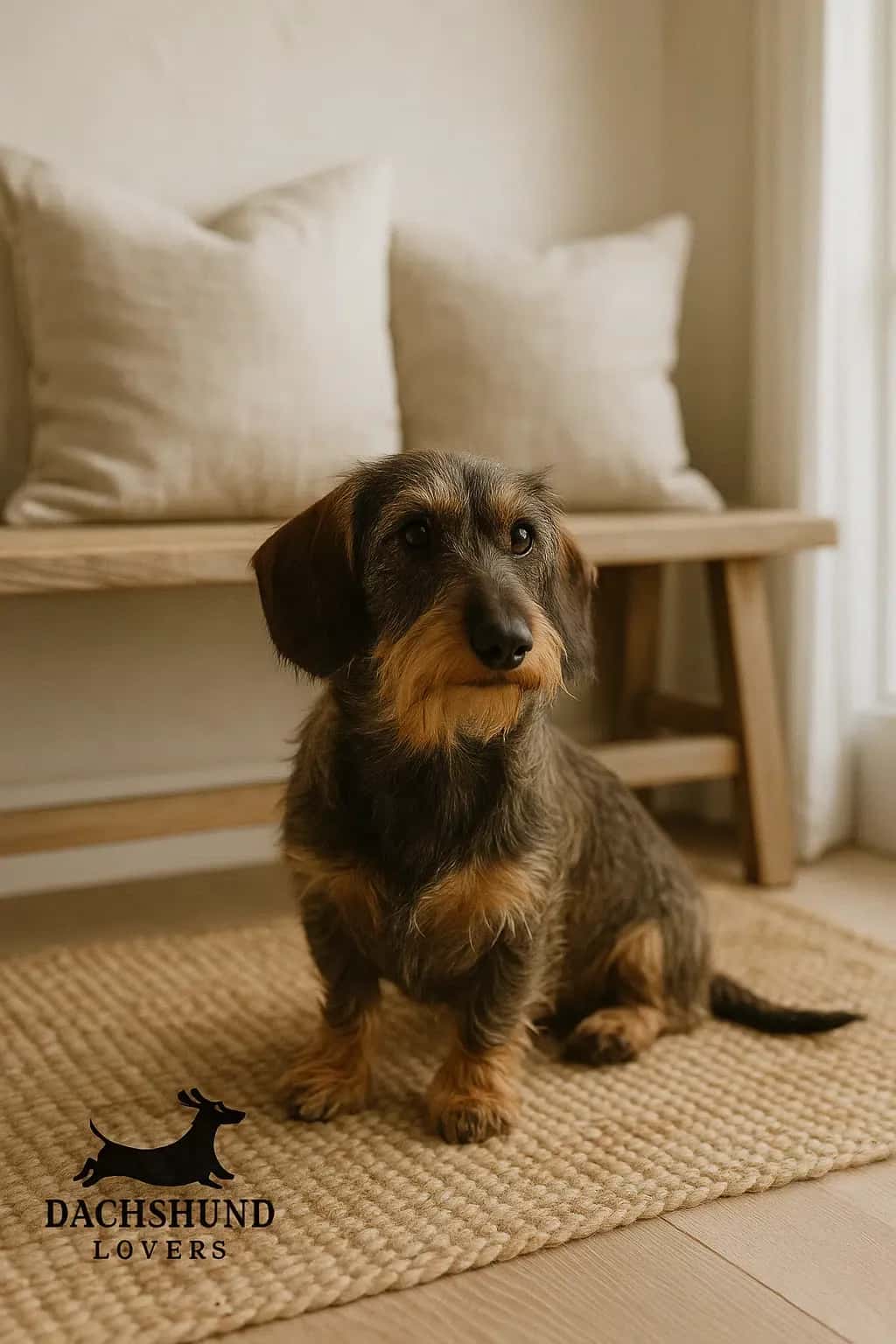
A wirehaired dachshund is the scruffier, more expressive cousin in the dachshund family. Their coat isn’t just a fashion statement — it’s a functional layer of protection, developed for rooting through thorny underbrush on hunting trips. Dachshunds come in three coat types: smooth, long-haired, and wire-haired, each with distinct grooming needs and breed standards. The wirehaired dachshund has a hard and wiry coat that requires regular maintenance to keep it in good condition. Unlike the sleek smooth coat or the flowing locks of the long-haired variety, wirehaired dachshunds wear a double coat: a soft, insulating undercoat and a harsh, wiry top layer.
Wire Haired Dachshunds are a long backed breed, a physical trait that makes them both distinctive and in need of special care, especially when it comes to activities like climbing stairs or being lifted. It’s this unique coat that gives them their signature look — often with pronounced brows and a bristly beard that makes them look just a little wiser (or cheekier) than they are.
Their features at a glance:
- Coat Type: Double-layered (soft undercoat + coarse outer coat)
- Texture: Bristly and rugged, especially around the face and tail
- Look: Expressive, slightly tousled, unmistakably charming
- Size Classifications: Standard (16–32 lbs) and Miniature (11 lbs or less)
This breed variation isn’t just about appearance — their wiry coat is low-shedding and weather-resistant, making them well-suited for life outdoors… or on the couch, if they have it their way.
→ If you’re new to the breed or looking for a general overview, you can start here: Wirehaired Dachshund guide
Wire Haired Dachshund Temperament
If the smooth is the classic and the long-haired is the elegant one, the wirehaired dachshund is undoubtedly the cheeky cousin. There’s a spark behind those scruffy brows — a glint that says, “What rule?” These dachshunds are known for their big personalities and an unmistakable sense of humor. Their lively personality and endearing nature make them good-tempered companions and a true friend to their families.
Owners often describe them as:
- Confident and vocal — they’re not afraid to express themselves, whether it’s a bark at the mail or a huff when you’re late with dinner.
- Mischievous — in the most endearing way possible. Many wire owners have a story about a stolen sock, a strategic toilet paper raid, or an escape from what seemed like a dachshund-proof fence.
- Incredibly smart — but that intelligence often comes with a side of stubborn. They know what you’re asking… they’re just deciding if it suits them. Their seemingly obstinate nature can make training a challenge, but with positive reinforcement, their loyalty and affectionate side shine through.
- Affectionate but independent — they love company, but also value their own agenda.
Compared to their smooth or long-haired cousins, wires tend to carry more terrier influence in both energy and mindset — thanks to crossbreeding in the coat’s early development.
Ellie’s Tip:
Of all the dachshunds I’ve met — and I’ve met more than I can count — wires are the most likely to outwit their owners. One I fostered could open cupboards and somehow always knew where the treats were hidden. He didn’t need supervision — I did.
Ready to learn what makes their coat so unique? Let’s explore the wirehaired dachshund’s signature look and grooming needs next.
Dachshund Wire Coat Explained
The wirehaired dachshund’s coat is both functional and full of character. It’s made for weather, mud, brambles — and somehow, still manages to look charmingly tousled on a city footpath. The wire coat of Wire Haired Dachshunds is hard-wearing and weatherproof, but requires regular maintenance.
Wire Haired Dachshunds come in a variety of colors, including black and tan, red, chocolate and tan, and various dapples, adding to their unique look and breed appeal.
This coat type is double-layered and benefits from using the best grooming tools for dachshunds tailored to their unique coat needs:
- A soft undercoat for insulation — keeping them warm in cooler climates.
- A coarse, bristly outer coat that’s weather-resistant and textured, especially over the back, tail, legs, and face.
Unlike the smooth or long-haired varieties, the wire coat grows continuously and requires routine care. Left untouched, it can become dull or tangled — losing that expressive scruff around the eyebrows and muzzle that makes the wire so distinctive.
You’ll notice the texture most around key areas:
- The beard and eyebrows are signature features
- The back and tail often feel wiry to the touch
- The legs and paws may have feathering that feels coarser than it looks
It’s a coat that was bred to perform, but it’s also one that turns heads — especially when the eyebrows are trimmed just enough to frame that sly little expression.
Want to see how this develops in pups? Visit our Wire Haired Dachshund Puppies guide.
Now that you know what makes their coat special, let’s look at how to keep it in top condition with the right grooming routine.
Grooming: Do Wirehaired Dachshunds Need Haircuts?
Yes — but not quite like you might think. Wirehaired dachshunds don’t need bows or fancy blow-dries. What they do need is hand-stripping — a traditional grooming method that helps their coat stay healthy, functional, and unmistakably “wire.”
After following the grooming routine table, remember to brush your wire haired dachshund at least once a week using a slicker brush or a comb with wide teeth. Hand-stripping the coat a few times a year helps maintain its texture and removes dead hair. The wire coat is hard-wearing and weatherproof, but it still requires regular maintenance. Regular hand stripping is also necessary to retain the charming beard and eyebrows that are characteristic of the breed. As part of your grooming routine, always check the ears and between the paw pads regularly to maintain health and hygiene.
Here’s what a typical routine looks like:
Grooming Type | Frequency | Purpose |
|---|---|---|
Brushing | 2–3x a week | Removes debris and prevents tangles |
Hand-stripping | Every 3–6 months | Removes dead hairs and encourages new growth |
Face trimming | Monthly | Keeps beard and eyebrows tidy, expressive, and clean |
Hand-stripping involves plucking out the dead topcoat hairs by hand or with a stripping knife. It's not painful when done correctly — and it keeps the coat coarse, clean, and water-resistant. Clippers, on the other hand, can dull the coat and reduce its natural protection.
And yes, the beard and eyebrows need a little shaping. But not too much — part of the charm of a wirehaired dachshund is that just-rolled-out-of-bed look (with a glint of mischief).
Ellie's Tip: A good groomer will enhance, not tame. Keep that cheeky expression alive.
Once you’ve mastered grooming, it’s time to understand how much these dogs shed and what that means for your home.
How to Trim a Wirehaired Dachshund’s Face
The wirehaired face is full of character — those bushy eyebrows and scruffy beards aren’t just cute, they’re iconic. But to keep your dachshund seeing clearly (and looking more charming than chaotic), a little tidy-up goes a long way.
Focus on three areas:
- Beard
- Eyebrows
- Around the eyes
How to trim:
- Use thinning shears, not blunt scissors — they soften the cut and preserve texture
- Brush the beard downward, then snip any uneven or overgrown tufts
- Trim carefully around the eyes to prevent irritation or obstruction
- Don’t over-shape — you’re refining, not restyling
- Take it slow, offer treats and breaks, and stop if your dog seems stressed
Many professional groomers offer breed-specific touch-ups if you’d rather not DIY — just make sure they’re experienced with wire coats.
Ellie's Tip: If their eyes vanish under a mop of fur, it's probably time. But never chase symmetry too hard — wires wear “a little uneven” better than most.
Now, let’s talk about shedding and what to expect from a wirehaired dachshund in your home.
Do Wirehaired Dachshunds Shed?
Yes — but less than you might expect.
Wirehaired dachshunds have a unique coat that traps loose hairs rather than letting them fall everywhere. This means less shedding on your clothes and furniture — but more responsibility to brush out what’s being held in.
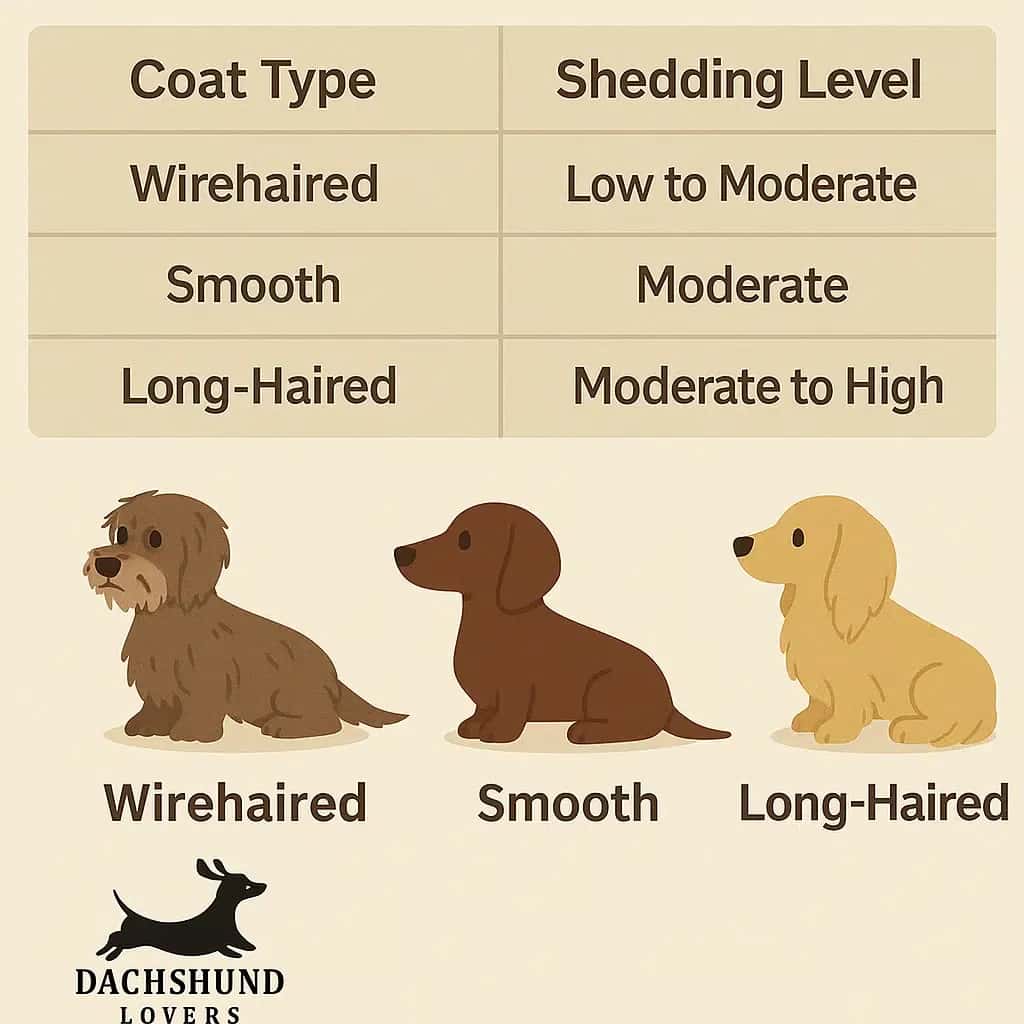
Shedding by coat type:
Coat Type | Shedding Level |
|---|---|
Wirehaired | Low to moderate |
Smooth | Moderate |
Long-Haired | Moderate to high |
Without regular brushing, wirehaired dachshunds can get itchy, develop tangles, or even face mild skin issues — not because they’re dirty, but because dead hair stays caught in the coat.
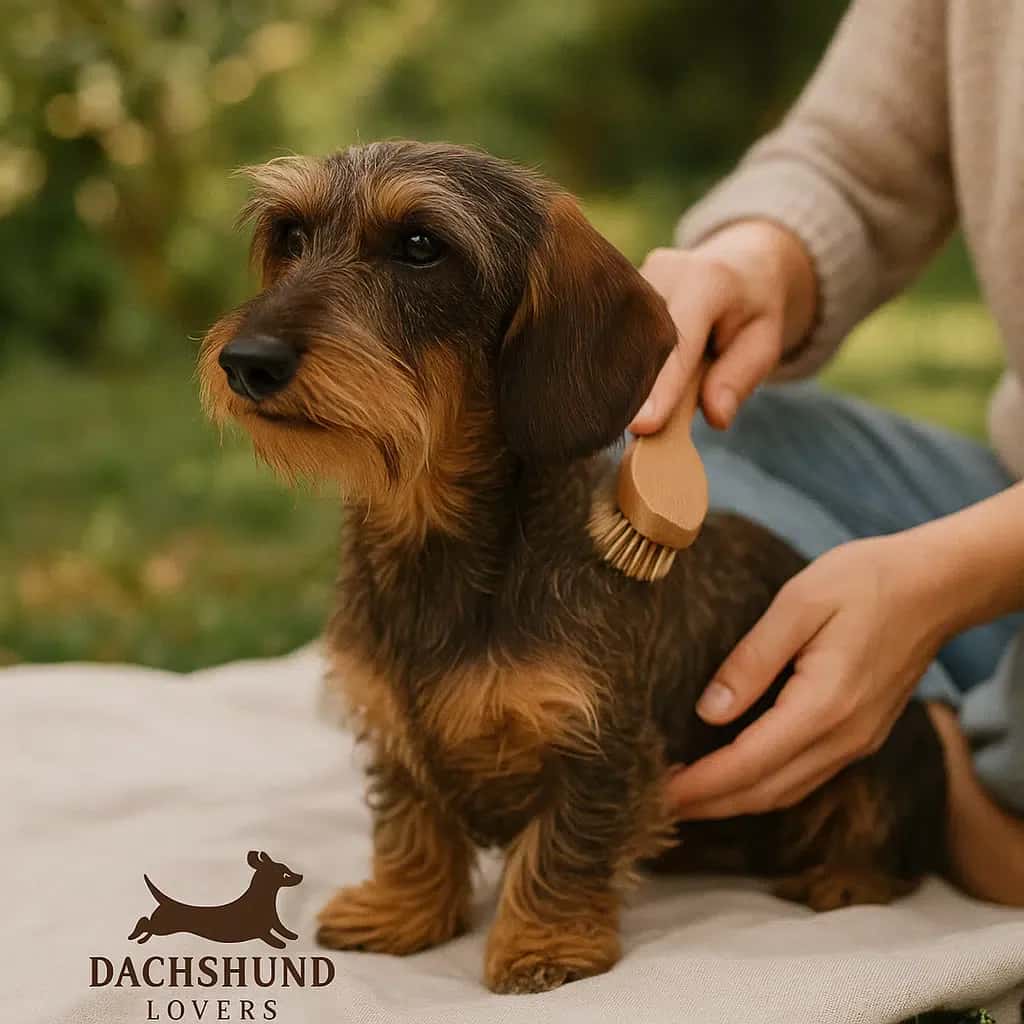
A few gentle sessions each week with a slicker brush or stripping comb can make a noticeable difference — not just in shedding, but in their overall comfort and appearance.
If you or someone in your home has allergies, you’ll want to know how wirehaired dachshunds compare to other breeds in terms of allergen potential.
Are Wirehaired Dachshunds Hypoallergenic?
No dog is truly hypoallergenic — and wirehaired dachshunds are no exception.
That said, their double coat tends to trap dander and loose hair more effectively than smooth or long-haired varieties. For people with mild allergies, this can make a noticeable difference.
But it’s not just about the coat. Dander, saliva, and even what your dachshund tracks in from the garden all contribute to reactions. The key is managing the environment and the grooming routine.
Helpful habits for allergy-sensitive households:
- Brush your dachshund 2–3 times a week (outside, if possible)
- Bathe monthly with a gentle, dander-reducing shampoo
- Wash bedding and soft toys frequently
- Use a HEPA filter in your living space
- Avoid allowing your dachshund to sleep on your pillow
A wirehaired dachshund might not be a perfect match for severe allergy sufferers, but with consistency and care, they can be a manageable, loving companion for many.
Training and socialization are just as important as grooming for a happy, well-adjusted wirehaired dachshund. Let’s look at how to set your dog up for success.
Wirehaired dachshunds are full of character — and sometimes a little too clever for their own good. Their temperament leans bold, curious, and hilariously willful, which means training is less about control and more about collaboration.
You’re not the boss — you’re the guide (and treat dispenser). Start training and socialization at an early age for the best results, as this helps them adapt and behave well around children, other dogs, and other animals. Wire Haired Dachshunds are known for their strong problem-solving abilities and require plenty of mental stimulation to prevent boredom and destructive behaviour. Consistency is key in training, as they may ignore commands if distracted by something more interesting. Always use reward based training and avoid harsh commands, since these sensitive dogs respond best to positive reinforcement and patience. Before allowing off-leash activities, ensure your dachshund has good recall to keep them safe from chasing scents or squeezing into small spaces. With proper socialization, they can be friendly with children, other dogs, and other animals, though their behavior may differ from other breeds.
Key training tips for wirehaired dachshunds:
- Start young: Puppy school and early socialization help shape confident, balanced adults.
- Keep it short and sweet: Wirehaired dachshunds thrive with brief, varied sessions.
- Use positive reinforcement: Treats, toys, and play work far better than scolding.
- Practice patience: They’ll test boundaries — and your sense of humor.
- Focus on recall and leash manners: Their terrier streak means they may dart after smells or birds without warning.
They also love mental stimulation. Think puzzle feeders, scent games, and “find it” challenges around the house, all of which are part of the day-to-day reality of living with dachshunds.
Next, let’s cover some special grooming tips for dilute coats, which can be especially important for certain color varieties.
Grooming Tips for Dilute Coats
Caring for an Isabella dachshund’s coat is a gentle art. These aren’t low-maintenance dogs when it comes to grooming — but they reward the effort with velvety texture, soft shine, and skin that stays calm and happy.
Whether you have a short-haired Isabella or the more dramatic long-haired version, their coat deserves a little extra thought.
1. Brush Gently, and Often
Especially for long-haired varieties, regular brushing is essential:
- Use a soft-bristle slicker brushpin brush to detangle and lift dirt
- Brushing 2–3 times a week prevents matting and stimulates healthy skin
- For short-haired coats, a rubber grooming mitt works well to remove loose hairs and keep the coat smooth
Ellie’s Tip: Turn grooming into bonding time — it’s calming for both of you, and your doxie will quickly learn to love the routine.
2. Choose a Hydrating Shampoo
Dilute coats are prone to dryness and irritation, so stay away from generic or heavily fragranced shampoos.
Look for:
- Oatmeal- or aloe-based formulas for hydration
- Hypoallergenic and sulfate-free ingredients
- pH-balanced for dogs — human shampoos aren’t suitable, even if they’re gentle
A hydrating conditioner or leave-in spray can also help maintain softness, especially on long-haired Isabellas.
3. Post-Walk Wipe-Downs
After outdoor time — particularly in dusty, sandy, or grassy areas — use a damp microfiber cloth or dog-safe grooming wipe to:
- Clean their underbelly and paws
- Remove allergens or irritants that can lead to flare-ups
- Keep their coat fresh without over-bathing
Too many baths can strip natural oils, so this quick wipe-down keeps things clean between washes.
4. Sun Protection Is Essential
Because their coats are lighter and thinner in some areas, Isabella dachshunds are more vulnerable to sun damage.
Consider:
- Applying a dog-safe sunscreen to the nose, ears, and belly before outdoor time
- Avoiding midday sun
- Using lightweight UV-protective shirts for longer walks or beach visits
Sun protection isn’t just cosmetic — it helps prevent redness, flaking, and long-term skin stress.
5. Keep an Eye on Trouble Spots
Pay special attention to:
- Ears (prone to dryness, especially in long-haired dachshunds)
- Tummy and groin area (where hair is finer and skin is more exposed)
- Tail base and underarms (where friction can cause small flare-ups)
A once-a-week skin check can help you catch issues early.
Their coats may be delicate — but with the right care, an Isabella dachshund’s fur stays beautifully soft, calm, and healthy. Think of it as silk, not denim: it thrives with a light, loving touch.
Now, let’s discuss the health and common issues you should be aware of as a wirehaired dachshund owner.
Health and Common Issues
Common Health Concerns
Wirehaired dachshunds are a remarkably healthy breed, but like all dogs, they come with their own set of quirks and care needs. Bred as the original “badger dog” for hunting burrowing animals, their unique build—short legs, long back, and a hard-wearing wiry coat—makes them both charming and a little more prone to certain health issues.
Wire Haired Dachshunds are prone to Intervertebral Disc Disease (IVDD), which can lead to pain and paralysis, and are also susceptible to back problems and spinal injuries due to their long backs and short legs.
Preventative Care Tips
- Maintain a lean weight to protect their long spine from IVDD.
- Avoid activities that involve jumping or excessive strain on their backs.
- Provide daily exercise and mental stimulation to keep them fit and happy.
- Schedule regular veterinary checkups to monitor their health.
Understanding the costs involved is also important when considering a wirehaired dachshund. Let’s look at what you can expect to pay and what factors influence the price.
How Much Are Wirehaired Dachshunds?
Wirehaired dachshunds are among the rarer coat types, and their scruffy charm often comes with a slightly higher price tag — especially when bred ethically, which is why a dedicated wirehaired dachshund care and resources guide can be so valuable.
What you're really paying for isn't just the coat — it's the care behind it.
Region | Estimated Price |
|---|---|
Australia | $3,000 – $5,500+ AUD |
UK | £1,200 – £3,000 GBP |
USA | $1,500 – $3,500 USD |
What affects the cost:
- Breeder reputation and demand
- Health testing (e.g. eyes, back, heart)
- Whether the puppy is pedigree-registered
- Early socialization and training
- Whether the coat is traditional wire or silky wire
If the price seems too good to be true, it usually is. Wirehaired dachshunds are a commitment — and so is sourcing one responsibly.
Wirehaired Dachshund Puppies
Puppy Coat Development
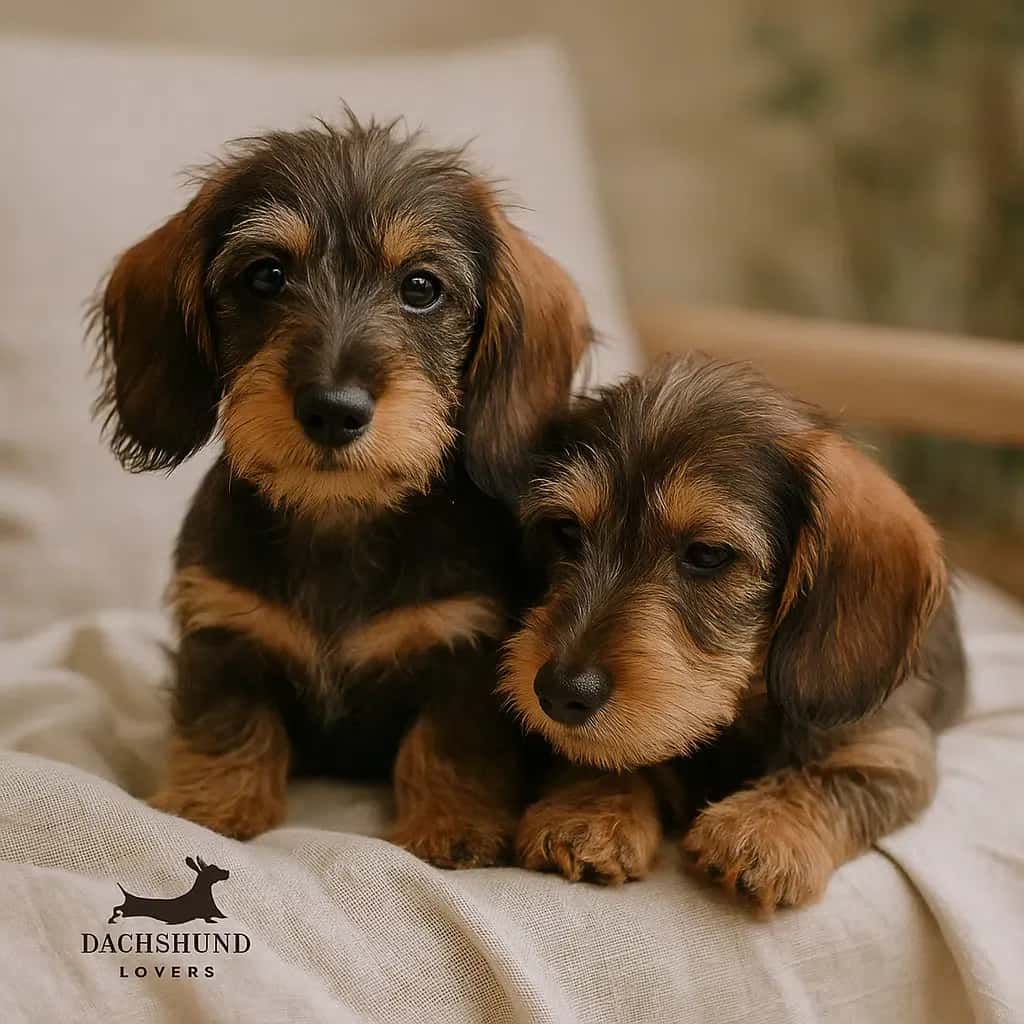
Wirehaired dachshund puppies are a bit like toddlers with bed hair — full of mischief and absolutely adorable. But don’t be surprised if their coat changes as they grow; a complete owner’s guide to wire haired dachshund puppies can help you understand what to expect.
- Puppies often look smoother than their adult selves. The wiry texture can take a few months to fully develop.
- Some pups may have a silkier look if one parent was a long-haired or smooth-coated dachshund, which is where silky wire haired dachshunds get their unique coat texture.
- Beard and eyebrow growth starts subtly, then suddenly becomes their signature feature.
Choosing a Breeder
When looking for a litter, make sure the breeder pairs dogs of the same breed to maintain breed standards and health. Ethical breeding within the same breed helps ensure healthy, well-adjusted puppies.
- Breeders who ethically pair dogs — never two dapples
- Pups raised in a home environment (not kennels)
- Exposure to sound, handling, and play for confident socialisation
- Early signs of wire coat texture — particularly on the back and muzzle
Wire Haired Dachshund puppies usually reach their full exercise capacity at around 12 months of age, so be mindful of their activity needs as they grow.
These pups thrive when raised with gentle structure and daily affection. A well-bred wirehaired puppy should be curious, alert, and have that slightly cheeky glint in their eye.
You can dive deeper into care tips in our dedicated Wire Haired Dachshund Puppies guide.
FAQs
More From This Series:
Authored by
Ellie
Ellie is a lifelong dachshund lover and the proud human of Maple, a long-haired brown doxie with a regal side-eye. While not a vet, Ellie brings honest, researched, and experience-based insights into every article she writes for the Dachshund Lovers community.
Read moreEllie is a lifelong dachshund lover and the proud human of Maple, a long-haired brown doxie with a regal side-eye. While not a vet, Ellie brings honest, researched, and experience-based insights into every article she writes for the Dachshund Lovers community.
Read moreDisclaimer
This guide is intended for informational purposes only and should not be used as a substitute for professional veterinary or grooming advice.
There are no comments yet
Leave a comment