Blue Merle Dachshund – Rare, Beautiful, and Misunderstood
Blue Merle Dachshund – Rare, Beautiful, and Misunderstood
Considering a Blue Merle Dachshund? Learn what makes them rare, how to care for their unique coats, and what health risks to look out for before bringing one home.

James
Posted on June 14, 2025.
Updated on July 21, 2026.
Table of Contents
- 1.Key Takeaways on Blue Merle Dachshund
- 2.What Is a Blue Merle Dachshund?
- 3.Are Blue Merle Dachshunds Rare?
- 4.Blue Merle vs. Blue Dapple Dachshund
- 5.Coat Types & Appearance
- 6.Blue Eyes in Blue Merle Dachshunds
- 7.Genetics Behind the Pattern
- 8.Personality Traits
- 9.Grooming and Care
- 10.Health Considerations
- 11.Health Considerations
- 12.Finding a Reputable Breeder
- 13.More from This Series
Share

The first time I met a blue merle dachshund, I wasn't entirely sure he was real. His name was Astro, and he had a cool, marble-swirled coat—steel grey mixing with cream patches, pale blue eyes that sparkled, and a confident little strut that said, yes, I know I look like a unicorn. We were outside at XS Espresso in Parramatta, one of Western Sydney's favorite brunch spots, and people kept stopping mid-sip just to ask, “What breed is that?”
If you've seen a dog like Astro and wondered what this unique dachshund color variation is all about, or you're considering bringing one home, this guide is for you. From their genetic background to grooming tips and common health concerns, we'll explore what makes the blue merle dachshund one of the most stunning—and sometimes misunderstood—members of the doxie family.
Key Takeaways on Blue Merle Dachshund
Topic | Summary |
What Is a Blue Merle Dachshund? | A dachshund with a diluted black (blue-gray) coat and marbled patches caused by the merle gene |
Are They Rare? | Yes. Blue merles are rare and often confused with blue dapple dachshunds |
Coat Types | Found in smooth, long-haired, and wire-haired coats |
Health Concerns | May be prone to Color Dilution Alopecia (CDA) or genetic vision/hearing issues |
Personality For | Loyal, independent, clever—and sometimes a little dramatic |
What Is a Blue Merle Dachshund?
When I first met Astro, the blue merle dachshund with a coat like a marbled painting, I remember pausing mid-coffee and whispering to Maple, “Is he real?” His coat was a mix of stormy gray, creamy patches, and speckles of soft charcoal—like someone had swirled fog and ink together. And his eyes? One was almost white-blue, the other a faded amber.
A blue merle dachshund (also referred to as a blue dapple) is a dachshund whose base color is typically a diluted black—known as blue—and layered with a swirling pattern from the merle gene. The merle gene creates distinctive patterns with lighter patches and gray patches across the coat, giving each dog a unique marbled or mottled look. This results in that unforgettable mottled appearance: no two look alike, and some even appear to shimmer in sunlight. The merle gene modifies the base coat color, creating lighter areas that appear as spots or streaks.
Whether smooth, long, or wire-haired, the merle pattern transforms the coat into a living canvas.

Are Blue Merle Dachshunds Rare?
Absolutely. While merle is a relatively common pattern in breeds like Australian Shepherds or Border Collies, it’s far less prevalent in dachshunds. And within dachshunds, blue merle (dapple layered on diluted black) is especially uncommon.
But rarity alone isn’t a reason to fall in love with a dog—especially one whose coat can come with genetic risks. Breeding merles requires knowledge, restraint, and a deep commitment to the health of both parent dogs and puppies. Sadly, demand for this unique look has led to a rise in unethical breeding, with some breeders skipping essential health testing just to cash in on the “rare” label.
Caution is essential when selecting a breeder, as there are no real benefits to supporting those who do not prioritize health or who may be associated with puppy mills. Genetic testing is crucial in breeding Merle Dachshunds to identify potential health risks. Double merles, which occur when two Merle coated dogs are bred together, have a much higher risk of health issues, including hearing and vision problems.
Curious how they compare to other blue-coated dachshunds? Take a peek at our Blue Dachshund Guide for more insight.
Blue Merle vs. Blue Dapple Dachshund
Let’s clear this up, once and for all.
“Blue merle” and “blue dapple” are the same thing.
- “Merle” is used more broadly across dog breeds.
- “Dapple” is the official term used in dachshund breed standards.
So if someone says their doxie is a blue merle, and someone else says theirs is a blue dapple, they’re likely describing the exact same coat pattern: a blue base with mottled patches in lighter gray, silver, or cream.
It’s easy to confuse them with blue dachshunds, who are solid-colored with no dappling. If you’re trying to spot the difference at the dog park, look for that marbled overlay.
Coat Types & Appearance
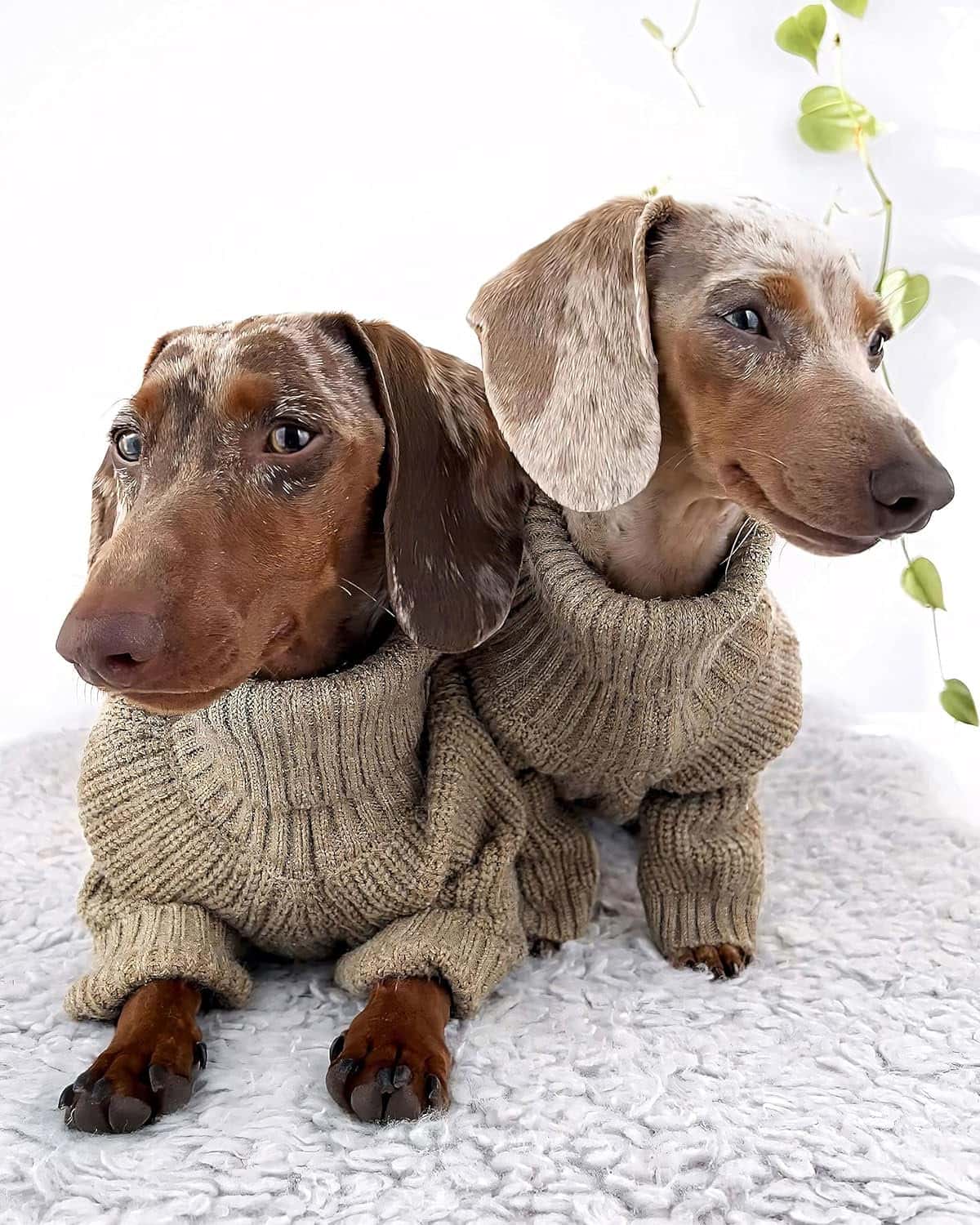
Blue merles appear in all three dachshund coat types—smooth, longhaired, and wirehaired—and each brings its own magic. The merle gene creates unique patterns, including lighter patches and gray patches, and the intensity and distribution of these patterns can vary from dog to dog, making each blue merle dachshund visually unique.
- Smooth-Coated Blue Merle
These doxies have sleek, reflective fur. The merle pattern shows up vividly, with high contrast between light and dark patches, including lighter patches and gray patches that create a striking marbled effect. Patterns and color intensity can vary, so no two smooth blue merles look exactly alike. - Long-Haired Blue Merle
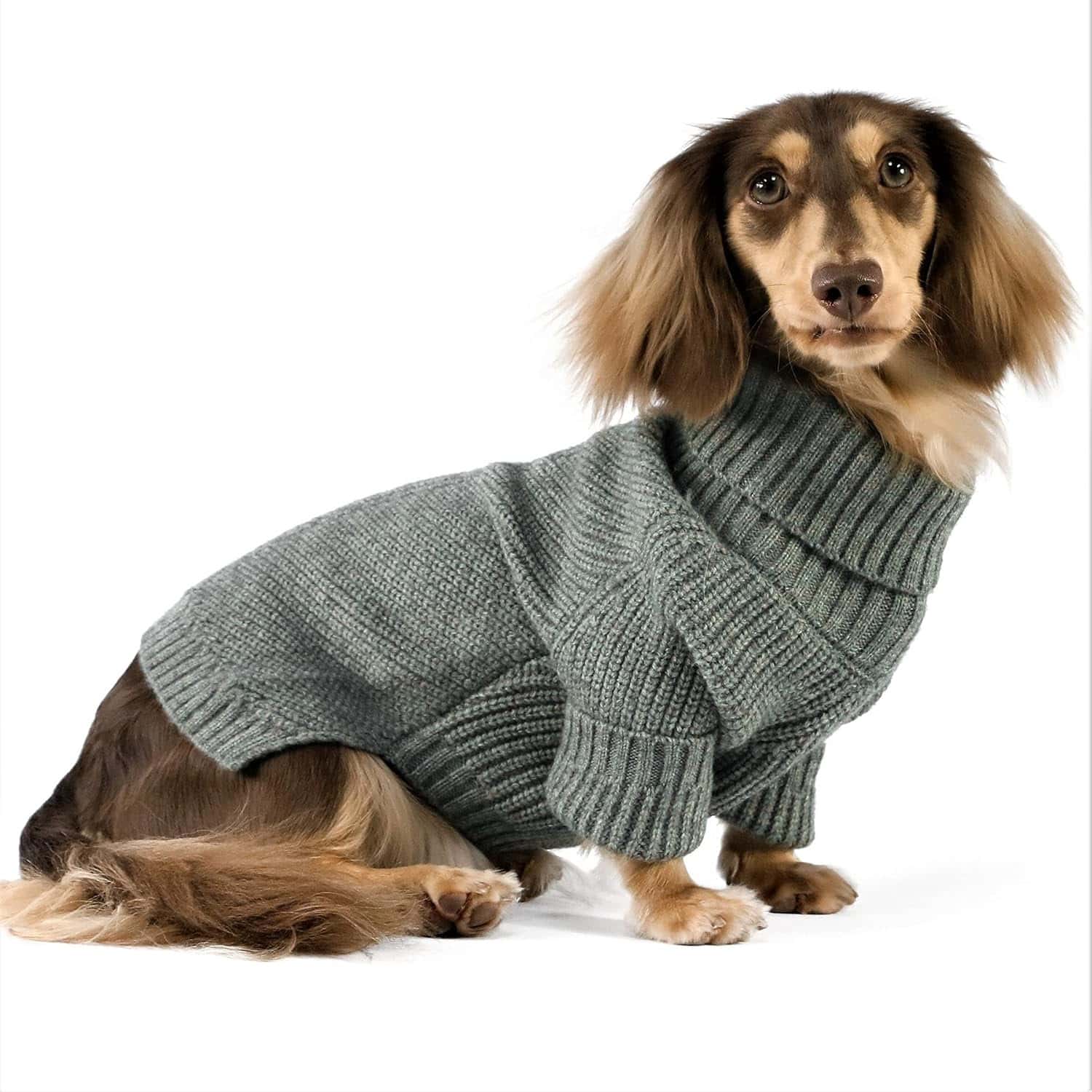
Their coats diffuse the marbling, creating a softer, dreamier look. You might notice silver feathering at the ears and a gradient effect along the back, with lighter patches and gray patches blending into the longer fur. The patterns can vary in intensity, adding to their unique appearance. - Wire-Haired Blue Merle
This coat type is the rarest combo. The coarser texture brings out a scruffier, more rugged version of the merle pattern—almost like granite, with gray patches and lighter patches scattered throughout. The patterns and their intensity can vary, giving each wire-haired blue merle a one-of-a-kind look.
Blue merles often also have:
- One or two blue eyes, or heterochromia (each eye a different color)
- Mottled or pink paw pads and noses
- Light fur on the chest, legs, or muzzle
Blue Eyes in Blue Merle Dachshunds
There’s something truly mesmerizing about locking eyes with a blue merle dachshund—especially when those eyes are a clear, icy blue. In the dachshund world, blue eyes are a show-stopping feature, instantly setting these dogs apart from their dapple dachshund cousins and other breeds. Thanks to the merle gene, which not only creates that signature mottled coat but also influences eye color, some blue merle dachshunds end up with one or even two striking blue eyes. It’s a look that many owners fall in love with at first sight.
But here’s the twist: not every blue merle dachshund will have blue eyes. The genetics behind this trait are a bit of a lottery, with the merle gene sometimes producing blue or partially blue eyes, and other times resulting in the classic dark or amber hues. This unpredictability only adds to their mystique. For those lucky enough to share their home with a blue-eyed blue merle, it’s like having a little piece of magic curled up on the couch.
Of course, beauty isn’t everything. While blue eyes are captivating, responsible breeders know that health always comes first. The same gene that gives these dogs their unique look can also make them prone to certain health issues, especially if breeding isn’t done with care. That’s why it’s so important to seek out reputable breeders who prioritize the well-being of their dogs, ensuring that puppies are healthy, well-socialized, and ready to become beloved family members.
Blue merle dachshunds, whether miniature or standard, share the same breed traits: long bodies, short legs, and a playful, intelligent spirit. They can be a bit stubborn at times, so regular exercise, mental stimulation, and early socialization with other dogs and people are key to a happy, well-adjusted pup. Their coat type—whether smooth, longhaired, or wirehaired—may require different grooming routines, but all benefit from gentle care to keep their skin and hair healthy.
It’s also worth noting that blue merle dachshunds can be more prone to allergies and certain skin sensitivities, so proper care and nutrition are essential. Regular walks, playtime, and lots of affection help keep them both physically and mentally healthy. With the right approach, these dogs thrive as affectionate, loyal companions—bringing a touch of the extraordinary to everyday family life.
In the end, blue eyes in blue merle dachshunds are more than just a pretty feature—they’re a symbol of the breed’s unique charm and the special bond they share with their owners. With their intelligence, playfulness, and unmistakable style, it’s no wonder so many people in the dachshund world are captivated by these rare, beautiful, and endlessly fascinating dogs.
Genetics Behind the Pattern
The merle gene is dominant, which means only one parent needs to carry it to produce dappled pups. But here’s where it gets serious: two merle genes = danger.
Breeding two merles (called “double dapples”) can result in:
- Deafness or partial hearing loss
- Vision issues (microphthalmia, colobomas, or blindness)
- Abnormally small eyes (microphthalmia)
- Misshapen eyes or missing eyes
- Neurological impairments
The merle gene can affect the pigmentation of the inner ear and cause partial or total deafness. It can also cause ocular defects such as microphthalmia and colobomas, which can lead to vision loss.
Reputable breeders never pair two dapple parents. It’s simply not worth the risk to the puppy’s wellbeing.
Merle may be beautiful—but it’s not something to play genetic roulette with.
Personality Traits
Personality isn’t determined by color, but the blue merle look does seem to come with main character energy. Blue Merle Dachshunds are lively and affectionate, making them great companions for families. They are generally compatible with children, but because of their long backs, it’s important to supervise interactions and encourage gentle handling to prevent injuries. Most I’ve met are:
- Boldly affectionate with their family, but picky about strangers
- Sharp and observant, often noticing things before you do
- Independent thinkers, which sometimes reads as stubborn
- Playful, but not necessarily hyper
- Protective, especially in new spaces
- Eager to explore new things, making training and socialization both rewarding and necessary
- Possess a strong prey drive, so careful introductions are needed with smaller pets
Maple once met a blue merle named Luna who strutted into the vet like she owned it—tail high, ears bouncing. Five minutes later, she was in her owner’s lap like a toddler in need of a nap. That’s a merle for you: confident, then clingy, then confident again.

Grooming and Care
Your grooming routine will depend on your merle’s coat type—but a few things apply across the board.
Because the blue base coat is a dilution, these dachshunds can be prone to Color Dilution Alopecia (CDA)—in fact, about 40% of Blue Merle Dachshunds will suffer from this condition in their lifetime. Blue Dachshunds also tend to lose hair more quickly, which can lead to skin infections if not monitored. Regular grooming is necessary to keep Blue Merle Dachshunds looking their best and to monitor their overall health, including checking for signs of hair loss or skin irritation.
Untreated skin issues can lead to more serious complications, so early prevention and veterinary intervention are important. Always use a gentle dog shampoo, and regular baths with hypoallergenic shampoos can help manage skin allergies and avoid irritating their sensitive skin.
Here’s what I recommend:
Smooth Coats:
- Weekly brushing with a rubber mitt
- Wipe down after walks (to reduce buildup)
- Occasional baths with a soothing, unscented shampoo
Long-Haired Coats:
- Daily brushing to prevent mats
- Trim around paws, ears, and legs monthly
- Use leave-in conditioner for detangling and shine
Wire-Haired Coats:
- Brush 2–3 times a week
- Hand-stripping (or professional grooming) every 6–12 months
- Clean beard and brow area weekly
Ellie’s Tip: Invest in a soft brush and don’t over-bathe. Over-cleaning can strip natural oils and trigger dry skin flare-ups.
Health Considerations
In addition to regular dachshund conditions like IVDD (Intervertebral Disc Disease), dental crowding, and patellar luxation, merle dachshunds need extra care in two areas:
Smooth Coats:
- Weekly brushing with a rubber mitt
- Wipe down after walks (to reduce buildup)
- Occasional baths with a soothing, unscented shampoo
- Check and trim nails regularly to prevent overgrowth
Long-Haired Coats:
- Daily brushing to prevent mats
- Trim around paws, ears, and legs monthly
- Use leave-in conditioner for detangling and shine
- Check and trim nails regularly
Wire-Haired Coats:
- Brush 2–3 times a week
- Hand-stripping (or professional grooming) every 6–12 months
- Clean beard and brow area weekly
- Check and trim nails regularly
Establishing a safe and comfortable house or crate space is also important for your dog's well-being and helps with house training. To protect their long backs, always discourage jumping on and off furniture or stairs, as this can help prevent back problems like IVDD. In addition to coat care, regular dental check-ups and consistent oral hygiene practices are essential for Merle Dachshunds.
Ellie’s Tip: Invest in a soft brush and don’t over-bathe. Over-cleaning can strip natural oils and trigger dry skin flare-ups.
Health Considerations
In addition to regular dachshund conditions like IVDD (Intervertebral Disc Disease), dental crowding, and patellar luxation, merle dachshunds need extra care in two areas:
- Color Dilution Alopecia (CDA):
Not all merles have it, but those with diluted blue coats may develop: - Bald patches
- Flaky or itchy skin
- Secondary infections from bacteria entering irritated areas
- Congenital Merle Issues:
These are more common in improperly bred dogs (i.e., double dapples). Look out for: - Cloudy eyes or pupils
- Startle responses or delayed hearing
- Balance issues
Signs to monitor:
- Sudden scratching or biting at skin
- Reluctance to climb stairs or jump
- Light sensitivity or excessive blinking
- Unresponsiveness to noise
Finding a Reputable Breeder
With their rare coloring and eye-catching look, blue merles attract buyers—and unfortunately, greedy breeders. Don’t be afraid to ask questions.
Avoid breeders who:
- Emphasize coat color over health or temperament
- Claim merle is “new” or “exclusive”
- Offer no DNA testing
- Refuse to disclose the parents’ genetics or let you visit
Look for breeders who:
- Provide health records and DNA test results
- Only breed one merle parent
- Offer post-purchase support
- Welcome questions and vet checks
- Are happy to talk about CDA and congenital risks
Good breeders aren’t flashy—they’re transparent. If you feel rushed or pressured, walk away.
FAQs
More from This Series
Authored by
James
James is the founder of Dachshund Lovers and the proud human of Harvey, a mini dapple with a big personality. He writes to empower and connect the dachshund community, blending founder insights with honest, experience-based stories about life with this incredible and special breed. James brings candid, experience-backed opinions to the community and always focused on fewer, better products and ideas that genuinely improve life for dachshunds and their people.
Read moreJames is the founder of Dachshund Lovers and the proud human of Harvey, a mini dapple with a big personality. He writes to empower and connect the dachshund community, blending founder insights with honest, experience-based stories about life with this incredible and special breed. James brings candid, experience-backed opinions to the community and always focused on fewer, better products and ideas that genuinely improve life for dachshunds and their people.
Read moreThere are no comments yet
Leave a comment