Blue Dachshund: The Coolest Hue in the Doxie World
Blue Dachshund: The Coolest Hue in the Doxie World
Learn everything about blue dachshunds — from their unique silver-blue coat and temperament to grooming tips, health risks, and ethical breeding advice.
James
Posted on June 13, 2025.
Updated on July 22, 2026.
Table of Contents
- 1.Key Takeaways on About Blue Dachshund
- 2.Snapshot: What Blue Dachshunds Are Really Like
- 3.What Is a Blue Dachshund?
- 4.Are Blue Dachshunds Rare?
- 5.How Does the Blue Coat Color Happen?
- 6.Coat Types in Blue Dachshunds
- 7.Blue Dachshund vs. Blue Dapple vs. Blue Merle
- 8.Personality & Temperament
- 9.Health Considerations
- 10.Grooming Needs
- 11.Ethical Breeding & Buyer Tips
- 12.Other Relevant Articles
Share

The first blue dachshund I ever saw was at a quiet dog café the Megalong Team Rooms in the Blue Mountains in Sydney. His name was Smoke, and he truly looked like a cloud had taken the shape of a dachshund—smooth silver-blue coat, ice-grey eyes, and a calmness that made you do a double take. I had to ask his owner twice: “Is he really a dachshund?”
Turns out, he absolutely was—just not the kind you see every day.If you’ve ever spotted a blue dachshund (or heard of them) and wondered how real they are, what causes that color, or if it’s rare, you’re in the right place. Let’s explore what makes these cool-toned doxies so fascinating, how to care for them, and what to watch out for if you’re thinking of bringing one home.
Key Takeaways on About Blue Dachshund
Topic | Summary |
|---|---|
What Is a Blue Dachshund? | A dachshund with a diluted black coat, resulting in a grayish-blue appearance |
Are They Rare? | Yes—blue dachshunds are considered uncommon due to their unique coloring and specific genetic makeup |
Coat Types |
|
Health Concerns | Can be prone to Color Dilution Alopecia (CDA), a skin and coat condition |
Best Fit For | Experienced dog owners ready for a dachshund with a standout look and some special needs |
Snapshot: What Blue Dachshunds Are Really Like
These scores are based on average experiences across the breed. Every Blue Dachshund is a little different, but this will give you a head start.
What Is a Blue Dachshund?
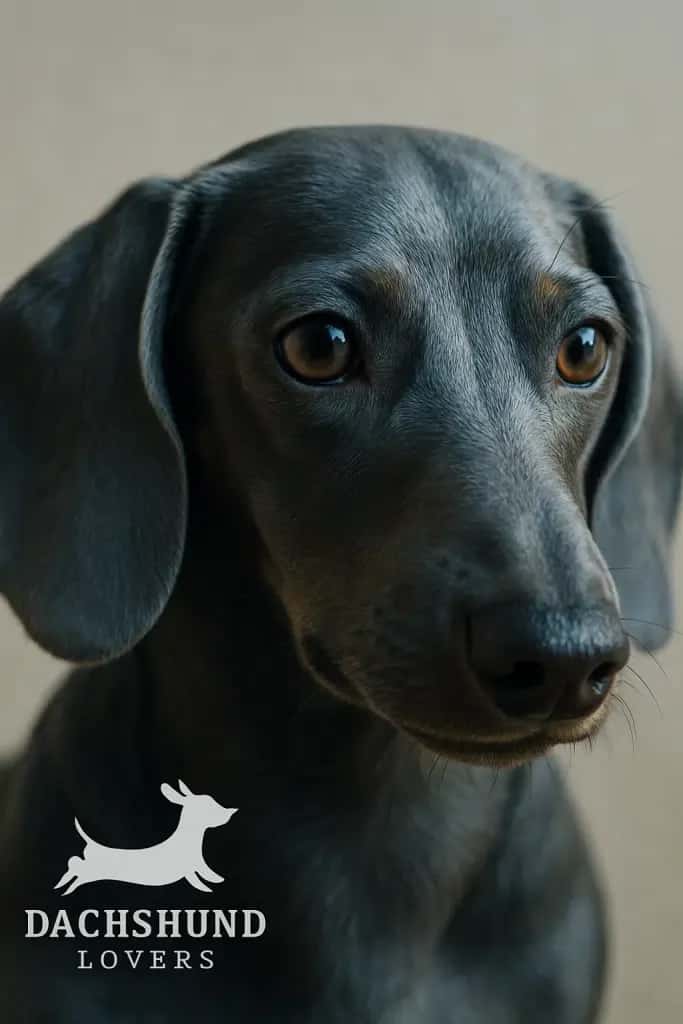
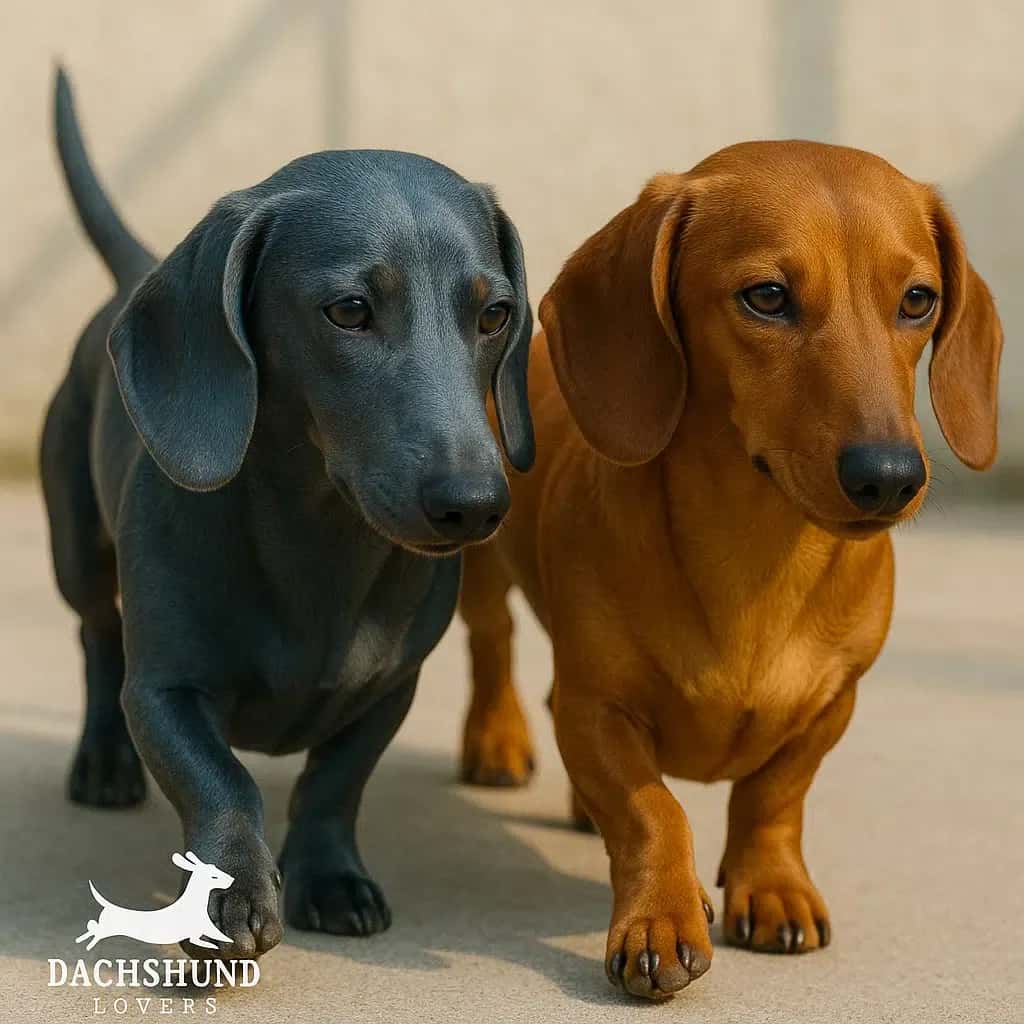
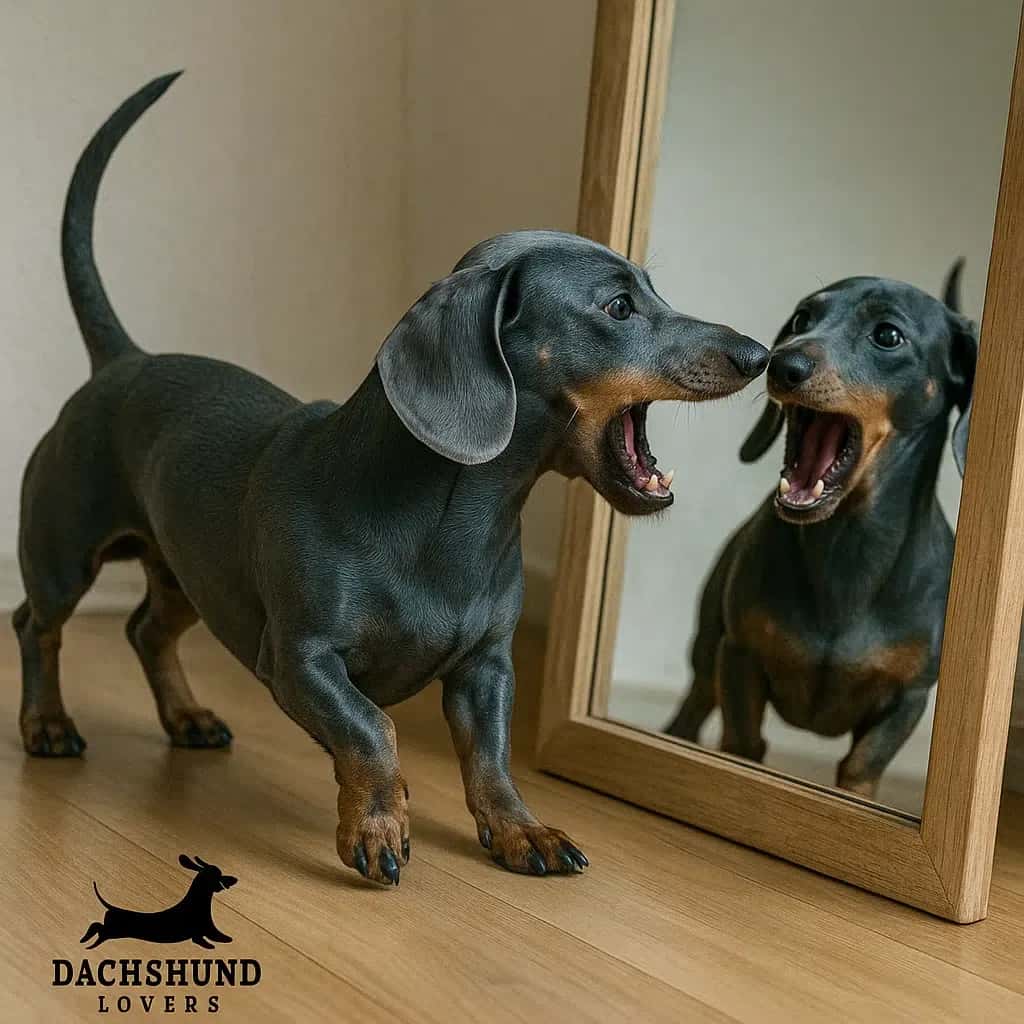
A blue dachshund isn’t blue in the cartoonish sense—there’s no bright cobalt or ocean tone here. Instead, their coat reads like brushed steel or stormy sky, softening the usual boldness of a black and tan into something cooler and more muted. The color is a result of a dilution gene that lightens black pigment into a smoky silver-grey, sometimes with a velvety shimmer depending on the light.
This rare hue shows up across all three coat types:
- Smooth coats tend to have a slick, mirror-like sheen—like polished slate.
- Long-haired blue dachshunds often look like they’ve been dusted with moonlight.
- Wire-haired blues? Think tough wool meets misty silver.
The effect is subtle, but striking—there’s a quiet drama to their look that never feels forced. I’ve yet to walk past a blue doxie without someone stopping to ask, “Wait, is that real?”
Are Blue Dachshunds Rare?
Yes—very. The blue coat color doesn’t appear by chance. It requires both parent dogs to carry the recessive “dd” gene for color dilution. Even then, not every puppy in a litter will inherit the diluted coat. This genetic precision is one reason why ethical breeders don’t mass-produce blue dachshunds. The goal is to protect the breed’s health, not just meet aesthetic trends.
I’ve heard of people driving interstate or waiting months just for the chance to meet a potential blue pup. But while rarity often equals desirability, I always tell curious friends this: the blue coat comes with extra responsibility. It’s not just a pretty face—there are real care considerations involved.
How Does the Blue Coat Color Happen?
Let’s go beneath the fur for a moment. Blue dachshunds are born when both parents pass along a recessive dilution gene (again, “dd”). This gene lightens the black pigment in the coat, nose, and sometimes even the eyes and paw pads, creating that ethereal grey-blue finish.
And no—blue dachshunds aren’t the same as merles or dapples. Those involve separate genetic mechanisms (and often patterns). Blue is a solid color, not a pattern. When you see a blue dachshund with patches or spots, you’re likely looking at a blue dapple, which combines both traits.
Ellie’s note: If you’re curious about the difference between dapple and merle, it’s a great idea to read our blue merle dachshund guide.
Coat Types in Blue Dachshunds
Blue dachshunds come in the full coat spectrum, each with its own personality—not just in feel, but in care needs.
- Smooth-Coated Blue Dachshunds
These are the easiest to maintain. Their coat lies flat and dense, often with a glossy, steel finish. You’ll still want to watch for dry spots—especially around the neck and shoulders—but overall, their grooming routine is refreshingly low-effort. - Long-Haired Blue Dachshunds
They tend to look like they belong in a period drama. Their fur catches the light in soft waves, and the color can read almost pearly in some angles. But long hair means more tangles—and if CDA (Color Dilution Alopecia) is at play, managing breakage and thinning becomes part of the weekly routine. - Wire-Haired Blue Dachshunds
Rare and rugged. If you spot one, you’re lucky. Their textured coats mute the blue even more, almost like an aged wool jumper. Their care involves hand-stripping or trimming to keep things tidy, and they tend to be the most “low-fuss” of the three in terms of personality too.
Each coat type brings its own charm. And challenge.
Blue Dachshund vs. Blue Dapple vs. Blue Merle
This is where things can get a little confusing. Let’s break it down in plain terms:
Type | What It Means |
Blue Dachshund | Solid steel-grey coat, no pattern. Diluted black. |
Blue Dapple | Steel-grey base with lighter patches or swirls—like smoke patterns. Learn more in our blue dapple dachshund guide. |
Blue Merle | Essentially the same as dapple; “merle” is a term more often used in other breeds. In dachshunds, dapple is more accurate. Explore the difference in our blue merle dachshund breakdown. |
Why it matters: The presence of dapple genes introduces additional health concerns, especially if two dapples are bred together (which should never happen). Double dapples are at increased risk of vision and hearing issues.
Personality & Temperament
Color doesn’t dictate personality—but it sure enhances the mystique. That said, your blue doxie will still be:
- Smart, sassy, and suspicious of new things.
- Fiercely loyal to their chosen human (or small circle).
- Courageous to a fault, sometimes forgetting they’re under a foot tall.
In my experience, blue dachshunds tend to draw more attention during walks—which can either delight or overwhelm depending on their socialization. They’re dachshunds through and through: a little dramatic, very determined, and completely devoted.
Health Considerations
This is the section every future blue dachshund owner should read twice.
The biggest concern is Color Dilution Alopecia (CDA). It’s not guaranteed, but it’s common in diluted-coat breeds. Symptoms usually start between 6 months and 3 years of age.
What to watch for:
- Patchy or thinning fur, especially along the spine and ears
- Dry, flaky skin
- Excessive scratching or sensitivity to grooming
- Secondary skin infections from bacterial buildup
How to manage it:
- Use hypoallergenic, fragrance-free dog shampoos
- Brush gently with a soft glove brush
- Add omega-3s (from fish oil or flaxseed oil) to support skin health
- Keep up with regular vet check-ups and consider annual dermatology reviews
It sounds like a lot—but with a bit of consistency, it becomes second nature. CDA doesn’t shorten their life, but it does require you to be proactive.
Grooming Needs
If you’re already a dachshund owner, grooming isn’t new. But blue dachshunds add a little wrinkle to the usual routine. Their coats may look luxurious, but they’re fragile compared to other colors.
Here’s what I recommend (and what I do for my own doxie, Maple, who’s prone to dry skin):
- Weekly brushing with a soft brush or grooming mitt
- Avoid frequent baths—every 4–6 weeks is fine unless they’ve had a muddy adventure
- Use calming sprays or balms for sensitive areas (ears, belly, and neck folds)
- Protect against the sun—yes, even dachshunds can get sunburned
Ellie’s Tip: If you’re in Australia or anywhere warm, avoid midday walks during summer. Stick to morning or evening strolls.
Ethical Breeding & Buyer Tips
This part matters more than most people realize.
Because blue dachshunds are seen as “rare” or “designer,” they’re sometimes bred irresponsibly. I’ve seen breeders list them for eye-watering prices—and when pressed, they offer zero transparency on health testing or lineage.
Avoid breeders who:
- Claim blue is a “new” dachshund color (it’s not)
- Don’t mention CDA
- Refuse to show parental health certificates
- Are selling multiple novelty colors at once (red flag for profit-first breeding)
Look for breeders who:
- Are open about the potential health challenges
- Limit litters and offer lifetime support
- Provide contracts and health guarantees
- Let you visit and meet the puppies and the parents
Ethical breeding isn’t about exclusivity—it’s about respect. For the dogs, and the future families they join.
FAQs
Other Relevant Articles
Authored by
James
James is the founder of Dachshund Lovers and the proud human of Harvey, a mini dapple with a big personality. He writes to empower and connect the dachshund community, blending founder insights with honest, experience-based stories about life with this incredible and special breed. James brings candid, experience-backed opinions to the community and always focused on fewer, better products and ideas that genuinely improve life for dachshunds and their people.
Read moreJames is the founder of Dachshund Lovers and the proud human of Harvey, a mini dapple with a big personality. He writes to empower and connect the dachshund community, blending founder insights with honest, experience-based stories about life with this incredible and special breed. James brings candid, experience-backed opinions to the community and always focused on fewer, better products and ideas that genuinely improve life for dachshunds and their people.
Read moreThere are no comments yet
Leave a comment