Isabella Dapple Dachshund – A Rare Gem With Unique Spots
Isabella Dapple Dachshund – A Rare Gem With Unique Spots
Discover the rare Isabella dapple dachshund — a lilac-hued doxie with marbled beauty. Learn about care, coat types, health, and what makes them unique.

Ellie
Posted on July 27, 2025.
Updated on July 17, 2026.
Table of Contents
- 1.A Quiet Walk, a Soft Surprise (Isabella Dapple Dachshund)
- 2.Key Takeaways
- 3.What Is an Isabella Dapple Dachshund?
- 4.How the Dapple Pattern Works
- 5.What Makes It “Isabella”?
- 6.Temperament and Personality
- 7.Coat Types and Appearance
- 8.Health Considerations for Dilute Dapples
- 9.Rarity and Ethical Breeding
- •More From This Series:
- •Disclaimer
Share

A Quiet Walk, a Soft Surprise (Isabella Dapple Dachshund)
There’s a little park behind my favourite local café Fleetwood Macchiato in Erskineville where the dogs walk their people more than the other way around. One foggy morning, Maple and I were doing our usual loop when I spotted a dachshund I didn’t recognize. She had the gentlest lilac-toned coat, dappled with pale silver and sandy shadows.
Her name was Iris, and she was an Isabella dapple dachshund — something I’d read about but never seen up close. Her coat looked almost like antique lace, soft and intricate. She was quiet, watchful, and radiated calm.
This is the kind of dog you don’t forget — and the kind that deserves a full guide. So here it is.
Key Takeaways
Topic | Summary |
|---|---|
Breed Type | A dachshund with a dilute chocolate coat (Isabella) and dapple pattern. |
Temperament | Gentle, loyal, slightly reserved, but affectionate. |
Appearance | Lilac-grey base with marbled light and dark patterns. |
Coat Types | Smooth, long-haired, or wire-haired. |
Rarity | Extremely rare — both in color and pattern. |
Health Notes | May be prone to alopecia or skin sensitivity. |
What Is an Isabella Dapple Dachshund?
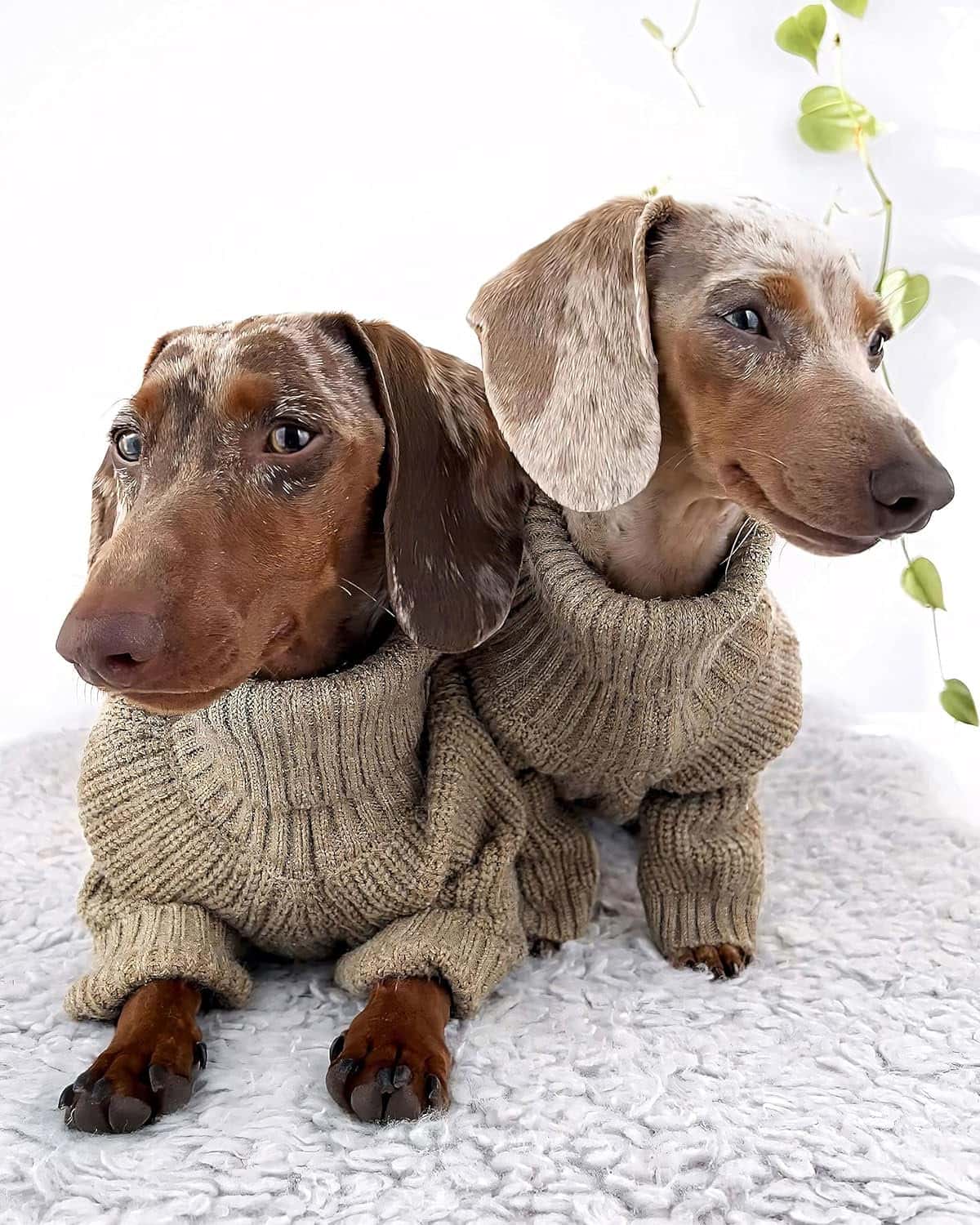
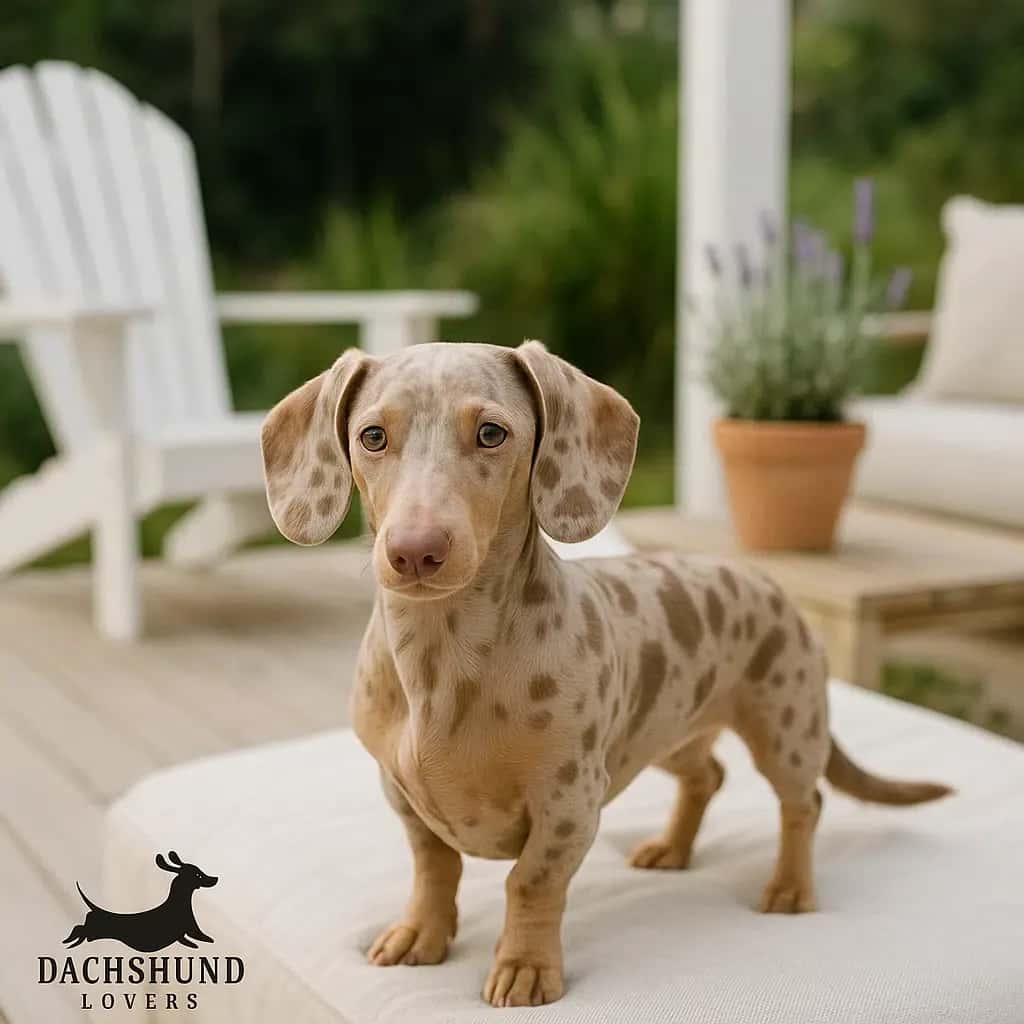
An Isabella dapple dachshund is a uniquely patterned dachshund born with both a dilute chocolate coat (known as Isabella) and the dapple gene, which creates a marbled, speckled overlay. The result? A soft, ethereal blend of lilac-brown and silvery beige that shifts with the light.
These dachshunds often have light hazel or green eyes, sometimes even one blue — and their noses tend to be pinkish or liver-toned. The overall look is gentle, pastel-toned, and undeniably rare.
But this isn’t just about looks. An Isabella dapple dachshund is genetically complex. For a puppy to be born with this coat, both parents must carry the recessive Isabella gene, and at least one must also carry the dominant dapple gene. The result is a dachshund that feels as rare as it looks — not something you come across every day, even within dachshund circles.
Learn more about the base color in our Isabella Dachshund article
How the Dapple Pattern Works
The dapple pattern is created by the merle gene, which introduces irregular patches of lighter color over a darker base. In dachshunds, this often appears as speckles, swirls, or soft marbling — and when layered over an Isabella coat, the effect is subtler, more muted, almost dreamlike.
Think of it like watercolor over linen: the contrast isn’t stark, but it’s captivating.
In genetic terms:
- The dapple gene is dominant — meaning only one parent needs to carry it for the pattern to appear.
- However, two copies of the dapple gene (double dapple) can be dangerous. Double dapples have a significantly higher risk of congenital issues, including deafness, vision loss, or missing eyes.
That’s why ethical breeding is non-negotiable here. A responsible breeder will never pair two dapples. Instead, they’ll carefully plan litters with health and temperament as top priorities — not just aesthetics.
If you’re considering welcoming an Isabella dapple into your home, it’s essential to ask for genetic test results and clarify that your pup is not the product of a double dapple pairing.
Important:
Dapple is dominant, but double dapple (two copies of the gene) can lead to health issues like deafness, blindness, or deformities. Always ensure you’re working with a breeder who avoids double dapple pairings.
What Makes It “Isabella”?
“Isabella” refers to a rare diluted form of chocolate (brown) in dachshunds — the result of two copies of a recessive dilution gene. It softens the rich cocoa tone into something closer to lilac, fawn, or pale taupe, depending on the light and coat type.
But it’s not just about color — it’s about genetic layering.
To create an Isabella dapple, two things must happen:
- Both parents must carry the dilute gene — this is what transforms a standard chocolate into the soft, washed-out hues we call Isabella.
- At least one parent must carry the dapple gene — this adds the marbled pattern on top.
So when someone says “Isabella dapple,” they’re talking about a dog whose appearance is the product of precise and careful genetics, not just a visual fluke. It’s a combination that doesn’t happen often — and shouldn’t be attempted without serious understanding of the health implications.
You’ll often see:
- Silver, sandy, or beige dappling across the back or ears
- Lilac-tinted base coats that look different throughout the day
- Soft tan points on the eyebrows, chest, or feet
- And occasionally, green or amber eyes that shimmer in the light
It’s a palette you don’t forget — earthy, elegant, and unmistakably rare. See how this compares with the rare Isabella Blue Dachshund.
Temperament and Personality
While their coats may be delicate and rare, their personalities are delightfully dachshund — just with a slightly softer edge.
Most Isabella dapple dachshunds are:
- Loyal to the core – They tend to form strong, almost Velcro-like bonds with their favorite human. Once they choose you, that’s it.
- Emotionally intuitive – They pick up on moods quickly and often mirror the energy in the room. A gentle household suits them best.
- Mild-mannered, but still playful – Don’t mistake their softness for laziness. They love games, short bursts of zoomies, and especially puzzle toys.
- Cautiously curious – They’re observant and clever, but not as fearless as their more robust-colored cousins. This makes early socialization even more important.
You may find that long-haired Isabella dapples, in particular, tend to be gentler and more cuddly, preferring routine, warmth, and familiar faces. They thrive when they feel safe — ideally nestled beside you under a linen throw or surveying the yard from their favorite perch.
Coat Types and Appearance
Isabella dapple dachshunds come in all three standard coat types — each adding its own twist to this already rare and romantic colorway.
Coat Type | Description |
|---|---|
Smooth | Sleek, short, and close to the body. The dapple pattern appears subtle — almost ghosted — giving a sophisticated, understated finish. |
Long-haired | Flowing, feathered fur that softens the dapple contrast and gives the coat a dreamy, painterly look. Often feels like satin and moves beautifully in the breeze. |
Wire-haired | Rugged and full of personality. The dapple is more scattered and textured, making each one feel like a little piece of abstract art. Least common in the Isabella palette. |
Additional appearance notes:
- Eyelids and nose are often pinkish or liver-toned due to the dilute gene.
- Eyes may be pale hazel, amber, or soft green — with some dapples even showing partial blue or heterochromia.
- Ears, back, and chest are common places where dappling stands out most clearly.
Ellie’s Tip: Try photographing your Isabella dapple during golden hour — the coat catches light in ways that look almost ethereal. Their dapples shimmer like ripples on still water.
Health Considerations for Dilute Dapples
Isabella dapple dachshunds are undeniably beautiful — but their coat color comes with a few specific care considerations. Because they carry both the dilute and dapple genes, they sit at a genetic crossroads that calls for gentle, preventative care and ethical breeding.
Here are a few key concerns:
- Color Dilution Alopecia (CDA):
This condition is linked to dilute coat colors like Isabella and blue. It can cause hair thinning, patchy bald spots (usually on the back), and dry, flaky skin. Not every dilute dachshund will develop CDA, but the risk increases without proper genetic screening.
- Sun Sensitivity:
Their lighter skin and coat mean they’re more prone to sunburn. Extended exposure — especially in summer or on concrete — can lead to discomfort or skin damage.
Skin Dryness and Irritation:
Dilute coats are often paired with more delicate skin. That means fewer natural oils, which can lead to dryness, itching, or irritation if not properly managed.
How to Support Their Health:
Tip | Why It Matters |
|---|---|
Use hypoallergenic, moisturizing shampoo | Keeps skin hydrated and reduces irritation |
Apply dog-safe sunscreen to nose, ears, and belly on sunny days | Prevents sunburn and discomfort |
Feed a diet high in omega-3 and 6 fatty acids | Supports coat shine and skin resilience |
Avoid harsh grooming products or frequent bathing | Protects the natural oils in their skin |
Schedule regular vet check-ups | Helps monitor for early signs of CDA or allergies |
And most importantly:
Ask breeders about health testing — reputable breeders will have tested for CDA and other genetic issues. Ethical breeding significantly reduces the risk of long-term skin conditions.
Ellie’s Tip: I keep a small tin of dog-safe balm by the door and swipe it on my doxie’s nose and ears before any long walk — it’s like sunscreen and moisturizer in one, and they love the routine.

Rarity and Ethical Breeding
Isabella dapple dachshunds are among the rarest coat and pattern combinations you’ll find in the breed. Their pale lilac-brown base layered with dapple swirls makes them unforgettable — but also extremely uncommon.
To produce this specific coloring, breeders must pair:
- Two parents that carry the dilute (Isabella) gene, and
- At least one parent that carries the dominant dapple gene,
- While avoiding the double dapple gene pairing, which can lead to serious health issues.
This isn’t just about visual appeal — it’s about careful genetic balance. The stakes are high, and so is the responsibility.
Why Ethical Breeding Matters:
Due to the complexity of combining dapple and dilute genes, only experienced breeders should pursue this pairing. In the wrong hands, it can lead to:
- Double dapple complications: Blindness, deafness, or deformities
- Increased risk of alopecia and skin issues
- Weak immune systems or coat quality problems
Reputable breeders will:
Conduct DNA testing for the merle (dapple) gene to avoid double pairings
Share health records and lineage info freely
Prioritize temperament and health over coat color
Limit litters to maintain quality of care
Be transparent about pricing, wait times, and expectations
So… How Rare Are They, Really?
Very. You may find breeders with dapple dachshunds or Isabella dachshunds — but finding the two genes ethically combined is like spotting a pastel pearl at the dog park.
Expect:
- Long waitlists
- Higher prices ($3,500–$7,000 AUD depending on location and coat type)
- Thorough interviews before purchase
- Strict contracts with desexing and return clauses
If you’re lucky enough to welcome one into your home, know that you’re not just getting a beautiful dog — you’re becoming the guardian of a particularly precious gene story.
Ellie’s Note: Always ask your breeder why they chose this pairing. The right answer won’t just be “for the color.”
FAQs
More From This Series:
Authored by
Ellie
Ellie is a lifelong dachshund lover and the proud human of Maple, a long-haired brown doxie with a regal side-eye. While not a vet, Ellie brings honest, researched, and experience-based insights into every article she writes for the Dachshund Lovers community.
Read moreEllie is a lifelong dachshund lover and the proud human of Maple, a long-haired brown doxie with a regal side-eye. While not a vet, Ellie brings honest, researched, and experience-based insights into every article she writes for the Dachshund Lovers community.
Read moreDisclaimer
This article was written by Ellie, a dachshund owner and enthusiast — not a veterinarian. Please consult your vet for personalized guidance.
There are no comments yet
Leave a comment