The Dapple Piebald Dachshund — A Rare Beauty Uncovered
The Dapple Piebald Dachshund — A Rare Beauty Uncovered
Discover everything you need to know about dapple piebald dachshunds—care, health, and where to find one.

Ellie
Posted on August 9, 2025.
Updated on July 17, 2026.
Table of Contents
- 1.Key Takeaways on Dapple Piebald Dachshund
- 2.What Is a Dapple Piebald Dachshund?
- 3.How the Double Pattern Works
- 4.Genetics & Health Considerations
- 5.Dapple Piebald Coat Variants
- 6.Long-Haired Piebald Dachshunds
- 7.Personality & Behavior
- 8.Training and Socialization
- •Training Tips
- •Socialization Advice
- 9.Grooming & Coat Care
- •Smooth Coat Grooming
- •Long-Haired Coat Grooming
- •Wire-Haired Coat Grooming
- •Additional Grooming Tips
- 10.Ethical Breeding & Puppy Tips
- •Questions to Ask a Breeder
- •Red Flags to Avoid
- 11.Where to Find One
- •Start with Breed-Specific Rescues
- •Ethical Breeders with Transparency
- •A Final Adoption Tip
- -More From This Series:
- -Disclaimer
Share

I first met Ziggy, a dapple piebald dachshund with a coat like abstract art, on a breezy autumn morning at Centennial Parklands in Sydney. Maple (my long-haired doxie) and I had just finished our usual loop near the Duck Pond when Ziggy trotted past, his marbled dapples swirling into crisp white patches like someone had painted him mid-stride. Heads turned. Leashes paused. He was unmistakably one of a kind.
Since then, I’ve come across a few more dapple piebalds—once at the Dog Lovers Show in Melbourne and another curled under a bench outside a bookshop in London—but Ziggy’s coat still stands out in my mind. If you’ve seen a dachshund that looks more like a painting than a pup, chances are you’ve spotted one of these rare combinations.
This guide is for dachshund lovers, prospective owners, and anyone curious about rare coat patterns. Understanding the genetics and care needs of dapple piebald dachshunds is crucial for their health and well-being. Whether you’re considering adding one to your family or simply want to learn more about what makes these dogs so unique, this article will help you make informed decisions and appreciate the beauty and responsibility that comes with this rare coat combination.
Let's explore everything you need to know about dapple piebald dachshunds: what causes the pattern, how to care for it, and what to watch for when bringing one home.
Key Takeaways on Dapple Piebald Dachshund
Topic | Summary |
|---|---|
What Is a Dapple Piebald Dachshund? | A dachshund with both dapple (marbled color) and piebald (white spotting) coat patterns. This rare combination creates a patchwork appearance. |
Genetics | Inherits both the merle (dapple) gene and the piebald (sp) gene. Needs ethical breeding to avoid deafness or eye issues. |
Coat Types | Appears in smooth, long-haired, and wire-haired coats. The effect differs across textures. |
Color Variants | Blue, chocolate, black, or red dapples layered over white with contrasting solid patches. |
Temperament | Loyal, bold, curious—just like any dachshund. Often social due to their attention-grabbing coat. |
Health Watchouts | Avoid double dapples. Excessive white from piebald gene can cause hearing issues. |
Care Level | Medium to high grooming needs depending on coat. Regular vet checks are key for hearing and vision. |
What Is a Dapple Piebald Dachshund?
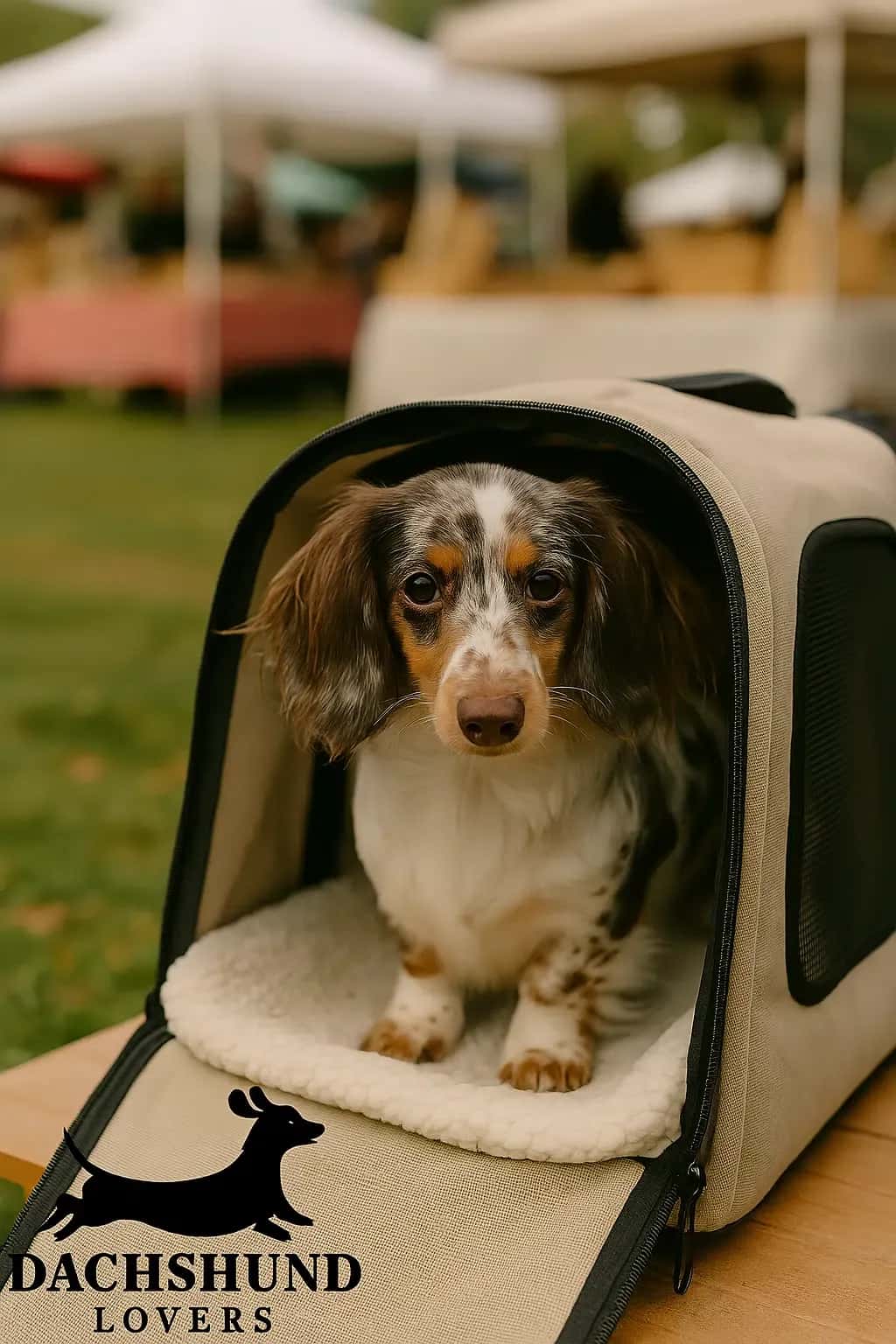
A dapple piebald dachshund is a visual standout — not because they’re trying to be, but because nature painted them that way. This rare combination of two distinct coat patterns creates a uniquely marbled, high-contrast look that feels both whimsical and refined.
Here’s what it means in simple terms:
- Dapple (merle) creates soft, silvery swirls or flecks across the base coat
- Piebald adds bold white spotting — usually on the legs, chest, neck, and underbelly
Dapple markings are sporadic and can appear in various patterns on a Dachshund's coat. Piebald markings are symmetrically mirrored on either side of a Dachshund's body. Dachshund coat patterns may include Dapple, Double Dapple, Piebald, Sable, Brindle, and Boar. The dapple gene is dominant, so only one parent needs to carry it for it to be reflected in the puppies. The piebald gene is recessive, meaning both parents must carry the gene for it to appear in the puppies.
These markings can appear in various ways across the dog's body, with dappling and piebald patches distributed over the back, sides, paws, and even beneath the jaw, making each dachshund’s body pattern truly unique.
Together, these genes produce coats that feel one-of-a-kind. The piebald sections offer high contrast, while the dapple overlay gives the color areas a textured, layered appearance. You might see:
- Swirled dapples nestled within deep chocolate patches
- Crisp white legs or bellies, like a little tuxedo
- Light speckling on the ears or across the face
No two are ever the same — and that’s part of the quiet magic.
How the Double Pattern Works
Here’s how to tell the difference:
Trait | Dapple | Piebald | Combined Effect |
|---|---|---|---|
Pattern | Marbling or speckling of light/dark shades | Bold white patches with solid colors | Swirls of color within larger white areas |
Gene | Dominant (merle) | Recessive (sp) | Must inherit both |
Risk | High if double dapple | Higher if excessive white | Must be ethically bred |
It can be difficult to visually distinguish between dapple and piebald patterns, especially when markings are subtle or incomplete. It's easy to miss faint dappling without careful inspection.
The coat may feature:
- Swirled dapples within colored patches
- Crisp white legs and belly
- Randomized patterning over the face and ears
Genetics & Health Considerations
Understanding how a dapple piebald dachshund’s coat comes together means looking at the genetics behind the beauty. It’s not just surface-level — each coat tells a story of inherited traits, carefully layered and (ideally) responsibly bred.
Owning a piebald dapple dachshund requires specialized care to manage potential genetic health risks, particularly related to vision and hearing. Double dapples can be born with serious health problems, including blindness and/or deafness. It is advised not to breed two dapples together due to the health risks associated with double dapple puppies. The dapple gene is dominant, so only one parent needs to carry it for it to be reflected in the puppies. The piebald gene is recessive, meaning both parents must carry the gene for it to appear in the puppies. Piebald dachshunds do not have the same health problems associated with double dapples. Piebalds are not a registered color with the British Kennel Club but are recognized by the Canadian Kennel Club and the American Kennel Club.
Let’s break it down:
Trait | Dapple | Piebald | Combined Effect |
|---|---|---|---|
Pattern | Marbled or speckled mix of light and dark | Bold white patches with solid-colored areas | Swirls of color layered within large, snowy white zones |
Gene Type | Dominant (merle gene) | Recessive (sp gene) | Dog must inherit both from different parents |
Risk Factor | Higher risk if double dapple | Higher risk if extreme piebald | Needs careful, ethical breeding to avoid health concerns |
When both patterns appear in one coat, the result is dynamic and irregular — dapples might dance within a chocolate patch, or scatter like raindrops over sandy-colored fur. Meanwhile, the piebald gene adds those clean white expanses that frame the color and texture beautifully.
But it’s not just about looks.
Double dapple dogs (with two copies of the merle gene) are at increased risk of hearing and vision problems. Double dapple puppies are produced only when two dapple dachshunds are bred together, and these puppies are often born with health issues such as blindness.
Certain coat patterns and color descriptions are only accepted by breed standards, and accurate identification may require genetic testing, since visual assessment alone can be unreliable.
Extreme piebald dogs (over 80% white) can face similar issues, especially if their heads are mostly white.
Ethical breeders know this.
They avoid pairing two dapples or two piebalds — and they’ll screen puppies for sight and hearing before rehoming.
Ellie’s Tip: If you ever feel unsure about a puppy’s background, ask to see the parents and genetic test results. Transparency is a sign of a good breeder.
The dapple gene is dominant, so only one parent needs to carry it for it to be reflected in the puppies. The piebald gene is recessive, meaning both parents must carry the gene for it to appear in the puppies.
Dapple Piebald Coat Variants
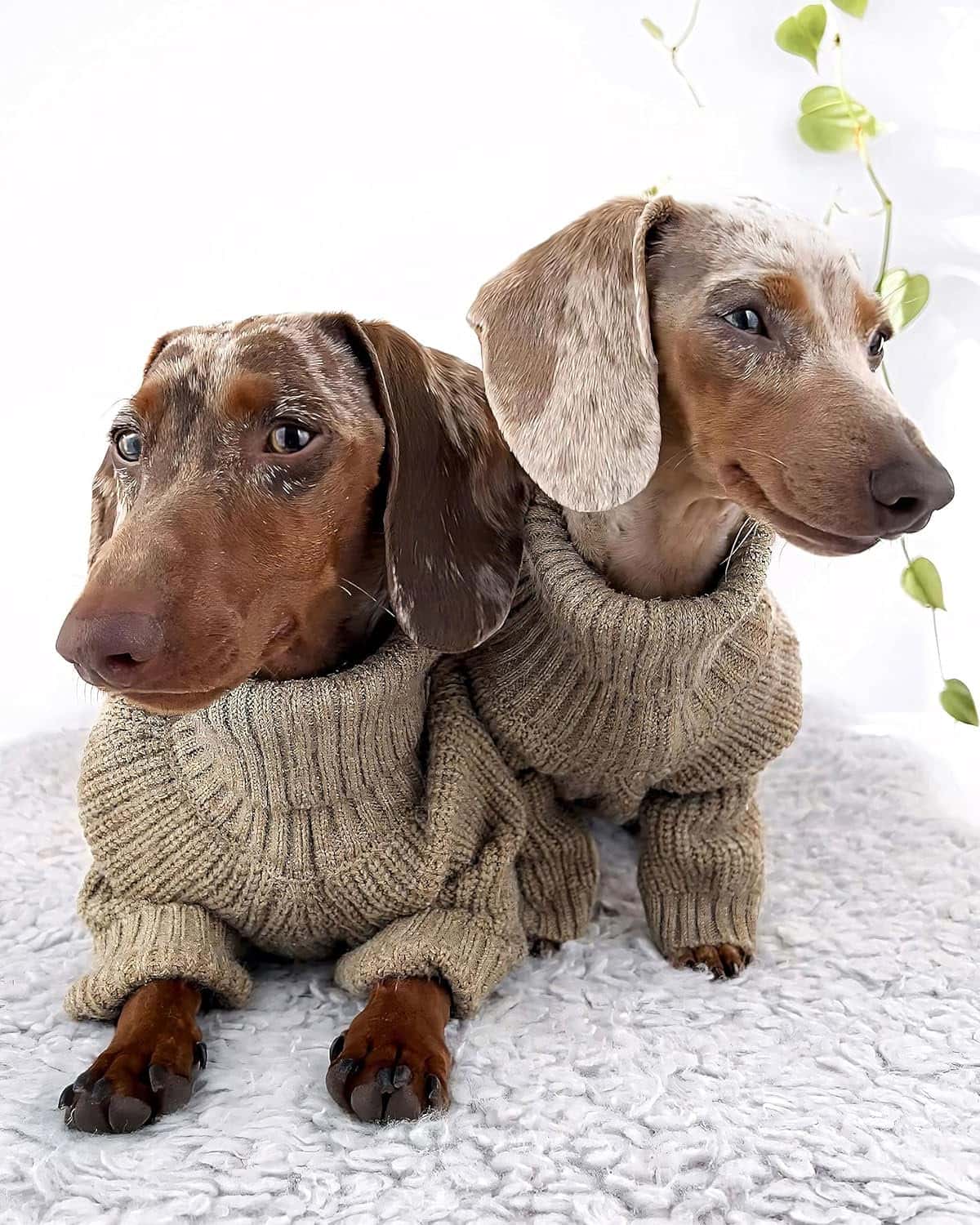
There’s no single “look” when it comes to a dapple piebald dachshund — and that’s the magic of it. These coats vary not only in color but in how the patterns collide and blend. Some are sharply defined. Others are gentle, painterly washes of color over crisp white.
Dapple piebald is just one on the list of unique dachshund coat patterns, which also includes brindle and wirehaired varieties, and tools like a dachshund coat color calculator can help predict how different genes may combine in future litters. Brindle is another striking pattern, characterized by subtle black striping or banding over the dog's base color, and wirehaired dachshunds can also display these unique markings. Dachshund coat patterns may include Dapple, Double Dapple, Piebald, Sable, Brindle, and Boar, and piebald dachshunds with bold white and color patches are a classic example of how striking these combinations can be. Piebald markings are symmetrically mirrored on either side of a Dachshund's body.
Here’s a comparison of the most sought-after dapple piebald coat variants:
Variant | Description | Notable Features |
Blue Dapple Piebald | Silver-gray base with stormy dark dapples layered over snowy white patches. | Ethereal quality, often with icy blue or mismatched eyes; distinctive spotted patterns. |
Chocolate Dapple Piebald | Rich mocha swirls dance across a white base, with some puppies resembling marbled brownies. | Warm, earthy tones; especially popular in long-haired varieties. |
Black Dapple Piebald | Deep black patches speckled with silver dapples, framed by clean white legs and chest. | High-contrast, bold look; stands out in urban settings. |
Red Dapple Piebald | Rusty or cinnamon-red dapples blended with snowy fur. | Sun-kissed, painterly glow; less common but very striking. |
Some dapple piebalds may also display heterochromia — one blue eye, one brown — which adds to their distinctiveness. This trait is tied to the dapple gene and is harmless when not doubled.
“Every time I walk Maple down near the fish market, people stop to ask if she’s two dogs in one. Her coloring feels like abstract art — never quite the same from one angle to the next.” — Ellie
Long-Haired Piebald Dachshunds
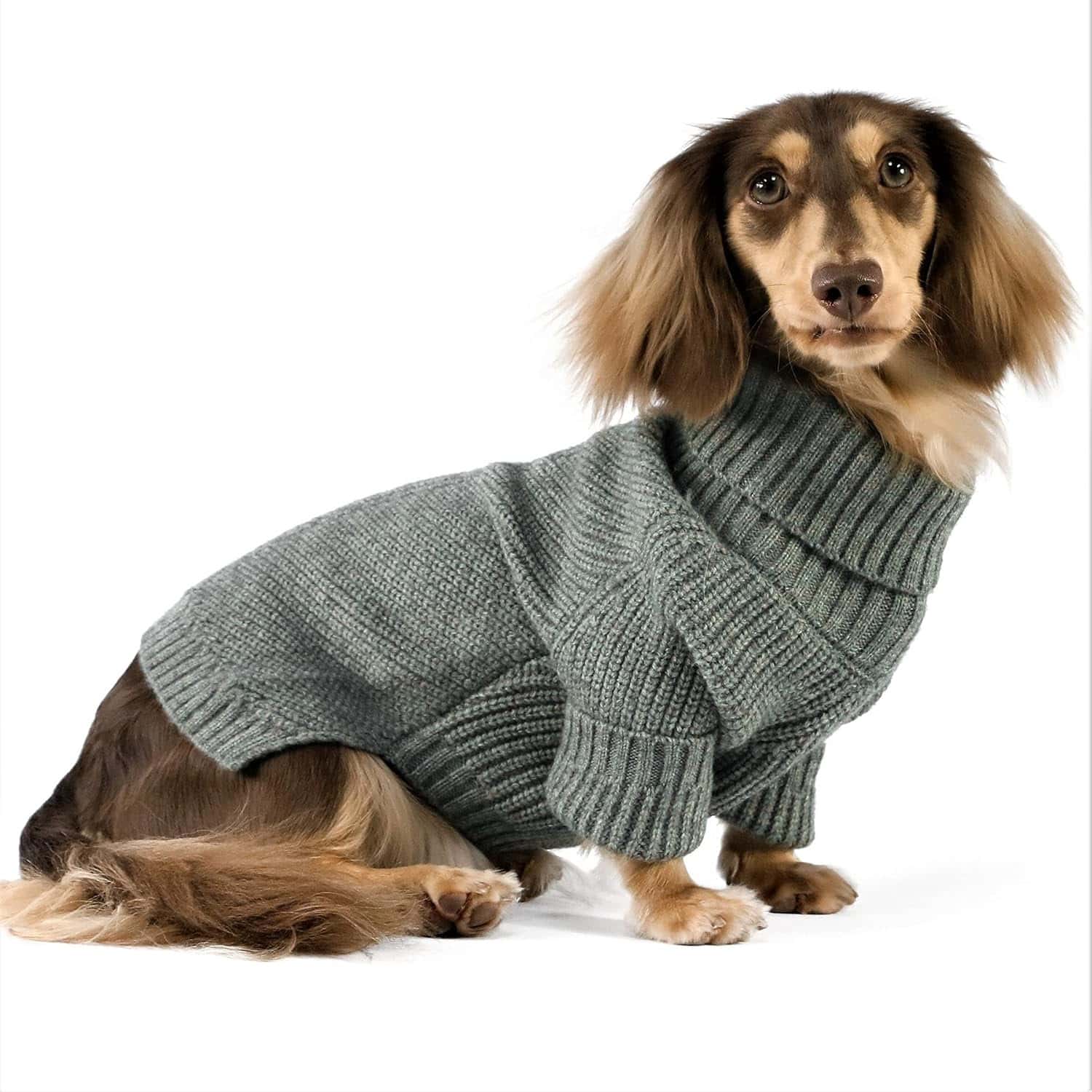
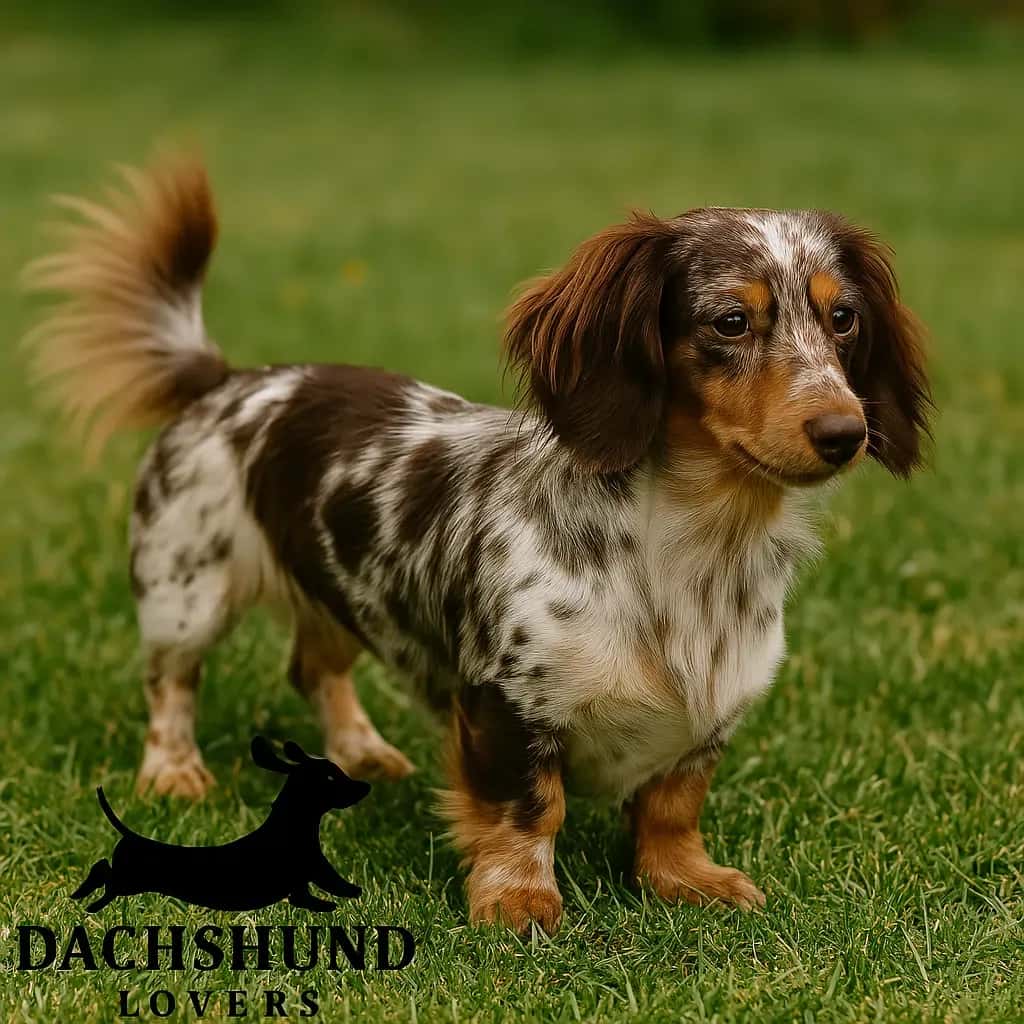
There’s something almost cinematic about a long-haired dapple piebald dachshund. The feathered fur adds softness and movement, gently blending the sharp dapples and piebald patches into a watercolor-like effect. It’s the kind of coat that makes strangers pause, smile, and ask, “What breed is that?”
Beyond their looks, long-haired dapple piebalds often have a temperament to match their gentle appearance. They tend to be:
- A little more laid-back than short-haired doxies — not lazy, but unhurried.
- Exceptionally loyal — often forming deep bonds with one person or household.
- Comfort-oriented — lovers of cozy blankets, warm laps, and peaceful environments.
That said, they’re still dachshunds. You’ll see flashes of stubbornness, sass, and theatrical flair — especially if dinner is late.
If you're drawn to this variety, long-haired piebald dachshund grooming and care becomes especially important, and daily grooming is a must. Their longer coats can mat if left unattended, and white areas may pick up dirt easily on walks.
For care and brushing specifics, visit our Long-Haired Piebald Dachshund Guide.**
Personality & Behavior
Dapple piebald dachshunds carry all the charm and complexity of the dachshund breed — with a little extra flair. Their eye-catching coats tend to draw attention wherever they go, which often leads to more human interaction early on. This can help shape them into confident, sociable companions.
At heart, though, their personality stays true to their roots:
- Devoted and loyal — They form strong attachments and thrive when they feel included.
- Alert and vocal — Natural watchdogs with a tendency to announce visitors (and possibly leaves blowing across the yard).
- Clever and curious — Mental stimulation is just as important as physical play.
- Playful and dramatic — They have a flair for expressing opinions — especially when denied a snack.
While coat pattern doesn’t determine personality, people often say their dapple piebald feels a little more “outgoing” or “people-oriented.” That may be less about genetics and more about how often they’re approached by admirers, giving them a head start on socialization.
Whether snuggled on the sofa or patrolling the garden, these dachshunds bring both spirit and sweetness to the table, and many of their quirks become clear once you understand what day-to-day life with dachshunds is really like.
Training Tips
Dachshunds are as clever as they are cute, but their independent streak means training can sometimes feel like a battle of wills. Whether you’re working with dapple puppies, a black and tan dapple, or any dachshund variety, patience and consistency are your best friends.
Early and positive exposure to new people, pets, and environments will help your dapple piebald dachshund grow into a confident, well-adjusted companion. Socialization is especially important for these attention-grabbing pups, as their unique appearance often draws extra attention from strangers.
Grooming & Coat Care
Dapple piebald dachshunds are undeniably eye-catching, but keeping their coats in top condition does take some intention — especially with white areas that can easily show dirt or staining. Special attention should be given to the paws, as markings and dirt can be more visible there, particularly in piebald and brindle patterns.
Smooth Coat Grooming
Coat Type | Brushing | Bathing | Notes |
Smooth | Once a week | Monthly | Use a damp cloth to wipe white fur after walks. |
Long-Haired Coat Grooming
Coat Type | Brushing | Bathing | Notes |
Long-haired | Daily | Every 3–4 weeks | Detangler helps with feathered areas behind legs and ears. |
Wire-Haired Coat Grooming
Coat Type | Brushing | Bathing | Notes |
Wire-haired | Weekly + trims | Monthly | Needs hand-stripping every few months for healthy texture. |
Additional Grooming Tips
- Shampoo: Choose a gentle, fragrance-free dog shampoo to avoid staining white patches or irritating sensitive skin.
- Face & Ears: Regularly wipe around the eyes and check ears for wax or buildup — especially in long-haired types.
- Nails & Teeth: Trim nails every 1–2 weeks and brush teeth weekly to maintain good oral hygiene.
Routine grooming isn’t just about looks — it builds trust and helps you spot any changes in your dog’s skin or coat early on.
Ethical Breeding & Puppy Tips
Because dapple piebald dachshunds combine two coat pattern genes — dapple and piebald — ethical breeding is essential to avoid serious health issues, especially if you're considering piebald dachshund puppies and their specific needs. Genetic testing should always be up to date, with results ideally from within the past year, to ensure accurate and responsible breeding decisions. If you found this information helpful, please share it with fellow dachshund enthusiasts to help promote responsible breeding practices.
Questions to Ask a Breeder
Before committing to a puppy, take the time to ask:
- Have both parents been DNA tested, and what year was the testing performed? This confirms that only one parent carries the dapple gene, helps avoid double dapple pairings, and ensures the genetic testing results are current and reliable.
- Has the puppy undergone a BAER hearing test? BAER (Brainstem Auditory Evoked Response) tests check for congenital deafness — crucial in piebald and dapple litters.
- Is the pairing dapple x non-dapple? This is the only responsible way to produce dapple-patterned puppies while minimizing risk.
Red Flags to Avoid
Steer clear of any breeder advertising:
- “Rare color” puppies with no supporting health documentation
A beautiful coat should never come at the cost of a dog’s well-being. - Double dapples
These pairings significantly increase the risk of vision and hearing defects. - Extreme piebalds with fully white faces and no hearing test results
White-faced pups may look striking, but without screening, their future quality of life is uncertain.
Reputable breeders will welcome your questions, provide vet records and test results, and allow you to meet the parents where possible.
Where to Find One
Dapple piebald dachshunds are visually striking, emotionally magnetic — and fairly rare. Because this coat pattern is the result of a specific (and delicate) genetic pairing, responsible breeders only produce them occasionally. That means finding one may take a bit of patience, but it’s often well worth the wait.
Start with Breed-Specific Rescues
If your heart is open to adoption, breed-specific rescues are a beautiful place to begin. Many doxies in rescue aren’t textbook dapple piebalds, but they often have unique blends of patterns — and even more distinctive personalities.
- United States: Dachshund Rescue of North America (DRNA) — a network-based rescue helping doxies in need of new homes.
- United Kingdom: Dachshund Rescue UK — rehoming and supporting dachshunds across the UK since 1972.
- Australia: Dachshund Rescue Australia — a foster-based rescue focused on ethical rehoming.
Many rescues will let you express interest in specific coat types and will alert you when a match becomes available.
Ethical Breeders with Transparency
If you’re looking for a dapple piebald puppy with known lineage and early-life health testing, working with a verified, ethical breeder is key. Because this pattern involves careful genetic consideration (especially avoiding double dapples or extreme piebald pairings), transparency matters.
Look for breeders who:
- Perform full DNA testing on both parents.
- Avoid dapple x dapplepiebald x piebald crosses.
- Provide BAER hearing test results for puppies.
- Are open about lineage, temperament, and any known health risks.
Here’s where to find breeder directories by region:
- USA: American Kennel Club Marketplace
- UK: The Kennel Club UK – Find a Puppy
- AUS: Dogs Australia (ANKC) Breeders Directory
Note: Due to their rarity, dapple piebalds are often placed on waitlists ranging from 6 to 12 months — especially for specific combinations like blue or chocolate long-haired pups. It’s completely normal, and a sign you’re working with someone who puts health above speed.
A Final Adoption Tip
Even if your future pup isn’t a perfect dapple piebald by definition, many dachshunds with mixed markings are just as lovely — and may even have more personality than you bargained for. Stay open to possibility, and let connection be your guide.
FAQs
More From This Series:
Authored by
Ellie
Ellie is a lifelong dachshund lover and the proud human of Maple, a long-haired brown doxie with a regal side-eye. While not a vet, Ellie brings honest, researched, and experience-based insights into every article she writes for the Dachshund Lovers community.
Read moreEllie is a lifelong dachshund lover and the proud human of Maple, a long-haired brown doxie with a regal side-eye. While not a vet, Ellie brings honest, researched, and experience-based insights into every article she writes for the Dachshund Lovers community.
Read moreDisclaimer
This article is for informational purposes only and does not constitute veterinary advice. Always consult with a licensed vet or responsible breeder when making decisions about your dachshund’s health, care, or coat genetics.
There are no comments yet
Leave a comment