Dachshund Shedding Solutions: How to Deal with All That Doxie Fur
Dachshund Shedding Solutions: How to Deal with All That Doxie Fur
Too much fur on the couch? See how to reduce dachshund shedding with grooming tips, coat-friendly diets, & vet-approved care for all dachshund coats and breeds
James
Posted on September 27, 2025.
Updated on July 11, 2026.
Table of Contents
- •It Started With Our Cream Couch…
- 1.Key Takeaways on Dachshund Shedding Solutions
- 2.Do Dachshunds Shed?
- •Shedding vs “Hypoallergenic” — Let’s Clear That Up
- •Why Dachshund Shedding Surprises People
- •What Causes Increased Shedding?
- 3.Which Dachshund Coat Type Sheds the Most?
- •Coat Types at a Glance
- •Smooth-Haired Dachshunds
- •Long-Haired Dachshunds
- •Wire-Haired Dachshunds
- 4.When Do Dachshunds Shed the Most?
- •1. Seasonal Shedding (Spring & Autumn)
- •2. After Stress or Hormonal Changes
- •3. Post-Grooming or Bathing
- •4. Diet- or Health-Related Shedding
- 5.How Much Shedding Is Normal for a Dachshund?
- •Shedding by Coat Type
- •Daily vs. Seasonal Shedding
- •From Our Household:
- 6.Why Is My Dachshund Shedding So Much?
- •1. Seasonal Coat Changes
- •2. Poor Nutrition
- •3. Allergies or Irritants
- •4. Stress and Anxiety
- •5. Medical Conditions
- 7.How to Reduce Dachshund Shedding at Home
- •1. Brush More, Shed Less
- •2. Use the Right Shampoo (and Not Too Often)
- •3. Feed for Skin & Coat Health
- •4. Run a Humidifier Indoors
- •5. Invest in a De-shedding Tool
- •6. Consistency Beats Intensity
- 8.When Is Shedding Not Normal?
- •Signs That Something’s Not Right
- •Common Medical Causes of Abnormal Shedding
- •When to See Your Vet
- 9.Shedding Myths: Let’s Clear Them Up
- 10.Real-Life Tips from a Dachshund Dad
- •What Actually Works
- •What Didn’t Work
- -More from This Series
- -Disclaimer
Share

It Started With Our Cream Couch…
We learned the hard way — Harvey might be a short-haired dachshund, but that didn’t stop him from turning our cream linen couch into a patchy mosaic of black and tan.
At first, Caitlin and I thought it was just seasonal. But soon it wasn’t just the couch — it was our clothes, the car seats, the hallway runner. And when we visited friends near Jannali oval, we realized we’d brought a whole second Harvey in fur form on their charcoal throw rug.
So yes — dachshunds shed. And it’s more than just an inconvenience.
According to the American Kennel Club (AKC), “shedding is a normal process for dogs to lose old or damaged hair,” and the amount depends heavily on breed, health, and coat type source.
While dachshunds aren’t heavy shedders like huskies or retrievers, they’re certainly not hypoallergenic either. In fact, PetMD explains that smooth-coated dachshunds tend to shed steadily throughout the year, while long-haired dachshunds may experience seasonal blowouts — typically in spring and autumn source.
So if you’ve been blaming your laundry pile for the fluff on your leggings — it might be time to take a closer look at your dachshund’s grooming routine.
This guide breaks down exactly what’s normal (and what’s not) when it comes to dachshund shedding. From coat type and seasonal patterns to practical tools, daily habits, and what to avoid — you’ll learn how to keep your doxie’s coat healthy and your house a little less hairy.
Let’s dive in.
Key Takeaways on Dachshund Shedding Solutions
Topic | Summary |
|---|---|
Do Dachshunds Shed? | Yes — all dachshund coat types shed to some degree. |
Coat Types & Shedding | Smooth coats shed lightly but often, long-haired shed seasonally, and wire-haired shed the least due to hand-stripping. |
Seasonal Shedding | Most shedding occurs in spring and autumn during coat changes. |
How Much is Normal? | Moderate, consistent shedding is expected — excessive clumps or bald spots may signal health issues. |
Triggers of Excess Shedding | Poor diet, stress, allergies, hormonal shifts, and lack of grooming. |
Top Tools to Use | Use deshedding combs, slicker brushes, and dog-safe shampoos — see our Grooming Tools Guide. |
Daily Life with a Shedder | Regular brushing, lint rollers, and washable throws are your best friend (trust me). |
When to Worry | If you notice bald patches, itching, or sores, consult a vet. |
Do Dachshunds Shed?
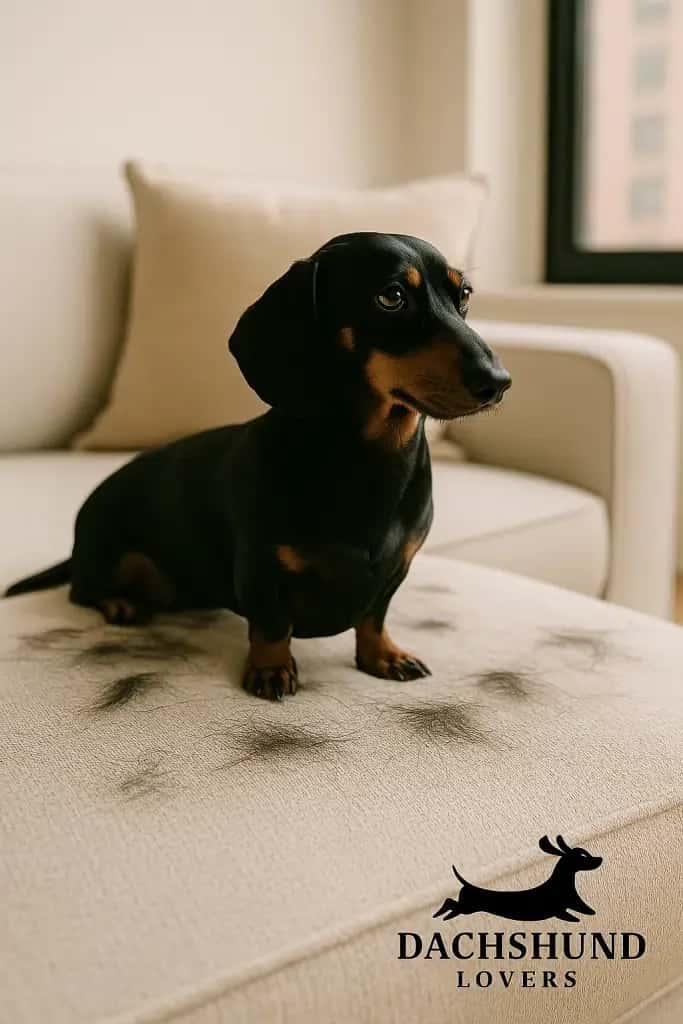
Yep, they sure do — and if you’ve got a lint roller in every room, you’re not alone.
Dachshunds, regardless of coat type, shed. It’s a natural process tied to their hair growth cycle, and while they may not shed buckets like Labradors or Huskies, don’t be fooled — you’ll still find tufts of hair on your cushions, clothes, and car seats, especially during seasonal transitions.
Shedding vs “Hypoallergenic” — Let’s Clear That Up
You may have heard dachshunds described as “low-shedding” or even “hypoallergenic.” The truth is a little more nuanced.
According to the American Kennel Club, “No dog is 100% hypoallergenic. Even those labeled as such can still produce allergens through their saliva, dander, and hair.” Dachshunds are not on any official hypoallergenic lists, and all three coat types — smooth, long-haired, and wire-haired — can shed enough to trigger reactions in allergy-sensitive households.
Why Dachshund Shedding Surprises People
Dachshunds are compact, clean little dogs — at a glance, they don’t seem like heavy shedders. But in reality, they can shed more than you’d expect, especially if grooming is neglected or their coat isn’t suited to your climate.
We learned that firsthand at our place in Kurnell. Harvey, our silver dapple dachshund, may not have the longest coat, but during spring and autumn? It’s like he’s trying to redecorate the couch in his own fur. And yes — our vacuum knows his name.
What Causes Increased Shedding?
While normal shedding is expected, excessive shedding could be a red flag. Triggers can include:
- Poor diet or low-quality food
- Allergies (environmental or food-based)
- Parasites or skin infections
- Stress or anxiety
- Hormonal changes
According to PetMD, “Nutritional deficiencies, flea infestations, and stress can all lead to abnormal shedding.” That’s why it’s worth checking in with your vet if your dachshund is shedding more than usual.
We cover grooming strategies and diet tips further in this article, but if you notice bald patches, itching, or a sudden uptick in fur loss, it’s worth reading our Ultimate Dachshund Grooming Guide and consulting your vet.
Which Dachshund Coat Type Sheds the Most?
Not all dachshund coats are created equal — and neither is the amount of fur they leave behind on your sofa.
Coat Types at a Glance
Coat Type | Shedding Level | Texture | Maintenance Needs |
|---|---|---|---|
Smooth-Haired | Moderate | Short, sleek | Low — but sheds more visibly |
Long-Haired | Moderate-High | Silky, flowing | High — needs frequent brushing |
Wire-Haired | Low-Moderate | Coarse, double-layered | Moderate — needs hand-stripping |
Let’s break it down:
Smooth-Haired Dachshunds
These are the classic, shiny-coated sausages. Their fur is short and lies close to the body — but don’t be fooled. Smooth-coated dachshunds shed consistently throughout the year, and because their fur is fine and short, it sticks to everything. Think socks, car seats, and that freshly washed hoodie you just pulled from the dryer.
We noticed this the most when Harvey was a puppy — his fine hairs were nearly invisible until they’d gathered into tiny tumbleweeds along the skirting boards.
Tip: A weekly rub-down with a rubber curry brush helps lift loose hair before it ends up on your furniture. More on this in our Dachshund Grooming Tools guide.
Long-Haired Dachshunds
With their feathered tails, silky ears, and chest floof that seems to tangle itself, long-haired dachshunds are showstoppers. But they’re also shed-starters — especially during seasonal changes.
These coats tend to blow out in spring and autumn, which means heavier shedding in short bursts. If your long-haired dachshund loves a run at a Beach (like a couple of our friends’ dogs do), you’ll find sand, seeds, and strands of fur coming home with you.
Ellie dives deep into managing long coats in our dedicated guide: Long-Haired Dachshund Grooming.
Wire-Haired Dachshunds
The surprise winner in the “lowest shedder” category? Wire-haired dachshunds.
Their double coat — a soft underlayer with a wiry top — is designed to trap loose fur. Most of their shedding is removed through a process called hand-stripping, which pulls out dead hair manually. It’s not as intimidating as it sounds, and you can learn more about it in our Wire-Haired Dachshund Grooming guide.
That said, if wire-haired coats aren’t maintained properly, they can mat or shed more than expected — especially in humid conditions or after a swim.
When Do Dachshunds Shed the Most?
While dachshunds are moderate shedders year-round, certain seasons and lifestyle factors can cause noticeable increases in hair around your home.
1. Seasonal Shedding (Spring & Autumn)
Like most double-coated breeds, dachshunds experience what’s often called a “coat blow” in spring and autumn. This is when they naturally shed their undercoat to prepare for warmer or cooler temperatures.
- Spring (Sept–Nov in Australia): Shedding ramps up as they lose their winter coat.
- Autumn (March–May): They’ll start dropping summer fur to make room for a thicker winter layer.
This is especially noticeable in long-haired and wire-haired dachshunds, as their undercoats are denser and retain more seasonal bulk.
According to VCA Animal Hospitals, “Seasonal shedding is a normal process influenced by the amount of daylight — not temperature alone. Dogs exposed to artificial indoor lighting year-round may experience inconsistent shedding.”
2. After Stress or Hormonal Changes
Major life events like moving house, changes in routine, or even vet visits can trigger temporary shedding in dachshunds. Female dachshunds may also shed more after giving birth or during hormonal cycles.
If your doxie is shedding more than usual and it’s not seasonal, take a look at their environment and routine.
3. Post-Grooming or Bathing
Some dachshunds shed more after a bath — especially if they haven’t been brushed beforehand. This happens because the water loosens already-dead hairs that weren’t removed during dry brushing.
That’s why we always recommend brushing your dachshund before the bath, not just after. It’s one of the tips we cover in our Ultimate Dachshund Grooming Guide.
If your dachshund is losing clumps of hair or shedding out of season, it could signal:
- Poor-quality food or nutritional deficiencies
- Allergies or skin sensitivities
- Parasites (like fleas or mites)
- Thyroid or hormone imbalances
A vet check-up is the best course of action if shedding seems excessive or patchy.
How Much Shedding Is Normal for a Dachshund?
Let’s be clear: all dachshunds shed. But how much? That depends on their coat type, health, grooming routine — and even the time of year.
Shedding by Coat Type
Dachshunds come in three coat varieties, and each one has its own unique shedding pattern:
Coat Type | Shedding Level | Notes |
|---|---|---|
Smooth-Haired | Low to Moderate | Short hairs fall steadily and stick like needles to clothing and upholstery. |
Long-Haired | Moderate to High (Seasonal) | Feathery coat sheds more during seasonal changes; prone to tangles and mats. |
Wire-Haired | Low to Moderate (when hand-stripped) | Proper stripping reduces loose hair. Clipping disrupts the coat and increases shedding. |
According to the American Kennel Club (AKC), “All dogs shed, and shedding is a normal process of hair growth and replacement. The amount and frequency of hair that is shed often depends upon health and breed type.”
Regular brushing and a healthy diet help manage normal shedding. However, excessive or patchy hair loss can be a warning sign of allergies, parasites, stress, or an underlying health condition.
Daily vs. Seasonal Shedding
- Daily shedding tends to be light and consistent — some fur on your floors, car seats, or lint roller.
- Seasonal shedding typically occurs twice a year — in spring and autumn — when your dog’s body adjusts for temperature. This is especially noticeable in long-haired dachshunds, which may experience a full “coat blow” where undercoat and guard hairs come out in clumps.
If your dog’s hair is shedding in excessive amounts even outside these times, refer to our Dachshund Grooming Tools guide for advice on the best deshedding tools and when to consult a vet.
From Our Household:
Our smooth-haired dachshund Harvey doesn’t drop big clumps — but don’t let that fool you. His sleek coat leaves stiff little hairs everywhere — especially noticeable on black pants, our bed when he is allowed to sleep with us and car upholstery. We’ve learned the hard way to keep a lint roller handy and to brush him at least 2–3 times a week, particularly during spring.
If you’re in warmer coastal areas, you might also find increased shedding simply due to environmental factors like salt air, sand, and temperature fluctuations.
Why Is My Dachshund Shedding So Much?
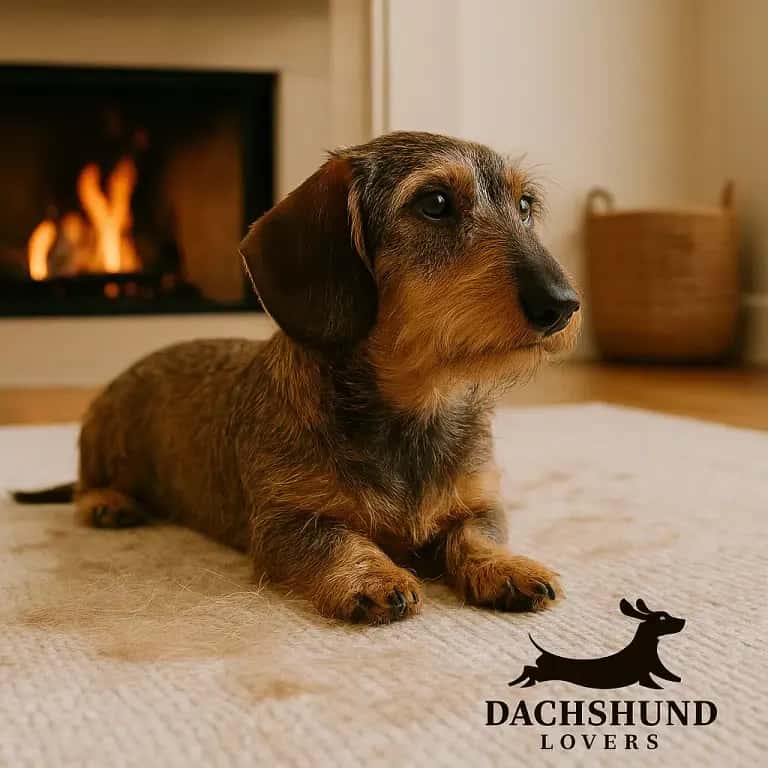
It’s one of the most common questions we see from first-time owners. You’re vacuuming more than usual, your clothes are covered in fur, and you’re wondering — is this normal? Or is something wrong?
While some shedding is completely normal, excessive shedding can point to specific issues that need addressing.
1. Seasonal Coat Changes
Most dachshunds — especially long-haired and wire-haired — shed more heavily in spring and autumn. This is called “coat blow,” when your dog sheds their insulating undercoat to prepare for the new season.
In coastal suburbs where temperatures fluctuate, we’ve noticed this blowout can start early or last longer depending on humidity and heat.
2. Poor Nutrition
Low-quality dog food is one of the most overlooked causes of excess shedding. If your dachshund’s diet lacks essential fatty acids (like Omega-3 and Omega-6), protein, and zinc, their skin and coat health will suffer.
A study published in Veterinary Dermatology found that Omega-3 supplementation significantly improved coat quality and reduced shedding in dogs over a 12-week period. Source
We cover the best food options in our article on Dachshund Grooming Tools, including recommended supplements.
3. Allergies or Irritants
Dachshunds are prone to skin sensitivities. Dust, grass, pollen, fleas, or even the detergent used on their bedding can trigger an allergic response, causing them to scratch — and shed — excessively.
If you’ve recently changed your laundry detergent, floor cleaner, or dog shampoo, consider switching back and monitoring changes.
4. Stress and Anxiety
Dogs under stress can shed more. Common triggers for dachshunds include:
- Changes in household routine
- Separation anxiety
- Loud noises (like thunderstorms or fireworks)
Harvey once had a particularly anxious vet visit, and I noticed a noticeable uptick in fur on my car seat after — it was almost like he dropped half his coat from nerves alone.
5. Medical Conditions
Persistent or patchy hair loss, red skin, or lesions could signal a more serious issue:
- Parasites (mites, fleas)
- Thyroid imbalances
- Cushing’s disease
- Fungal or bacterial infections
If brushing and diet tweaks aren’t making a dent, it’s best to consult your vet. They can rule out medical causes with a quick skin scraping or blood test.
How to Reduce Dachshund Shedding at Home
If you’re dealing with fur tumbleweeds rolling across your hallway or constantly pulling hair off your clothes, you’re not alone. Dachshund shedding can feel relentless — especially during seasonal changes. But the good news is that you can significantly reduce loose hair with a few simple habits and the right tools.
The aim isn’t to eliminate shedding (spoiler: that’s impossible), but to get ahead of it, keeping your pup comfortable and your home much cleaner.
1. Brush More, Shed Less
Regular brushing is your best line of defense. It removes dead hair before it falls out, stimulates your dachshund’s skin, and helps distribute those natural oils that keep their coat healthy and shiny.
Coat Type | Best Brush | Brushing Frequency |
|---|---|---|
Smooth-Haired | Rubber curry brush or grooming mitt | 2–3x per week |
Long-Haired | Slicker brush + metal comb | Daily |
Wire-Haired | Bristle brush + hand-stripping comb | 2–3x per week (hand-stripping every 2–3 months) |
We go deeper into the best options for each coat type in our full Dachshund Grooming Tools Guide, including top-rated products we use ourselves.
Tip: Start brushing when your dachshund is relaxed (like after a walk), and keep sessions short and rewarding — a treat after brushing can turn it from a chore into bonding time.
2. Use the Right Shampoo (and Not Too Often)
Bathing your dachshund with the wrong shampoo can actually increase shedding by drying out their skin. That’s why it’s important to use a gentle, pH-balanced, dog-specific shampoo — preferably one with oatmeal or aloe vera.
- Avoid shampoos with sulfates, parabens, or artificial fragrances
- Look for natural moisturizing ingredients like coconut oil, chamomile, or vitamin E
- Stick to bathing every 4–6 weeks (unless they roll in something unpleasant!)
If your dachshund has skin sensitivities, check out our hypoallergenic favorites in the Grooming Tools Guide.
According to the American Kennel Club, “Bathing too frequently or using the wrong shampoo can lead to dry, irritated skin and increase shedding.”
3. Feed for Skin & Coat Health
Nutrition plays a massive role in coat condition. A dry, brittle coat that sheds excessively can often be traced back to missing nutrients in your dachshund’s diet.
Look for high-quality dog food that includes:
- Omega-3 and Omega-6 fatty acids (for skin elasticity and shine)
- Zinc and Biotin (for coat strength and regeneration)
- Vitamin E (for cellular repair and skin hydration)
You can also supplement with salmon oil or flaxseed oil — just be sure to consult your vet on appropriate dosage.
A 2021 study published in the Journal of Animal Physiology and Animal Nutrition showed that dogs supplemented with omega-3s experienced significant coat improvement and reduced shedding after just eight weeks.
4. Run a Humidifier Indoors
This might sound odd, but indoor heating and air conditioning can cause your dachshund’s skin to dry out — especially in colder months or dry climates. Dry skin leads to flaking, itching, and (you guessed it) more shedding.
Running a humidifier in the room your dog spends most of their time can help restore skin moisture and reduce hair fallout. We use a basic model in our living room, where Harvey naps most afternoons.
5. Invest in a De-shedding Tool
If regular brushing isn’t cutting it during heavy-shed seasons, a de-shedding tool like the FURminator can make a big difference — especially for smooth and long-haired dachshunds. It reaches deeper than traditional brushes, removing loose undercoat hair without damaging the topcoat.
We personally use it once a week during Harvey’s “coat blow” season, and it cuts the mess in half. Just don’t overdo it — once or twice a week is plenty.
6. Consistency Beats Intensity
The real secret? Consistency. A quick brushing every other day beats a marathon grooming session once a month. Routine grooming keeps your dachshund’s skin and coat healthy — and gives you an early heads-up if something doesn’t seem right.
And if you’re ever unsure about what’s normal or what products are safe, don’t hesitate to ask your vet or trusted groomer.
When Is Shedding Not Normal?
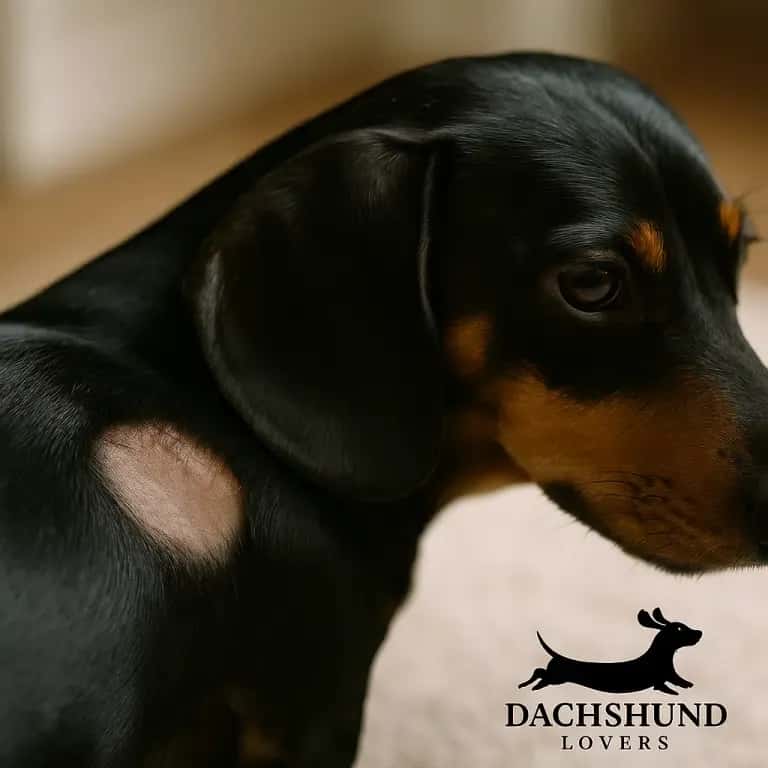
Some shedding is expected — it’s part of your dachshund’s natural hair cycle. But there’s a line between healthy shedding and hair loss that signals something more serious. If you’ve noticed patchy bald spots, relentless itching, or a sudden change in coat quality, it might be time to dig deeper.
Here’s what to look out for and when to speak to your vet.
Signs That Something’s Not Right
- Bald patches or visible thinning in specific areas
- Redness, scabs, or sores on the skin
- Constant itching, licking, or chewing, especially at paws or base of the tail
- Oily, flaky, or unusually dry skin
- A sudden or dramatic increase in shedding, outside of seasonal changes
- Dull or brittle coat, even with good nutrition
According to VCA Animal Hospitals, “Excessive shedding or hair loss can be linked to allergies, hormonal imbalances, parasites, infections, or stress.”
Common Medical Causes of Abnormal Shedding
Cause | Description |
|---|---|
Allergies | Environmental (grass, pollen), food, or flea allergies can cause skin inflammation and hair loss. |
Parasites | Fleas, mites, or mange can irritate the skin and cause patchy shedding. |
Hypothyroidism | A common hormonal disorder in dogs that leads to weight gain, lethargy, and poor coat quality. |
Cushing’s Disease | Overproduction of cortisol, leading to hair thinning, potbelly, and fatigue. |
Fungal or Bacterial Infections | Often start with redness or flaking and can result in localized bald spots. |
Stress or Anxiety | Like humans, dogs can shed more when stressed — moving house, loud environments, or even separation anxiety. |
When to See Your Vet
If brushing, diet, and grooming adjustments don’t seem to help — and you’re seeing any of the warning signs above — book an appointment with your vet. They’ll likely run skin tests, bloodwork, or allergy checks to pinpoint the issue.
Early diagnosis can prevent secondary infections and get your pup back to full fluff quickly.
In Harvey’s case, we once noticed an odd dry patch near his shoulder after a particularly hot summer. We initially thought it was sunburn from lounging too long in our backyard. But our vet identified it as a mild fungal infection — easily treated with a topical cream and a change in shampoo.
Tip: If you’re unsure whether it’s seasonal shedding or something more serious, take photos over a few days to track progress. It helps your vet spot patterns and compare changes.
Shedding Myths: Let’s Clear Them Up
There’s no shortage of myths floating around when it comes to dachshund shedding. Some of them sound convincing — but many can lead to poor coat care, skin issues, or even vet visits. Let’s bust the most common ones once and for all:
Myth | Reality |
|---|---|
“Short-haired dachshunds don’t shed.” | False. Smooth-coated dachshunds shed year-round — sometimes more than long-haired ones. Their tiny hairs can be hard to spot but are notorious for sticking in carpets, clothes, and car upholstery. According to PetMD, short-haired dogs shed more frequently due to the quick life cycle of their fur. |
“Shaving will stop shedding.” | Not true — and often harmful. Shaving a dachshund doesn’t prevent shedding. It just means the hairs are shorter when they fall out. Worse, it removes their natural insulation and sun protection. The American Kennel Club (AKC) strongly advises against shaving double-coated breeds, explaining that it disrupts their coat’s ability to regulate temperature. (AKC source) |
“Only long-haired dachshunds need brushing.” | False. All dachshunds need brushing — even smooth and wire-haired types. Regular brushing isn’t just about managing loose fur. It helps spread natural oils, improves circulation, reduces odor, and gives you a chance to check for bumps, parasites, or skin irritation. Brushing also reduces how much fur ends up on your couch and in your vacuum. |
While every dachshund sheds differently depending on coat type, diet, health, and even the weather, no dachshund is completely shed-free. What matters most is how well you manage it with the right tools, grooming habits, and expectations.
Real-Life Tips from a Dachshund Dad
After living with Harvey (our silver dapple doxie) for over five years now, I’ve learned a few things — often the hard way. Shedding isn’t just something that happens seasonally. It’s a constant part of life when you’ve got a dachshund, and managing it well can mean the difference between a clean home and tumbleweeds of fur in every corner.
What Actually Works
- Daily brushing beats deep cleans. A quick 3–5 minute brush with a rubber curry or slicker brush in the morning keeps the worst of Harvey’s loose fur off our floors. We’ve covered the best brushes in our grooming tools guide.
- Microfiber couch throws. Harvey loves our lounge in the afternoon sun, especially after a walk. We’ve learned to toss a microfiber blanket over the couch where he naps — easy to shake out or wash every few days.
- Vacuum every 2–3 days. We’ve tried pushing it to once a week. Bad idea. You can feel the fur under your feet and it triggers allergies. A cordless stick vacuum (ideally one with a pet attachment) has been a lifesaver and a timesaver.
- Diet matters. Since we switched Harvey to a diet rich in omega-3s — think salmon oil and high-protein kibble — his coat looks glossier and he sheds slightly less. According to VCA Hospitals, poor nutrition can lead to dull coats and increased shedding, so make sure your dachshund’s food supports skin health.
- Regular baths (but not too many). We bathe Harvey every 6–8 weeks using an oatmeal-based dog shampoo. Overbathing can strip his coat of natural oils, so we avoid weekly washes.
What Didn’t Work
- Lint rollers as the only solution. Handy in a pinch, but not a replacement for brushing or vacuuming. We used to go through multiple rolls a week before we got serious about preventative grooming.
- Leaving grooming until shedding seasons. Huge mistake. Spring and autumn bring the biggest blowouts, but shedding happens year-round. A consistent routine is more effective (and less stressful) than a frantic one.
Ignoring “shed zones.” Harvey’s favorite sun spots — our bedroom rug, the passenger car seat, and the corner of the lounge — always collect the most fur. Now we proactively clean and cover those areas, rather than chasing mess after the fact.
FAQs
More from This Series
Explore the rest of our Dachshund Grooming Collection — everything you need to keep your doxie looking sharp, smelling fresh, and feeling their best:
- Dachshund Grooming Tools
Your go-to guide for the best shampoos, combs, clippers, and brushes — all dachshund-tested. - Dachshund Nail Trimming
Learn how often to trim, how to avoid the quick, and which tools make it stress-free. - Long-Haired Dachshund Grooming
From detangling to managing seasonal blowouts — tailored advice for the fluffier variety. - Wire-Haired Dachshund Grooming
How to hand-strip, maintain texture, and avoid matting in these scruffier sausages. - The Ultimate Dachshund Grooming Guide
Your master guide to all things dachshund grooming — from bath time to ear checks and everything in between.
Authored by
James
James is the founder of Dachshund Lovers and the proud human of Harvey, a mini dapple with a big personality. He writes to empower and connect the dachshund community, blending founder insights with honest, experience-based stories about life with this incredible and special breed. James brings candid, experience-backed opinions to the community and always focused on fewer, better products and ideas that genuinely improve life for dachshunds and their people.
Read moreJames is the founder of Dachshund Lovers and the proud human of Harvey, a mini dapple with a big personality. He writes to empower and connect the dachshund community, blending founder insights with honest, experience-based stories about life with this incredible and special breed. James brings candid, experience-backed opinions to the community and always focused on fewer, better products and ideas that genuinely improve life for dachshunds and their people.
Read moreDisclaimer
This content is for informational purposes only and should not be considered veterinary advice. Always consult with a licensed veterinarian regarding your dog’s health and wellbeing.
There are no comments yet
Leave a comment