Dachshund Ears
Dachshund Ears
From weird smells to head shaking, I break down the signs your dachshund’s ears need attention and how to clean them safely.
James
Posted on November 3, 2025.
Updated on July 20, 2026.
Table of Contents
- 1.Key Takeaways on Dachshund Ears
- 2.Ear Anatomy & Why Dachshunds Are Prone to Problems
- •Why Dachshund Ears Are Vulnerable
- 3.Common Ear Problems in Dachshunds
- •1. Ear Infections
- •2. Ear Mites
- •3. Wax Buildup
- •4. Allergic Ear Disease
- •5. Foreign Objects (Grass Seeds, Dirt, Sand)
- 4.Symptoms Owners Should Watch For
- •Owner Insight
- 5.Treatment & Prevention of Ear Problems in Dachshunds
- •At-Home Care
- •Veterinary Care
- •Summary Table: Dachshund Ear Care
- •Prevention Tips
- 6.The Link Between Ear Health and Other Dachshund Conditions
- 7.Daily Ear Care Routine for Dachshunds
- •Step 1: Inspection
- •Step 2: Cleaning
- •Step 3: After Walks & Outdoor Play
- •Step 4: Drying After Baths or Swimming
- •Step 5: Treating Flare-Ups
- •Quick Routine Checklist
- •Owner Insight
- -More from This Series
- -Disclaimer
Share

Harvey’s ears have always been part of his charm, soft, velvety flaps that practically beg for a scratch. But those long, droopy ears also turned out to be a high-maintenance feature. One summer, after a week of beach walks around Cronulla, Harvey started shaking his head constantly. When we checked, his ears smelled musty and looked red inside — the beginnings of an ear infection.
Dachshunds are prone to ear problems because of their long, floppy ear shape. The same design that makes them adorable also traps moisture, wax, and allergens, creating the perfect breeding ground for yeast and bacteria. According to VCA Animal Hospitals, floppy-eared breeds are significantly more likely to develop ear infections compared to dogs with upright ears.
Ear health isn’t just about comfort, untreated infections can cause chronic pain, hearing loss, and even affect balance. For dachshunds already managing other sensitivities like allergies or skin issues, the risk is even higher.
Key Takeaways on Dachshund Ears
Question | Quick Answer | Why It Matters for Dachshunds |
|---|---|---|
Cataracts | Long, floppy ears trap moisture, wax, and allergens | Creates a warm, moist environment ideal for yeast & bacteria |
What are common dachshund ear issues? | Ear infections, wax buildup, allergies, mites | Discomfort, itching, chronic infections if untreated |
What symptoms should I watch for? | Head shaking, scratching, odor, redness, discharge | Head shaking, scratching, odor, redness, discharge Early detection prevents long-term damage |
How often should I clean my dachshund’s ears? | Weekly checks, cleaning every 2–3 weeks (or more if prone to infections) | Regular maintenance prevents buildup |
Can allergies cause ear problems? | Yes — environmental and food allergies inflame ear canals | Link to dachshund allergies and secondary infections |
What treatments help ear infections? | Vet-prescribed drops, antifungal or antibiotic meds, regular cleaning | Professional treatment ensures proper healing |
Can ear problems affect other health areas? | Yes — chronic infections can lead to hearing loss or balance issues | Long-term prevention improves quality of life |
Ear Anatomy & Why Dachshunds Are Prone to Problems
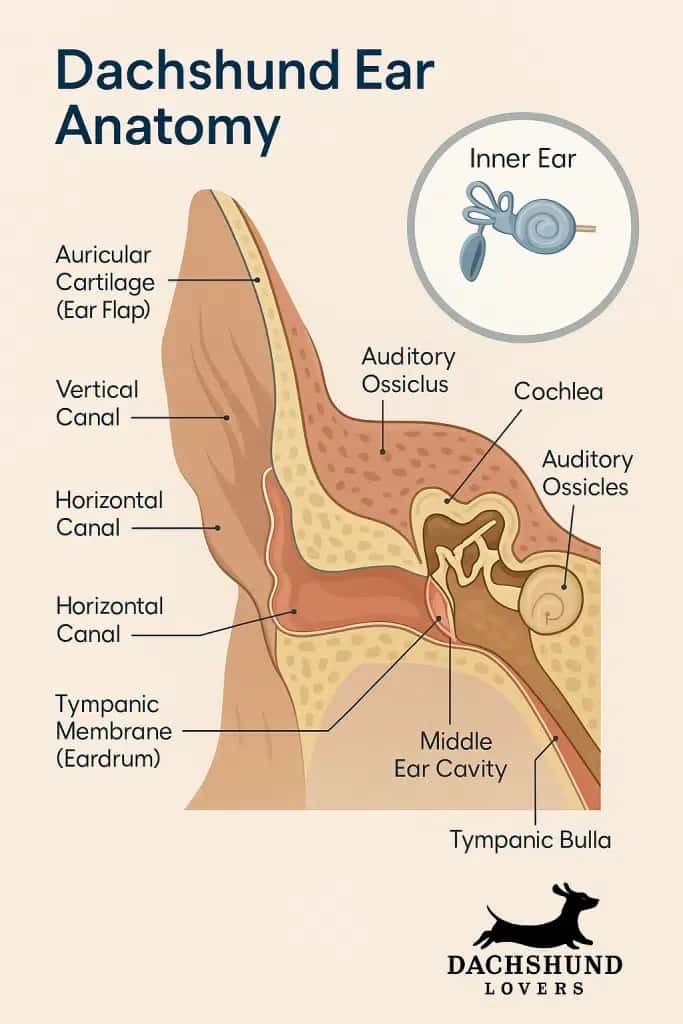
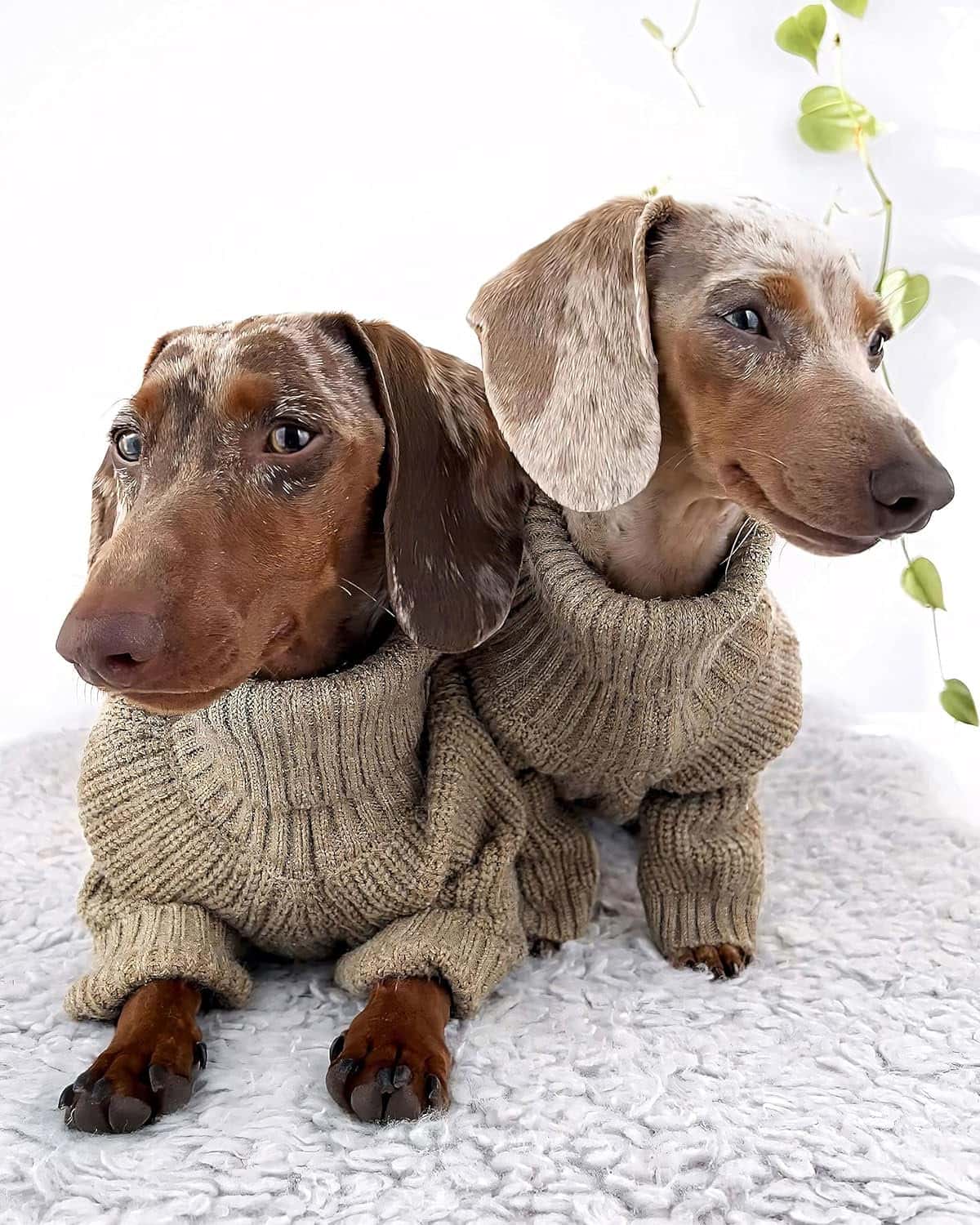
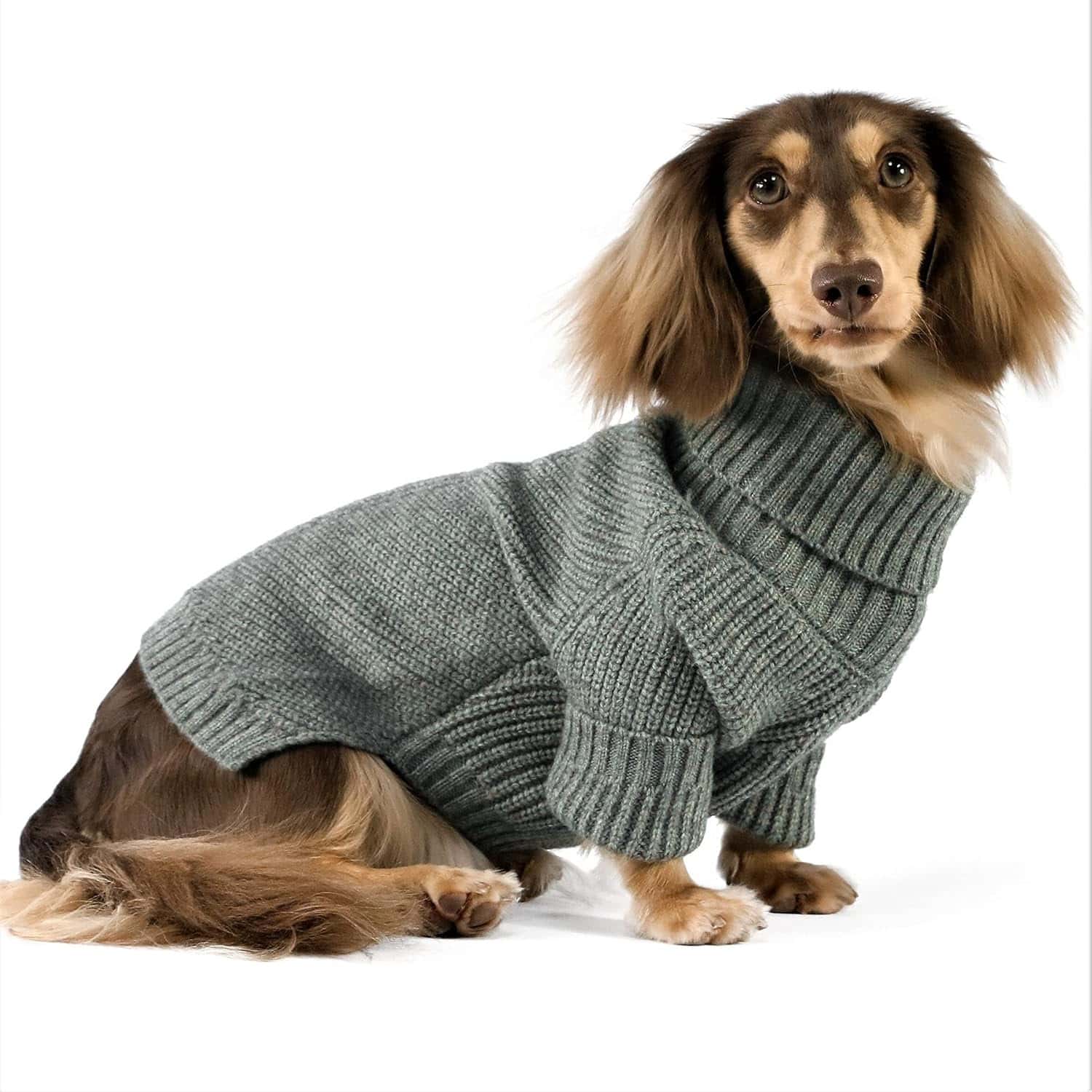
Dachshunds’ ears are instantly recognisable — long, floppy, and silky. While charming, this ear design is exactly why they are prone to ear issues. Unlike upright ears that allow air circulation, dachshund ears act like a flap, covering and trapping whatever’s inside.
Why Dachshund Ears Are Vulnerable
- Poor air circulation – Moisture and heat build up, creating the perfect breeding ground for yeast and bacteria.
- Wax accumulation – Ear canals produce wax naturally, but with less airflow, buildup occurs faster.
- Allergy sensitivity – Dachshunds prone to allergies often show symptoms in the ears. Inflamed skin in the ear canal makes infections more likely.
- Outdoor adventures – Grass seeds, dirt, or even sand from beach trips can get trapped and irritate the ear canal.
- Breed genetics – Their smaller skull size compared to larger floppy-eared dogs makes their ear canals narrower, which compounds the problem.
When Harvey had his first ear infection, it wasn’t from swimming or fleas — it was from his allergy to grass pollen, which inflamed his ears and allowed yeast to thrive. It showed us that ear health doesn’t exist in isolation — it connects to skin issues, allergies, and even weight (since overweight dachshunds are less active and prone to systemic inflammation).
Common Ear Problems in Dachshunds
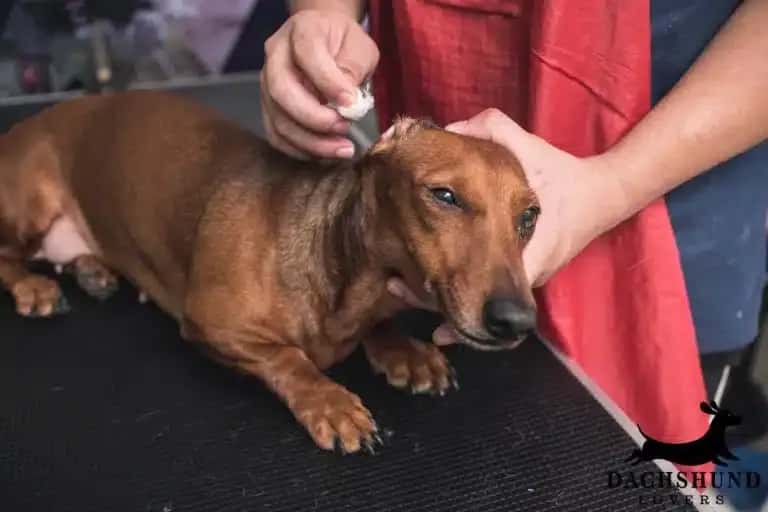
1. Ear Infections
The most common issue, caused by yeast, bacteria, or both.
- Symptoms: Head shaking, scratching, odor, redness, discharge.
- Links: Often secondary to allergies.
2. Ear Mites
Tiny parasites that cause severe itching.
- Symptoms: Dark, coffee-ground-like debris in the ears, intense scratching.
- Risk: More common in puppies or dogs exposed to untreated pets.
3. Wax Buildup
Chronic wax can lead to infections if not cleaned regularly.
- Symptoms: Visible brown/yellow wax, head shaking, mild odor.
4. Allergic Ear Disease
Food or environmental triggers inflame the ear canal.
- Symptoms: Itchiness, recurrent infections, thickened ear canal skin.
- Links: See dachshund allergies.
5. Foreign Objects (Grass Seeds, Dirt, Sand)
Dachshunds who love rolling outdoors may pick up irritants in their ear canals.
- Symptoms: Sudden head shaking, pawing at one ear, visible discomfort.
Harvey’s case: After a beach run at Greenhills, a grain of sand caused a flare-up that turned into a yeast infection.
Symptoms Owners Should Watch For
- Persistent head shaking
- Scratching or rubbing ears against furniture
- Odor coming from the ears
- Redness or swelling inside the ear canal
- Brown, yellow, or dark debris
- Pain or sensitivity when touched
- Loss of balance or head tilt (in severe cases)
If these signs persist, a vet check is essential. Chronic ear infections can lead to long-term damage, including hearing loss.
Owner Insight
With Harvey, we now know that his ears are our “allergy thermometer.” If he starts scratching them more than usual, it’s almost always the start of a seasonal flare-up. Weekly checks and cleaning have saved us multiple trips to the vet.
Treatment & Prevention of Ear Problems in Dachshunds
Dachshund ears may need more upkeep than other breeds, but the good news is that most issues can be prevented with consistent care. Ear infections rarely appear out of nowhere, they usually build from allergens, wax, or moisture that isn’t managed in time.
When Harvey had his first yeast infection, we learned quickly that ear care isn’t optional. Weekly checks, regular cleaning, and staying on top of his allergy management now keep his velvet ears healthy and (mostly) drama-free.
At-Home Care
- Routine Ear Cleaning
- Use vet-approved ear cleaning solutions (never alcohol or hydrogen peroxide).
- Clean every 2–3 weeks for healthy dachshunds, more often for allergy-prone dogs.
- Gently wipe the visible ear canal with cotton pads, not cotton buds (which push debris deeper).
- Paw & Ear Connection
- Pollen and dust cling to paws, then transfer to ears when scratching.
- Rinse paws after walks to reduce allergens (see Dachshund Feet).
- Grooming Support
- Keep long ear hair trimmed for better air circulation.
- Check after outdoor play for grass seeds, dirt, or sand.
- Allergy Management
- Since allergies are a root cause for many ear issues, controlling diet, environment, and flea prevention reduces flare-ups (see Dachshund Skin Issues).
Veterinary Care
Some issues need professional treatment:
- Ear Infections: Yeast or bacterial infections require medicated drops or oral antibiotics.
- Ear Mites: Prescription drops eliminate infestations.
- Chronic Allergic Ear Disease: May need long-term management with Apoquel, Cytopoint, or immunotherapy (see Dachshund Allergies).
- Severe Cases: Deep ear infections or repeated flare-ups may require imaging or surgical intervention to prevent permanent damage.
Harvey once needed a vet visit after beach sand triggered a yeast overgrowth. A quick ear flush and medicated drops cleared it up — but it reminded us that vet intervention is essential when home care isn’t enough.
Summary Table: Dachshund Ear Care
Situation | At-Home Care | Vet Care |
|---|---|---|
Mild wax buildup | Clean with vet-approved solution every 2–3 weeks | Not usually needed |
Recurring odor | Clean ears, monitor after walks | Vet check to rule out yeast/bacteria |
Itchy ears with pawing | Rinse paws, wipe ears, monitor closely | Vet exam for infection or allergy-driven inflammation |
Recurrent ear infections | Support with cleaning & allergy control | Prescription drops, possible long-term medication |
Sudden head shaking after outdoor play | Check for seeds/sand, gently wipe ear | Vet if discomfort continues — may need foreign body removal |
Red, swollen ears with discharge | Not suitable for home treatment | Immediate vet care — infection requires meds |
This table acts like a quick decision guide: green light for home care vs red flag for vet care.
Prevention Tips
- Weekly inspections – Catch problems before they escalate.
- Seasonal adjustments – Clean more often in spring/summer (pollen season).
- After swimming/beach trips – Dry ears thoroughly and wipe with a cleaning solution.
- Control allergies & fleas – Consistency here prevents half of dachshund ear problems.
- Balanced diet – Reduces inflammation and supports healthy skin (see Overweight Dachshund for diet context).
These days, Harvey tolerates ear cleaning better than I ever expected. At first, he wriggled away every time, but with slow conditioning (and plenty of treats after), it’s become routine. By combining home care with quick vet visits when flare-ups start, we’ve prevented his infections from becoming chronic
The Link Between Ear Health and Other Dachshund Conditions
One of the biggest mistakes owners make is treating ear problems as isolated incidents. In reality, dachshund ear health is tightly linked to other conditions — especially allergies, skin problems, and even weight.
- Allergies
Environmental or food allergies inflame the skin inside the ear canal, making it more vulnerable to infection. Recurrent ear infections are often the first sign of dachshund allergies. - Skin Issues
Yeast and bacterial infections often affect both skin and ears. A dachshund struggling with skin issues will often scratch ears and paws in the same cycle of irritation. - Overweight Dachshunds
Excess weight worsens systemic inflammation. Overweight dogs also groom less effectively, allowing wax and debris to accumulate in their ears (see Overweight Dachshund).
Harvey’s history has shown us this clearly: every time his allergies flare, his ears flare too. Once we started treating allergies proactively with antihistamines and paw rinses, ear infections became much less frequent.
Daily Ear Care Routine for Dachshunds
Prevention is far easier than treatment. A simple weekly routine helps dachshund owners stay ahead of ear problems.
Step 1: Inspection
- Lift the ear flap and check for redness, swelling, or discharge.
- Sniff gently — a sour or yeasty smell usually signals trouble.
Step 2: Cleaning
- Use a vet-approved ear cleaning solution.
- Apply a few drops, gently massage the base of the ear, then wipe out loosened debris with cotton pads.
- Never use cotton buds, which push dirt deeper.
Step 3: After Walks & Outdoor Play
- Wipe ears with a damp cloth after grassy or sandy play sessions.
- Rinse paws too, since allergens travel from paws to ears when scratching (see Dachshund Feet).
Step 4: Drying After Baths or Swimming
- Always dry ears thoroughly with a soft towel.
- Moisture left behind is a breeding ground for yeast.
Step 5: Treating Flare-Ups
- If you notice redness, constant shaking, or odor — stop home care and consult a vet.
- Early intervention prevents a minor irritation from turning into a painful infection.
Quick Routine Checklist
Task | Frequency | Why It Matters for Dachshunds |
|---|---|---|
Inspect ears | Weekly | Catches redness, odor, or swelling early |
Clean Ears | Every 2–3 weeks | Prevents wax buildup and debris |
Wipe after walks | As needed | Reduces pollen and grass seed exposure |
Dry after baths/swims | Every time | Prevents yeast/bacterial growth |
Vet check for flare-ups | ASAP | Stops infections before they worsen |
Owner Insight
With Harvey, the key was making ear care routine, not reactive. A quick weekly check became part of his grooming schedule, just like brushing. By drying his ears after beach runs and wiping after walks, we’ve cut down ear infections dramatically. It’s a small investment of time that saves him and us, weeks of discomfort later.
FAQs on Dachshund Ears
More from This Series
- Dachshund Eye Problems
- CDA in Dachshunds
- Dachshund Brain Size
- Dachshund Back Surgery
- Dachshund Dragging Back Legs
- Dachshund Neck Size
- Dachshund Back Brace
- Dachshund Back Problems
- Dachshund Skin Issues
- Dachshund Health Issues
- Dachshund Feet
- Dachshund Ribs
- Overweight Dachshund
- Dachshund Teeth
- Dachshund Allergies
- Dachshund Ears
- Dachshund Hip Dysplasia
- Dachshund Constipation
- Dachshund Bad Breath
Authored by
James
James is the founder of Dachshund Lovers and the proud human of Harvey, a mini dapple with a big personality. He writes to empower and connect the dachshund community, blending founder insights with honest, experience-based stories about life with this incredible and special breed. James brings candid, experience-backed opinions to the community and always focused on fewer, better products and ideas that genuinely improve life for dachshunds and their people.
Read moreJames is the founder of Dachshund Lovers and the proud human of Harvey, a mini dapple with a big personality. He writes to empower and connect the dachshund community, blending founder insights with honest, experience-based stories about life with this incredible and special breed. James brings candid, experience-backed opinions to the community and always focused on fewer, better products and ideas that genuinely improve life for dachshunds and their people.
Read moreDisclaimer
This content is for informational purposes only and should not be considered veterinary advice. Always consult with a licensed veterinarian regarding your dog’s health and wellbeing.
There are no comments yet
Leave a comment