Dachshund Daily Routine
Dachshund Daily Routine
Feeding times, potty breaks, energy bursts, and naps, I’ve built the perfect rhythm for a happy, healthy dachshund. Here’s what’s worked best for us.
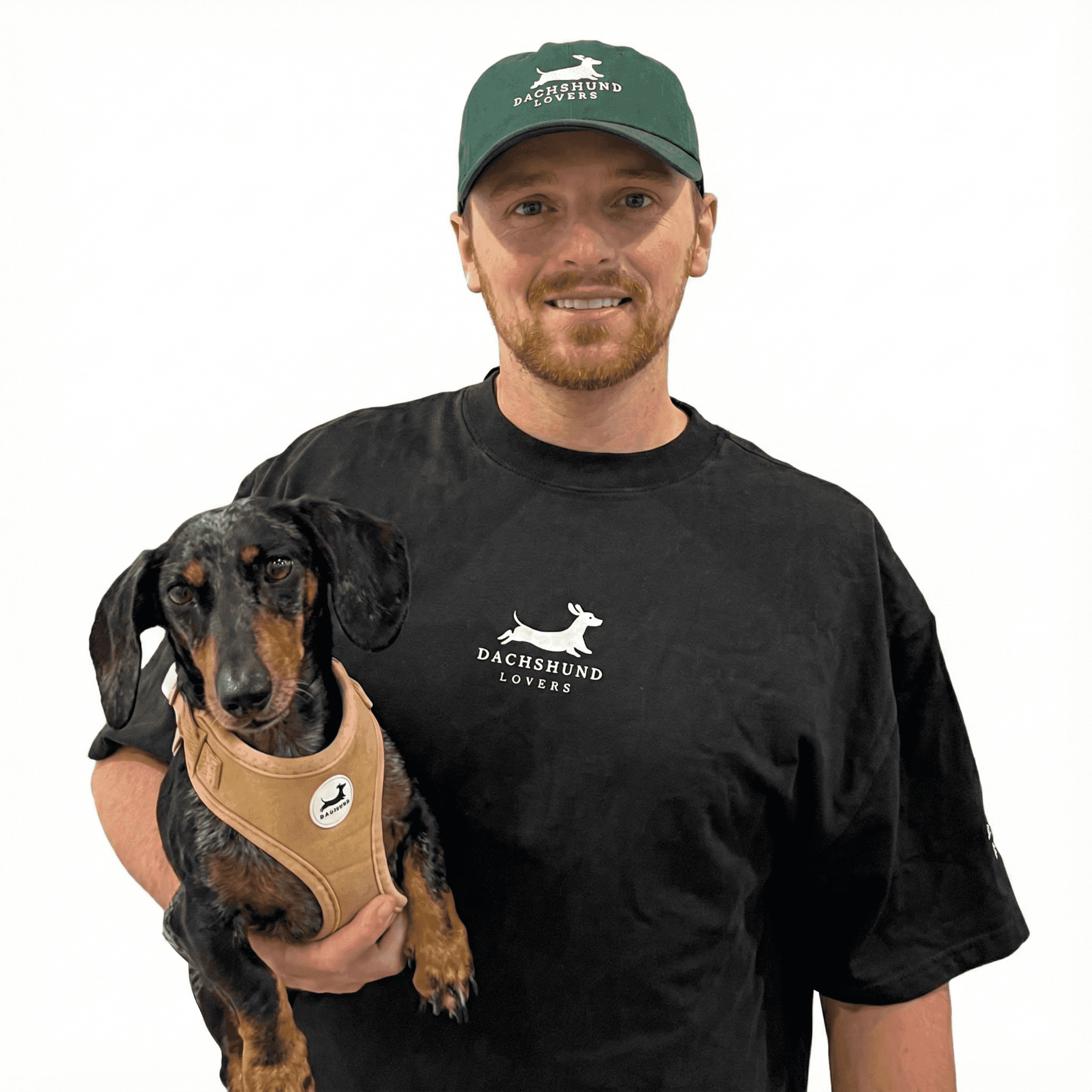
James
Posted on November 4, 2025.
Updated on July 20, 2026.
Table of Contents
- 1.Key Takeaways on Dachshund Daily Routine
- 2.Morning Routine
- 3.Midday Routine for Dachshunds
- •Adjusting for Your Lifestyle
- •Mental Enrichment Over Physical Exhaustion
- •Temperature and Comfort Checks
- •Social Interaction
- •Rest Is Still Important
- 4.Afternoon Routine for a Happy Dachshund
- 5.Evening Routine for a Calm, Content Dachshund
- -More from This Series
- -Disclaimer
Share

When Harvey first joined our family, Caitlin and I had this romantic idea that his days would simply flow around ours — a bit of play in the morning, naps in the afternoon, and evening walks when we felt like it. We quickly learned that dachshunds don’t just enjoy structure, they depend on it. Without a consistent rhythm, Harvey’s days would unravel into a mix of manic energy bursts, stubborn stand-offs, and, once, a pre-dawn barking session that woke up half the street in Cronulla.
It’s no accident that dachshunds thrive on predictability. They were bred to work long hours underground, and those instincts translate into a love for knowing when it’s time to hunt, rest, eat, or play. A well-structured daily routine doesn’t just keep them happy — it helps prevent obesity, reduces anxiety, and strengthens your bond.
In this guide, we’ll walk through what a balanced dachshund daily routine looks like, from first light to lights out. We’ll talk about morning walks, mental stimulation, rest periods, and even how to handle changes without throwing your dachshund into a tailspin. If you’re looking for a practical example of fitting a routine into smaller spaces, you might also want to read our piece on Dachshund for Apartment Living.
Key Takeaways on Dachshund Daily Routine
Fact | Why It Matters |
|---|---|
Dachshunds thrive on routine for security and good behaviour | Predictability helps reduce anxiety and prevents destructive habits |
Morning exercise is essential to burn energy and keep weight down | Dachshunds are prone to obesity and benefit from regular walks or play sessions |
Mental stimulation is just as important as physical exercise | Puzzle toys, scent games, and training sessions help prevent boredom-related barking or digging |
Consistent meal times support digestion and prevent overeating | Especially important in a breed known for loving food |
Evening wind-down time prepares your dachshund for restful sleep | Calm end-of-day rituals help avoid late-night barking or restlessness |
Morning Routine

If Harvey had his way, our dachshund daily routine would begin before sunrise. Even if Caitlin and I try for a sleep-in, there’s a moment — usually around 6:15am — when I hear the click of his nails on the hallway floor and know the day is officially starting. Dachshunds are tuned into household rhythms, and once one person is awake, they consider it their job to make sure everyone else is too.
The Wake-Up Ritual
Harvey has two morning modes. If Caitlin is the first up, he’ll bound into the kitchen, tail wagging furiously, as if he’s been waiting all night to tell her about his dreams. If it’s me, he’s a little more measured — sitting at the foot of the bed, stretching into that long low-down bow, then letting out a single, pointed bark. That’s Harvey-speak for “time to get moving.”
Some mornings we start with a quick play session in the backyard. A few throws of his soft ball gets his body moving without the intensity of a full walk. On other days, we head straight for the lead and harness, because the earlier we get out, the calmer the rest of the day will be.
The First Walk of the Day
Harvey’s first walk is the cornerstone of his daily routine. We stick to quieter routes — past the our local Rushi café down towards Gunnamatta Bay, or along the quieter stretches of Cronulla’s backstreets. Early walks are more than just exercise; they’re a mental warm-up. Dachshunds were bred for hunting, so allowing them time to sniff their surroundings is as important as the walking itself. The American Kennel Club actually recommends this kind of scent-led walking as a form of “nose work” that provides mental enrichment on par with physical activity.
I’ve learned not to rush this part. Harvey has a particular way of “checking in” with his neighbourhood — he sniffs the same patch of grass by the corner fence every morning, as though it’s his inbox. Skipping that stop is unthinkable in his mind.
Breakfast Time
We always feed Harvey after his walk, once his energy is more settled. Feeding before exercise can increase the risk of bloat in dogs, and post-walk mealtimes also prevent him from inhaling his food in sheer excitement. His breakfast is consistent: a measured portion of high-quality kibble, occasionally mixed with cooked vegetables or a little lean chicken. Caitlin likes to add a spoonful of pumpkin puree for fibre, and I have to admit it keeps him regular.
The consistency of feeding at the same time each morning has other benefits too. It keeps his digestion predictable, reduces begging during the day, and anchors the rhythm of the household.
Morning Mental Stimulation
While Harvey is more than happy to nap after breakfast, I’ve found that giving him a short “job” to do before his first sleep makes him calmer. This could be ten minutes with a puzzle feeder, a frozen Kong stuffed with peanut butter, or a snuffle mat. On rainy days, these enrichment toys are essential — especially for dachshunds living in apartments, which we discuss in depth in Dachshund for Apartment Living.
The Calm-Down Window
By around 9:30am, Harvey finds his spot in a patch of morning sun, usually on the rug in our living room. This calm period is important, especially for a breed that’s prone to Intervertebral Disc Disease (IVDD). Over-exercising early in the day can lead to strain, so we see his first nap as part of his health plan, not just downtime.
Why Morning Structure Matters for Dachshunds
A predictable morning routine reduces anxiety in dachshunds. They’re clever, sensitive dogs, and when they know what to expect, they’re less likely to develop problem behaviours like excessive barking or destructive chewing. For Harvey, mornings that follow this rhythm — wake, walk, breakfast, enrichment, nap — tend to lead to calmer afternoons and evenings. If we skip steps, we pay for it later with restless pacing or bursts of energy right before bedtime.
Midday Routine for Dachshunds
By the middle of the day, a dachshund’s energy rhythm looks very different from the early morning excitement. If Harvey has had a good walk and breakfast, he’s usually found in his favourite spot on the lounge by about 11 am, soaking in the sunlight through our north-facing windows in Cronulla. But midday isn’t just downtime — it’s also a crucial point in their day to strike the right balance between rest and gentle stimulation.
For dachshunds, especially those in smaller living spaces like apartments (see our guide on Dachshund for Apartment Living), the middle of the day can either be a mental recharge or a boredom trap. Too much inactivity can lead to destructive habits, while too much stimulation can over-excite them and interrupt their natural rest cycle.
Adjusting for Your Lifestyle
If you work from home, you have the advantage of checking in throughout the day. A quick 5–10 minute interactive session — whether it’s a short play with a tug toy or a sniffing game with treats hidden around the lounge — can keep your dachshund mentally engaged without overexerting them. If you’re away for work, consider arranging a trusted dog walker or neighbour to drop in around lunchtime. Even a short break to stretch their legs in the backyard or street can make a big difference to their mood and bladder comfort.
For example, when Caitlin and I have long days out, we often ask my mum (who lives nearby in the Sutherland Shire) to pop by for a quick visit with Harvey. She’ll let him out into the yard, throw his ball a few times, and give him a cuddle — nothing overly stimulating, but enough to break up the long stretch between morning and evening walks.
Mental Enrichment Over Physical Exhaustion
The middle of the day is the perfect time to work on training cues that don’t require intense physical activity. Teaching a calm “stay” or “place” command, practising “lay down” (see our full guide on How to Train a Dachshund to Lay Down), or reinforcing polite waiting before being given a toy are all great options. These short, focused sessions tap into their natural problem-solving abilities without risking back strain.
Puzzle feeders, snuffle mats, and treat-dispensing toys can also be lifesavers, particularly if you’re not home. The RSPCA Australia recommends interactive feeders for dogs prone to boredom or separation anxiety, as they encourage mental engagement and help slow down eating.
Temperature and Comfort Checks
If your dachshund spends part of the day outside, midday is also when the sun is at its strongest — something to consider in Australia’s warmer months. Make sure they have access to shade and fresh water, and consider bringing them indoors if temperatures climb. Likewise, in cooler months, dachshunds benefit from a warm resting spot since they are more sensitive to cold weather (see our article on Dachshund and Cold Weather).
For Harvey, midday often involves moving from his sun patch to his bed under my desk. He likes to be close but not constantly engaged — an arrangement that works well for both of us during busier workdays.
If your dachshund is social, this can be a good time to schedule low-key playdates with familiar dogs. Keep in mind that dachshunds have strong personalities and may not tolerate all dog types equally, so choose play partners they already know and get along with. If you live near the beach, a gentle walk along quieter sections of the sand can be an enjoyable midday outing, though always keep them leashed if they’re not recall-trained and be mindful that not all dachshunds are comfortable in water (see our guide on Do Dachshunds Like Water?).
Rest Is Still Important
Despite all these midday opportunities, rest remains a big part of a healthy dachshund’s routine. It’s common for them to spend several hours napping in the middle of the day, particularly if they’re older or if the morning was active. Respecting their downtime is just as important as providing enrichment.
For owners, the goal is to make midday a flexible period that supports both the dachshund’s need for security and their curiosity about the world. Whether you’re home or away, think of it as the “maintenance phase” of their day — keeping them balanced, content, and ready for whatever the afternoon brings.

Afternoon Routine for a Happy Dachshund
By the time the afternoon rolls around, most dachshunds have already cycled through their morning bursts of energy and are ready for a mix of rest and light activity. For Harvey, our afternoons in Cronulla often depend on the weather — sunny days mean an extra walk along Gunnamatta Bay, while colder or rainy days might call for a round of indoor enrichment games.
The key to a successful dachshund afternoon is balance. They’ve had their main exercise in the morning, but they still need engagement to prevent boredom (and the mischief that follows). As the RSPCA Australia points out, mental stimulation is just as important as physical exercise for keeping dogs happy and well-behaved.
Post-Lunch Wind-Down
After lunch — or the second half of their daily meal — most dachshunds appreciate a quiet period. This isn’t just a personal observation from living with Harvey; it’s also backed by canine behaviourists who note that digestion and rest go hand in hand. Too much activity right after eating can increase the risk of gastrointestinal upset.
For Harvey, this often means curling up on the couch next to Caitlin while she reads, or in his bed in the sunniest spot of the living room. It’s also the perfect time for low-energy bonding activities — gentle grooming, ear checks, or a light massage to keep muscles loose and relaxed.
Mid-Afternoon Enrichment
Around 2 or 3 pm, Harvey is usually ready for a little action. This is where enrichment games come into play. Some ideas that work particularly well for dachshunds:
- Snuffle mats filled with treats — perfect for channelling their natural scent-tracking instincts.
- Puzzle feeders — a great way to keep them engaged without over-exertion.
- Hide and seek — either hiding treats around the house or getting a family member to hide for Harvey to find.
If your dachshund lives in an apartment, these activities can be especially important to break up long indoor stretches — you can read more about this in our article on Dachshund for Apartment Living.
Short Walk or Backyard Time
If the morning walk was short, an afternoon outing helps to burn off any remaining energy. For Harvey, this might mean a stroll around the block or some supervised free time in the backyard. The shorter session keeps him active without overstimulating him before dinner.
In the warmer months, we sometimes take Harvey to the shaded areas of Shelly Park in Cronulla. The cooler air and soft grass make it an ideal spot for a relaxed sniffari — slow, scent-driven walks where the goal isn’t distance but exploration.
Socialisation Opportunities
If you’re raising a younger dachshund, afternoon is a great time to arrange short playdates with familiar dogs. Keeping these sessions brief ensures your dachshund leaves on a positive note without becoming overtired. Socialisation doesn’t always have to mean other dogs either — meeting friendly neighbours, hearing different sounds, or encountering new surfaces can all contribute to a more confident adult dachshund.
Why the Afternoon Routine Matters
A consistent afternoon routine supports the natural rhythm of a dachshund’s day — active in short bursts, with plenty of rest in between. Without this structure, they may fall into cycles of boredom that can lead to excessive barking, chewing, or digging.
By aligning activities with your dachshund’s energy levels and instincts, you’re not just keeping them busy; you’re creating an environment where they can thrive.
Evening Routine for a Calm, Content Dachshund
Evenings in our home tend to be a winding-down period, not just for us but for Harvey too. After a full day of activities, a dachshund’s evening should balance final bursts of play with cues that bedtime is approaching.
The Pre-Dinner Walk
About an hour before dinner, we often head out for a short walk. This isn’t meant to be a high-energy adventure — more of a gentle stroll to let Harvey sniff around the neighbourhood and take in the last bit of daylight. For older dachshunds or those in colder weather, this might be a quick loop around the block instead. The idea is to help them expend a little energy so they’re calmer through the evening.
Dinner and Digestion
Dachshunds thrive on routine, and mealtimes are no exception. Harvey’s dinner is served at roughly the same time each night, which he seems to track more precisely than any clock we own. After eating, we give him at least 30 minutes of quiet time to digest, avoiding any intense play that could upset his stomach.
Post-Dinner Bonding Time
This is when Harvey becomes what we affectionately call his “velcro dog” self. He’ll settle next to Caitlin while she watches a show, or curl into my lap if I’m working on the couch. Gentle grooming — like brushing his coat or cleaning his ears — is a great way to fit in care tasks without making them feel like chores.
If your dachshund is sharing your bed, the evening is also a good time to make sure their bedding is clean and cosy. Our guide on Dachshund in Bed covers how to make bedtime comfortable for both you and your dog.
Mental Cool-Down Activities
Evenings aren’t just for physical rest — dachshunds benefit from winding down mentally too. Some options include:
- A stuffed Kong with a small amount of dog-safe peanut butter or pumpkin.
- Light training refreshers for basic commands like “sit” or “stay.”
- Quiet sniff-based games indoors.
Final Toilet Break
A last trip outside right before bed helps prevent middle-of-the-night wake-up calls. Harvey knows the cue “last wee” and trots to the door almost every time.
Why the Evening Routine Matters
Consistency in the evenings signals to your dachshund that the day is ending, helping them settle more easily for sleep. It also strengthens the bond between you and your dog — those last moments of calm connection are just as important as the more active parts of the day.
FAQs — Dachshund Daily Routine
More from This Series
Explore other articles in our Living with Dachshunds collection:
- Dachshund for Apartment Living — Practical tips for keeping a happy, healthy doxie in smaller living spaces.
- Dachshund in Bed — The pros, cons, and quirks of sharing your sleep space with a dachshund.
- Owning a Dachshund — Everything you should know before (and after) bringing a dachshund home.
- Dachshund and Cold Weather — How to keep your dachshund warm, safe, and active in winter.
- Do Dachshunds Like Water? — Why some doxies paddle happily and others avoid water at all costs.
- Dachshund and Cats — Building harmony between your dachshund and feline family members.
Authored by
James
James is the founder of Dachshund Lovers and the proud human of Harvey, a mini dapple with a big personality. He writes to empower and connect the dachshund community, blending founder insights with honest, experience-based stories about life with this incredible and special breed. James brings candid, experience-backed opinions to the community and always focused on fewer, better products and ideas that genuinely improve life for dachshunds and their people.
Read moreJames is the founder of Dachshund Lovers and the proud human of Harvey, a mini dapple with a big personality. He writes to empower and connect the dachshund community, blending founder insights with honest, experience-based stories about life with this incredible and special breed. James brings candid, experience-backed opinions to the community and always focused on fewer, better products and ideas that genuinely improve life for dachshunds and their people.
Read moreDisclaimer
This content is for informational purposes only and should not be considered veterinary advice. Always consult with a licensed veterinarian regarding your dog’s health and wellbeing.
There are no comments yet
Leave a comment