Dachshund Constipation
Dachshund Constipation
From fibre tips to food triggers, this guide covers how I handled my dachshund’s constipation and the changes that actually worked.
James
Posted on November 3, 2025.
Updated on July 20, 2026.
Table of Contents
- 1.Key Takeaways on Dachshund Constipation
- 2.Causes of Constipation in Dachshunds
- •1. Dietary Causes
- •2. Dehydration
- •3. Lack of Exercise
- •4. Pain & Mobility Issues
- •5. Blockages & Foreign Objects
- •6. Medical Conditions
- •7. Psychological & Environmental Triggers
- 3.Symptoms of Constipation in Dachshunds
- •Early-Stage Symptoms
- •Mid-Stage Symptoms
- •Severe Symptoms
- •Severity Comparison Table
- 4.Diagnosis of Constipation in Dachshunds
- •Step 1: Clinical History
- •Step 2: Physical Examination
- •Step 3: Diagnostic Imaging
- •Step 4: Lab Work
- •Step 5: Differential Diagnosis
- 5.Treatment & Prevention of Constipation in Dachshunds
- •1. At-Home Remedies for Mild Constipation
- •2. Veterinary Treatment for Moderate to Severe Cases
- •3. Long-Term Prevention Strategies
- •4. Managing Overlapping Health Issues
- 6.Dachshund Constipation Across Life Stages
- •More from This Series
- -Disclaimer
Share

When Harvey was a puppy, we thought it was normal for him to skip a day without going to the toilet. But after watching him strain uncomfortably in the backyard one morning, it became clear something wasn’t right. The vet explained that constipation is actually quite common in dachshunds and while most cases are mild, it’s not something to ignore.
Constipation in dachshunds can be caused by diet, dehydration, lack of exercise, or even underlying conditions. According to PetMD, constipation is defined as infrequent, difficult, or absent bowel movements and can quickly lead to discomfort or complications if untreated. For dachshunds, whose long backs and tendency toward inactivity can slow digestion, the risk is higher than in some breeds.
Understanding the signs and causes of constipation helps owners step in early — whether with simple home remedies, vet care, or prevention through diet and lifestyle.
Key Takeaways on Dachshund Constipation
Question | Quick Answer | Why It Matters for Dachshunds |
|---|---|---|
What is constipation in dachshunds? | Difficulty or inability to pass stool | Can cause pain, lethargy, and appetite loss if untreated |
What causes constipation? | Poor diet, low fiber, dehydration, lack of exercise, blockages, pain from back problems | Dachshunds are prone to lifestyle-related constipation |
What are the symptoms? | Straining, hard/dry stools, whining, bloated belly, lethargy | Early detection prevents complications |
How is it diagnosed? | Vet exam, history, sometimes X-rays | Rules out blockages or underlying illness |
How is constipation treated? | Hydration, high-fiber diet, exercise, laxatives (vet prescribed) | Tailored treatment keeps digestion moving |
Can constipation be prevented? | Balanced diet, daily walks, hydration, avoiding table scraps | Prevention is more effective than treatment |
When should I call the vet? | If constipation lasts more than 48 hours, or signs of pain/vomiting appear | Quick action prevents serious complications |
Causes of Constipation in Dachshunds
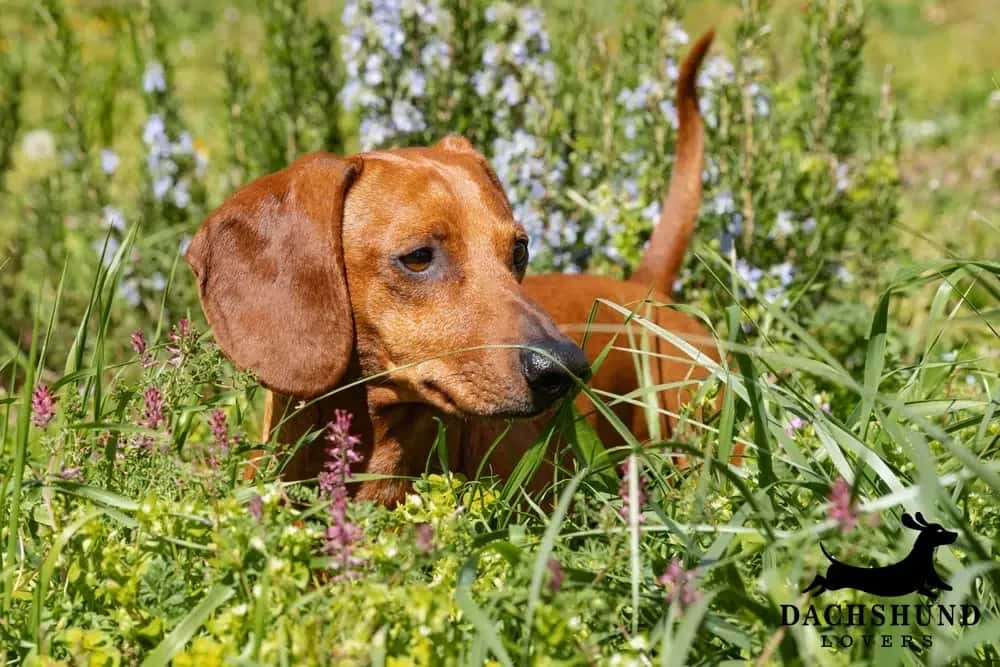
Constipation in dachshunds can be a minor inconvenience one day and a serious health issue the next. Because their digestion is closely tied to diet, exercise, hydration, and even musculoskeletal health, dachshunds are more prone to bouts of constipation than many other breeds. Owners often assume it’s “just a skipped bowel movement,” but when it becomes persistent or painful, constipation is a signal that something in your dachshund’s lifestyle or health needs adjusting.
When Harvey was younger, we noticed he sometimes skipped a day without going to the toilet. At first, we assumed it was nothing. But after watching him strain uncomfortably in the backyard and whine softly, it became clear this wasn’t just a missed potty break. Our vet explained that constipation in dachshunds is usually manageable but always worth paying attention to — especially because their anatomy and lifestyle can make them more vulnerable than other breeds.
1. Dietary Causes
Diet is the most common trigger for constipation, and it often comes down to an imbalance in fiber, moisture, or digestibility. Fiber is what gives stool its bulk and keeps it moving through the colon. Dachshunds fed on diets too low in fiber — often kibble-heavy without added vegetables or fiber supplements — may develop dry, compact stools that are difficult to pass.
Hard-to-digest treats are another frequent culprit. Bones, rawhide chews, or fatty scraps from the dinner table can slow down digestion, leaving the dog straining to pass stool or producing very hard droppings. Even sudden changes in diet, like switching brands of food overnight, can disrupt the gut and cause temporary constipation.
This is closely linked to weight issues. Overweight dachshunds are often overfed or given too many calorie-dense treats, which not only cause obesity but also reduce the intake of fiber-rich, gut-friendly food.
2. Dehydration
Hydration plays a direct role in how smoothly the digestive system functions. Without enough water, stool becomes dry, crumbly, and painful to pass. Many dachshunds eat dry kibble without sufficient added water, which can slowly dehydrate the system over time. Hot weather, increased exercise, or even mild illness can also reduce hydration and slow down the digestive tract.
When Harvey spent long summer days at the beach, he sometimes ignored his water bowl in excitement. The result was drier stools and noticeable straining the next day. His vet recommended adding a little low-sodium chicken broth to his water to encourage him to drink, a simple fix that made a big difference.
3. Lack of Exercise
Movement is vital for digestion. Regular walking, playing, and stretching stimulate the gut and keep things moving along. A sedentary dachshund, or one recovering from back surgery, is far more likely to develop constipation simply because their system isn’t being stimulated to push stool through.
Because dachshunds love to burrow and nap, they’re prone to inactivity unless owners create structured exercise routines. If Harvey spends too many days lounging instead of walking, his digestive rhythm slows, and constipation soon follows.
4. Pain & Mobility Issues
Sometimes constipation isn’t caused by food or hydration at all, but by pain. If it hurts to squat, a dachshund may avoid toileting altogether, making constipation worse. Conditions like hip dysplasia, arthritis, or back pain from IVDD can make the act of defecating uncomfortable. The dog holds it in longer, stool hardens, and the cycle of pain and constipation worsens.
This overlap between joint pain and digestive issues shows how interconnected dachshund health truly is.
5. Blockages & Foreign Objects
Dachshunds are curious, mouthy little dogs, and sometimes curiosity leads to trouble. Bones, toy fragments, fabric, or even clumps of hair can cause partial or full blockages in the intestines. Partial blockages may cause straining with little output, while full obstructions are a medical emergency, often accompanied by vomiting, lethargy, and abdominal pain.
This is why monitoring what your dachshund chews on is essential. While many owners assume “dogs can handle bones,” dachshunds are especially at risk of digestive complications.
6. Medical Conditions
Underlying medical problems can contribute to constipation, either directly or as a side effect. Anal gland impaction, for instance, makes defecation painful, causing avoidance and constipation. Male dachshunds may develop enlarged prostates in later years, which press against the colon and make bowel movements difficult. Neurological conditions, especially those linked to the spine, can also interfere with the nerves that control the colon.
Medications are another overlooked factor. Common prescriptions like painkillers, antihistamines, or certain anti-inflammatories can reduce gut motility, making constipation more likely.
7. Psychological & Environmental Triggers
Not all constipation comes down to the body. Sometimes it’s psychological. Stress, anxiety, and routine changes can disrupt a dachshund’s digestion. Travel is a common trigger — many dachshunds refuse to toilet in unfamiliar places, holding it in for hours or even a day. This delay often causes mild constipation when they finally do go.
When Harvey stayed with friends while we travelled, he refused to go for nearly 24 hours. The stress alone slowed his digestion, leaving him uncomfortable. It taught us that environment and emotional state matter just as much as diet and exercise.
In Harvey’s case, constipation nearly always tied back to lifestyle, too little water, too little fiber, or too little exercise. Once we understood his triggers, prevention became much easier. Adding fiber-rich vegetables to his meals, encouraging him to drink more (broth helped), and keeping up with daily walks solved most of the issue. That experience showed me that dachshund constipation isn’t just about digestion it reflects the whole lifestyle balance of diet, exercise, hydration, and comfort.
Symptoms of Constipation in Dachshunds

Constipation in dachshunds doesn’t always look dramatic at first. Some dogs simply take a little longer to toilet, while others may strain, whine, or avoid going altogether. The challenge for owners is that symptoms often appear subtle in the early stages, but if ignored, they can escalate into severe discomfort and even emergencies.
When Harvey had his first noticeable episode, he circled the backyard repeatedly, squatting but producing nothing. At first, we thought he was distracted by scents, but as the straining continued, his discomfort became obvious. He became restless, refused his dinner, and seemed unusually lethargic the next morning. It was a wake-up call that constipation isn’t just an inconvenience — it directly impacts a dachshund’s mood, appetite, and overall health.
Early-Stage Symptoms
In mild cases, constipation may look like:
- Longer toilet times – Your dachshund may spend more time circling and sniffing before finally squatting.
- Straining with small results – They squat but only pass tiny, hard pellets.
- Dry, crumbly stools – What does come out is harder than usual, often with a chalky look.
- Skipping a day – Missing one day of bowel movements isn’t alarming, but it’s a sign to monitor closely.
At this stage, dachshunds usually remain bright and active. Owners often dismiss these signs, assuming they’ll “sort themselves out.” Sometimes they do — but persistent mild constipation can still lead to discomfort.
Mid-Stage Symptoms
If constipation progresses, symptoms become more obvious and harder to ignore:
- Repeated straining without relief – Your dachshund may squat often, but nothing comes out.
- Whining or vocalising during defecation – An audible sign of pain or frustration.
- Bloated or tense abdomen – The belly feels tight when touched.
- Reduced appetite – A dog that usually races to the bowl suddenly hesitates.
- Mild lethargy – Energy levels dip because the discomfort is constant.
This stage is where most owners realise intervention is needed. Adding hydration, a high-fiber meal, or a gentle walk may help, but persistent symptoms should trigger a vet visit.
Severe Symptoms
Severe constipation, also called obstipation, is a medical emergency. At this stage, the colon is blocked or severely compacted, and without veterinary help, the dachshund risks long-term damage.
- Complete inability to pass stool for 48+ hours.
- Continuous straining with no output.
- Vomiting or regurgitation due to backed-up material.
- Severe bloating or swelling of the abdomen.
- Pain when touched around the belly or hips.
- Refusal to eat or drink.
- Lethargy and weakness — your dachshund may hide or avoid moving altogether.
This scenario is often linked to foreign body ingestion (bones, toys, fabric) or secondary conditions like hip dysplasia or back problems that make defecation too painful. Immediate vet intervention is essential.
Severity Comparison Table
Severity | Symptoms | What Owners Should Do | Dachshund-Specific Notes |
|---|---|---|---|
Mild | Longer toilet times, dry stools, skipping one day | Increase water, add fiber (pumpkin, veggies), encourage gentle exercise | |
Moderate | Repeated straining, bloated belly, whining, reduced appetite | Monitor closely; add hydration; seek vet advice if symptoms persist >24 hrs | |
Severe | No stool for 48+ hrs, vomiting, extreme lethargy, refusal to eat | Immediate vet visit; may need X-rays, enemas, or surgery | Dachshunds prone to chewing objects risk dangerous blockages |
The hardest part of Harvey’s constipation episodes was distinguishing between mild and more serious signs. The first time, we thought he was just fussy. But when he began whining and skipping meals, we realised it had escalated. Our vet’s guidance — to watch for vomiting, severe bloating, or more than 48 hours without stool — became our rule of thumb for when constipation moves from home care into emergency territory.
Diagnosis of Constipation in Dachshunds
Constipation in dachshunds can sometimes be managed at home, but when it persists or becomes severe, veterinary diagnosis is essential. Because dachshunds are prone to multiple overlapping conditions including back problems, hip dysplasia, and even dietary sensitivities linked to allergies identifying constipation’s root cause often requires a step-by-step vet evaluation.
When Harvey had a more serious episode of constipation, our vet explained that it wasn’t enough to simply look at his stool history. We needed to assess his hydration, diet, and whether pain from his back was discouraging him from toileting. This holistic approach is critical for dachshunds because so many small factors can combine into bigger digestive problems.
Step 1: Clinical History
The vet begins by gathering detailed information:
- Stool history – Frequency, consistency, changes in output.
- Diet – What the dachshund eats daily, including treats and table scraps.
- Water intake – Whether they drink enough, especially in hot weather.
- Exercise – Daily activity levels and any recent decrease in movement.
- Medical background – Medications, past surgeries, or conditions like IVDD that may impact mobility.
For Harvey, tracking his diet and water intake made a big difference. Adding broth to his meals highlighted that dehydration had been a silent contributor.
Step 2: Physical Examination
The vet performs a hands-on exam to check for:
- Abdominal palpation – Feeling the belly to detect hard stool in the colon.
- Pain responses – Noting discomfort when pressing near the hips or spine.
- Hydration status – Checking gums and skin elasticity for dehydration signs.
- Rectal exam – To check for blockages, strictures, or anal gland impaction.
This helps distinguish mild constipation from more serious obstruction or illness.
Step 3: Diagnostic Imaging
If the cause isn’t obvious, vets often recommend imaging:
- X-rays – Reveal stool impaction, blockages, or structural issues in the intestines.
- Ultrasound – Useful for detecting soft tissue causes, like tumors or prostate enlargement in males.
- Contrast studies – Dye is introduced to highlight narrowing or obstruction in the digestive tract.
These tests are critical when a dachshund shows vomiting, lethargy, or severe bloating alongside constipation.
Step 4: Lab Work
Blood and urine tests may be performed to rule out underlying conditions:
- Kidney disease – Can reduce hydration and affect stool quality.
- Hormonal imbalances – Hypothyroidism can slow metabolism and digestion.
- Infections or inflammation – May indirectly contribute to digestive slowdown.
Step 5: Differential Diagnosis
Vets must also rule out other conditions that mimic constipation:
- Colitis – Inflammation of the colon often alternates between constipation and diarrhea.
- IVDD-related pain – Dachshunds with spinal pain may resist toileting due to discomfort (see Dragging Back Legs).
Enlarged prostate – In male dachshunds, this can press against the colon and block stool passage
Treatment & Prevention of Constipation in Dachshunds
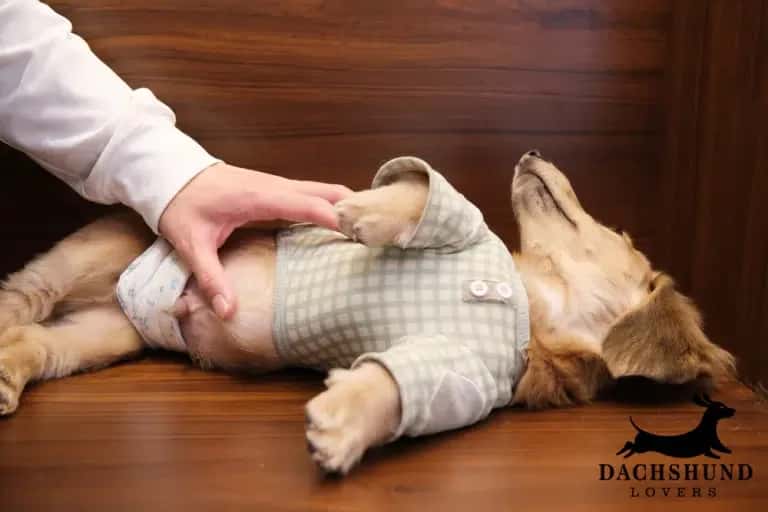
Constipation in dachshunds ranges from mild episodes that resolve with simple home care to more serious cases requiring veterinary intervention. The goal of treatment is not just to provide immediate relief but also to prevent recurrence by addressing underlying causes such as diet, hydration, exercise, and mobility.
When Harvey had his most uncomfortable episode, our vet’s advice was simple but powerful: “Treat the moment, but plan for the future.” That meant using short-term remedies to relieve the constipation and adjusting his diet, exercise, and hydration to stop it happening again.
1. At-Home Remedies for Mild Constipation
If constipation is mild and your dachshund is otherwise acting normal, home remedies may be enough:
- Hydration – Encourage drinking. Add low-sodium chicken broth or water-rich foods like cucumbers or watermelon (in moderation).
- Pumpkin – A spoonful of plain canned pumpkin adds fiber and moisture to help stool pass.
- Dietary Fiber – Adding cooked vegetables (carrots, green beans, pumpkin) or vet-approved fiber supplements.
- Exercise – Gentle walks or playtime stimulate digestion and bowel movement.
- Massage – Light belly massages, moving hands in a clockwise circle, can help stimulate the gut.
When Harvey’s constipation was mild, a small serving of pumpkin mixed into his kibble usually solved the problem within a day.
2. Veterinary Treatment for Moderate to Severe Cases
If constipation persists beyond 24–48 hours or severe symptoms develop, a vet visit is essential.
- Enemas – Performed by a vet to soften and remove impacted stool.
- Laxatives/Stool Softeners – Prescription medications like lactulose may be given for temporary relief.
- Fluid Therapy – IV fluids may be required in dehydrated dogs.
- Manual Removal – In cases of severe impaction, stool may need to be removed under sedation.
- Surgery – Reserved for rare, serious blockages (e.g., foreign body ingestion).
Owners should never attempt enemas or strong laxatives at home without veterinary guidance — dachshunds’ small size makes dosing delicate, and mistakes can be dangerous.
3. Long-Term Prevention Strategies
Preventing constipation is about consistency and lifestyle, not quick fixes:
- Balanced Diet – Feed high-quality food with moderate fiber. Avoid excessive bones or treats.
- Hydration Routine – Ensure fresh water is always available; adding broth or water to meals helps.
- Daily Exercise – Dachshunds need at least two walks per day, plus light playtime, to stimulate digestion.
- Ramps & Mobility Aids – For dachshunds with back problems or hip dysplasia, ramps and non-slip flooring reduce pain when squatting.
- Regular Vet Checkups – Especially important for seniors, since enlarged prostates, arthritis, and spinal issues can all worsen constipation.
4. Managing Overlapping Health Issues
Constipation is rarely isolated in dachshunds — it often overlaps with other conditions:
- Back Pain (IVDD) – Dogs with spinal pain avoid squatting, worsening constipation (see Dragging Back Legs).
- Allergies – Certain foods may trigger both skin issues and digestive upset (see Dachshund Allergies).
- Weight – Overweight dachshunds are more prone to constipation due to inactivity and inflammation.
Managing these overlapping health issues often reduces constipation episodes as well.
Dachshund Constipation Across Life Stages
Life Stage | What To Expect | Common Risks | Care Priorities |
|---|---|---|---|
Puppyhood (0–12 months) | Puppies sometimes skip a day as their digestive system matures | Diet transitions, swallowing objects, stress during toilet training | Feed balanced puppy food, introduce fiber slowly, supervise play to prevent swallowing toys |
Adulthood (1–7 years) | Most constipation cases appear during adulthood, often lifestyle-related | Low-fiber diets, lack of exercise, dehydration, back problems causing pain | Maintain daily walks, hydration, balanced diet with fiber, monitor for strain or discomfort |
Senior Years (8+ years) | Constipation often overlaps with age-related changes | Arthritis, hip dysplasia, prostate enlargement (males), medication side effects | Vet check-ups every 6 months, add joint support diets, keep hydration high, manage weight (see Overweight Dachshund) |
Vet check-ups every 6 months, add joint support diets, keep hydration high, manage weight (see Overweight Dachshund)
FAQs on Dachshund Bad Breath
More from This Series
Explore more guides in our Dachshund Health Series:
- Dachshund Eye Problems
- CDA in Dachshunds
- Dachshund Brain Size
- Dachshund Back Surgery
- Dachshund Dragging Back Legs
- Dachshund Neck Size
- Dachshund Back Brace
- Dachshund Back Problems
- Dachshund Skin Issues
- Dachshund Health Issues
- Dachshund Feet
- Dachshund Ribs
- Overweight Dachshund
- Dachshund Teeth
- Dachshund Allergies
- Dachshund Ears
- Dachshund Hip Dysplasia
- Dachshund Constipation
- Dachshund Bad Breath
Authored by
James
James is the founder of Dachshund Lovers and the proud human of Harvey, a mini dapple with a big personality. He writes to empower and connect the dachshund community, blending founder insights with honest, experience-based stories about life with this incredible and special breed. James brings candid, experience-backed opinions to the community and always focused on fewer, better products and ideas that genuinely improve life for dachshunds and their people.
Read moreJames is the founder of Dachshund Lovers and the proud human of Harvey, a mini dapple with a big personality. He writes to empower and connect the dachshund community, blending founder insights with honest, experience-based stories about life with this incredible and special breed. James brings candid, experience-backed opinions to the community and always focused on fewer, better products and ideas that genuinely improve life for dachshunds and their people.
Read more
Disclaimer
This content is for informational purposes only and should not be considered veterinary advice. Always consult with a licensed veterinarian regarding your dog’s health and wellbeing.
There are no comments yet
Leave a comment