Dachshund Pregnancy Week by Week: Milestones and Care Tips
Dachshund Pregnancy Week by Week: Milestones and Care Tips
Follow your dachshund’s pregnancy changes week by week from early signs to whelping. Gentle, grounded guidance for each stage. Learn more
James
Posted on August 29, 2025.
Updated on July 21, 2026.
Table of Contents
- 1.A Moment on the Footpath in Paddington
- 2.Key Takeaways
- 3.Understanding the Gestation Period
- 4.Health Considerations for Dachshunds Pregnant with Large Litters
- 5.Week 1–2: Early Development
- 6.Week 3–4: Subtle Signs and the Waiting Game
- 7.Week 5–6: Appetite Swings and a Growing Belly
- 8.Week 7–8: Nesting, Weight Gain, and Slower Days
- 9.Week 9: Labor Signs and Final Prep
- 10.Common Health Issues in Pregnant Dachshunds
- 11.Caring For Your Pregnant Dachshund
- 12.Preparation Tips: Setting the Stage for a Smooth Delivery
- •Whelping Box Setup
- •Whelping Kit Essentials
- -More from This Series
- -Disclaimer
Share

A Moment on the Footpath in Paddington
Most people don’t track their dachshund’s pregnancy week by week — until they’re in the middle of one. Then every day feels like it might mean something.
I remember seeing a heavily pregnant red short-haired dachshund outside Jackie’s Café in Paddington while grabbing a coffee on a wet Tuesday morning. Her belly was low and swaying, and she was sniffing every crack in the pavement like it mattered. Her owner told me, “She’s seven weeks — still chasing pigeons, but not very successfully.” A pregnant belly like hers is often one of the first visible signs owners notice as pregnancy progresses.
It stuck with me. Because when it’s your dog, every detail starts to matter. Appetite changes, energy dips, nesting signs — you notice all of it. Significant changes in behavior and appearance can signal important pregnancy milestones. Dachshund's behavior during pregnancy often shifts: you might see increased sleepiness, restlessness, anxiety, extra affection, or nesting activities as clear signs that something is changing.
The trick is knowing what’s normal and what’s not. In the earliest weeks, you may notice subtle physical changes like her nipples becoming more prominent, which can make you wonder if she's pregnant, but at this stage, it’s usually too soon to confirm for sure.
This guide is built for that. No drama, no hype. Just a week-by-week breakdown of what to expect and how to support your dachshund through the nine weeks ahead — based on real experiences, good vet advice, and what’s worked for us behind the scenes.
For a technical deep dive, the AKC’s Dog Pregnancy Care Guide is a solid resource.
Key Takeaways
First Week | Fertilization and implantation begin, but there are no visible signs yet. |
Second Week | The fertilized egg divides to form a blastocyst; early development is underway. |
Third Week | Embryos implant into the uterine lining and vital organs start to develop. |
Pregnancy Length | On average, dachshunds are pregnant for 63 days (around 9 weeks), though a few days of variation is normal. |
Early Signs | Fatigue, moodiness, slight nipple swelling, and reduced appetite may appear as early as week 3–4. |
Belly Growth | A visible belly often starts developing between weeks 4–6, especially in smaller breeds like miniatures. |
Vet Visits | A scan can confirm pregnancy by week 4; your vet may recommend another check-up closer to the due date. |
Puppy Food | Switch to a high-quality puppy food by week 5 to meet increased nutritional needs for mom and puppies. |
Movement | Gentle kicks or fluttering may be felt by week 6 or 7 if you’re gently placing a hand on her side. |
Nesting Behaviour | Common in weeks 7–8. She may gather blankets, dig at beds, or seek quiet corners. |
X-ray | By week 8, an x-ray can confirm the number of puppies with fully formed bones. |
Labor Signs | Look out for panting, pacing, licking, and sudden disinterest in food as you approach week 9. |
Body Temperature | Monitor her body temperature in the final week; a drop signals labor is imminent. |
Final Week | Watch for behavioral changes, prepare the whelping area, and be ready for birth. |
Litter Size | Expect 3–5 puppies for minis and 4–6 for standards, though this can vary. |
Understanding the Gestation Period
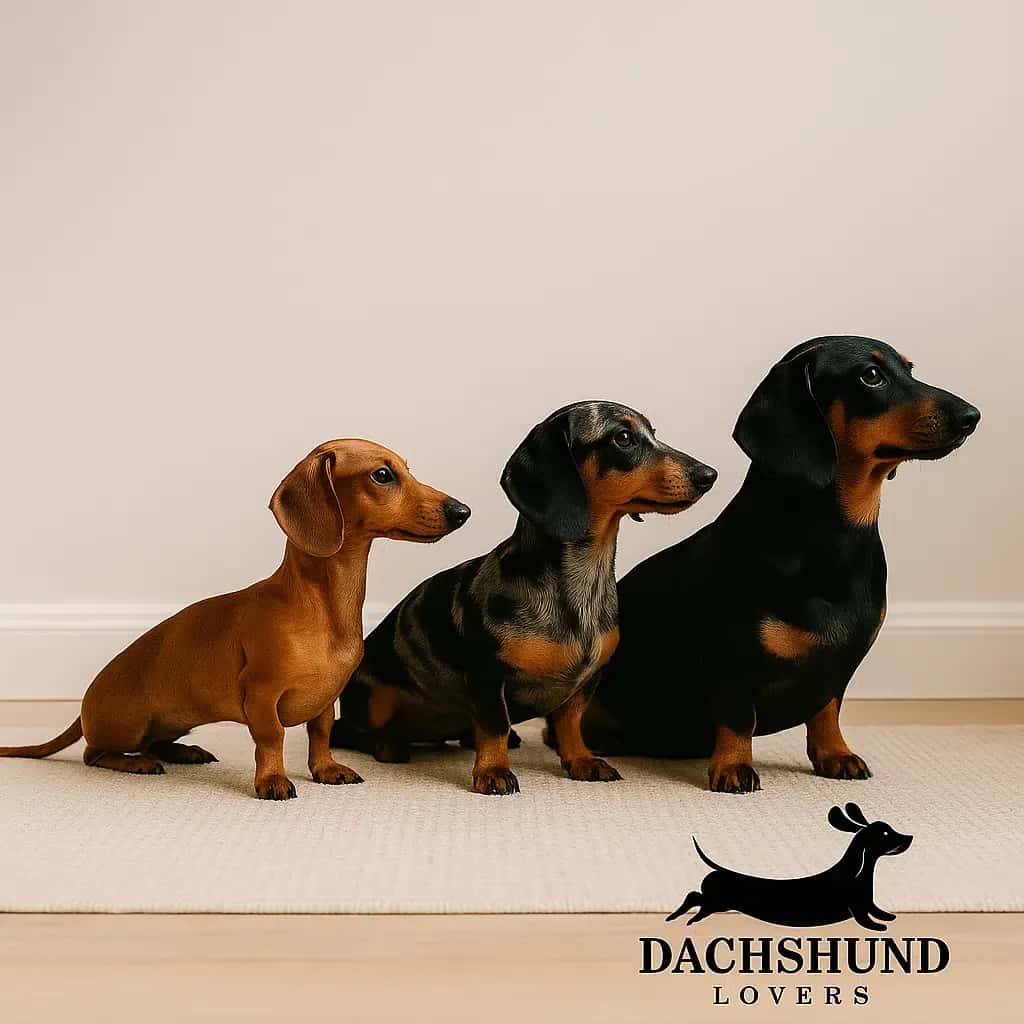
The gestation period for a dachshund—just like most dog breeds—lasts about 63 days, or roughly nine weeks. This is a crucial window where your pregnant dachshund’s body is working overtime to nurture and develop her future litter. While the timeline is similar across breeds, dachshunds can show unique physical changes due to their long, low build and smaller size, making it especially important to monitor their well-being closely.
During pregnancy, you’ll notice your dachshund gradually transform as her body adapts to support healthy puppies. Early on, changes are subtle: a little extra sleep, a shift in appetite, or a slight thickening around her middle. As the gestation period progresses, these physical changes become more pronounced—her belly rounds out, her mammary glands may swell, and her energy levels might dip as her body focuses on the developing litter.
Understanding this gestation period helps you anticipate what’s normal and what’s not, so you can provide the right care at every stage. From adjusting her dog food to ensuring she gets gentle exercise and regular check-ups, being aware of the timeline is key to a healthy pregnancy for both the mother and her puppies. By staying informed and attentive, you’ll be ready to support your dachshund through each milestone, ensuring she’s comfortable, healthy, and prepared for the arrival of her new litter. Attentive care throughout the gestation period is essential for giving the puppies the best possible start in life.
Health Considerations for Dachshunds Pregnant with Large Litters
Dachshunds pregnant with large litters need extra care to ensure a healthy pregnancy and the safe arrival of a healthy litter. When a pregnant dachshund is carrying more puppies than average, her body works even harder, and the risk of complications during birth increases. That’s why regular check ups with your vet are essential throughout the pregnancy. Your vet can monitor her body temperature, track the developing puppies, and help you prepare for any challenges that may arise as the due date approaches.
Weight gain is a natural part of pregnancy, but with a large litter, it can be more pronounced and put additional strain on your dachshund’s back and joints—a particular concern for this breed. To support her well being, provide a balanced dog food formulated for pregnant or nursing dogs, and keep a close eye on her food intake. The goal is steady, healthy weight gain, not overfeeding. Your vet may recommend more frequent ultrasound scans to keep tabs on the litter size and the health of both the mother and her puppies.
As the pregnancy progresses, watch for any signs of discomfort or distress, and always prioritize her comfort and safety. A comfortable, quiet space for rest, along with proper nutrition and regular vet visits, will help your dachshund carry her puppies to term and deliver a healthy litter. If you notice any sudden changes in her behavior, appetite, or body temperature, contact your vet immediately to ensure the best outcome for both the mother and her developing puppies.
Week 1–2: Early Development
The first week of pregnancy marks the early stage, when fertilization occurs and the initial changes begin inside your dachshund. During this first week, the fertilized egg travels and prepares for implantation, but there are no visible signs yet. Behind the scenes, rising progesterone levels help prepare the uterine lining for the embryo to implant and support early development.
In the second week, the fertilized egg divides and forms a cluster of cells called a blastocyst. This is when the embryos begin forming as the blastocyst attaches to the uterine lining, setting the stage for healthy fetal growth. Most owners still won’t notice a thing—maybe a bit more sleep, maybe she’s not finishing her meals, or maybe she’s acting completely normal. That was the case with Harvey’s cousin—sprinting through the park, barking at everything, no sign anything was changing.
Which is exactly the point. This stage is all about what’s happening internally—hormone shifts, uterine prep, and laying the groundwork for what’s coming. It’s not the time to start tweaking food, exercise, or routines.
There’s also no need to rush to the vet yet. Most professionals won’t confirm anything until week 4—and even then, it’s early. Patience here matters more than action.
If you want a detailed overview of what’s going on under the surface, PetMD’s Early Dog Pregnancy Guide is solid science-backed reading
Week 3–4: Subtle Signs and the Waiting Game
This is the “is she or isn’t she” phase — the one where you start second-guessing everything.
Some dachshunds start to shift. Maybe she’s clingier. Maybe she’s eating slower. Maybe she’s just tired. Or maybe you’re reading into it because you’re waiting for a sign. Either way, this is when the questions usually start.
Physically, things are moving fast under the surface. The embryos are implanting, and her hormone levels are adjusting to support them. But from the outside, most changes are mild. Appetite might dip slightly, or she might seem off for a day, then bounce back.
If you’re tracking closely, note any behavior shifts, but don’t overcorrect. No new diets. No supplements. Just observe.
This is also the earliest stage when you might be able to confirm pregnancy — but most vets will still suggest waiting until week 4 for an ultrasound. If you’re booked in, keep it low key. If not, you’re not behind.
Founder note: we’ve had owners message us in this window, worried because their dachshund skipped one meal or barked less than usual. It’s normal. Wait until week 5 before making any changes.
Week 5–6: Appetite Swings and a Growing Belly

By week five, things start to show. This is a crucial period of rapid fetal growth and significant changes in your dachshund’s body. If she’s carrying more than a couple of pups, you’ll likely notice a small belly forming — usually just behind the ribs. It’s not dramatic, but it’s different. Her gait might change. Her energy might dip. Her appetite might do both — spike or drop — depending on the day. You may also notice the beginnings of nesting behavior as she seeks out soft corners or her crate, a sign of these significant changes.
By the sixth week of pregnancy, the puppies' organs are beginning to take shape, and the mother needs a higher-calorie diet. That slow, measured pace isn’t discomfort — it’s conservation. Her body’s working harder now. Everything’s shifting to support the growth of her babies. By the sixth week, the puppies' organs are beginning to take shape, and the mother may start to gain weight. This is when you should introduce puppy food to provide proper nutrition and support the developing babies. As the pregnancy progresses, it may be necessary to adjust her food intake and offer smaller meals, since she may become less comfortable with large portions.
This is also when the real prep begins:
- Switch to a high-quality puppy formula — more calories, better nutrient density for proper nutrition
- Watch her weight — aim for gradual gain, not bloat, and adjust food as needed to ensure healthy weight gain for both the mother and her babies
- Expect her to rest more or start choosing quieter spots in the house
Her mammary glands may swell and darken. You might catch her sniffing out soft corners or revisiting her crate more often. That’s not random. That’s instinct turning on.
Every dachshund reacts differently here. Some get affectionate. Others pull back. Either way — respect the change. Give her space, but stay close enough for her to feel steady.
If you haven’t checked in with your vet since week four, now’s the time to book your second scan. It’s a good opportunity to confirm progress, discuss litter size, and rule out early signs of complications.
For more on what to expect nutritionally and physically, VCA Animal Hospitals has a good breakdown.
Week 7–8: Nesting, Weight Gain, and Slower Days
During the seventh week of pregnancy, the puppies start to develop hair, and their organs are almost fully formed. By now, the signs aren’t subtle. This is the latter half of pregnancy, and you may notice significant changes: her belly is round, she is gaining weight, and the developing puppies are becoming more active. Her walk has changed. You’ll see it when she shifts her weight or lowers herself into bed with more care. Everything’s a little slower — on purpose. Gentle walks are beneficial at this stage to help her maintain muscle tone without overexertion.
This is usually when nesting behavior kicks in, often beginning in week 7 as the puppies’ skeletons harden and movement can be felt. She might start dragging towels into corners, scratching at her bedding, or picking one quiet spot and circling it constantly. We’ve seen dogs clear out an entire laundry basket just to lie in the basket itself. It’s instinct, not misbehavior. The mother may also seek solitude or quiet spaces as she prepares for birth.
You might also notice:
- More time spent alone or following you everywhere — depends on the dog
- Appetite swings — some eat everything, some graze, some stop altogether
- Visible puppy movement — especially when she’s resting on her side; you may notice or feel puppies moving as their skeletons form
- Firmer, more distended belly — soft-touch only, and no poking
At this stage, less is more. No guests. No new routines. No rearranging the house. She’s trying to make sense of what’s coming — don’t add confusion.
If you haven’t already had your week 8 vet check, now’s the time. In the eighth week of pregnancy, the puppies can be seen on an x-ray with fully formed bones, and the mother may exhibit nesting behavior. By week 8, the mother may begin lactating, and veterinary assistance is advised for counting the puppies. They’ll assess positioning, confirm expected timing, and answer any “what if” questions before labor starts. You don’t want to figure that out during a 2 a.m. panic.
Want a visual on what a pre-labor vet visit includes? Here’s a primer on prenatal exams
Week 9: Labor Signs and Final Prep
This is the final week of pregnancy. Most dachshunds deliver between days 58 and 63. During this critical period, monitoring your dachshund’s body temperature is crucial—a drop below 37.2°C (99°F) signals that birth is imminent, usually within 24 hours. Labor can last several hours, so be prepared to assist if necessary and keep your vet’s contact information handy in case of complications or health issues. Dachshund labor progresses through three stages: the first stage involves restlessness and nesting, the second stage is active delivery of puppies, and the third stage is expulsion of the placentas. Understanding these three stages is important for recognizing normal labor and knowing when to seek help. If you notice abnormal discharge, distress, or any other health issues, contact your vet immediately.
We’ve seen it start subtly. A dachshund that usually charges out the door suddenly hesitates. Circles one spot in the garden. Refuses food she loved yesterday. These are the quiet cues.
What to watch for:
- Pacing and restlessness — like she’s looking for something
- Digging or scratching at bedding or under furniture
- Panting or shaking — not just heat or nerves, could be early labor
- Loss of appetite — often within 12–24 hours of whelping
- Temperature drop — rectal temp under 37.2°C (99°F) is a strong indicator
- Clinginess or withdrawal — depends on her temperament
Create a comfortable space for your dachshund to give birth and care for her babies. Ensure the whelping area is quiet, warm (ideally 75°F–85°F), and clean, with plenty of fresh water and clean linens or towels available. Providing plenty of fresh water is especially important, as birthing and lactating use up a lot of fluids and can quickly lead to dehydration. After birth, keep the mother’s genital area clean to prevent infections, and have puppy milk on hand in case there are feeding issues with the newborns. Maintaining a warm, clean environment is essential for the well-being of both the mother and her babies.
Have your whelping kit ready. Towels, gloves, bulb syringe, scissors (sterilised), and your vet’s number on standby. Most dachshunds will do this naturally — but if something feels off, don’t wait to get help.
We recommend keeping her environment exactly as it’s been the past few weeks. Same lighting. Same bedding. Same calm. She’s looking for consistency right now — and that includes you.
Need a last-minute checklist? Revisit our Pregnancy Care Guide — it covers what to expect hour by hour.
Common Health Issues in Pregnant Dachshunds
Pregnant dachshunds can face a few common health issues that require careful attention to keep both the mother and her puppies healthy. One of the first challenges is morning sickness, which may cause nausea, vomiting, or a drop in appetite, especially in the early weeks. While mild symptoms are normal, it’s important to monitor her food intake and ensure she stays hydrated. If morning sickness leads to significant weight loss or dehydration, contact your vet immediately.
As the pregnancy progresses into the latter half, your dachshund’s pregnant belly will grow rapidly, and she may experience physical changes like increased weight and swelling of the mammary glands. This extra weight can put strain on her body, so providing a comfortable space for her to rest is essential. Make sure she has access to proper nutrition with a high-quality dog food designed for pregnant dogs, and keep her environment calm and stress-free.
Another health concern is the risk of uterine infections, which can be minimized by maintaining good hygiene and scheduling regular check ups with your vet. Your vet may recommend x-rays or additional scans to monitor the puppies’ development and catch any potential health issues early. If you notice any signs of distress, abnormal discharge, or sudden changes in your dachshund’s behavior, seek veterinary advice immediately. With attentive care, regular vet visits, and a focus on her well being, you’ll help ensure a healthy pregnancy and a safe delivery for both the mother and her puppies.
Caring For Your Pregnant Dachshund
Dachshunds require specialized care during pregnancy due to their long spines, which are at high risk for IVDD. Excessive weight gain in Dachshunds during pregnancy can lead to complications such as dystocia.
Trimming long hair around the teats and genitals is advised to keep the area sanitary for nursing. It is crucial to switch to a high-quality puppy food by week 5 to ensure adequate nutrients during pregnancy but always get recommendation and advice for your vet.
For exercise, short, gentle walks (3–5 times daily) are recommended to maintain muscle tone during pregnancy. It is important to avoid excessive exercise or exposure to toxins during pregnancy to protect the mother and her developing puppies.
Owners should ensure their pregnant dachshund has access to clean water and high-quality food that meets her specific nutritional needs. Owners should be prepared with a supply of puppy milk in case there are any feeding issues with the newborns after birth.
If you are preparing for a new puppy, initial care steps such as vet visits and proper nutrition are essential.
Preparation Tips: Setting the Stage for a Smooth Delivery
If she's scratching under the bed or nesting in your wardrobe, she's telling you what she needs — a quiet, defined space that's hers. Don't fight it. Use it.
We've seen people set-up whelping zones or even a whelping box in everything from unused laundry corners to behind bookcases. The goal isn't Pinterest-perfect. It's functional, familiar, and safe.
Here's what to have ready:
Whelping Box Setup
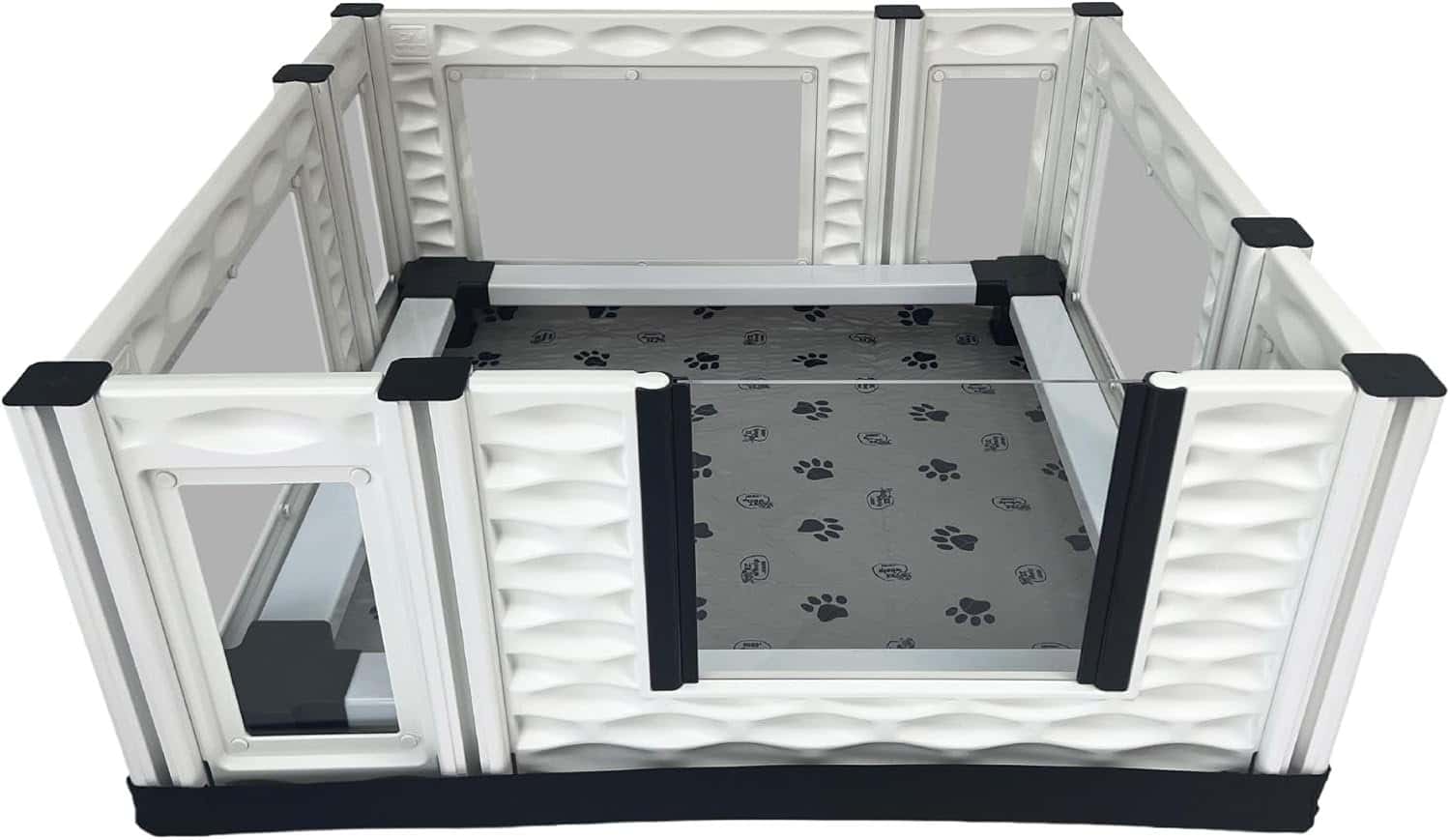
Set up a whelping box in a quiet area of your home for the mother to give birth. Ensure the whelping area is large enough for the mother to move around comfortably but enclosed enough to keep the puppies safe.
- A box with low sides so she can step in and out easily
- Washable bedding — flat, soft, but not so fluffy it hides puppies
- puppy-safe heat pad if it's cold or she's carrying a small litter
- Dim lighting and no foot traffic — she needs calm, not curiosity
Make the space off-limits to other pets and young kids. This isn't the time for shared territory.
Whelping Kit Essentials
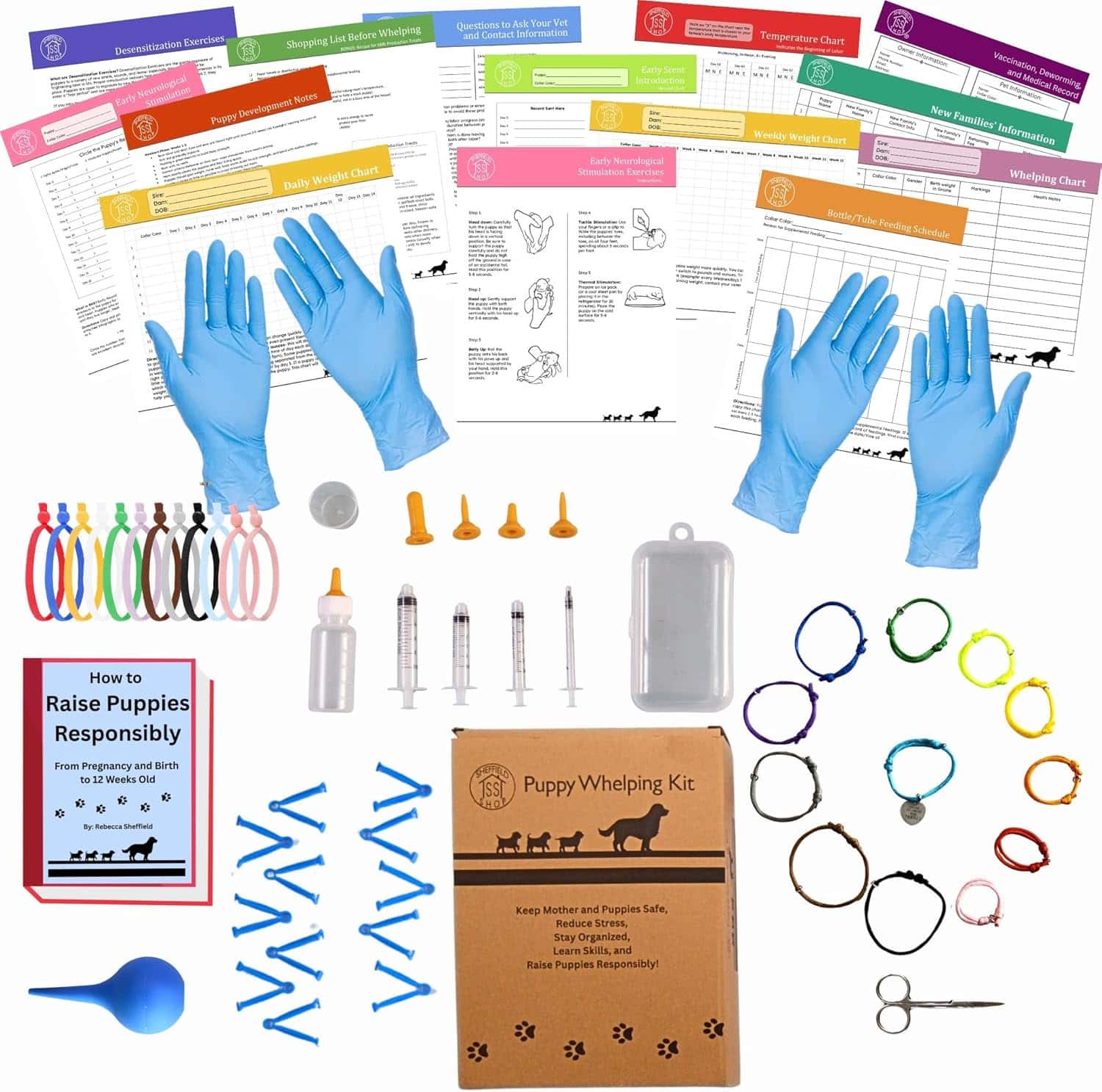
- Clean towels and absorbent cloths
- Bulb syringe to clear airways if needed
- Sterile gloves
- Unwaxed dental floss (for tying cords — only if needed)
- Alcohol-sterilised scissors
- Trash bags or liners
- Vet and emergency contact info in your phone, visible, and ready
This doesn’t have to be complicated — just ready. When labor starts, you won’t want to be scrambling.
Want to double-check your list? Cornell’s whelping kit checklist is worth a look if you want to go deeper.
FAQ: Dachshund Pregnancy Week by Week
More from This Series
Explore the rest of our Dachshund Pregnancy series to feel fully prepared and supported at every stage:
- Pregnancy in Dachshunds: Essential Tips for New Owners
The full journey — symptoms, timelines, care tips, and how to prepare from day one. - Early Signs of Pregnancy & Phantom Pregnancy
How to tell if she’s truly pregnant — and what to do when she acts like she is, but isn’t. - Caring for a Pregnant Dachshund
Nutrition, exercise, red flags, and how to support her across the full 9 weeks. - Preparing for Dachshund Puppies
Whelping box setups, supply lists, first vet visits, and what happens once puppies arrive.
Authored by
James
James is the founder of Dachshund Lovers and the proud human of Harvey, a mini dapple with a big personality. He writes to empower and connect the dachshund community, blending founder insights with honest, experience-based stories about life with this incredible and special breed. James brings candid, experience-backed opinions to the community and always focused on fewer, better products and ideas that genuinely improve life for dachshunds and their people.
Read moreJames is the founder of Dachshund Lovers and the proud human of Harvey, a mini dapple with a big personality. He writes to empower and connect the dachshund community, blending founder insights with honest, experience-based stories about life with this incredible and special breed. James brings candid, experience-backed opinions to the community and always focused on fewer, better products and ideas that genuinely improve life for dachshunds and their people.
Read moreDisclaimer
This content is for informational purposes only and should not be considered veterinary advice. Always consult with a licensed veterinarian regarding your dog’s health and wellbeing.
There are no comments yet
Leave a comment