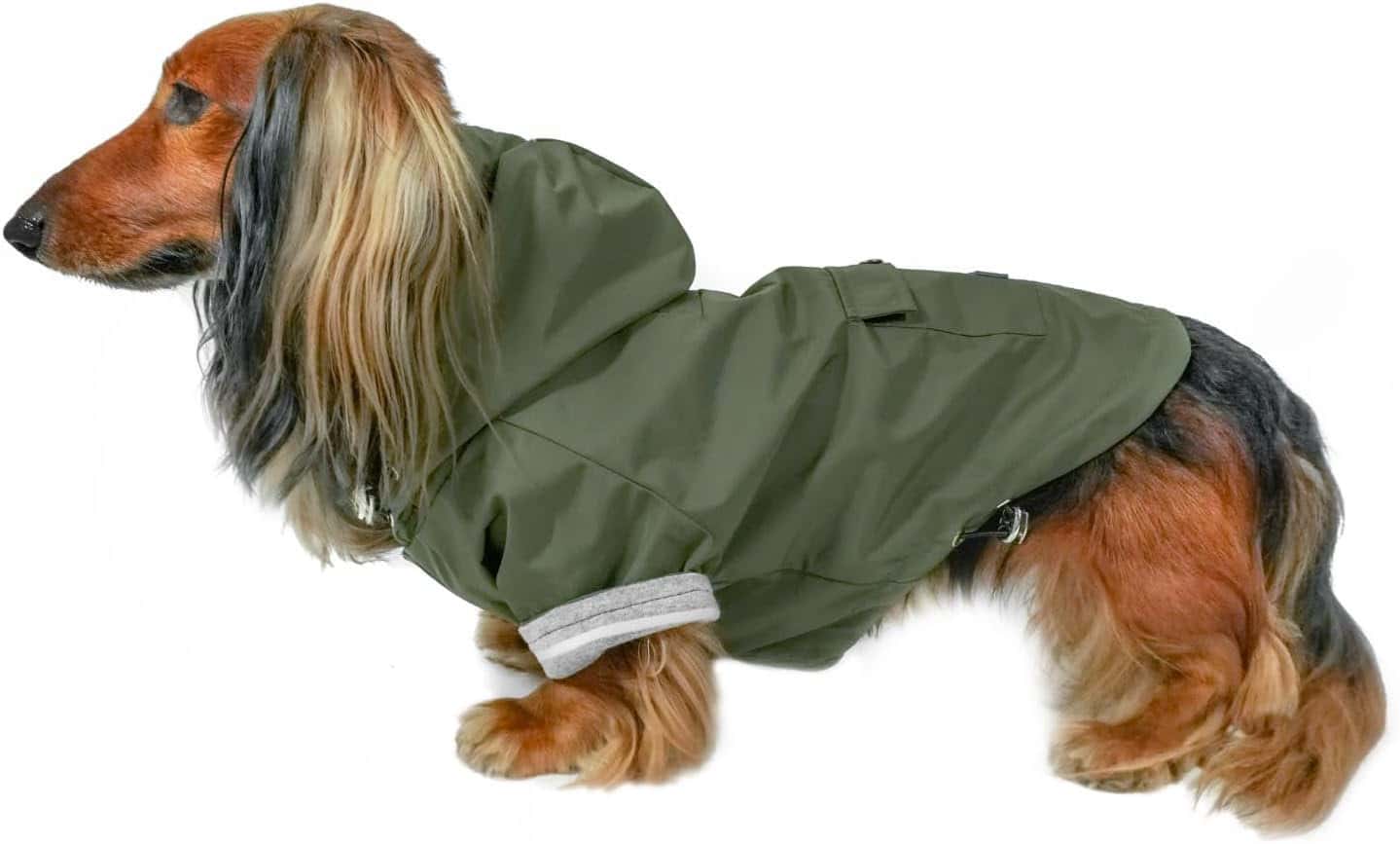
Queen Elizabeth’s Dorgis: Royal History & Legacy
Queen Elizabeth’s Dorgis: Royal History & Legacy
Did you know the Queen helped create the Dorgi breed? Here's the true story behind Her Majesty’s beloved Dachshund-Corgi crosses and their royal legacy.
James
Posted on November 10, 2025.
Updated on July 21, 2026.
Table of Contents
- •The Birth of the Royal Dorgis
- •Vulcan: The Dorgi with a Regal Presence
- •Candy: The Last of the Royal Dorgis
- •How Dorgis Became Popular
- •Did Queen Elizabeth Prefer Dorgis or Corgis?
- •The Legacy of the Royal Dorgis
- 1.Key Takeaways on Queen Elizabeth Dorgis
- 2.What Were Queen Elizabeth’s Dorgis Called?
- •Vulcan: The Gentleman Dorgi
- •Candy: The Queen’s Longest-Living Dorgi
- •Other Dorgis in the Royal Household
- •Why These Names?
- •The Royal Bond with Dorgis
- 3.Did Queen Elizabeth Breed Dorgis?
- •The Accidental Cross
- •The Queen’s Approach to Breeding
- •The Legacy of Royal Dorgis
- •Why the Queen Loved the Hybrid
- •The Dorgi’s Unofficial Place in History
- 4.How Did Dorgis Become Popular?
- •A Royal Beginning
- •Influence of Vulcan and Candy
- •Public Fascination with Royal Dogs
- •Media and Cultural Impact
- •Modern Popularity
- •Why the Dorgi Legacy Endures
- 5.Did Queen Elizabeth Prefer Dorgis or Corgis?
- •A Softer Companion
- •Why Corgis Remained Her First Love
- •How the Breeds Complemented Each Other
- •The Later Years of Dorgis
- •The Verdict
- -More From This Series:
- -Disclaimer
Share

For over seven decades, Queen Elizabeth II’s name was synonymous with dogs — particularly her beloved corgis. Yet, nestled within the royal kennels was another breed that gained quiet fame: the dorgi, a cross between the Pembroke Welsh corgi and the dachshund. The story of the Queen’s dorgis is not just about royal pets but also about how an accidental crossbreeding created one of the most charming hybrids in canine history.
The Birth of the Royal Dorgis
The origin of the Queen’s dorgis is a story of chance. In the late 1970s, one of the Queen’s corgis reportedly mated with Princess Margaret’s dachshund, Pipkin, resulting in the first litter of dorgis. This unexpected mix combined the corgi’s sturdy build and sociable temperament with the dachshund’s elongated body and playful curiosity.
According to The Independent, Queen Elizabeth quickly grew fond of the hybrid’s distinct character and affectionate nature, describing them as slightly calmer than her famously energetic corgis. Over the years, the royal household welcomed several dorgis, but two names — Vulcan and Candy — became especially well known.
Vulcan: The Dorgi with a Regal Presence
Vulcan, a dark-haired dorgi with a dachshund’s elongated frame and a corgi’s loyal expression, was one of the Queen’s most photographed dogs. He became a fixture at Windsor Castle, often appearing in official portraits. In 2016, Vulcan famously featured in a commemorative portrait taken by Annie Leibovitz, where the Queen posed surrounded by her beloved dogs, including both corgis and dorgis.
Sources like Town & Country note that Vulcan had a quieter temperament compared to some of the Queen’s purebred corgis, making him a favorite companion during her walks at Balmoral. He passed away in late 2020, marking the end of an era for the Queen’s dorgis.
Candy: The Last of the Royal Dorgis
Candy, the Queen’s longest-living dorgi, shared a close bond with the monarch for over 18 years. Candy was often seen trotting alongside the Queen during official and private engagements, embodying the hybrid’s affectionate yet confident nature. According to Hello Magazine, Candy was one of the few dogs who remained with the Queen at Windsor Castle during the final years of her reign.
In 2021, the Queen reportedly paused a royal engagement to speak lovingly to Candy, illustrating how deeply connected she was to this particular dog. Candy’s presence not only symbolized the Queen’s enduring love for animals but also cemented the dorgi’s place in British royal history.
How Dorgis Became Popular
The royal dorgis sparked widespread interest in the breed mix. While corgis had long been associated with the monarchy — thanks to the Queen’s first corgi, Susan, gifted to her on her 18th birthday — the dorgi offered something new. Its compact yet sturdy build, gentle temperament, and loyal personality made it appealing to families and dog enthusiasts alike.
Following the Queen’s public appearances with Vulcan and Candy, breeders began receiving inquiries about the hybrid. Although still relatively rare compared to corgis, the dorgi gained recognition as a “royal companion” with a loyal fan base.
Did Queen Elizabeth Prefer Dorgis or Corgis?
While Queen Elizabeth remained deeply devoted to her corgis, royal biographers and staff have suggested that she appreciated the calmer energy of the dorgis in her later years. A source quoted in The Telegraph noted that the Queen often commented on how dorgis were easier to manage indoors due to their slightly less intense herding instincts.
However, it would be unfair to say she preferred one breed over the other. Instead, her affection for the dorgis was a natural extension of her lifelong love for dogs. Vulcan and Candy represented a blend of everything she adored — loyalty, playfulness, and regal character.
The Legacy of the Royal Dorgis
Even after Vulcan’s passing and Candy’s quiet retirement, the story of the Queen’s dorgis remains a significant part of royal history. The hybrid will forever be linked to a monarch who defined an era, both for her leadership and for her enduring compassion for animals.
To learn more about what makes the dorgi such a special breed, visit our About Dorgi guide for a deeper dive into the breed’s history and traits.
Key Takeaways on Queen Elizabeth Dorgis
Topic | Details |
|---|---|
Origin of Royal Dorgis | Accidentally bred from a corgi and Princess Margaret’s dachshund, Pipkin. |
Famous Dorgis | Vulcan (d. 2020) and Candy (18+ years with the Queen). |
Royal Connection | Featured in portraits and public appearances at Windsor and Balmoral. |
Popularity Boost | Inspired global curiosity about the dorgi breed mix. |
Legacy | A testament to Queen Elizabeth’s lifelong love of dogs. |
What Were Queen Elizabeth’s Dorgis Called?
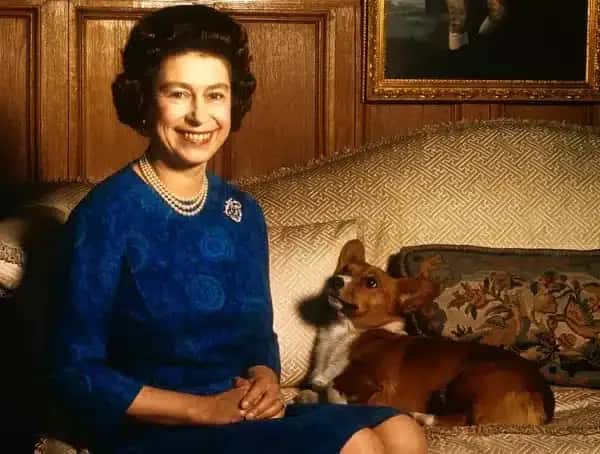
Queen Elizabeth II’s royal kennels have been home to many beloved corgis over the years, but when it comes to dorgis, two names stand out: Vulcan and Candy. These two hybrids — a blend of Pembroke Welsh corgi and dachshund — captured the Queen’s heart and became household names for royal enthusiasts.
Vulcan: The Gentleman Dorgi
Vulcan was a sleek, dark-haired dorgi who embodied the calm yet confident temperament of the breed mix. Often described as the “gentleman” of the royal pack, Vulcan was known for his loyalty and quiet charm. According to Town & Country, Vulcan made several appearances in official photographs, including the iconic 2016 portrait by Annie Leibovitz where the Queen posed alongside her beloved dogs.
Royal insiders noted that Vulcan was particularly close to the Queen during her visits to Balmoral and Windsor, often seen accompanying her on walks around the castle grounds. He lived a long, happy life before passing away in December 2020, marking the end of an era for the royal dorgis. His passing was widely reported by outlets like Hello Magazine, which called Vulcan “a loyal and treasured companion.”
Candy: The Queen’s Longest-Living Dorgi
If Vulcan was the gentleman of the royal pack, Candy was its enduring matriarch. Candy lived with the Queen for over 18 years, an impressive age for a hybrid breed. According to BBC News, Candy was often seen at Windsor Castle during official engagements, trotting alongside the Queen with her signature blend of grace and cheeky energy.
In December 2021, the Queen was captured on video pausing during an engagement to speak affectionately to Candy. This moment, covered by The Telegraph, reflected the deep emotional bond she shared with her pets. Candy was reportedly as spirited as ever, even in her senior years, and represented the last living link to the Queen’s history with dorgis.
Other Dorgis in the Royal Household
While Vulcan and Candy are the most well-known, the Queen had other dorgis over the decades, such as Cider, Berry, and Vulcan’s predecessors. Most of these dogs were a result of the accidental crossbreeding between the Queen’s corgis and Princess Margaret’s dachshund, Pipkin. Though not all of them gained public fame, they were cherished members of the royal household.
Why These Names?
The names Vulcan and Candy are a reflection of the Queen’s playful yet traditional naming style. Vulcan, named after the Roman god of fire and craftsmanship, was likely chosen for its strength and timeless character. Candy, on the other hand, embodies something sweet, lighthearted, and affectionate — much like her personality.
The Royal Bond with Dorgis
The Queen’s relationship with Vulcan and Candy went beyond ceremonial appearances. They were daily companions, often photographed riding in the back of her Land Rover at Balmoral or walking alongside her during informal moments. Their presence added warmth and relatability to the Queen’s image, reminding the world of her deep connection to animals.
Did Queen Elizabeth Breed Dorgis?
While Queen Elizabeth II never set out to become a dorgi breeder, the royal dorgis were the result of an accidental crossbreeding between her beloved corgis and Princess Margaret’s dachshund, Pipkin. This unplanned pairing created a new hybrid that quickly won the Queen’s heart — and the world’s attention.
The Accidental Cross
The story began in the late 1970s when one of the Queen’s Pembroke Welsh corgis mated with Pipkin, Princess Margaret’s dachshund. The resulting litter produced dogs that were low to the ground like dachshunds but retained the corgi’s sturdy build and sociable temperament. This combination of traits made the hybrid both playful and easygoing — a perfect fit for the royal family’s country estates.
According to Vanity Fair, the Queen was amused by the unexpected mix but found the dorgi’s personality irresistible. Rather than being a one-time occurrence, the royal household kept a small number of these hybrids, blending them seamlessly into the corgi line.
The Queen’s Approach to Breeding
Unlike professional breeders who carefully manage lineage for traits like coat color or show standards, Queen Elizabeth’s involvement with dorgis was informal and driven by companionship rather than commercial breeding. She did not attempt to establish the dorgi as a recognized breed, but instead treated these dogs as beloved family pets.
In a rare comment reported by Town & Country, palace staff suggested that the Queen appreciated the calmer temperament of the dorgis compared to her sometimes headstrong corgis. This made the hybrids ideal companions for her quieter moments at Balmoral and Windsor Castle.
The Legacy of Royal Dorgis
The royal family kept several dorgis over the years, including Cider, Berry, Vulcan, and Candy. Each of these dogs lived a life of both luxury and routine — from accompanying the Queen on daily walks to appearing in official portraits. Vulcan and Candy, in particular, became well-known symbols of the Queen’s enduring affection for her dogs.
Though the Queen stopped breeding corgis in the 2010s — reportedly because she did not want to leave young dogs behind after her passing — Candy remained the last living royal dorgi, a loyal companion well into her final years.
Why the Queen Loved the Hybrid
The Queen’s love for dorgis was rooted in their balance of traits. Where corgis could be assertive and highly energetic, the dachshund influence added a slightly more relaxed personality. Their compact size and playful nature made them ideal pets for both urban royal life at Buckingham Palace and outdoor adventures at Sandringham.
BBC News noted that the Queen often referred to her dorgis with the same affection as her corgis, treating them as “members of the family” rather than just pets. Their presence also contributed to the hybrid’s growing popularity across the UK and beyond.
The Dorgi’s Unofficial Place in History
Though dorgis have never been recognized as an official breed by organizations like the Kennel Club or AKC, their royal connection has cemented their place in pop culture. Fans of the monarchy often seek out dorgis, inspired by the Queen’s relationship with Vulcan and Candy.
For those curious about the breed, our About Dorgi and Dorgi Temperament & Personality Traits guides provide a complete picture of why these dogs remain so special.
How Did Dorgis Become Popular?
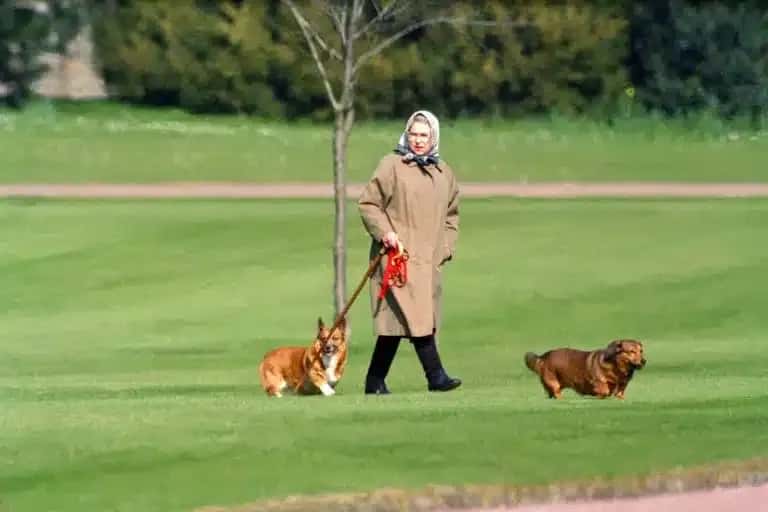
The popularity of the dorgi — a charming mix of Pembroke Welsh corgi and dachshund — can be largely credited to Queen Elizabeth II and her beloved dogs, Vulcan and Candy. While corgis had already been iconic royal companions for decades, the unexpected arrival of dorgis introduced a new hybrid to the world and captured public curiosity.
A Royal Beginning
The Queen’s connection to corgis began with Susan, her first corgi gifted on her 18th birthday. As these dogs became a fixture of royal life, the accidental crossbreeding between one of her corgis and Princess Margaret’s dachshund, Pipkin, sparked the creation of the dorgi. According to BBC News, the Queen was immediately smitten with the hybrid’s unique temperament — calmer than corgis, but equally loyal and affectionate.
The royal dorgis soon became media favorites, often appearing in official photographs and even making cameo appearances in documentaries about the Queen’s life.
Influence of Vulcan and Candy
Two names — Vulcan and Candy — played a significant role in the dorgi’s rise to fame. Vulcan, who passed away in 2020, was frequently featured in royal portraits, including the widely celebrated 2016 Annie Leibovitz photo session at Windsor Castle. Candy, on the other hand, became a symbol of the Queen’s enduring love for her dogs, living well into her senior years and often spotted by photographers during royal events.
Both dogs were highlighted in coverage from Town & Country and Hello Magazine, which further cemented the breed mix’s visibility.
Public Fascination with Royal Dogs
The royal household’s dogs have always drawn attention, but dorgis offered something new. Their distinctive look — long bodies, sturdy legs, and expressive faces — made them stand out from other breeds. When combined with the Queen’s global popularity, the dorgi quickly became associated with both elegance and approachability.
The royal endorsement sparked interest among dog lovers and breeders, who began intentionally pairing corgis and dachshunds to replicate the hybrid. While still relatively uncommon, dorgis gained a reputation as a friendly, family-oriented hybrid thanks to this association.
Media and Cultural Impact
Dorgis have been featured in numerous media outlets, including documentaries such as The Queen: A Life of Dogs and various BBC specials. Their presence alongside the Queen gave them a celebrity-like status, with mentions in publications like Vanity Fair and The Telegraph. These stories highlighted how Vulcan and Candy not only served as companions but also as symbols of the Queen’s warmth and humanity.
Modern Popularity
Today, dorgis are celebrated for their mix of playfulness, loyalty, and intelligence. While they are still less common than corgis, demand has grown among families who admire both parent breeds. The Queen’s decades-long relationship with these dogs played a significant role in shaping this demand.
If you’re considering adding a dorgi to your household, our About Dorgi guide offers a complete overview of their temperament, care needs, and personality traits.
Why the Dorgi Legacy Endures
The dorgi’s royal connection has given the hybrid a unique place in canine history. Unlike many “designer dogs” bred solely for aesthetics, the dorgi’s story is organic — it emerged from a real family of dog lovers and grew into a symbol of affection, loyalty, and companionship.
Did Queen Elizabeth Prefer Dorgis or Corgis?
Queen Elizabeth II’s lifelong bond with corgis is legendary. For over seven decades, these loyal, spirited dogs were her constant companions, appearing in official portraits, royal tours, and even skits like the famous 2012 Olympic opening ceremony with Daniel Craig’s James Bond. But when the dorgi — a cross between a corgi and Princess Margaret’s dachshund, Pipkin — joined the royal household, it introduced a subtle shift in the Queen’s relationship with her dogs.
The question often arises: Did the Queen prefer dorgis or corgis? While corgis remained iconic symbols of her reign, the Queen reportedly developed a soft spot for her dorgis due to their calmer, gentler demeanor.
A Softer Companion
According to BBC News and royal staff interviews, the Queen found dorgis easier to manage in her later years. Compared to corgis — who can be more headstrong and vocal — dorgis like Vulcan and Candy were known for their adaptable temperament and affectionate nature.
Town & Country Magazine noted that Candy, in particular, became a trusted companion during the Queen’s quieter days at Windsor Castle, often following her through private gardens and hallways.
Why Corgis Remained Her First Love
Despite her fondness for dorgis, the Queen’s emotional connection to corgis ran deep. Her first corgi, Susan, was gifted to her on her 18th birthday, and every corgi she owned afterward was a descendant of Susan’s line. Corgis were part of her royal identity, symbolizing loyalty, tradition, and even a touch of playful mischief that mirrored the Queen’s own personality.
Dorgis were never meant to replace corgis; they were an unexpected addition to the royal family, born out of curiosity rather than intention. According to Hello Magazine, the Queen often referred to her dorgis as “gentle house dogs,” but she still reserved special affection for her purebred corgis.
How the Breeds Complemented Each Other
The Queen’s pack often consisted of both corgis and dorgis, reflecting how well the two breeds balanced one another:
- Corgis: Spirited, outgoing, and full of personality — ideal for outdoor activities at Balmoral.
- Dorgis: Slightly calmer, affectionate, and better suited for quiet days at Windsor or Sandringham.
This combination allowed the Queen to enjoy the best of both worlds — the lively presence of corgis alongside the steady, cuddly nature of dorgis.
The Later Years of Dorgis
In her later years, the Queen stopped breeding corgis and dorgis, stating she did not want to leave young dogs behind when she passed. Candy, her last dorgi, symbolized not just the hybrid’s charm but also the Queen’s enduring love for all animals. As noted in The Telegraph, Candy’s presence at royal events demonstrated how dorgis had become just as much a part of the Queen’s family as her famous corgis.
The Verdict
It’s not about preference — the Queen loved both breeds for what they uniquely offered. Corgis were the cornerstone of her royal image, but dorgis like Vulcan and Candy brought a softness and quiet companionship that suited her evolving lifestyle. As one palace insider told The Independent, “Her Majesty’s love for animals goes beyond breeds — it’s about the bond, the character, and the joy they bring.”
Frequently Asked Questions (FAQs)
More From This Series:
- About Dorgi – Explore the history and characteristics of the breed mix.
- Dorgi Puppies: Buying, Raising & Care Tips – How to raise a healthy, well-socialized dorgi.
- Full-Grown Dorgi: Size, Weight & Temperament – What to expect in adulthood.
- Dorgi Health & Lifespan Guide – Preventive care and common health risks.
Authored by
James
James is the founder of Dachshund Lovers and the proud human of Harvey, a mini dapple with a big personality. He writes to empower and connect the dachshund community, blending founder insights with honest, experience-based stories about life with this incredible and special breed. James brings candid, experience-backed opinions to the community and always focused on fewer, better products and ideas that genuinely improve life for dachshunds and their people.
Read moreJames is the founder of Dachshund Lovers and the proud human of Harvey, a mini dapple with a big personality. He writes to empower and connect the dachshund community, blending founder insights with honest, experience-based stories about life with this incredible and special breed. James brings candid, experience-backed opinions to the community and always focused on fewer, better products and ideas that genuinely improve life for dachshunds and their people.
Read moreDisclaimer
This content is for informational purposes only and should not be considered veterinary advice. Always consult with a licensed veterinarian regarding your dog’s health and wellbeing.
There are no comments yet
Leave a comment