Owning a Dachshund
Owning a Dachshund
Thinking of getting a dachshund? Here’s what no one tells you — from snuggles and stubbornness to the quirks that make them impossible not to love.
James
Posted on November 4, 2025.
Updated on July 21, 2026.
Table of Contents
- 1.Key Takeaways on Owning A Dachshund
- 2.The Dachshund Personality
- 3.What to Know About Owning a Dachshund
- 4.Managing Dachshund Behaviour Challenges
- •Barking and Alertness
- •Digging
- •Boredom and Destructive Behaviour
- •Separation Anxiety
- •Holiday Living with a Dachshund
- 5.How Dachshunds Fit Into Everyday Life
- •Mornings with a Dachshund
- •Integrating with Family Life
- •Adapting Your Space
- •Building Your Day Around Them
- •More from This Series
- •Disclaimer
Share

I can still remember the first night Caitlin and I brought Harvey home. We’d done the research, prepared the bed, bought the toys, and even picked out a miniature jumper in case the weather turned. What we weren’t ready for was the way he took over the house within an hour — nose in every corner, tail wagging like a metronome, and a knack for finding every single spot we’d forgotten to dachshund-proof.
Owning a dachshund is a commitment that goes far beyond admiring their long backs and big personalities. They’re loyal, intelligent, and occasionally infuriating in their independence. They’re also prone to specific health issues, have very clear ideas about how the household should run, and can turn from lap-warmer to watchdog in half a second.
In this guide, we’ll look at what it really means to share your life with a dachshund — from the joy of their companionship to the daily routines, financial realities, and health considerations that come with the breed. Whether you’re already a dachshund owner or considering becoming one, this is about painting an honest picture of life with these remarkable little dogs.
Key Takeaways on Owning A Dachshund
Fact | Why It Matters |
|---|---|
Dachshunds are intelligent, independent, and affectionate — but can be stubborn. | Understanding their personality helps avoid frustration and improves training results. |
They are prone to Intervertebral Disc Disease (IVDD) and other back issues. | Owners must manage stairs, jumping, and exercise to reduce injury risk. |
They need daily exercise but not excessive amounts. | Consistent walks and mental stimulation keep them healthy without straining their backs. |
Grooming needs vary depending on coat type. | Smooth, longhaired, and wirehaired dachshunds require different care routines. |
Veterinary costs can be higher due to breed-specific health risks. | Budgeting for preventative care and potential surgery is essential. |
Dachshunds are loyal family dogs but can be wary of strangers. | Early socialisation helps reduce excessive barking and reactivity. |
The Dachshund Personality

Living with a dachshund is like sharing a home with a flatmate who has strong opinions, a great sense of humor, and an unshakable idea of what they want out of the day. They’ll happily curl up beside you on the couch for hours, but they’ll also dig their heels in—literally—if you suggest doing something they’re not in the mood for.
I first noticed this with Harvey in our early days together. Caitlin and I thought we were setting the routine, but Harvey quickly proved otherwise. Our mornings started with him deciding whether it was a “walk first” or “breakfast first” kind of day. If we clipped on his harness and he wasn’t feeling it, he’d plant himself by the front door and look back at us as if to say, you two go on without me. On other days, he’d be waiting before we were even out of bed, lead in his mouth, ears perked, ready to start the day.
This unpredictability isn’t stubbornness for the sake of it—it’s part of the dachshund’s deeply ingrained personality. Bred for hunting badgers and other ground-dwelling animals, they worked independently underground, often out of sight of their handler. That self-reliance, according to the American Kennel Club, is still evident today. They think for themselves, assess situations before acting, and don’t blindly follow commands.
What this means for day-to-day life is that you’ll have a companion who’s affectionate but not clingy, fiercely loyal but not without their own boundaries. Harvey will often follow me from room to room, content to be in my space, but if he’s had enough of socialising, he’ll retreat to his bed in the corner without a fuss.
Balancing Affection and Independence
Dachshunds are famously attached to their people. Harvey greets Caitlin at the door like she’s been away for months, even if she’s just popped to the shops. But they’re not “velcro dogs” in the same way some other breeds are. They enjoy closeness, yet they also value having their own little patch of the world.
This balance can be a blessing in apartment living or smaller homes. They can adapt to different household sizes and rhythms, but they still need a structure to feel settled. This is where understanding their daily needs becomes essential—something we’ve detailed in our guide to the Dachshund Daily Routine.
A consistent routine helps keep their independent streak from tipping into mischief. Without it, you may find your dachshund deciding for themselves what’s appropriate—which could mean unrolling your toilet paper, rearranging the laundry, or digging a “new bed” into your freshly made couch cushions.
Quirks That Make Them Unforgettable
Every dachshund I’ve met has a unique set of quirks, but there are a few that seem universal. The “burrow instinct” is one—Harvey can turn any blanket into a tunnel in under a minute. He also has a knack for vocalising his opinions, whether it’s a low grumble when he’s being moved from a warm spot or an indignant bark when the postie dares to walk past our gate.
They also have a keen sense of observation. Harvey will pick up on the smallest cues—me putting on a certain pair of shoes, Caitlin reaching for the keys—and predict what’s coming next. This intelligence makes them great at anticipating routines, but it also means they’ll spot inconsistencies and push boundaries.
Training Around Personality
Because dachshunds have such strong personalities, training them isn’t about breaking habits—it’s about channelling their instincts into something productive. For example, their love of digging can be redirected to a sandpit or designated digging box. Their alertness, which often turns into barking, can be managed with “quiet” cues and positive reinforcement.
The trick is to work with their natural behaviours rather than against them. Expecting a dachshund to behave like a Border Collie or a Labrador will only lead to frustration. Instead, lean into their strengths: persistence, cleverness, and loyalty.
The Social Side of the Dachshund
While dachshunds are generally friendly, they can be selective about who they give their trust to. Harvey warms up to people on his own terms, often after a good sniff and a few minutes of observation. Once you’re in his good books, though, you’re in for life.
This cautious approach extends to other dogs, too. Dachshunds often do best with canines they know well or those with similar energy levels. Harvey has a few “regular friends” he meets on our walks around South Cronulla, and those greetings are tail-wagging, joyful affairs. With unfamiliar dogs, he’s more likely to stand back and assess.
Living With the Personality You’ve Got
Dachshund ownership is about appreciating the personality you’re given, not trying to mould them into something they’re not. Yes, they can be headstrong. Yes, they will occasionally test your patience. But in return, you get a dog who is endlessly entertaining, deeply loyal, and utterly unique.
If you go in with an understanding of their character—and the willingness to adjust your own expectations—you’ll find that their quirks aren’t flaws at all, but part of what makes life with a dachshund so rewarding.
What to Know About Owning a Dachshund

When Caitlin and I first brought Harvey home, I thought I’d done enough research to know what we were getting into. I’d read about their charm, their intelligence, and their need for regular exercise. What I hadn’t grasped was just how much personality could fit into such a small dog. Owning a dachshund is not just about having a pet — it’s about welcoming a strong-willed, affectionate, and occasionally mischievous character into your home.
If you’re considering a dachshund, here’s what you really need to know — the pros, the cons, and the day-to-day realities that often get left out of the glossy breed profiles.
Pros of Owning a Dachshund
- Loyalty and devotion — Once a dachshund bonds with you, it’s for life. Harvey shadows me from the kitchen to the garden and greets Caitlin every evening like it’s the best part of his day.
- Compact size — They’re small enough for apartment living (see our full guide on the Dachshund for Apartment Living), yet still sturdy enough for outdoor adventures.
- Distinct personality — You’ll never mistake your dachshund for anyone else’s. They develop individual quirks, from the way they burrow under blankets to their preferred route on walks.
- Adaptability to lifestyles — With the right daily structure, they can thrive in busy family homes or as the companion to a single person.
Cons of Owning a Dachshund
- Independent streak — Training takes patience, as their hunting heritage means they’re used to making their own decisions.
- Prone to back issues — Dachshunds have a long spine and short legs, making them susceptible to Intervertebral Disc Disease (IVDD). Jumping off furniture or stairs can be risky — our guide on Dachshund in Bed covers safer habits.
- Barking — They’re natural watchdogs, so barking is in their DNA. This is great for security, less so when the postie arrives.
- Can be wary of strangers — Socialisation from puppyhood is key.
The Cost of Owning a Dachshund
Financially, dachshunds are not the most expensive breed to keep — but they’re also not low-maintenance. Upfront costs (puppy purchase or adoption fees) vary widely, from $500 to over $5,000 for pedigree pups. Ongoing expenses include quality food, annual vet check-ups, parasite prevention, and grooming.
One of the biggest potential costs is veterinary care for back problems. According to Sydney Veterinary Emergency & Specialists, IVDD surgery can range from $5,000 to $10,000. Pet insurance can help offset these expenses, but premiums vary depending on age and health history.
How to Entertain a Dachshund
A bored dachshund will make their own fun — which usually means trouble. Harvey once “entertained himself” by unravelling an entire roll of toilet paper from the bathroom to the lounge. Now, we keep his mind and body busy with a mix of activities:
- Interactive toys — Puzzle feeders and snuffle mats tap into their scent-tracking instincts.
- Training games — Short sessions to reinforce cues like “sit” or “stay” double as mental workouts.
- Exploration walks — Varying our route around South Cronulla keeps him engaged.
- Supervised digging — A designated digging box in the backyard means he’s less likely to redesign the garden beds.
For more structure ideas, our Dachshund Daily Routine article breaks down how to balance exercise, training, and rest.
Are Dachshunds Outside Dogs?
Despite their hunting roots, dachshunds are not well-suited to full-time outdoor living. Their small size and low body fat make them vulnerable to cold, and their social nature means they thrive on human company. Harvey enjoys time in the backyard but wants to be inside with us once the day winds down.
Leaving them outside for long periods can lead to boredom, digging, and excessive barking. If you live in a cooler climate, you’ll also need to protect them from the cold — our guide on Dachshund and Cold Weather offers seasonal tips.
Are Dachshunds Good Therapy Dogs?
It might surprise some people, but dachshunds can make excellent therapy dogs — with the right temperament and training. Their affectionate nature and keen ability to read human emotions make them comforting companions. However, not every dachshund will enjoy the role. A therapy dog must be calm, confident, and well-socialised around strangers and other animals.
Organisations like Delta Therapy Dogs have specific criteria for assessment, including obedience skills and health checks. If your dachshund loves meeting new people and has a gentle disposition, it might be worth exploring.
Holiday Living with a Dachshund
Taking a dachshund on holiday adds an extra layer of planning. We learned this on a trip to Jervis Bay, where Harvey was keen to join every activity but couldn’t go on some beaches due to dog restrictions. Researching pet-friendly accommodation and activities ahead of time is key.
Dachshunds adapt well to travel when their routine is kept consistent. Bring their bed, familiar toys, and stick to their feeding schedule. They may be small, but they like having their “stuff” with them.
Dachshund Fostering
If you’re unsure about committing to dachshund ownership, fostering can be a great way to experience their temperament and needs firsthand. Rescue organisations often look for short-term carers, and fostering helps dogs adjust to home life while they wait for adoption.
The experience also gives you insight into how a dachshund fits into your lifestyle — without the long-term financial and emotional commitment.
How Do Dachshunds Show Affection?
Dachshunds are masters of subtle (and not-so-subtle) displays of love. Harvey’s signature move is the slow lean — pressing his side against my leg while looking up with those dark, almond eyes. Other signs include:
- Following you from room to room.
- Bringing you a favourite toy (even if it’s soggy).
- Snuggling under a blanket with you.
- Gently resting their head on your arm while you work.
These moments, more than anything, are what make living with a dachshund so rewarding. Yes, they can be stubborn. Yes, they’ll test your patience. But their affection is genuine, lasting, and deeply personal.
Managing Dachshund Behaviour Challenges

Living with a dachshund means embracing both their charm and their quirks. These are lively, intelligent dogs with a temperament that can range from affectionate lap companion to relentless backyard explorer in the space of a few minutes. Understanding how to work with these traits, rather than against them, can make a big difference to your day-to-day life.
Barking and Alertness
One of the first things people notice when they own a dachshund is just how vocal they can be. Bred as alert hunting dogs, their instinct to sound the alarm is strong — whether it’s the postie, a neighbour in the driveway, or the seagulls down at Cronulla beach. While you can’t remove this instinct, you can train it into a more manageable habit by rewarding quiet behaviour and setting clear boundaries about when barking is acceptable.
Digging
If you’ve ever found your dachshund tunnelling into a blanket or rearranging the cushions, you’ve seen a glimpse of their history. This digging behaviour is rooted in their original job of going underground after badgers and rabbits. It’s part instinct, part entertainment. Instead of trying to stop it completely, give them a designated “dig zone” — a sandbox in the backyard or a pile of old towels indoors — so they can satisfy that urge without destroying your garden.
Boredom and Destructive Behaviour
A bored dachshund is a mischievous dachshund. They’re too clever to sit idle for long, which is why mental stimulation is just as important as physical exercise. Food puzzle toys, hide-and-seek games, or a rotating selection of chew-safe items can keep them occupied when you’re not home. If you’re looking for more ideas, our guide on the Dachshund Daily Routine includes activities to keep their mind busy throughout the day.
Separation Anxiety
Because dachshunds bond so closely with their people, they can struggle with being left alone for long periods. This is especially true for rescue or foster dachshunds, where there may already be a history of instability. Gradual desensitisation — starting with short absences and building up — can help, as can leaving safe distractions like a stuffed Kong.
Holiday Living with a Dachshund
Planning a weekend away or a holiday means factoring your dachshund into the mix. Some take travel in stride, happily curling up in the car or exploring new places. Others may find the change unsettling. If your destination allows it, bringing familiar bedding, toys, and a set routine can make a huge difference. For warmer months, be mindful of their sensitivity to heat; for winter trips, remember that dachshunds and cold weather don’t mix well without proper protection.
Owning a dachshund is about finding the balance between managing their needs and enjoying their big personalities. With consistency, a sense of humour, and a little creativity, most of these “challenges” become the very traits that make them such unforgettable companions.
How Dachshunds Fit Into Everyday Life
A dachshund changes the rhythm of your home in ways you might not expect. They’re not the kind of dog you “have” — they’re the kind of dog you live alongside, adapting your routines and even your space around them.
Mornings with a Dachshund
Most dachshunds are early risers, eager to start their day with a sniff of the yard or a trot down the street. In our house, Harvey pads into the bedroom as soon as he hears movement, his tail acting as a gentle but determined metronome until someone takes him outside. If you live in an apartment, this means getting into the habit of quick morning walks before you settle into work.
Integrating with Family Life
Dachshunds are social, and when they love you, they want to be part of everything — whether that’s lounging in the lounge room while Caitlin reads, following Jamison around the backyard, or curling up at your feet while you cook dinner. They’re happiest when they feel included, which makes them excellent companions for people who enjoy being at home.
Adapting Your Space
Because of their long backs and short legs, certain adjustments make living with a dachshund safer and more comfortable. Pet ramps for couches or beds can prevent risky jumps, and keeping their bedding in a low-traffic but cosy corner helps them feel secure. In winter, Harvey has his own fleece blanket and a warm corner by the heater — a necessity given dachshunds’ sensitivity to cold.
Building Your Day Around Them
Whether you work from home or commute, owning a dachshund means factoring in their need for interaction. They don’t need marathon walks like some breeds, but they do need regular bursts of activity and plenty of mental stimulation. Midday play sessions, short training refreshers, or even bringing them along on errands (where allowed) can keep them engaged and content.
For more ideas on balancing their needs with your schedule, see our Dachshund Daily Routine guide, which outlines ways to structure their day for maximum health and happiness.
More from This Series
Explore more ways to understand and enjoy life with your dachshund in our Living with Dachshunds collection:
- Dachshund for Apartment Living – How to create a happy, healthy space for your doxie when home is a smaller footprint.
- Dachshund Daily Routine – A realistic look at structuring your dachshund’s day for exercise, rest, and enrichment.
- Dachshund in Bed – From snuggles to safety tips, everything about sharing your bed with your dachshund.
- Dachshund and Cold Weather – Keep your dachshund comfortable and safe when the temperature drops.
- Do Dachshunds Like Water? – Exploring whether this breed is a swimmer, a wader, or a land-lover at heart.
- Dachshund and Cats – Introducing and living harmoniously with feline family members
Authored by
James
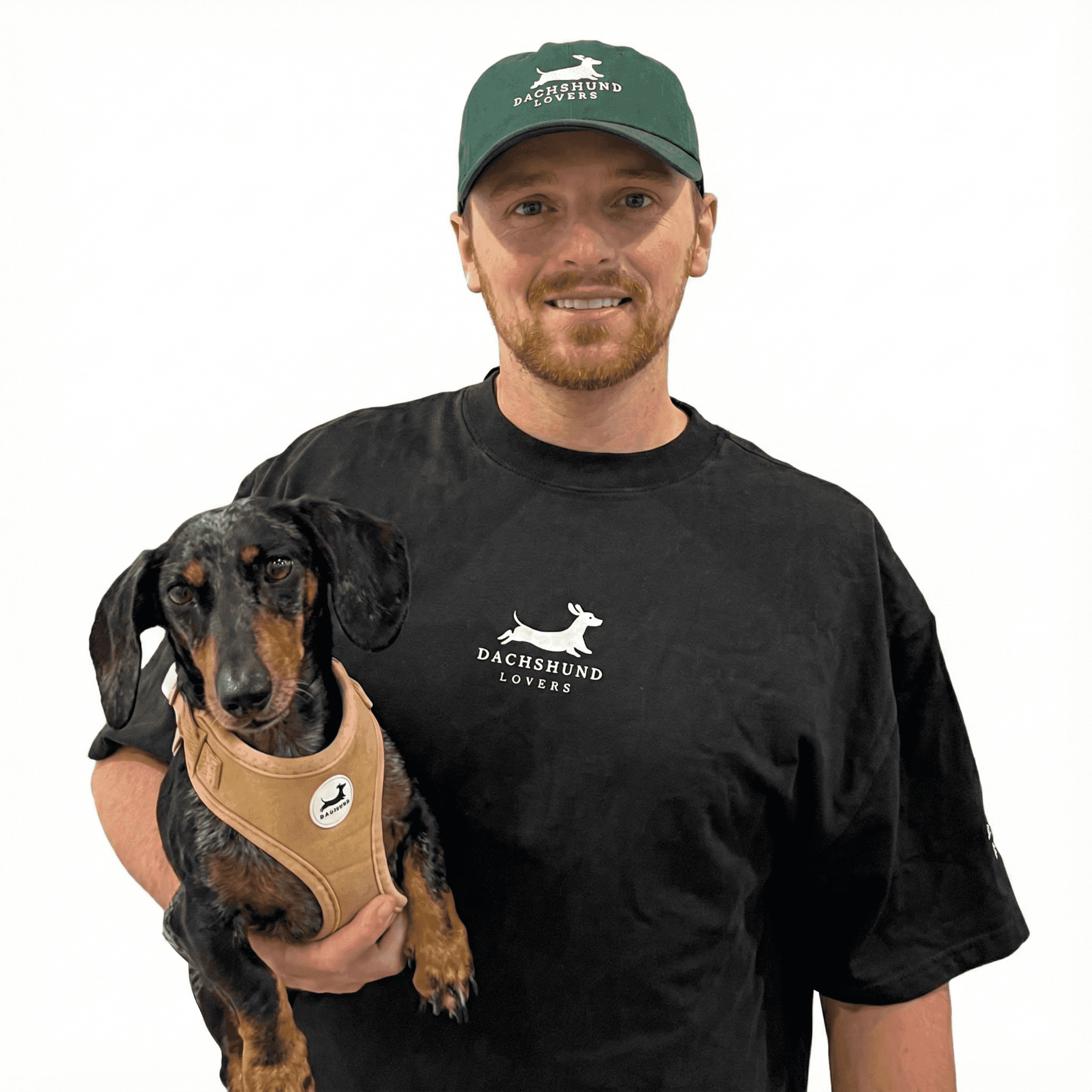
James is the founder of Dachshund Lovers and the proud human of Harvey, a mini dapple with a big personality. He writes to empower and connect the dachshund community, blending founder insights with honest, experience-based stories about life with this incredible and special breed. James brings candid, experience-backed opinions to the community and always focused on fewer, better products and ideas that genuinely improve life for dachshunds and their people.
Read moreJames is the founder of Dachshund Lovers and the proud human of Harvey, a mini dapple with a big personality. He writes to empower and connect the dachshund community, blending founder insights with honest, experience-based stories about life with this incredible and special breed. James brings candid, experience-backed opinions to the community and always focused on fewer, better products and ideas that genuinely improve life for dachshunds and their people.
Read moreDisclaimer
This content is for informational purposes only and should not be considered veterinary advice. Always consult with a licensed veterinarian regarding your dog’s health and wellbeing.
There are no comments yet
Leave a comment