Long-Haired Dorkie
Long-Haired Dorkie
These Dachshund-Yorkie mixes aren’t just cute, they’re full of charm. Here’s everything you need to know about long haired Dorkies before you fall in love.
James
Posted on November 9, 2025.
Updated on July 21, 2026.
Table of Contents
- 1.Key Takeaways: Long-Haired Dorkies at a Glance
- 2.What Does a Long-Haired Dorkie Look Like?
- •General Appearance
- •How Long Does the Coat Get?
- •Coat Texture
- 3.Grooming Needs & Brushing Tips
- •Brushing Schedule
- •Bathing Routine
- •Professional Grooming
- 4.Does a Long-Haired Dorkie Shed?
- •How Much Do They Shed?
- •Reducing Shedding
- •Are They Hypoallergenic?
- 5.Long-Haired Dorkie Temperament
- •What to Expect Personality-Wise
- •Good with Kids and Other Pets?
- •Indoor Energy, Outdoor Spirit
- 6.Checklist: Grooming & Coat Care for Long-Haired Dorkies
- •Weekly Grooming Checklist
- 7.Dorkie Coat Color Variations (Including Long-Haired Coats)
- •Common Long-Haired Dorkie Coat Colors
- •Texture Differences
- 8.Are Long-Haired Dorkies Hypoallergenic or Low-Shedding?
- •Shedding: What to Expect
- •Hypoallergenic? Not Quite
- •Tips to Reduce Allergy Triggers
- 9.Temperament of Long-Haired Dorkies
- •Are They Calm or Energetic?
- •Sociability and Attention Needs
- •Cuddle Factor
- 10.Long-Haired Dorkie Puppies: What Owners Should Know
- •Coat Development Over Time
- •Introducing Grooming Early
- •The First Professional Groom
- -More From This Series:
- -Disclaimer
Share

Long-haired Dorkies are the unexpected showstoppers of the small-dog world — their silky coats and alert little eyes make them hard to miss. A mix of the long-bodied dachshund and the delicate Yorkshire Terrier, these pups carry a natural elegance that doesn’t try too hard. If you’ve ever found yourself charmed by a Dorkie with feathered ears and a brushable mane, you’ve likely met this softer-coated variety.
Their long fur isn’t just for looks — it reflects their Yorkshire heritage and requires a little more upkeep than the smooth-coated types. Expect gentle waves or straight, silky strands, especially around the ears, tail, and legs.
From a care perspective, these dogs benefit from a regular grooming routine to prevent tangles and reduce shedding. And while they do turn heads, they’re not purely decorative — long-haired Dorkies are bright, bold, and devoted companions. Their personalities are often as expressive as their coats.
For those wondering if long hair changes temperament (it doesn’t), or if these dogs are hypoallergenic (they’re not), this guide answers common questions and offers grooming tips tailored to this coat type.
According to the American Kennel Club, both dachshunds and Yorkshire Terriers require different grooming regimens based on coat type — and crossbreeds like the Dorkie inherit some of those same needs, particularly when long-haired traits are present (AKC grooming guidelines).
Key Takeaways: Long-Haired Dorkies at a Glance
Topic | Details |
|---|---|
Coat Texture | Silky or feathered, often straight or slightly wavy |
Grooming Needs | Moderate to high — weekly brushing recommended |
Shedding Level | Low to moderate — not fully hypoallergenic |
Common Coat Colors | Black and tan, brown, silver, blonde, or dapple |
Personality | Affectionate, curious, protective, intelligent |
Size | 5–12 pounds; small and portable |
Beset For | Owners willing to brush regularly and stay engaged |
Maturity Age | Physically full grown by 12 months; emotionally settled by 18–24 months |
What Does a Long-Haired Dorkie Look Like?
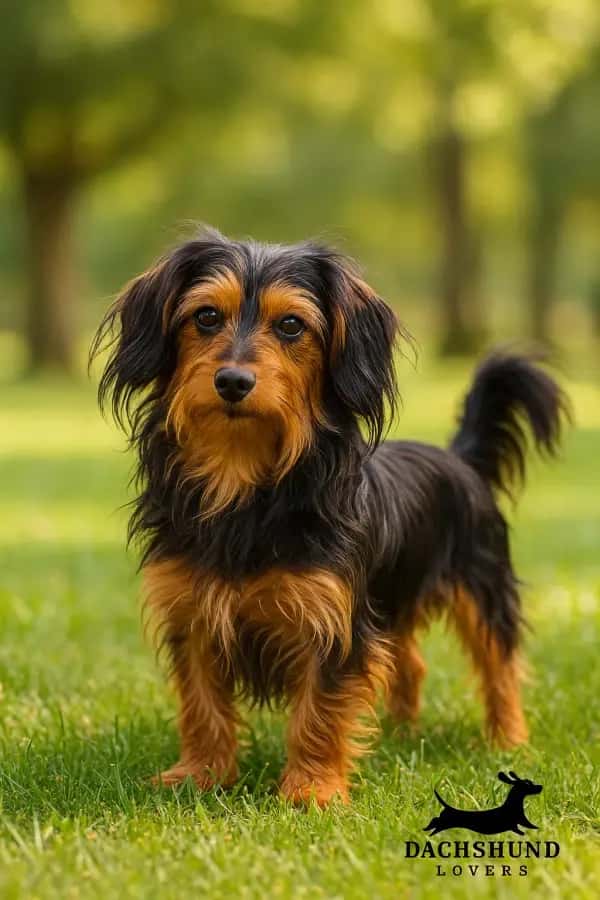
Long-haired Dorkies often look like they’ve stepped out of a storybook. Their small size, expressive eyes, and flowing coat give them an endearing, almost whimsical appearance — but there’s variation depending on which parent breed they take after more.
General Appearance
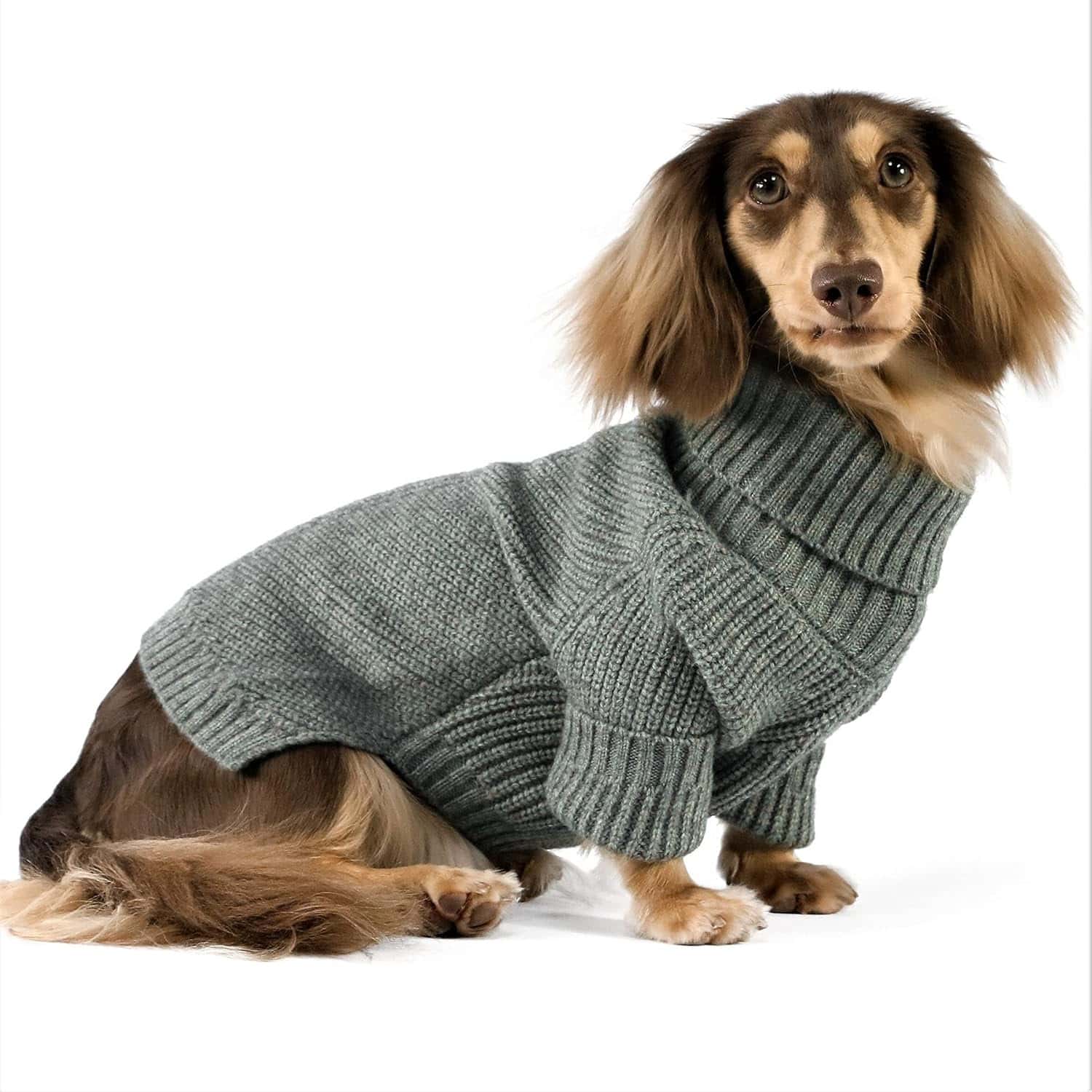
Most long-haired Dorkies inherit a compact, elongated frame from the dachshund side, combined with the finer-boned features of the Yorkshire Terrier. Their ears may stand upright, flop downward, or fall somewhere in between. What sets them apart visually is their coat — typically longer around the ears, chest, legs, and tail.
Coat colors range widely. While black and tan is the most common, you might also find long-haired Dorkies in golden blonde, silver, brown, cream, or rare dapple patterns (see our article on Dapple Dorkies).
Common Coat Colors in Long-Haired Dorkies |
Black & Tan |
Chocolate |
Silver or Grey |
Blonde |
Dapple (Spotted) |
How Long Does the Coat Get?
On average, their fur can grow to around 2–3 inches long, particularly behind the ears and along the tail. In cooler climates or with less frequent trims, some owners allow the full coat to flourish — giving the Dorkie an almost terrier-meets-spaniel look. With regular brushing and the right grooming tools, the coat stays shiny and manageable.
Coat Texture
Depending on genetics, the coat may be pin-straight like a Yorkie’s or slightly waved like a long-haired dachshund’s. The undercoat is usually minimal, meaning they aren’t heavy seasonal shedders — but the longer outer coat can trap debris, so light grooming after walks is helpful.
Grooming Needs & Brushing Tips
Caring for a long-haired Dorkie’s coat isn’t difficult, but consistency matters. Their fine, flowing fur is prone to tangles — especially around the ears, armpits, and hind legs — making regular grooming essential for both comfort and appearance.
Brushing Schedule
Aim for brushing three to four times per week. This frequency helps prevent matting and keeps their coat sleek and shiny. A slicker brush or stainless steel comb works best, especially for detangling behind the ears and along the belly.
Recommended Grooming Tools | Purpose |
|---|---|
Slicker Brush | Detangles fine, silky hair |
Stainless Steel Comb | Reaches through longer layers |
Grooming Scissors | Trim around paws, ears, and tail |
Conditioning Spray | Reduces static and helps with brushing |
Bathing Routine
Long-haired Dorkies don’t require frequent baths — once every 4–6 weeks is typically enough unless they roll in something unexpected. Use a gentle, dog-formulated shampoo, and follow with a light conditioner to help maintain softness.
For dogs with skin sensitivities, oatmeal-based shampoos or those approved by vets like Virbac Epi-Soothe are good options.
Professional Grooming
While many Dorkie owners prefer to groom at home, a professional groom every 8–10 weeks can be beneficial. Trimming around the paws, sanitary areas, and feathered tail can help your dog look (and feel) tidy — without altering the natural beauty of the coat.
If you’re unsure whether to book a groom, consider this: if brushing takes longer than 15 minutes due to tangles, it’s probably time.
Does a Long-Haired Dorkie Shed?
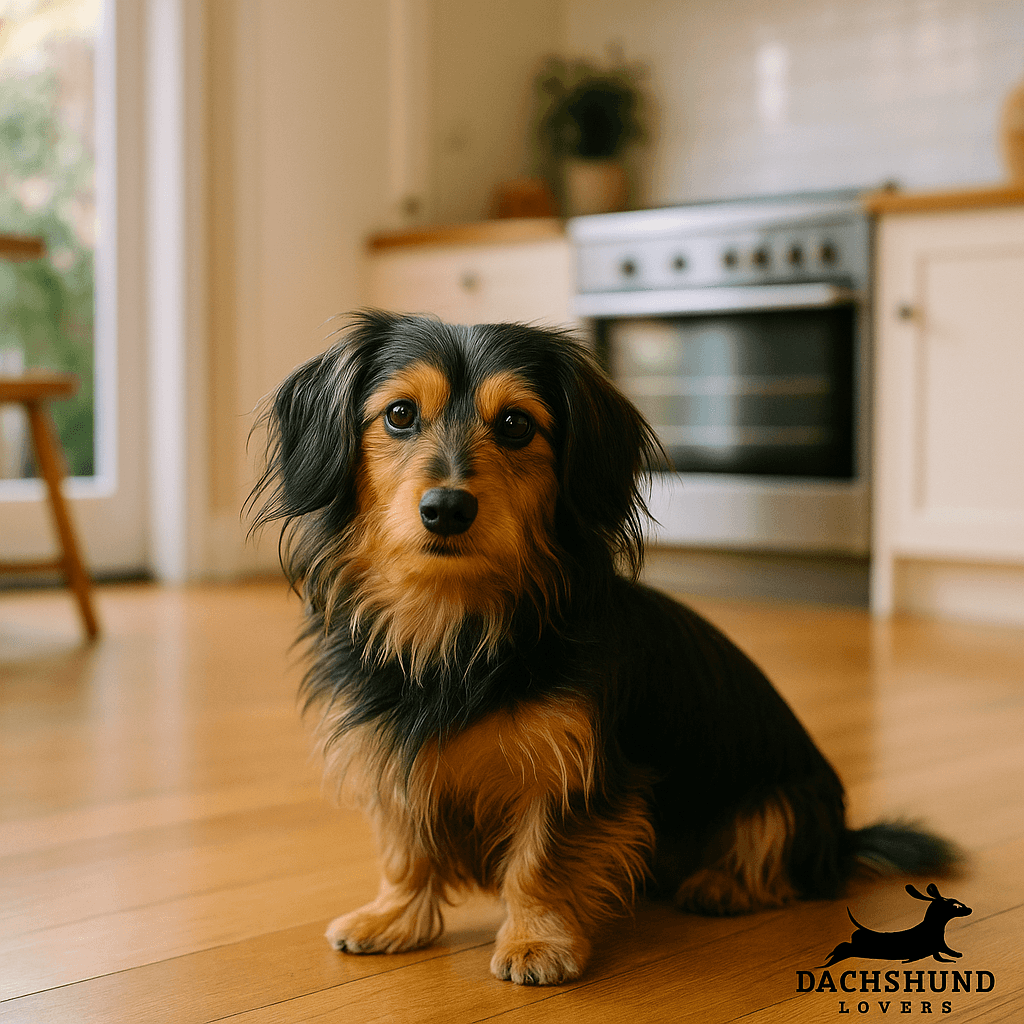
Yes, long-haired Dorkies do shed — but generally, not excessively. Their shedding habits fall somewhere between those of their parent breeds: the low-shedding Yorkshire Terrier and the moderate-shedding long-haired dachshund. The result? A manageable level of fur that won’t overwhelm your home, especially with routine care.
How Much Do They Shed?
Most long-haired Dorkies shed light to moderate amounts year-round, with slight increases in spring and autumn. Unlike heavy shedders such as Labradors or Huskies, Dorkies tend to drop finer hairs — more likely to gather on fabric surfaces than blow across hardwood floors.
Shedding Level | Frequency |
|---|---|
Light to Moderate | Year-round, with seasonal upticks |
Alertness | Excellent watchdog instincts; prone to barking at unfamiliar sounds. |
Stubborn Streak | Particularly during training; consistency and patience are key. |
Affectionate Nature | Craves cuddles and companionship — they don’t do well left alone too long. |
Energetic Nature | Still playful even into adulthood — short bursts of high energy indoors. |
Reducing Shedding
Regular brushing is your best defense against loose fur. This not only removes dead hair before it ends up on your furniture but also distributes natural oils across their coat, keeping it healthy and glossy.
Diet plays a role, too. Dogs with omega-rich diets often shed less. Look for foods with salmon oil, flaxseed, or vitamin E — or consult your vet about adding a skin-and-coat supplement.
Are They Hypoallergenic?
While no dog is truly hypoallergenic, long-haired Dorkies may be a better fit for allergy-sensitive households than double-coated breeds. Their coat tends to trap dander more than release it — but regular grooming, air purifiers, and clean bedding are still recommended for allergy management.
Long-Haired Dorkie Temperament
Long-haired Dorkies may look like plush toys, but beneath the silky fur is a vibrant, opinionated, and deeply loyal little dog. Their temperament is shaped by two strong-willed breeds — the clever, alert dachshund and the spunky, affectionate Yorkshire Terrier — resulting in a companion that’s equal parts cuddlebug and confident watchdog.
What to Expect Personality-Wise
- Loyal & People-Focused: These dogs form strong bonds with their humans and often shadow their favorite person from room to room.
- Playful & Curious: They enjoy exploring, chasing toys, and solving food puzzles — particularly if raised with stimulating games from puppyhood.
- Occasionally Stubborn: Like most dachshund mixes, they may have a streak of independence, especially during training.
- Alert & Vocal: Expect them to sound the alarm when someone’s at the door. Early training can help moderate this behavior.
Good with Kids and Other Pets?
Long-haired Dorkies are usually excellent with respectful children and can adapt well to homes with other pets, especially if socialized young. Their small size makes them less intimidating to other animals, though supervision is always recommended during introductions.
Indoor Energy, Outdoor Spirit
They thrive in apartment settings but do best with at least one moderate walk daily and playtime at home. A secured yard or dog park trip is ideal, but not essential.
Checklist: Grooming & Coat Care for Long-Haired Dorkies
Long-haired Dorkies require a consistent grooming routine to keep their coat soft, healthy, and tangle-free. Without it, their fine hair can quickly become matted — especially around the ears, legs, and underbelly.
Weekly Grooming Checklist
Task | Frequency | Tips |
|---|---|---|
Brushing | 3–5 times/week | Use a slicker brush followed by a metal comb to catch tangles and remove debris. |
Bathing | Every 3–4 weeks | Use a gentle, dog-specific shampoo (avoid human products to protect their skin barrier). |
Trimming | Every 6–8 weeks | Ideal for a second walk or a bit of backyard exploring |
Ear Cleaning | Weekly | Especially important for floppy-eared dogs prone to wax and moisture buildup. |
Nail Trimming | Every 3–4 weeks | Overgrown nails can affect posture and cause discomfort. |
Dorkie Coat Color Variations (Including Long-Haired Coats)
Long-haired Dorkies come in a surprisingly wide palette of colors and patterns, often inherited from their dachshund parent. While Yorkies are traditionally black and tan or blue and gold, the dachshund’s diverse coat genes introduce variety — especially in long-haired mixes.
Common Long-Haired Dorkie Coat Colors
Color | Description |
|---|---|
Black & Tan | A classic Yorkie combination with a longer, feathered texture. |
Red or Chocolate | Rich tones from the dachshund lineage, especially in long-haired varieties. |
Cream or Blond | Often seen in long-haired Dorkies with a more Yorkshire-style coat. |
Dapple (Spotted) | A unique pattern from the dachshund side, often combined with tan or chocolate. |
Blue or Silver Highlights | These can appear subtly in adult coats, especially if the Yorkie’s blue genes express later in life. |
Note: While dapple long-haired Dorkies are beautiful, they should only be bred responsibly — never two dapples together, as this can cause serious health risks (more on this in our Dapple Dorkie article).
Texture Differences
Long-haired Dorkies usually have a soft, feathered coat with a slight wave. It’s less wiry than a wire-haired dachshund’s and fuller than a purebred Yorkie’s. Some may even develop a pronounced “mane” around the neck or a plume-like tail.
Are Long-Haired Dorkies Hypoallergenic or Low-Shedding?
If you’re hoping for a low-maintenance dog with minimal shedding, a long-haired Dorkie might not be the perfect match — but they’re also not the worst offender. Their shedding levels sit somewhere in the middle, depending on which parent breed is more dominant.
Shedding: What to Expect
While Yorkshire Terriers are known for their low-shedding, silky coats, dachshunds — especially long-haired ones — tend to shed more. A long-haired Dorkie may inherit a mix of these traits. Most owners report moderate, seasonal shedding that can be managed with regular brushing.
Hypoallergenic? Not Quite
The term “hypoallergenic” is often misunderstood. No dog is truly hypoallergenic, but some breeds are less likely to trigger allergic reactions. Yorkies fit this category due to their hair-like coat and low dander levels. Dorkies, however, especially the long-haired variety, may still cause mild allergic responses in sensitive individuals — particularly if they lean more dachshund.
For a deeper dive, the American College of Allergy, Asthma & Immunology offers an evidence-based look at pet allergies and breeds here.
Tips to Reduce Allergy Triggers
- Brush frequently: Capture dander before it settles in your home.
- Wipe paws and coat after walks: Helps limit pollen, dust, and other irritants.
- HEPA filters and air purifiers: Especially useful in bedrooms and living spaces.
Regular baths: Use gentle, non-drying shampoos formulated for allergy-sensitive pets.
Temperament of Long-Haired Dorkies
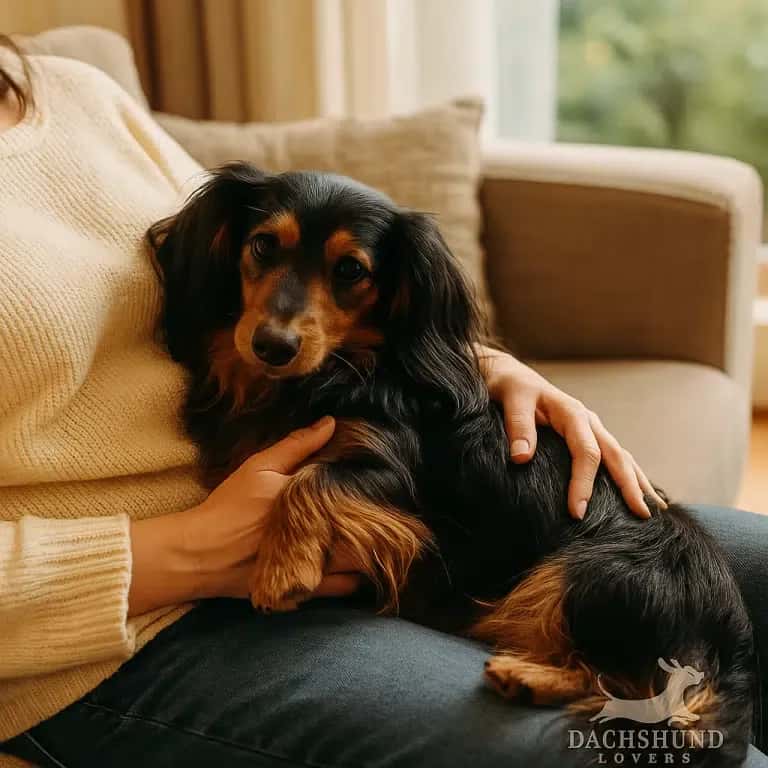
Long-haired Dorkies, like their smooth-coated counterparts, are full of personality. But some owners find the long coat can make them seem a little more “gentle” or mellow — at least in appearance. Underneath the fluff, though, you’ll find the same spunky mix of confidence, affection, and curiosity.
Are They Calm or Energetic?
Dorkies tend to strike a balance between bursts of playful energy and long stretches of downtime. The dachshund side brings a touch of independence and occasional stubbornness, while the Yorkshire Terrier genes contribute alertness and boldness in a compact frame. That said, many long-haired Dorkie owners report a slightly calmer demeanor — perhaps because longer coats often require more cuddling, brushing, and hands-on attention.
Sociability and Attention Needs
These dogs are generally people-focused and crave interaction. They enjoy shadowing their humans around the house and can develop strong attachments to a primary caregiver. They’re typically friendly with family, though they may be reserved around strangers until properly socialized.
If you’re often away from home or unable to engage daily, a Dorkie — particularly one with high grooming needs — might not be the best fit.
Cuddle Factor
This is where long-haired Dorkies shine. Their coats make them ideal lap dogs, especially during colder months. Many owners describe them as “velcro dogs” who are happiest snuggled on the couch, preferably under a blanket.
Long-Haired Dorkie Puppies: What Owners Should Know
Bringing home a long-haired Dorkie puppy is a bit like adopting a living teddy bear — curious, affectionate, and undeniably charming. But their distinctive coat requires a bit more intention from day one.
Coat Development Over Time
At birth, many long-haired Dorkie puppies resemble their short-haired littermates. Their fluffy traits usually become more noticeable between 8–12 weeks of age. Over the next several months, you may notice feathering around the ears, chest, legs, and tail — classic long-haired traits borrowed from both parent breeds.
Don’t be surprised if the coat deepens in color or shifts in texture slightly as they age. Yorkie influence can sometimes delay full coat maturity until 12–18 months.
Introducing Grooming Early
Long-haired Dorkie puppies benefit from gentle grooming early on — not only for coat health but also to build positive associations. At 8–10 weeks, a soft brush session (just a few minutes) is enough. Add praise and treats, and they’ll quickly learn to enjoy the attention.
As they grow:
- Brushing: 3–4x a week
- Bathing: Every 4–6 weeks
- Trimming: Every 8–10 weeks (especially around feet, ears, and sanitary areas)
Consistency is key — skipping early coat care can lead to mats, skin discomfort, or grooming anxiety.
The First Professional Groom
It’s typically safe to schedule a first professional groom at 4–6 months. Look for a groomer familiar with both Yorkie and Dachshund coats, as Dorkies often have a blend of silky and dense textures.
Some owners opt for a “puppy trim” to keep their Dorkie’s coat manageable while preserving its character. Others may request a neatening around problem areas without a full clip.
Frequently Asked Questions
More From This Series:
Explore other Dorkie articles in our growing collection:
- Dorkie Puppies: Buying, Raising & Care Tips
Everything you need to know about bringing home and raising a Dorkie puppy, including training tips and socialization. - Dorkie Price Guide: Cost to Own This Adorable Mix
Breakdown of initial purchase price, ongoing care costs, and lifetime expenses — for the US, UK, and Australia. - Dapple Dorkie: Everything About This Spotted Beauty
Uncover what makes dapple Dorkies unique, including the genetics behind their coat and the importance of ethical breeding. - Dorkie Temperament & Personality
Understand the quirks, traits, and compatibility of the Dorkie — from energy levels to cuddle preferences. - Corgi vs. Dorkie: Which Small Dog Is Right for You?
Compare two small but mighty dog breeds side-by-side to help you decide which fits your lifestyle best.
Authored by
James
James is the founder of Dachshund Lovers and the proud human of Harvey, a mini dapple with a big personality. He writes to empower and connect the dachshund community, blending founder insights with honest, experience-based stories about life with this incredible and special breed. James brings candid, experience-backed opinions to the community and always focused on fewer, better products and ideas that genuinely improve life for dachshunds and their people.
Read moreJames is the founder of Dachshund Lovers and the proud human of Harvey, a mini dapple with a big personality. He writes to empower and connect the dachshund community, blending founder insights with honest, experience-based stories about life with this incredible and special breed. James brings candid, experience-backed opinions to the community and always focused on fewer, better products and ideas that genuinely improve life for dachshunds and their people.
Read moreDisclaimer
This content is for informational purposes only and should not be considered veterinary advice. Always consult with a licensed veterinarian regarding your dog’s health and wellbeing.
There are no comments yet
Leave a comment