Long Haired Dachshund Puppies
Long Haired Dachshund Puppies
Before you fall for those fluffy ears, here's what every new owner should know, straight from someone who’s lived the highs and the hairy.
James
Posted on October 29, 2025.
Updated on July 21, 2026.
Table of Contents
- 1.Key Takeaways on Long Haired Dachshund Puppies
- 2.Appearance & Coat Characteristics
- -Coat Texture & Colours
- -Coat Changes from Puppy to Adult
- -Recognising Breed Standards
- 3.Temperament & Personality
- -Affectionate & People-Oriented
- -Playful but Not Overly Hyper
- -Intelligent but Stubborn
- -Social Tendencies
- -Adaptability to Home Life
- 4.Grooming Needs & Maintenance
- -Brushing Routine
- -Bathing & Coat Care
- -Ear Care
- -Nail Trimming & Paw Care
- -Managing Seasonal Shedding
- -Grooming as Bonding Time
- •Exercise & Play Requirements
- -Daily Exercise Goals
- -Mental Stimulation
- -Social Exercise
- -City vs Suburban Living
- 5.Training & Socialisation
- -Start with the Basics
- -Positive Reinforcement Works Best
- -Socialising Your Puppy
- -Managing Stubborn Moments
- -Preventing Behavioural Issues
- 6.Living Environment & Daily Routine
- -Apartment vs Suburban Living
- -Safe Spaces
- -Feeding Routine
- -Mental & Emotional Care
- -More from This Series
- -Disclaimer
Share

The first time Caitlin and I met a long-haired dachshund puppy was at Darook Park in Cronulla, not far from where we walk Harvey. It was a breezy Sunday afternoon in April, the kind where the water glistens and kids race each other along the sand. This little long-haired pup was a ball of movement — silky ears catching the light, tail sweeping like a feather duster as she bounded from one patch of grass to another.
Her coat had a kind of presence that photos don’t quite capture. Up close, you notice the texture — fine yet full-bodied — and the way it ripples when they move. There’s a certain elegance about the long-haired dachshund that makes them stand out in a crowd, but spend five minutes with one and you quickly realise they’re just as playful, curious, and opinionated as their smooth- and wire-haired cousins.
Over the years, we’ve had a few chances to spend time with long-haired puppies through friends and local dachshund meet-ups in Sydney. Every time, we walk away with the same impression: they’re affectionate and adaptable, but their grooming needs, temperament quirks, and early training requirements deserve just as much attention as their photogenic good looks. This guide will help you understand what life is really like with a long-haired dachshund puppy — from their temperament and coat care to how to prepare your home for one.
Key Takeaways on Long Haired Dachshund Puppies
Key Point | Quick Summary |
|---|---|
Appearance | Long, flowing coat with feathering on ears, chest, and tail; comes in a variety of colours and patterns including dapple, cream, and black & tan. |
Temperament | Affectionate, loyal, and slightly more laid-back than smooth-haired dachshunds, though still playful and alert. |
Grooming Needs | Requires regular brushing (3–4 times a week) to prevent mats and tangles; occasional trims around feet and sanitary areas. |
Exercise Requirements | Moderate — daily walks and playtime, but avoid high-impact activities to protect their back. |
Training Tips | Positive reinforcement works best; start socialisation early to reduce barking and separation anxiety. |
Health Considerations | Prone to IVDD, dental issues, and ear infections due to longer ear hair. Keep weight under control. |
Ideal Home | Suits both apartments and houses if exercise and grooming needs are met; thrives in homes where someone is around for part of the day. |
Lifespan | Typically 12–16 years with good care and regular vet check-ups. |
Appearance & Coat Characteristics

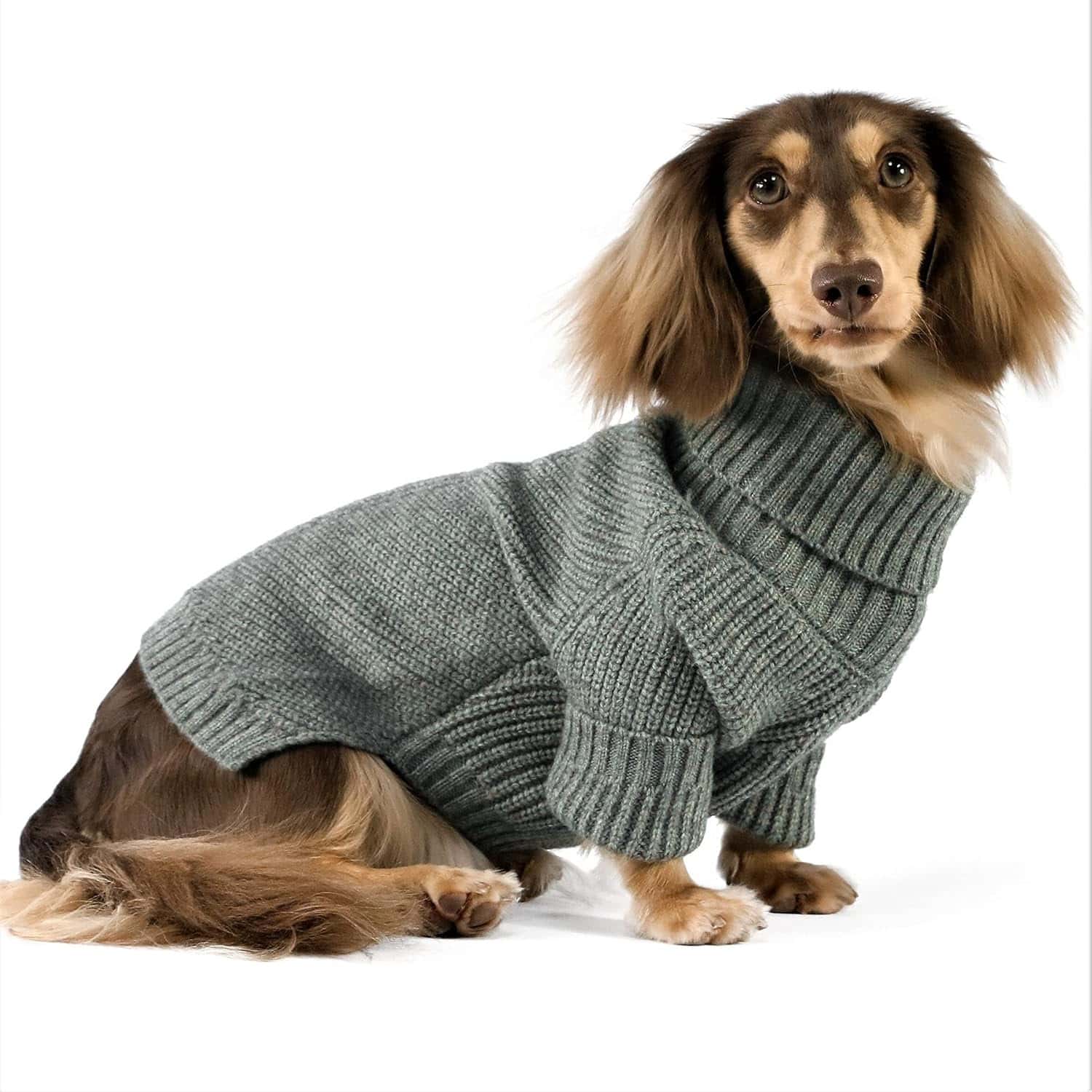
Long-haired dachshund puppies are one of those breeds that draw attention wherever they go. Their coat is their signature feature — a soft, silky layer that flows along their back and legs, with feathering on the ears, chest, belly, and tail. Even as puppies, you’ll notice the beginnings of this feathering, though it can take up to 18 months for their full adult coat to develop.
Coat Texture & Colours
The coat texture is fine but not flyaway, with a natural shine when kept clean and well-groomed. They come in the same wide range of colours and patterns as smooth-haired dachshunds, including:
- Solid colours such as red or cream
- Bicolours like black and tan or chocolate and tan
- Patterns like dapple, sable, and brindle
According to the American Kennel Club, long-haired dachshunds often have a slightly softer expression than their smooth or wire-haired counterparts, thanks to the framing effect of the ear feathering and the way their coat moves.
Coat Changes from Puppy to Adult
When they’re very young, long-haired puppies often have a fluffier, less sleek coat than they will as adults. Around the 6–9 month mark, you may notice changes in texture and thickness, particularly around the ears and tail. Some owners say it’s like watching their puppy “grow into” their elegance.
Recognising Breed Standards
If you’re looking at show standards, long-haired dachshunds are expected to have hair that is longer on the underside of the body, ears, and behind the legs, without being so heavy that it hides the breed’s outline. Even for pet homes, knowing these characteristics helps you understand what kind of grooming routine will be needed.
Temperament & Personality
Long-haired dachshund puppies carry the same core traits as all dachshunds — loyalty, curiosity, and a streak of independence — but they’re often described as slightly gentler in nature compared to their smooth-coated cousins. While every puppy is an individual, many long-haired dachshunds are more easygoing, making them a popular choice for families or owners who want a companion that enjoys both activity and downtime.
Affectionate & People-Oriented
From the first few days at home, you’ll likely notice your puppy following you from room to room. Long-haired dachshunds tend to form strong bonds with their owners, often becoming especially attached to one person in the household. That doesn’t mean they aren’t friendly to others — in fact, with proper socialisation, they can be charming to friends and visitors.
Playful but Not Overly Hyper
Like all dachshunds, the long-haired variety has bursts of puppy energy. They’ll chase a ball across the lounge, tug on a rope toy, or explore every corner of the garden. However, they’re also quite content to curl up on the couch after a good play session, making them adaptable for both active and quieter households.
Intelligent but Stubborn
Don’t be fooled by their elegant looks — these puppies have the same stubborn streak as any dachshund. Training requires patience, consistency, and plenty of positive reinforcement. The payoff is a dog that’s eager to please when motivated and capable of learning a variety of cues.
Long-haired dachshunds are often more tolerant of other dogs than their smooth-haired relatives, but this still depends on early socialisation. Puppy classes or gentle introductions to well-mannered dogs can help set the stage for good behaviour later.
Adaptability to Home Life
Whether you’re in an apartment or a house with a backyard, these puppies can thrive if their exercise and companionship needs are met. They enjoy a daily routine and can adapt to city living as long as they get outside time and mental stimulation.
Grooming Needs & Maintenance
If there’s one thing that sets long-haired dachshund puppies apart from their smooth-coated cousins, it’s the grooming commitment. While that flowing coat is a head-turner, it also requires regular upkeep to keep it healthy, shiny, and free from tangles.
Brushing Routine
From the moment your puppy comes home, start getting them used to being brushed. Even though their coat will be shorter and fluffier as a puppy, introducing grooming early makes it easier when their adult coat comes in.
- Frequency: Aim for brushing 3–4 times a week, increasing during shedding seasons.
- Tools: A slicker brush or pin brush works well for detangling, while a metal comb can help with feathered areas like the ears and tail.
- Technique: Brush in the direction of hair growth, being gentle around sensitive areas like the belly and behind the ears where mats are most likely to form.
Bathing & Coat Care
Bathing can be done every 4–6 weeks, or as needed if they get muddy or sandy after an outing. Use a gentle, dog-specific shampoo to avoid stripping natural oils. Always dry thoroughly, especially under the ears and along the belly, to prevent dampness from leading to skin irritation.
Ear Care
One grooming area that’s particularly important for long-haired dachshunds is their ears. The longer ear hair can trap moisture and debris, which increases the risk of infections. Regular ear checks and cleaning with a vet-approved solution will keep them healthy. The RSPCA NSW advises owners to avoid inserting anything into the ear canal — a soft cloth or cotton pad for the outer ear is all that’s needed.
Nail Trimming & Paw Care
Because their nails can grow quickly, trim them every 3–4 weeks or as needed. The fur between their paw pads may also need trimming to prevent mats and provide better traction on slippery floors.
Managing Seasonal Shedding
Long-haired dachshunds shed moderately year-round, with heavier seasonal sheds in spring and autumn. During these periods, daily brushing will help control loose hair and keep the coat looking its best.
Grooming as Bonding Time
One of the advantages of the grooming routine is the opportunity for bonding. Many owners find that with gentle handling and a calm environment, brushing sessions become a relaxing ritual for both puppy and owner.
Exercise & Play Requirements
Long-haired dachshund puppies may look like elegant little lap dogs, but they’re still true dachshunds at heart — curious, active, and always up for a game. That said, their exercise needs should balance activity with care for their developing bones and back.
Daily Exercise Goals
For young puppies under six months, short bursts of activity are better than long, strenuous sessions. Two or three play sessions of 10–15 minutes each, combined with gentle walks, are plenty. As they mature, you can gradually increase the duration and intensity.
- Short Walks: Start with a few minutes around the block or in the backyard, then gradually extend as their stamina improves.
- Indoor Play: Tug toys, soft balls, and puzzle feeders are great for burning energy indoors, especially in apartments or during bad weather.
- Back-Friendly Activities: Avoid stairs, jumping off furniture, or rough play that puts strain on the spine — a precaution important for all dachshunds.
Mental Stimulation
A tired mind can be just as important as a tired body for a dachshund puppy. They thrive on problem-solving and interactive play.
- Puzzle Toys: Hide treats in puzzle feeders to encourage thinking.
- Scent Games: Scatter small treats around a safe space and encourage them to “find it.”
- Basic Training: Incorporating training into play sessions keeps them engaged and builds good habits.
Long-haired dachshund puppies benefit from social exposure to new people, sounds, and environments. Taking them to a quiet, well-controlled dog park or meeting friends with calm dogs can help them develop into confident adults.
City vs Suburban Living
Whether you’re in the heart of suburban Sydney or in a more spacious suburb in Texas, long-haired dachshunds adapt well as long as they get their daily activity. In apartments, you might need more structured walks, while in houses with secure yards, free play can make up a bigger part of their exercise routine.
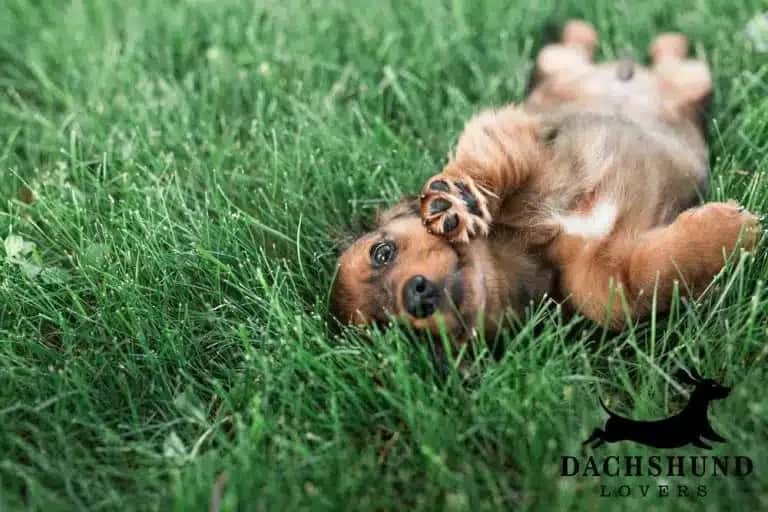
Training a long-haired dachshund puppy is equal parts rewarding and humbling. They’re bright enough to learn quickly, but they also have that classic dachshund stubborn streak that can test your patience. The key is to start early, keep sessions short, and make training something they genuinely enjoy.
Start with the Basics
From day one, focus on essential commands like sit, stay, come, and leave it. These aren’t just party tricks — they’re tools for safety and everyday life.
- Keep sessions under 10 minutes to hold their attention.
- Use high-value treats (something soft and smelly usually works wonders).
- Reward immediately so they connect the behaviour with the reward.
Positive Reinforcement Works Best
Long-haired dachshunds respond far better to rewards and encouragement than to harsh corrections. Praise, treats, and play will get you further than raising your voice. If a session isn’t going well, it’s better to take a break and try again later.
Introduce your puppy to a variety of sights, sounds, and situations before they hit the four-month mark. This includes:
- Meeting different types of people (children, adults, people wearing hats, etc.).
- Hearing different sounds — from vacuum cleaners to passing buses.
- Walking on different surfaces like grass, sand, or footpaths.
Puppy school is an excellent way to build social confidence. In Sydney, local training centres such as the Sutherland Shire Dog Training Club offer structured classes that also help with basic obedience.
Managing Stubborn Moments
Even with the gentler temperament often found in long-haired dachshunds, you’ll still run into “I don’t feel like it” days. Stay consistent with rules and don’t give in to whining or pawing when they want something. This teaches them boundaries and builds respect.
Preventing Behavioural Issues
Early socialisation and training can help prevent common dachshund behaviours from becoming problematic — like barking excessively, guarding toys, or being wary of strangers. Exposing them to the world in a positive way reduces the risk of fear-based reactions later in life.
Living Environment & Daily Routine
Long-haired dachshund puppies adapt well to a range of home environments, but their care routine should reflect both their physical needs and their temperament.
Apartment vs Suburban Living
Whether you’re in a high-rise in Sydney or a family home in the Hamptons, these puppies can thrive as long as they get adequate exercise and mental stimulation.
- Apartments: Daily walks and indoor play will be essential. Ramps or pet stairs can help protect their back from furniture jumps.
- Houses with Yards: A secure, fenced yard offers freedom to explore, but they should still get structured walks to experience new sights and smells.
Safe Spaces
Provide a designated rest area like a crate, playpen, or a quiet corner with a bed. This gives them a sense of security, helps with housetraining, and prevents overstimulation.
Feeding Routine
Keeping meal times consistent helps with digestion and potty training. Many owners feed puppies three to four small meals a day until they’re six months old, then gradually transition to two meals.
Mental & Emotional Care
Long-haired dachshund puppies are social and affectionate. Leaving them alone for long stretches without preparation can lead to separation anxiety.
- Start by leaving them alone for short periods and build up gradually.
- Provide puzzle toys or safe chews for solo entertainment.
Frequently Asked Questions
More from This Series
- About Dachshund Puppies
- Mini Dachshund Puppies
- Dapple Dachshund Puppies
- Dachshund Puppies Temperament
- How Much to Feed a Dachshund Puppy
- 8 Week Old Dachshund
- Puppy Names for Dachshunds
- Dachshund Puppy Diet
- 3 Week Old Dachshund Puppies
Authored by
James
James is the founder of Dachshund Lovers and the proud human of Harvey, a mini dapple with a big personality. He writes to empower and connect the dachshund community, blending founder insights with honest, experience-based stories about life with this incredible and special breed. James brings candid, experience-backed opinions to the community and always focused on fewer, better products and ideas that genuinely improve life for dachshunds and their people.
Read moreJames is the founder of Dachshund Lovers and the proud human of Harvey, a mini dapple with a big personality. He writes to empower and connect the dachshund community, blending founder insights with honest, experience-based stories about life with this incredible and special breed. James brings candid, experience-backed opinions to the community and always focused on fewer, better products and ideas that genuinely improve life for dachshunds and their people.
Read moreDisclaimer
This content is for informational purposes only and should not be considered veterinary advice. Always consult with a licensed veterinarian regarding your dog’s health and wellbeing.
There are no comments yet
Leave a comment