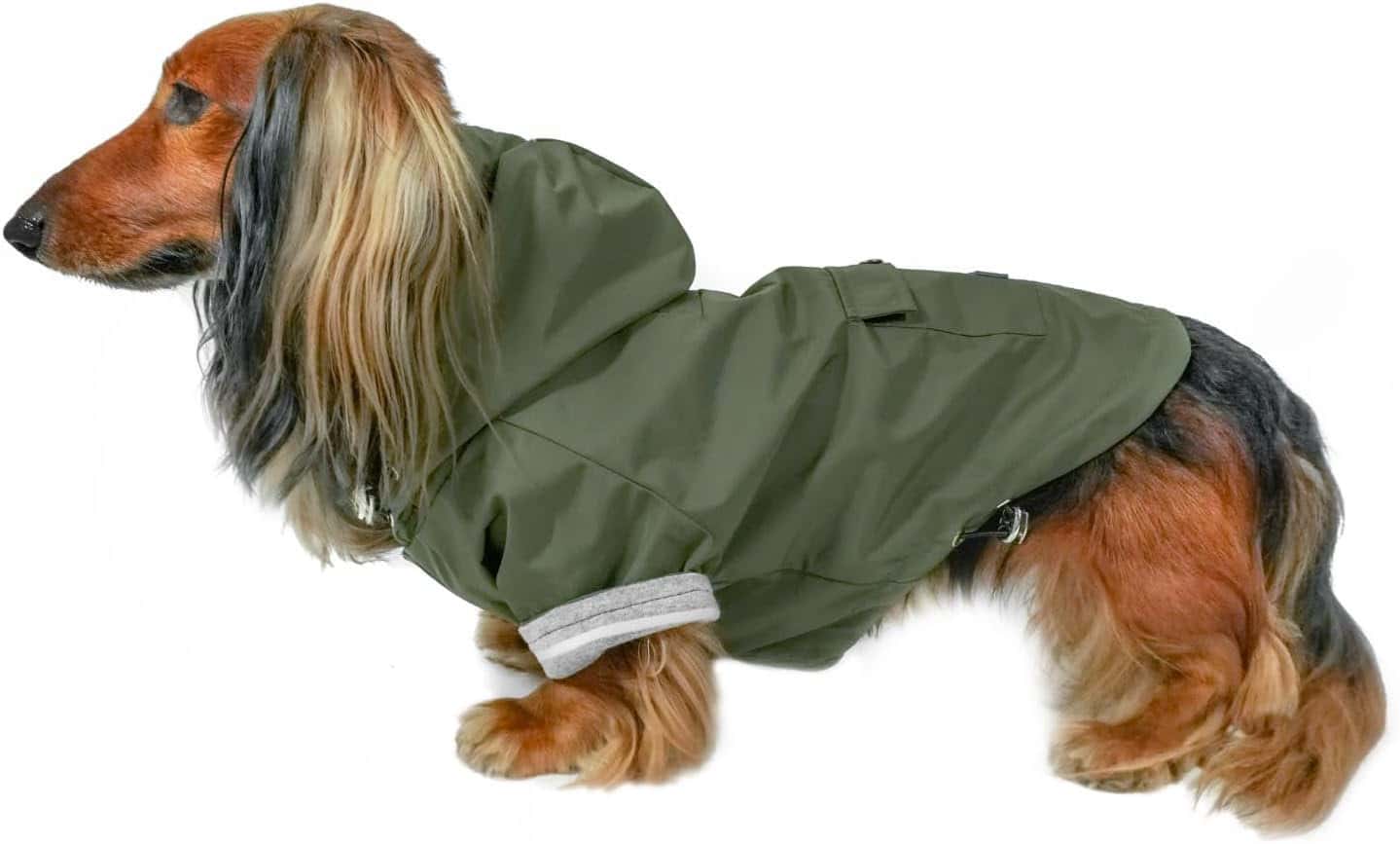
Full Grown Dorkie: Size, Weight & Temperament
Full Grown Dorkie: Size, Weight & Temperament
I’ve broken down what makes a Dorkie unique as they grow, how much they weigh, what their coat looks like, and which parent they take after most.
James
Posted on November 9, 2025.
Updated on July 20, 2026.
Table of Contents
- 1.Key Takeaways Table: Full Grown Dorkie
- 2.Dorkie Adult Size: Height, Weight & Build
- •Average Adult Measurements
- •Compact but Sturdy
- •Why Genetics Matter
- 3.Dorkie Coat Types & Grooming as Adults
- •Common Adult Coat Types
- •Grooming Routine for Adult Dorkies
- •Managing Seasonal Shedding
- 4.Dorkie Behavior & Temperament in Adulthood
- •Core Behavioral Traits
- •Comparison with Other Small Breeds
- •Socialization Makes the Difference
- 5.Health & Longevity in Adult Dorkies
- •Average Lifespan of a Dorkie
- •Common Health Conditions
- •Preventive Care Recommendations
- 6.Living with a Dorkie: What to Expect Daily
- •Daily Rhythm & Lifestyle
- •Emotional Attachment & Human Bond
- •Social Sensitivity & Barking Habits
- 7.Feeding Your Dorkie Puppy: Nutrition for Growth & Energy
- •What to Look for in Puppy Food
- •Feeding Schedule for Dorkie Puppies
- •Human Foods to Avoid
- 8.Health Checks & Vaccinations for Your Dorkiev
- •First-Year Vaccination Schedule
- •Common Health Screenings
- •Parasite Prevention
- -More From This Series:
- -Disclaimer
Share

When a Dorkie puppy first enters your life, their tiny frame and endless energy can be equal parts delightful and overwhelming. But as the months pass and their features settle, many owners find themselves asking: What does a full grown Dorkie really look and act like?
The answer, as with most mixed breeds, lies in understanding the blend of its parents. A cross between the Dachshund and Yorkshire Terrier, the Dorkie combines two distinctly small but bold personalities. While both breeds are under 12 inches tall and weigh under 15 pounds, their adult behavior, build, and temperament can differ depending on which parent dominates.
In this article, we’ll break down what to expect from your Dorkie as they reach adulthood — covering everything from average size ranges to personality shifts, grooming needs, and more. For reference, the American Kennel Club provides helpful breed standards for both the Dachshund and Yorkshire Terrier — an excellent starting point to understand their mix.
Key Takeaways Table: Full Grown Dorkie
Trait | Details |
|---|---|
Adult Size | 5–10 inches tall; 7–13 lbs average |
Coat Type | Can be silky (Yorkie-like) or wire/smooth (Dachshund-like) |
Shedding Level | Low to moderate (depending on coat) |
Personality Traits | Loyal, alert, affectionate, slightly stubborn |
Energy Levels | Moderate – needs daily mental and physical stimulation |
Grooming Needs | Weekly brushing; occasional trimming for long-haired Dorkies |
Trainability | Medium – intelligent but can inherit a stubborn streak |
Maturity Age | Physically full grown by 12 months; emotionally settled by 18–24 months |
Dorkie Adult Size: Height, Weight & Build

When fully grown, the Dorkie’s size often surprises people — especially those expecting a lapdog as compact as a purebred Yorkie. In reality, the Dorkie inherits a blend of traits from both the Yorkshire Terrier and the Dachshund, leading to a small-to-medium frame with slightly more substance than its Yorkie parent.
Average Adult Measurements
Measurement | Range (Full Grown) |
|---|---|
Height (at shoulder) | 5 to 10 inches |
Weight | 7 to 13 pounds |
Body Length | Slightly longer than tall |
Build | Compact, low-slung |
Most Dorkies will settle into their adult size by 10 to 12 months, though weight may continue to fluctuate slightly as their metabolism stabilizes. Males may be slightly larger and stockier, while females tend to have a finer frame — though this can vary based on the dominant genes.
Compact but Sturdy
Thanks to the Dachshund’s influence, many full-grown Dorkies have a slightly elongated torso and a deeper chest than most toy breeds. While their small size makes them ideal for apartment living, their build often gives them a surprising amount of agility and strength for their stature.
Why Genetics Matter
A Dorkie with a miniature Dachshund parent will likely be lighter and shorter than one whose Dachshund parent is a standard size. Likewise, if the Yorkie parent was from a teacup lineage, you may see a more delicate build.
If you’re adopting a Dorkie puppy and size is important to your living situation, ask the breeder about the parents’ measurements and health history. Reputable breeders will often provide estimated adult sizes based on past litters.
Trusted source for breed averages: American Kennel Club (AKC) Breed Standards
Dorkie Coat Types & Grooming as Adults
The Dorkie’s coat is one of its most visually distinctive features, and it can range from silky and straight to slightly wavy or even wiry — depending on which parent breed’s traits are more dominant. While grooming requirements vary slightly depending on coat texture, all adult Dorkies benefit from regular care.
Common Adult Coat Types
Coat Type | Texture | Shedding Level | Common Colors |
|---|---|---|---|
Silky & Straight | Soft, Yorkie-like | Low | Black & tan, gold, sable |
Medium & Wavy | Slight wave, mixed texture | Moderate | Brown, cream, red |
Wire-Coated | Coarse, terrier-style coat | Moderate-High | Brindle, dapple |
Note: Some adult Dorkies may develop feathering on the ears, chest, and legs, especially if they inherit longer-haired Dachshund genes.
Grooming Routine for Adult Dorkies
Whether your Dorkie’s coat is smooth or wiry, maintaining a grooming routine is essential for their comfort and skin health.
- Brushing: 2–3 times per week for silky or smooth coats, daily for wiry or longer coats.
- Bathing: Every 4–6 weeks using a gentle, breed-appropriate dog shampoo.
- Trimming: While most Dorkies don’t require full grooming cuts, trimming around the paws, ears, and sanitary areas helps prevent matting.
- Ears & Eyes: Due to their floppy ears, regular ear cleaning is vital to avoid infections. Tear stains may also need gentle wiping for lighter-colored coats.
Managing Seasonal Shedding
Although neither the Dachshund nor the Yorkie is known for heavy shedding, your Dorkie may shed lightly year-round, with some increased seasonal shedding in spring and autumn. Regular brushing not only reduces loose hair but also helps distribute natural oils, keeping the coat shiny and healthy.
For grooming tools and at-home maintenance tips, the American Veterinary Medical Association offers a clear, practical overview.
Dorkie Behavior & Temperament in Adulthood
As a blend of two lively and affectionate breeds, the full-grown Dorkie inherits a curious, intelligent, and occasionally stubborn temperament. Much like other dachshund mixes we’ve explored, Dorkies thrive when their environments are consistent and their routines well-structured.
Core Behavioral Traits
Trait | Description |
|---|---|
Loyalty | Strong attachment to their primary caregiver. Expect a shadow at your feet. |
Alertness | Excellent watchdog instincts; prone to barking at unfamiliar sounds. |
Stubborn Streak | Particularly during training; consistency and patience are key. |
Affectionate Nature | Craves cuddles and companionship — they don’t do well left alone too long. |
Energetic Nature | Still playful even into adulthood — short bursts of high energy indoors. |
These traits make them well-suited for people with flexible schedules or multi-person households where someone is often home.
Comparison with Other Small Breeds
Compared to a full-grown Dorgi, the Dorkie tends to have a softer energy — a little less bossy, but just as emotionally intuitive. While Dorgis have the herding instinct of the Corgi, Dorkies are more scent-driven and investigative, thanks to their Yorkie and Dachshund lineage.
According to VCA Animal Hospitals, early and ongoing socialization is one of the strongest indicators of a balanced temperament in small breeds. Dorkies exposed to a variety of people, sounds, and other dogs in puppyhood tend to be more adaptable and confident in adulthood.
If you’re still in the early stages with your pup, our Dorkie Puppy Guide offers a helpful framework for training and care routines that shape long-term behavior.
Health & Longevity in Adult Dorkies
Understanding the long-term health outlook of a Dorkie is essential for anyone considering this endearing mix. As a hybrid of two purebreds with their own genetic predispositions, Dorkies inherit both resilience and a few common vulnerabilities.
Average Lifespan of a Dorkie
Dorkies typically live between 12 and 15 years, depending on genetics, lifestyle, and preventive care. Their small size and hybrid vigor contribute to this relatively long lifespan, but attention to health maintenance makes a real difference.
Factor | Impact on Lifespan |
|---|---|
Diet | A balanced diet can prevent obesity and diabetes |
Exercise | Supports joint health, weight management |
Veterinary Checkups | Annual bloodwork and exams catch issues early |
Common Health Conditions
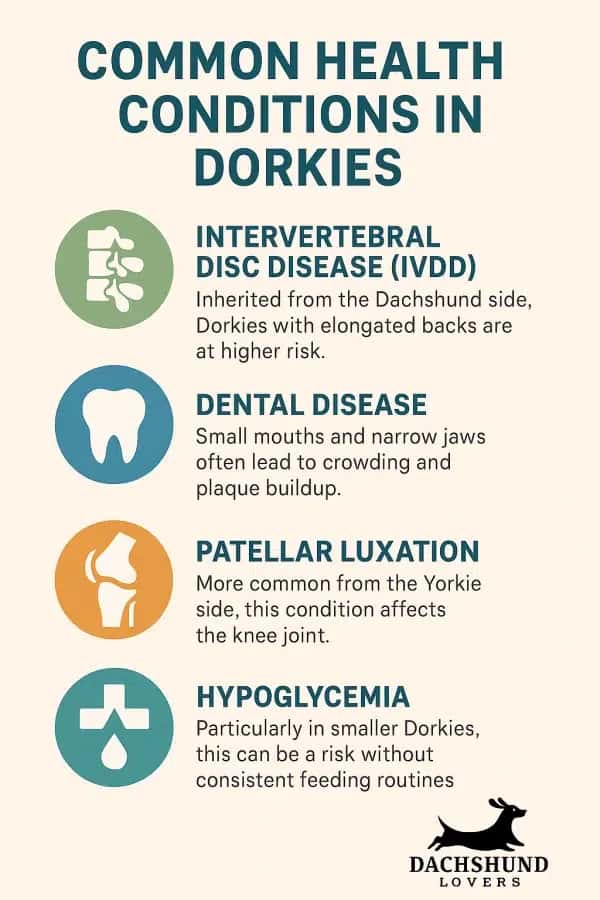
Some of the most frequently reported health concerns in adult Dorkies include:
- Intervertebral Disc Disease (IVDD): Inherited from their dachshund side, Dorkies with elongated backs are at higher risk. Learn more in our Dachshund IVDD Risk Guide.
- Dental Disease: Their small mouths and narrow jaws often lead to crowding and plaque buildup.
- Patellar Luxation: More common from the Yorkie side, this condition affects the knee joint.
- Hypoglycemia: Particularly in smaller Dorkies, this can be a risk without consistent feeding routines.
For a deeper look at breed-specific issues, refer to our Dorkie Health Guide which details symptoms to watch for and proactive care tips.
Preventive Care Recommendations
A few small, consistent habits go a long way in supporting a Dorkie’s health:
- Regular vet visits (annually at minimum)
- Daily dental brushing or dental chews
- Joint supplements starting at age 5
- Avoiding activities like jumping off high furniture
These are not just small-dog guidelines — they’re breed-appropriate essentials for a dog who often doesn’t know their own size.
Living with a Dorkie: What to Expect Daily
Living with a Dorkie is a rewarding experience — equal parts affectionate, amusing, and occasionally headstrong. These dachshund–Yorkie mixes are known for their loyalty, smarts, and compact size, but daily life with one isn’t always quiet. If you’re someone who values companionship with a dash of spunk, a Dorkie could be the perfect fit.
Daily Rhythm & Lifestyle
Dorkies tend to develop strong routines, often mirroring the lifestyle of their primary human. They wake when you do. They eat when you eat. And if you’re settling in with a book or working from home, chances are your Dorkie is curled up nearby, snoring gently.
Here’s a look at what a typical day might look like:
Time of Day | Dorkie Behavior | Notes |
|---|---|---|
Morning | High energy, eager to play | Great time for training sessions, brisk walks, or fetch |
Midday | Relaxed, naps, low-energy play | May become restless if understimulated — puzzle toys help |
Late Afternoon | Increased curiosity, light activity | Ideal for a second walk or a bit of backyard exploring |
Evening | Cuddly, wants to be close | Often happiest snuggled beside you on the couch |
Night | Quiet, alert to household sounds | May bark at disturbances — desensitization helps |
Because they inherit alertness from both parent breeds, many Dorkies act like tiny security guards. You’ll find they often respond to the doorbell faster than you do.
Emotional Attachment & Human Bond
This is not a breed that thrives in solitude. Dorkies form deep bonds with their people — often choosing one person as their “main human.” This can be charming but also challenging, particularly if they begin to show signs of separation anxiety.
To support a healthy relationship:
- Establish gentle routines early.
- Practice short departures and gradual alone-time training.
- Use interactive feeders or leave soft music on when out.
Many Dorkie owners report their dog becoming a sort of shadow — following them from room to room with an air of casual loyalty. If you’re someone who appreciates quiet companionship with a side of quirky independence, a Dorkie fits that niche beautifully.
For more insights into their temperament, visit our Dorkie Temperament & Personality Traits guide.
Yorkies and Dachshunds are both vocal breeds, which means barking is often part of a Dorkie’s communication style. They’re quick to alert you to unfamiliar sounds, movement outside the window, or guests arriving. Some barking is natural — but excessive barking can often be managed with proper structure, early training, and adequate daily stimulation.
Strategies to manage vocal tendencies:
- Reinforce quiet behavior with treats and praise.
- Avoid unintentional reward loops (e.g. responding every time they bark).
- Teach a “quiet” cue gradually using positive reinforcement.
If you’re currently raising a puppy, our Dorkie Puppies: Raising & Care Tips article includes specific advice for guiding them into calm, confident adults.
Feeding Your Dorkie Puppy: Nutrition for Growth & Energy
Feeding a Dorkie puppy well isn’t just about choosing the right kibble — it’s about supporting steady growth, balanced energy levels, and long-term health from day one. A cross between the energetic Dachshund and the spirited Yorkshire Terrier, Dorkies need a diet suited to their small frame but fast metabolism.
What to Look for in Puppy Food
Look for high-quality puppy formulas that list real meat as the first ingredient and contain a balance of:
Nutrient | Why It Matters |
|---|---|
Protein | Supports muscle development and energy |
Fat | Fuels activity and promotes coat and skin health |
Calcium | Essential for bone development |
Omega Fatty Acids | Enhances brain function and reduces inflammation |
Brands that meet AAFCO nutritional standards for puppies are a smart place to start. While there’s no “perfect” food for every Dorkie, some owners opt for small breed puppy blends such as Wellness Small Breed Puppy or Royal Canin Small Puppy — both of which offer nutrient-dense meals in a size-appropriate kibble.
For more on Dorkie health later in life, see our full guide: Dorkie Health & Lifespan Guide
Feeding Schedule for Dorkie Puppies
Until they’re six months old, aim to feed your Dorkie puppy three meals per day. Here’s a general guideline:
Age Range | Meals per Day | Notes |
|---|---|---|
8–12 weeks | 4 | Small portions, evenly spaced |
3–6 months | 3 | Transition to consistent routine |
6–12 months | 2 | Morning and evening meals |
Use a flat-bottomed bowl to help prevent whisker fatigue and avoid overfilling — small dogs can be prone to overeating if food is constantly available.
Human Foods to Avoid
Dorkies may beg, but steer clear of feeding them:
- Chocolate
- Grapes or raisins
- Onion and garlic
- Cooked bones
- Excessive cheese or fatty meats
For a complete list, refer to the ASPCA list of toxic foods.
Health Checks & Vaccinations for Your Dorkiev
Regular vet visits and timely vaccinations are the foundation of a healthy start. While Dorkies are generally sturdy for their size, their hybrid background means they can inherit health risks from either the Dachshund or the Yorkshire Terrier side.
First-Year Vaccination Schedule
Here’s a simplified view of the core vaccines your Dorkie will typically receive:
Age | Vaccine(s) | Notes |
|---|---|---|
6–8 weeks | DHPP (Distemper, Hepatitis, Parvovirus, Parainfluenza) | Initial core vaccination |
10–12 weeks | DHPP booster, Leptospirosis (optional) | Based on location and lifestyle |
12–16 weeks | Rabies, DHPP booster | Rabies required by law in most states |
16–18 weeks | Final DHPP + optional Bordetella (Kennel Cough) | Especially if attending puppy school or boarding |
For the most accurate schedule, consult your vet or use this guide from the American Veterinary Medical Association.
Common Health Screenings
Though every puppy is different, these early checks are especially relevant for Dorkies:
Screening Type | Purpose |
|---|---|
Patellar Luxation Exam | Common in both Yorkies and Dachshunds |
Spinal Evaluation | Looks for early signs of IVDD (Dachshund risk) |
Eye Exam | hecks for inherited conditions like PRA |
Heart & Lungs Check | Small breeds can develop murmurs or tracheal issues |
A thorough breeder will already have conducted some of these tests — but even if adopting, it’s worth doing a baseline check within the first few weeks.
Parasite Prevention
Ask your vet about monthly flea, tick, and heartworm protection tailored to small breeds. Prevention here is far easier — and safer — than treatment down the line.
Frequently Asked Questions
More From This Series:
Explore the full Dorkie collection:
- About Dorkie – The complete breed overview
- Dorkie Puppies – Buying, raising, and caring for a puppy
- Full Grown Dorkie – Size, behavior, and adult care
- Dorkie Temperament – Personality and behavior guide
- Dorkie Health & Lifespan – Common issues and preventive tips
- Long-Haired Dorkies – Grooming, coat types, and care
- Corgi vs. Dorkie – Comparing two small dog breeds
- Dapple Dorkie – A rare coat color variation
- Dorkie Price – Costs of owning a Dorkie
Authored by
James
James is the founder of Dachshund Lovers and the proud human of Harvey, a mini dapple with a big personality. He writes to empower and connect the dachshund community, blending founder insights with honest, experience-based stories about life with this incredible and special breed. James brings candid, experience-backed opinions to the community and always focused on fewer, better products and ideas that genuinely improve life for dachshunds and their people.
Read moreJames is the founder of Dachshund Lovers and the proud human of Harvey, a mini dapple with a big personality. He writes to empower and connect the dachshund community, blending founder insights with honest, experience-based stories about life with this incredible and special breed. James brings candid, experience-backed opinions to the community and always focused on fewer, better products and ideas that genuinely improve life for dachshunds and their people.
Read moreDisclaimer
This content is for informational purposes only and should not be considered veterinary advice. Always consult with a licensed veterinarian regarding your dog’s health and wellbeing.
There are no comments yet
Leave a comment