Introduction: Living with a Full Grown Dorgi
Introduction: Living with a Full Grown Dorgi
From quirky looks to confident attitudes, full grown Dorgis are as unique as their parent breeds. Here’s what to expect as your pup matures.
James
Posted on November 10, 2025.
Updated on July 19, 2026.
Table of Contents
- 1.Key Takeaways on Full Grown Dorgi
- 2.How Big Does a Dorgi Get?
- •Comparison with Parent Breeds
- •Average Height and Length
- •Typical Adult Weight
- •Why Weight Management Is Crucial
- •City vs Suburban Suitability
- •Growth Timeline
- 3.What is the Average Weight of a Full-Grown Dorgi?
- •Weight Ranges Compared to Parent Breeds
- •The Role of Diet and Exercise
- •How to Tell If Your Dorgi is Overweight
- •Weight-Related Health Risks
- •When to Consult a Vet
- 4.Do Dorgis Have Long Hair as Adults?
- •Coat Types in Full-Grown Dorgis
- •Grooming Needs
- •Coat Health and Diet
- 5.Temperament of Full-Grown Dorgi Dogs
- •Personality Highlights
- •Trainability
- •Family Compatibility
- •Mental Stimulation
- 6.Exercise and Care for Adult Dorgis
- •Daily Exercise Needs
- •Mental Stimulation
- •Grooming Routine
- •Diet and Weight Management
- •Veterinary Care
- -More From This Series:
- -Disclaimer
Share

The Dorgi has a personality that feels larger than life. A cross between the spirited Pembroke Welsh corgi and the determined dachshund, this hybrid thrives on connection, routine, and a sense of purpose. Spend just a few minutes with one and you’ll notice how quickly they shift from alert watchdog to affectionate lap companion — a mix of loyalty and playful independence that defines the dorgi breed.
To truly understand a Dorgi’s temperament, it helps to look at their parentage. From the corgi side, you get a social, intelligent, and slightly bossy streak. From the dachshund, a dash of stubbornness mixed with curiosity and bravery. Together, these qualities create a dog that’s both adaptable and opinionated — they’ll charm you with their wit but expect clear guidance and early socialization.
As the American Kennel Club (AKC) points out, both parent breeds are clever and strong-willed, which means training needs to be consistent and rooted in positive reinforcement. Whether you live in a compact apartment or a suburban home, a Dorgi will happily adapt as long as they’re given daily mental and physical exercise.
For a complete picture of the breed, you might explore our guides:
- About Dorgi – Breed history and hybrid background.
- Dorgi Puppies: Buying, Raising & Care Tips – Shaping temperament from day one.
- Full-Grown Dorgi: Size, Weight & Temperament – Behavior changes as they mature.
Key Takeaways on Full Grown Dorgi
Topic | Details |
|---|---|
Adult Size | Most Dorgi dogs stand 9–12 inches tall at the shoulder, with a long, low frame inherited from dachshunds. |
Adult Weight | A healthy adult Dorgi typically weighs 15–28 lbs (7–12 kg) — leaner builds are better for back health. |
Temperament | Smart, playful, and loyal. They’re alert like a corgi but have a stubborn streak from their dachshund side. |
Good With Kids? | Generally yes — affectionate and gentle, though young kids need guidance around their long backs. |
Exercise Needs | About 20–30 minutes of low-impact exercise twice daily, plus mental stimulation (puzzles, training). |
Coat Types | Short to medium coats; some Dorgis have a corgi-like double coat with seasonal shedding. |
Grooming | Smooth coats need weekly brushing; double coats benefit from 2–3 sessions a week during shedding seasons. |
Training | Best with positive reinforcement — they respond well to reward-based training and short sessions. |
Health Watch | Watch for IVDD (back issues), obesity, and dental problems. Weight control is critical for longevity. |
Next Step | For a closer look at behavior and compatibility, see Dorgi Temperament & Personality Traits. |
How Big Does a Dorgi Get?

The Dorgi — a cross between a dachshund and a Pembroke Welsh corgi — is classed as a small-to-medium designer breed, though its proportions are anything but standard. While they often inherit the elongated spine and shorter legs of the dachshund, their corgi lineage adds a slightly sturdier build and broader chest. This combination makes them both compact and strong, well-suited for apartment living yet capable of keeping up with daily walks.
On average, full-grown Dorgi dogs stand between 9–12 inches (23–30 cm) tall at the shoulder and weigh between 15–28 lbs (7–12 kg).
This range places them slightly larger than most miniature dachshunds but still smaller and lighter than many purebred corgis.
Comparison with Parent Breeds
To better understand a Dorgi’s size, it helps to compare with its parent breeds:
- Dachshunds: According to the American Kennel Club (AKC), standard dachshunds typically stand 8–11 inches tall and weigh 16–32 lbs, while miniature dachshunds weigh under 11 lbs.
- Pembroke Welsh Corgis: The AKC lists the corgi’s height at 10–12 inches with a weight range of 22–30 lbs.
A Dorgi’s final size usually falls somewhere between these ranges, depending on which parent’s genes dominate.
Average Height and Length
While their height aligns closely with both parent breeds, their body length is typically longer due to the dachshund influence. This can affect movement and posture, often giving Dorgis the recognizable “low and long” look that dachshund lovers know so well.
Key Size Details:
- Height: 9–12 inches (23–30 cm).
- Length: Proportionally longer than their height (particularly spine length).
- Frame: Compact, with a slight muscular build inherited from corgis.
Typical Adult Weight
A healthy adult Dorgi usually weighs 18–24 lbs (8–11 kg), though weights between 15–28 lbs are considered normal depending on genetics, diet, and exercise.
Weight factors include:
- Parent Breed Size: Dorgis from smaller dachshund lines will naturally be lighter.
- Feeding Habits: Overfeeding during the puppy stage can push a Dorgi beyond its ideal range. Our Dorgi Puppies Guide explains portion sizes for growth phases.
- Activity Levels: Sedentary Dorgis may gain weight faster, increasing strain on joints and spine.
Why Weight Management Is Crucial
Due to their long backs, Dorgis are susceptible to intervertebral disc disease (IVDD) — a condition that can cause pain, reduced mobility, and in severe cases, paralysis. According to VCA Animal Hospitals, maintaining a lean body condition is the most effective way to reduce IVDD risks in breeds with elongated spines.
Signs of Healthy Weight:
- You can feel, but not see, the ribs.
- The dog has a visible waist when viewed from above.
- The abdomen tucks up slightly when viewed from the side.
For ongoing health tips, visit our Dorgi Health & Lifespan Guide.
City vs Suburban Suitability
A Dorgi’s manageable size makes them adaptable to urban living as well as suburban environments. Their small stature means they don’t require a large backyard — a few daily walks and interactive play sessions are enough to keep them healthy.
They’re well-suited for:
- Apartment living with access to nearby parks.
- Homes where owners can manage stairs (ramps are advised to protect their back).
- Families who want a dog that’s small enough to carry but sturdy enough for play.
Growth Timeline
Most Dorgis reach their full adult height by 10–12 months, while their weight may continue to fill out until around 14 months. Tracking growth and adjusting food portions accordingly will help ensure they don’t become overweight during this stage.
Would you like me to continue with “What is the Average Weight of a Full-Grown Dorgi?” — expanding it with:
- Detailed feeding and weight-control strategies.
- Trusted references from AKC, PetMD, and VCA.
What is the Average Weight of a Full-Grown Dorgi?
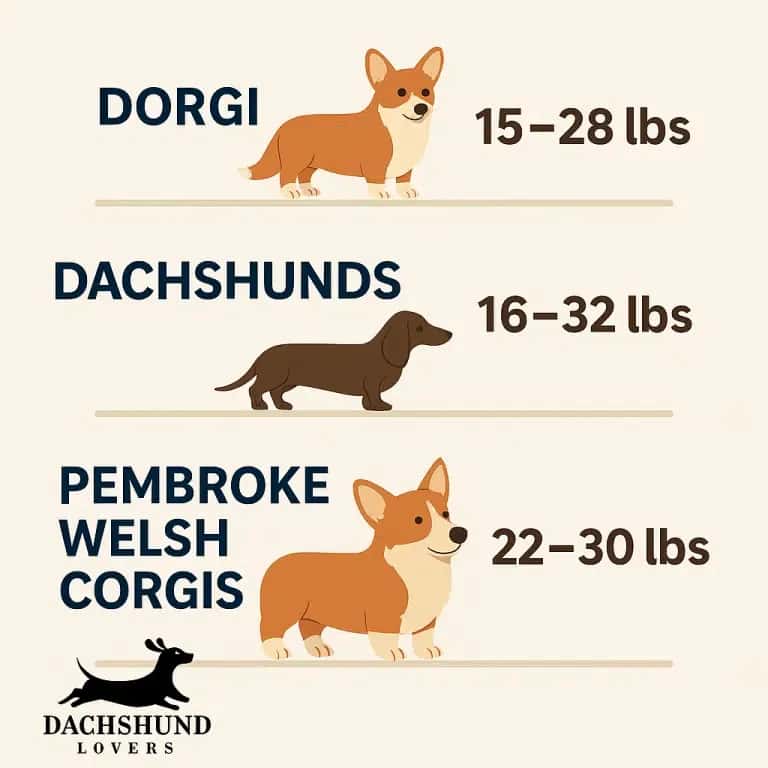
A full-grown Dorgi typically weighs between 18–24 lbs (8–11 kg), though a range of 15–28 lbs (7–12 kg) is considered healthy depending on genetics, gender, and build. Dorgis that inherit more corgi traits tend to sit at the higher end of the range, while those with a miniature dachshund lineage are usually lighter.
Weight Ranges Compared to Parent Breeds
To better understand this range, let’s look at the parent breeds:
- Dachshunds: According to the American Kennel Club (AKC), standard dachshunds typically weigh 16–32 lbs, while miniatures weigh under 11 lbs.
- Pembroke Welsh Corgis: The AKC lists the corgi’s ideal adult weight between 22–30 lbs.
Since the Dorgi sits between these two parent breeds, their weight naturally falls within this 15–28 lbs range.
The Role of Diet and Exercise
Maintaining your Dorgi’s ideal weight is essential to prevent obesity and related health concerns. Overfeeding or excessive treats can lead to weight gain, which is especially dangerous for Dorgis due to their elongated spine and risk of intervertebral disc disease (IVDD) (VCA Animal Hospitals).
Feeding Tips:
- Use a measured feeding schedule rather than free-feeding.
- Stick to high-quality small-breed dog food with a protein content around 22–26%.
- Limit treats to 10% of daily calories and opt for healthy options like carrot slices or freeze-dried lean meats.
Exercise Guidelines:
- Daily Walks: 20–30 minutes of light walks twice per day is ideal.
- Low-Impact Play: Puzzle toys, indoor fetch (with rolling balls), or short scent games help burn calories without putting stress on their back.
- Avoid stair climbing and high-impact jumping.
.
How to Tell If Your Dorgi is Overweight
According to PetMD, you can use a simple body check:
- Ribs: You should be able to feel, but not see, the ribs.
- Waistline: A slight waistline should be visible when viewed from above.
- Abdominal Tuck: From the side, the abdomen should tuck slightly behind the ribs.
If your Dorgi looks rounded or you can’t easily feel the ribs, consult your vet about a weight-loss plan.
Carrying extra weight puts strain on the spine and joints. Dorgis are particularly susceptible to:
- IVDD (Intervertebral Disc Disease): A condition common in dachshund mixes, where excess weight can worsen spinal compression.
- Hip and Joint Problems: Especially in corgi-heavy lines.
- Metabolic Disorders: Including diabetes and heart issues, which are more common in overweight small breeds.
For preventative care and long-term health management, see our Dorgi Health & Lifespan Guide.
When to Consult a Vet
If your Dorgi is outside the 15–28 lbs range or shows signs of lethargy, difficulty moving, or rapid weight gain, a vet can assess whether dietary changes, exercise adjustments, or further testing is needed.
Do Dorgis Have Long Hair as Adults?
A full-grown Dorgi’s coat can range from short and sleek to medium-length with slight feathering, depending on which parent breed they take after. Most Dorgis have a short to medium coat similar to the dachshund’s, but if the corgi’s double coat is dominant, they may develop thicker, slightly longer fur around the chest, neck, and tail.
For a detailed overview of coat types and variations, visit our About Dorgi guide.
Coat Types in Full-Grown Dorgis
- Short Coat: Smooth, low-maintenance, and similar to a standard dachshund.
- Medium or Feathered Coat: Slightly longer fur, especially on the ears, legs, and chest. This is more common in Dorgis with a corgi parent carrying a dense double coat.
- Seasonal Shedding: Dorgis with double coats will shed more heavily in spring and autumn, while short-coated Dorgis shed lightly year-round.
Grooming Needs
Even though Dorgis aren’t considered high-maintenance dogs, regular grooming helps keep their coat healthy and free of loose hair.
For Short Coats:
- Brush once a week using a soft bristle brush or grooming glove.
- Bath every 6–8 weeks with a dog-safe shampoo.
For Medium or Double Coats:
- Brush 2–3 times per week with a slicker brush to prevent matting.
- Use a de-shedding tool during heavy seasonal shedding.
Our Dorgi Puppies Guide includes tips for introducing grooming habits early to make adult coat care stress-free.
Are Dorgis Hypoallergenic?
No, Dorgis are not hypoallergenic. Both dachshunds and corgis shed, so regular brushing and vacuuming are necessary if you want to keep loose hair under control. For allergy management, consider adding a pet-specific air filter in your home and scheduling consistent grooming sessions.
Coat Health and Diet
A healthy coat starts with proper nutrition. High-quality dog food with balanced omega-3 and omega-6 fatty acids supports skin health and reduces excessive shedding. Supplements such as fish oil may also improve coat shine, but always check with your vet before adding anything new to their diet.
Temperament of Full-Grown Dorgi Dogs
A full-grown Dorgi’s temperament is an engaging blend of the playful corgi and the loyal, determined dachshund. They are smart, curious, and affectionate dogs that enjoy being close to their owners, often following them from room to room. While small in stature, their personality is anything but — they’re alert, social, and sometimes a little stubborn.
For a deeper dive into their personality, see Dorgi Temperament & Personality Traits.
Personality Highlights
- Loyal and Bonded: Dorgis form strong attachments to their families and often develop a “shadow” behavior, following you wherever you go.
- Playful Energy: They’re happiest with interactive games and mental challenges like puzzle feeders or scent work.
- Alert and Vocal: Dorgis have a natural watchdog instinct and will bark to alert you of new people or noises, a trait inherited from both parent breeds.
- Stubborn Streak: Like dachshunds, they can show a bit of independence, which means consistent, positive reinforcement training is essential.
Trainability
Dorgis are highly intelligent, making them quick learners when training sessions are structured and fun. However, they don’t respond well to harsh discipline.
Best Training Approaches:
- Short sessions (5–10 minutes) with high-value treats.
- Positive reinforcement (praise, rewards, play).
- Early socialization to build confidence around new people, pets, and environments.
For early training tips, refer to Dorgi Puppies: Buying, Raising & Care Tips.
Family Compatibility
Dorgis are generally excellent family dogs. Their playful energy makes them a great match for families with children, but because of their long backs, it’s crucial to teach kids how to handle them properly — no rough play, and no lifting the dog by the torso. They also do well with other dogs and even cats if introduced early.
Mental Stimulation
Because they’re intelligent and active, Dorgis need regular mental challenges to prevent boredom. Without it, they can develop undesirable behaviors like excessive barking or chewing. Rotating puzzle toys and incorporating daily training sessions can keep their mind engaged.
Exercise and Care for Adult Dorgis

Adult Dorgis are moderately active dogs that need a balance of daily exercise and mental stimulation to stay healthy and happy. Their energy levels are higher than a purebred dachshund but slightly less intense than a corgi. A mix of short walks, interactive play, and puzzle-based activities works best.
For long-term wellness and joint care, refer to our Dorgi Health & Lifespan Guide.
Daily Exercise Needs
- Walks: Aim for 20–30 minutes of walking twice daily. Low-impact surfaces like grass or pathways are preferable to hard pavement to reduce stress on joints.
- Play Sessions: Indoor fetch (using a rolling ball), hide-and-seek, or scent games are excellent low-impact activities.
- Avoid Over-Exertion: Jumping, running on stairs, or overly vigorous play can strain their long backs and lead to conditions like intervertebral disc disease (IVDD) (VCA Animal Hospitals).
Mental Stimulation
A bored Dorgi can quickly become vocal or mischievous. To prevent this:
- Puzzle Feeders: Extend mealtime and engage their problem-solving instincts.
- Training Drills: 5–10 minutes of obedience work (sit, stay, recall) doubles as both mental and physical activity.
- Toy Rotation: Swap out chew toys weekly to keep their interest fresh.
Grooming Routine
Grooming frequency depends on coat type (short or double coat), but a weekly brush for short coats and 2–3 times per week for medium/double coats is ideal. Pair brushing with a quick check for ticks or skin irritations after outdoor walks.
For full grooming and seasonal coat care, see our section Do Dorgis Have Long Hair as Adults?.
Diet and Weight Management
- Meals: 2 balanced meals per day using high-quality small-breed adult dog food.
- Treats: Keep treats under 10% of daily caloric intake to avoid weight gain.
- Hydration: Fresh water should always be available, especially after walks or play.
Weight management is key for their spine health — tips and feeding schedules are detailed in the Dorgi Health & Lifespan Guide.
Veterinary Care
Annual vet visits are essential to monitor weight, dental health, and any signs of spinal or joint issues. Dental cleaning is particularly important, as smaller breeds like Dorgis are prone to tartar buildup and gum disease.
Frequently Asked Questions (FAQs)
More From This Series:
Explore more in our Dorgi series:
- About Dorgi: Complete breed overview and history.
- Dorgi Puppies: Buying, Raising & Care Tips: From finding a puppy to early training.
- Dorgi for Sale & Adoption: Trusted breeder and rescue advice.
- Dorgi Temperament & Personality Traits: Behavioral insights and training.
- Dorgi Health & Lifespan Guide: Preventative care and long-term wellness tips
Authored by
James
James is the founder of Dachshund Lovers and the proud human of Harvey, a mini dapple with a big personality. He writes to empower and connect the dachshund community, blending founder insights with honest, experience-based stories about life with this incredible and special breed. James brings candid, experience-backed opinions to the community and always focused on fewer, better products and ideas that genuinely improve life for dachshunds and their people.
Read moreJames is the founder of Dachshund Lovers and the proud human of Harvey, a mini dapple with a big personality. He writes to empower and connect the dachshund community, blending founder insights with honest, experience-based stories about life with this incredible and special breed. James brings candid, experience-backed opinions to the community and always focused on fewer, better products and ideas that genuinely improve life for dachshunds and their people.
Read moreDisclaimer
This content is for informational purposes only and should not be considered veterinary advice. Always consult with a licensed veterinarian regarding your dog’s health and wellbeing.
There are no comments yet
Leave a comment