Beagle Dachshund Mix Size & Growth Chart
Beagle Dachshund Mix Size & Growth Chart
From floppy ears to wagging tails see how a full grown Beagle Dachshund mix develops, and why their adult personality might surprise you. Learn more.

Ellie
Posted on November 8, 2025.
Updated on July 20, 2026.
Table of Contents
- 1.Key Takeaways: Beagle Dachshund Mix Size
- 2.How Big Does a Full-Grown Beagle Dachshund Mix Get?
- •Growth Timeline of a Beagle Dachshund Mix
- •Beagle vs. Dachshund Size Influence
- •Why Size Matters
- 3.Beagle Dachshund Mix Growth Stages & Healthy Weight Management
- •Why Understanding Growth Matters
- •Puppy Growth Stages (0–6 Months)
- •Adolescent Stage (6–12 Months)
- •Adulthood (12–24 Months)
- •Healthy Weight Management for Doxles
- •Sample Growth Chart
- •Why Tracking Growth Prevents Problems
- 4.Beagle vs. Dachshund Size Comparison: Where Doxles Fit
- •Size Comparison Chart
- •Why Knowing Their Size Matters
- •Beagle Energy vs. Dachshund Build
- 5.Doxle Growth Timeline: From Puppyhood to Adulthood
- •Month-by-Month Growth Overview
- •Doxle Growth Chart
- •Tips for Managing Healthy Growth
- 6.Healthy Weight Management: Preventing IVDD and Obesity in Doxles
- •Why Weight Matters for Doxles
- •Ideal Weight Range
- •Feeding for a Healthy Weight
- •Exercise for Weight and Spine Health
- •Monitoring Growth and Weight
- •Signs Your Doxle is Overweight
- •Prevention is Easier Than Treatment
- -More From This Series:
- -Disclaimer
Share

The first time I saw a fully grown Doxle, I wasn’t sure if I was looking at a small beagle or a stretched-out dachshund. It was at Grind in Cronulla. The dog — a stocky but long-bodied character named Benny — had the confident trot of a beagle but with that unmistakable dachshund length. His owner laughed when I asked about his size: “We thought he’d stay small like a wiener dog… and then one day, he just stopped growing at 27 pounds.”
That’s the reality of beagle dachshund mix size — it’s not as predictable as a purebred. Depending on which parent’s genes dominate, your Doxle might be closer to a 15-pound miniature dachshund or a sturdier 30-pound beagle build. Understanding their growth patterns helps you plan everything from feeding schedules to harness sizes and whether ramps are needed to protect their back — something every dachshund mix owner should consider.
According to the American Kennel Club (AKC) Dachshund profile, standard dachshunds weigh between 16–32 pounds, while miniature dachshunds are under 11 pounds. Beagles, on the other hand, typically weigh 20–30 pounds and stand 13–15 inches tall (AKC Beagle Standard). A Doxle almost always lands somewhere between these numbers.
This article breaks down:
- How big a full-grown beagle dachshund mix gets
- Puppy growth stages (month-by-month)
- Healthy weight management tips
- Why knowing their size matters for health and training
If you’re still exploring Doxle traits beyond size, you might also enjoy our Beagle Dachshund Mix: The Complete Doxle Guide or our detailed Beagle Dachshund Mix Temperament article.
Key Takeaways: Beagle Dachshund Mix Size
Topic | Summary |
|---|---|
Full-Grown Size | Most Doxles weigh 15–30 lbs and stand 9–11 inches tall. (AKC Beagle, AKC Dachshund) |
Growth Timeline | Typically reach adult size by 12–15 months, with muscle tone filling out until 18–24 months. |
Beagle Influence | Beagle-heavy mixes are stockier, often 25–30 lbs with taller legs. |
Dachshund Influence | Dachshund-heavy mixes are slimmer and longer, often 15–22 lbs. |
Health Considerations | Keep weight lean to reduce IVDD risks from dachshund genetics. |
How Big Does a Full-Grown Beagle Dachshund Mix Get?
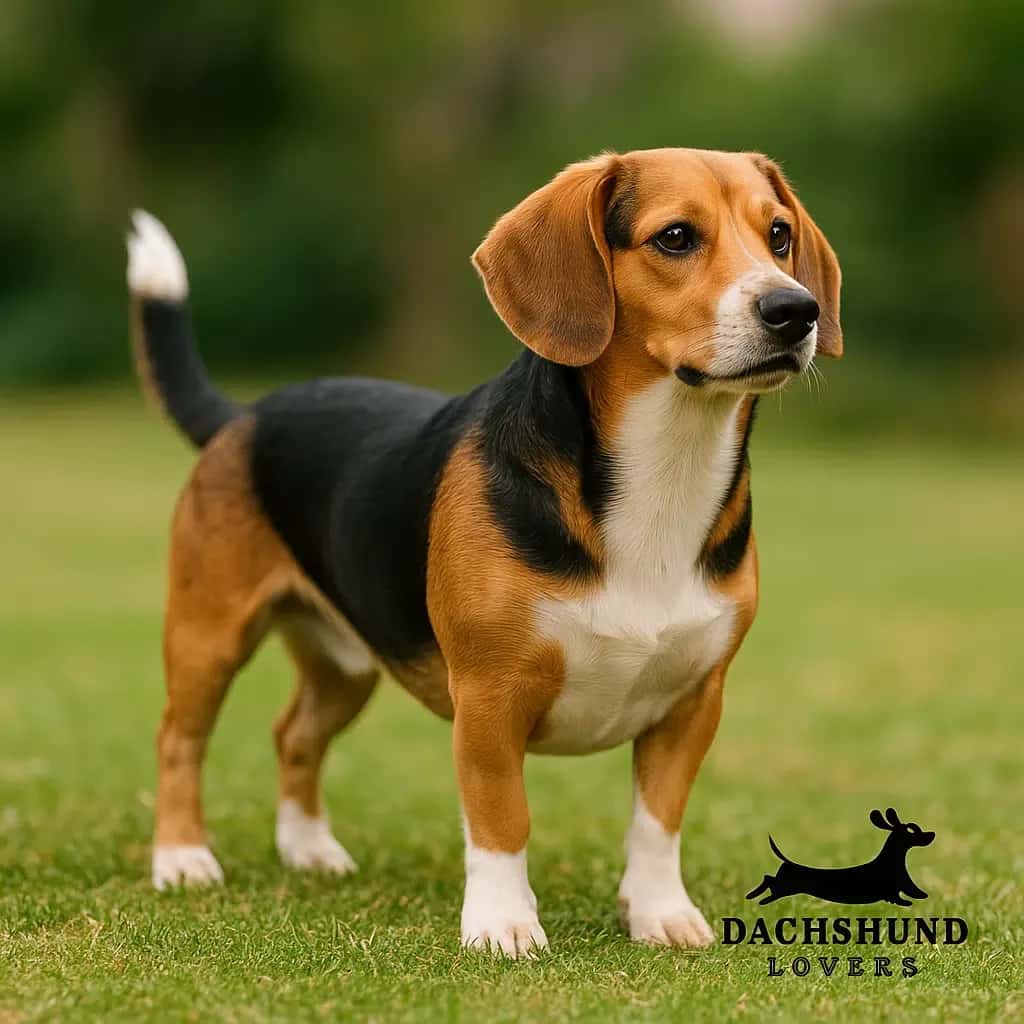
When you first bring home a Doxle puppy, it’s hard to know where they’ll land on the size spectrum. Will they stay compact and low like a mini dachshund? Or will they fill out like a sturdier beagle? The truth is, this mix usually lands somewhere in between — 15 to 30 pounds on average, with a height of 9–11 inches at the shoulder. But as with all crossbreeds, size can vary based on which parent’s genetics dominate.
According to the American Kennel Club (AKC) Dachshund standard, a standard dachshund weighs between 16–32 pounds and stands around 8–9 inches tall, while a miniature dachshund weighs 11 pounds or less. Beagles, on the other hand, have two standard sizes recognized by the AKC:
- 13-inch beagles: 20 pounds or less
- 15-inch beagles: 20–30 pounds (AKC Beagle Standard)
A Doxle often takes a “middle ground” build — shorter legs like a dachshund but a slightly stockier body that resembles the beagle.
Growth Timeline of a Beagle Dachshund Mix
Age | Weight Range | Height Range | Notes |
|---|---|---|---|
8–12 weeks | 4–7 lbs (1.8–3.1 kg) | 5–7 inches (12–18 cm) | Socialization window opens — start early training. |
4–6 months | 8–15 lbs (3.6–6.8 kg) | 7–9 inches (18–23 cm) | Puppy growth spurt — moderate exercise only. |
6–12 months | 12–20 lbs (5.4–9 kg) | 8–10 inches (20–25 cm) | Adult shape begins forming. |
12–18 months | 15–30 lbs (7–13.5 kg) | 9–11 inches (23–28 cm) | Fully grown; muscle tone develops until 18–24 months. |
Beagle vs. Dachshund Size Influence
- Beagle-heavy Doxles: Tend to be stockier, with a barrel-shaped chest and stronger legs, weighing closer to 25–30 pounds.
- Dachshund-heavy Doxles: Slimmer and longer, often 15–22 pounds, with shorter legs and a lower profile.
- Balanced mixes: Typically around 20–24 pounds and 10 inches tall — a sweet spot for apartment living or smaller homes.
Why Size Matters
Knowing your Doxle’s projected size isn’t just for curiosity — it influences everything from harness choices to diet plans. Because of their dachshund genes, Doxles are prone to intervertebral disc disease (IVDD), a back condition that worsens if they carry extra weight. A lean body keeps stress off their spine and joints. As VCA Animal Hospitals notes, “Weight management is the single most effective preventive measure for IVDD in long-backed breeds.”
Beagle Dachshund Mix Growth Stages & Healthy Weight Management
Raising a Doxle puppy is a bit like watching two distinct personalities fight for the spotlight — not just in behavior but also in size and structure. One month they look like a stretched-out dachshund, the next they fill out with that beagle sturdiness. No two Doxles grow at exactly the same pace, which is why tracking beagle dachshund mix growth stages is so important. It helps you avoid overfeeding, plan the right exercise, and keep their spine safe — especially if they inherit the dachshund’s longer body.
Why Understanding Growth Matters
Knowing how your Doxle’s body will develop is about more than curiosity — it’s about health management. As the American Kennel Club (AKC) points out, dachshunds are prone to intervertebral disc disease (IVDD), a spinal issue made worse by excess weight. Beagles, on the other hand, are notorious for overeating and gaining weight if not carefully monitored (AKC Beagle Profile). A Doxle inherits both tendencies, meaning a healthy weight is your best defense against long-term joint and spine problems.
Puppy Growth Stages (0–6 Months)
0–8 Weeks
Most breeders keep Doxle puppies with their mother until they’re at least 8 weeks old, ensuring they get proper nutrition and socialization. At this age, they weigh just 4–7 pounds (1.8–3 kg) — small enough to carry in one arm — but they’re growing fast. Early exposure to gentle handling and sounds (like vacuum cleaners, cars, or other pets) helps set the tone for their confident temperament.
8–12 Weeks
By the time you bring your Doxle home, they’ll likely weigh around 5–10 pounds, depending on whether they lean toward the beagle or dachshund side. Their growth is rapid, and feeding them 3–4 small, protein-rich meals per day keeps their energy balanced. According to the American Veterinary Medical Association (AVMA), this is the “golden window” for socialization — take them to new places, meet people, and start crate or potty training.
3–6 Months
By 6 months, most Doxles hit 12–18 pounds and 7–9 inches tall. This is when they enter their “teenage phase,” testing boundaries and experimenting with independence. You’ll notice growth spurts, bursts of energy, and possibly a stubborn streak when training. Moderate exercise is best — avoid letting them jump off furniture or tackle stairs, as their spine is still developing.
Adolescent Stage (6–12 Months)
Between 6 and 12 months, growth slows but doesn’t stop. By their first birthday, your Doxle will likely weigh 15–25 pounds and stand around 9–10 inches tall. They’ll begin looking more “adult,” with a defined chest and muscle tone starting to develop.
This stage is critical for building healthy habits:
- Keep meals consistent (2–3 portions daily).
- Begin more structured exercise, like 20–30 minute walks combined with playtime.
- Incorporate mental stimulation — puzzle toys, sniffing games, or basic agility exercises (low-impact).
As DogTime notes, beagles thrive when their intelligent noses are put to work. The same is true for a Doxle; scent games are as important as physical exercise.
Adulthood (12–24 Months)
By 12–15 months, a Doxle is usually at full adult height (9–11 inches) and adult weight (15–30 pounds). However, their muscle tone continues to fill out until about 18–24 months. This is the time to shift from puppy to adult food, focusing on maintaining lean muscle mass while preventing unnecessary weight gain.
Real-world example:
Benny, the Doxle I mentioned earlier from Cronulla, was already 25 pounds at 12 months — but his vet recommended holding that weight steady. His owner switched to measured feeding and introduced low-impact activities like beach walks and puzzle feeders to keep his body strong without adding strain.
Healthy Weight Management for Doxles
- Feeding Guidelines
- Puppies: 3–4 small meals per day until 6 months old.
- Adults: 2 meals per day, with treats making up no more than 10% of daily calories.
- Seniors: Adjust portions for lower activity levels but maintain protein for muscle health.
- Watch the Calories
Beagles have a reputation for “food obsession,” and dachshunds aren’t far behind. Use measured portions and avoid free-feeding. As VCA Animal Hospitals notes, maintaining a healthy weight early on sets the stage for better joint and spine health later in life. - Portion Control and Treats
Choose low-calorie, high-value treats (like small cubes of chicken) and break them into pea-sized pieces during training sessions. Overweight Doxles are more likely to suffer from IVDD, which can be life-changing. - Low-Impact Exercise
Daily walks, moderate fetch sessions, and scent-based games keep them active without risking spinal strain. Avoid letting them jump from couches or climb stairs repeatedly. - Regular Weight Checks
You should be able to feel your Doxle’s ribs under a thin layer of muscle but not see them. If you can’t feel ribs easily, it’s time to reduce calories or increase exercise.
Sample Growth Chart
Age | Weight Range | Height Range | Notes |
|---|---|---|---|
8–12 weeks | 4–7 lbs (1.8–3.1 kg) | 5–7 inches (12–18 cm) | Start leash and crate training. |
4–6 months | 8–15 lbs (3.6–6.8 kg) | 7–9 inches (18–23 cm) | Growth spurt — avoid overfeeding. |
6–12 months | 12–20 lbs (5.4–9 kg) | 8–10 inches (20–25 cm) | Begin structured exercise. |
12–18 months | 15–30 lbs (7–13.5 kg) | 9–11 inches (23–28 cm) | Fully grown; muscle tone improves. |
Why Tracking Growth Prevents Problems
Doxles that grow too fast or carry extra weight early on are more prone to joint injuries and IVDD. Growth tracking helps you catch weight spikes early and adjust their diet or exercise routine. It also ensures they stay within the “healthy range” recommended by vets for long-backed dogs.
For more detail on feeding schedules, coat health, and grooming tips, see our Beagle Dachshund Mix Grooming & Diet Guide.
Beagle vs. Dachshund Size Comparison: Where Doxles Fit
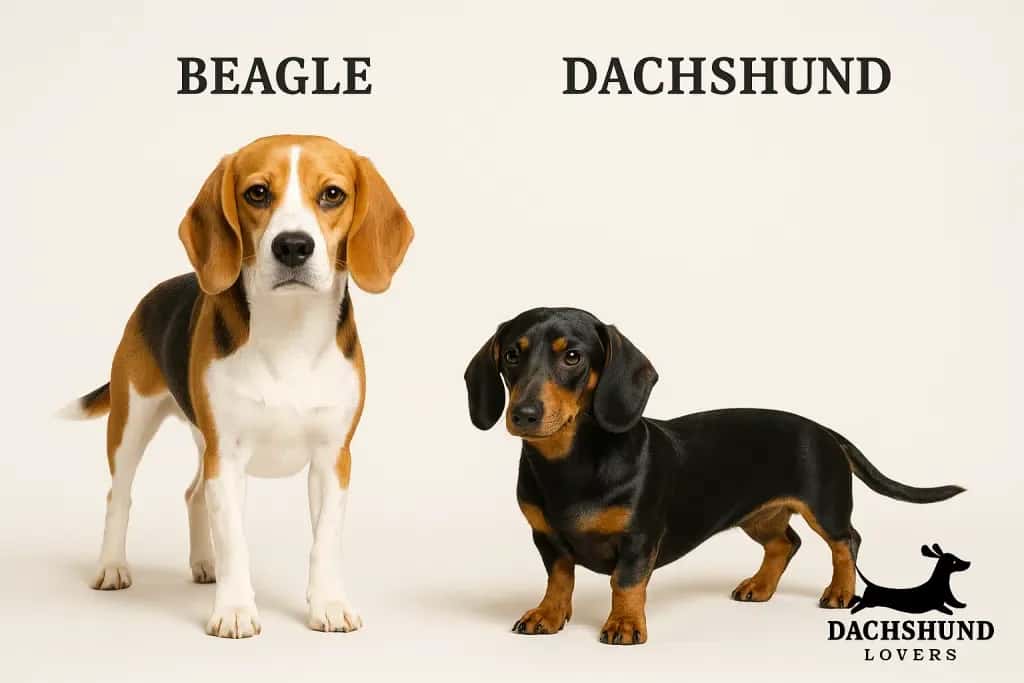
When you look at a Doxle, you can almost see the blueprint of both parent breeds — the beagle’s sturdy frame mixed with the dachshund’s long, low silhouette. But where exactly do they sit on the size scale? To figure this out, it helps to compare their stats with those of purebred beagles and dachshunds.
The American Kennel Club (AKC) sets beagle standards at 20–30 pounds and 13–15 inches tall, while AKC dachshunds are split into standard (16–32 pounds) and miniature (11 pounds or less). A Doxle, unsurprisingly, usually falls between these ranges — but with a body shape that leans toward the dachshund.
Size Comparison Chart
Breed | Weight Range | Height (at Shoulder) | Body Shape |
|---|---|---|---|
Beagle | 20–30 lbs | 13–15 inches | Compact, athletic frame. |
Dachshund | 16–32 lbs (standard), <11 lbs (mini) | 8–9 inches (standard), 5–6 inches (mini) | Long body, short legs. |
Beagle-Dachshund Mix (Doxle) | 15–30 lbs | 9-11 inches | Mid-length body, moderate leg height. |
Why Knowing Their Size Matters
- Harness and Collar Fitting:
A Doxle’s body proportions — long back and slightly broader chest — mean a Y-style harness is safer than a collar, as it distributes pressure across their chest without straining their spine. - Furniture and Back Safety:
Regardless of size, their spine is always a concern. A 30-pound Doxle jumping off a sofa is at risk of IVDD, just like a smaller dachshund. Ramps or stairs are essential tools for any Doxle household. - Dietary Planning:
A beagle-sized appetite in a smaller dachshund-like body can quickly lead to obesity. Keeping them lean (toward the lower end of the weight range) reduces stress on their joints and spine.
Beagle Energy vs. Dachshund Build
It’s worth noting that while a Doxle’s size might resemble a dachshund’s, their energy levels often mirror a beagle’s. Beagles are bred for endurance, while dachshunds have bursts of energy followed by downtime. A Doxle is somewhere in between — they’ll happily join you for a 45-minute walk but also enjoy sprawling on the couch afterwards.
For a detailed breakdown of daily exercise needs, see our Beagle Dachshund Mix Temperament Guide, which covers energy levels and personality traits.
Doxle Growth Timeline: From Puppyhood to Adulthood
Doxle growth is a journey of transformation. One month, your puppy is a tiny, wobbly creature with oversized ears, and the next, they’re a confident little hound with the curiosity of a beagle and the boldness of a dachshund. Tracking their growth stages helps you understand when to adjust feeding, introduce training milestones, and keep their spine and joints safe as they develop.
Month-by-Month Growth Overview
0–8 Weeks: The Foundation Stage
Most Doxle puppies are still with their breeder during this stage. They weigh between 4–7 pounds (1.8–3 kg) and rely on their mother’s milk or high-quality puppy food. Breeders often begin basic socialization gentle handling, exposure to sounds, and introducing puppy-safe toys.
By 8 weeks, your Doxle will likely be ready to come home. This is when crate training and early potty training should start. For practical tips, see our Beagle Dachshund Mix Puppies Guide.
8–12 Weeks: Socialization Window
This is the “golden period” for introducing your Doxle to new experiences, people, and environments. According to the American Veterinary Medical Association (AVMA), puppies that experience positive exposure during this time grow into more confident, adaptable adults.
At this stage, your puppy will weigh 5–10 pounds and grow quickly. Feed them 3–4 small meals a day with a focus on balanced nutrition high-protein kibble designed for small breeds works well. Light play sessions and very short walks are ideal.
3–6 Months: The Puppy Growth Spurt
By six months, most Doxles are 12–18 pounds and stand 7–9 inches tall. This stage is full of energy and curiosity and also stubbornness. Training sessions should be short (5–10 minutes) but frequent. Because of their dachshund genes, avoid allowing them to jump off furniture, as their spine is still developing.
6–12 Months: Adolescence and Muscle Development
From 6 to 12 months, your Doxle slows down in height growth but continues to fill out in muscle and chest structure. By their first birthday, they’ll weigh 15–25 pounds, with some larger mixes reaching close to 30 pounds.
This stage is also when their energy levels peak. The AKC Beagle Standard highlights beagles’ need for daily exercise, and Doxles inherit the same drive. Aim for 30–45 minutes of daily activity, including walks, sniffing games, or indoor puzzle toys.
12–24 Months: Reaching Adulthood
Your Doxle is considered fully grown by 12–15 months, but muscle tone and body condition continue to refine until about 24 months. At this stage, switch from puppy food to an adult formula. Weight management becomes crucial: keeping them lean is the single best way to avoid IVDD and joint issues, as outlined by VCA Animal Hospitals.
Doxle Growth Chart
Age | Weight Range | Height Range | Notes |
|---|---|---|---|
8–12 weeks | 4–7 lbs (1.8–3.1 kg) | 5–7 inches (12–18 cm) | Focus on crate training and socialization. |
3–6 months | 8–15 lbs (3.6–6.8 kg) | 7–9 inches (18–23 cm) | Puppy growth spurt — avoid high jumps. |
6–12 months | 12–20 lbs (5.4–9 kg) | 8–10 inches (20–25 cm) | Start structured training and leash walking. |
12–18 months | 15–30 lbs (7–13.5 kg) | 9–11 inches (23–28 cm) | Fully grown; maintain lean muscle tone. |
Tips for Managing Healthy Growth
- Balanced Diet: Feed high-protein, small-breed puppy food in the early months, transitioning to adult food by 12 months. Our Beagle Dachshund Mix Grooming & Diet Guide covers recommended brands and feeding schedules.
- Portion Control: Doxles love food — both parent breeds are prone to overeating. Overweight puppies are more likely to face spine and joint issues.
- Low-Impact Exercise: Focus on controlled walks and scent-based games rather than rough jumping or stair climbing. Ramps are a great investment for preventing IVDD risks.
- Regular Vet Checks: Growth evaluations during vet visits can catch early signs of rapid weight gain or musculoskeletal concerns.
Training Early: Good behavior habits (like walking calmly on a lead) should start by 10–12 weeks. This helps balance their energy and keeps them mentally engaged.
Healthy Weight Management: Preventing IVDD and Obesity in Doxles
One of the biggest challenges with beagle dachshund mix size isn’t just predicting how big they’ll get — it’s keeping them at a healthy weight once they’re fully grown. A few extra pounds on a Doxle can have serious consequences, especially if they inherit the dachshund’s long back. Extra weight adds unnecessary strain on their spine and joints, increasing the risk of intervertebral disc disease (IVDD) and other musculoskeletal problems.
Why Weight Matters for Doxles
According to VCA Animal Hospitals, keeping long-backed breeds lean is one of the most effective ways to reduce IVDD risks. Dachshunds are naturally predisposed to spinal issues due to their elongated vertebrae and short legs, and a Doxle inherits some of these physical traits.
Beagles, on the other hand, are known for their love of food. As the AKC Beagle Profile notes, beagles are “determined and food-driven,” which can easily lead to weight gain if owners aren’t careful. A Doxle combines these two traits — a dog that loves eating but needs careful portion control to stay healthy.
Ideal Weight Range
For most Doxles, a healthy adult weight is 15–30 pounds (7–13.5 kg). Dogs with a leaner, dachshund-heavy build tend to weigh between 15–22 pounds, while beagle-heavy mixes might sit closer to 25–30 pounds.
Quick check: You should be able to feel your Doxle’s ribs without pressing too hard but not see them sticking out. If you can’t easily feel the ribs, it’s time to adjust their diet and activity levels.
Feeding for a Healthy Weight
- Portion Control is Key
A common mistake new Doxle owners make is overfeeding. Unlike some breeds that self-regulate, Doxles will happily eat until the bowl is empty — and then look at you like they’re starving. Use a kitchen scale or measuring cup for every meal to avoid overfeeding.
- Puppies (under 6 months): 3–4 smaller meals per day.
- 6–12 months: Transition to 2–3 meals.
- Adults (1+ years): 2 measured meals daily.
- Quality Over Quantity
Choose high-protein, low-filler foods (meat should be the first ingredient). Foods with Omega-3 and Omega-6 fatty acids are ideal for coat health and joint support. According to PetMD’s feeding guide, nutrient-dense formulas reduce the need for larger portions while keeping dogs fuller longer. - Limit Treats
Treats should make up no more than 10% of daily calories. Use tiny pieces of high-value treats like chicken or turkey during training. You can also use healthy alternatives like carrot sticks or apple slices (no seeds).
For diet recommendations and grooming tips, see our Beagle Dachshund Mix Grooming & Diet Guide.
Exercise for Weight and Spine Health
- Daily Walks
A Doxle needs 30–60 minutes of activity per day, broken into 2–3 shorter sessions rather than one long walk. This prevents overstraining their back while keeping energy levels balanced. - Low-Impact Activities
Avoid high-impact activities like jumping off furniture, running up and down stairs, or repetitive leaping during fetch games. Instead, opt for:
- Flat walks (paved paths or grass).
- Sniffing games — hide treats in the yard or under cups.
- Tug-of-war (gentle, controlled play).
- Use Ramps and Steps
Even a healthy Doxle benefits from ramps for getting on the couch or bed. This small change drastically reduces spinal stress over time.
Monitoring Growth and Weight
- Monthly Weigh-Ins
During puppyhood, weigh your Doxle every 2–4 weeks to track growth. As an adult, monthly weight checks are enough to ensure they stay in their target range. - Body Condition Scoring (BCS)
Veterinarians often use the 9-point BCS scale, where a score of 4–5 is considered ideal. A score of 6+ indicates your Doxle is overweight. - Adjusting for Life Stages
Senior Doxles (7+ years) slow down naturally and require fewer calories. Consider switching to a senior-specific formula with joint supplements like glucosamine and chondroitin.
Signs Your Doxle is Overweight
- Loss of Waistline: Viewed from above, a healthy Doxle should have a visible waist curve.
- Difficulty Jumping/Climbing: While jumping isn’t recommended, reluctance to move or climb stairs may indicate excess weight or joint pain.
- Excess Panting: Even on mild walks.
- Fat Deposits: Around the neck, shoulders, or base of the tail.
If you see any of these signs, consult your vet for a tailored weight loss plan.
Prevention is Easier Than Treatment
IVDD is expensive and stressful to treat — often involving surgery or strict crate rest. Maintaining your Doxle’s ideal weight and avoiding back strain is the simplest way to prevent it. As the VCA IVDD guide notes, “Preventing weight gain and limiting jumping behavior are critical for long-backed breeds.”
For growth milestones and size predictions, check our Beagle Dachshund Mix Size & Growth Chart.
FAQs About Beagle Dachshund Mix Size
More From This Series:
Explore the full Beagle Dachshund Mix Collection for in-depth guides on care, training, and breed traits.
- Beagle Dachshund Mix: The Complete Doxle Guide
Your ultimate resource on Doxle temperament, size, coat colors, and health. - Beagle Dachshund Mix Temperament: Is the Doxle Right for You?
A deep dive into the personality traits, family fit, and quirks of this hybrid. - Beagle Dachshund Mix Lifespan & Health
Learn how long Doxles live, common health risks, and preventative care. - Beagle Dachshund Mix Coat Colors & Patterns
Explore their coat types, color variations, and grooming needs. - Beagle Dachshund Mix Training Guide
Effective strategies for training a clever but stubborn Doxle. - Beagle Dachshund Mix Grooming & Shedding Guide
How to manage shedding and keep your Doxle’s coat in peak condition. - Beagle Dachshund Mix Puppies: What New Owners Should Know
Essential tips for raising a happy and healthy Doxle puppy. - Beagle Dachshund Mix Cost & Adoption Guide
A complete breakdown of pricing, adoption, and finding reputable breeders.
Beagle vs Dachshund vs Doxle: Which Breed Fits Your Lifestyle?
Side-by-side comparison of beagles, dachshunds, and their hybrid.
Authored by
James
James is the founder of Dachshund Lovers and the proud human of Harvey, a mini dapple with a big personality. He writes to empower and connect the dachshund community, blending founder insights with honest, experience-based stories about life with this incredible and special breed. James brings candid, experience-backed opinions to the community and always focused on fewer, better products and ideas that genuinely improve life for dachshunds and their people.
Read moreJames is the founder of Dachshund Lovers and the proud human of Harvey, a mini dapple with a big personality. He writes to empower and connect the dachshund community, blending founder insights with honest, experience-based stories about life with this incredible and special breed. James brings candid, experience-backed opinions to the community and always focused on fewer, better products and ideas that genuinely improve life for dachshunds and their people.
Read moreDisclaimer
This article was written by Ellie, a dachshund owner and enthusiast — not a veterinarian. Please consult your vet for personalized guidance.