English Cream Long-Haired Dachshund – The Gentle Icon of the Doxie World
English Cream Long-Haired Dachshund – The Gentle Icon of the Doxie World
Elegant, loyal, and low-shedding — discover why English cream long haired dachshunds are one of the most sought-after doxies, with tips on care, cost & traits.

Ellie
Posted on July 24, 2025.
Updated on July 20, 2026.
Table of Contents
- 1.A Quiet Encounter at Tamarama
- 2.Key Takeaways
- 3.What Is an English Cream Long Haired Dachshund?
- •Where Does the “English” Come From?
- 4.Temperament: Loyal, Quietly Brave, and a Little Regal
- 5.Size, Appearance, and Coat Texture
- 6.Clear Cream vs Shaded Cream
- 7.Grooming Tips for Long-Haired Creams
- 8.How Rare Are Cream Dapples?
- 9.Are They Rare?
- 10.Price Guide and What to Expect
- 11.English Cream vs Cream Dapple Dachshund
- -Disclaimer
Share

A Quiet Encounter at Tamarama
It was early January, that in-between time when Sydney feels slow and sun-drunk. Maple and I had wandered over to Tamarama Beach, avoiding the Bondi crowds. While I waited for a flat white, Maple took up her usual post—supervising the world from a patch of warm concrete.
That’s when I saw her. A english cream long haired dachshund named Thea, curled elegantly under a café chair. She looked like a spoonful of clotted cream, with ears that floated in the breeze like silk. Her human smiled and said, “She doesn’t do mornings unless they’re this pretty.”
Meeting Thea brought an unexpected sense of joy—a quiet happiness that lingered long after. Because there’s something truly special about English cream long haired dachshunds—beyond their coat, beyond their charm. They’re a quieter kind of magic. Let’s explore why.
Key Takeaways
Topic | Summary |
|---|---|
Breed Type | Long-haired dachshund with a pale, solid cream coat from English lines. |
Temperament | Calm, devoted, and gentle — typically less barky than other dachshunds. |
Size | Mostly miniature (under 11 lbs), though some standards exist. |
Rarity | Considered rare due to clear cream genetics and selective breeding |
Grooming | Needs brushing 2–3 times per week, especially around ears and tail. |
Ideal For | Quiet households, design-minded pet owners, dachshund romantics. |
What Is an English Cream Long Haired Dachshund?
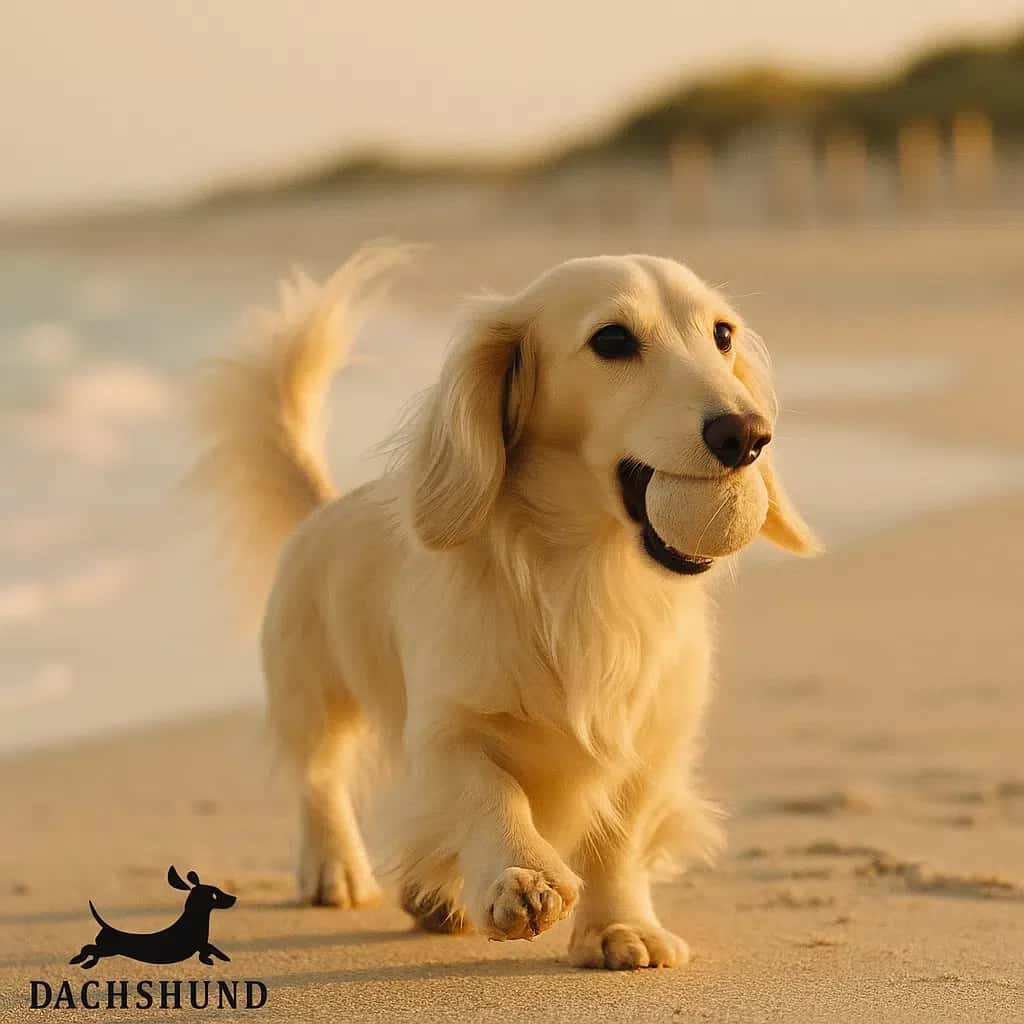
The English cream long haired dachshund is a distinct and sought-after variety of long-haired dachshund, celebrated for its signature pale, creamy coat and its almost serene temperament. English Cream Long Haired Dachshunds are often described as the most elegant of the breed. This signature cream color is the result of specific genetics that set these dogs apart from other dachshund varieties. These dachshunds aren’t just another color variant — they’re tied to a specific lineage, often tracing back to carefully bred British bloodlines where temperament and coat quality were paramount. The base coat color red is diluted by the chinchilla gene to produce the cream shade that makes these dogs so unique.
What sets them apart is their unmistakable softness — in both personality and appearance. Their fur flows gently off their ears, chest, and tail like strands of silk, and their presence feels intentional. The red base coat is a key genetic factor in the breed's appearance, and the cream shade is achieved through the action of chinchilla genes. Specifically, two chinchilla genes are responsible for diluting the red base coat to create the cream coat, resulting in either shaded or clear cream dachshunds. These aren’t frantic, high-energy pups. They’re calm, affectionate, and seem to carry an old-soul wisdom.
You’ll typically see this variety in the miniature size, but some standard versions do exist (especially in the UK). And while their look often draws the first compliment, it’s their intuitive, loyal nature that makes them unforgettable companions.
Breeders put amazing dedication and care into maintaining the health, temperament, and beauty of the English cream long haired dachshund, ensuring each puppy is raised with love and attention. Their creamy coats may appear delicate, but these are sturdy, devoted little dogs who will follow you from one room to the next just to be close — not out of neediness, but out of love.
There is a deep sense of pride among breeders and owners in raising and owning these exceptional dogs.
Learn more about the full-size version in our English Cream Dachshund guide.
Where Does the “English” Come From?
The term “English” in English cream long haired dachshund isn’t just a romantic flourish — it’s a nod to the United Kingdom breeding lines where this distinct cream coat was thoughtfully refined over many years of selective breeding. British breeders focused not only on the dachshund’s appearance but also on temperament, resulting in dogs that were both visually elegant and emotionally steady.
Unlike some American lines where cream coloring is blended with other traits or diluted further through cross-breeding, English creams tend to have a more predictable coat: clear, soft, and consistent from birth. These lines are known for producing the rare clear cream dachshunds — those with no black overlay, just a uniform ivory or pale gold tone.
This lineage also tends to bring:
- Milder, gentler temperaments
- Smaller, more boutique-style breeding programs
- Greater emphasis on health testing and ethical standards
- More uniform coat texture and structure
Breeders in England — and those in Australia and the U.S. who import British bloodlines — often take a conservative, preservation-focused approach. This means they won’t rush to meet demand or breed solely for color. Breeders also hope to produce healthy, well-tempered dogs with each litter, striving for the best possible outcome in both health and temperament. It also means waitlists, but the result is a dog with a more stable temperament and a truly striking appearance.
Ellie’s Note: I’ve met several UK-import english cream long haired dachshund meetups, and there’s something almost regal about them. They carry themselves differently — quiet, watchful, like they’re observing the world before deciding whether to get involved. Breeders are deeply committed to placing these puppies in loving homes, ensuring each dog is raised in a caring and nurturing environment.
Temperament: Loyal, Quietly Brave, and a Little Regal
There’s a subtle nobility to the English cream long haired dachshund. They don’t demand attention with over-the-top antics — instead, they observe, assess, and quietly embed themselves into the rhythm of your life. It’s a temperament that feels more like a companion than a pet. Their well-being is carefully nurtured by responsible breeders, which contributes to their gentle, affectionate temperament and overall happiness.
English cream long haired dachshunds often form deep one-on-one bonds, especially with their primary caregiver. If you work from home or spend lots of time indoors, you’ll quickly find them curled near your feet — or trailing you from room to room like a little shadow with a purpose.
What you’ll notice:
- Emotionally in tune: They sense your moods, and often respond with stillness rather than excitement.
- Less yappy than other dachshunds: While they’ll still alert you to a knock or a delivery, they’re not likely to bark excessively without reason.
- Slow to trust, loyal for life: With early socialization, they’re warm with children and polite with visitors — but they won’t throw themselves at strangers. They choose their people.
- Clever without being chaotic: They pick up on cues quickly, enjoy puzzle toys, and can be trained with positive reinforcement — especially if food is involved.
Consistent, patient training is important for English cream long haired dachshunds to help them develop into well-behaved, confident companions, especially given their independent streak and occasional stubbornness.
Ellie’s Note: Maple once tried to match the pace of an english cream long haired dachshund named Hugo at a dachshund gathering in Bronte Park. While Maple sprinted like a little rocket, Hugo moved with deliberate grace. Eventually, Maple gave up and flopped in the sun, completely defeated by his quiet endurance. It was like watching a terrier and a tiny philosopher on four legs.
This temperament makes English creams especially well suited to calm households, retirees, or families who enjoy quiet routines. They’re not aloof — just quietly present, and beautifully loyal.
Size, Appearance, and Coat Texture
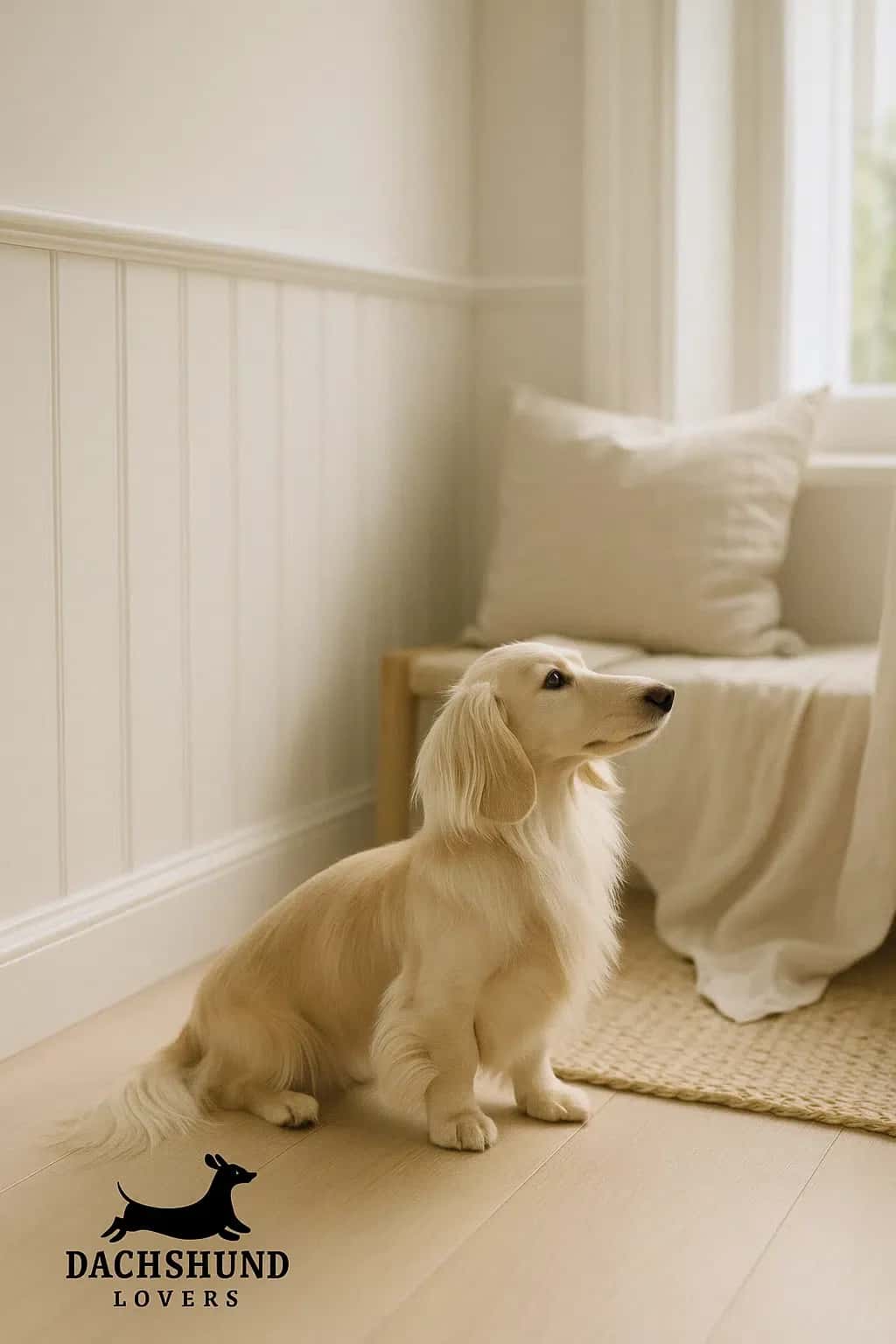
There’s something undeniably graceful about an English cream long haired dachshund. Even before they move, they carry a softness in their appearance — all flowing coat, soulful eyes, and a stature that’s somehow both tiny and dignified.
Most of these dachshunds fall into the miniature category, weighing under 11 lbs (5 kg) and standing around 5–6 inches tall at the shoulder. Occasionally, you’ll see a standard-size version (especially in the UK), but it’s the miniatures that are more common — and often more sought after — for their small stature and delicate appearance.
Their coat is their signature:
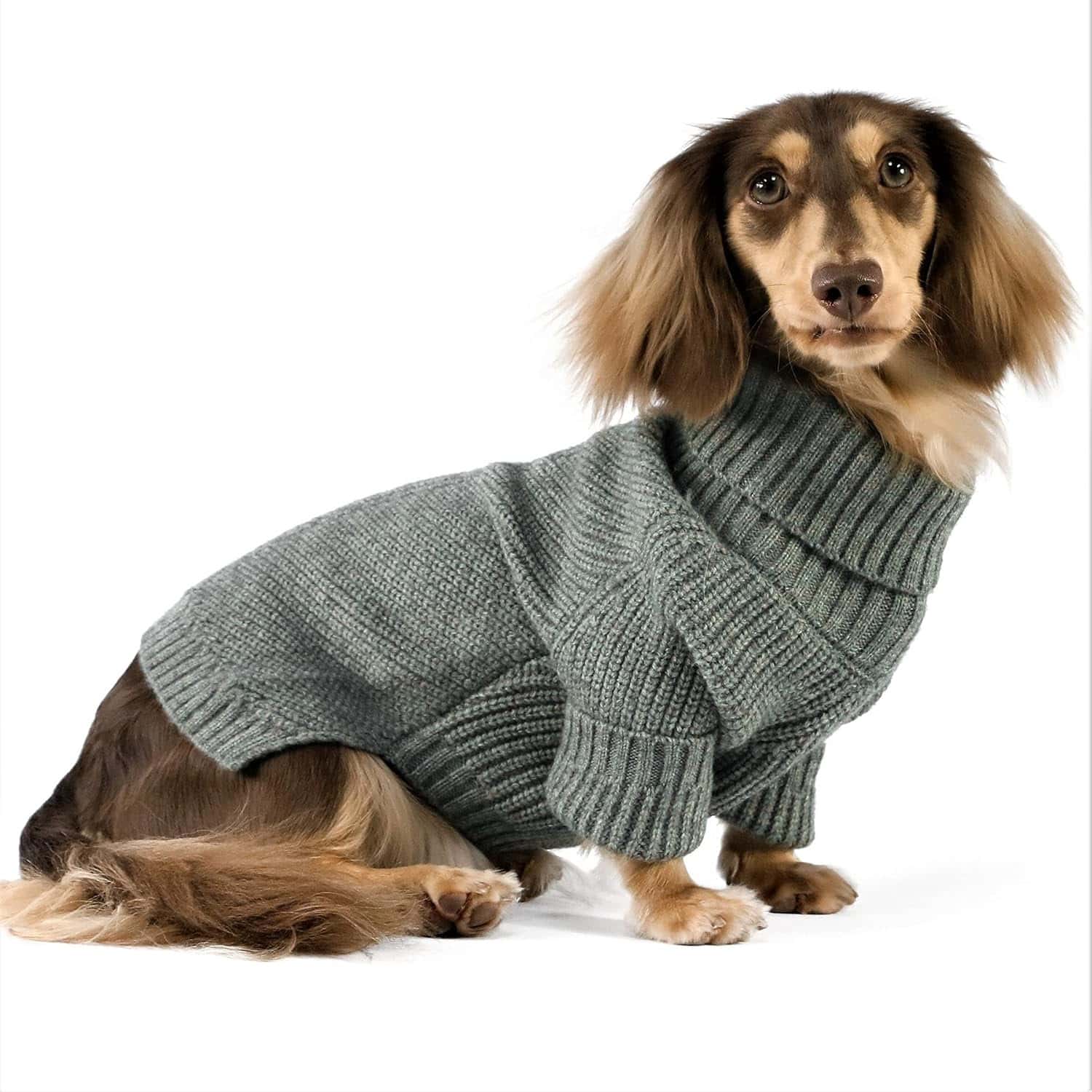
- Long, feathered, and luxurious, especially around the ears, chest, and tail.
- Pale cream in color, often with soft golden or buttery undertones that shimmer in natural light.
- Silky to the touch, with many owners comparing it to angora, mohair, or even spun silk.
As they become adults, the appearance of their coat and features can change, with some losing any dark overlay and becoming even lighter in color.
Their eyes are typically dark brown, large, and expressive — one look and you’ll understand why so many people describe them as having a human-like gaze. They don’t just look at you; they seem to look into you.
The color of their nose is an important distinguishing feature: shaded creams often have a black or dark nose, while ee creams may have lighter pigmentation. Points color — which includes the ears, nose, and whiskers — can be black, cream, or even white, and helps differentiate between the various types of cream dachshunds.
Another lovely trait? The way their coat moves. On a breezy walk or bounding through the grass, the feathering dances gently behind them — like the hem of a well-made coat.
This mix of miniature size and regal appearance is part of what makes them so beloved — they’re small enough to fit into apartment life, but striking enough to stop people in their tracks.
Clear Cream vs Shaded Cream
Not all english cream long haired dachshund are created equal — and if you’ve ever found yourself squinting at puppy photos trying to figure out if that soft darkness on the ears is permanent, you’re not alone.
English cream long haired dachshunds typically fall into two categories: clear cream and shaded cream. The difference? It comes down to genetics — and subtle shifts in coat color that can take months to fully reveal themselves. Shaded creams are often called "shaded English cream" dachshunds, while clear creams are sometimes referred to as "true English cream" according to AKC standards.
Type | Appearance | Rarity |
|---|---|---|
Clear Cream | Solid, pale cream with no black overlay | Rarest |
Shaded Cream | Cream with soft black or gray “overlay” on ears, spine, or tail (often fades over time) | More common |
Clear creams are born with their signature buttery shade and retain it into adulthood. They don’t develop the dark markings you’ll sometimes see on shaded pups, which makes them particularly prized among enthusiasts. Their look is ethereal — clean, luminous, and uniform. These dogs are produced when recessive reds interact with the chinchilla gene, which dilutes red pigment to cream but does not affect black or chocolate pigments.
Shaded creams, on the other hand, may be born black or with darker fur on their ears, tails, or backs. These markings usually fade as the puppy grows, but some slight shading can remain into adulthood. Owners can trace the progression of the black overlay as the puppy matures and watch how shaded creams may lose much of their black overlay over the course of their development. The coat color and shading can change significantly with age, and projecting adult appearance is more reliable after a certain age, such as 7-8 weeks or later. The chinchilla gene dilutes red pigment but does not affect black, so black and chocolate pigments can influence the final coat color. Chocolate pigments and the tan gene also play a role in the genetic background, affecting shading and markings. Some shaded creams, like Skye, are great examples of how the coat color can change over time, with shading fading as they mature.
A note on confusion: Some breeders will label both types simply as “English cream,” which can make things a little murky for first-time owners. If you’re after a true clear cream, it’s important to ask about the lineage and examine early photos. Reputable breeders will be transparent about whether a pup is likely to remain clear.
You can learn more and see side-by-side photos in our full English Cream Mini Dachshund guide — helpful if you’re trying to understand what’s what before bringing one home.
Ellie’s Tip: Don’t get too caught up in perfection of the nglish cream long haired dachshund. Shaded or clear, what matters most is health, temperament, and how well the puppy’s been raised. I’ve met shaded creams that practically glowed with kindness.
Grooming Tips for Long-Haired Creams
English cream long-haired dachshunds are known for their feathered elegance — but that beauty comes with a bit of upkeep. Fortunately, with the right rhythm, grooming can become a gentle ritual rather than a chore.
Here’s what works best for their silky coats:
Weekly Routine
- Brush 2–3 times a week using a slicker or pin brush. This prevents tangles from forming, especially behind the ears, around the legs, and near the tail.
- Trim feathered areas gently with blunt-ended scissors every few weeks — especially if you notice debris or matting.
- Wipe eyes and ears with a damp cloth. Long hair can catch dust and pollen, and their ears, in particular, need regular checking to prevent infections.
- Bathe every 3–4 weeks, or sooner if your pup’s been adventuring in the garden. Use a gentle, dog-specific shampoo made for sensitive skin.
- Keep nails trimmed to prevent discomfort when walking. Their small size means even slightly long nails can throw off their gait.
Ellie’s Tip: After brushing Maple, I always run a soft boar bristle brush through her coat to finish. It smooths the fur and brings out a gentle shine. It’s also our quiet moment together — she leans into it like it’s a spa day.
Seasonal Note:
During shedding season (usually spring and fall), daily brushing might be needed to keep the coat under control and your furniture fur-free. Their long hair can float — somehow managing to land on every dark jumper you own.
Recommended Tools:
- Slicker brush for detangling
- Boar bristle brush for finishing
- Blunt grooming scissors
- Ear cleaning solution and cotton rounds
- Gentle dog shampoo (ideally sulfate-free)
How Rare Are Cream Dapples?
In a word? Exceptionally.
A true cream dapple dachshund is already rare — but the more specific the genetics, the more elusive they become. I’ve met only a handful in person, and each one has stopped people mid-stride. They’re the kind of dog that makes strangers cross the street just to ask, “What kind of dachshund is that?” Some rare cream dapple dachshunds are bred by specialized breeders in Florida, where careful attention is given to their unique coloration and health.
Why They’re So Rare
- The cream base itself — especially when it comes from true English Cream lines — is relatively uncommon. Add dapple on top, and you’re blending two recessive genes that don’t often align naturally.
- Ethical breeding of cream dapples is even rarer. Because of the merle gene’s risks, reputable breeders are cautious when producing dapples — and most will avoid double dapples altogether, as they can result in serious health issues.
- Pattern clarity matters too. A clean, visible dapple layered over a pale cream coat is hard to achieve. The markings can be so faint they barely show up — or so muddled they resemble shaded creams or piebalds.
When these rare puppies are available, responsible breeders are committed to placing them with new families who are well-prepared for the breed’s needs and dedicated to providing a loving, lifelong home.
What Makes Them Stand Out
- Black and cream dapples with clear, well-balanced patterns are some of the rarest.
- Long-haired cream dapples — especially in miniature form — are like living art pieces, with movement that brings out their swirls and softness.
- Health-tested lineage makes a world of difference. A dapple bred responsibly, with one merle parent and proper health screens, is far more valuable (and rarer) than any flashy coat alone.
Ellie’s Thought: If you’re lucky enough to find one — and you feel aligned with the breeder’s ethics — it’s a treasure. But be patient. The right one is worth waiting for.
Are They Rare?
Yes, english cream long haired dachshund are genuinely rare — and not just in an “Instagram-famous” way. Their rarity is tied to genetics, ethical breeding practices, and their strong appeal among dachshund lovers who understand how special they really are.
Here’s why you won’t find one around every corner:
1. Ethical Breeders Limit Litters
Unlike backyard breeders who churn out pups for profit, ethical breeders focus on health, temperament, and preserving lineage. This often means fewer litters per year — and sometimes long waitlists.
2. Clear Cream Genes Are Tricky
Producing that coveted pale cream coat — especially without shading — requires very specific pairings and generations of selective breeding. It’s not always guaranteed, even with two cream parents.
3. Demand Exceeds Supply
Because of their elegant appearance and mild, affectionate nature, English creams are one of the most sought-after dachshund varieties. This high demand pushes prices up and availability down.
Ellie’s Note:
I waited nearly a year just to meet Maple’s English cream cousin. Her breeder only had two litters a year and screened every potential home with care. It was worth the wait — the bond and the beauty are unmatched.
How to Spot a Responsible Breeder:
- Offers health clearances and DNA testing results
- Doesn’t always have puppies available
- Is transparent about coat type and lineage
- Welcomes your questions — and asks plenty in return
Responsible breeders often become a friend and ongoing support system for new owners, guiding you through every step of your dachshund’s journey. Many owners are glad they chose a breeder who truly cares, as the experience and lifelong connection make all the difference.
If someone promises an English cream pup with no wait and a low price? That’s a red flag. It’s always better to pause, research, and reach out to trusted breeders
Price Guide and What to Expect
English cream long-haired dachshunds aren’t just rare — they’re premium companions, and their pricing reflects that. But it’s not just about the cost of a puppy. You’re investing in a dog with a carefully curated lineage, health screening, and a temperament that’s been refined over generations.
Estimated Price Ranges:
Region | Estimated Price |
|---|---|
USA | $3,000–$5,500 USD |
Australia | $4,000–$6,500 AU |
UK | £2,500–£4,000 GBP |
These numbers may feel steep, especially compared to more common dachshund varieties, but there are reasons behind the figures.
What Affects the Price?
- Clear vs Shaded Coat: Clear creams (with no black overlay) are rarer and generally more expensive than shaded varieties.
- Miniature vs Standard: Miniatures tend to be in higher demand, especially in urban areas.
- Breeder Reputation: Ethical, well-regarded breeders who health test, socialize, and care for their litters charge more — and rightfully so.
- Location: Breeder costs vary across regions and countries. Importing from overseas (like the UK to the US) can also add transport and compliance costs.
- Waitlist Demand: The more people waiting, the longer the list — and often, the higher the price.
Ellie’s Tip:
If you’re quoted a surprisingly low price, take a breath. Reputable breeders won’t rush a sale or undercut industry norms. Be wary of red flags like no vet checks, multiple coat types in one litter, or puppies available right now without screening
English Cream vs Cream Dapple Dachshund
At a glance, both the english cream long haired dachshund and the cream dapple dachshund share that soft, buttery coloring that makes them stand out. But look closer, and you’ll find two very different dachshunds — not just in appearance, but in personality and genetic background. No matter which you choose, both types can bring so much joy to their families, creating meaningful bonds and enriching daily life.
Trait | English Cream | Cream Dapple |
|---|---|---|
Coat | Solid pale cream | Cream base with grey, silver, or black patches (dapple pattern) |
Temperament | Calm, reserved, emotionally intuitive | More energetic, outgoing, and playful |
Rarity | Extremely rare (especially clear creams) | Still rare, but more widely available |
Price Range | Higher, due to bloodlines and rarity | Slightly more accessible |
How They Differ — Beyond Looks
English Creams
These pups tend to carry a quiet dignity. Think of them as the graceful elder at the dog park — content to observe, bond deeply, and avoid drama. Their coats are uniformly cream (especially in the “clear cream” variety), and they’re often bred from carefully maintained UK bloodlines with predictably gentle temperaments.
Cream Dapples
With a splash of unpredictability in their coat patterning, cream dapples often come with a bolder personality too. They tend to be more high-spirited, social, and curious — which can be a delight if you’re looking for a livelier companion.
Thinking of Adopting One?
Many families report that adopting an English Cream Dachshund brings immense joy and companionship into their lives.
- For a calmer household or if you have young kids or older pets: An English cream might be the better fit.
- If you love energy, playfulness, and don’t mind a bit of cheek: The cream dapple could be your match.
Want to dive deeper into dapples? Read our Cream Dapple Dachshund article for more details on patterns, care, and temperament.
FAQs
Authored by
Ellie
Ellie is a lifelong dachshund lover and the proud human of Maple, a long-haired brown doxie with a regal side-eye. While not a vet, Ellie brings honest, researched, and experience-based insights into every article she writes for the Dachshund Lovers community.
Read moreEllie is a lifelong dachshund lover and the proud human of Maple, a long-haired brown doxie with a regal side-eye. While not a vet, Ellie brings honest, researched, and experience-based insights into every article she writes for the Dachshund Lovers community.
Read moreDisclaimer
This article was written by Ellie, a dachshund owner and enthusiast — not a veterinarian. Please consult your vet for personalized guidance.
There are no comments yet
Leave a comment