Doxiepoo Personality Traits: Why They’re So Easy to Love
Doxiepoo Personality Traits: Why They’re So Easy to Love
Wondering what breed a Doxiepoo is? Learn all about this unique Dachshund-Poodle mix—temperament, grooming, health, and if it’s the right fit for your home.

Ellie
Posted on April 25, 2025.
Updated on July 20, 2026.
Table of Contents
- 1.Introduction to Doxiepoo Personality
- 2.Key Takeaways
- 3.Snapshot: What Doxiepoos Are Really Like
- 4.Doxiepoo Traits at a Glance
- •Affectionate with Family
- •Good with Young Children
- •Good with Other Dogs
- •Shedding Level
- •Grooming Needs
- •Drooling Level
- •Coat Type / Texture
- •Openness to Strangers
- •Playfulness
- •Watchdog/Protective Nature
- •Trainability
- •Energy Level
- •Barking Tendencies
- •Mental Stimulation Needs
- •Apartment Compatibility
- •Sensitivity Level
- •Alone Tolerance
- •Social Needs
- •Health Risks
- •Lifespan
- 5.What Is a Doxiepoo?
- •A Bit of Background
- 6.The Dachshund x Poodle Mix: What to Expect
- •Size & Build
- 7.Doxiepoo Appearance & Coat Types
- 8.Personality & Temperament
- 9.Health & Lifespan
- •Common Health Issues
- 10.Are Doxiepoos Hypoallergenic?
- 11.Training & Exercise Needs
- 12.Is a Doxiepoo Right for You?
- 13.Disclaimer
Share

Introduction to Doxiepoo Personality
The first time I met a Doxiepoo named Olive passing by the Enmore Theatre – one of Sydneys biggest music venues, she barked at my shoelaces for a full five minutes…That’s the Doxiepoo spirit in a nutshell: bold, quirky, loyal, and occasionally absurd—in the best way.
If you’re wondering what it’s actually like to live with this one-of-a-kind mix, this guide is here to help. From intelligence and independence to snuggles and sass, let’s unpack what makes a Doxiepoo tick.
Key Takeaways
Trait | Description |
Smart | Quick learners who thrive on challenge and engagement |
Stubborn | Strong-willed with a dash of dramatic flair |
Affectionate | Bond deeply with their humans, love to snuggle |
Vocal | Barky tendencies, especially if bored or alerting |
Playful | Energetic and spirited with bursts of zoomies |
Snapshot: What Doxiepoos Are Really Like
Doxiepoo Traits at a Glance
These scores are based on average experiences across the breed. Every Doxiepoo is a little different, but this will give you a head start.
Affectionate with Family
4/5 – Generally loving and close to their people, though sometimes independent like a Dachshund.
Good with Young Children
3/5 – Can be great with kids when socialized early; supervision recommended due to size.
Good with Other Dogs
3/5 – Gets along well with other pets when raised together but may have a prey drive.
Shedding Level
2/5 – Often low shedding, especially with more Poodle influence, but varies by coat type.
Grooming Needs
3/5 – Regular brushing needed; professional grooming may be required for curlier coats.
Drooling Level
1/5 – Rarely drools unless there’s a dental or health issue.
Coat Type / Texture
Curly, wavy, or straight – depends on genetics. Texture can vary even within the same litter.
Openness to Strangers
3/5 – Alert and sometimes wary, but friendly once comfortable.
Playfulness
4/5 – Loves to engage and play, especially with favorite humans and toys.
Watchdog/Protective Nature
4/5 – Naturally alert and quick to sound the alarm, true to their Dachshund roots.
Trainability
3/5 – Intelligent but can be stubborn. Consistency and positive reinforcement are key.
Energy Level
3/5 – Enjoys bursts of activity but is equally happy cuddling at home.
Barking Tendencies
4/5 – Vocal and alert, especially if not mentally engaged.
Ellie’s Note: Maple scores a 5/5 — she thinks she runs the house.
Mental Stimulation Needs
3/5 – Benefits from puzzle toys and scent work. Keeps their clever little minds happy.
Apartment Compatibility
5/5 – Thrives in small spaces with a bit of daily enrichment.
Sensitivity Level
4/5 – Emotionally intuitive and responds best to gentle handling.
Alone Tolerance
2/5 – Prefers companionship. Can become anxious if left alone too long.
4/5 – Enjoys being part of daily life. Ideal for owners with flexible routines.
Health Risks
IVDD, dental issues, luxating patella, ear infections — keep an eye and do regular vet checkups.
Lifespan
12–16 years with good care and early health support.
These scores are based on average experiences across the breed. Every Doxiepoo is a little different, but this will give you a head start.
What Is a Doxiepoo?
A Doxiepoo is a hybrid or “designer” dog that comes from crossing a purebred Dachshund with a purebred Poodle — usually a miniature or toy poodle, depending on size preferences. The result? A pup that can range from long and low to small and square, with either tight curls or soft waves. There’s no one-size-fits-all with this breed — and that’s half the charm.
A Bit of Background
Doxiepoos likely emerged from the wave of Poodle-mix popularity that started in the 1990s. Breeders were looking to combine the intelligence and low-shedding coat of the Poodle with the spunky, loyal nature of the Dachshund.
Ellie’s Tip: If you’re considering a Doxiepoo, always ask about the specific parent breeds. A toy poodle x dachshund cross will have very different traits to a miniature poodle x standard dachshund.
The Dachshund x Poodle Mix: What to Expect
Because they’re not a registered breed, Doxiepoos don’t follow a breed standard. One litter might have short-haired, long-bodied pups, while another looks like fuzzy teddy bears with corkscrew tails.
Size & Build
Most Doxiepoos fall in the small-dog category — around 10 to 30 pounds, depending on which poodle size was used. Their legs can be short like a dachshund’s or a bit more proportional like a poodle’s.
.webp&w=3840&q=60)
Doxiepoo Appearance & Coat Types
This is where things get especially interesting. Doxiepoos can have:
- Curly coats (thanks to the poodle parent)
- Wavy or wiry coats
- Straight hair more typical of a dachshund
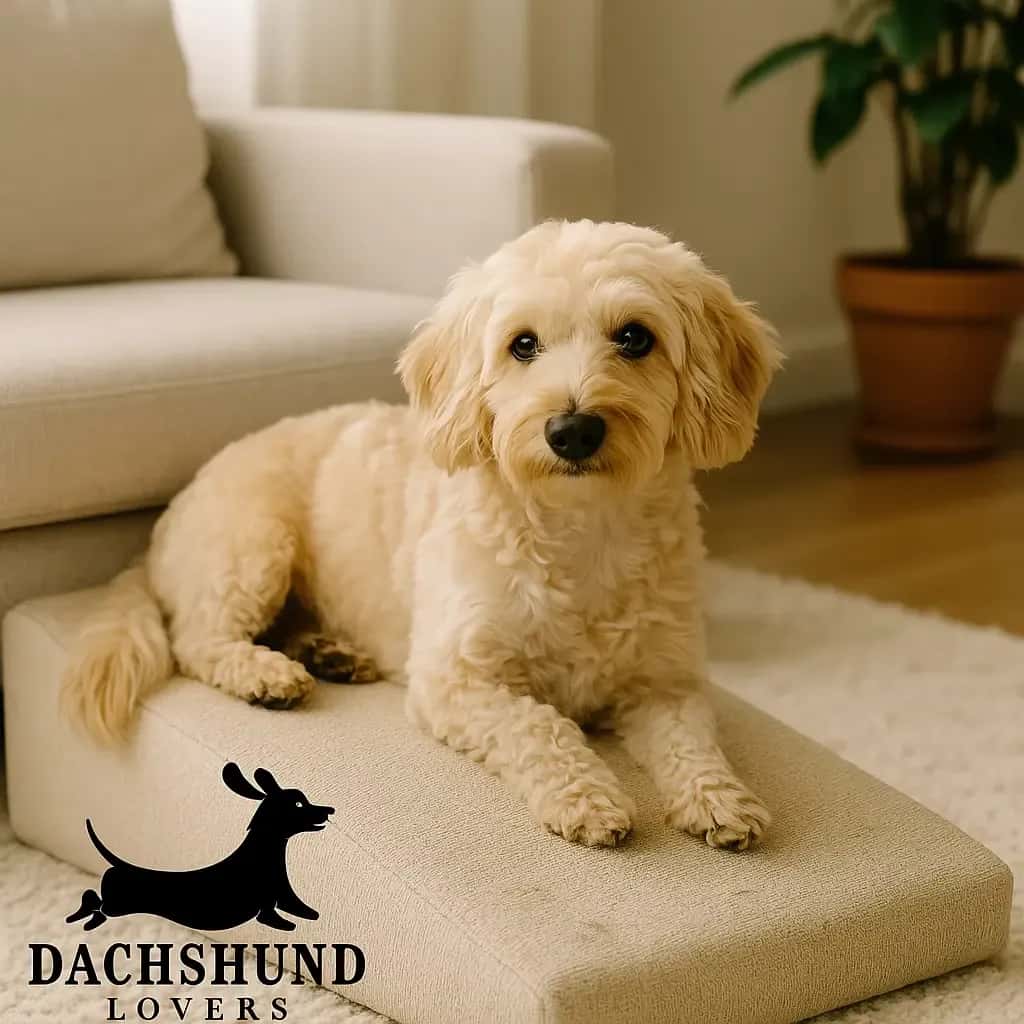
Colors range from cream and apricot to black, chocolate, and even dapple. You’ll also see a variety of textures and patterns within the same litter.
Ellie’s Tip: Brush regularly, regardless of the coat type. A wavy Doxiepoo can mat just as fast as a curly one if left unchecked.

Personality & Temperament
This mix is known for being:
- Affectionate — They’re deeply attached to their people.
- Smart — Poodle intelligence often shines through.
- Stubborn — The dachshund side brings a big dose of independence.
- Alert — They make good watchdogs and love to bark at the mail.
Luna, the market-dwelling Doxiepoo I mentioned earlier? Her owner told me she could sense when the Uber Eats was 3 minutes away. These dogs are tuned in.
Health & Lifespan
Doxiepoos can live 12–16 years, with good care. Like all designer breeds, they can inherit traits from either parent — the good and the tricky.
Common Health Issues
- Intervertebral Disc Disease (IVDD) — from the dachshund side
- Dental problems — small dogs often struggle here
- Patellar luxation — common in poodles and their mixes
- Ear infections — floppy ears = moisture traps
Ellie’s Tip: Pet insurance is worth looking into for peace of mind, especially if your pup inherits the long back of the dachshund.
Are Doxiepoos Hypoallergenic?
Here’s the honest truth: some Doxiepoos may be low-shedding, but no dog is truly hypoallergenic. That word gets thrown around a lot — especially with poodle mixes — but allergies are caused by proteins found in a dog’s dander (dead skin), saliva, and even urine, not just hair.
Because Doxiepoos are a mixed breed, their coat traits (and dander levels) can vary quite a bit. You might get a pup with tight curls and very little shedding, or one with a looser, wavier coat that drops hair more regularly. It’s a genetic roll of the dice — even within the same litter.
If you or someone in your household has sensitivities, it’s important to spend time with the puppy first (and ideally their parents) to see how your body reacts. Grooming also plays a big role in reducing allergens — regular brushing and occasional bathing can keep dander levels lower and make a big difference for allergy sufferers.
Ellie’s Tip: Maple isn’t hypoallergenic either, but a daily wipe-down with a damp cloth and a weekly brush keeps things manageable. It’s less about perfection, more about routine.
Want more detail? Read: Are Doxiepoos Hypoallergenic?
Training & Exercise Needs
Doxiepoos are bright, motivated learners — but that doesn’t mean they’re easy. Their stubborn streak can show up, especoxiepoos are bright, motivated learners — but that doesn’t mean they’re easy. Their stubborn streak can show up, especially if they’re not mentally engaged. A poodle’s sharp mind paired with a dachshund’s independence means you’ll need to be consistent, patient, and creative. Positive reinforcement is your best bet, and punishment or harsh corrections will likely backfire with this sensitive, clever mix.
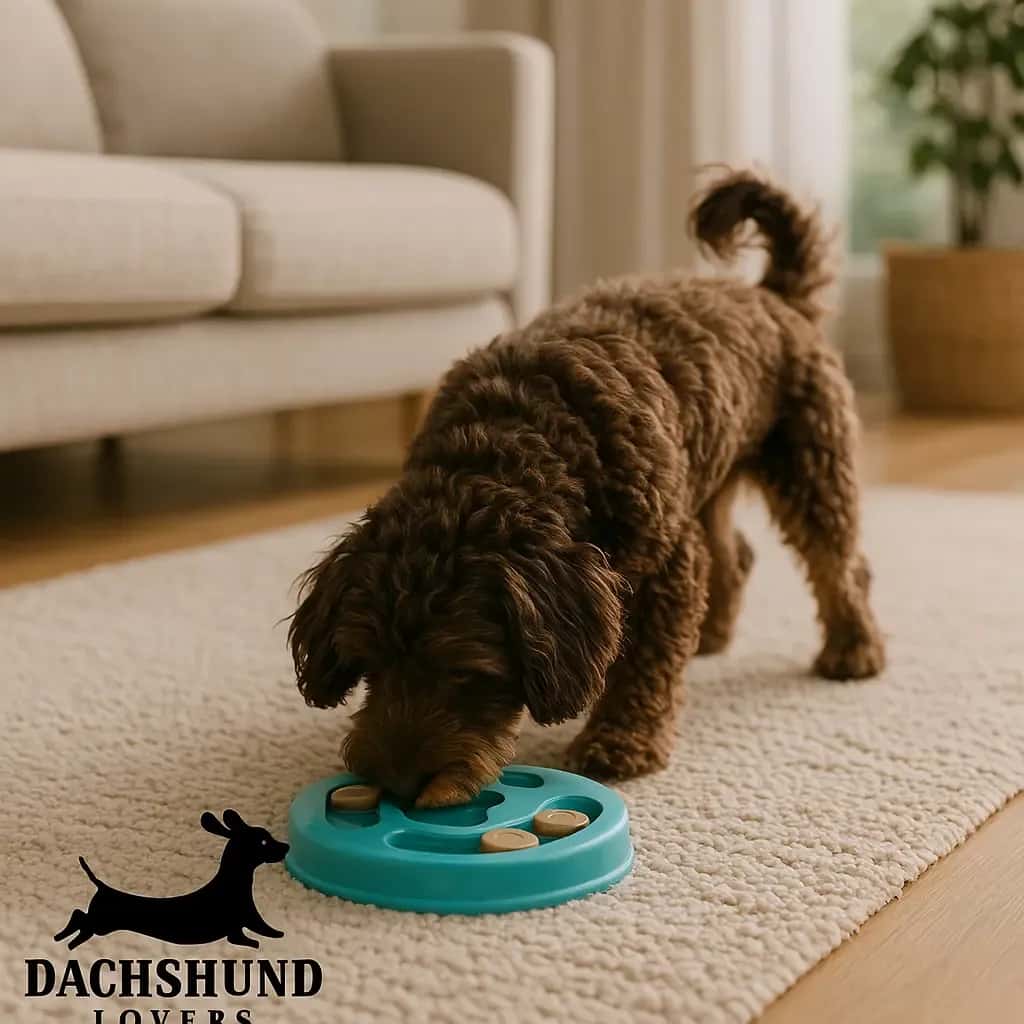
These dogs thrive on mental stimulation, not just physical activity. A quick walk around the block won’t cut it — they want to sniff, explore, and solve problems. Think food puzzles, interactive toys, and short bursts of training woven into the day.
Training Tips:
- Start early with crate training and socialization
- Use treats generously, but mix in praise and play
- Keep sessions short and interesting — 5–10 minutes goes a long way
- Use a variety of environments to build confidence
- Reinforce calm behaviors — these dogs can be vocal if overstimulated
Exercise Needs:
Expect to dedicate 30–60 minutes daily to exercise, split into a few shorter walks, training sessions, or playtime in the yard. Fetch, tug, scent work, and hide-and-seek are all Doxiepoo favorites.
Ellie’s Tip: Maple’s favorite thing in the world? Snuffle mats. I scatter her breakfast kibble in one and she spends a happy 15 minutes ‘hunting.’ A win for both of us — she gets mental enrichment, I get to drink my coffee in peace.
Is a Doxiepoo Right for You?
This mix can be a wonderful fit if you’re looking for:
- A small dog with a big personality
- A loyal, affectionate companion
- A pup that’s playful but not high-maintenance
- A breed that can live happily in apartments or homes
They’re often described as little shadows — always nearby, always curious about what you’re doing. If you like company while you cook, fold laundry, or watch Netflix, a Doxiepoo will gladly take that job.
But — and this is important — Doxiepoos do best with owners who are home a lot, or can include their dog in daily life. They’re social, sensitive, and can get genuinely distressed if left alone too long. They don’t just want to be part of the household — they want to be part of the rhythm.
They’re also a good match for first-time dog owners who are ready to invest time into training and companionship. If you enjoy interactive play, value routine, and appreciate a dog that thinks for themselves, a Doxiepoo might be your perfect match.
Ellie’s Thought: Every Doxiepoo I’ve met has felt more like a flatmate than a pet — opinionated, affectionate, and a little quirky in the best way.
FAQ
Authored by
Ellie
Ellie is a lifelong dachshund lover and the proud human of Maple, a long-haired brown doxie with a regal side-eye. While not a vet, Ellie brings honest, researched, and experience-based insights into every article she writes for the Dachshund Lovers community.
Read moreEllie is a lifelong dachshund lover and the proud human of Maple, a long-haired brown doxie with a regal side-eye. While not a vet, Ellie brings honest, researched, and experience-based insights into every article she writes for the Dachshund Lovers community.
Read moreDisclaimer
This content is for informational purposes only and should not be considered veterinary advice. Always consult with a licensed veterinarian regarding your dog’s health and wellbeing.
There are no comments yet
Leave a comment