Do Dachshunds Like Water
Do Dachshunds Like Water
Not sure if your doxie’s a swimmer or a scaredy-paws? Here's what happened when we introduced ours to the ocean and what you need to know.
James
Posted on November 4, 2025.
Updated on July 21, 2026.
Table of Contents
- 1.Key Takeaways on Dachshunds and Water
- 2.Why Dachshunds Aren’t Traditionally Water Dogs
- 3.Why Some Dachshunds Love Water and Others Avoid It
- 4.Do Dachshunds Drink a Lot of Water?
- 5.Why Does My Dachshund Cough After Drinking Water?
- 6.Are Dachshunds Afraid of Water?
- 7.Why Some Dachshunds Love Water and Others Avoid It
- 8.Water Safety Tips for Dachshund Owners
- •More from This Series
- •Disclaimer
Share

I’ll never forget Harvey’s first trip to Green Hills Beach. It was one of those perfect South Sydney afternoons where the water glistened, kids were building sandcastles, and the smell of fish and chips carried on the breeze. Caitlin and I thought it would be the ideal chance to find out once and for all: do dachshunds like water? Harvey’s reaction was… mixed. He trotted to the shoreline with curiosity, dipped a paw in, then shot me a look as if I’d suggested he wade into a vat of ice.
That day taught me something important — whether or not a dachshund enjoys water depends on more than just breed traits. Their early experiences, confidence levels, and even the weather on the day can make the difference between a playful paddle and a hasty retreat. While dachshunds aren’t traditionally “water dogs” like retrievers or spaniels, they can learn to be confident around it — and in some cases, even love it.
In this guide, we’ll explore why dachshunds often have a complicated relationship with water, how to introduce them safely, what to do if they drink too much or cough after drinking, and why some seem genuinely afraid of the stuff. We’ll also share tips for owners who want to build their dachshund’s confidence in the shallows — without forcing them to swim before they’re ready.
Key Takeaways on Dachshunds and Water
Fact | Why It Matters |
|---|---|
Dachshunds are not natural “water dogs.” | They were bred for hunting on land, not retrieving in water, so swimming may not come instinctively. |
Some dachshunds learn to enjoy water over time. | Positive early experiences, calm environments, and gradual exposure can build confidence. |
Dachshunds can drink more water in hot weather. | Always monitor intake, especially during summer, to prevent dehydration or overhydration. |
Coughing after drinking water is common. | It can be caused by excitement, drinking too quickly, or in rare cases, underlying health conditions — consult your vet if persistent. |
Fear of water is often linked to past negative experiences. | Gentle exposure and positive reinforcement help build trust and reduce anxiety. |
Cold water can be uncomfortable or unsafe for dachshunds. | With their short legs and low body mass, prolonged exposure to cold water can drop body temperature quickly. |
Why Dachshunds Aren’t Traditionally Water Dogs
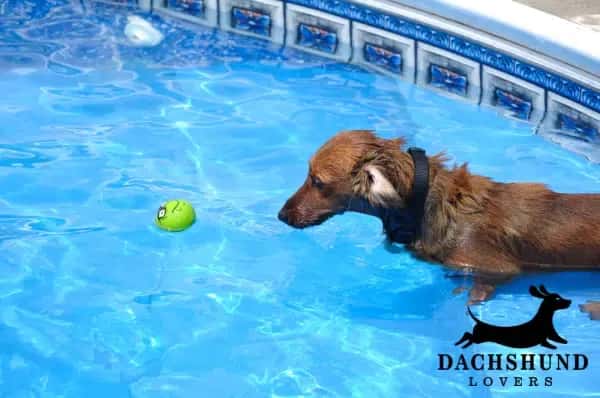
When you think of a “water dog,” you probably picture a Labrador diving into waves or a Portuguese Water Dog leaping off a dock with perfect form. A dachshund, on the other hand, is more likely to be found sniffing the shoreline than splashing in it. That’s not because they dislike water by default, but because swimming simply wasn’t part of the job they were bred to do.
Dachshunds originated in Germany as hunting dogs designed for burrowing underground and flushing out badgers, rabbits, and other small game. Their short legs, elongated bodies, and paddle-like paws were perfect for digging through dirt, not propelling through water. Unlike retrievers, spaniels, or other water breeds, they weren’t selectively bred for buoyancy, water-resistant coats, or a natural swimming stroke.
That said, being “not a water dog” doesn’t mean a dachshund can’t learn to enjoy water. In my own experience, Harvey has never been what you’d call an eager swimmer, but over time, we’ve found ways for him to engage with water on his own terms. Whether it’s paddling around a shallow rock pool at Gunnamatta Bay or cautiously wading in at the edge of Bundeena Beach, he approaches water as an optional adventure — not a necessity.
According to the American Kennel Club, dogs that aren’t natural swimmers can still learn, but they often need more patience, supervision, and encouragement from their owners. The key with dachshunds is not to throw them into deep water expecting instant confidence — it’s to give them safe, positive experiences in shallow, calm environments first.
For owners curious about introducing water play, it’s worth reading our guide on Dachshund and Cold Weather to understand how temperature can affect their comfort and safety, both on land and in water.
Why Some Dachshunds Love Water and Others Avoid It
One of the first things I learned from owning Harvey is that dachshunds tend to make up their minds quickly about new experiences — and water is no exception. If a dachshund’s first encounter with water is positive, you may find they’ll happily paddle in the shallows or cool off in a splash pool on hot days. But if their first memory involves a rough wave, a cold shock, or feeling unsafe, it can take months (or years) to change their opinion.
Early exposure is key. Puppies that are gently introduced to water in a warm, calm setting — like a shallow bathtub or a kiddie pool in the backyard — are more likely to feel comfortable around it later in life. Even if you adopt an older dachshund, gradual introductions can still work, but you’ll need patience and a watchful eye.
Personality plays a big role. In my experience, confident and curious dachshunds are more likely to experiment with water play, while more cautious dogs prefer to keep their paws dry. Harvey, for example, is somewhere in the middle — he’s fine wading into ankle-deep water at Oak Park, but the moment the waves creep above his belly, he’s back on the sand, looking at me like I’ve lost the plot.
The environment matters. Calm, clear, shallow water is far less intimidating than deep, murky lakes or busy surf beaches. Noise, crowds, and movement can overwhelm a dachshund that’s already unsure. That’s why I tend to choose quieter spots for Harvey’s water experiences, where he can approach at his own pace.
The RSPCA emphasises never forcing a dog into the water, particularly breeds that aren’t natural swimmers. Instead, let them explore, reward any positive interaction, and provide an easy exit (such as a ramp, steps, or gently sloping shoreline).
If your dachshund enjoys water in a limited way — for instance, paddling but not swimming — that’s perfectly fine. The goal isn’t to turn them into a water retriever, but to give them enriching, safe experiences that suit their temperament.
For a look at how weather can influence their willingness to swim or wade, you can check our related piece on Dachshund and Cold Weather, which also covers tips for keeping them warm after a swim in cooler conditions.
Do Dachshunds Drink a Lot of Water?
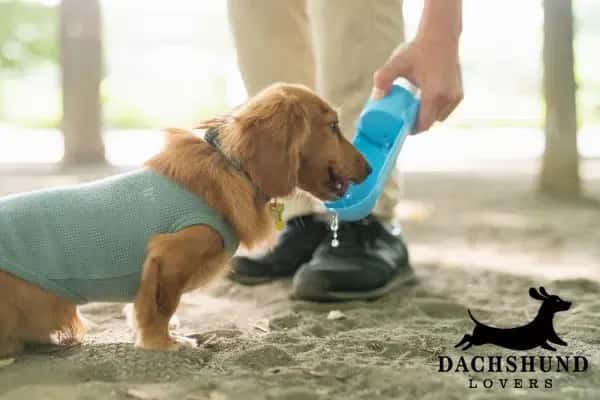
When Harvey was a puppy, I used to joke that his water bowl was just another toy — something to be nudged, splashed, and occasionally tipped over. But once the novelty wore off, I realised his drinking habits were actually pretty steady. Dachshunds, like most dogs, typically drink between 50–60ml of water per kilogram of body weight each day, according to guidance from the American Kennel Club.
That means an average 7kg dachshund might need anywhere from 350ml to 420ml of water daily under normal conditions. But that amount can change based on:
- Weather: Hotter days (especially in Australian summers) will naturally increase their thirst.
- Activity: A dachshund that’s been sprinting around Cronulla dog beach will drink more than one who’s been snoozing in the sunroom.
- Diet: Dogs fed dry kibble need more water than those on wet or raw diets, which already have higher moisture content.
- Health conditions: Excessive drinking (polydipsia) can be a symptom of health issues like diabetes or kidney disease, so any sudden spike in thirst is worth a trip to the vet.
One thing I’ve noticed is that dachshunds can sometimes “tank up” on water after excitement — for example, after a game of fetch or meeting new dogs at the park. While that’s usually harmless, it’s best to let them sip gradually rather than guzzle, especially after strenuous play, to avoid stomach upset.
If you’re ever concerned your dachshund is drinking too much or too little, keep a casual log for a few days and share it with your vet. It’s a simple habit that can help spot patterns and potential problems early.
And if you’re planning a longer day out — say a trip to Bundeena — pack a portable water bottle for dogs. Harvey’s favourite is a squeeze-bottle with an attached bowl, which makes offering water on the go easy without over-pouring.
For more on keeping dachshunds comfortable in outdoor conditions, you might want to read our guide to Owning a Dachshund, which includes seasonal care tips.
Why Does My Dachshund Cough After Drinking Water?
Every now and then, Harvey will take a big gulp from his water bowl, lift his head, and let out a quick cough. The first time it happened, Caitlin and I froze — convinced something was wrong. But in many cases, an occasional cough after drinking is just a dachshund swallowing a little too quickly and letting water “go down the wrong way,” much like when we accidentally inhale while sipping.
That said, there are a few possible reasons why your dachshund might cough after drinking water:
- Drinking too fast: Some dachshunds, especially after exercise, will gulp down water quickly and irritate their throat.
- Collapsed trachea: A more serious condition where the windpipe weakens, which can be triggered by swallowing or excitement. This is more common in small breeds and should be assessed by a vet if the coughing is frequent.
- Respiratory infections: Kennel cough or other respiratory illnesses can make your dachshund cough after any activity, including drinking.
- Reverse sneezing: A harmless but dramatic-looking reflex where a dog rapidly inhales to clear nasal passages — it can happen after drinking or eating.
If your dachshund coughs after drinking once in a while but is otherwise healthy and active, it’s probably nothing to worry about. But persistent coughing — especially if it’s accompanied by gagging, wheezing, or lethargy — warrants a vet visit. The RSPCA Australia recommends erring on the side of caution with any unexplained change in your dog’s breathing or swallowing habits.
One way to help prevent post-drink coughing is to offer smaller amounts of water more frequently, rather than letting them gulp a full bowl after playtime. You can also keep their water at a comfortable temperature — not icy cold, which can sometimes trigger a cough reflex in sensitive dogs.
For tips on balancing water intake with other aspects of daily care, check out our Dachshund Daily Routine article, which covers hydration, exercise, and rest.
Are Dachshunds Afraid of Water?
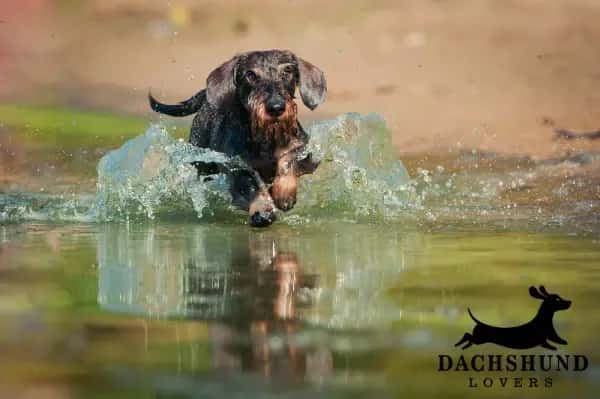
Not all dachshunds are natural swimmers, and some actively avoid the water altogether. Harvey, for example, treats the ocean like it’s made of lava — unless there’s a really good reason to dip a paw in. This isn’t unusual. Dachshunds were bred for hunting on land, not retrieving in water like Labradors or Spaniels, so their comfort level in water can vary widely.
Why some dachshunds avoid water:
- Instinct & breeding: Unlike water dogs, dachshunds have no historic role that required them to swim.
- Body structure: Their long bodies and short legs mean they have to work harder to stay afloat, which can make swimming tiring.
- Temperature sensitivity: Cold water can be especially unappealing for dachshunds, who are prone to feeling the chill.
Helping your dachshund feel more comfortable around water:
- Start slow: Let them explore shallow, calm areas — a child’s paddling pool or the shallow edge of a lake — before moving into deeper water.
- Positive reinforcement: Treats, toys, and praise can help build positive associations with water.
- Safety first: Always use a well-fitted dog life jacket, even in calm conditions.
- Keep sessions short: Dachshunds tire quickly in water, so limit swim time to a few minutes at first.
While some dachshunds will learn to enjoy a splash or a short swim, others will always prefer to watch from the shore. For a breed that thrives on routine, you may find they’re happier with land-based activities like scent games, short sprints, or beach walks where they can dodge the waves.
If you’re looking for more insight into how seasonal changes affect dachshunds and their tolerance for outdoor activities, our guide on Dachshunds and Cold Weather offers practical advice for keeping them comfortable year-round.
Why Some Dachshunds Love Water and Others Avoid It
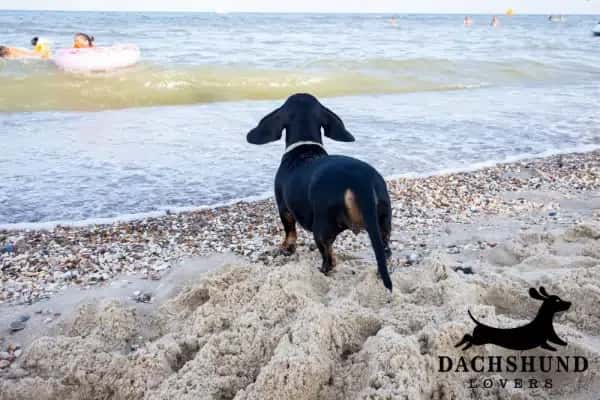
One of the first things I learned from owning Harvey is that dachshunds tend to make up their minds quickly about new experiences — and water is no exception. If a dachshund’s first encounter with water is positive, you may find they’ll happily paddle in the shallows or cool off in a splash pool on hot days. But if their first memory involves a rough wave, a cold shock, or feeling unsafe, it can take months (or years) to change their opinion.
Early exposure is key. Puppies that are gently introduced to water in a warm, calm setting — like a shallow bathtub or a kiddie pool in the backyard — are more likely to feel comfortable around it later in life. Even if you adopt an older dachshund, gradual introductions can still work, but you’ll need patience and a watchful eye.
Personality plays a big role. In my experience, confident and curious dachshunds are more likely to experiment with water play, while more cautious dogs prefer to keep their paws dry. Harvey, for example, is somewhere in the middle — he’s fine wading into ankle-deep water at Oak Park, but the moment the waves creep above his belly, he’s back on the sand, looking at me like I’ve lost the plot.
The environment matters. Calm, clear, shallow water is far less intimidating than deep, murky lakes or busy surf beaches. Noise, crowds, and movement can overwhelm a dachshund that’s already unsure. That’s why I tend to choose quieter spots for Harvey’s water experiences, where he can approach at his own pace.
The RSPCA emphasises never forcing a dog into the water, particularly breeds that aren’t natural swimmers. Instead, let them explore, reward any positive interaction, and provide an easy exit (such as a ramp, steps, or gently sloping shoreline).
If your dachshund enjoys water in a limited way — for instance, paddling but not swimming — that’s perfectly fine. The goal isn’t to turn them into a water retriever, but to give them enriching, safe experiences that suit their temperament.
For a look at how weather can influence their willingness to swim or wade, you can check our related piece on Dachshund and Cold Weather, which also covers tips for keeping them warm after a swim in cooler conditions.
Water Safety Tips for Dachshund Owners
Taking Harvey to the water has taught me that enjoying it safely is just as important as enjoying it at all. Dachshunds, with their small stature and unique build, need a few extra considerations before they splash in.
- Always Start in Calm, Shallow Areas
Just like a child learning to swim, a dachshund’s first water experiences should be slow and easy. When Caitlin and I first tried Harvey in water, we chose the still rock pools at Gunnamatta Bay instead of open surf. Calm water removes the fear factor and lets your dog focus on the fun. - Use a Well-Fitted Dog Life Jacket
Because dachshunds work harder to stay afloat than longer-legged breeds, a life jacket offers a layer of confidence and safety — especially if they tire quickly. Choose one with a sturdy handle on top so you can guide them in and out easily. The RSPCA recommends life jackets for small breeds in any open water setting. - Watch the Temperature
Cold water can sap body heat quickly. In winter, or if the water feels chilly to your hand, it’s often better to skip swimming altogether. Our guide on Dachshund and Cold Weather covers more on safe temperature ranges and how to warm your dog after a dip. - Keep Sessions Short
Dachshunds can burn through energy in the water faster than on land. Five to ten minutes of paddling is often enough before fatigue sets in. End on a positive note, before your dog gets cold or overwhelmed. - Never Force the Experience
If Harvey’s body language says, “I’m not in the mood,” we don’t push it. Forcing a dachshund into water can backfire and make them more fearful. Instead, encourage them with treats, toys, or simply being near you in the shallows. - Plan for Post-Swim Care
Rinse off salt, sand, or chlorine, and dry thoroughly — especially under the chest and between the toes — to avoid skin irritation.
Whether you’re on holiday or just taking a trip to your local beach, a safe, comfortable environment can help your dachshund decide water isn’t so bad after all. And if they never grow to love swimming? That’s fine too — some dachshunds are happiest on the shore, tail wagging, watching the waves roll in.
FAQs
More from This Series
- Dachshund for Apartment Living — Practical ways to set up a small space that still feels generous to a doxie.
- Dachshund Daily Routine — A simple structure for exercise, rest, and enrichment that actually sticks.
- Dachshund in Bed — The upsides, the risks, and how to make co‑sleeping safe.
- Owning a Dachshund — Costs, temperament, and the realities behind the long dog romance.
- Dachshund and Cold Weather — Layering, timing walks, and spotting early signs of chill.
- Do Dachshunds Like Water? — Building confidence in the shallows without forcing the swim.
- Dachshund and Cats — A practical playbook for peaceful introductions
Authored by
James
James is the founder of Dachshund Lovers and the proud human of Harvey, a mini dapple with a big personality. He writes to empower and connect the dachshund community, blending founder insights with honest, experience-based stories about life with this incredible and special breed. James brings candid, experience-backed opinions to the community and always focused on fewer, better products and ideas that genuinely improve life for dachshunds and their people.
Read moreJames is the founder of Dachshund Lovers and the proud human of Harvey, a mini dapple with a big personality. He writes to empower and connect the dachshund community, blending founder insights with honest, experience-based stories about life with this incredible and special breed. James brings candid, experience-backed opinions to the community and always focused on fewer, better products and ideas that genuinely improve life for dachshunds and their people.
Read moreDisclaimer
This content is for informational purposes only and should not be considered veterinary advice. Always consult with a licensed veterinarian regarding your dog’s health and wellbeing.
There are no comments yet
Leave a comment