Dapple Dorkie: Everything About This Spotted Beauty
Dapple Dorkie: Everything About This Spotted Beauty
What do you get when you mix a Yorkie with a dapple Dachshund? A surprisingly confident, affectionate, and quirky little dog. Let’s unpack it all.

James
Posted on November 9, 2025.
Updated on July 17, 2026.
Table of Contents
- 1.Key Takeaways: Dapple Dorkie at a Glance
- 2.What Is a Dapple Dorkie?
- •Understanding the Dapple Gene
- •What Do Dapple Dorkies Look Like?
- •Are Dapple Dorkies Rare?
- •Why Does Coat Pattern Matter?
- •Are Dapple Dorkies Recognized as a Standard?
- 3.Are There Health Risks Associated with Dapple Dorkies?
- •The Merle Gene & What It Means
- •Known risks of double merle breeding include:
- •Are All Dapple Dorkies at Risk?
- •Ethical Breeding: What to Look For
- •Takeaway for Future Dapple Dorkie Owners
- 4.Grooming Needs for Dapple Dorkies
- •Coat Texture & Shedding
- •Brushing & Bathing
- •Ear, Nail, and Dental Care
- •Grooming Tips by Coat Type
- •Optional: Professional Grooming
- 5.Are Dapple Dorkies Rare?
- •What Causes the Dapple Pattern?
- •Are Dapple Dorkies Uncommon?
- •Why Are Dapple Dorkies So Popular?
- •Ethical Considerations Around Rarity
- 6.Ethical Considerations in Breeding Dapple Dorkies
- 7.Dapple Dorkie Personality & Behavior
- •What You Can Expect:
- 8.Availability: Are Dapple Dorkies Easy to Find?
- •Why Are They Less Common?
- •Where to Look:
- -More From This Series:
- -Disclaimer
Share

Not all Dorkies look alike — and if you’ve ever seen one with a swirling, marble-like coat of silver, black, or chocolate patches, you were likely looking at a Dapple Dorkie.
This striking variation of the Dachshund-Yorkshire Terrier mix inherits its pattern from the dapple (or merle) gene typically found in certain dachshund lines. The result is a dog that stops people in their tracks — not just for its compact charm, but for its rare and mesmerizing appearance.
I remember first spotting a Dapple Dorkie in Rushcutters Bay Park in Sydney — a long-haired beauty with cool-toned silver dappling and a feisty confidence that clearly came from both parents. As with all Dorkies, the personality was unmistakable: bold, clever, and a little too observant for her own good.
In this guide, we’ll explore what makes the Dapple Dorkie so special — from how this coat pattern occurs, to the care it requires, to the ethical questions surrounding dapple breeding. If you’re curious about this rare Dorkie variation or wondering if one might be right for you, this is the place to start.
For a broader look at this mix, see our full Dorkie overview guide.
Key Takeaways: Dapple Dorkie at a Glance
Trait | Description |
|---|---|
Breed Mix | Dachshund × Yorkshire Terrier (with dapple gene) |
Coat Pattern | Marbled, patchy mix of light and dark shades (often silver, black, or brown) |
Size Range | 5–12 lbs (2.2–5.4 kg) |
Temperament | Loyal, alert, smart, slightly stubborn |
Rarity | Uncommon — dapple trait is recessive and not always bred intentionally |
Health Watch | Possible risks: deafness, vision issues, joint problems |
Ethical Breeding | Dapple to non-dapple recommended; avoid “double dapple” pairings |
Grooming Needs | Moderate to high depending on coat length |
Great For | Singles, couples, older kids, those who enjoy a dog with visual flair |
Ideal For | First-time owners unprepared for coat care or potential health expenses |
What Is a Dapple Dorkie?

When people hear “Dorkie,” they usually picture a tiny, energetic pup with silky hair, expressive eyes, and a healthy dose of attitude. But add the word dapple to the mix, and you get something even more visually unique — a dog that’s equal parts companion and conversation piece.
Understanding the Dapple Gene
The dapple pattern — also known as merle in other breeds — is caused by a dominant gene that alters the distribution of pigmentation in a dog’s coat. In dachshunds, this gene is responsible for creating the marbled or patchy coat you see in dapple dachshunds. When passed on to their Dorkie offspring, it results in that same dramatic swirl of light and dark shades.
The dapple gene doesn’t just affect fur color — it can sometimes impact skin pigmentation and even eye color. Some dapple Dorkies inherit blue or partially blue eyes, a trait more common in dapple-coated dachshunds.
It’s important to note: while the gene itself is dominant, only one copy should be present. Breeding two dapple dogs together (creating a “double dapple”) dramatically increases the risk of birth defects — including deafness, vision issues, and other developmental concerns. This is why reputable breeders avoid double-dapple pairings entirely.
For a trusted source on dapple genetics and breeding risks, see the American Kennel Club’s article on merle breeding.
What Do Dapple Dorkies Look Like?
While every Dorkie is a mix of influences from their dachshund and Yorkie parents, dapple Dorkies have an unmistakable visual signature:
- Marbled patches of color — often silver, gray, black, chocolate, or tan
- Asymmetrical markings — no two look the same
- Possible heterochromia (two different eye colors)
- Coat length varies: some inherit the silky Yorkie coat, others the smooth or wiry dachshund coat
Depending on the dominant coat type, you may find:
- Short-coated dapple Dorkies with sleek fur and a clean marbled appearance
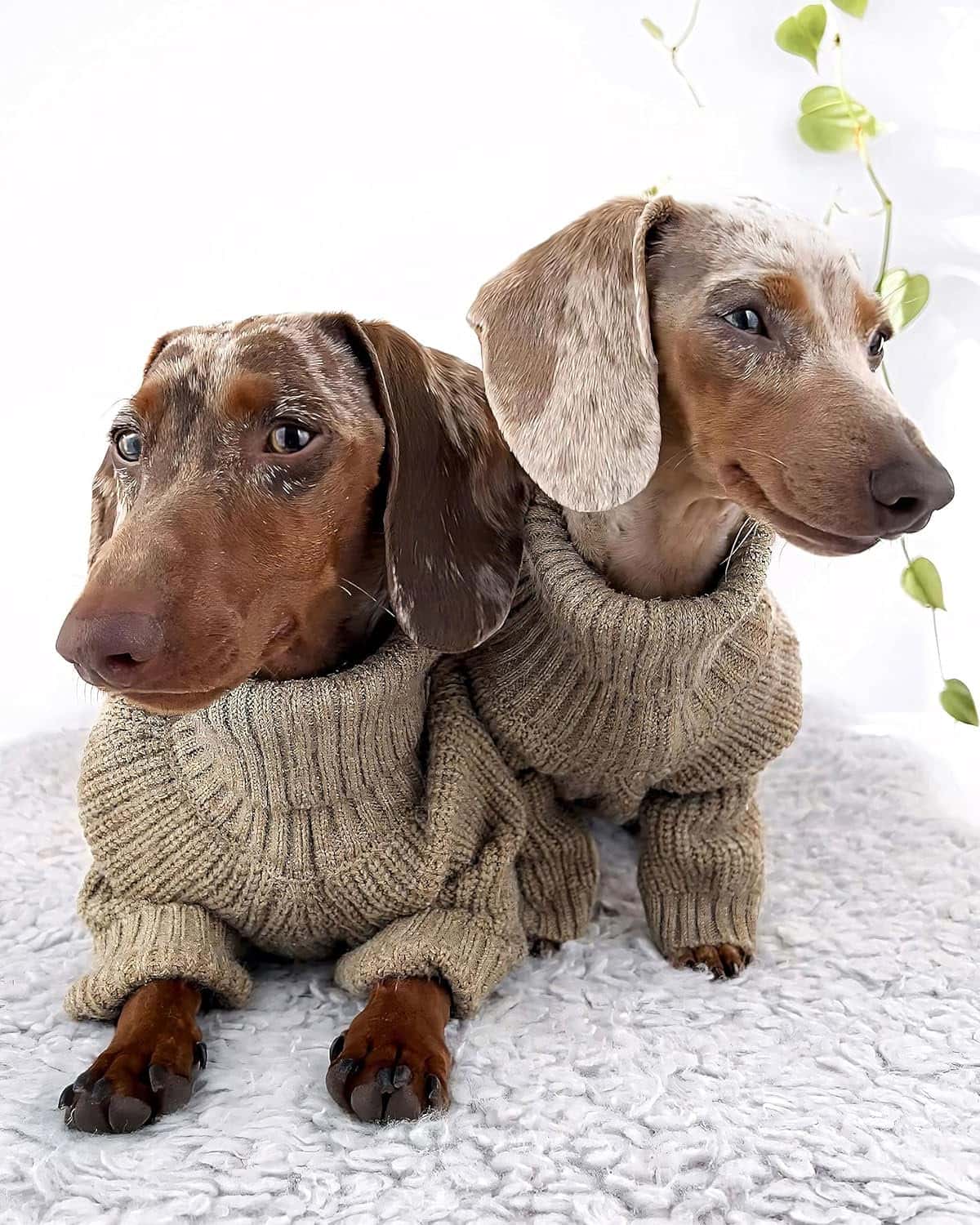
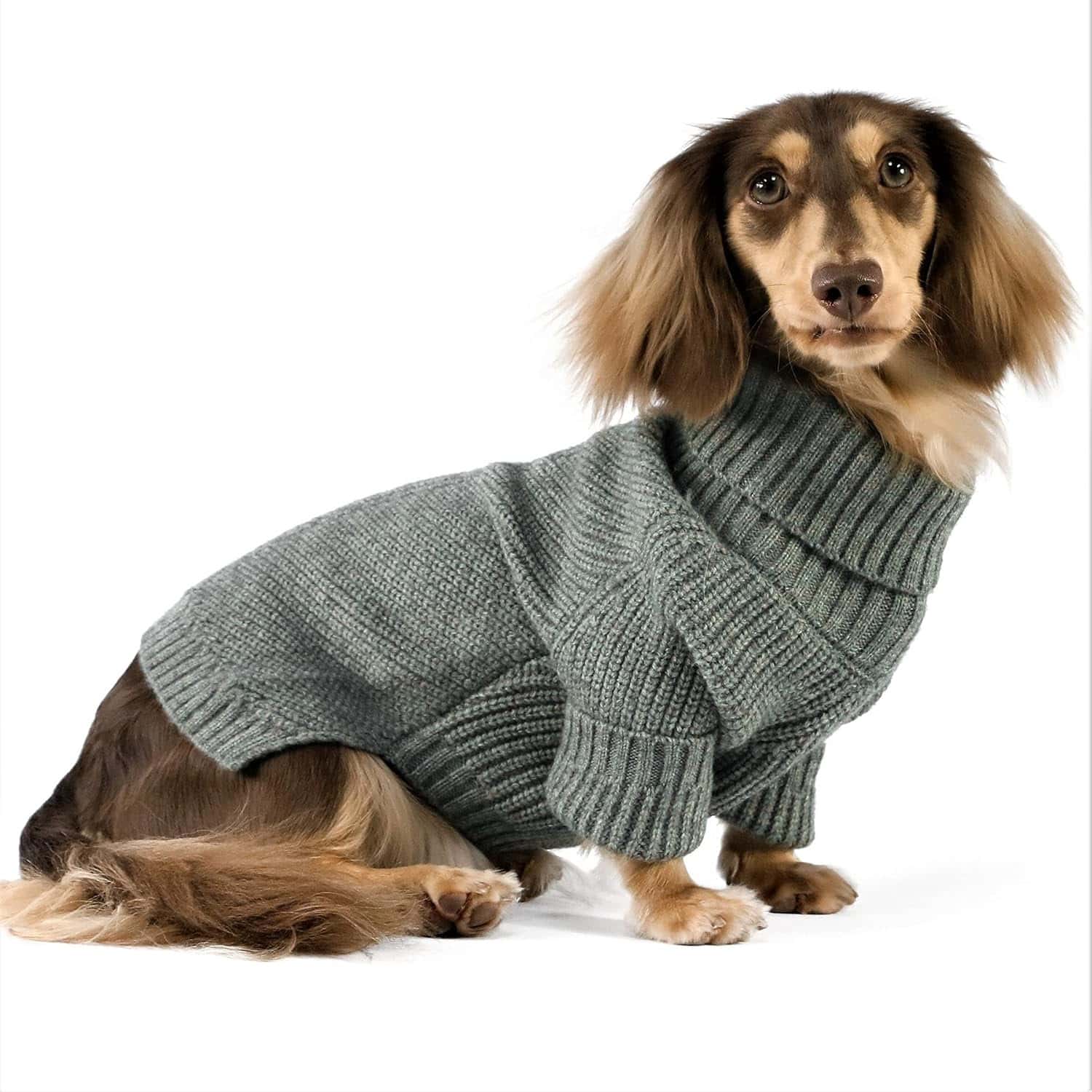
- Long-haired dapple Dorkies with feathered legs, flowing ear fur, and dappling that shimmers in the light
- Wiry dapple Dorkies, which tend to have a rougher, more tousled look, especially when the dachshund parent is wire-haired
Want to understand the broader world of Dorkie coats and grooming needs? Head to our in-depth guide: Grooming & Coat Care for Dorkies.
Are Dapple Dorkies Rare?
In short: yes. Dapple Dorkies are considered less common than their solid-colored or bi-color siblings. This is because:
- Not all dachshunds carry the dapple gene
- Yorkies do not naturally carry dapple, so the coat must come exclusively from the dachshund parent
- Ethical breeders tend to breed for health first, which means dapple litters are not always the goal
You’re more likely to find dapple Dorkies through breeders who specialize in single-dapple dachshund crosses, or occasionally through accidental litters where a dapple dachshund was bred with a Yorkie without full awareness of the implications.
Be cautious: if you’re offered a “rare” dapple Dorkie at a premium price, ask detailed questions. Ensure the breeder is not pairing two dapple parents, and always request health clearances.
For guidance on finding a responsible breeder, refer to the Humane Society’s checklist for ethical breeders.
Why Does Coat Pattern Matter?
Beyond the visual appeal, coat pattern in dogs can sometimes be linked to health. In dapple dogs:
- One copy of the dapple gene = usually safe and healthy
- Two copies (double dapple) = higher risk of:
- Congenital deafness
- Eye abnormalities (microphthalmia, colobomas)
- Increased vet bills and potential long-term care
- Congenital deafness
This is why understanding the genetics behind a Dorkie’s pattern matters — not just for appearance, but for the dog’s lifelong wellbeing.
Are Dapple Dorkies Recognized as a Standard?
No — since Dorkies are a hybrid, they aren’t recognized by the American Kennel Club or UK Kennel Club. However, they are widely acknowledged in hybrid and designer dog communities, including:
- The Designer Breed Registry (DBR)
- The International Designer Canine Registry (IDCR)
These organizations allow breeders to register litters and track lineage, but they do not guarantee quality or ethical breeding practices. Always do your own research when selecting a puppy.
Are There Health Risks Associated with Dapple Dorkies?
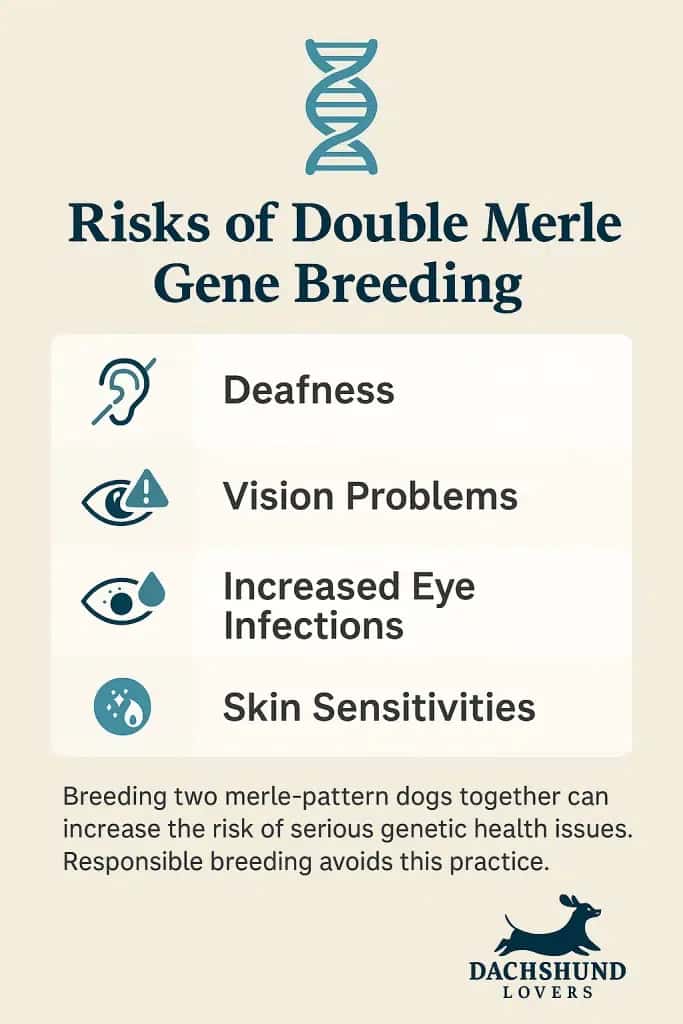
Yes — while Dapple Dorkies are undeniably striking, their distinctive spotted coat isn’t just a cosmetic trait. It’s the result of a specific genetic mutation tied to the merle gene, which can carry some important health implications when not carefully managed.
The Merle Gene & What It Means
The “dapple” pattern in dachshunds (and passed on in mixes like the Dorkie) stems from the merle allele, which causes irregular patches of diluted color. This can create stunning patterns — swirls of silver, gray, cream, or chocolate — especially when contrasted with darker base coats.
But if two merle (dapple) parents are bred together, the resulting double merle puppies can inherit serious health risks.
Known risks of double merle breeding include:
Health Issue | Description |
|---|---|
Deafness | Can be partial or complete; often in both ears |
Vision Problems | Including microphthalmia (small eyes), malformed or missing eyes |
Increased Eye Infections | Due to malformed eyelids, lashes, or lack of tear ducts |
Skin Sensitivities | Often associated with light patches and pink skin, more prone to sunburn |
This is why responsible breeding matters. Ethical breeders will never pair two dapple parents — and many will conduct genetic testing to confirm they’re not unknowingly combining merle carriers.
For an in-depth look at merle genetics and associated risks, this article by VCA Animal Hospitals offers helpful guidance.
Are All Dapple Dorkies at Risk?
Not necessarily. A single dapple Dorkie — where only one parent carried the merle gene — typically doesn’t face the same heightened risks. These dogs can live long, healthy lives with no issues tied to their coloring.
However, it’s essential for potential owners to:
- Confirm breeding history if purchasing from a breeder.
- Avoid any litters promoted as “double dapple” or with both parents visibly dappled.
- Prioritize health screening, especially for hearing and vision, in early vet checks.
Ethical Breeding: What to Look For
Whether you’re considering a Dapple Dorkie from a breeder or rescue, here are signs of responsible breeding practices:
Responsible Breeding Checklist |
Only one parent is dapple |
Breeder can provide proof of genetic health testing |
No signs of double merle (extreme white, blue eyes, etc.) |
Puppies are kept with their mother for 8+ weeks |
Socialized, vet-checked, and started on early training |
If you’re unsure, organizations like the Orthopedic Foundation for Animals (OFA) offer searchable databases of breeders who test for hereditary conditions.
Takeaway for Future Dapple Dorkie Owners
The dapple pattern adds visual flair to the already charming Dorkie mix. But with beauty comes responsibility. If you’re considering a Dapple Dorkie, ask the right questions, verify lineage, and work with breeders who put health over aesthetics.
Most importantly, even a Dorkie without perfect hearing or vision can lead a joyful, connected life with the right care and support. But awareness from the outset helps set everyone — human and hound — up for a healthier journey together.
Grooming Needs for Dapple Dorkies
Dapple Dorkies, with their mesmerizing marbled coats, are undeniably eye-catching — but maintaining that beauty takes a bit of effort. Their grooming needs can vary based on whether they inherit more from the Yorkshire Terrier or Dachshund side, particularly in terms of coat length and texture.
Coat Texture & Shedding
Dapple Dorkies typically have one of three coat types:
Coat Type | Shedding Level | Grooming Frequency |
|---|---|---|
Smooth (short) | Low to moderate | Weekly brushing |
Silky (long-haired) | Low | Daily brushing to prevent mats |
Wire-haired or mixed | Moderate | 2–3 times/week + trimming |
Their dapple coloring — those striking swirls of light and dark — tends to show best when the coat is clean, healthy, and free from tangles. Regular grooming isn’t just about appearance; it helps manage shedding and reduces the risk of skin irritations, especially in dogs with lighter pigmented patches, which can sometimes be more sensitive to sun and dryness.
Brushing & Bathing
- Brushing: Long-haired dapple Dorkies benefit most from daily grooming using a pin brush or slicker brush. This prevents tangles, especially behind the ears and under the arms. For short-coated Dorkies, a weekly session with a rubber curry brush is usually sufficient.
- Bathing: Every 4–6 weeks is typical, but this may vary depending on your dog’s activity level and any sensitivities. Use a gentle, pH-balanced dog shampoo to preserve the natural oils in their skin and coat. Avoid overbathing — especially for dogs with lighter or more diluted coat colors, as their skin can be more prone to dryness.
Ear, Nail, and Dental Care
Dapple Dorkies with floppy dachshund-style ears need weekly checks for moisture build-up, wax, or signs of infection. Cleaning with a vet-approved ear solution can help prevent problems. Nail trims should occur every 3–4 weeks, and dental care is essential — both Dachshunds and Yorkies are prone to plaque and early tooth loss.
Grooming Tips by Coat Type
If Your Dapple Dorkie Has... | Focus On |
|---|---|
Long, silky coat (Yorkie-style) | Preventing mats, trimming around paws and eyes |
Smooth, short coat (Dachshund-style) | Skin checks, brushing during shedding seasons |
Mixed or wire-haired coat | Occasional trims, de-shedding tools |
Optional: Professional Grooming
Owners of long-haired or wire-coated dapple Dorkies often opt for professional grooming every 6–8 weeks. This not only keeps the coat manageable but allows a trained eye to spot early signs of irritation, infection, or hidden mats — especially in the hard-to-see spots along their belly and legs.
If you’re unsure whether your Dorkie needs a groomer, start with one visit and ask for a demo on brushing or trimming. Over time, you may feel confident doing it at home, or you may find the salon route is worth the cost for peace of mind.
Are Dapple Dorkies Rare?

Yes — dapple Dorkies are considered rare, and for good reason. Their distinctive speckled or marbled coats are a direct result of the merle gene, most commonly carried by the Dachshund parent. This gene causes patches of lighter or darker pigmentation across the coat, creating a dapple or “spotted” pattern that can look striking on small breeds like the Dorkie.
But rarity isn’t always synonymous with desirability. While dapple Dorkies are undeniably eye-catching, their unique coat comes with important considerations — both ethical and medical.
What Causes the Dapple Pattern?
The dapple pattern arises when a Dorkie inherits one copy of the dominant merle gene. Typically, this comes from a dapple Dachshund parent, as Yorkshire Terriers do not naturally carry merle.
Here’s a simplified breakdown:
Genetic Makeup | Result |
|---|---|
One copy of merle (Mm) | Classic dapple coat – marbled or spotted |
Two copies (MM) – avoid | Double merle – high risk of blindness, deafness, and other defects |
No merle gene (mm) | Solid or traditional coat color |
The American Kennel Club and multiple breed clubs strongly advise against breeding two merle carriers. The resulting double merle puppies often suffer from serious health conditions, including hearing and vision loss. This is a key reason why reputable breeders limit dapple production and screen for genetics carefully.
Are Dapple Dorkies Uncommon?
They are — and deliberately so. Reputable breeders avoid pairing two merle dogs, which naturally limits how many dapple-patterned Dorkies are produced. On top of that, Dorkies themselves are not a registered or standardized breed, meaning ethical breeders are few and far between compared to more established designer mixes.
You’re more likely to come across dapple Dorkies:
- Through Dachshund-focused breeders experimenting with Yorkie crosses
- In rescue situations, where coat pattern was incidental, not intentional
- From less scrupulous breeders who prioritise aesthetics over health
Why Are Dapple Dorkies So Popular?
It’s the coat — plain and simple. The swirled silver, black, tan, or chocolate coloring catches the eye, especially on a toy-sized dog. Social media has played a big role in driving up interest in dapple Dorkies, with their photogenic looks and compact size making them particularly “shareable.”
But it’s important to look beyond the pattern. Always ask:
- Was the puppy bred responsibly?
- Have the parents been DNA tested for merle-related conditions?
- Does the breeder have a reputation for health-first practices?
You can read more about the responsible approach to breeding Dorkies in our article on Dorkie Puppies: Buying, Raising & Care Tips.
Ethical Considerations Around Rarity
Rarity often drives demand — but not always in a good way. In the case of dapple dogs, that demand can lead to overbreeding, unsafe pairings, and puppy mills exploiting the “exotic” factor for profit.
To avoid supporting unethical breeding:
- Look for transparency around parent lineage
- Ask for veterinary records and health clearances
- Be wary of breeders who have multiple dapple puppies available at once
And if you’re not set on the dapple pattern? Consider adopting. Many Dorkies with equally loving personalities are available in shelters or breed-specific rescues, even if their coats are less flashy.
Ethical Considerations in Breeding Dapple Dorkies
Not all dapple Dorkies are bred with care — and the risks of getting it wrong are significant. The merle gene that causes the dapple coat is dominant, but when two dogs carrying the gene are bred together, the result is what’s known as a double merle (MM). This genetic pairing can lead to serious health issues including:
- Congenital deafness
- Blindness or abnormal eye development
- Increased risk of immune system disorders
- Shortened lifespan or compromised quality of life
Because Yorkshire Terriers don’t naturally carry the merle gene, the risk lies entirely on the Dachshund side. This means responsible breeders should:
- Avoid merle-to-merle pairings altogether
- Genetically test Dachshund parents to confirm their merle status
- Be transparent about lineage, results, and breeding intentions
According to the American Veterinary Medical Association, the merle gene can be unpredictable and hard to manage without genetic testing. Reputable breeders will prioritise health and temperament over coat pattern — especially in designer mixes like the Dorkie.
For potential owners, the key takeaway is this: never choose a puppy based on appearance alone. Ask questions, seek evidence of ethical breeding practices, and don’t shy away from saying no if something feels off. Reputable breeders should welcome those conversations — and if you’re met with deflection or urgency, that’s a red flag.
Dapple Dorkie Personality & Behavior
While the dapple pattern influences appearance, it doesn’t alter personality — that comes from the breed mix. Like all Dorkies, dapple-coated ones are a combination of the Dachshund’s bold loyalty and the Yorkshire Terrier’s clever sass.
What You Can Expect:
Trait | Description |
|---|---|
Energy Level | Moderate. Enjoys daily walks, short games, and human interaction. |
Affection | Forms strong bonds. Will likely follow you from room to room. |
Watchdog Instincts | High. Dapple Dorkies can be vocal and alert. |
Trainability | Smart, but needs patience — both breeds can be headstrong. |
Sociability | Good with family, selective with strangers. Early socialization helps. |
Some owners report slightly more dramatic or expressive behavior in dapple-patterned Dorkies — often due to their striking look drawing more attention from people. This can lead to more frequent interaction, reinforcing social behaviors (or attention-seeking habits). Whether that’s charming or cheeky often depends on how you train and engage with them.
Like their solid-colored counterparts, Dapple Dorkies do best in homes where they’re not left alone for long periods. They’re companion dogs through and through — happiest when they’re included in your daily rhythm.
Availability: Are Dapple Dorkies Easy to Find?
Dapple Dorkies are one of the rarer coat variations within an already uncommon hybrid breed. Because their distinctive pattern is only passed down through Dachshund lineage — and requires specific genetics — they’re not something you’ll commonly find in general shelters or backyard litters.
Why Are They Less Common?
The dapple pattern is caused by the merle gene, and ethical breeders typically avoid pairing two dapple-coated Dachshunds or hybrids together due to the risk of double merle health complications (e.g. deafness, blindness). As a result, breeders limit how often they purposefully produce dapple variations — especially in designer breeds like the Dorkie.
Where to Look:
Country | Availability Overview | Recommended Starting Points |
|---|---|---|
Australia | Dapple Dorkies are quite rare, with few dedicated breeders | Start by checking ethical small-breed rescues like Dachshund Rescue Australia or speak to vet-recommended boutique breeders. Gumtree and Facebook Marketplace are not recommended due to unethical breeding practices. |
United States | Slightly more availability thanks to a larger population of hybrid breeders. | Look at platforms like PuppySpot (check breeder credentials), or consult the American Kennel Club Marketplace for Yorkie or Dachshund breeders who may have mixed litters. Also consider contacting regional rescue groups. |
United Kingdom | Moderately rare. Most Dorkies advertised are non-dappled. | Use Pets4Homes UK, but filter for breeder experience and reviews. Consider reaching out to groups like The Dachshund Breed Council for guidance on responsible breeders. |
James’s Advice: Whether you’re in Sydney, Seattle, or Sheffield, the same principles apply: if a breeder cannot explain the lineage and genetic testing process for a dapple coat, walk away. Transparency and ethics should never be optional.
Frequently Asked Questions about Dapple Dorkies
More From This Series:
Looking to explore more about the Dorkie? Here are other in-depth guides in our Dorkie collection:
- Dorkie: The Dachshund Yorkie Mix Breed Guide
A complete introduction to Dorkies — history, personality, size, and care needs. - Dorkie Puppies: Buying, Raising & Care Tips
Everything you need to know before bringing home a Dorkie puppy. - Full Grown Dorkie: Size, Weight & Personality
Explore how your Dorkie will grow, mature, and behave as an adult. - Dorkie Temperament: What to Expect from This Mix
Unpacking their personality traits, energy levels, and family compatibility.
Dorkie Price Guide: Cost to Own This Adorable Mix
Understand upfront and ongoing costs — and whether a Dorkie fits your budget.
Authored by
James
James is the founder of Dachshund Lovers and the proud human of Harvey, a mini dapple with a big personality. He writes to empower and connect the dachshund community, blending founder insights with honest, experience-based stories about life with this incredible and special breed. James brings candid, experience-backed opinions to the community and always focused on fewer, better products and ideas that genuinely improve life for dachshunds and their people.
Read moreJames is the founder of Dachshund Lovers and the proud human of Harvey, a mini dapple with a big personality. He writes to empower and connect the dachshund community, blending founder insights with honest, experience-based stories about life with this incredible and special breed. James brings candid, experience-backed opinions to the community and always focused on fewer, better products and ideas that genuinely improve life for dachshunds and their people.
Read moreDisclaimer
This content is for informational purposes only and should not be considered veterinary advice. Always consult with a licensed veterinarian regarding your dog’s health and wellbeing.
There are no comments yet
Leave a comment