Dapple Dachshund Puppies
Dapple Dachshund Puppies
If those dreamy spots have caught your heart, here’s the full picture. A practical guide on raising dapple doxies, written from experience.
James
Posted on October 29, 2025.
Updated on July 17, 2026.
Table of Contents
- 1.Key Takeaways on Dapple Dachshund Puppy
- •What Makes Dapple Dachshund Puppies Unique
- 2.Coat Patterns & Genetics
- 3.Temperament of Dapple Dachshund Puppies
- 4.Exercise & Play Needs of Dapple Dachshund Puppies
- 5.Health Considerations for Dapple Dachshund Puppies
- 6.Training & Early Socialisation
- 7.Cost & Where to Find Responsible Breeders
- •Owner Lifestyle Fit
- -More from This Series
- -Disclaimer
Share

When people meet Harvey for the first time, the question almost always comes up: “What kind of dachshund is he?” His silver dapple coat draws attention everywhere we go — from walks along the Cronulla Esplanade to lazy weekends at Silver Beach, Kurnell. Strangers often assume he’s some kind of rare mix, but the truth is simpler: Harvey is a miniature dachshund with a dapple pattern, and it’s part of what makes him unique.
That’s the magic of dapple dachshund puppies. No two look alike. Their marbled coats — patches of light and dark that swirl across smooth, long-haired, or wire-haired fur — make them stand out even among a breed already known for variety. The American Kennel Club recognises dapple as an official pattern, but it’s one that comes with responsibility. Breeding two dapples together can result in a “double dapple,” a genetic pairing linked to serious health risks like deafness and blindness. It’s why the RSPCA NSW stresses the importance of working only with responsible breeders who avoid these combinations.
Raising Harvey has taught me that the dapple pattern is just the beginning. Behind the striking coat, he’s still a dachshund in every sense: bold, stubborn, affectionate, and very opinionated about when he feels like walking. What makes life with a dapple puppy special isn’t just their looks — it’s the personality that comes with it, and the responsibility of raising them well.
This guide brings together what I’ve learned as an owner — alongside trusted advice from vets and breed experts — to help you understand what makes dapple dachshund puppies unique, what to look out for when choosing one, and how to give them the best start in life.
Key Takeaways on Dapple Dachshund Puppy
Topic | Summary | Key Notes |
|---|---|---|
Unique Coat Pattern | Dapple puppies have marbled patches of light and dark fur. | No two dapples look alike. Harvey’s silver dapple coat is often mistaken for a “rare mix.” |
Genetics & Risks | The dapple gene is dominant, but breeding two dapples can cause serious health issues. | “Double dapples” carry higher risks of deafness and blindness. Always ask breeders about parent history. |
Temperament | Same spirited dachshund personality underneath the coat. | Bold, affectionate, stubborn. Harvey’s bursts of energy remind us it’s not just about looks. |
Puppy Training | Early socialisation and structure matter. | Early socialisation and structure matter. Consistency, positive reinforcement, and managing independence are key. |
Exercise Needs | Short, frequent walks and play over long endurance. | Harvey thrived on controlled bursts rather than forced long walks as a pup. |
Health Considerations | Watch for dachshund-specific risks like IVDD. | Regular vet checks, no forced stair climbing, and careful monitoring of growth |
Responsible Breeding | Essential when considering a dapple puppy. | Work with breeders who avoid dapple-to-dapple pairings. RSPCA NSW supports ethical breeding standards. |
Lifestyle Fit | Striking coat aside, dapples still need dachshund-level care. | Ideal for owners who value daily engagement, structured routines, and patience. |
What Makes Dapple Dachshund Puppies Unique
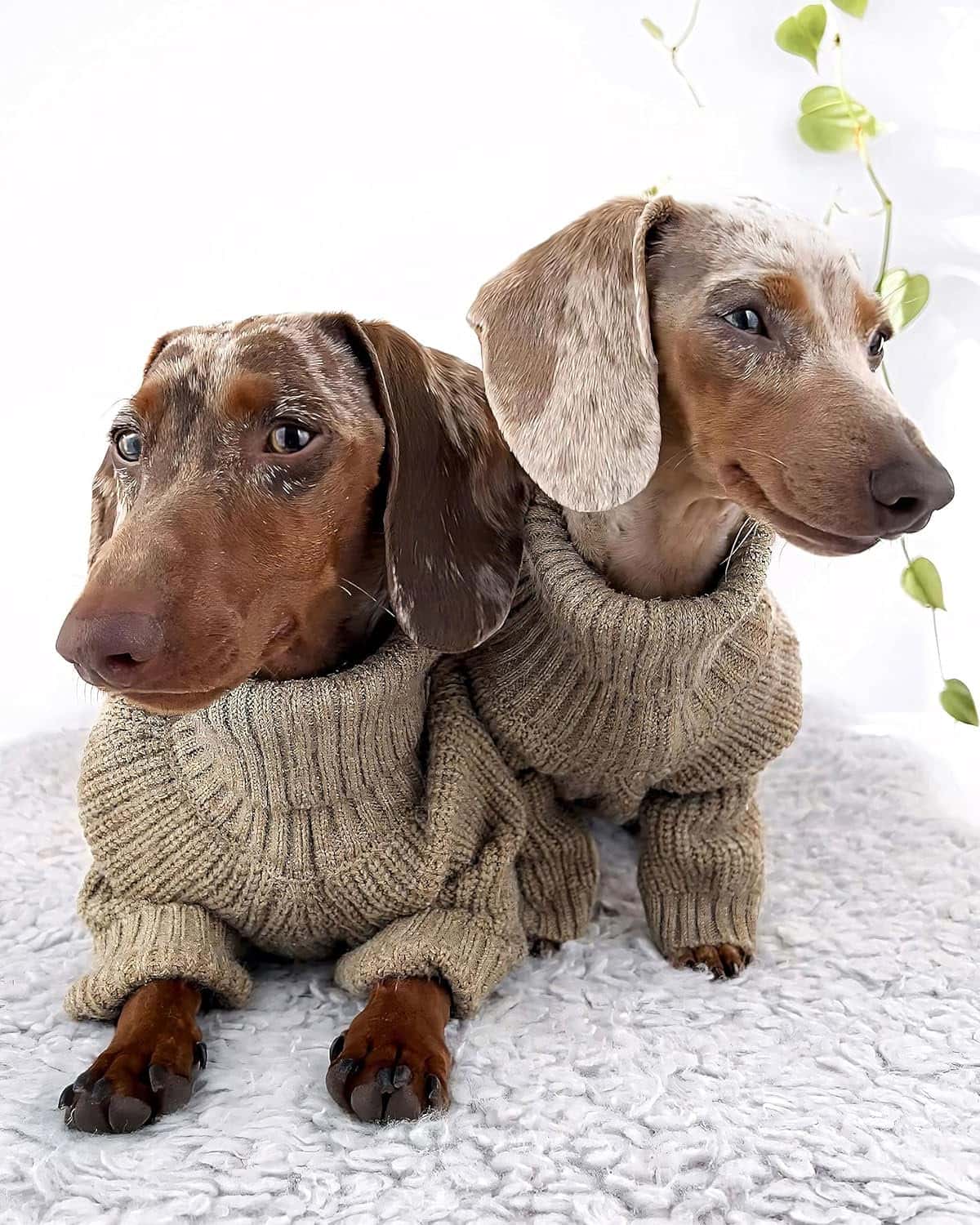
The dapple pattern is one of the most distinctive in the dachshund world. Unlike solid or standard coats, dapples have patches of lighter and darker colour that create a marbled, almost painted effect. The American Kennel Club recognises dapple across all coat types — smooth, long-haired, and wire-haired — and in both standard and miniature dachshunds.
What makes them truly unique is that no two look alike. Some dapples have just a single fleck of silver or cream on a dark coat, while others — like Harvey, our silver dapple — wear their pattern like a full mosaic. When Harvey was a puppy, we had countless people ask if he was a crossbreed because of the striking contrast in his coat. It’s part of the charm of owning a dapple — your dog carries a look that no other dachshund in the world will have.
But uniqueness goes beyond looks. The dapple gene is dominant, which means only one parent needs to carry it for the pattern to appear. The challenge comes when two dapple parents are bred together. This produces what’s called a “double dapple,” a combination linked to serious health risks like deafness, blindness, and eye deformities. RSPCA NSW and other animal welfare bodies warn strongly against this kind of breeding. Responsible breeders will never pair two dapples, and as an owner, knowing to ask this question is one of the most important parts of choosing a healthy puppy.
For me, what makes dapple puppies unique is the way their looks draw people in — but it’s their personality that keeps people hooked. Harvey may catch attention for his silver coat, but it’s his cheeky bursts of energy, his stubborn refusal to walk in the mornings, and his loyalty at the end of the day that define who he is. The coat is just the introduction; the dachshund personality is the real story.
Head over section on everything dapple dachshund where you will discover the blue,brown and double dapple dachshund.
Coat Patterns & Genetics
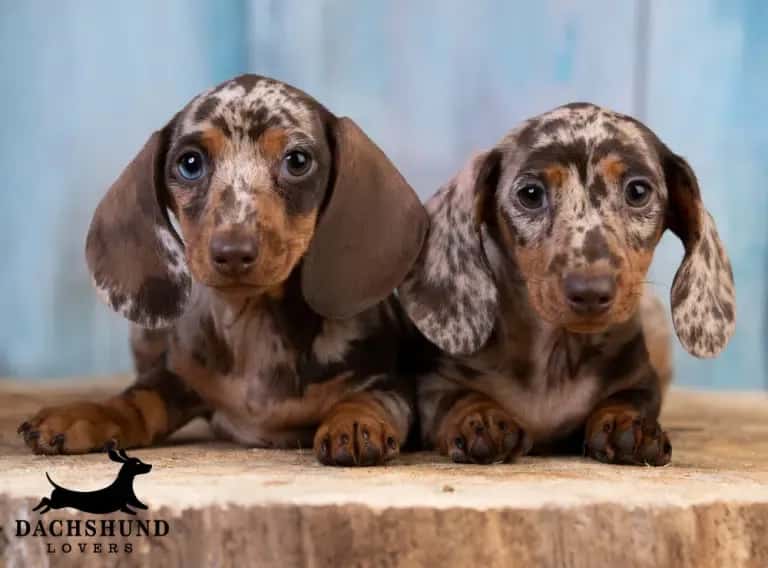
The dapple pattern is caused by a gene known as the merle gene, which affects pigmentation in a dachshund’s coat, eyes, and sometimes skin. When expressed, it creates the marbled patches that make dapple dachshund puppies so distinctive. This same gene can also produce striking blue or partially blue eyes in some puppies, which adds to their rarity and appeal.
The genetics are relatively simple: one parent carrying the dapple gene is enough for it to appear in the litter. That’s why you’ll often see a mix of puppies in a single litter — some with solid coats, some with dapple markings.
Where things become serious is with double dapples. Breeding two dapple parents together doubles the gene expression, which greatly increases the risk of congenital health issues. According to Alpha Paw, double dapple puppies may be born with partial or complete blindness, deafness, or malformed eyes. The RSPCA NSW also stresses that responsible breeding practices must avoid this pairing altogether.
When Harvey was a pup, one of the first things we checked with the breeder was his lineage. We made sure he came from a single dapple parent — avoiding any risk of double dapple complications. It’s the kind of question every potential owner should be asking. If a breeder can’t explain the genetics clearly, or doesn’t want to discuss parent pairing, it’s a red flag.
Beyond genetics, dapples can appear in all the classic dachshund coat types:
- Smooth dapple — the short, glossy coat shows marbling clearly.
- Long-haired dapple — dapples look softer, sometimes with a silver or cream “overlay.”
- Wire-haired dapple — patterns can be more subtle, mixed into the wiry texture.
Each type has its own grooming needs, but the genetics behind the dapple pattern are the same.
For owners, the takeaway is simple: the dapple gene creates beauty, but it demands responsibility. A healthy puppy comes from a breeder who understands genetics and protects against risky pairings.
Temperament of Dapple Dachshund Puppies
Behind every dapple coat is still a dachshund — bold, clever, affectionate, and often more stubborn than you’d expect from such a small dog. The pattern doesn’t define their temperament, but it does make people notice them more. Harvey’s silver dapple coat may draw the questions and attention, but it’s his personality that leaves the real impression.
Curious and confident.
Like most dachshunds, dapple puppies are born with a strong prey drive and an instinct to explore. Harvey would nose into every corner of the house as a pup, searching for hidden toys or scraps, and he hasn’t grown out of it. This curiosity is part of what makes them engaging but also a little mischievous if not channelled properly.
Affectionate but independent.
Dapple dachshund puppies bond deeply with their families, often choosing “their person” in the household. Harvey has always been glued to Caitlin, following her from room to room, yet he also has that streak of independence where he’ll curl up in a quiet spot when he’s had enough interaction.
Stubborn streak.
It’s no secret that dachshunds are strong-willed. Training a dapple puppy means working with that stubbornness, not against it. Positive reinforcement, patience, and consistency go a long way. I learned quickly with Harvey that bribes (usually cheese) worked better than firm commands.
Energy in bursts.
Dapple puppies don’t have endless stamina, but their energy comes in intense spurts. Harvey as a puppy was a blur — zoomies across the lounge room one minute, dead asleep the next. This rhythm is typical of the breed and why exercise should be structured in short sessions.
Protective instincts.
Even as tiny puppies, dachshunds often bark at noises or strangers. It’s less about aggression and more about their instinct to guard. Harvey was a watchdog long before he had the voice to back it up.
In short, dapple dachshund puppies are dachshunds first and foremost: spirited, affectionate, and occasionally exhausting. The coat is the attention-grabber, but the temperament is what owners need to be ready for.
Exercise & Play Needs of Dapple Dachshund Puppies
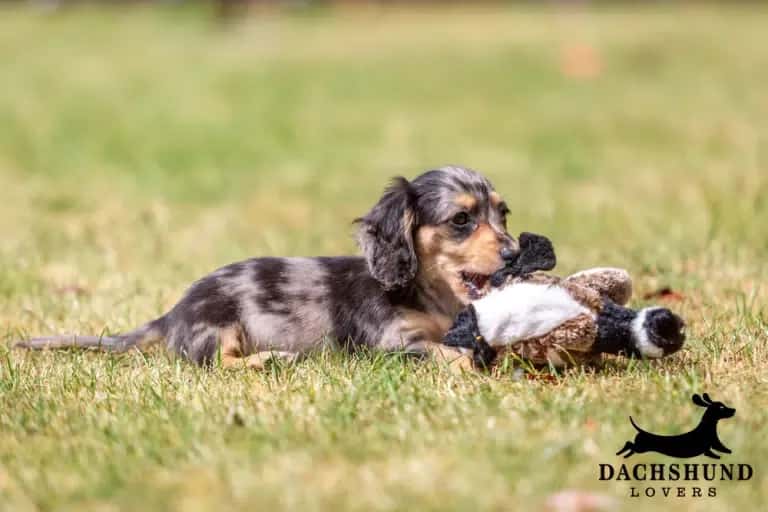
Dapple dachshund puppies, like all dachshund pups, are bundles of energy packed into a small frame. The challenge is knowing how to let them burn it off safely while protecting their growing backs and joints.
Short, structured sessions.
Puppies shouldn’t be overexercised. Their growth plates are still developing, which makes them vulnerable to injury. The American Kennel Club recommends following the “five-minute rule” — about five minutes of structured exercise per month of age, up to twice a day. So, for a four-month-old dapple dachshund puppy, that means around 20 minutes of purposeful activity per session.
Play as exercise.
The best way for a dapple pup to stay active is through play. Harvey as a puppy would sprint around the lounge with his favourite toy in bursts of pure chaos — zoomies that ended as quickly as they began. Games like tug-of-war, gentle fetch on flat ground, or hide-and-seek with toys all work well to engage both body and mind.
Avoid high-impact activity.
Jumping off couches, climbing stairs, or being encouraged to leap during play can all put unnecessary pressure on a dachshund’s back. VCA Hospitals notes that breeds prone to intervertebral disc disease (IVDD), like dachshunds, should avoid repetitive jumping, especially as puppies. With Harvey, we invested early in ramps around the house — a small step that paid off by keeping him safe while still letting him explore.
Mental stimulation counts.
For dachshunds, exercise isn’t just physical. Dapple puppies thrive on problem-solving. Puzzle feeders, snuffle mats, and scent games help keep them mentally sharp. As the RSPCA NSW points out, mental enrichment is critical for preventing boredom behaviours like barking and digging.
Energy rhythms.
Like most dachshunds, dapple puppies run in bursts. Harvey would nap heavily in the mornings, then light up with energy in the late afternoon. Structuring exercise around those rhythms — instead of forcing activity when he wasn’t interested — worked far better for us.
For new owners, the golden rule is this: keep activity short, frequent, and safe. A dapple dachshund puppy doesn’t need endurance training — they need variety, stimulation, and protection for their growing frame.
Health Considerations for Dapple Dachshund Puppies
Owning a dapple dachshund puppy isn’t just about managing the usual puppy needs — there are specific health considerations tied to their genetics and body shape that every owner should understand.
Double dapple risks.
The biggest health concern unique to dapples is the risk of double dapple genetics. Breeding two dapple parents together can result in puppies with serious congenital problems. According to the American Kennel Club, double dapples may be born with partial or complete blindness, deafness, or eye deformities. This is why responsible breeders never pair two dapples. When we chose Harvey, one of the first things we confirmed was that he came from a single dapple parent. That assurance meant we could enjoy his silver pattern without worrying about double dapple complications.
Intervertebral Disc Disease (IVDD).
Like all dachshunds, dapple puppies are prone to IVDD — a spinal condition caused by their long backs and short legs. VCA Hospitals notes that one in four dachshunds may develop IVDD at some point in their lives. Preventative steps matter from puppyhood: avoid stairs, discourage jumping, and use ramps where possible. We introduced ramps for Harvey early on, and it quickly became second nature for him to use them instead of leaping off furniture.
Puppy vaccinations and vet checks.
Beyond dachshund-specific issues, dapple puppies need the same foundation of care as any other dog: core vaccinations, deworming, and early health checks. These visits are also a chance to monitor growth and discuss back health with your vet. With Harvey, our vet highlighted the importance of maintaining a lean body condition from puppyhood to reduce strain on his spine.
Hearing and vision checks.
Even single dapple puppies (like Harvey) can occasionally have eye or hearing sensitivities. Some dapple pups are born with blue or partially blue eyes, which may need closer monitoring. Regular vet checks ensure any issues are picked up early, rather than after they’ve developed into something more serious.
Weight management.
Excess weight is one of the biggest risks for dachshunds, amplifying pressure on the spine. Starting healthy feeding habits early is essential. Harvey’s appetite as a puppy was endless — like most dachshunds — but careful portioning kept him lean, which our vet emphasised as the best “insurance policy” against back problems.
General dachshund care.
Dapple or not, dachshund puppies need careful handling:
- Always support their back when carrying.
- Provide non-slip surfaces indoors.
- Schedule rest alongside exercise.
In short, dapple dachshund puppies can thrive when raised with awareness and care. Their coat may be what catches attention, but it’s their health that keeps them happy and by your side for years to come.
Dapple dachshund puppies are eye-catching, but don’t let their pretty coats distract you from the real challenge: training a dachshund. They’re bright, determined, and stubborn in equal measure — which means the earlier you start, the better.
Early habits matter.
Puppies form lifelong patterns in their first year. For dachshunds, that includes everything from toilet training to barking. Harvey tested our patience during his puppy stage — refusing to go outside if the grass was wet, and giving us the “I’ll do it when I’m ready” look more times than I can count. Consistency was the only thing that worked. Taking him out after meals, rewarding him when he got it right, and never cutting corners slowly built reliability.
Positive reinforcement works best.
Dachshunds don’t respond well to harsh correction. They’ll dig in (literally) and resist. RSPCA NSW and most modern trainers emphasise reward-based methods. For Harvey, it was cubes of cheese — nothing else lit him up the same way. Find what motivates your pup and use it to your advantage.
Socialisation is critical.
Because dachshunds are naturally protective and vocal, early exposure to people, dogs, and environments prevents fear-based barking later. We took Harvey everywhere as a pup — along the Cronulla Esplanade, to outdoor cafés, and to puppy play sessions at our local vet. That foundation made him more adaptable as he grew.
Boundaries at home.
Dapple dachshund puppies, like all dachshunds, will test limits. Jumping on furniture, digging at the couch, barking at the postman — it’s all part of their repertoire. The key is setting rules early and being consistent. Harvey wasn’t allowed on the bed as a pup, partly to protect his back, and we kept that rule firm. Boundaries give them structure, which reduces frustration for both dog and owner.
Short, fun training sessions.
Their attention spans aren’t long, so five to ten minutes at a time works best. We built Harvey’s training around bursts of focus followed by play. Sit, stay, down — then tug-of-war or a quick run in the yard. It kept him engaged and avoided the “I’m done” stubborn shutdown.
Early training and socialisation don’t just create a well-mannered puppy; they build resilience. A dapple dachshund puppy raised with structure and variety grows into a confident adult who can handle both attention from strangers and the stubborn streaks that come with the breed.
Cost & Where to Find Responsible Breeders
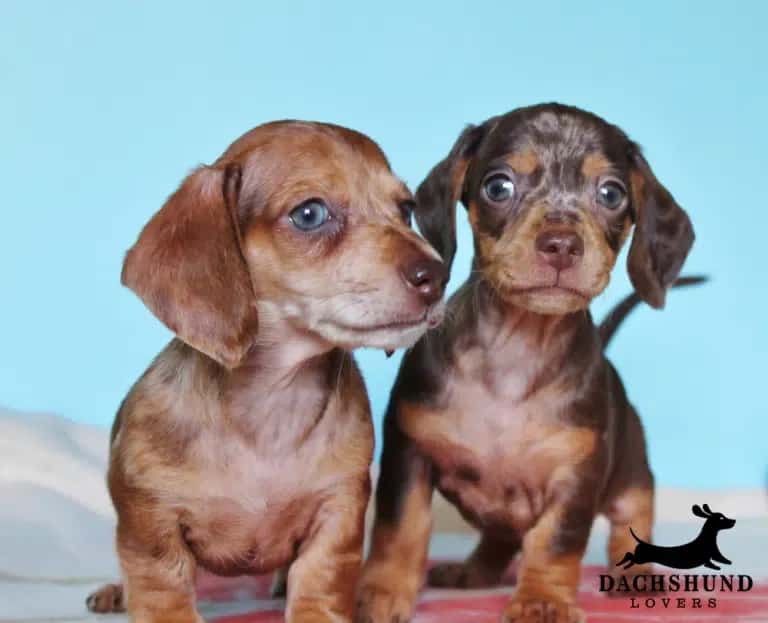
Dapple dachshund puppies are often marketed as “rare” or “special edition.” The truth is, while the pattern is striking, it’s not rare — and the word “rare” is often used by unethical breeders to justify inflated prices.
What to expect on cost.
In Australia, a well-bred dachshund puppy from a registered breeder can cost anywhere from $3,000 to $5,000 AUD, depending on coat type, pedigree, and health testing. In the US, prices range from $1,500 to $3,500 USD, while in the UK, it’s typically £1,500 to £2,500 GBP. A dapple pattern may fall at the higher end of those ranges because of demand, but it shouldn’t double the price. When we bought Harvey, we noticed plenty of “backyard breeders” advertising silver dapples as “ultra-rare” for thousands more. That was the first red flag.
Why responsible breeding matters.
The dapple pattern comes with specific risks — especially the danger of double dapple pairings, which can cause blindness or deafness. A responsible breeder will be transparent about the puppy’s parentage, provide health clearances, and explain the genetics openly. If a breeder dodges questions about lineage or dismisses concerns about double dapples, walk away. RSPCA NSW stresses that transparency in breeding practices is the key to animal welfare.
Where to look.
- Australia: Start with the Dogs Australia (ANKC) breeder directory. Shoutout to Hillhaven Dachshunds where we got Harvey.
- USA: The AKC Marketplace lists verified breeders.
- UK: The Kennel Club UK provides an assured breeder scheme.
Always visit in person if possible, meet the parents, and see how the puppies are raised. Puppies raised in home environments with early socialisation fare much better than those bred purely for profit.
Red flags to avoid.
- Ads using words like “rare,” “designer,” or “special edition.”
- Breeders unwilling to provide genetic information.
- Puppies sold without vaccination or health records.
- Meeting in car parks or being pressured to send deposits without seeing the litter.
Harvey’s breeder from Hillhaven Dachshunds wasn’t flashy, but she was transparent. She explained his parentage clearly (one dapple parent, one solid), showed us health records, and was upfront about the risks of double dapples. That honesty gave us confidence.
At the end of the day, the cost of a dapple dachshund puppy isn’t just the purchase price. It’s the long-term investment in their health, wellbeing, and care. Starting with a responsible breeder is the best way to make sure that investment pays off for both you and your dog.
Owner Lifestyle Fit
A dapple dachshund puppy might catch your eye for their unique coat, but living with one is about much more than looks. Like all dachshunds, they come with quirks, demands, and routines that don’t suit every household.
Time commitment.
Dapple puppies thrive on interaction. They’re affectionate, curious, and often vocal if left alone too long. If you work long hours away from home, expect barking, digging, or chewed furniture. Harvey as a puppy hated being left alone for more than a couple of hours — we had to build his independence slowly with crate training and short departures.
Space isn’t the biggest issue.
They don’t need huge backyards. What they do need is safe, structured outlets for their energy. A small apartment can work just fine if you commit to daily walks and enrichment games. Harvey has always lived happily in a home without sprawling land, but he gets his needs met through beach visits, sniff walks, and play. More articles can be found in our section Living with Dachshunds
Exercise style.
If you’re looking for a jogging partner, a dapple dachshund isn’t it. Their bodies aren’t built for endurance. Instead, they suit owners who enjoy shorter, slower-paced activities with variety — a walk along the Cronulla Esplanade, a quick play session in the yard, or a weekend drive to the coast.
Family dynamics.
Dapple puppies bond closely with their people. They can be great with kids, but because of their delicate backs, they need gentle handling. Families with very young children should supervise closely. Harvey has always adored older kids who know how to respect his boundaries, but he shied away from toddlers pulling at his ears.
Patience required.
Dachshunds are notoriously stubborn, and dapples are no exception. Training takes persistence and humour. If you’re after a dog who obeys every command without hesitation, you’ll likely find yourself frustrated. But if you appreciate a dog with personality, independence, and a bit of cheek, a dapple dachshund can be a perfect fit.
Long-term care.
Owning a dapple dachshund means accepting responsibility for potential health risks. Avoiding stairs, investing in ramps, keeping weight under control, and budgeting for vet bills are part of the deal. The coat may draw you in, but it’s the ongoing commitment to their health and happiness that defines the fit.
At the end of the day, a dapple dachshund puppy is best suited to an owner who values companionship, routine, and the little joys of daily life with a dog that stands out for more than just their looks. Harvey has proven this to us every day — his silver coat gets attention, but it’s his loyalty, quirks, and stubborn charm that make him part of our family.
Frequently Asked Questions
More from This Series
- About Dachshund Puppies
- Mini Dachshund Puppies
- Long-Haired Dachshund Puppies
- Dapple Dachshund Puppies
- Dachshund Puppies Temperament
- How Much to Feed a Dachshund Puppy
- 8 Week Old Dachshund
- Puppy Names for Dachshunds
- Dachshund Puppy Diet
- 3 Week Old Dachshund Puppies
Authored by
James
James is the founder of Dachshund Lovers and the proud human of Harvey, a mini dapple with a big personality. He writes to empower and connect the dachshund community, blending founder insights with honest, experience-based stories about life with this incredible and special breed. James brings candid, experience-backed opinions to the community and always focused on fewer, better products and ideas that genuinely improve life for dachshunds and their people.
Read moreJames is the founder of Dachshund Lovers and the proud human of Harvey, a mini dapple with a big personality. He writes to empower and connect the dachshund community, blending founder insights with honest, experience-based stories about life with this incredible and special breed. James brings candid, experience-backed opinions to the community and always focused on fewer, better products and ideas that genuinely improve life for dachshunds and their people.
Read moreDisclaimer
This content is for informational purposes only and should not be considered veterinary advice. Always consult with a licensed veterinarian regarding your dog’s health and wellbeing.
There are no comments yet
Leave a comment