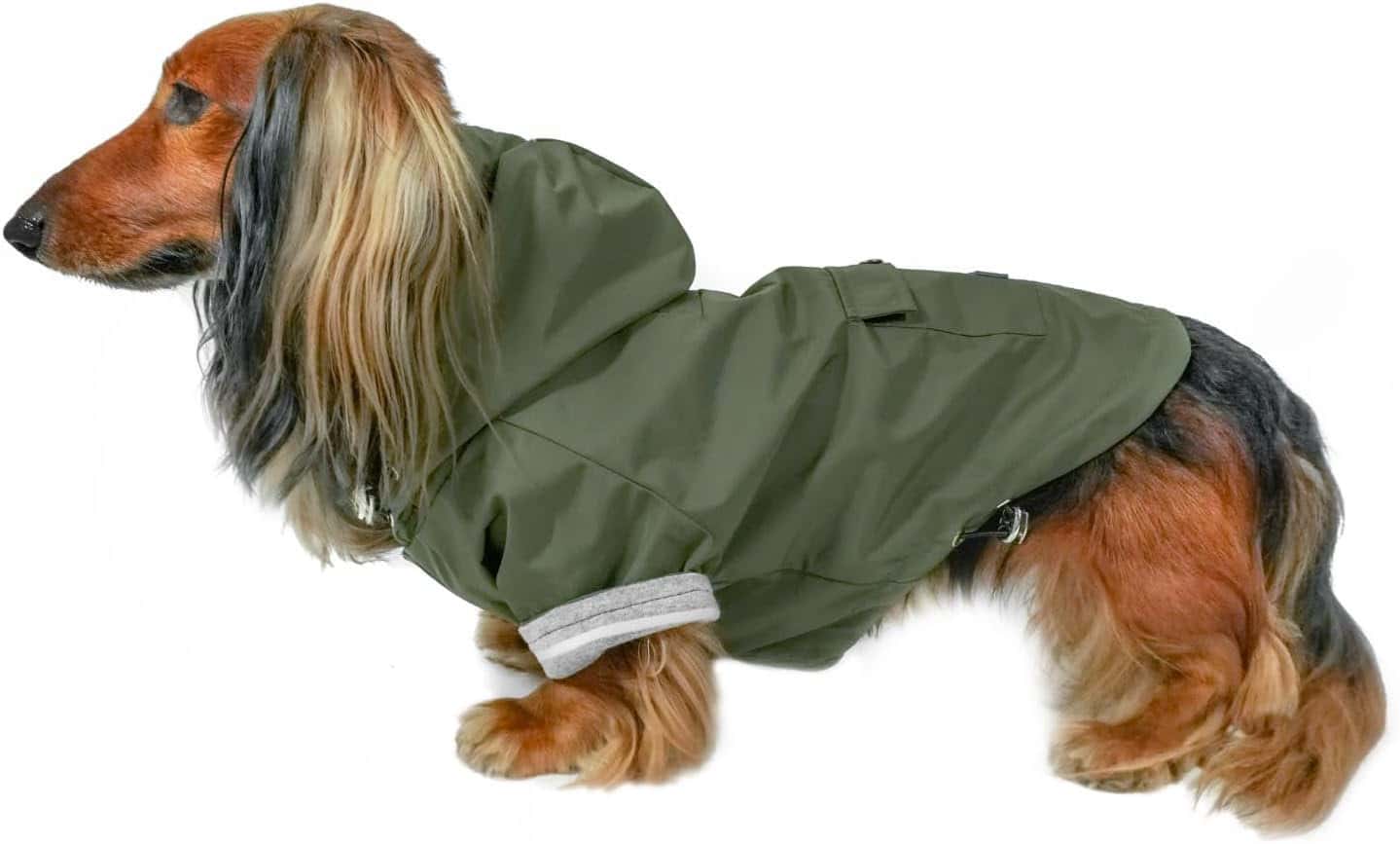
Dachshund Puppies Temperament
Dachshund Puppies Temperament
Curious, bold, and sometimes a bit cheeky dachshund puppies are full of personality. Here’s what their early temperament really looks like at home.
James
Posted on October 29, 2025.
Updated on July 21, 2026.
Table of Contents
- 1.Key Takeaways on Dachshund Puppies Temperament
- 2.Understanding Dachshund Puppy Temperament
- 3.Common Traits of Dachshund Puppies
- 4.Temperament by Age Stage
- -Dachshund Puppy Temperament by Age
- 5.Differences Across Varieties
- -Temperament Traits by Variety
- 6.Training and Socialisation Needs
- 7.How to Support a Balanced Temperament
- •Temperament Balance Checklist
- -More from This Series
- -Disclaimer
Share

The first weeks with a dachshund puppy are a crash course in personality. These little dogs pack more attitude into their small frames than most people expect. When Harvey was a pup, Caitlin and I quickly learned that he wasn’t shy about telling us what he did or didn’t want. His silver dapple coat caught people’s eyes, but it was his bold, stubborn streak that defined our days — and sometimes our patience.
According to the American Kennel Club, dachshunds are curious, lively, and brave — traits that show up early in puppyhood. Even at just a few weeks old, you’ll notice their determination and sharp instincts. They were bred as hunting dogs, and that heritage comes through in how they explore, bark, and push boundaries.
The challenge for new owners is balance. Dachshund puppies are affectionate and playful, but they’re also vocal, strong-willed, and quick to test rules. The VCA Animal Hospitals notes that early training and socialisation are essential to help guide those traits into confident, well-mannered adults. Without structure, their independence can quickly turn into stubbornness.
For us, Harvey’s temperament was part comedy and part chaos the moment we picked him up from Hillhaven Dachshunds all the way in Tamworth about a 5 hours & 30 minute drive north west of of Sydney. He’d zoom around the living room one moment, then plant himself at the door refusing to walk in the rain. He was affectionate to a fault — always curling up on Caitlin’s lap — but fearless enough to bark at anything that moved outside the window or hearing anyone in our apartment. That mix of charm and challenge is what makes dachshund puppies unforgettable.
This guide breaks down the key traits of dachshund puppy temperament, how it develops as they grow, and what you can do as an owner to manage their quirks while enjoying their character.
Key Takeaways on Dachshund Puppies Temperament
Topic | Summary | Key Notes |
|---|---|---|
Core Personality | Dachshund puppies are curious, bold, and affectionate. | Dachshund puppies are curious, bold, and affectionate. Early signs include strong independence, stubbornness, and lots of play drive. |
Stubborn Streak | They’re quick to test boundaries. | Positive reinforcement works best; harsh correction backfires (AKC). |
Playful & Energetic | Energy comes in short, intense bursts. | Zoomies, digging, and toy-obsession are common — then long naps. |
Affectionate Nature | Strongly bond with their family, often choosing “one person.” | Harvey stuck to Caitlin as a pup, showing the deep loyalty typical of the breed. |
Vocal Tendencies | Puppies bark to alert, demand, or express frustration. | Manage with training and enrichment; VCA advises consistency. |
Temperament by Age | Traits shift as puppies mature. | 3 weeks = exploratory; 8 weeks = playful/stubborn; 6 months = more independence. |
Socialisation Needs | Exposure to people, places, and dogs is essential. | RSPCA recommends structured socialisation to reduce fear and barking later. |
Lifestyle Fit | Not for owners wanting a passive dog. | Best for people who value personality, routine, and training over “easy.” |
Understanding Dachshund Puppy Temperament

Spend just a few minutes with a dachshund puppy and you’ll see why the breed is described as “big dog attitude in a small body.” Even in their earliest weeks, dachshund puppies show an independence and determination that sets them apart from many other toy or small breeds.
According to the American Kennel Club, dachshunds are lively, clever, and courageous — traits that surface early in puppyhood. Their hunting background explains a lot: they were bred to burrow after badgers and small game, which required persistence, fearlessness, and sharp instincts. Those same instincts are why even tiny puppies will nose into every corner of your home, bark at rustling leaves, or try to dig through carpet or blankets.
When Harvey was a pup, it felt like living with two dogs at once. One moment he was an affectionate shadow, glued to Caitlin’s lap, and the next he was off on a solo mission — chasing scents through the backyard or barking at a bird that dared land on the fence. That constant swing between cuddly and independent is a hallmark of the dachshund temperament.
It’s also what makes raising them such a balancing act. Dachshund puppies are playful and affectionate, but they’re also vocal and strong-willed. If they don’t want to walk in the rain, they won’t. If they’ve decided the toy in your hand is theirs, they’ll bark until they get it. The VCA Animal Hospitals notes that without early training and boundaries, dachshunds can develop problem behaviours like excessive barking or guarding.
For owners, the key to understanding dachshund puppy temperament is this: their behaviour isn’t random. It’s rooted in centuries of breeding for persistence, independence, and loyalty. Once you accept that your puppy isn’t stubborn for the sake of it — but because they were designed to keep pushing until they got what they wanted — training and living with them becomes much more rewarding.
Common Traits of Dachshund Puppies
If you’re bringing home a dachshund puppy, you can expect a mix of charm, cheek, and challenge. Their temperament is a cocktail of bold instincts, playful energy, and deep affection — all packed into a very small frame.
Playful and energetic.
Dachshund puppies have bursts of wild energy that show up as zoomies, toy obsession, or digging. Then, just as suddenly, they crash into long naps. This rhythm is typical and becomes obvious around 8 weeks old (see our guide on 8 Week Old Dachshund Puppies). Harvey would race in circles around our lounge with his squeaky toy, then pass out under Caitlin’s chair for an hour.
Affectionate shadows.
Dachshunds bond deeply with their people, often choosing one “favourite.” Harvey attached himself firmly to Caitlin as a puppy — wherever she went, he followed. That loyalty is a big part of why dachshunds are loved as companion dogs. It’s also why separation training is so important, to avoid clinginess or anxiety later.
Stubborn but clever.
The dachshund’s hunting background shows up as determination. Once they set their mind on something, there’s no easy way to redirect them. This stubborn streak can frustrate first-time owners but, when managed with patience and rewards, it becomes a sign of intelligence. The PetMD Dachshund Breed Profile notes that dachshunds are highly intelligent but independent — they know what you’re asking, they just don’t always care to comply.
Vocal tendencies.
From an early age, dachshund puppies learn to use their voice. They bark to alert, to demand, or sometimes just for fun. At 3 weeks old, pups begin experimenting with sound (3 Week Old Dachshund Puppies), and by 8 weeks, that bark is often in full swing. Harvey would bark at leaves blowing across the driveway, convinced it was his job to protect the yard.
Curiosity and digging.
Bred to burrow underground, dachshunds have an instinct to dig. Blankets, garden beds, even laundry piles — nothing is off limits. This is normal and not necessarily a sign of “bad behaviour.” Providing them with designated digging outlets or enrichment toys can channel that instinct productively.
In short, dachshund puppies are playful, affectionate, stubborn, vocal, and endlessly curious. These traits can be both delightful and demanding — but they’re also what makes raising them such a memorable adventure.
Temperament by Age Stage
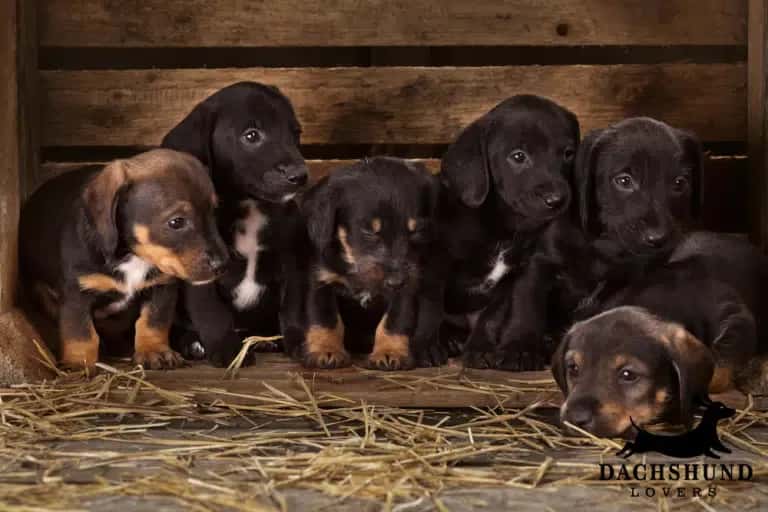
Dachshund puppy temperament isn’t fixed — it shifts noticeably as they grow. From their earliest weeks through to six months, you’ll see clear changes in how their personality takes shape.
3 weeks old — curiosity begins.
At around three weeks, dachshund puppies are just opening their eyes and starting to explore. Their movements are clumsy, but you’ll already see the first sparks of personality. Tiny barks, pawing at littermates, and attempts at digging are all part of their instincts emerging. Learn more about this early stage in our guide to 3 Week Old Dachshund Puppies.
8 weeks old — playful and testing.
By 8 weeks, dachshund puppies are bundles of energy with short attention spans. This is when their stubborn streak becomes more obvious: refusing to walk in the rain, demanding attention, or barking for food. Harvey at this age was a comedian — zooming around the living room, then collapsing into a nap under Caitlin’s chair. It’s also the stage when toilet training, crate training, and socialisation really need to begin. For more detail, see our full guide on 8 Week Old Dachshund Puppies.
6 months old — independence grows.
By six months, dachshund puppies begin to push boundaries more deliberately. Their confidence increases, and so does their selective hearing. Harvey at six months was clever enough to know what “come here” meant — but bold enough to pretend he didn’t hear it if he was busy sniffing something more interesting. At this age, consistency in training becomes critical to manage barking, digging, and recall.
Dachshund Puppy Temperament by Age
Age Stage | Typical Behaviour & Traits | Owner Notes |
|---|---|---|
3 weeks | Curiosity begins, first barks, clumsy play. | Expect early digging instincts; keep environment safe and calm. |
8 weeks | Playful, stubborn, vocal, testing boundaries. | Key stage for toilet training, crate training, and socialisation. |
6 months | More independent, selective listening, boldness. | Consistency in training is crucial; reinforce recall and manage barking. |
Differences Across Varieties
While all dachshund puppies share that unmistakable mix of bravery, stubbornness, and loyalty, their coat type and size can influence how those traits are expressed. If you’re deciding between a miniature, long-haired, or dapple dachshund puppy, it helps to understand how temperament can subtly differ.
Miniature Dachshund Puppies
Miniature dachshunds tend to be more energetic and alert than their standard counterparts. Their smaller size doesn’t dampen their determination — if anything, it amplifies it. Many owners find minis to be slightly more vocal, quick to sound the alarm at new people or noises. For an in-depth look, see our guide on Mini Dachshund Puppies.
Long-Haired Dachshund Puppies
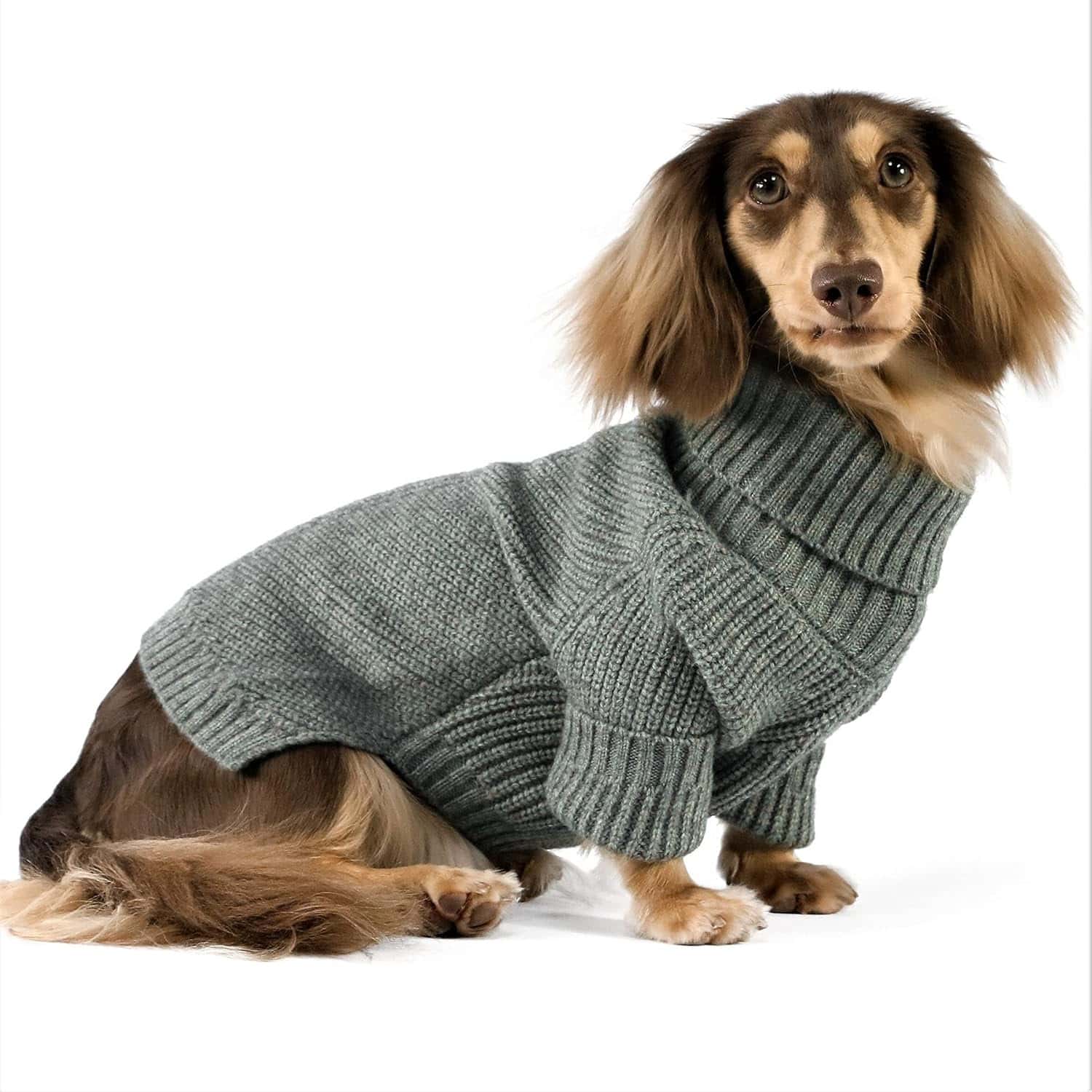
Long-haired dachshunds are often described as a touch more laid-back and affectionate. Their spaniel heritage can soften some of the fiery dachshund streak, making them especially fond of family cuddles and patient with children. That said, Harvey once met a long-haired puppy at our local park who barked at every Labrador that walked by — proof that the stubborn streak never fully disappears. Explore more in our dedicated piece on Long-Haired Dachshund Puppies.
Dapple Dachshund Puppies
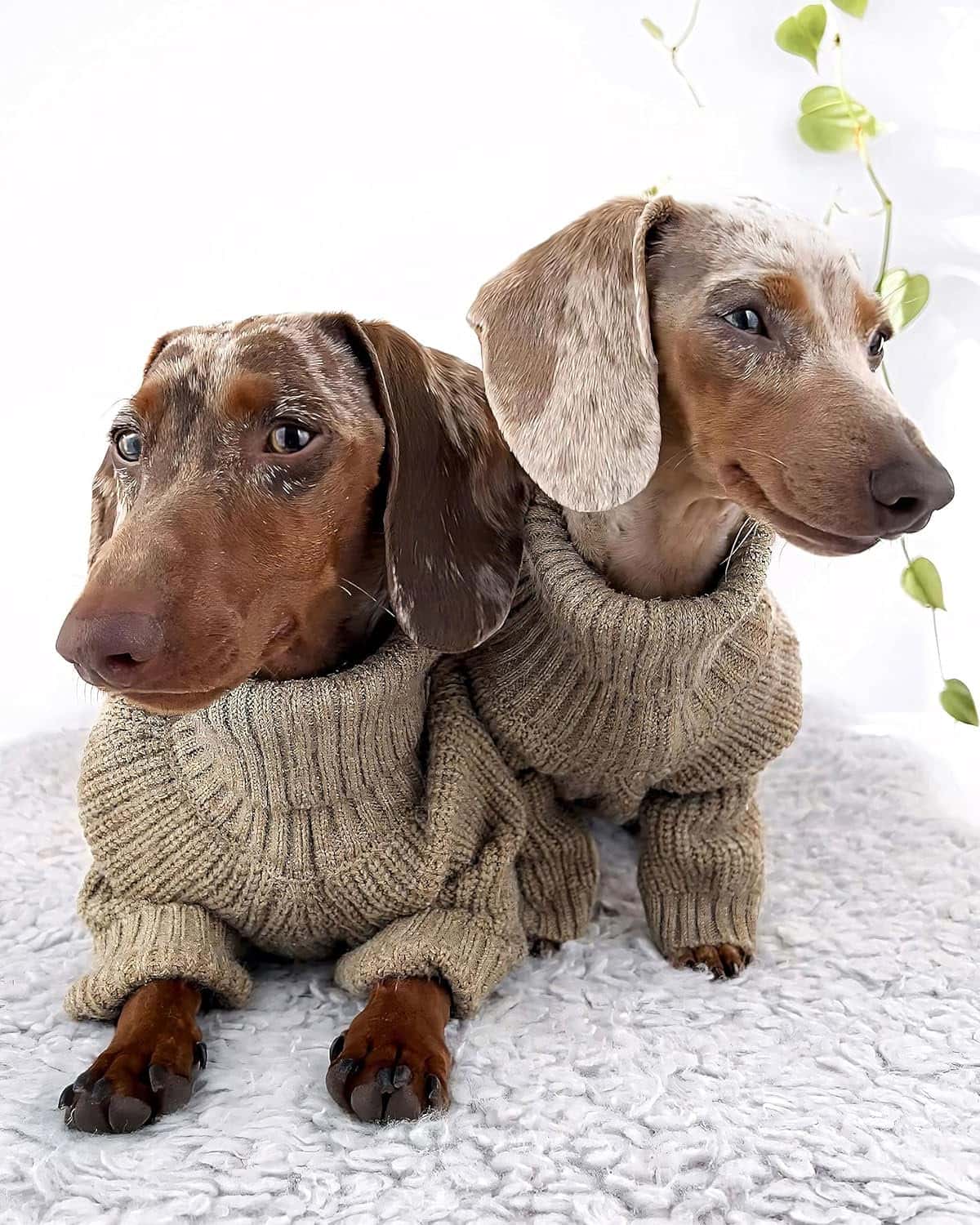
Dapples carry all the classic dachshund traits but often come with an extra spark of confidence. Their striking coats may draw attention, and many owners report that dapples are particularly bold in play and exploration. Harvey, being a silver dapple, certainly leans into this — he was never shy about taking charge at puppy school, even when surrounded by bigger breeds. Learn more in our guide to Dapple Dachshund Puppies.
Temperament Traits by Variety
Variety | Common Temperament Traits | Owner Notes |
|---|---|---|
Miniature | Energetic, alert, often more vocal. | Great watchdog instincts, but may need extra work on barking control. |
Long-Haired | Calm, affectionate, slightly more patient. | Spaniel influence softens temperament; excellent family companions. |
Dapple | Confident, bold, playful, attention-seeking. | Eye-catching coats often match a spirited personality; can be strong-willed. |
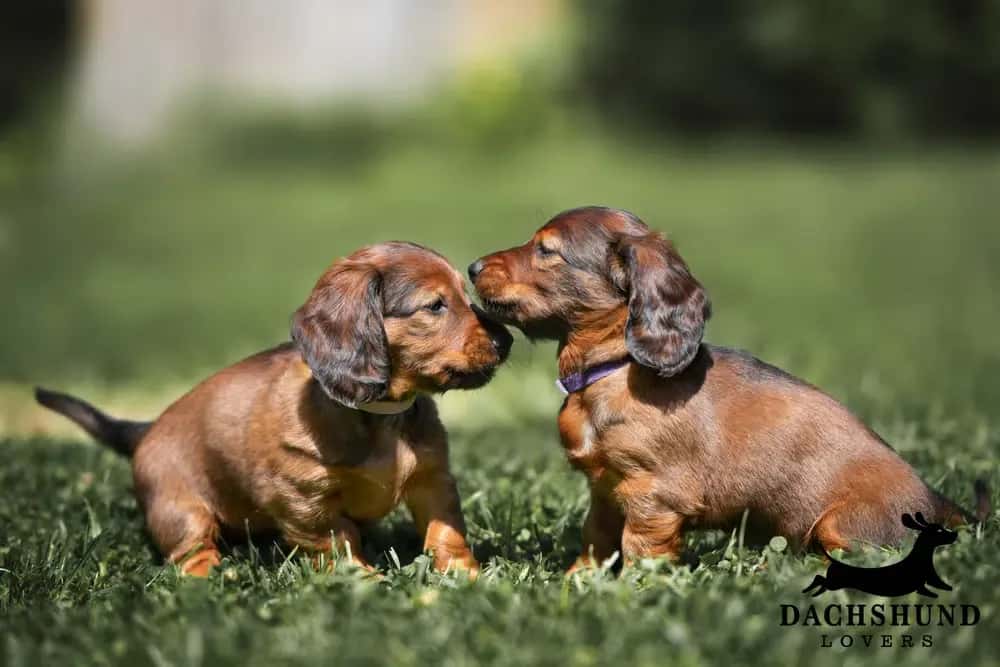
No matter which variety you choose, dachshund puppies all benefit from early and consistent training. Their intelligence and curiosity make them fast learners, but their stubborn streak means they’ll test boundaries if you don’t set them.
Start early, stay patient.
From as young as 8 weeks, begin with simple commands like “sit” and “come.” Short, positive sessions work best — a dachshund’s attention span is brief, especially at puppy stage. Harvey, as a silver dapple pup, had a knack for ignoring me if the reward wasn’t worth it. I quickly learned that high-value treats (like bits of boiled chicken) worked far better than praise alone.
Socialisation is non-negotiable.
Exposing dachshund puppies to a variety of people, dogs, and environments between 8–16 weeks is critical. This helps curb their tendency to bark at strangers and makes them more adaptable adults. According to the American Kennel Club, this window is when puppies form lifelong impressions, and missing it can lead to shyness or reactivity later on.
Harness their instincts, don’t fight them.
Dachshunds were bred as hunters, which means barking, digging, and chasing scents are part of their DNA. Instead of punishing these behaviours, channel them into positive outlets: puzzle feeders, digging boxes, or nose work games. Our guide on How Much to Feed a Dachshund Puppy also ties into this — structured feeding paired with training time is a great way to reinforce good habits.
Consistency is everything.
By 6 months, dachshund puppies will test how much they can get away with. If you allow barking at the front door one day but scold it the next, you’ll end up confusing your pup. Set rules and stick to them, and everyone in the household needs to be on the same page.
How to Support a Balanced Temperament
Shaping a dachshund puppy’s temperament is less about “fixing” behaviour and more about creating the right balance between their instincts and your lifestyle. These dogs come preloaded with courage, sass, and curiosity — our job is to guide it in a way that works for both pup and owner.
- Match Exercise to Energy Levels
Think of dachshunds as sprinters, not marathon runners. They love bursts of activity, but their long backs and short legs mean overexertion can do more harm than good.
- At 8–12 weeks, playtime should be no more than 5 minutes per month of age (a common vet guideline).
- By 6 months, Harvey could handle two short walks a day — one calm morning stroll and one lively evening play session.
Ask yourself: Do you notice your pup getting hyper in the evenings? That might mean they need a bit more structured play earlier in the day. Our piece on How Much to Feed a Dachshund Puppy pairs perfectly here, because nutrition and energy output go hand in hand.
- Encourage Independence
Dachshunds adore their humans, but that devotion can turn into separation anxiety if you’re not careful.
- Start with very short alone-times: just popping out of the room for 2–3 minutes.
- Gradually increase the time, making your returns calm and matter-of-fact (no big “reunions”).
Harvey used to whimper the second I shut the bathroom door. Now, after careful training, he’s content curling up on the couch until I reappear.
Try this exercise: Give your pup a special chew or food puzzle only when you leave the room. This builds a positive association with alone-time.
- Mental Stimulation Matters
A bored dachshund is a destructive dachshund. Instead of trying to eliminate their digging or sniffing instincts, redirect them.
- Create a “digging box” with safe sand or soil.
- Scatter kibble around the garden for them to “hunt.”
- Teach simple nose work games, like hiding a toy under one of three cups.
I’ll never forget the first time Harvey solved the “three cup game.” The smug look on his face said it all — and he insisted we play it three more times that night.
Question for you: What’s one natural instinct your doxie shows most (digging, barking, chasing)? Think about how you can give it a safe outlet rather than fighting it.
- Nutrition Shapes Behaviour
Dachshund puppies are small, but their metabolisms are mighty. Poor-quality food can make them hyper, sluggish, or even irritable.
- Stick to consistent mealtimes.
- Choose food rich in protein and healthy fats, avoiding fillers like corn or soy.
Harvey’s mood noticeably shifted when we upgraded his diet at 6 months — less frantic energy, more steady enthusiasm. You can find a detailed breakdown in our guide on the Dachshund Puppy Diet.
Tip to test: Keep a journal for a week noting what your pup eats, when they eat, and how they behave afterwards. You may spot patterns you didn’t expect.
- Keep Socialisation Ongoing
Socialisation isn’t something you “tick off” by 16 weeks. It’s a lifelong practice.
- Rotate environments: cafés, beaches, busy streets, quiet bush trails.
- Mix up dog sizes during playtime — dachshunds can get pushy with small dogs and wary of big ones if they don’t practice both.
For Harvey, weekly visits to Gunnamatta Bay in Sydney have been a lifesaver. He’s learned to share toys with labs and keep calm around kids splashing in the shallows.
Think ahead: Where could you take your pup this week that’s new but safe? Even a short trip to a pet-friendly hardware store can do wonders.
Temperament Balance Checklist
Focus Area | Daily Practices | Weekly Practices | Owner Tip |
|---|---|---|---|
Exercise & Play | 2–3 short bursts of play (5–15 mins depending on age) | Introduce a new game or toy | Think “short and sweet” — avoid overexertion. |
Independence | Practice short alone-times | Increase alone-time by a few minutes | Keep departures/returns calm and neutral. |
Mental Stimulation | Food puzzles or nose work | Rotate games (e.g., digging box, cup game) | End sessions on success — let them feel clever. |
Nutrition | Consistent mealtimes with balanced food | Review diet quality & portion sizes | Track mood after meals — behaviour often mirrors diet. |
Socialisation | Meet 1–2 new people/dogs | Visit a new environment (park, café, beach) | Keep sessions positive and short to avoid overwhelm. |
FAQs on Dachshund Puppy Temperament
More from This Series
- About Dachshund Puppies
- Mini Dachshund Puppies
- Long-Haired Dachshund Puppies
- Dapple Dachshund Puppies
- Dachshund Puppies Temperament
- How Much to Feed a Dachshund Puppy
- 8 Week Old Dachshund
- Puppy Names for Dachshunds
- Dachshund Puppy Diet
- 3 Week Old Dachshund Puppies
Authored by
James
James is the founder of Dachshund Lovers and the proud human of Harvey, a mini dapple with a big personality. He writes to empower and connect the dachshund community, blending founder insights with honest, experience-based stories about life with this incredible and special breed. James brings candid, experience-backed opinions to the community and always focused on fewer, better products and ideas that genuinely improve life for dachshunds and their people.
Read moreJames is the founder of Dachshund Lovers and the proud human of Harvey, a mini dapple with a big personality. He writes to empower and connect the dachshund community, blending founder insights with honest, experience-based stories about life with this incredible and special breed. James brings candid, experience-backed opinions to the community and always focused on fewer, better products and ideas that genuinely improve life for dachshunds and their people.
Read moreDisclaimer
This content is for informational purposes only and should not be considered veterinary advice. Always consult with a licensed veterinarian regarding your dog’s health and wellbeing.
There are no comments yet
Leave a comment