10 Surprising Historical Facts About Dachshunds
10 Surprising Historical Facts About Dachshunds
Dachshund history and facts: from German badger hunters to pop icons, here are 10 things you probably didn’t learn at the dog park.
James
Posted on September 3, 2025.
Updated on July 21, 2026.
Table of Contents
- •Why Knowing Dachshund History Matters
- 1.Key Takeaways: Dachshund History Facts
- 2.Dachshunds Were Originally Bred for Badger Hunting
- -The Hunter’s Companion
- -Coat Types and Terrain
- -A Legacy Seen Today
- 3.The Origin Myths Around the Dachshund’s Ancestry
- -Were Dachshunds Crossed with Terriers or Spaniels?
- -Ancient Ancestry?
- -The “Badger Warrior” Myth
- -Modern Genetics and Clarity
- 4.Dachshunds Faced Wartime Backlash and Became “Liberty Hounds”
- -From Beloved Pets to Propaganda Targets
- -The “Liberty Hound” Rebrand
- -WWII Challenges
- -Resilience in the Face of Adversity
- 5.The Evolution of Coat Types
- -Smooth-Coated Dachshunds: The Original Hunter
- -Long-Haired Dachshunds: A Spaniel Influence
- -Wire-Haired Dachshunds: The Terrier Cross
- -Modern Understanding of Coat Types
- 6.Miniature Dachshunds Were Bred for Smaller Prey
- -The Origins of the Miniature Dachshund
- -Not Just Size, but Temperament
- -Tweenies: The In-Between Size
- -Modern Popularity of Miniature Dachshunds
- 7.Dachshunds in 1950s Advertising
- -Volkswagen and the “Sausage Dog” Connection
- -Miller Beer and Lifestyle Campaigns
- -A Symbol of Mid-Century Chic
- -Legacy of 1950s Dachshund Marketing
- 8.Dachshunds as Artistic and Cultural Icons
- -Andy Warhol and Archie
- -A Mid-Century Design Favorite
- -Contemporary Creative Presence
- -Why Artists Love Dachshunds
- 9.The Myths and Trivia Behind Dachshund Origins
- -The Egyptian Myth
- -“Badger Warriors”
- -Breed Trivia
- -The Working-Dog Myth
- 10.Why Dachshunds Have Timeless Appeal
- -A Shape Like No Other
- -Big Personality, Small Size
- -Cultural and Creative Influence
- -A Connection to History
- -More from This Series
- -Disclaimer
Share

The dachshund’s story is far richer than its playful nickname “sausage dog” suggests. Behind those short legs and long bodies lies a history filled with royal endorsements, wartime challenges, and unexpected cultural roles. Over the centuries, dachshunds have gone from fearless hunters to household icons, earning their place in both history books and pop culture.
I’ve spent time digging through archives, breed records, and even some of the stranger myths surrounding the dachshund’s origins — and what I’ve found is both fascinating and a little surprising. From their 15th-century hunting roots to their appearance in wartime propaganda, these facts give a deeper appreciation for just how much history is baked into the breed we love today.
Why Knowing Dachshund History Matters
Understanding dachshund history isn’t just for trivia buffs — it’s a way to connect with the traits that make them unique. Many of their quirks (like burrowing under blankets or barking at shadows) are directly tied to their origin as badger-hunting dogs in Germany. And as their story shows, dachshunds have often been at the center of cultural shifts — from royal courts to mid-century advertising.
Key Takeaways: Dachshund History Facts
Topic | Summary |
|---|---|
Medieval Origins | Dachshunds’ ancestry traces back to 15th-century Germany, where they were bred for hunting badgers. |
Name Meaning | The word “dachshund” literally means “badger dog” in German (Dachs = badger, Hund = dog). |
Royal Endorsements | Queen Victoria’s love of dachshunds helped transform them into fashionable companions. |
Wartime Challenges | During WWI, dachshunds were rebranded as “liberty hounds” in the U.S. to avoid anti-German sentiment. |
Coat Evolution | Smooth, long-haired, and wire-haired coats were developed for different hunting environments. |
Size Variety | Miniature dachshunds were bred specifically for smaller prey like rabbits. |
Cultural Icons | Dachshunds appeared in 1950s advertising, linking them to modern style and humor. |
Artistic Influence | Picasso’s dachshund Lump and Andy Warhol’s Archie became artistic muses. |
Origin Myths | Some legends claim early dachshunds were crossed with terriers or spaniels, though DNA evidence suggests otherwise. |
Timeless Appeal | Their bravery, loyalty, and quirky personality continue to make them cultural favorites. |
Dachshunds Were Originally Bred for Badger Hunting
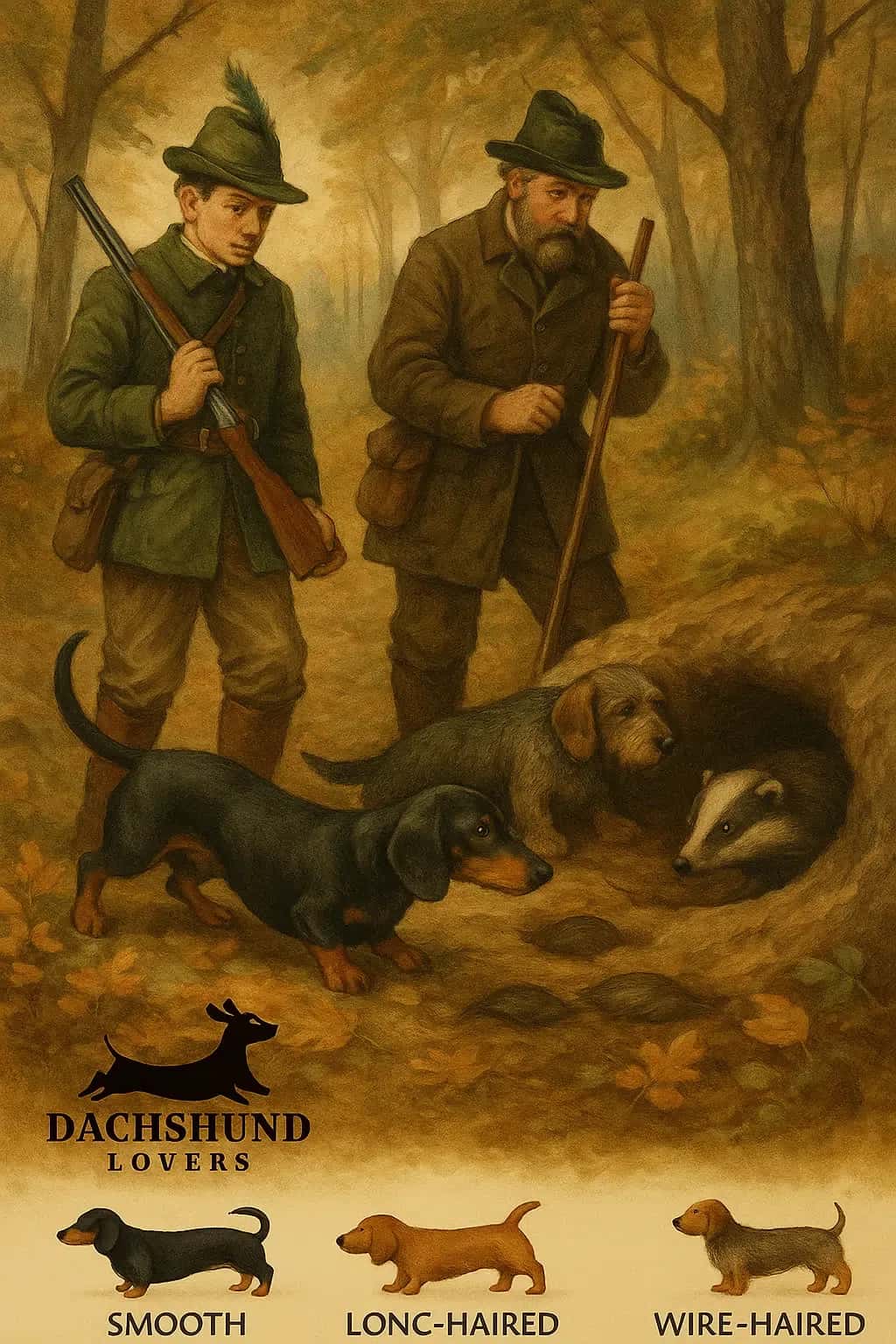
The dachshund’s origins are firmly rooted in the forests of Germany, where hunters in the 15th and 16th centuries needed a dog that could go underground and face formidable prey. The breed’s name says it all: Dachs means “badger” and Hund means “dog” in German — they were literally bred as “badger dogs” (American Kennel Club).
Early dachshunds were larger and stockier than the versions we see today, weighing up to 35–40 pounds (16–18 kg). These dogs were tough, fearless, and designed for digging into burrows to confront badgers, foxes, and even wild boar. Their short legs allowed them to enter tight spaces, while their long, muscular bodies and powerful claws helped them maneuver underground.
The Hunter’s Companion
According to the German Hunting Association, dachshunds were often trained to work in pairs — one would enter the burrow while the other remained above ground, barking loudly to signal the hunter. This loud, persistent bark (still common in the breed today) was critical for locating both the dog and the prey underground.
Coat Types and Terrain
The three coat varieties — smooth, long-haired, and wire-haired — all evolved to handle different hunting conditions:
- Smooth coats were ideal for warmer, dry climates with less underbrush.
- Long-haired dachshunds were developed by crossing the smooth variety with spaniels, providing protection in colder, wetter terrains.
- Wire-haired dachshunds were bred later by crossing with terriers, giving them rugged protection for thorny, brush-filled environments (Dachshund Club of America).
A Legacy Seen Today
Even though most modern dachshunds are household companions rather than working dogs, many of their behaviors — like burrowing under blankets or digging in the yard — are remnants of these hunting instincts. That determined, slightly stubborn nature we see today comes directly from the breed’s courageous background.
Here’s Fact #2 — “The Origin Myths Around the Dachshund’s Ancestry,” expanded to 400+ words with historical context and credible references.
The Origin Myths Around the Dachshund’s Ancestry
The dachshund’s history is as long as its body — and just as full of twists. While we know the breed was purposefully developed in Germany for hunting badgers, there are plenty of myths and debates about which breeds contributed to its unique shape and character.
Were Dachshunds Crossed with Terriers or Spaniels?
One of the most persistent origin myths is that dachshunds are a mix of terriers and spaniels. While this theory has some truth, it oversimplifies the breed’s development. According to the Dachshund Club of America and research from the American Kennel Club (AKC), smooth-coated dachshunds likely emerged from selective breeding of small scent hounds, possibly related to the early German Schweisshund (bloodhound-like tracking dogs).
The long-haired variety was believed to have been influenced by spaniels, which added a softer coat and gentler temperament suitable for cold-weather hunting. The wire-haired dachshund, on the other hand, may have gained its rough coat and bold, scrappy personality from crosses with German terriers in the 19th century (AKC Dachshund Breed History).
Ancient Ancestry?
Some myths claim dachshund-like dogs appear in ancient Egyptian art, with long-bodied, short-legged hounds depicted on tomb paintings. While intriguing, historians generally agree these dogs were not direct ancestors of the modern dachshund. Instead, they likely represent early variations of hunting hounds that influenced many European breeds (Smithsonian Magazine).
The “Badger Warrior” Myth
Another legend suggests that dachshunds were so fearless in their early days that they were called “badger warriors” by German hunters. While it’s hard to verify this phrase historically, the breed’s name and reputation for courage underground certainly support the sentiment. Early dachshunds were described as having “the soul of a lion in the body of a sausage.”
Modern Genetics and Clarity
Thanks to modern DNA analysis, we now know dachshunds are firmly rooted in European scent hound ancestry rather than ancient or exotic bloodlines. The breed was refined during the 16th and 17th centuries through selective breeding for traits like short stature, digging ability, and fearless temperament.
Dachshunds Faced Wartime Backlash and Became “Liberty Hounds”
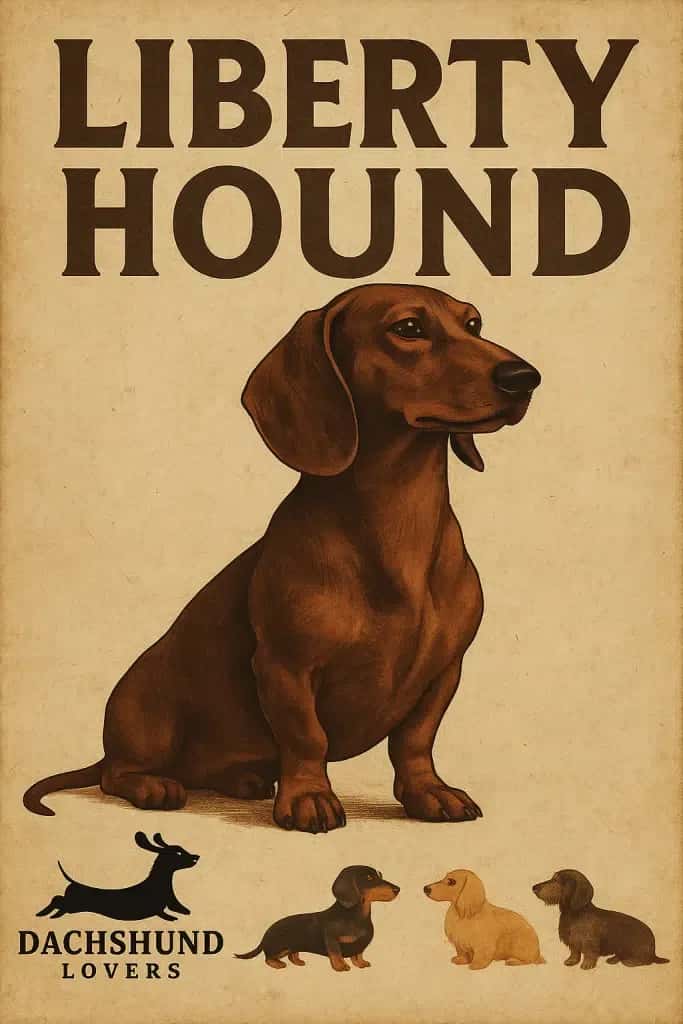
Dachshunds didn’t always enjoy the universal adoration they do today. During World War I, their strong association with Germany made them targets of anti-German sentiment. In the U.S. and parts of the UK, dachshund owners faced hostility, and the breed was even renamed “liberty hound” in a bid to distance it from its German roots.
From Beloved Pets to Propaganda Targets
Before the war, dachshunds were thriving in both Europe and the U.S., in part due to Queen Victoria’s royal endorsement (see our article: Queen Victoria’s Role in Making Dachshunds Famous). But when the war broke out, their popularity suffered. Newspapers published anti-German cartoons featuring dachshunds as symbols of the enemy, and some owners felt pressured to hide or rehome their dogs.
The American Kennel Club notes that registrations of dachshunds in the U.S. dropped dramatically during and after the war. It took years for the breed to regain its pre-war popularity.
The “Liberty Hound” Rebrand
To combat the backlash, American breeders and owners began referring to dachshunds as “liberty hounds,” mirroring the patriotic rebranding of foods like sauerkraut (which became “liberty cabbage”). While the name didn’t stick long-term, it helped soften public perception and slowly reintroduce the dachshund as a companion dog rather than a symbol of the enemy.
WWII Challenges
The outbreak of World War II renewed tensions, with dachshunds again facing a decline in popularity. However, their iconic appearance and loyalty helped them rebound quickly in the post-war years. Soldiers returning from Europe brought dachshunds home, helping the breed’s reputation recover in the U.S.
Resilience in the Face of Adversity
Today, this period serves as a reminder of the dachshund’s resilient cultural journey. From royal courts to propaganda posters, the breed has navigated complex historical moments — and always bounced back stronger.
The Evolution of Coat Types
The dachshund is one of the few breeds with three distinct coat types — smooth, long-haired, and wire-haired. While they share the same iconic body shape and hunting heritage, each coat variety has its own unique origin story, carefully developed to adapt to different climates and terrains.
Smooth-Coated Dachshunds: The Original Hunter
The smooth-coated dachshund is considered the foundation of the breed, with records tracing back to the 15th century. These early hunters had short, sleek coats that allowed them to move easily through narrow burrows while chasing badgers or rabbits. Their smooth coat was ideal for warmer climates and open fields, where dense undergrowth wasn’t a major concern.
Long-Haired Dachshunds: A Spaniel Influence
The long-haired dachshund emerged later, likely through the selective crossbreeding of smooth-coated dachshunds with spaniel-type breeds. Hunters wanted dogs with a softer, flowing coat to protect against colder weather and damp environments, especially in parts of northern and central Europe.
With their elegant fur and often gentler temperament, long-haired dachshunds quickly became popular not only as hunters but also as companion dogs. Today, their look is a favorite among families who love their striking, feathery coats.
Wire-Haired Dachshunds: The Terrier Cross
Wire-haired dachshunds are the newest variety, developed in the 19th century by crossing smooth-coated dachshunds with German wire-haired terriers. These crosses created dogs with coarse, protective coats that could withstand thorny underbrush and harsh weather.
Their bold, slightly cheekier personalities reflect their terrier ancestry, making them known for their independent and spirited behavior.
Modern Understanding of Coat Types
While all coat types share the same basic temperament — loyal, playful, and occasionally stubborn — each variety has subtle differences in energy levels and grooming needs. If you want a deeper dive into how each coat type differs in terms of grooming, behavior, and history, check out our full guide:
Dachshund Coat Types Explained: Long-Haired, Smooth, or Wire?
Miniature Dachshunds Were Bred for Smaller Prey
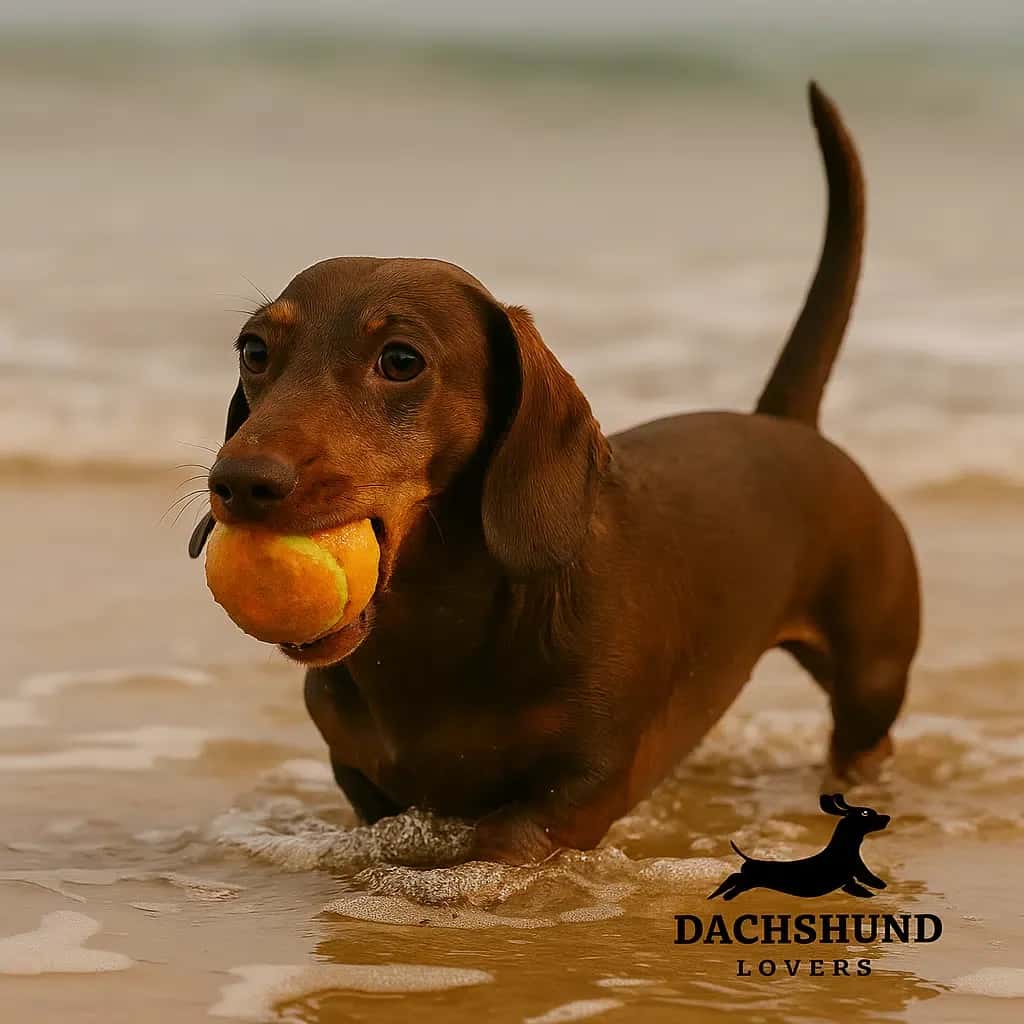
While the standard dachshund was bred to hunt badgers, foxes, and even wild boar, hunters needed a smaller, lighter version of the breed for pursuing rabbits and other small game. This led to the development of the miniature dachshund, a compact and agile version of its larger cousin.
The Origins of the Miniature Dachshund
Miniature dachshunds were created through selective breeding of smaller standard dachshunds, rather than by introducing outside breeds. German hunters in the 19th century recognized that a smaller dachshund could enter tighter burrows and track down small prey without the size and strength required to confront a badger.
The official weight and size classification of miniatures varied across regions until breed standards became formalized in the 20th century. Today, miniature dachshunds typically weigh 11 pounds (5 kg) or less, while standard dachshunds weigh up to 32 pounds (14.5 kg).
Not Just Size, but Temperament
Miniature dachshunds tend to have a slightly softer temperament compared to their standard counterparts, though they retain the same courageous, alert, and playful nature. Their smaller size made them ideal companion dogs in urban settings, which helped them gain popularity beyond hunting circles.
Tweenies: The In-Between Size
In the U.S., you may hear the term “tweenie” — referring to dachshunds that fall between miniature and standard sizes, typically weighing between 12–16 pounds (5.5–7 kg). While not officially recognized by all kennel clubs, tweenies are beloved by owners who see them as “the best of both worlds.”
Modern Popularity of Miniature Dachshunds
Miniature dachshunds are now far more common than standard dachshunds, particularly in cities and suburbs where smaller breeds are easier to manage. Despite their small stature, they maintain a surprising amount of energy and athleticism, traits inherited from their hunting lineage.
For a detailed breakdown of size differences, weight ranges, and temperament, see our full guide:
Mini vs Standard Dachshund: What’s the Real Difference?
Dachshunds in 1950s Advertising
By the 1950s, dachshunds were no longer just household pets — they were becoming marketing icons. Their distinctive silhouette, quirky shape, and relatable expressions made them the perfect choice for companies looking to stand out in the golden age of advertising. The post-war era saw brands use dachshunds to convey warmth, humor, and modern style.
Volkswagen and the “Sausage Dog” Connection
One of the most famous examples comes from Volkswagen, whose Beetle was often compared to the dachshund because of its small, compact, and slightly quirky design. In their clever ad campaigns of the late 1950s and early 60s, the Beetle’s unique shape was mirrored with that of the “sausage dog,” both becoming symbols of “unconventional yet lovable design.”
These ads didn’t just sell cars — they helped cement the dachshund as a cultural icon of individuality and practicality.
We covered this in more detail in our article:
Famous Dachshunds in Pop Culture and History.
Miller Beer and Lifestyle Campaigns
Dachshunds also appeared in print ads for Miller Beer and other lifestyle brands during this era. These ads often featured dachshunds lounging around picnic tables or at backyard BBQs, reinforcing their image as friendly companions that fit into the new suburban lifestyle.
A Symbol of Mid-Century Chic
In fashion editorials, dachshunds often appeared alongside models in magazines like Vogue and Harper’s Bazaar. The breed’s sleek silhouette and poised personality perfectly matched the tailored, modernist style of the time. Their presence in these spreads signaled sophistication and charm, qualities mid-century advertisers were eager to convey.
Legacy of 1950s Dachshund Marketing
Even decades later, brands continue to revisit these iconic dachshund campaigns. Volkswagen’s 2013 Super Bowl commercial, for example, featured a dachshund as a playful nod to its mid-century heritage. This enduring connection between dachshunds and clever advertising highlights just how timeless the breed’s image is in marketing.
Dachshunds as Artistic and Cultural Icons
Few breeds have inspired artists, designers, and cultural tastemakers as much as the dachshund. Their elongated silhouette and expressive nature have made them both a visual muse and a symbol of individuality. From 20th-century modern art to contemporary design, the dachshund has earned a place in creative history.
Picasso and Lump
The most famous artistic dachshund is undoubtedly Lump, Pablo Picasso’s beloved companion. Lump wasn’t just a pet — he was part of Picasso’s creative life, appearing in sketches and even influencing the artist’s reinterpretations of Diego Velázquez’s Las Meninas. Photographer David Douglas Duncan captured countless intimate moments of Picasso and Lump in the artist’s French villa.
For more on Lump and Picasso’s relationship, see our article:
Dachshunds in Art and Literature: From Muse to Icon.
Andy Warhol and Archie
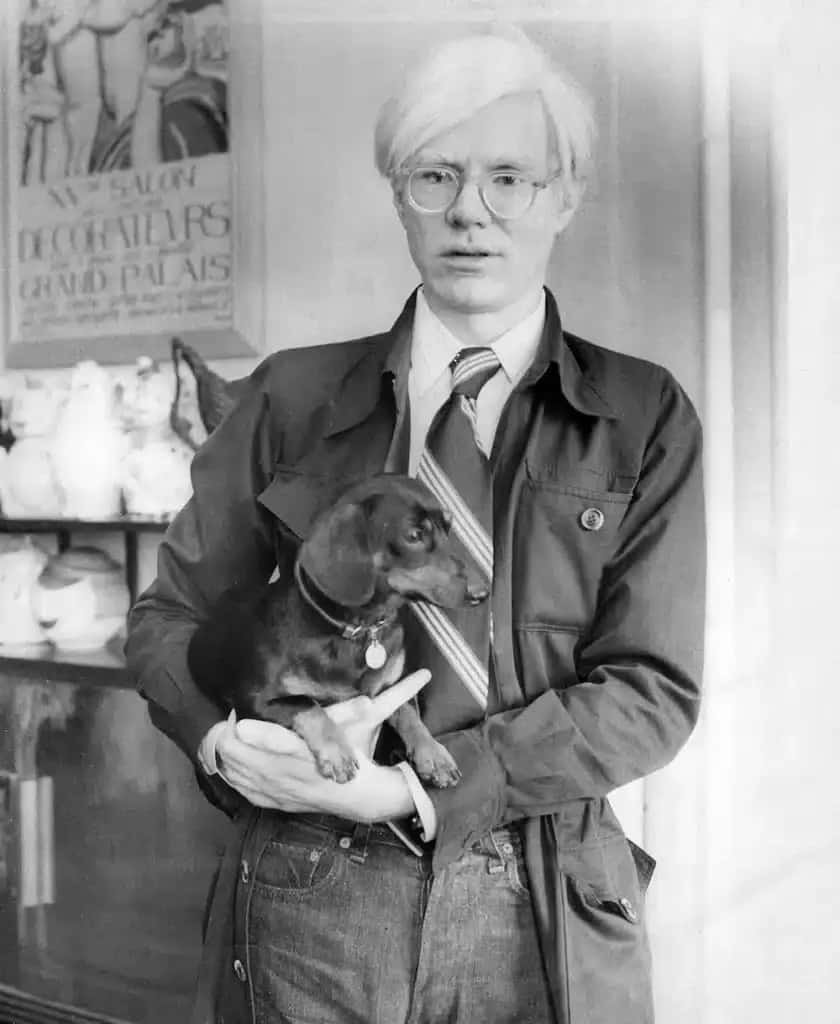
Andy Warhol, a leading figure of the pop art movement, was rarely seen without his dachshund, Archie. Archie accompanied Warhol to gallery openings, interviews, and photo shoots, becoming part of the artist’s public persona. Warhol’s affection for dachshunds added a personal warmth to his otherwise cool, industrial image.
A Mid-Century Design Favorite
The clean lines and compact form of dachshunds made them perfect for mid-century modern design. Danish designer Kay Bojesen’s wooden dachshund figurine, created in 1934, is still a collector’s favorite today. Their form also appeared in ceramics, bronze sculptures, and playful household decor of the 1950s and 60s.
Contemporary Creative Presence
Today, dachshunds remain popular subjects for illustrators, photographers, and even fashion designers. From Gucci’s 2022 pet collection to playful digital artwork on platforms like Etsy, the breed’s unique character continues to inspire new creative expressions.
Why Artists Love Dachshunds
There’s a reason creatives are drawn to dachshunds — they’re visually distinctive and full of personality. Their shape, expressions, and stubborn yet lovable attitude give artists and designers an endless source of inspiration.
The Myths and Trivia Behind Dachshund Origins
While we know dachshunds originated in Germany as skilled hunting dogs, the details of their ancestry have given rise to plenty of myths and fascinating trivia. Some of these stories blend fact with folklore, painting a picture of a breed that has always captured the imagination of dog lovers.
The Egyptian Myth
A popular claim suggests that dachshund-like dogs appear in ancient Egyptian tomb art. Paintings of long-bodied, short-legged hounds have been found on the walls of royal tombs, leading some to believe that dachshunds have a history stretching back thousands of years. However, most historians and canine experts agree that these ancient dogs were not direct ancestors of the modern dachshund, but rather early representations of hunting breeds with similar body types (Smithsonian).
“Badger Warriors”
Another piece of lore refers to early dachshunds as “badger warriors” due to their bravery underground. Although this term isn’t widely documented in historical texts, it aligns perfectly with their purpose as fearless badger-hunting hounds. Dachshunds’ tenacity and courage earned them respect from hunters who relied on them to face prey much larger and stronger than themselves.
Breed Trivia
- Name Origins: The word “dachshund” literally means “badger dog” in German (Dachs = badger, Hund = dog).
- Nickname Evolution: In English-speaking countries, dachshunds have long been affectionately called “sausage dogs” or “wiener dogs” because of their elongated shape.
- Coat Trivia: Wire-haired dachshunds, the latest variety, were only standardized in the 19th century — making them the “newcomers” of the breed family.
- The Royal Link: Their popularity skyrocketed in Britain during Queen Victoria’s reign, as we cover in Queen Victoria’s Role in Making Dachshunds Famous.
The Working-Dog Myth
A common misconception is that all dachshunds were bred exclusively for hunting badgers. In reality, larger standard dachshunds hunted badgers and wild boar, while smaller ones (early miniatures) were bred to chase foxes and rabbits. Their keen sense of smell, inherited from scent hound ancestors, made them versatile hunters.
Why Dachshunds Have Timeless Appeal
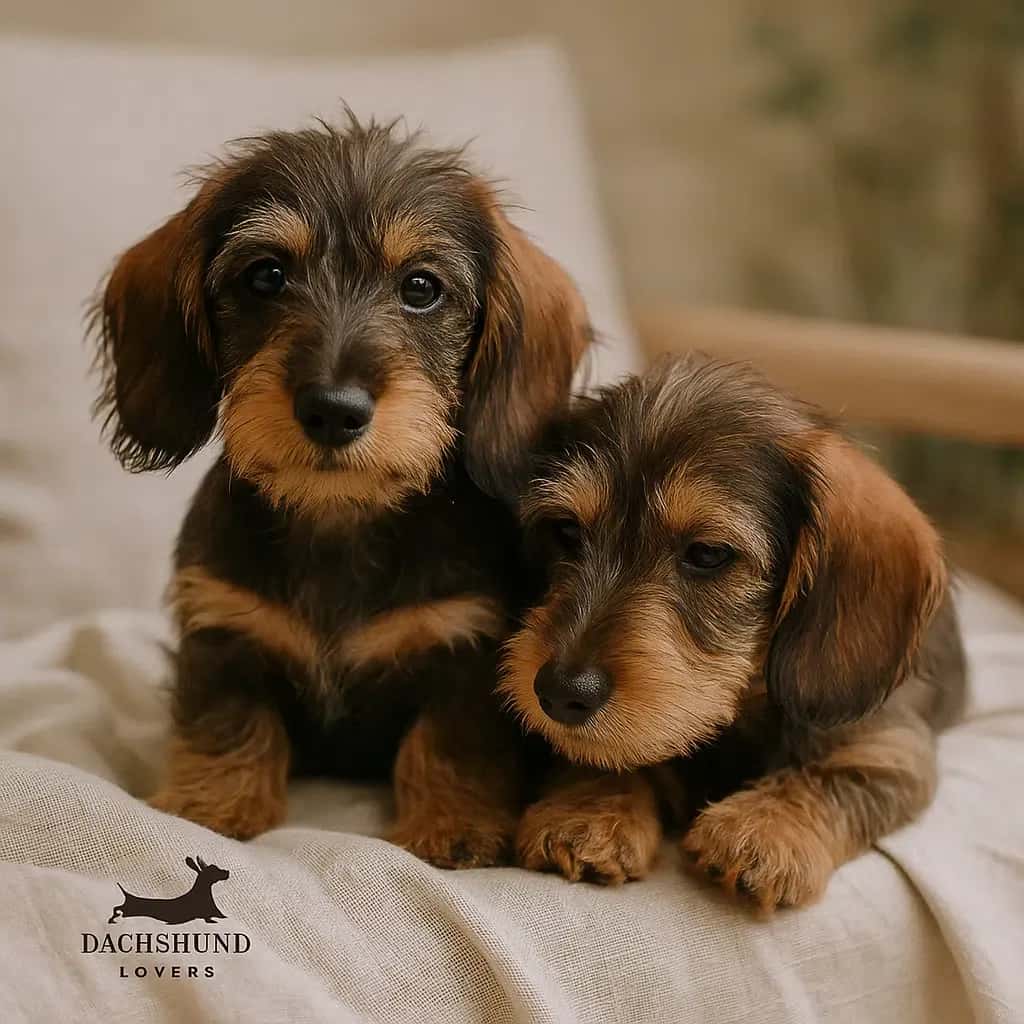
Dachshunds have remained one of the world’s most beloved dog breeds for centuries, and their charm shows no signs of fading. Part of their enduring popularity comes from a mix of visual uniqueness, vibrant personality, and cultural significance. They’re both working dogs and companions, capable of being bold hunters and loving family pets.
A Shape Like No Other
The dachshund’s elongated body, short legs, and expressive eyes give it a silhouette that is instantly recognizable and endearing. Their physical form not only made them efficient hunters in their early days but also turned them into icons of design and humor. Whether as mascots in 1950s advertising or in modern illustrations, their shape stands out in ways few breeds can match.
Big Personality, Small Size
Despite their size, dachshunds are known for having “big dog” confidence. They’re fearless, stubborn, and curious, all wrapped up in a playful and affectionate package. This strong personality makes them endlessly entertaining and highly photogenic — two qualities that have cemented their place in modern pop culture, from movies like Toy Story (Slinky Dog) to social media stars like Crusoe the Celebrity Dachshund.
Cultural and Creative Influence
Dachshunds have a remarkable presence in art, literature, and fashion. They’ve been muses for Picasso and Andy Warhol, appeared in classic children’s books like Pretzel, and graced mid-century advertising campaigns. This cross-generational appeal ensures that every era has its own dachshund stories to tell — from royal courts to TikTok feeds.
A Connection to History
When you adopt a dachshund, you’re not just bringing home a pet — you’re inviting a piece of history into your life. Their behaviors, from burrowing under blankets to alert barking, are direct echoes of their centuries-old hunting roots. Knowing their backstory — from royal endorsements to wartime challenges — only deepens the connection between dachshunds and their owners.
FAQs About Dachshund History Facts
More from This Series
Explore the Dachshund History & Origin Content Cluster:
- Where Do Dachshunds Come From? Unpacking Their German Origins
- Queen Victoria’s Role in Making Dachshunds Famous
- Dachshunds in Wartime: A Complex History
- The Evolution of Dachshund Breeding Standards Over the Centuries
- Famous Dachshunds in Pop Culture and History
- Dachshunds in Art and Literature: From Muse to Icon
Authored by
James
James is the founder of Dachshund Lovers and the proud human of Harvey, a mini dapple with a big personality. He writes to empower and connect the dachshund community, blending founder insights with honest, experience-based stories about life with this incredible and special breed. James brings candid, experience-backed opinions to the community and always focused on fewer, better products and ideas that genuinely improve life for dachshunds and their people.
Read moreJames is the founder of Dachshund Lovers and the proud human of Harvey, a mini dapple with a big personality. He writes to empower and connect the dachshund community, blending founder insights with honest, experience-based stories about life with this incredible and special breed. James brings candid, experience-backed opinions to the community and always focused on fewer, better products and ideas that genuinely improve life for dachshunds and their people.
Read moreDisclaimer
This content is for informational purposes only and should not be considered veterinary advice. Always consult with a licensed veterinarian regarding your dog’s health and wellbeing.
There are no comments yet
Leave a comment