Dachshund and Cold Weather
Dachshund and Cold Weather
Short legs, low bellies, dachshunds weren’t built for snow. Here's what I've learned about keeping your doxie safe, warm, and happy in winter.
James
Posted on November 4, 2025.
Updated on July 21, 2026.
Table of Contents
Share

The first real cold snap of winter in the Sutherland Shire always sneaks up on us come the start of June. One week we’re walking Harvey along the Cronulla Esplanade in the late afternoon sun, the next we’re pulling on the puffer jackets and bracing against the wind coming off the water. Harvey, like most dachshunds, notices the change immediately. His morning enthusiasm slows, he lingers by the heater, and our once long walks are cut short to a brisk trot before he’s tugging to head home.
Dachshunds and cold weather can be a tricky mix. With their short legs and long bodies, they’re built low to the ground — great for tunnelling after badgers in their native Germany, but not ideal for chilly, damp conditions. They have less insulation than many breeds, especially smooth-coated dachshunds, which means they lose heat quickly. The American Kennel Club notes that small breeds with low body fat are more vulnerable to cold-related health issues, and dachshunds fall squarely into that category.
In this guide, we’ll look at how to keep your dachshund comfortable in winter, from practical clothing choices and safe outdoor routines to the signs that your dog is too cold. We’ll also talk about how cold tolerance varies between coat types, and why some dachshunds actually relish a frosty morning — in short bursts.
Key Takeaways on Dachshund And Cold Weather
Fact | Why It Matters |
|---|---|
Dachshunds have short legs and a long body close to the ground. | This makes them more exposed to cold surfaces, increasing heat loss and the risk of chills. |
Smooth-coated dachshunds feel the cold fastest. | Less fur means less insulation, so they may need jackets or sweaters in winter. |
Prolonged cold exposure can lead to hypothermia or frostbite | Knowing the warning signs helps prevent serious health issues. |
Coat type affects cold tolerance. | Wirehaired and longhaired dachshunds tend to handle cooler temperatures better than smooth-coated varieties. |
Indoor warmth matters as much as outdoor protection. | Draft-free sleeping areas and warm bedding help keep your dachshund comfortable. |
Activity level impacts warmth. | Moving keeps your dachshund’s core temperature up, so short, frequent walks can be better than one long walk in winter. |
Understanding Your Dachshund’s Cold Tolerance

I learned quickly that Harvey, our smooth-coated dachshund, has two modes in winter: sprinting for the sunny patch in the yard, or curling up under a blanket on the lounge in our Cronulla home. Unlike some breeds that shrug off a bit of chill, dachshunds are more vulnerable to cold weather than you might expect. Their short legs keep their bodies closer to cold ground, while their long torsos expose more surface area to low temperatures.
Not all dachshunds feel the cold in the same way. Coat type plays a big role in how well they handle lower temperatures. Smooth-coated dachshunds, like Harvey, have the least insulation and will often need a jumper or coat even for short walks in winter. Wirehaired and longhaired dachshunds have a bit more natural protection, but they’re still not built for prolonged cold.
According to the RSPCA Australia, small and low-bodied breeds lose heat faster than taller dogs. That means you need to consider your dachshund’s tolerance before deciding how long to keep them outside on a frosty morning.
Signs that your dachshund is too cold include shivering, reluctance to walk, lifting their paws frequently, or seeking shelter. If you see any of these behaviours, it’s time to bring them indoors or provide more warmth.
If you’re living in an apartment, you might also find it easier to control their winter comfort since you can limit outdoor exposure — something we talk more about in our guide to Dachshund for Apartment Living.
Protecting Your Dachshund Outdoors in Winter
When Harvey was a puppy, Caitlin and I learned the hard way that a quick “bathroom break” in the yard can turn into a full sprint back to the door if it’s cold enough. Dachshunds may be confident hunters at heart, but they aren’t naturally equipped for icy mornings, damp grass, or blustery winds.
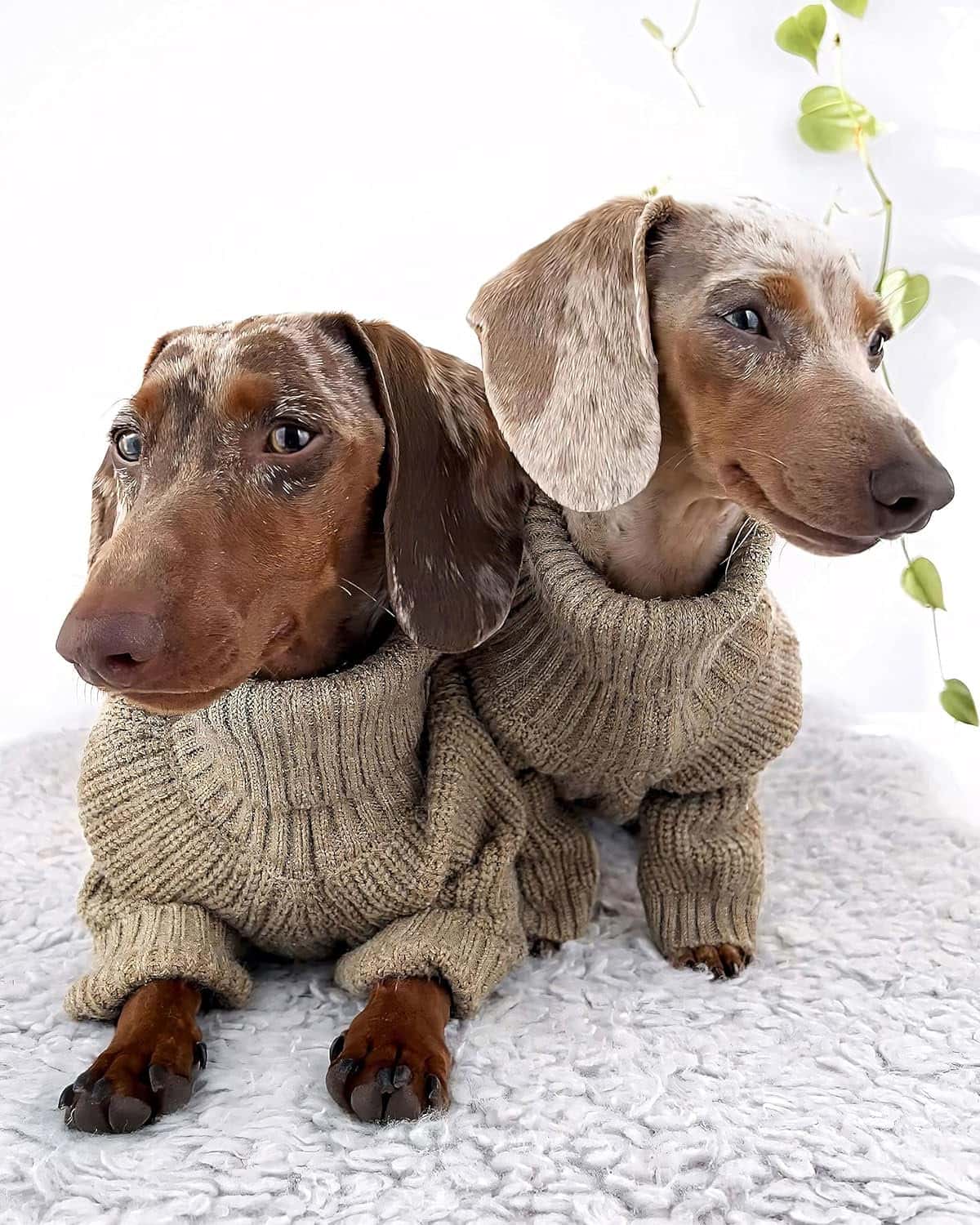
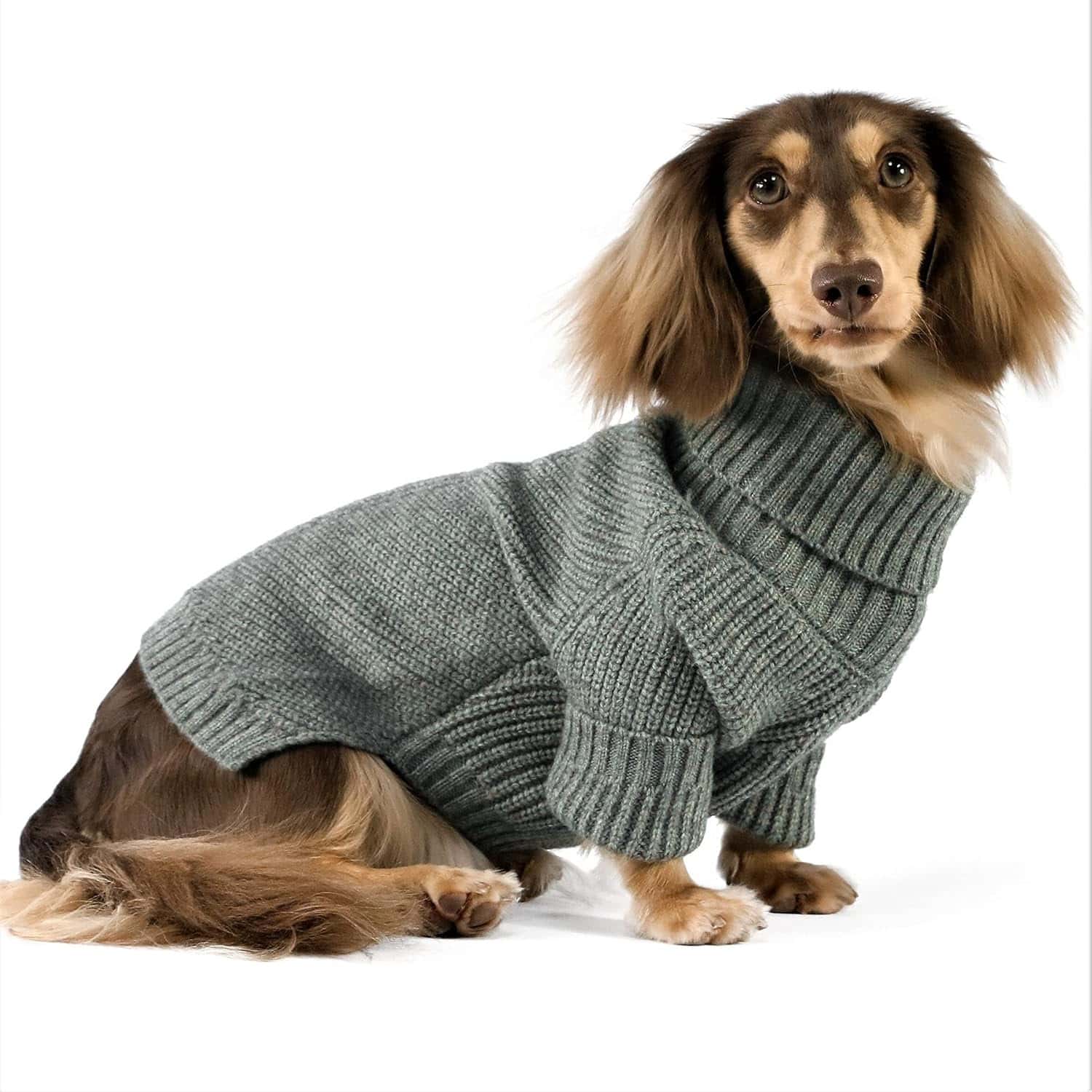
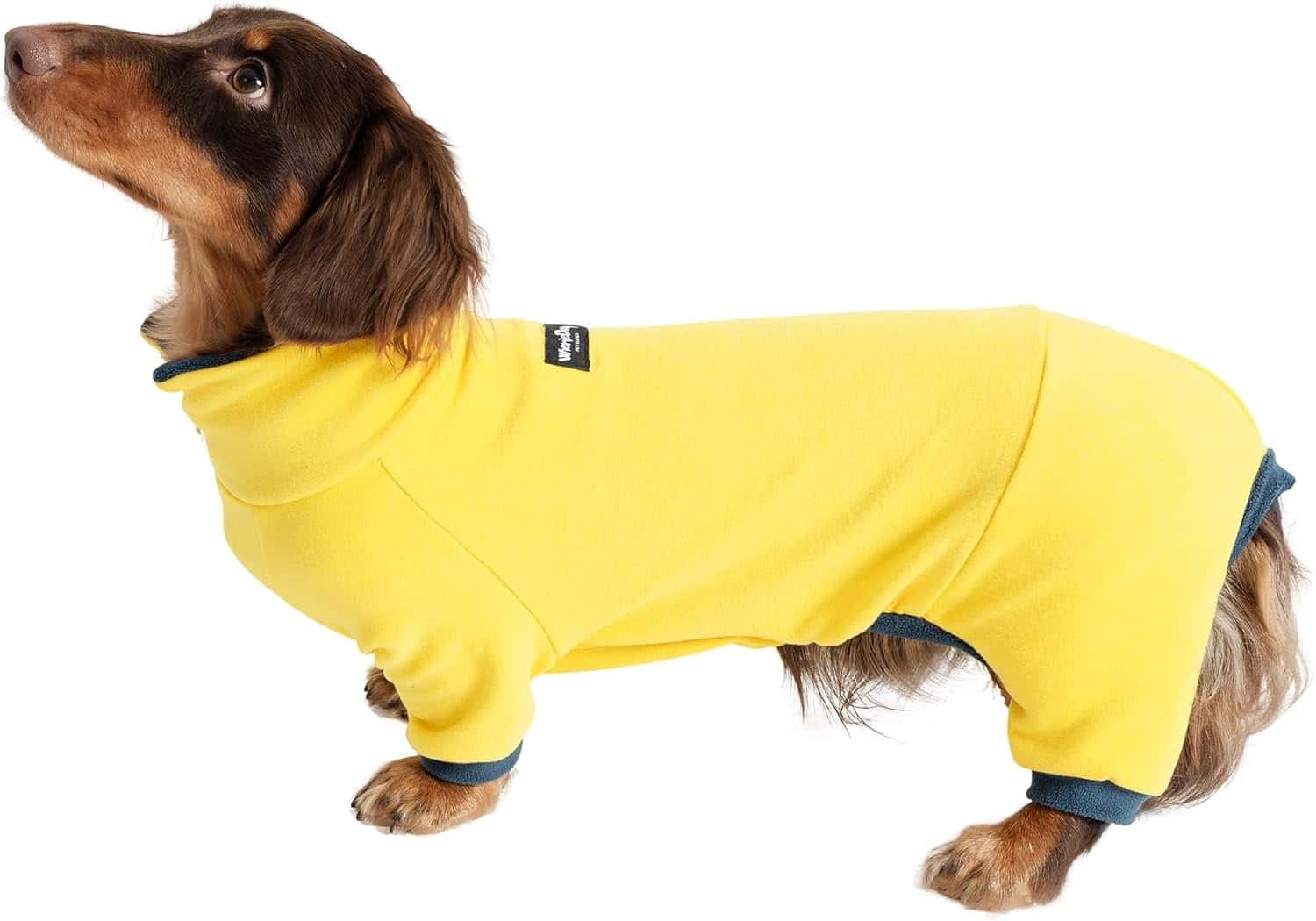
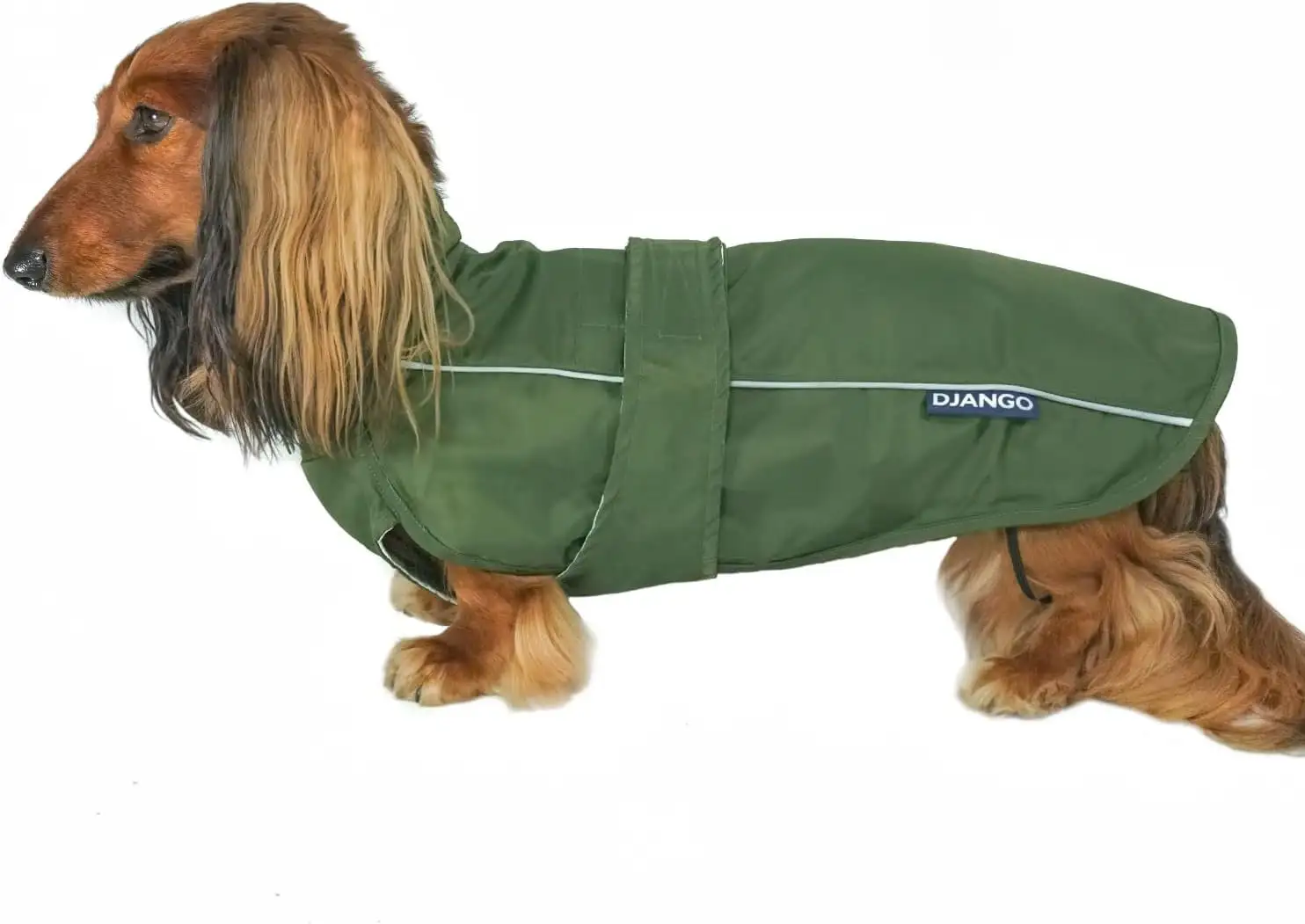
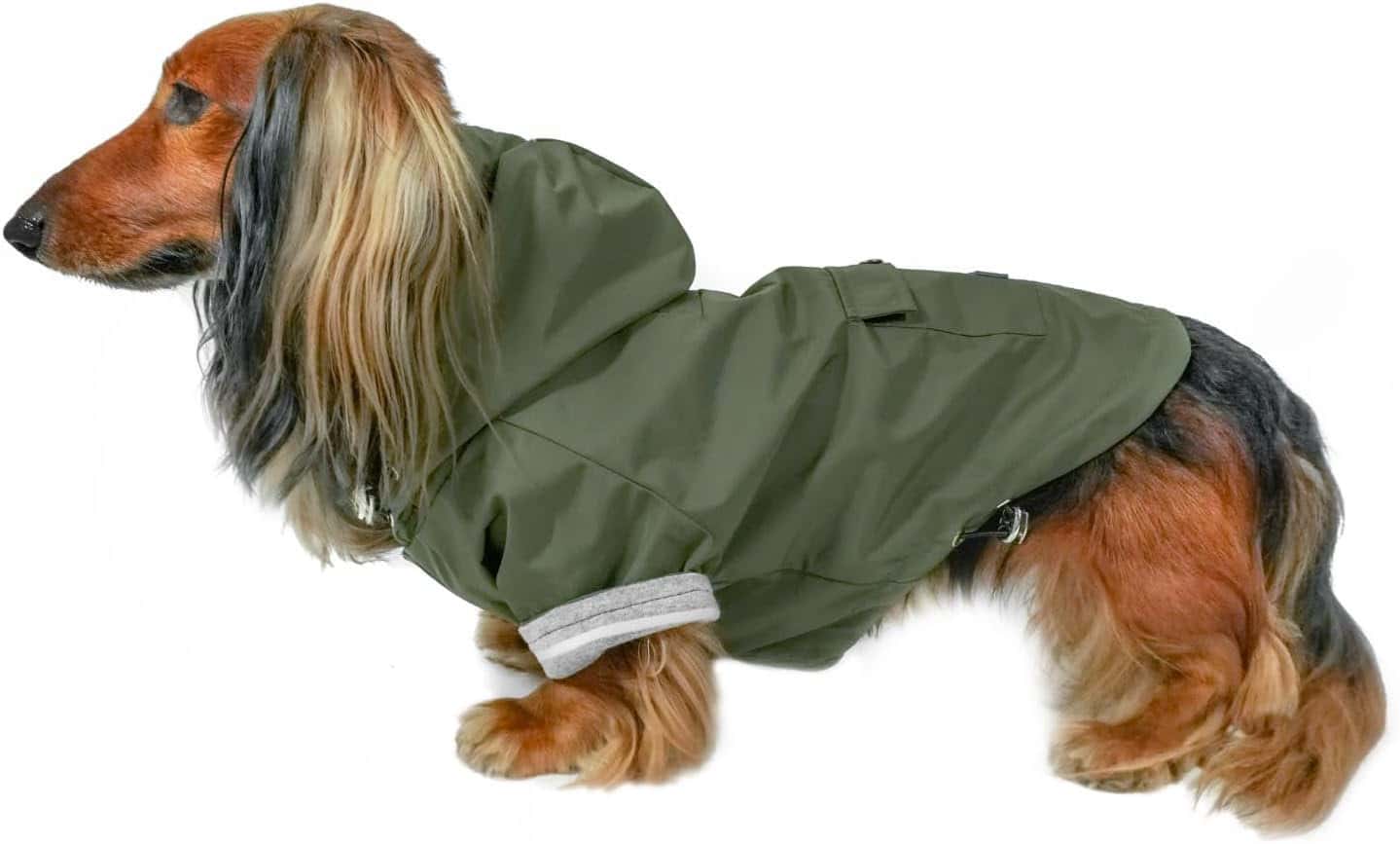
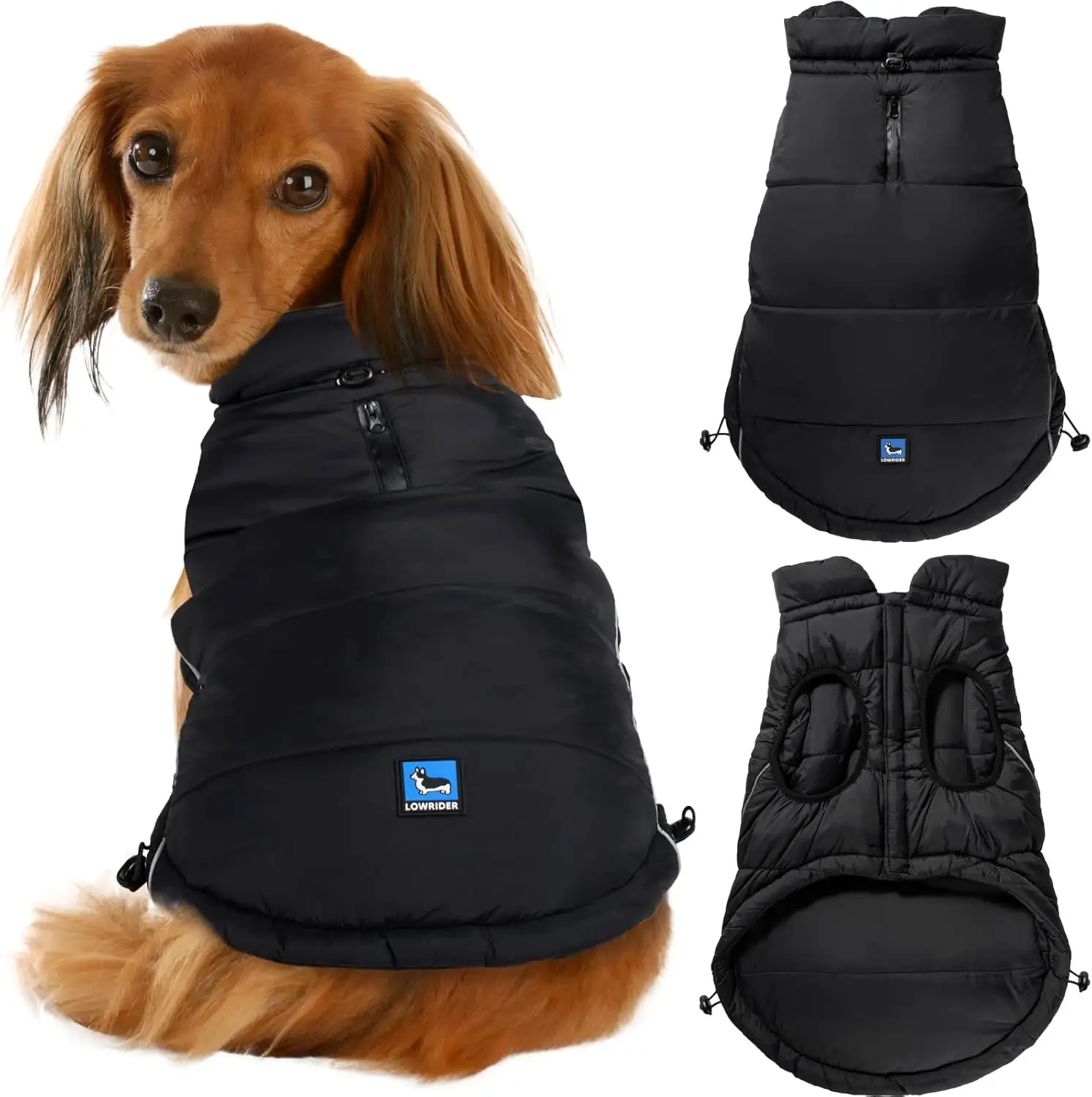
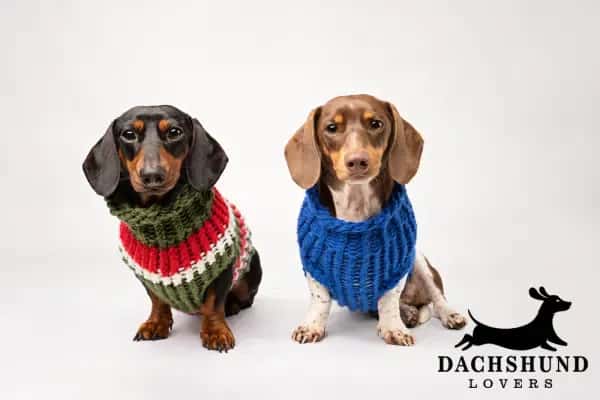
The first layer of defence is clothing. For smooth-coated dachshunds, a well-fitted jumper or coat is essential in winter, even for short walks. Longhaired and wirehaired dachshunds benefit from outerwear in very cold or wet conditions, particularly when temperatures drop below 10°C. Look for coats that cover the chest and belly — the areas most exposed to the cold ground — without restricting movement.
Foot protection can also make a difference. While dachshunds don’t often need boots in Sydney’s climate, they can be useful if you’re travelling to colder regions, like the Southern Highlands in winter. Booties help prevent frostbite and irritation from road salt, which can be an issue in snowy areas.
It’s also worth adjusting your walking schedule. Early mornings in winter are the coldest, so consider shifting walks to mid-morning or early afternoon when the sun is at its peak. If your dachshund loves outdoor play, keep sessions short and watch for signs of discomfort — shivering, hunching, or trying to head back inside.
The Australian Veterinary Association recommends avoiding prolonged exposure for small, low-bodied dogs in cold weather, as their internal temperature can drop quickly. A short, high-quality walk is far safer than a long, miserable one.
If you find your dachshund particularly reluctant in winter, it might be worth adding more indoor enrichment to their routine — something I’ll cover later when we talk about keeping your dachshund mentally stimulated during the colder months.
Indoor Winter Enrichment for Dachshunds
Winter days in the Sutherland Shire can feel long, especially if you have a dachshund who’s used to the beach, park, or outdoor café trips. Harvey gets restless if his daily walk is cut short, so Caitlin and I make a point of building extra indoor activities into his routine.
A bored dachshund is a creative dachshund — and that’s not always a good thing. Without stimulation, they might turn their attention to the couch cushions, laundry basket, or anything else they can “investigate.” The trick is to channel their natural curiosity into games and activities that keep their mind engaged.
Here are some winter-friendly favourites:
- Snuffle mats — These textured feeding mats turn mealtime into a scent-hunting game. Scatter kibble or treats inside and let your dachshund sniff them out.
- Indoor fetch with soft toys — A hallway works well for this, giving your dog a clear run without risking furniture collisions.
- Training refreshers — Short five-minute sessions practising “sit,” “stay,” or “lay down” reinforce good manners and give mental exercise. If you need a guide, check our Dachshund Daily Routine article for integrating training into everyday life.
- Puzzle feeders — Interactive toys that require your dog to slide, lift, or paw at compartments to release food tap into their problem-solving instincts.
- Hide and seek — Have a family member hold your dachshund while you hide in another room, then call their name and reward them when they find you.
Indoor enrichment is not just about entertainment — it’s also about preventing behavioural issues. The RSPCA notes that dogs who receive adequate mental stimulation are less likely to develop destructive habits. This is especially important for dachshunds, whose intelligence and persistence can make boredom a real challenge.
When outdoor time is limited, aim for at least two or three indoor play or training sessions spaced throughout the day. It breaks up long stretches of inactivity and gives your dachshund a sense of purpose, even when the weather is miserable outside.
What Temperature Is Too Cold for Dachshunds?
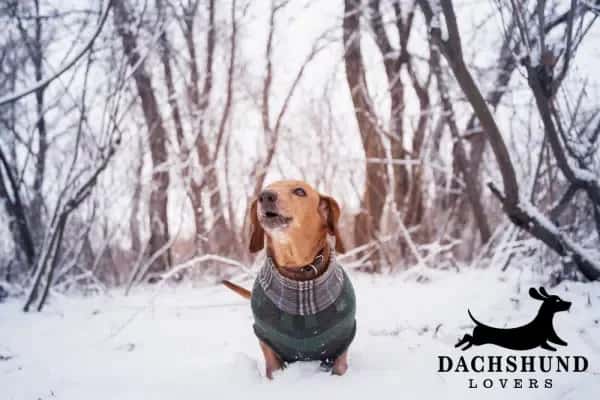
Dachshunds may have a big personality, but their small size and low body mass make them far more vulnerable to cold than larger breeds. In my experience, Harvey starts to shiver on early winter mornings here in the Sutherland Shire once the mercury dips below 10°C (50°F). That shiver isn’t just about comfort — it’s a sign his body is working harder to stay warm.
According to the American Veterinary Medical Association, temperatures below 7°C (45°F) can start to pose risks for small dogs, especially if they have short coats or low body fat. For dachshunds, even a mild breeze can make it feel colder because of how close their bodies are to the ground.
If you live somewhere with chilly mornings or frosty nights, consider these cold-weather tips:
- Invest in a well-fitted dog coat or jumper — particularly for early walks.
- Limit outdoor time in extreme cold, keeping walks short and focused.
- Avoid wet conditions where possible — damp fur can chill them faster.
- Watch for early signs of cold stress such as shivering, lifting paws off the ground, or reluctance to walk.
.
The bottom line? If you’re reaching for a jacket, your dachshund probably needs one too.
FAQs — Dachshund and Cold Weather
More from This Series
Explore more everyday living tips and lifestyle insights in our Living With Dachshunds collection:
- Dachshund for Apartment Living — How to create the perfect space for a small but spirited breed in a compact home.
- Dachshund Daily Routine — A balanced schedule that keeps your doxie happy, healthy, and entertained.
- Dachshund in Bed — The joys, quirks, and considerations of sharing your sleep space with a dachshund.
- Owning a Dachshund — Everything you need to know before bringing one of these loyal, long-bodied companions into your life.
- Do Dachshunds Like Water? — From paddling pools to beach adventures, how to safely introduce your dachshund to water.
- Dachshund and Cats — Tips for fostering harmony between your dachshund and feline family members.
Authored by
James
James is the founder of Dachshund Lovers and the proud human of Harvey, a mini dapple with a big personality. He writes to empower and connect the dachshund community, blending founder insights with honest, experience-based stories about life with this incredible and special breed. James brings candid, experience-backed opinions to the community and always focused on fewer, better products and ideas that genuinely improve life for dachshunds and their people.
Read moreJames is the founder of Dachshund Lovers and the proud human of Harvey, a mini dapple with a big personality. He writes to empower and connect the dachshund community, blending founder insights with honest, experience-based stories about life with this incredible and special breed. James brings candid, experience-backed opinions to the community and always focused on fewer, better products and ideas that genuinely improve life for dachshunds and their people.
Read more
Disclaimer
This content is for informational purposes only and should not be considered veterinary advice. Always consult with a licensed veterinarian regarding your dog’s health and wellbeing.
There are no comments yet
Leave a comment