Black and Tan Miniature Dachshund: Small Frame, Big Legacy
Black and Tan Miniature Dachshund: Small Frame, Big Legacy

Ellie
Posted on May 24, 2025.
Updated on June 10, 2026.
Table of Contents
Share

The Mini Who Stole the Spotlight
At our last Sunday meet-up at the Eastwood Hotel, one of my friends asked me, “What’s the most classic dachshund look?” Without hesitation, I said, the black and tan mini dachshund. There’s something about the way they trot — proud but playful — that captures the essence of the breed.
These little legends are full of contrast: jet black coats, rich tan points, and oversized confidence in an under-11-pound package. Whether you’re considering one as a first dachshund or adding to an already doxie-loving home, this is the definitive guide to the black and tan miniature dachshund.
Topic | Summary |
|---|---|
Breed Type | Standard or miniature dachshund with a black coat and tan markings |
Coat Types | Smooth, long-haired, wire-haired (rare) |
Variants |
|
Temperament | Loyal, clever, courageous — with big-dog energy in a small frame |
Popularity | Most recognized and traditional dachshund color worldwide |
Ideal For | First-time dog owners, families, and classic dachshund lovers |
What Is a Black and Tan Miniature Dachshund?
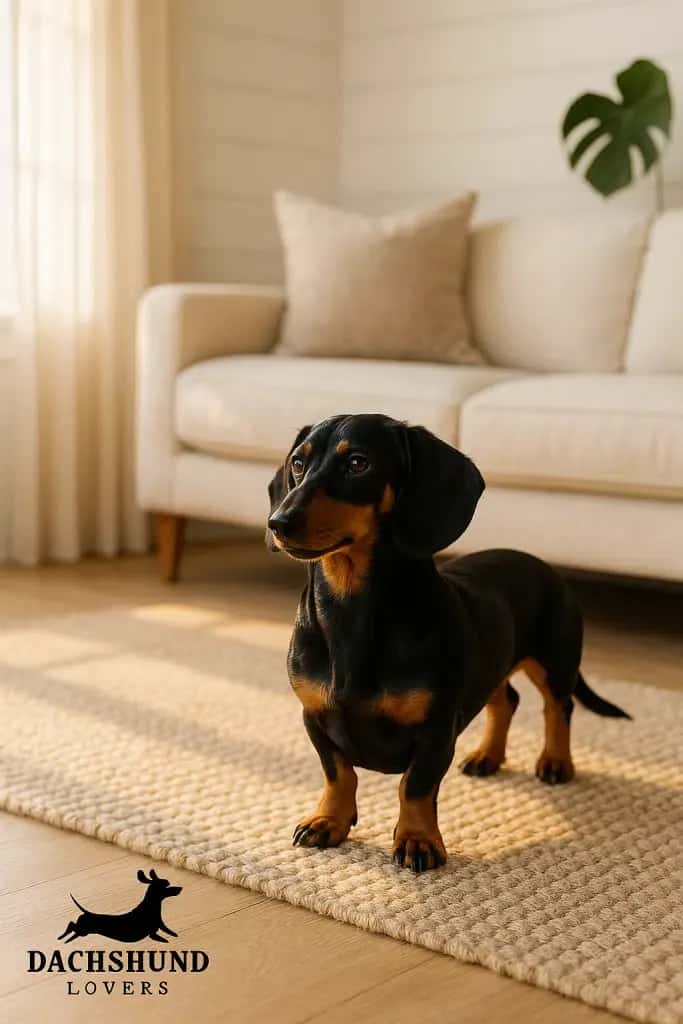
A black and tan mini dachshund is a miniature dachshund (under 11 lbs) with a rich black coat and distinct tan markings. The tan points appear:
- Above each eyebrow (often like expressive “dots”)
- On the muzzle and cheeks
- On the chest, paws, and underside of the tail
This is arguably the most iconic and visually balanced color pattern in the dachshund world — bold, neat, and easy to recognize.
While today’s black and tan minis are more likely to be chasing tennis balls than badgers, they carry the same alert posture and dignified attitude.
The breed standard for this coloration is quite specific. The black should be deep and glossy, not faded or greyish, and the tan should be rich and well-defined — not too pale or washed out. A well-marked black and tan dachshund has symmetrical points, adding to their expressive, almost animated appearance. This combo isn’t just classic — it’s purposeful.
These dogs are recognized by major kennel clubs around the world and are often the “poster pup” for dachshunds in general. Think of them as the little black dress of the breed — timeless, sleek, and always turning heads.
Learn more about this color’s history in our Black and Tan Dachshund guide.
Coat Appearance and Color Pattern
While black and tan is one of the most common colorations, its visual appeal never fades. The combination is sharp, defined, and brings structure to the dachshund’s elongated silhouette. The eyebrows, or “doxie dots” as some owners affectionately call them, are small but expressive — often making it look like your dog is always asking a question or judging your life choices. This coat isn’t flashy, but it’s sharp. Whether smooth, long-haired, or (rarely) wire-haired, the black and tan pattern adds visual structure.
Each coat type gives the pattern a different flair:
- Smooth coats look like they were drawn with ink — sleek, clean lines.
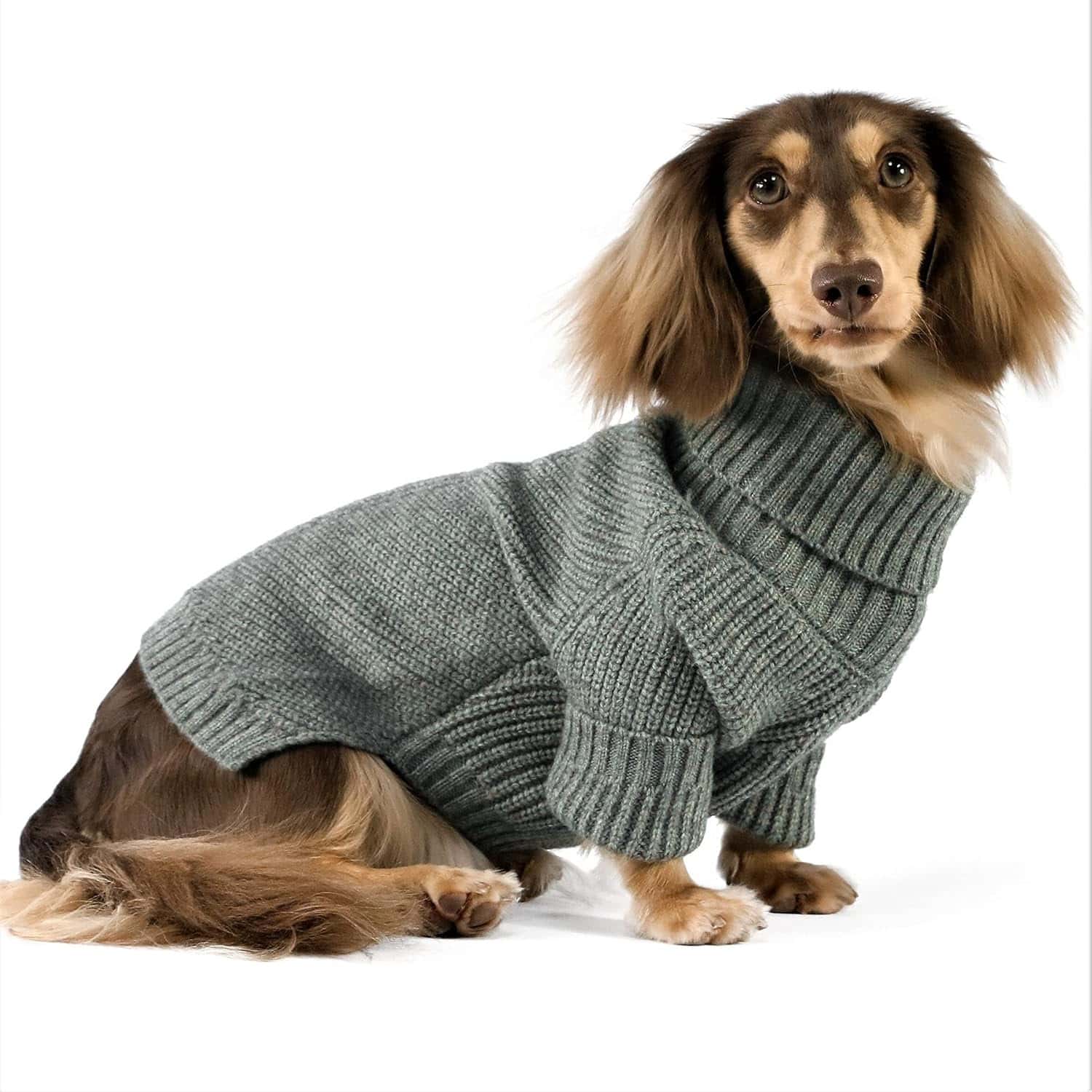
- Long-haired coats add softness and movement, especially in the tail and ears. There’s something especially regal about the way their tan flows into feathering.
- Wire-haired versions are rare in this coloration but offer a more textured, rugged version of the same beloved pattern.
You’ll also notice subtle variations in tone depending on lighting and genetics — some black and tan minis may lean slightly more russet in the tan areas, while others stay bright and clear.
In long-haired minis, the tan flows into feathered tails and ear tips, softening the boldness. For long-coated details, visit: Black and Tan Long Haired Dachshund
Size vs Standard Dachshund
Miniature dachshunds are selectively bred to be smaller than their standard cousins, but the difference is more than just weight.
Trait | Miniature Dachshund | Standard Dachshund |
|---|---|---|
Weight | Under 11 lbs (5 kg) | 16–32 lbs (7–14.5 kg) |
Height | 5–6 inches | 8–9 inches |
Bone Structure | Lighter, finer | Broader, sturdier |
Energy Level | Often more excitable | Sometimes more measured |
While it’s tempting to think of mini dachshunds as “bite-sized” versions of the standard, there’s more nuance to the distinction. Miniatures are selectively bred for finer bone structure, lower body weight, and smaller overall proportions — but that doesn’t mean they come with a gentler temperament.
In fact, many owners report their minis as being more active and alert. The smaller frame means quicker acceleration during play, more agility in tight spaces, and, often, a stronger need to prove themselves. It’s a case of small dog syndrome — with pride.
It’s also worth noting that some breeders produce dachshunds that fall between the two size categories, sometimes called “tweenies.” While not an official size class, these dogs can have a mix of both temperaments and build traits.
Miniature dachshunds are particularly popular with apartment dwellers or anyone with limited outdoor space — but don’t let their small size fool you. These dogs need just as much mental stimulation and social time as their larger relatives.
Despite their size, minis are no less courageous. They’ll chase birds, alert the neighborhood, and defend their territory with that signature dachshund bark.
Mini Dachshund Personality
If there’s one thing every mini dachshund owner agrees on, it’s this: these little dogs are full of themselves — in the best way. They move like they’re three times their size, bark like they’re protecting a kingdom, and snuggle like it’s their full-time job.
The mini dachshund personality is often described as:
- Fearless: They don’t know they’re small
- Loyal: Attach closely to their chosen humans
- Playful: Always game for a zoomie session
- Vocal: Love to alert, talk, and occasionally argue with birds
This breed thrives on attention and interaction. They love to be involved in your routines, whether it’s morning coffee or Netflix nights. Many minis form strong bonds with one or two people in the household and will follow them from room to room, offering side-eyes when ignored.
Because of their intelligence and independence, early training is important. They respond best to positive reinforcement, especially if it involves food. Just be aware: their cleverness can also make them manipulative. Those eyes? Not an accident.
Because of their compact build, they’re popular for city living and smaller homes — but don’t underestimate their need for play, challenge, and engagement.
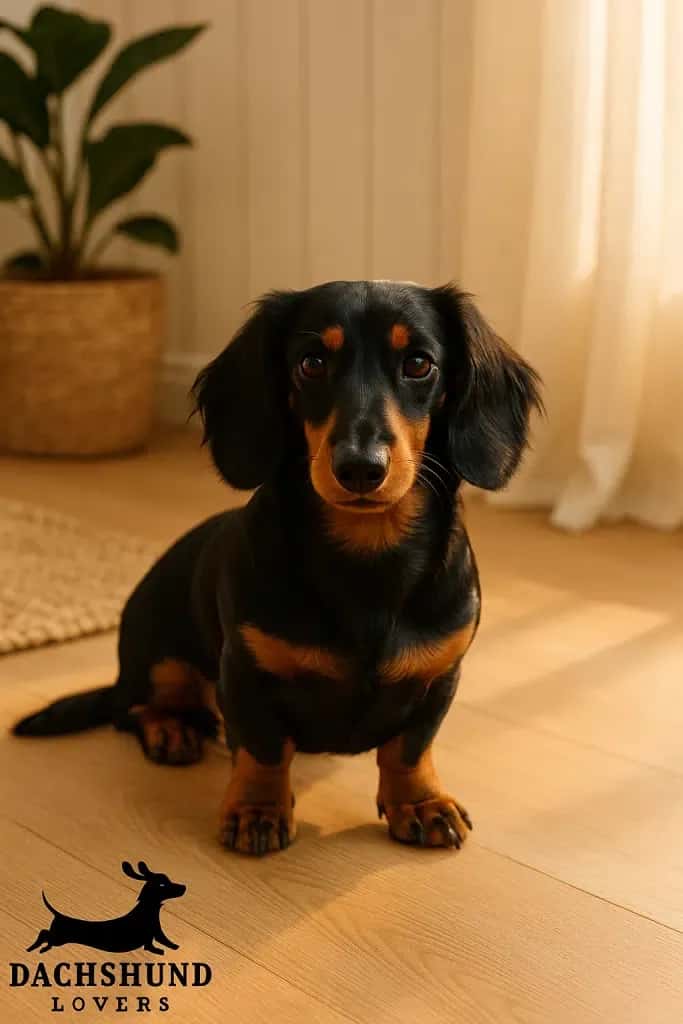
Mini Dachshund Care Needs
Despite their tiny frames, mini dachshunds are active little companions. They need a balanced mix of movement and management.
Care Tips:
- Walks twice daily, but not high-impact (protect their backs)
- Monitor weight — they gain easily and it strains the spine
- Use harnesses instead of collars for leash walking
- Avoid jumping from beds, couches, or stairs
- Provide soft bedding and warm spots — they love to burrow
- Grooming depends on coat type (smooth is lowest maintenance; long-haired requires brushing)
Exercise should be frequent but low-impact. A brisk walk around the block is better than high-speed sprints or fetch games with hard stops. Two short walks a day — 15 to 30 minutes each — tends to be ideal.
Mental enrichment is just as important. Food puzzles, scent trails, and hide-and-seek games indoors help keep them stimulated. A bored dachshund will often become a loud dachshund, or worse — a destructive one.
Nutritionally, these little ones can be prone to gaining weight. Measure meals, limit treats, and avoid feeding scraps. Excess weight is one of the biggest risk factors for back problems later in life.
And remember — they’re clever. Food puzzles, scent games, and varied toys help keep their minds happy too.
Authored by
Ellie
Ellie is a lifelong dachshund lover and the proud human of Maple, a long-haired brown doxie with a regal side-eye. While not a vet, Ellie brings honest, researched, and experience-based insights into every article she writes for the Dachshund Lovers community.
Read moreEllie is a lifelong dachshund lover and the proud human of Maple, a long-haired brown doxie with a regal side-eye. While not a vet, Ellie brings honest, researched, and experience-based insights into every article she writes for the Dachshund Lovers community.
Read more