Beagle vs Dachshund vs Doxle: Which Breed Fits Your Lifestyle?
Beagle vs Dachshund vs Doxle: Which Breed Fits Your Lifestyle?
I’ve spent time around both breeds and dug deep into their differences. Here’s what to know if you’re choosing between a Beagle and a Dachshund,

Ellie
Posted on November 9, 2025.
Updated on July 21, 2026.
Table of Contents
- 1.Key Takeaways: Beagle vs Dachshund vs Doxle
- 2.Temperament & Personality
- •Beagle: The Social Explorer
- •Dachshund: The Bold Individualist
- •Doxle: A Blend of Social and Loyal
- 3.Size & Exercise Needs
- •Beagle: Compact but Active
- •Dachshund: Small but Determined
- •Doxle: The Balanced Middle Ground
- 4.Grooming & Shedding
- •Beagle: Low Maintenance but Sheds Seasonally
- •Dachshund: Grooming Varies by Coat Type
- •Doxle: Moderate Shedding and Simple Maintenance
- •Bathing & Seasonal Care
- •Which Breed is Easiest to Groom?
- 5.Health & Lifespan
- •Beagle: Generally Hardy but Prone to Ear Issues
- •Dachshund: Back Health Is a Priority
- •Doxle: Hybrid Vigor with Mixed Risks
- •Longevity Tips for All Three Breeds
- •Which Breed Is the Healthiest?
- 6.Cost & Adoption
- •Beagle Price & Adoption
- •Dachshund Price & Adoption
- •Doxle Price & Adoption
- •Cost of Ownership
- •Adoption Recommendations
- 7.Family Fit & Lifestyle Considerations
- •Beagle: The Family-Friendly Pack Dog
- •Dachshund: Loyal and Quirky
- •Doxle: Adaptable and Balanced
- •Apartment vs Yard: Which Dog Adjusts Best?
- -More From This Series:
- -Disclaimer
Share

A few years ago, I met a friend at Forby Sutherland Memorial park who was trying to decide between adopting a beagle, a dachshund, or a beagle dachshund mix (Doxle). Watching her weigh the differences reminded me just how distinct — yet equally charming — these breeds are.
The beagle is the sociable extrovert of the group — friendly, always sniffing, and happiest when part of a pack. The dachshund, on the other hand, is bold, independent, and fiercely loyal — a “big dog” personality wrapped in a small, long-bodied frame. Then there’s the Doxle, which combines both worlds: playful, affectionate, and a touch stubborn, but more adaptable than either parent breed alone.
Choosing between them isn’t just about looks or popularity. It’s about lifestyle fit. Are you an active walker who wants a dog that thrives on adventure? A beagle might be your match. Do you prefer a quirky, courageous companion who’ll shadow you around the house? The dachshund fits the bill. Want a balanced mix of both? A Doxle could be exactly what you’re looking for.
This guide breaks it all down — from temperament and exercise needs to grooming, health, and family fit — so you can make a confident decision.
Key Takeaways: Beagle vs Dachshund vs Doxle
Feature | Beagle | Dachshund | Doxle (Beagle Dachshund Mix) |
|---|---|---|---|
Temperament | Friendly, outgoing, loves groups. | Bold, independent, loyal. | Social like a beagle, loyal like a dachshund. |
Size | 20–30 lbs; 13–15 inches tall. | 11–32 lbs; 8–9 inches tall (mini <11 lbs). | 15–30 lbs; 9–11 inches tall. |
Energy Level | High — needs long walks and play. | Moderate bursts — prefers short sprints. | Moderate-high — enjoys both sniffing & games. |
Trainability | Food-driven but distracted by scents. | Smart but stubborn. | Quick learner with positive reinforcement. |
Grooming | Low-maintenance; seasonal shedding. | Varies (smooth, wire, long coats). | Low to moderate; weekly brushing is enough. |
Health Risks | Ear infections, obesity. | IVDD (back issues), dental problems. | May inherit both, but hybrid vigor helps. |
Family Fit | Great for kids & active households. | Best with gentle handling & ramps. | Good for families, singles, or couples. |
Lifespan | 10–15 years. | 12–16 years. | 12–15 years. |
Temperament & Personality
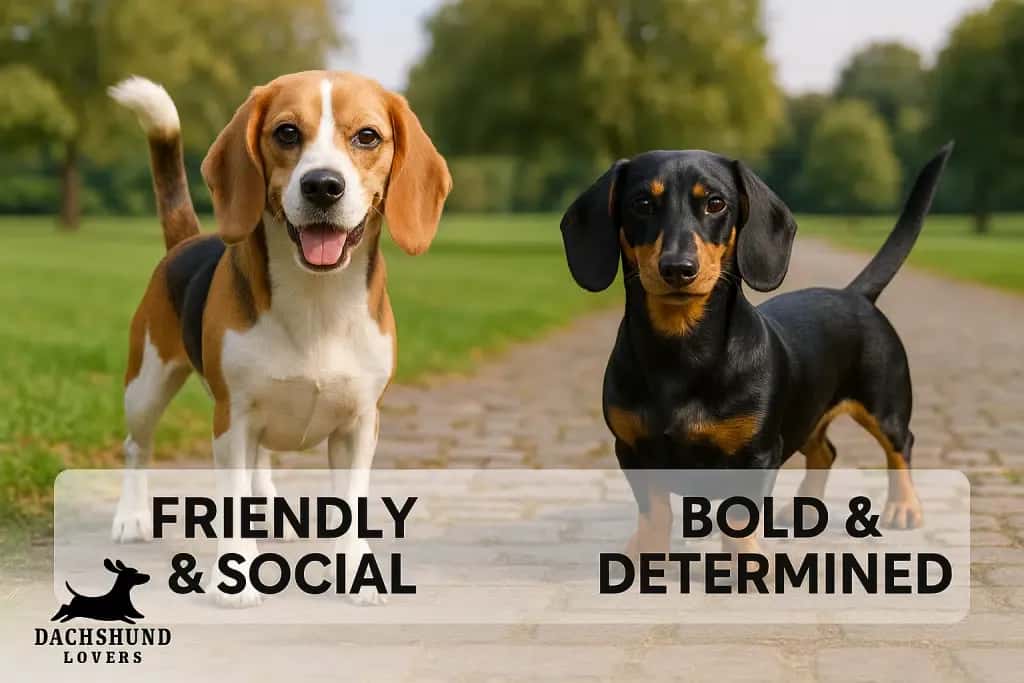
When you compare beagle vs dachshund temperament, it’s easy to see that while both breeds are hounds, their personalities couldn’t be more distinct.
The beagle is famously friendly, outgoing, and eager to be part of a pack. According to the American Kennel Club (AKC), “Beagles are merry, loving dogs that are curious and great with families.” Their strong scenting ability often overrides other instincts — if a beagle catches a scent, it’s game on. This curiosity makes them a joy for active households, but it can also mean they need consistent training and mental stimulation to prevent mischief.
Key Beagle Traits:
- Naturally sociable and good with children.
- Prone to howling or “singing” when bored or left alone.
- Food-motivated, making training relatively easy but also requiring portion control.
Dachshund: The Bold Individualist
Dachshunds, on the other hand, are small but fearless. As the AKC Dachshund Profile notes, “Dachshunds are clever, lively, and courageous to the point of rashness.” Their independent streak stems from their hunting origins — they were bred to make decisions underground without waiting for commands. While deeply loyal to their family, dachshunds can be wary of strangers and a little stubborn during training.
Key Dachshund Traits:
- Strong-willed and confident.
- Loyal “shadow dogs” that bond deeply with one person or family.
- Can be vocal watchdogs — quick to alert you to strangers or even the sound of a delivery truck.
The beagle dachshund mix (Doxle) often strikes a balance between these two temperaments. They inherit the beagle’s cheerful, people-oriented personality, but with the dachshund’s independence and fierce loyalty.
Common Doxle Behavior Traits:
- Friendly yet Protective: They’ll welcome family and friends but may “take their time” warming up to new faces.
- Playful but Persistent: Like beagles, they thrive on games and outdoor adventures, yet the dachshund’s determination means they won’t easily give up when focused on a task (or scent).
- Stubborn but Trainable: Positive reinforcement is key — harsh training methods will backfire.
For more on Doxle personality quirks, see our Beagle Dachshund Mix Temperament Guide.
Size & Exercise Needs
When choosing between a beagle, dachshund, or Doxle, size and exercise requirements play a huge role in finding the right fit for your lifestyle.
Beagle: Compact but Active
Beagles are small-to-medium dogs, but they’re built for endurance. According to the AKC Beagle Breed Standard, adult beagles typically weigh 20–30 lbs and stand 13–15 inches at the shoulder (smaller “pocket beagles” are slightly shorter).
Beagles are highly active and require at least 60 minutes of daily exercise — think long walks, games of fetch, or scent-tracking activities. Without this, they can become restless or vocal. Their high energy level suits families with kids or owners who enjoy hiking and outdoor adventures.
Dachshund: Small but Determined
Dachshunds are significantly smaller than beagles, with miniature dachshunds weighing under 11 lbs, and standard dachshunds falling between 16–32 lbs. Their height is usually 8–9 inches, but their elongated bodies make them look larger than they are.
While they don’t require marathon walks, dachshunds still need 30–45 minutes of daily activity to stay healthy and avoid obesity. The PetMD Dachshund Exercise Guide notes that short, frequent walks are better than long runs, as they’re prone to back strain and intervertebral disc disease (IVDD).
Doxle: The Balanced Middle Ground
The beagle dachshund mix (Doxle) falls right between the two in both size and exercise needs:
- Weight: 15–30 lbs.
- Height: 9–11 inches.
- Exercise Needs: Around 45–60 minutes daily, combining sniffing games, short walks, and indoor play.
Doxles inherit the beagle’s love of movement and the dachshund’s curiosity. A typical day might include a brisk morning walk, puzzle toys in the afternoon, and scent-based games in the evening. For growth milestones and healthy weight tips, see our Beagle Dachshund Mix Size & Growth Chart.
Exercise Tips by Breed
- Beagle: Long walks or hikes, plus mental challenges like hiding treats in the yard.
- Dachshund: Gentle walks with ramps instead of stairs to avoid back injuries.
- Doxle: A mix of the two — walks, playtime, and low-impact agility to keep their back safe.
For tailored exercise routines, check our Beagle Dachshund Mix Training Guide.
Grooming & Shedding
When it comes to grooming, all three breeds — beagle, dachshund, and Doxle — are relatively low-maintenance compared to long-coated or double-coated breeds. However, their coats and shedding patterns differ slightly, which can influence how often you need to brush, bathe, and clean up hair around the house.
Beagle: Low Maintenance but Sheds Seasonally
Beagles have a short, dense, and weather-resistant coat that’s easy to care for. According to PetMD, weekly brushing with a bristle brush or grooming glove is usually enough to keep their coat healthy and reduce shedding.
Beagles shed lightly throughout the year, but their shedding tends to peak during spring and autumn, as they blow their undercoat. During these times, brushing twice a week will help manage loose hairs.
Key Beagle Grooming Tips:
- Bathing: Every 6–8 weeks, or when dirty.
- Ears: Clean weekly to prevent ear infections — their floppy ears trap moisture.
- Nails: Trim every 3–4 weeks.
Dachshund: Grooming Varies by Coat Type
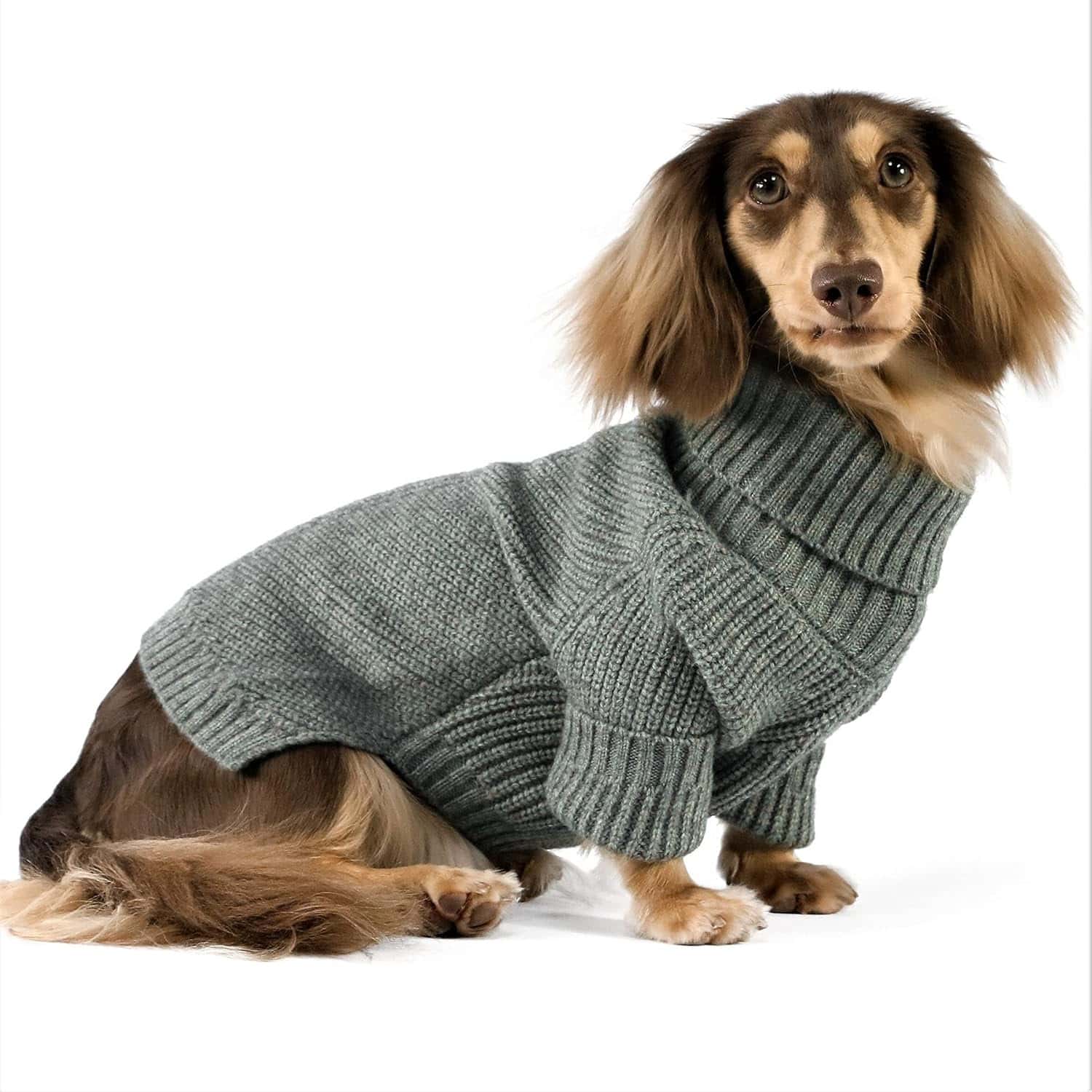
Dachshunds come in three coat types — smooth, long-haired, and wire-haired — each with different grooming needs:
- Smooth-coated: Minimal shedding, needs brushing once a week.
- Long-haired: Requires brushing 2–3 times a week to prevent tangles and mats.
- Wire-haired: Needs hand-stripping or regular trimming every few months.
As the AKC Dachshund Profile notes, long-haired and wire-haired dachshunds require a bit more maintenance but still shed less than many other breeds.
Doxle: Moderate Shedding and Simple Maintenance
The beagle dachshund mix (Doxle) usually inherits a short to medium coat, leaning toward the beagle’s smooth texture. Shedding is moderate — slightly more than a smooth dachshund but less than a full beagle.
A weekly brush is enough to remove loose hairs, distribute natural oils, and keep their coat shiny. If they have a slightly longer coat (especially if the dachshund parent is long-haired), brushing 2–3 times a week helps avoid tangles.
For detailed coat care, visit our Beagle Dachshund Mix Grooming & Shedding Guide.
Bathing & Seasonal Care
All three breeds benefit from:
- Bathing: Every 4–6 weeks with a mild dog shampoo.
- De-shedding Tools: During seasonal sheds (spring/fall), a slicker brush or grooming glove works wonders.
- Ear Checks: Essential for both beagles and Doxles due to floppy ears.
Which Breed is Easiest to Groom?
- Beagle: Lowest maintenance overall, but more seasonal shedding.
- Dachshund: Smooth coats are easiest; long-haired varieties require extra brushing.
Doxle: Moderate upkeep with a single weekly brush — a good middle ground.
Health & Lifespan

Health is often the deciding factor when choosing between a beagle, a dachshund, or a beagle dachshund mix (Doxle). Each breed has its own strengths and vulnerabilities, but with the right care, all three can live long, healthy lives.
Beagle: Generally Hardy but Prone to Ear Issues
Beagles are typically robust, with a lifespan of 10–15 years (source: AKC Beagle Profile). However, their long, floppy ears make them susceptible to ear infections, especially if not cleaned regularly. Their love for food also means they’re prone to obesity, which can lead to joint issues and heart problems.
Common Health Concerns in Beagles:
- Ear infections (from trapped moisture and wax buildup).
- Hypothyroidism and epilepsy (though less common).
- Weight-related conditions due to overeating.
Care Tip: Regular ear cleaning and portion-controlled meals are essential for long-term health.
Dachshund: Back Health Is a Priority
Dachshunds live 12–16 years on average (source: AKC Dachshund Profile), but their elongated spine puts them at risk of intervertebral disc disease (IVDD). According to VCA Animal Hospitals, IVDD is one of the most common issues in long-bodied breeds, leading to pain or paralysis if not managed.
Common Health Concerns in Dachshunds:
- IVDD (avoid stairs and jumping — ramps are recommended).
- Dental issues, especially in smaller “miniature” dachshunds.
- Obesity, which exacerbates back strain.
Care Tip: Keep dachshunds lean, use ramps, and avoid rough play to protect their spine.
Doxle: Hybrid Vigor with Mixed Risks
The beagle dachshund mix tends to have fewer severe health problems, thanks to hybrid vigor (genetic diversity that can reduce the risk of breed-specific diseases). Their lifespan usually ranges from 12–15 years, falling between their parent breeds.
Potential Health Concerns in Doxles:
- Mild risk of IVDD (especially if they inherit the dachshund’s long back).
- Ear infections (from beagle-style floppy ears).
- Obesity if overfed or under-exercised.
For a deeper dive into managing these risks, visit our Beagle Dachshund Mix Lifespan & Health guide.
Longevity Tips for All Three Breeds
- Weight Management: Keep them at an ideal weight — even a few extra pounds can strain joints and spine.
- Regular Vet Checkups: Annual exams, dental cleanings, and blood work help catch issues early.
- Exercise & Enrichment: Daily walks, puzzle toys, and mental stimulation keep both body and mind healthy.
- Joint Support: Consider glucosamine supplements (especially for dachshunds and Doxles).
Which Breed Is the Healthiest?
- Beagle: Typically hardy but must be monitored for weight and ear health.
- Dachshund: Needs back support and careful exercise routines.
Doxle: A healthy mix if bred responsibly, with balanced energy and fewer severe health risks.
Cost & Adoption
Whether you’re leaning toward a beagle, a dachshund, or a beagle dachshund mix (Doxle), understanding the cost and adoption landscape is essential. Prices vary based on location, breeder reputation, and whether you choose adoption over buying from a breeder.
Beagle Price & Adoption
- USA: $800–$1,500 from reputable breeders. Adoption fees through shelters like Beagle Freedom Project or local rescue groups typically range from $150–$400.
- UK: £700–£1,000 from breeders, or £200–£400 via rescues such as Beagle Welfare UK.
- Australia: AUD $1,200–$2,500, with adoption fees around AUD $400 from groups like Beagle Rescue Victoria.
Beagles are popular, which can make adoption competitive. Many rescue groups specialize in rehoming retired hunting or lab testing beagles.
Dachshund Price & Adoption
- USA: $1,000–$3,500 depending on coat type (long-haired and dappled are more expensive). Adoption from groups like Dachshund Rescue of North America is usually $200–$400.
- UK: £1,000–£2,500 (prices have risen due to high demand), with rescue fees around £250–£400 via UK Dachshund Rescue.
- Australia: AUD $1,500–$4,000 from breeders, or $400–$600 via rescues like Devoted 2 Dachshunds Rescue.
Dachshunds are a high-demand breed, especially miniature or dapple varieties, which pushes prices higher.
Doxle Price & Adoption
The beagle dachshund mix is typically more affordable than purebred dachshunds but can vary widely:
- USA: $600–$1,000 from breeders. Adoption fees are $100–$300 via shelters or crossbreed rescues.
- UK: £500–£800, with similar rescue fees (£200–£350).
- Australia: AUD $800–$1,500 depending on demand and availability.
Because Doxles are a hybrid, they’re more likely to appear in general animal shelters, which makes adoption both cheaper and easier. For guidance, see our Beagle Dachshund Mix Cost & Adoption Guide.
Cost of Ownership
Beyond purchase or adoption fees, expect annual expenses for vet care, food, and insurance:
- Beagle: $1,200–$1,500 USD per year.
- Dachshund: $1,000–$1,300 USD per year (special care for IVDD prevention).
- Doxle: $1,100–$1,400 USD per year — slightly less grooming, but diet and vet needs are similar.
Adoption Recommendations
For those interested in adopting, reputable organizations include:
- USA: Petfinder and Adopt-A-Pet.
- UK: The Kennel Club Assured Breeders & Rescues and Dogs Trust.
Australia: PetRescue and RSPCA Australia.
Family Fit & Lifestyle Considerations
Choosing between a beagle, a dachshund, or a Doxle isn’t just about appearance — it’s about how well the dog matches your home life, routine, and energy levels.
Beagle: The Family-Friendly Pack Dog
Beagles are renowned for their affectionate, pack-oriented nature, making them one of the top choices for families with kids. According to the AKC Beagle Overview, they’re “loving, curious, and merry dogs who thrive in active households.”
Best Fit:
- Active families who enjoy long walks, playtime, and outdoor adventures.
- Homes with yards or easy access to parks — beagles love to roam and sniff.
- Families with other pets, as beagles are generally social and tolerant.
Potential Challenges:
- Beagles can be vocal and prone to howling when left alone.
- Their strong scent drive means secure fencing and leash training are a must.
For personality traits and training approaches, see our Beagle Dachshund Mix Temperament Guide — many of the same principles apply to purebred beagles.
Dachshund: Loyal and Quirky
Dachshunds are loyal, affectionate, and fearless, often bonding closely with one person or family. They are wonderful companions but can be wary of strangers and may require more socialization than beagles.
Best Fit:
- Apartment or small-home dwellers, as dachshunds are comfortable with short, frequent walks.
- Singles or couples who can dedicate time and patience to training.
- Families with older children who understand how to handle them gently (to avoid back injuries).
Potential Challenges:
- Dachshunds can be stubborn and vocal if not trained early.
- Their long spine means jumping from furniture or rough play can lead to IVDD.
Doxle: Adaptable and Balanced
The beagle dachshund mix (Doxle) is often described as the “middle ground” between its parent breeds — friendly and social like a beagle, but with the dachshund’s loyalty and quirkiness.
Best Fit:
- Families who want a smaller, adaptable dog with moderate exercise needs.
- Apartment or suburban living, as Doxles are compact yet active enough for outdoor play.
- Owners who value a loving but independent dog that thrives on both cuddles and adventures.
Potential Challenges:
- Like both parents, Doxles can be food-motivated and prone to obesity.
- Training consistency is vital to manage stubborn streaks and vocal tendencies.
For details on raising a happy, balanced Doxle, check our Beagle Dachshund Mix Puppies Guide.
Apartment vs Yard: Which Dog Adjusts Best?
- Beagle: Best with a yard or regular outdoor time.
- Dachshund: Perfect for apartment living but needs ramps and careful back support.
Doxle: Can thrive in either environment if given 45–60 minutes of daily exercise and mental stimulation.
FAQs: Beagle vs Dachshund vs Doxle
More From This Series:
Explore our complete Beagle Dachshund Mix Collection for in-depth guides on care, size, and temperament:
- Beagle Dachshund Mix: The Complete Doxle Guide
The ultimate overview of the Doxle’s personality, care needs, and history. - Beagle Dachshund Mix Temperament: Is the Doxle Right for You?
A deep dive into personality traits and family compatibility. - Beagle Dachshund Mix Size & Growth Chart
Month-by-month size and weight milestones for Doxles. - Beagle Dachshund Mix Lifespan & Health
Lifespan expectations, health risks, and prevention tips. - Beagle Dachshund Mix Coat Colors & Patterns
Explore the unique coat colors and markings of this hybrid. - Beagle Dachshund Mix Training Guide
Practical training tips for managing a clever but stubborn Doxle. - Beagle Dachshund Mix Grooming & Shedding Guide
How to keep their coat healthy and reduce shedding. - Beagle Dachshund Mix Puppies: What New Owners Should Know
Puppy care, feeding, and socialization essentials. - Beagle Dachshund Mix Cost & Adoption Guide
Price ranges, adoption resources, and budgeting tips. - Beagle Dachshund Mix Crossbreeds (Chihuahua, Basset & More)
Discover unique Doxle crossbreeds and their traits.
Authored by
Ellie
Ellie is a lifelong dachshund lover and the proud human of Maple, a long-haired brown doxie with a regal side-eye. While not a vet, Ellie brings honest, researched, and experience-based insights into every article she writes for the Dachshund Lovers community.
Read moreEllie is a lifelong dachshund lover and the proud human of Maple, a long-haired brown doxie with a regal side-eye. While not a vet, Ellie brings honest, researched, and experience-based insights into every article she writes for the Dachshund Lovers community.
Read moreDisclaimer
This article was written by Ellie, a dachshund owner and enthusiast — not a veterinarian. Please consult your vet for personalized guidance.